Support

Hadano

About

Hadano is a cozy city located in Kanagawa Prefecture, just an hour's drive from Tokyo. It is an excellent choice for travelers looking to immerse themselves in the atmosphere of the Japanese countryside without straying too far from the capital's hustle and bustle. The city lies at the foot of the Tanzawa Mountains, and its charm lies in its picturesque landscapes: green hills, clear rivers, and famous cherry blossom alleys create a special mood of peace and harmony here.
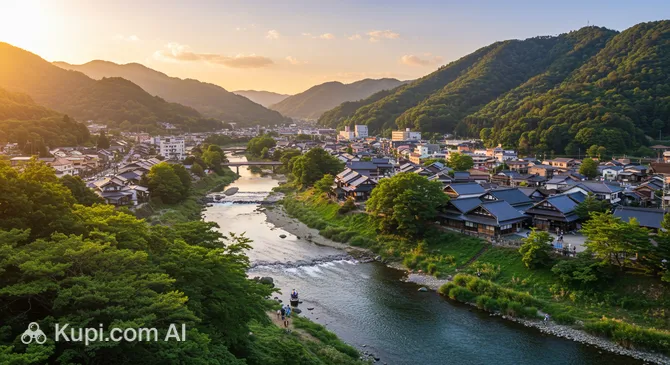
Hadano. Illustration.
Source: Kupi.com AI

Hadano has a population of approximately 164,000, allowing the city to maintain a balance between a relaxed pace of life and developed infrastructure. This corner of Japan is famous for its mild climate, thanks to which the city is literally lush with greenery for most of the year. In spring, sakura enthusiasts flock here to enjoy the blossoms, while in summer and autumn, Hadano attracts lovers of hiking and natural beauty.

Hadano is a place where ancient traditions and a modern way of life blend harmoniously. Among its attractive features are not only the aforementioned famous cherry blossom alleys and opportunities for outdoor activities, but also an authentic atmosphere free from excessive tourist crowds. The city is open to guests and ready to share new experiences.

If you are looking for authentic Japan, tranquility, and natural beauty, Hadano will be a true discovery for you and will provide unforgettable moments.

You can find more interesting facts on the Hadano city history page.
Weather Overview

The weather in Hadano is characterized by distinct seasons. Summer, especially in July and August, is warm, with average temperatures around 24-25°C and maximums reaching 27-28°C. The summer months also see the highest amount of precipitation and rainy days. Winters, by contrast, are cool, with average temperatures in January around 3.4°C and nighttime frosts. Winter months like December and January are the driest. Spring and autumn are transitional periods with moderate temperatures and variable rainfall. Overall, expect warm summers with periodic rain and cool, drier winters. You can learn more about the Hadano climate on a dedicated page.

Average monthly temperature

Average monthly precipitation

Interesting Facts

Beyond its picturesque landscapes and hospitality, Hadano hides many surprising stories and traditions that make it truly special. Ready to learn a few interesting secrets of this Japanese city?

  • Hadano boasts its very own "Sakura Michi" — Cherry Blossom Road. This isn't just a few trees, but an entire alley where thousands of cherry trees bloom in spring, turning an ordinary walk into a magical journey through a pink corridor, photos of which often grace travel guides.

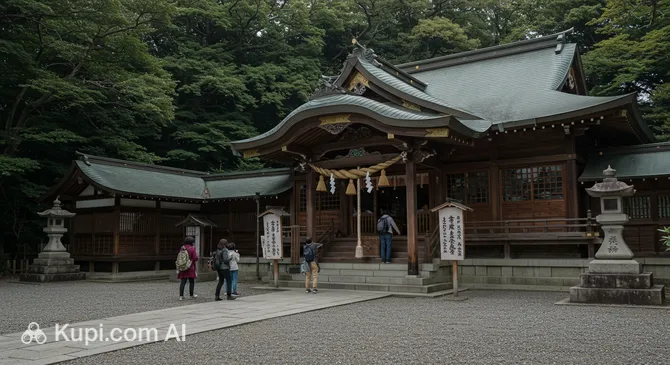
  • The city is home to the notable Izumo Taisha Sagami Shrine, linked to ancient Japanese legends of gods. According to local lore, sincere prayers offered here possess special power and can help fulfill cherished wishes if the ritual is performed correctly.

  • Hadano is not just about beautiful views; it’s a paradise for connoisseurs of local products. The city is a center for growing juicy Japanese persimmons and aromatic tea. Local farmers carefully preserve traditions and hold annual harvest festivals where you can taste fresh fruits and drinks created according to old recipes.

  • One of the unique local traditions is the "Nanohana" spring festival, dedicated to the blooming of rapeseed. During this time, the picturesque Nanohanadai hills turn bright yellow, and residents and guests of Hadano enjoy picnics and folk celebrations among the blooming fields.

Izumo Taisha Sagami Branch Shrine. Illustration.
Source: Kupi.com AI

Traveler photos:

How to Get There

The most convenient way to reach the city of Hadano is through the major international airports serving the Japan capital region. Although Hadano does not have its own airport, several options are available within reasonable reach, allowing tourists to plan their route effectively.

The primary and closest option is Haneda Airport (IATA: HND), a major international airport located in Tokyo, approximately 54.5 km from Hadano. It is one of the busiest airports in the world, offering numerous international and domestic flights. A trip from Haneda Airport to Hadano by taxi or car takes approximately 1 hour 40 minutes to 2 hours, depending on traffic conditions. Public transport options, including trains and buses, are also available, though they may require transfers to reach Hadano.

Another major international hub is Narita International Airport (IATA: NRT), also located in the capital region but further away, about 114.3 km from Hadano. Narita serves a vast number of international destinations. The journey from Narita to Hadano by car or taxi usually takes about 3 to 3.5 hours. Public transport connections from Narita are well-developed, including high-speed trains to Tokyo, from where you can continue to Hadano.

Additionally, you can consider Shizuoka Airport (IATA: FSZ), located in the city of Shizuoka at a distance of about 114.3 km from Hadano. While significantly smaller than the Tokyo giants, it may be convenient for some regional or international flights. Travel time to Hadano is comparable to the trip from Narita.

For clarity, here is summary information on the main airports used to reach Hadano:

AirportPassenger trafficDistance
Haneda Airport85.7 mln54 km
Narita International Airport40.8 mln114 km
Shizuoka Airport691 274114 km
Ibaraki Airport776 063140 km
Matsumoto Airport112 618147 km

Regarding rail connections, Japan is famous for its advanced and efficient train network. While specific data on railway stations directly in Hadano or those closest to it is not provided here, the city is likely served by local or regional rail lines. Travelers arriving at major airports like Haneda or Narita can use trains for further travel across the country, including trips to cities from which Hadano is easily accessible. It is recommended to check current schedules and routes on the websites of Japanese railway companies or at stations upon arrival. Car routes are also worth considering, as the road network in Japan is well-developed, and renting a car can be a convenient option for exploring the region around Hadano.

Main Attractions

The city of Hadano, located in Kanagawa Prefecture, offers its guests several interesting places to get acquainted with the culture, history, and nature of the region. Among them are both peaceful shrines and picturesque parks, ideal for walking and relaxation.

One of the iconic landmarks is the Izumo Taisha Sagami Shrine. This revered Shinto shrine, a branch of the famous Izumo Taisha, attracts pilgrims and tourists seeking blessings in love and luck. Visiting the shrine provides an opportunity to touch Japanese spiritual traditions, admire its architecture, and enjoy a peaceful atmosphere.

Izumo Taisha Sagami Branch Shrine. Illustration.
Source: Kupi.com AI

Traveler photos:

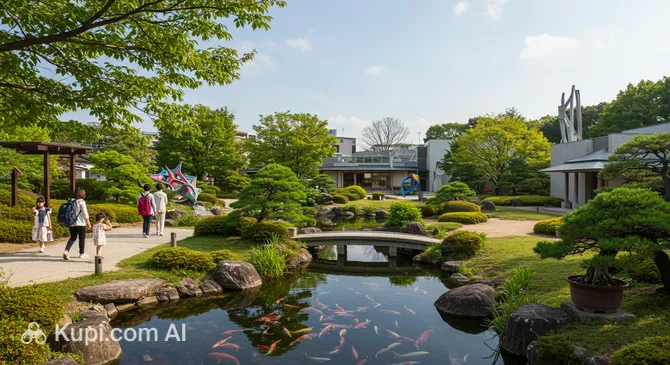
For those interested in culture and outdoor recreation, the Hadano City Cultural Park is an excellent choice. This spacious park often serves as a venue for various city events, festivals, and exhibitions. Here you can stroll along well-kept alleys, enjoy the beauty of the gardens, and perhaps visit local cultural facilities. It is a great place for family leisure and getting to know the daily life of the city.

Hadano City Culture Park. Illustration.
Source: Kupi.com AI

Traveler photos:

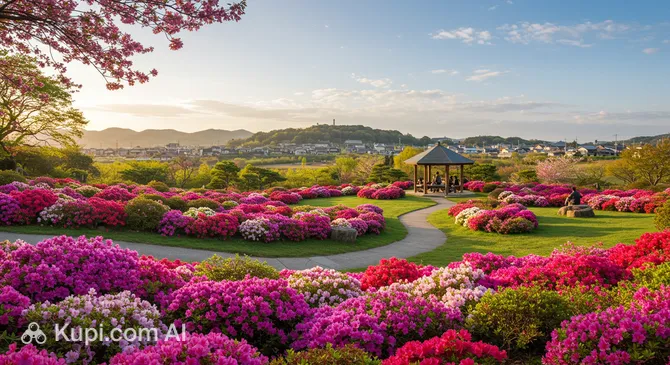
Nature lovers and those seeking panoramic views should definitely visit Koboyama Park. Located on a hill, it is especially beautiful in spring during the cherry blossom season. Its observation decks offer breathtaking views of the city and surrounding mountains, and on a clear day, you can even see the majestic Mount Fuji. The park is also interesting for its ancient kofun burial mounds and a statue of the monk Kukai, adding a historical touch to your walk.

Koboyama Park. Illustration.
Source: Kupi.com AI

Traveler photos:

Local Cuisine

The gastronomic scene in Hadano will delight connoisseurs of fresh, natural products and authentic Japanese cuisine. The foundation of many dishes is the vegetables and greens grown on fertile lands at the foot of the mountains, as well as the famous local rice. The city's cuisine is characterized by seasonality and the skillful use of nature's bounty, making every dish unique in its own way.

The main gastronomic gem that you should definitely try in Hadano is "Hadano-udon". This is a special type of udon noodle prepared here according to traditional recipes using the purest spring water from the surrounding mountain sources. This water gives the noodles a delicate taste and a special texture. Hadano-udon is often served with seasonal vegetables or in a flavorful broth.

In Hadano, great importance is placed on the seasonality of products. In spring, dishes with young bamboo shoots and fresh rapeseed appear on restaurant menus. In summer, the focus shifts to refreshing salads and river fish dishes. Autumn is the time for hearty root vegetable stews and, of course, desserts made from sweet persimmons. Additionally, the city has many cozy family restaurants where you can enjoy ramen with local vegetables, the freshest sushi and sashimi, and various dishes made from tofu and soybeans.

As for drinks, green tea is popular here, as it is throughout Japan. During local festivals, you can try refreshing sweet drinks based on tea and seasonal fruits. Numerous city cafes will offer homemade pastries and traditional Japanese sweets (wagashi), which make an excellent accompaniment to a cup of aromatic tea.

The food culture in Hadano is centered around small family establishments where traditions and product quality are valued. Locals and tourists often choose these specific restaurants for lunch or dinner. It is also worth paying attention to local markets where you can find fresh farm products and unique delicacies. The city's gastronomic life is enlivened by festivals: in autumn, the persimmon harvest is noisily celebrated here, and in spring, street food fairs are held where you can try various treats. Some shopping centers, such as Forte Hadano, also offer a choice of cafes and restaurants for a quick bite.

Forte Hadano. Illustration.
Source: Kupi.com AI

Traveler photos:

Hadano's gastronomy is a combination of freshness, seasonality, and loyalty to traditions, which will undoubtedly attract tourists wishing to experience real Japanese cuisine in its local form.

Travel Tips

Welcome to Hadano! To make your journey to this charming city in Kanagawa Prefecture as comfortable and memorable as possible, we have prepared some practical tips. They will help you find your way around better and get the most enjoyment out of your trip.

  1. Clothing and Essentials: The climate in Hadano, as in all of Japan, has four distinct seasons. In summer (June-August), it is hot and humid, so choose light and breathable clothing. Spring (March-May) and autumn (September-November) enjoy moderate temperatures—layered outfits and a light jacket are ideal. In winter (December-February), it can be chilly, sometimes with snow, especially if you plan excursions into the nearby Tanzawa Mountains, so warm clothes are a must. Don't forget comfortable walking shoes, an adapter for electronics (Japan uses type A, 100V), and a portable power bank. When visiting temples and shrines, dress modestly (shoulders and knees covered) and be prepared to remove your shoes—clean socks will come in handy.
  2. Getting Around the City: Traveling around Hadano and its surroundings is most convenient by train and bus—the public transport system in Japan is excellently developed. The Odakyu Odawara Line runs through Hadano, connecting it with other cities. Taxis are available but are a more expensive option; you can use apps like JapanTaxi or Go. Renting a car can be useful for exploring Kanagawa Prefecture, but keep in mind the left-hand traffic and the requirement for an international driving permit. Parking in the city itself can be difficult.
  3. Financial Matters: The official currency of Japan is the Japanese Yen (JPY, ¥). You can exchange money at banks, post offices, or authorized exchange offices. It is recommended to have some cash on hand upon arrival. Credit cards (Visa, Mastercard) are accepted in many hotels, large stores, and restaurants, but cash remains very important, especially in smaller establishments, shrines, and local markets. ATMs that accept international cards are usually found in 24-hour convenience stores (konbini) like 7-Eleven, Lawson, and Family Mart, as well as in post offices. Regarding a typical daily budget, it may be slightly lower in Hadano than in Japan's major metropolises. Budget for 7,000 to 15,000 yen per day per person (excluding accommodation). This amount will cover meals in mid-range cafes, local transport, and visits to some attractions. Lunch in a simple cafe will cost about 1,000-1,500 yen, and public transport is a few hundred yen per trip. Remember that tipping in Japan is not customary and may be perceived as a misunderstanding.
  4. Health and Safety: Japan is one of the safest countries in the world, and Hadano is no exception. Nevertheless, it is always useful to observe basic precautions. Pharmacies (look for the sign 薬 - kusuri) are easy to find, but most do not operate 24/7. Be sure to get travel medical insurance before your trip. If necessary, your hotel staff can help with calling a doctor or pointing you to the nearest clinic.
  5. Communication and Connectivity: The official language is Japanese. In tourist areas and large hotels, staff may speak English, but in Hadano, the level of English proficiency among locals may be lower than in Tokyo. Learn a few basic phrases in Japanese: "Konnichiwa" (Hello), "Arigato gozaimasu" (Thank you very much), "Sumimasen" (Excuse me). For constant internet access, consider buying a tourist SIM card or renting a portable Wi-Fi router (pocket Wi-Fi). Free Wi-Fi is often available in hotels, cafes, and at stations. Useful apps: Google Maps, HyperDia (for train schedules), and Google Translate.
  6. Local Etiquette: Japanese people are very polite and value respect for traditions. Greetings are usually accompanied by a slight bow. In public places, especially on transport, try to speak quietly and avoid eating on the move. An important point is to remove your shoes when entering homes, some temples, and traditional restaurants.
  7. What to Avoid: To avoid offending locals and awkward situations, keep a few rules in mind. Never stick your chopsticks vertically into a bowl of rice—this is associated with funeral rituals. It is also considered impolite to blow your nose loudly in public; it's better to do it discreetly or in a restroom. It is not customary to point at people with a finger—use an open palm.
  8. Special Tip for Hadano: Hadano is located at the foot of the picturesque Tanzawa mountain range, which is a national park and a popular hiking spot. If you love nature and outdoor activities, be sure to set aside time for a walk along one of the many trails. Additionally, if your trip is planned for late September, you might catch the Hadano Tobacco Festival (Hadano Tabako Matsuri)—a colorful local event with fireworks and parades, even though tobacco production in the region has declined.

We hope these tips help you better prepare for your trip and fully enjoy every moment of your stay in Hadano. We wish you unforgettable impressions of this cozy and welcoming Japanese city!

Entertainment & Nightlife

Hadano, located in Kanagawa Prefecture, offers its guests and residents opportunities for evening relaxation, albeit in a more peaceful and authentic way than the noisy metropolises. Nightlife here is centered around cozy establishments where you can have a pleasant time after a busy day.

Main activity in the evening is concentrated around Hadano Railway Station. Here you will find traditional Japanese pubs – izakayas, small local bars, and restaurants offering a variety of Japanese and international cuisine. The atmosphere in such places is usually friendly and conducive to conversation. Instead of loud nightclubs, Hadano offers the chance to enjoy delicious food, drinks, and conversation in a relaxed setting. Karaoke bars are also a popular leisure option among locals.

While the provided list of attractions does not include specialized nightclubs or bars, some complexes may offer options for evening entertainment. For example, shopping centers like Forte Hadano often house restaurants that operate into the evening hours, where you can have dinner or a glass of wine.

Forte Hadano. Illustration.
Source: Kupi.com AI

Traveler photos:

Practical tips for evening leisure:

Evening venues usually start filling up after the workday ends, around 6:00-7:00 PM. If you plan to travel by public transport, keep in mind that the last trains usually depart before midnight. At later hours, you can use taxi services, which are often found at ranks near the station. Prices in local establishments are generally moderate. The dress code in most places is casual, unless it is a high-end restaurant.

Safety:

Hadano, like most cities in Japan, is considered a very safe place. However, it is always worth observing basic precautions, especially if you are walking late at night alone. You can call a taxi by phone or find one at designated stands.

Daytime entertainment:

During the day, Hadano also offers interesting leisure options. You can visit the Hadano City Cultural Park, stroll through the picturesque Koboyama Park, or stop by the Izumo Taisha Sagami Shrine to experience the local culture. Families with children will enjoy Peko-chan Park Hadano (Central Children's Park).

Parks & Museums

Hadano invites its guests to enjoy the harmony of nature in its green corners and touch its cultural heritage through unique attractions. The city offers diverse opportunities for both peaceful relaxation in nature and discovering local history and traditions.

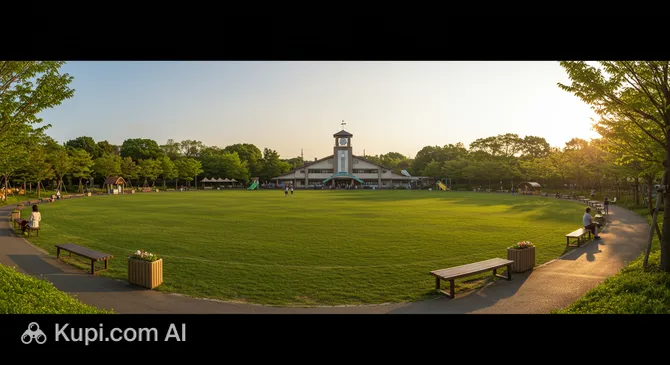
Among the green oases of Hadano, the Hadano City Cultural Park especially stands out. This is a popular place for family vacations, walks, and various events. Here you can enjoy the beauty of manicured gardens, find playgrounds for children, and simply escape the city bustle. Another wonderful place for nature lovers is Koboyama Park, known for its scenic trails, perfect for hiking, and panoramic views from its peaks. For the youngest visitors and their parents, Peko-chan Park Hadano (Central Children's Park) is a perfect choice, offering a safe and fun space for games.

Peko-chan Park Hadano (Chuo Kodomo Park). Illustration.
Source: Kupi.com AI

Traveler photos:

While Hadano might not be famous for large museum complexes with world-renowned names, its cultural and spiritual heritage is vividly presented elsewhere. One such significant site is the Izumo Taisha Sagami Shrine. This shrine attracts visitors with its tranquil atmosphere, traditional Japanese architecture, and the opportunity to touch the spiritual traditions of Japan. A visit to the shrine allows for a deeper understanding of local culture and history.

For those who want to feel the modern rhythm of the city and perhaps buy some souvenirs, a visit to Forte Hadano might be interesting. Although it is a shopping center, it provides a glimpse into the daily life of local residents.

To get a more authentic experience, don't limit yourself only to the main attractions. Stroll through the quiet city streets, notice the small local shrines, or stop by local markets if you happen upon them. These are often the moments that provide the brightest and most unforgettable memories of a trip.

Getting Around

Getting around Hadano is quite convenient thanks to its well-developed public transport system. The foundation of the transport network consists of trains and buses that connect various areas of the city and its surroundings.

Trains are an essential part of the transport system, especially for longer distances or trips to neighboring settlements. Hadano Railway Station is served by lines integrated into the region's overall network. Buses complement the rail service, providing access to parts of the city not reached by trains. Bus routes cover most residential and tourist zones.

Several methods can be used to pay for public transport in Hadano. The most convenient for tourists are rechargeable IC transport cards (such as Suica or Pasmo, which work nationwide), allowing you to pay for trips with a simple tap on the validator. Cards can be purchased and topped up at station vending machines or in some convenience stores. Single tickets are also available and can be bought at station machines before a trip or, in the case of buses, sometimes directly from the driver (it is advisable to have small change). Fares depend on the distance traveled.

Train tickets are usually purchased at station machines before boarding. When entering and exiting the platform, you must either tap your IC card on the turnstile or pass your paper ticket through the reader. On buses, IC card payment is made upon entry or exit (depending on the system), and a paper ticket, if you have one, is shown to the driver or placed in a special box. Public transport in Hadano usually runs from early morning until late evening, though schedules may change on weekends and holidays. It is recommended to check the operating hours for specific routes in advance, especially if late-night travel is planned.

In addition to public transport, other modes of travel are available in Hadano. Taxis can be found at designated ranks near stations or called by phone; this is a more expensive but comfortable option. For short trips and a more detailed exploration of the city, consider bicycle rentals if available—this is a great way to explore local streets and parks. Car-sharing opportunities should be checked on-site, as their availability may vary.

A feature of the transport system in Hadano, as throughout Japan, is its punctuality and clear organization. Information boards and signs at stations are often duplicated in English, making navigation easier for international tourists.

Accommodation

When planning a trip to Hadano, you will find a variety of accommodation options to suit different preferences and budgets. The city offers a choice from more economical options to comfortable hotels suitable for both short and long stays.

In Hadano, you can find traditional Japanese inns (ryokans), where you can immerse yourself in local culture, as well as more familiar European-style hotels and guesthouses. Although specific famous hotels were not highlighted in the provided data, tourists usually prefer to stay in areas with good transport accessibility or near attractions of interest, such as the Hadano City Cultural Park or Koboyama Park. It is recommended to research the location of your accommodation relative to your planned routes.

The price range for housing in Hadano varies: you can find both budget options and mid-range hotels. For searching and booking accommodation, it is convenient to use popular online platforms or, in some cases, contact the chosen hotel directly. To guarantee availability, especially during peak tourist seasons like the cherry blossom season or autumn foliage, it is recommended to book your stay in advance.

Nearby Cities

For those who want to explore the surrounding area, Hadano serves as an excellent starting point for day trips to several interesting nearby locations. Each of these cities offers something unique, making short journeys both educational and exciting.

For example, Sagamihara, a major city, attracts visitors with its parks, such as Sagamihara Asamizo Park, and shopping opportunities. Fujisawa is famous for its coastline and proximity to the popular Enoshima Island, offering beach vacations and scenic views. Hiratsuka, another coastal city, boasts long beaches and Hiratsuka Sogo Park, ideal for walks. Chigasaki is known for its relaxed atmosphere, surfing beaches, and the annual Hamaorisai Festival. Finally, Atsugi, located inland from the coast, offers a glimpse into local temples, nearby hot springs, or Bosainomori Park.

CityPopulationDistance
Nakai46 5675 km
Matsuda10 6828 km
Ninomiya27 5369 km
Isehara102 0889 km
Oiso31 12111 km

These nearby destinations provide an insight into the diverse culture and landscapes of the region, offering interesting options for short trips and exploring new places close to Hadano.

Shopping & Souvenirs

Shopping in Hadano offers a pleasant mix of local shops and modern retail outlets. While the city may not be a major fashion hub, you can find everything you need, as well as interesting souvenirs and locally produced goods. Hadano is not particularly famous for any specific types of products across Japan, but here you can experience the atmosphere of local shopping away from the hustle and bustle of big cities.

The main shopping spots in Hadano are generally concentrated around the railway station and its surrounding streets. Here you can find small boutiques, clothing stores, household goods, and grocery stalls. A walk through these areas will allow you not only to make purchases but also to observe the daily life of the townspeople.

For more concentrated shopping, you can visit local shopping centers. One notable spot is Forte Hadano. This mall usually features various stores offering clothing, accessories, home goods, as well as cafes and restaurants where you can have a snack after shopping.

Forte Hadano. Illustration.
Source: Kupi.com AI

Traveler photos:

Regarding markets, in Hadano, as in many Japanese cities of this size, large traditional markets may not be as common. However, keep an eye out for information on seasonal fairs or local farmers' markets where you can buy fresh produce and handmade crafts. Occasionally, small markets may appear during local festivals.

As souvenirs from Hadano, you can bring back traditional Japanese items: ceramics, textiles, sweets (such as wagashi), green tea, or locally produced sake, if available. Also, look for items reflecting the region's nature, such as those related to the Tanzawa Mountains, at the foot of which the city is located.

Shops in Hadano usually operate from 10:00 or 11:00 AM until 7:00 or 8:00 PM. Large shopping centers may have longer opening hours. Cash (Japanese yen) is widely accepted, as are credit cards in most stores and shopping malls. Contactless payments are also becoming increasingly popular.

For foreign tourists in Japan, a Tax-Free system applies to many goods when purchasing for a certain amount in participating stores. Look for the corresponding "Tax Free" sign at the entrance or ask the shop assistants. A passport is usually required to process the tax refund.

Reached the end of the page?

That means the route is fully explored