Support

Kamakurayama

About

Kamakurayama is a wonderful corner of Japan, nestled along the Pacific coast just an hour's train ride from bustling Tokyo. The city is immersed in the greenery of hills and bamboo groves, and its streets breathe history and tranquility, creating a unique atmosphere where nature, ancient traditions, and modern Japanese life harmoniously intertwine.

With a population of about 173,000 people, Kamakurayama retains the charm of a friendly town despite its popularity with travelers. As an administratively significant center of the Kanto region, it is famous for its historical temples, picturesque old streets, and breathtaking seascapes.
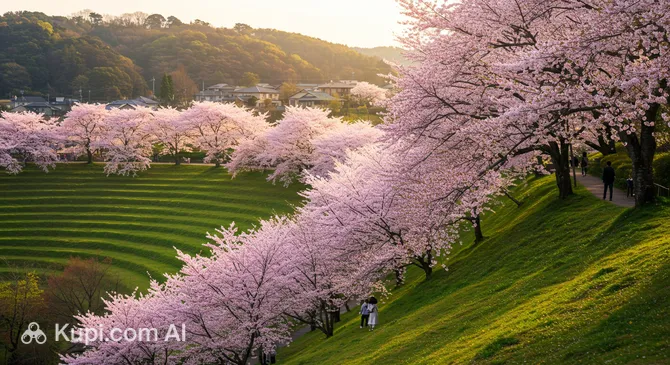
Kamakurayama. Illustration.
Source: Kupi.com AI

Kamakurayama seems tailor-made for leisurely discoveries. Be sure to stroll along the scenic Wakamiya-oji Street leading to the majestic Tsurugaoka Hachimangu Shinto shrine, and don't miss the chance to see the famous Great Buddha statue. The city also attracts visitors with its cozy tea houses and numerous craft shops where you can find unique souvenirs.

If you are looking for a place to immerse yourself in Japanese culture, enjoy the beauty of nature, and feel the breath of history, Kamakurayama will be a true discovery for you. This city invites you to slow down, breathe in the fresh sea air, and feel like part of something special.

You can find more interesting facts on the Kamakurayama city history page.

Weather Overview

The weather in Kamakurayama is characterized by noticeable seasonal fluctuations. Summers here are warm and quite humid: average temperatures in July and August are around 25–27°C, with maximums reaching 29°C. Significant precipitation falls during the summer months, especially in June. Winters in Kamakurayama are relatively mild and drier, with an average January temperature of about 5.7°C and minimal precipitation. Spring and autumn offer pleasant moderate temperatures but with variable precipitation, as the number of rainy days can be quite high, for instance, in March–May and September–October.

To get more detailed information about climatic conditions, including average monthly temperatures, precipitation amounts, and the number of rainy days, you can check the detailed forecast on the Kamakurayama Climate page.

Average monthly temperature

Average monthly precipitation

Interesting Facts

In addition to its world-famous temples and the Great Buddha, Kamakurayama hides many amazing stories and less obvious treasures. Are you ready to see this ancient city from a new perspective?

  • The famous Great Buddha (Daibutsu) statue at Kotoku-in Temple, one of the symbols of Kamakurayama, was originally housed inside a spacious temple hall. However, after the building was destroyed several times by typhoons and tsunamis in the 14th and 15th centuries, it was decided to leave the statue in the open air, just as we see it today.

  • At Hasedera Temple in Kamakurayama, besides the majestic statue of the goddess Kannon, there is a touching garden with thousands of small Jizo Bodhisattva figures. Each of these figurines is placed in memory of children and symbolizes a prayer for their souls.

  • Kamakurayama was once the de facto capital of Japan during the Kamakura Shogunate period (1185–1333). This rich historical heritage is still felt today, not only in majestic temples like Tsurugaoka Hachimangu but also in traditional festivals dedicated to martial arts and ancient customs held regularly on historical streets like Wakamiya-oji.

  • One legend associated with Hasedera Temple in Kamakurayama says that its eleven-headed statue of the goddess Kannon was carved from the same sacred camphor tree as another famous Kannon statue in Nara. According to tradition, the Kamakura statue was one of two; it was set adrift in the sea with a prayer to find a place with which it had a karmic connection, eventually washing ashore near Kamakurayama.

How to Get There

The most convenient way to reach the city of Kamakurayama, located in Kanagawa Prefecture, is through the major international airports serving Tokyo. These air hubs offer many options for further transfer to your destination.

The primary and most preferred option for most international travelers is Haneda Airport (IATA: HND). This major international airport is located in Tokyo, approximately 35.3 km from Kamakurayama. A taxi ride from here to the center of Kamakurayama will take roughly 1 hour 10 minutes to 1 hour 30 minutes, depending on traffic. Additionally, Haneda Airport has excellent public transport connections, including trains and buses that will take you to Kamakurayama or its nearest hub stations.

Another significant international gateway is Narita International Airport (IATA: NRT), also located in Tokyo but at a greater distance – about 93.2 km from Kamakurayama. A taxi journey from Narita can take between 2 hours 30 minutes and 3 hours. Like Haneda, Narita offers a wide choice of trains (including limited express services) and buses traveling towards Kamakurayama or cities from which it is easily accessible.

While other regional airports exist, such as Shizuoka Airport (IATA: FSZ) in Shizuoka City (about 134.8 km from Kamakurayama) or Ibaraki Airport (IATA: IBR) in Ibaraki City (about 125.6 km), they are generally less convenient for a direct trip to Kamakurayama due to the distance and the need for additional transfers.

For your convenience, here is a summary of the main airports used to reach Kamakurayama:

AirportPassenger trafficDistance
Haneda Airport85.7 mln35 km
Narita International Airport40.8 mln93 km
Ibaraki Airport776 063126 km
Shizuoka Airport691 274135 km
Matsumoto Airport112 618172 km

Main Attractions

Kamakurayama, a picturesque district of Kamakura, offers its guests a special atmosphere of peace and unity with nature, distinct from the bustle of more famous tourist centers. While it may not have massive temple complexes, it boasts unique spots that draw connoisseurs of quiet relaxation and refined experiences.

One of the main gems of Kamakurayama is the Cherry Blossom Alley (Sakura Namiki). In spring, this street, stretching for several kilometers, turns into a real pink-and-white tunnel as hundreds of cherry trees bloom simultaneously. It is a favorite spot for both locals and tourists wishing to enjoy traditional Japanese hanami (cherry blossom viewing) in a calm and elegant setting. Along the alley, you will also find the small but cozy Sakura-no-Michi Park, where you can relax and prolong the pleasure of contemplating the delicate flowers.

Another iconic attraction in Kamakurayama is the famous "House of Kamakurayama" (鎌倉山) restaurant, often known simply as "Roast Beef Kamakurayama." It is not just a place for dinner, but a true gastronomic experience that attracts foodies from all over the country. The restaurant is famous for its exquisite roast beef prepared according to a special recipe, impeccable service, and magnificent views of the surrounding greenery from its windows. A visit to this restaurant is often a special event for lovers of haute cuisine and a romantic atmosphere.

Beyond these specific locations, the atmosphere of Kamakurayama and its panoramic views are attractions in their own right. The area is located on hilly terrain, offering breathtaking views of the surrounding landscapes and sometimes even the distant Sagami Bay on clear days. Quiet, winding streets surrounded by well-kept gardens of private residences and an abundance of greenery make Kamakurayama an ideal place for leisurely walks, photo sessions, and a break from urban noise. It is a place where you can feel harmony and enjoy the silence and beauty of Japanese nature in its most refined form.

Local Cuisine

The gastronomic scene in Kamakurayama is a true discovery for foodies, where tradition harmoniously blends with the freshness of local ingredients. Located by the sea, the city is famous for its dishes made from the freshest seafood, which forms the basis of many culinary masterpieces.

Be sure to try shirasu-don – the signature dish of Kamakurayama. This dish consists of rice topped with a bounty of tiny white fish (shirasu) caught right here. This delicacy, which can only be tasted in this region, wins you over with its tenderness and freshness. Another local legend is Kamakura-style roast beef. This dish, with over half a century of history, is prepared according to a special recipe, making the meat incredibly juicy and aromatic. Of course, one cannot overlook the exquisite sushi and sashimi prepared from the fresh local catch.

Street food in Kamakurayama is an adventure of its own. At every turn, appetizing discoveries await: sweet dango rice dumplings, buns filled with sweet anko bean paste, and grilled fish on skewers. Traditional Japanese sweets, wagashi, hold a special place; they are not only beautiful but also delicious. They are often served with green tea. It is also worth visiting local farmers' markets to find fresh seasonal vegetables, fruits, and other local delicacies.

The food culture in Kamakurayama involves both visiting cozy restaurants to enjoy signature dishes in a quiet setting and immersing yourself in the atmosphere of gastronomic festivals. These vibrant events, especially popular in spring and autumn, bring together the best chefs and offer guests a chance to try various traditional treats. Among drinks, green tea is universally popular, perfectly complementing both sweets and main courses. In restaurants and cafes, you will also be offered a wide selection of other Japanese drinks, including sake and local beer, which pair beautifully with the local cuisine.

Travel Tips

Welcome to Kamakurayama! To make your trip to this charming city as comfortable and rewarding as possible, we have prepared some practical tips. They will help you navigate better and enjoy every moment of your stay.

  1. Clothing and Essentials:

    The climate in Kamakurayama is temperate, so choose clothing according to the season: light items and sun protection in summer, layered clothing and a jacket in spring and autumn, and warm clothing in winter. Be sure to bring comfortable shoes, as you will be doing a lot of walking while exploring temples and hilly terrain. Modest clothing that covers shoulders and knees is recommended when visiting temples and shrines. Don't forget an adapter for your electronics (Japan uses type A and B sockets, 100V voltage).

  2. Transport:

    It is convenient to get around Kamakurayama using public transport. The famous Enoden line is not just transport but a scenic route along the coast. The bus network is also well-developed. For central districts and many attractions, walking is an excellent option. Taxis are available but can be expensive. Renting a car is generally impractical due to narrow streets and limited parking.

  3. Finances:

    The local currency is the Japanese Yen (JPY). Credit and debit cards are accepted in many hotels, large shops, and restaurants, but cash remains an important means of payment, especially in small establishments, temples, and for buying souvenirs. ATMs that accept international cards can be found in convenience stores (e.g., 7-Eleven) and post offices. Tipping in Japan, including Kamakurayama, is not practiced and may be seen as a misunderstanding.

  4. Health and Safety:

    Kamakurayama is a very safe city, as is Japan in general. Pharmacies (薬, "kusuri") are easy to find, but staff may not always speak English, so it is useful to have a list of necessary medications with international names or a translator. Travel medical insurance is recommended. Observe standard precautions, especially on crowded beaches during the summer season.

  5. Communication:

    The official language is Japanese. In tourist areas, hotels, and stations, staff often speak basic English. Learn a few simple phrases in Japanese, such as "Konnichiwa" (Hello/Good day), "Arigato" (Thank you), and "Sumimasen" (Excuse me/I'm sorry). For constant internet access, it is recommended to purchase a travel SIM card or rent a pocket Wi-Fi router (this can be done at the airport or ordered online in advance). Free Wi-Fi is available in some cafes and tourist spots.

  6. Local Etiquette:

    The Japanese value politeness and respect for tradition. A slight bow is a common form of greeting. Remove your shoes before entering temples, traditional restaurants, and ryokans, as well as when visiting a Japanese home. In public places, especially on transport, try to speak quietly and avoid disturbing others. When using chopsticks, do not stick them vertically into rice or pass food directly from your chopsticks to another person's.

  7. What to Avoid:

    Try not to eat while walking, especially in temple complexes or on narrow, busy shopping streets, unless there are designated areas for it. Always dispose of trash in bins; if there is no bin, carry it with you to the nearest one. Smoking on the streets is allowed only in specially designated areas.

  8. Extra Tip:

    If you plan to visit several temples, consider purchasing a "goshuincho" (御朱印帳) – a special book for collecting calligraphic temple seals (goshuin). Each seal is unique and applied by monks by hand. It is not only a beautiful souvenir but also a meaningful reminder of your spiritual journey through Kamakurayama.

We hope these tips help you plan an unforgettable trip to Kamakurayama. We wish you vivid impressions and a pleasant stay in this amazing corner of Japan!

Entertainment & Nightlife

When the sun sets over Kamakurayama, it offers its guests a cozy and relatively quiet nighttime atmosphere, distinct from the neon frenzy of major Japan metropolises. While you might not find massive night clubs operating until dawn here, you can enjoy a pleasant evening in traditional Japanese bars, stylish venues, or simply by strolling through the illuminated streets.

The main evening life in the Kamakurayama area and the adjacent center of Kamakura is likely concentrated around the main railway stations, such as Kamakura Station, or along busy commercial streets like Komachi-dori. Here, you can find a variety of izakayas – Japanese pubs serving drinks and traditional snacks, small bars with signature cocktails, and restaurants open late. Some venues may offer live music, creating a relaxed and soulful atmosphere.

The evening atmosphere in Kamakurayama generally encourages quiet relaxation and socializing. The crowd here consists of both locals and tourists seeking peace after a full day of sightseeing. Most establishments have an informal style, and strict dress codes are rare. Opening hours can vary, but many bars and restaurants are open until midnight or slightly later, especially on weekends.

To fully enjoy the evening, it is best to head out for a walk after 7:00–8:00 PM, when venues begin to fill with patrons. Prices in the bars and restaurants of Kamakurayama are generally comparable to the national average. Public transport runs less frequently at night, so it is worth planning your return route to the hotel in advance. Taxis are available and can be called by phone or found at designated stands near stations.

Kamakurayama, like most places in Japan, is considered a very safe city for nighttime walks. Nevertheless, it is always wise to observe standard precautions, especially in secluded or unfamiliar areas. Central and well-lit areas are perfectly safe for tourists.

As for specific venues, you will likely find traditional Japanese izakayas, small cocktail bars, and evening restaurants in Kamakurayama and its surroundings. If our catalog featured specific nightlife spots for Kamakurayama with corresponding `LandingKey` (such as a popular bar or a cozy night restaurant), we would certainly include their names and links here for your convenience. We recommend checking out places near major transport hubs or strolling through central shopping streets in the evening – that is where the nightlife is most concentrated.

During the day, Kamakurayama and its surroundings offer a completely different experience. The city of Kamakura is famous for its numerous temples and shrines, such as the famous Great Buddha (Daibutsu) at Kotoku-in Temple and the picturesque Hasedera Temple with its ocean views. History buffs can visit various museums dedicated to the region's rich past. For outdoor relaxation, local parks and beaches like Yuigahama are perfect for enjoying the sea breeze. Although Kamakurayama does not have large theme parks, its cultural heritage and natural beauty provide a rich daytime program for any traveler.

Parks & Museums

Kamakurayama, as part of the picturesque and historically significant city of Kamakura, offers its guests a harmonious combination of soothing green zones and a rich cultural heritage. Everyone will find something for their soul here, from quiet parks to fascinating museums that hold the secrets of the past.

The surroundings of Kamakurayama and the city of Kamakura itself are famous for their natural beauty. One of the iconic spots is Genjiyama Park, known for its cherry trees, the statue of Minamoto no Yoritomo, and hiking trails that offer beautiful views. For lovers of seascapes, Kamakura Seaside Park is ideal, especially the Inamuragasaki area, where you can watch stunning sunsets. Additionally, Kamakura is famous for its numerous hiking trails, such as the Daibutsu trail, which wind through forested hills, connecting ancient temples and shrines.

The cultural life of Kamakura, accessible to Kamakurayama guests, is rich and diverse. The Kamakura Museum of Literature, housed in an elegant former villa, introduces the work of writers associated with the city and is surrounded by a beautiful rose garden. On the grounds of the Tsurugaoka Hachimangu Shrine is the Kamakura Museum of National Treasures (Kamakura Kokuhokan Museum), where priceless sculptures, paintings, and artifacts from local temples are exhibited. Connoisseurs of Japanese painting will enjoy the Kaburaki Kiyokata Memorial Art Museum, dedicated to the work of this outstanding artist.

Many of Kamakura's historical and architectural gems, such as Kotoku-in Temple with its famous Great Buddha statue or Hasedera Temple with its magnificent gardens, are effectively parks and open-air museums in their own right. They offer not only spiritual enrichment but also the chance to enjoy the beauty of Japanese nature and architecture.

To truly feel the atmosphere of Kamakura, step off the beaten tourist paths and visit one of the smaller, secluded temples hidden in the green hills. And for full immersion in the local flavor, relax in a traditional tea house, often found along the hiking routes, and enjoy the silence with a cup of aromatic tea.

Getting Around

Getting around Kamakurayama and its surroundings is quite convenient thanks to a well-developed public transport system. The main methods of travel for tourists are trains and buses, which connect key attractions, temples, and beaches.

Railway transport plays a key role in the transportation system. One of the most famous lines is the Enoden (Enoshima Electric Railway). This is a picturesque tram-like train line that connects the city of Kamakura (the main hub is Kamakura Station) with Enoshima and Fujisawa, running along the coast and past many popular spots. To access some parts of the Kamakurayama tourist zone from the Enoden or JR lines, additional transport, such as a bus, may be required. JR (Japan Railways) lines, such as the Yokosuka Line, also pass through Kamakura Station, providing convenient connections to Tokyo and other major cities. Trains on these lines run regularly, especially during the day.

The bus network in Kamakurayama is well-developed and complements the rail service, taking passengers to areas not reached by trains or providing more direct access to attractions from various parts of Kamakurayama. Buses run on various routes covering most tourist sites. Stops are usually clearly marked, and schedules can be found at the stops or online.

As for the payment system, the most convenient option for tourists is prepaid IC cards, such as Suica or Pasmo. These cards can be purchased at machines in railway stations or airports upon arrival in Japan. They can be topped up with any amount and used to pay for travel on trains (including Enoden) and buses by simply tapping them against the reader at the ticket gate or when boarding/exiting the bus. The fare is deducted automatically. You can also buy single tickets at station machines or directly from the bus driver (it is advisable to have small change). Fares depend on the distance traveled.

Practical tips for tourists:

  • Purchase an IC card for convenience and to save time. It can also be used for purchases in some shops and vending machines.
  • Tickets for JR and Enoden trains can be bought at station machines. For buses, if you don't have an IC card, pay the driver when boarding (sometimes when exiting, check based on the route).
  • Validate your IC card by touching the reader at the entry and exit points at railway stations, and when boarding and/or exiting buses.
  • Public transport usually starts early in the morning (around 5–6 AM) and finishes close to midnight. Trains and buses can be crowded during peak hours and on weekends.

Among alternative ways to get around in Kamakurayama, the following are also popular:

  • Taxis: Available at stations and popular tourist spots, though this is a more expensive option. Convenient for short trips or if you have luggage.
  • Bicycle rentals: Kamakurayama is an excellent place for cycling, especially around the temples and coastal areas. Rental points can be found near the stations. It is a wonderful way to explore the city at your own pace.

A special highlight of the transport system, as mentioned, is the Enoden line. A trip on it becomes a small excursion in itself, offering views of the ocean and cozy urban landscapes on the way to Enoshima or back to Kamakura.

Accommodation

When planning a trip to Kamakurayama, you will find a variety of accommodation options to suit different preferences and budgets. The city offers everything from cozy guesthouses (minshuku) and modern hostels for budget travelers to comfortable mid-range hotels and traditional Japanese inns — ryokans. It is the ryokans that will provide you with a unique experience of Japanese hospitality, featuring tatami mats, futons, and perhaps even an onsen (hot spring).

When choosing a place to stay in Kamakurayama, it is worth looking at areas that provide convenient access to major attractions and transport hubs. The area around Kamakura Station is popular, as it is easy to reach most temples and shrines from there. Coastal areas, such as those near Yuigahama or Shichirigahama beaches, are also attractive, especially if you plan to combine cultural sightseeing with time by the sea. Some travelers prefer more secluded spots in the green hilly parts of the city, which offer peace and beautiful views.

In Kamakurayama, you will find various types of hotels, from charming boutique hotels to larger hotel complexes. The choice of a specific place will depend on your preferences regarding comfort level, location, and available services. Researching offers on specialized travel websites will help you find the best option.

Booking Tip: Kamakurayama is a popular destination, especially during cherry blossom season (spring), autumn leaf viewing (momiji), national holidays, and the summer season. Therefore, it is recommended to book accommodation in advance to ensure the best choice and prices, especially if your trip falls on peak dates.

The price range for accommodation in Kamakurayama varies from budget-friendly options to more expensive offerings in high-end ryokans or hotels with special amenities. Most accommodation options can be easily found and booked through popular online travel platforms, as well as directly on hotel or ryokan websites.

Nearby Cities

For those looking to explore the surrounding area, Kamakurayama serves as an excellent starting point for day trips to several interesting nearby locations.

For example, you can head to Yokohama (18 km), Japan's second-largest city, famous for its impressive port, the modern Minato Mirai district, and its vibrant Chinatown. Very close by is Fujisawa (3 km), a popular spot due to its proximity to the picturesque Enoshima Island and beautiful beaches. Yokosuka (15 km) is also worth noting, a city with a rich maritime history where you can visit naval-related museums and parks.

Below is a table with some of the nearest cities that might be of interest for a visit:

CityPopulationDistance
Fujisawa436 7443 km
Zushi56 9966 km
Hayama31 5468 km
Chigasaki242 34710 km
Torihama9 64313 km

These nearby destinations provide a glimpse into the diverse culture and landscapes of the region.

Shopping & Souvenirs

Shopping in Kamakurayama and its surroundings is a pleasant addition to exploring temples and natural beauty. The city is not famous for giant shopping centers like Tokyo, but here you can find unique souvenirs, local handicrafts, and traditional Japanese goods. Shopping here is more like a leisurely stroll through cozy streets, popping into small shops.

The main shopping destination in Kamakura, of which Kamakurayama is a part, is Komachi-dori Street. It stretches from Kamakura Station toward the Tsurugaoka Hachimangu Shrine. It is home to many shops offering souvenirs, local delicacies, clothing, ceramics, and handmade goods. You can also find interesting shops on the side streets and near major temples.

There are few large modern shopping centers in Kamakurayama itself or the historic center of Kamakura. The emphasis is on more traditional retail formats. Small department stores or sections with goods can be found near the Kamakura railway station, but for large-scale mall shopping, it is better to head to larger cities like Yokohama or Tokyo.

While Kamakura is not famous for large markets in the European sense, you can find interesting local spots here. For example, farmers' markets are held periodically, selling fresh local produce. One such market is the Kamakura Farmers Market (Renbai), where you can buy seasonal vegetables, fruits, and flowers. Occasionally, you can also meet artisans selling their wares here.

You should bring back unique souvenirs from Kamakurayama and Kamakura. Kamakura-bori – traditional carved lacquerware and interior items – is particularly popular. Local sweets are also famous, such as Hato Sablé pigeon-shaped cookies. Numerous shops offer ceramics, textiles with traditional patterns, incense, temple amulets, and various items featuring the Great Buddha.

Most shops in Kamakura open around 10:00–11:00 AM and stay open until 6:00–7:00 PM. Small family shops may close earlier or have a day off in the middle of the week. Cash is accepted (especially in small shops and markets), as well as credit cards in most tourist spots and larger retail outlets. Contactless payments and payment with IC cards (Suica, Pasmo) are also becoming increasingly common.

For foreign tourists in Japan, a Tax Free system is available. Many shops in Kamakura, especially those oriented toward tourists, provide this service for purchases over a certain amount (usually from 5,000 yen). Look for the "Tax-Free Shop" signs. You will need to present your passport to process the tax refund.

Reached the end of the page?

That means the route is fully explored