Support

Odawara

About

Odawara is a charming city nestled on the shores of Sagami Bay in Kanagawa Prefecture, just an hour's drive from bustling Tokyo. Thanks to its strategic location, Odawara serves as a gateway to the famous Fuji-Hakone-Izu National Park, and its scenic proximity to legendary Mount Fuji adds a special allure to the place. This corner of Japan stretches out at the foot of the mountains, where a mild maritime climate and magnificent landscapes create an atmosphere of freshness and comfort.

With a population of about 189,000 people, Odawara successfully combines the spirit of a traditional Japanese town with modern amenities. Once an important administrative center and the capital of a major feudal domain, it remains a significant transportation hub for the region today while preserving its unique atmosphere.
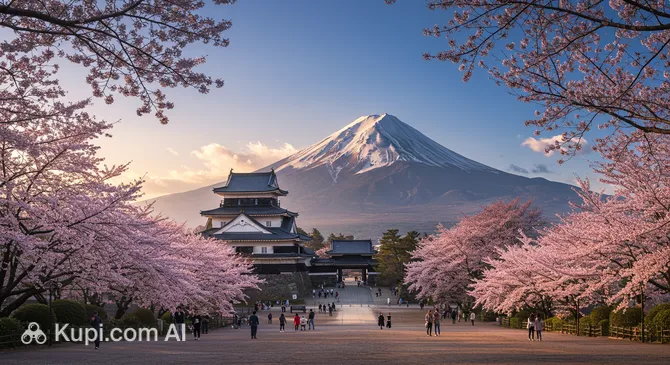
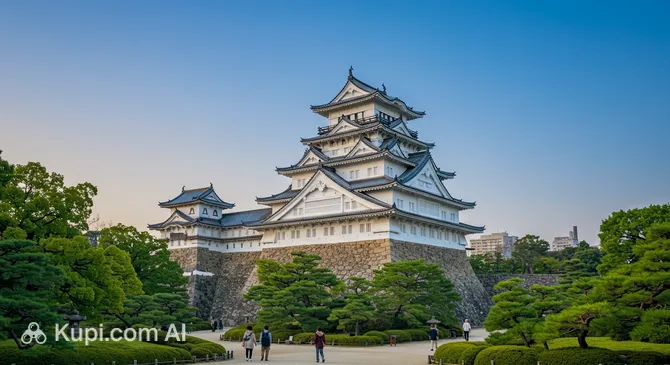
Odawara. Illustration.
Source: Kupi.com AI

The main pride of Odawara and its signature landmark is the majestic Odawara Castle—once the impregnable stronghold of the powerful Hojo clan. Walking through its grounds and the city's old streets allows you to literally dive into the samurai era and feel the breath of history that lingers everywhere here.

Why should you include Odawara in your itinerary? It is a wonderful opportunity to get to know the real Japan, far from the hustle and bustle of megacities. The city is an excellent starting point for trips to the picturesque lakes of Hakone and the mountains, and it also offers the chance to relax on the coast with its unique volcanic sand. Odawara is waiting for you to reveal its secrets and share its rich culture!

You can find more interesting facts on the Odawara's history page.
Weather Overview

In Odawara, you can expect warm, humid summers and cool, relatively dry winters. The summer months, especially July and August, are characterized by average temperatures around 24-25°C (with maximums reaching up to 28.3°C in August) and are the rainiest, with about 20 wet days per month and precipitation levels up to 9 mm. In winter, for example in January, the average temperature is about 3.6°C, with night temperatures dropping to an average of -0.1°C, and precipitation is significantly lower—around 2 mm. Spring and autumn are transitional seasons with comfortable temperatures: in May, the average temperature is 16.5°C, and in October, it is 16.0°C, with moderate rainfall. For a more detailed look at weather conditions, visit the Odawara Climate page.

Average monthly temperature

Average monthly precipitation

Interesting Facts

In addition to its famous landmarks, Odawara hides many surprising stories and curious details. This city is not just a point on the map of Japan, but a place with a rich past and unique traditions that make it truly special.

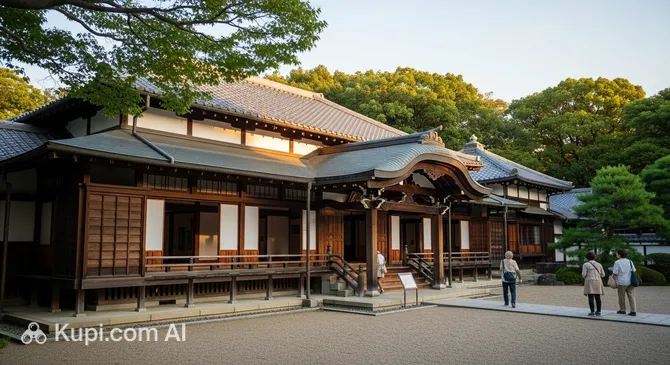
Odawara Castle Park. Illustration.
Source: Kupi.com AI

Traveler photos:

  • Odawara played a key role on the ancient Tokaido road, which connected Edo (modern-day Tokyo) and Kyoto. The city served as an important rest stop for travelers, merchants, and samurai heading through difficult mountain passes, making it a true melting pot of cultures and traditions.

  • The famous Odawara Castle, located in Odawara Castle Park, went down in history as one of Japan's most impregnable fortresses. During the era of civil wars, it could not be taken by storm for a long time until a clever siege forced the defenders to surrender—a vivid example of military strategy and resilience. The castle's history can be studied in detail at the Odawara Castle History Museum.

  • The city is famous as the birthplace of traditional Japanese paper lanterns, known as "Odawara-chochin." Local craftsmen have passed down the secrets of their creation from generation to generation for many centuries, and participating in a workshop to make such a lantern has become a popular activity for tourists wishing to touch local culture.

  • In the vicinity of Odawara lies the ancient Buddhist temple Daiyuzan Saijo-ji, with a history spanning over 600 years. An impressive avenue of twenty thousand cedar trees leads to this sacred site, and local legends tell of mountain spirits called tengu who guard these lands. Their numerous statues create a special mystical atmosphere during a walk through the temple grounds.

How to Get There

Odawara, snugly located in Kanagawa Prefecture, is an attractive tourist destination that is easy to reach. Although the city does not have its own airport, travelers can use several major international and regional airports located relatively close by, as well as Japan's excellently developed railway network.

The main and most convenient option for international travelers is Haneda Airport (HND), officially known as Tokyo International Airport. Located in Tokyo, it is one of the busiest airports in the world. The distance from Haneda to Odawara is approximately 65 km. A trip by car, taxi, or express bus usually takes from 1.5 to 2 hours, depending on traffic conditions. From Haneda Airport, there is also a convenient rail connection, allowing you to reach Odawara with transfers at major hub stations.

Another major international airport serving the metropolitan region is Narita International Airport (NRT). It is located significantly further from Odawara, about 125 km east of Tokyo. The journey from Narita to Odawara by car or bus can take between 2.5 and 3.5 hours. Narita Airport is also perfectly integrated into Japan's rail network, offering various options, including the Narita Express high-speed trains, which can reach Odawara, typically with one transfer in Tokyo.

In addition to air travel, Odawara is excellently connected to other cities in Japan thanks to the highly developed railway system. The city is an important station on the Tokaido Shinkansen line, served by Japan's famous high-speed trains. This makes traveling from major cities like Tokyo, Nagoya, Kyoto, or Osaka not only fast but also very comfortable. Besides the Shinkansen, Odawara can be reached by numerous local and regional trains connecting it with surrounding towns and attractions.

For clarity, here is summary information on some airports from which you can reach Odawara:

AirportPassenger trafficDistance
Haneda Airport85.7 mln65 km
Shizuoka Airport691 274103 km
Narita International Airport40.8 mln125 km
Matsumoto Airport112 618150 km
Ibaraki Airport776 063153 km

Main Attractions

Odawara, a city with a rich history and picturesque nature, offers tourists many interesting places to visit. Here, everyone will find something for themselves, from ancient castles to beautiful gardens and fascinating museums.

One of the city's main gems is Odawara Castle Park. This historical complex, located on a hill, attracts visitors not only with its majestic castle but also with beautiful gardens where you can stroll and enjoy the tranquility. Odawara Castle played an important role in Japanese history, and today its grounds are a popular place to learn about the samurai past and admire the cherry blossoms in spring.

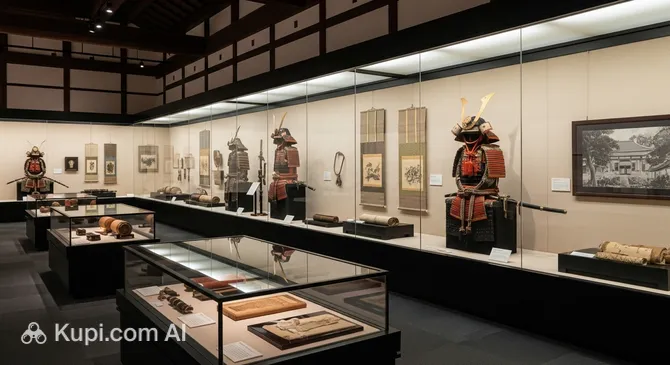
To dive deeper into the history of this famous structure, it is worth visiting the Odawara Castle History Museum. Its exhibits feature artifacts, armor, weapons, and documents telling the story of various periods of the castle's existence and its owners. This is an excellent addition to a walk through the park, allowing for a better understanding of Odawara's significance in Japanese history.

Odawara Castle History Museum. Illustration.
Source: Kupi.com AI

Traveler photos:

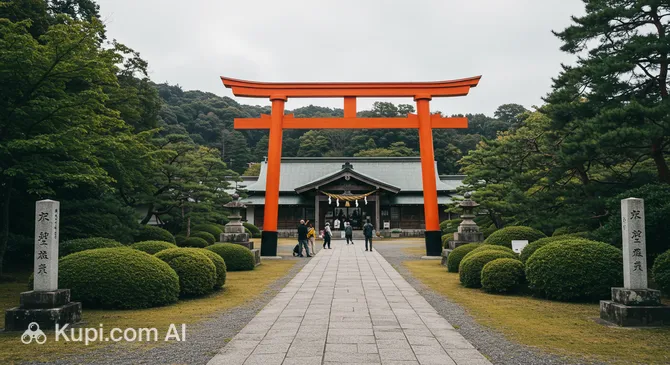
Near the castle is the Hotoku Ninomiya Shrine, dedicated to Ninomiya Sontoku—a famous 19th-century Japanese philosopher and economist born in Odawara. This quiet and peaceful place attracts not only pilgrims but also tourists wishing to touch Japanese culture and spirituality. The shrine grounds are beautiful and well-maintained, and you can often see statues of Ninomiya Sontoku depicted reading a book while working.

Hotoku Ninomiya Shrine. Illustration.
Source: Kupi.com AI

Traveler photos:

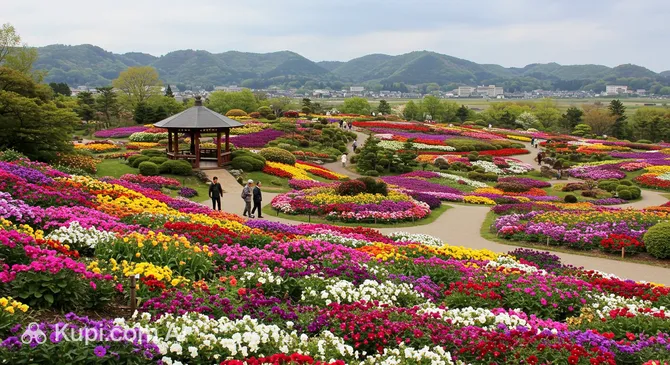
For nature and flower lovers, the Odawara Flower Garden is a must-see. Here, you can admire a variety of plants year-round: from plum trees, famous for their early blooming, to roses and tropical flowers in the greenhouses. The garden offers beautiful views, especially during the blooming season, and is an excellent place for a relaxing break and photoshoots.

Odawara Flower Garden. Illustration.
Source: Kupi.com AI

Traveler photos:

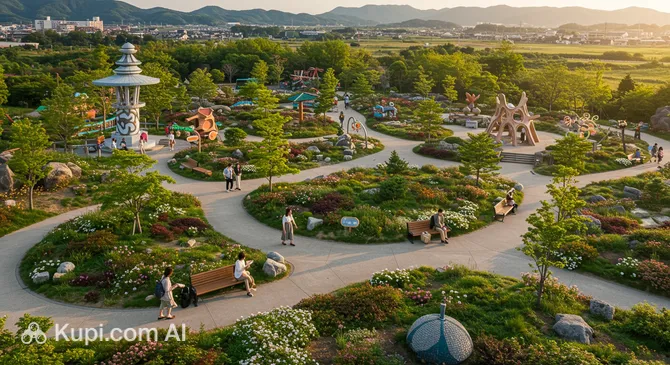
For families with children, Wanpaku Land Children's Forest is a wonderful choice. This large amusement park offers many outdoor activities, including playgrounds, rides, a mini-zoo, and picnic spots. It is a place where children can play to their heart's content while adults enjoy nature and the fresh air.

Children's Forest Wanpaku Land. Illustration.
Source: Kupi.com AI

Traveler photos:

Local Cuisine

The gastronomy of Odawara is a true immersion into the world of fresh seafood, as the city is snugly located on the shores of Sagami Bay. The main culinary pride and symbol of Odawara is kamaboko—a delicate fish cake prepared according to ancient recipes. This delicacy, often crafted in the form of artfully decorated rolls or figures, can be found in numerous local shops. Its unique taste and texture are a must-try for every visitor seeking to experience authentic Japanese cuisine.

Besides kamaboko, Odawara's cuisine will delight you with a variety of fresh fish and seafood dishes. Be sure to try local sushi and sashimi, where the taste of the ocean is felt in every bite. On the city streets and in markets, you will find appetizing street food: grilled squid, tempura made of vegetables and seafood, and traditional Japanese rice sweets. Odawara's gastronomic scene is a harmonious combination of centuries-old traditions and the freshness of local products, making it especially attractive for foodies.

Among drinks, local sake holds a special place. In Odawara and its surroundings, there are breweries producing this traditional Japanese drink from pure spring water originating in the nearby mountains. Some of them even offer tours with tastings, allowing for a deeper understanding of the production process and the chance to appreciate unique varieties. Of course, classic non-alcoholic drinks, such as various Japanese teas that perfectly complement any meal, are always available.

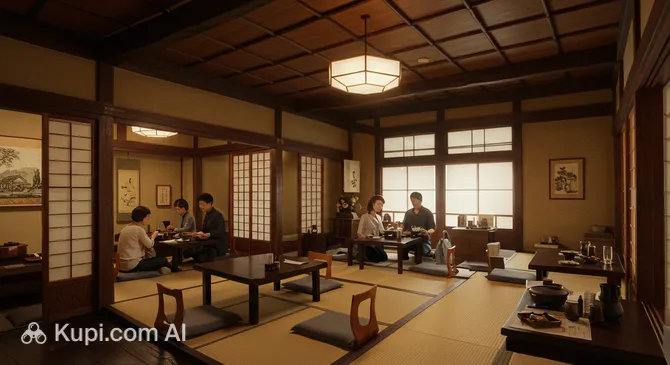
The food culture in Odawara is quite diverse. Locals and tourists enjoy meals both in cozy restaurants offering traditional dishes, such as Tomoei, and by buying food at lively local markets, where you can find the freshest fish, seasonal vegetables, and ready-made snacks. Street food also plays an important role, offering a quick and tasty way to get to know local specialties. Occasionally, the city hosts gastronomic festivals dedicated to kamaboko and other delicacies, adding another bright color to Odawara's culinary palette and providing a unique experience for travelers.

Tomoei. Illustration.
Source: Kupi.com AI

Traveler photos:

Travel Tips

Heading to Odawara? Fantastic! This historic city, snugly nestled at the foot of the Hakone Mountains and on the shores of Sagami Bay, is full of charm. To ensure your trip to this corner of Japan goes smoothly and leaves you with only pleasant impressions, we have prepared a few practical tips.

  1. Clothing and Essentials:

    The climate in Odawara is temperate, with four distinct seasons. In summer (June-August), it is hot and humid, so bring light, breathable clothing. Spring (March-May) and autumn (September-November) offer comfortable weather—layered outfits and a light jacket are ideal. In winter (December-February), it’s cool, so you'll need a warm jacket, sweater, hat, and gloves. Be sure to bring comfortable shoes, as you will be walking a lot. Don't forget an umbrella, especially if traveling during the rainy season (June-July). For electronics, you'll need an adapter (Type A plugs are used in Japan, 100V voltage). Dress modestly when visiting shrines and Odawara Castle; you may need to remove your shoes, so clean socks will come in handy.

  2. Getting Around Town:

    Odawara is a major transport hub. The main way to get around is by train. JR lines, the private Odakyu line (convenient for trips from Tokyo), and the scenic Hakone Tozan Railway all intersect here. Buses are also well-developed and cover routes throughout the city and to nearby attractions. Taxis are available but more expensive. Renting a car can be useful for exploring remote areas, but it's not necessary for getting around the city itself or for trips to Hakone; plus, parking can be expensive and driving is on the left.

  3. Finances: All About Money:

    The local currency is the Japanese Yen (JPY, ¥). You can exchange currency at airports, banks, some post offices, and exchange counters. Credit and debit cards (Visa, Mastercard) are accepted in most hotels, major stores, and restaurants. However, always carry some cash, as small establishments, temples, and markets might only accept it. ATMs that take international cards are available at post offices (Japan Post Bank) and 7-Eleven convenience stores (Seven Bank ATM). Tipping in Japan is not expected and may be seen as a misunderstanding; excellent service is already included in the bill.

  4. Health and Safety:

    Odawara, like Japan in general, is a very safe city. Follow standard precautions: keep an eye on your belongings, especially in crowded places. Pharmacies (look for signs saying "薬" or "kusuri") are easy to find, but not all are open 24/7, and staff may not speak English. It's recommended to have a basic first-aid kit with you. Travel medical insurance is highly recommended. In case of emergency, call: 110 for police, 119 for fire/ambulance.

  5. Communication and Connectivity:

    The official language is Japanese. In tourist areas like Odawara Castle or the station, staff may speak English, but overall English proficiency is not high. Learn a few basic phrases: "Konnichiwa" (Hello), "Arigato" (Thank you), "Sumimasen" (Excuse me/Sorry). For staying connected, we recommend buying a travel SIM card or renting a portable Wi-Fi router (can be done at the airport or ordered online in advance). Free Wi-Fi is available in many hotels, cafes, and at some stations. Useful apps: Google Maps, HyperDia or Jorudan (for train schedules), Google Translate.

  6. Local Etiquette: How to Behave:

    Japanese people are very polite and value respect for tradition. A greeting is a light bow. In public places, especially on transport, try to speak quietly and avoid disturbing others. It is not common to eat or drink while walking (except in designated areas). You must remove your shoes when entering a Japanese home, some temples, and traditional restaurants (ryokans). Show patience and politeness—it is always appreciated.

  7. What to Avoid:

    To avoid offending locals and awkward situations, don't stick your chopsticks vertically into a bowl of rice (this is associated with funeral rituals). Also, avoid blowing your nose loudly in public—it's better to go to the restroom. It's not polite to point your finger at people.

  8. Special Tip for Odawara:

    Odawara often serves as the gateway to the famous Hakone resort area. If you plan to travel there, consider buying the Hakone Free Pass—a travel pass that covers various types of transport in the Hakone region and provides discounts at many attractions. And, of course, don't miss the chance to try local delicacies, especially kamaboko (fish cakes), for which Odawara is famous!

We hope these tips help you better prepare for your trip to Odawara and enjoy every moment in this wonderful Japanese city. We wish you unforgettable experiences and brilliant discoveries!

Entertainment & Nightlife

When the sun sets over Odawara Castle, the city doesn't go to sleep; instead, it offers its guests a cozy and charming nightlife. While Odawara may not boast the scale of Tokyo's night entertainment, you can find pleasant spots for evening relaxation here, from traditional Japanese izakayas to modern bars.

The main concentration of evening venues is usually found around Odawara Station and its adjacent streets. You can stroll around here, choosing a place to your liking. The atmosphere in most establishments is quite relaxed and welcoming. The crowd is mixed—locals and tourists looking to unwind after a busy day. The dress code is generally casual unless you have chosen a high-end restaurant. Most bars and restaurants stay open until midnight or a bit later, especially on weekends.

Marshmallow. Illustration.
Source: Kupi.com AI

Traveler photos:

Among the specific places to spend an evening, the bar Marshmallow is worth mentioning, offering a cozy setting for meeting friends. Another interesting option is Fusion Dining F, where you can enjoy not only drinks but also fusion-style dishes. These establishments reflect the variety of offerings in Odawara's nightlife.

Fusion Dining F. Illustration.
Source: Kupi.com AI

Traveler photos:

Practical tips: The best time to visit bars is after 8:00 PM. Prices in Odawara's bars are generally moderate, but it is always worth checking the menu before ordering. You can get to your hotel at night by taxi, which are usually stationed at the station or can be called by phone. Public transport stops running quite early, so plan your route in advance. Regarding safety, Odawara, like most cities in Japan, is considered safe. However, standard precautions, especially at night, are always advisable.

During the day, Odawara offers many cultural and natural attractions. You can visit, for example, the Odawara Castle History Museum to dive deeper into the city's past, or take a walk through the picturesque Odawara Castle Park. Art lovers might find the Homma Yoseki Museum interesting, and for family vacations, Wanpaku Land Children's Forest or the Odawara Flower Garden are perfect. Thus, Odawara can offer entertainment for every taste at any time of day.

Parks & Museums

Odawara invites its guests to enjoy a harmonious blend of picturesque green spaces and rich cultural heritage. The city offers many parks for relaxation and interesting museums that introduce its history and traditions.

One of the main places for a stroll is Odawara Castle Park, which spreads around the famous fortress. Here, you can not only admire historical fortifications but also enjoy the beauty of well-tended gardens, especially during the cherry or plum blossom seasons. For plant lovers, the Odawara Flower Garden is a must-visit, where you can see various seasonal flowers and plants year-round, creating a unique atmosphere. Another wonderful place to connect with nature is the Soga Plum Grove, particularly picturesque during the plum blossom period when the air is filled with their fragrance.

Odawara Castle Park. Illustration.
Source: Kupi.com AI

Traveler photos:

Odawara Flower Garden. Illustration.
Source: Kupi.com AI

Traveler photos:

The Odawara Castle History Museum, located on the castle grounds, will help you dive into the region's history. Its exhibits tell the story of the city's samurai past, the Hojo clan, and important historical events. For a deeper acquaintance with local culture and art, it is worth visiting the Homma Yoseki Museum, which presents household items, traditional crafts, and artworks reflecting the spirit of Odawara.

Odawara Castle History Museum. Illustration.
Source: Kupi.com AI

Traveler photos:

Homma Yoseki Museum. Illustration.
Source: Kupi.com AI

Traveler photos:

Besides the castle, a significant historical site is the Hotoku Ninomiya Shrine, dedicated to Ninomiya Sontoku, a famous 19th-century philosopher and economist. This place attracts both pilgrims and tourists interested in Japanese spiritual culture. For families, Wanpaku Land Children's Forest is perfect with its playgrounds and nature trails. And if you are looking for more secluded corners, a walk along Miyuki Beach will be a pleasant find, offering beautiful views of Sagami Bay—a wonderful opportunity to rest from the city's bustle.

Hotoku Ninomiya Shrine. Illustration.
Source: Kupi.com AI

Traveler photos:

Getting Around

Public transport in Odawara is well-developed, allowing for comfortable travel within the city and to neighboring tourist zones. The backbone of the transport system consists of trains and buses. Odawara is a major railway hub served by JR lines (including Shinkansen high-speed trains) and private rail lines such as Odakyu, which connects the city with Tokyo and the popular resort area of Hakone. Local buses serve routes within the city and deliver passengers to areas not covered by rail service.

The most convenient way to pay for travel in Odawara, as in many other parts of Japan, is with rechargeable IC (Integrated Circuit) smart cards, such as Suica or Pasmo. These cards can be used on most trains and buses by simply tapping them against the reader at ticket gates or when boarding/exiting a bus. Cards can be purchased and topped up at machines in major railway stations. Single-trip tickets are also always available and can be bought at machines before travel. Fares depend on the distance; short trips are usually quite affordable.

Using public transport in Odawara is quite simple. Ticket machines at stations often have an English interface. When using an IC card, just touch it to the validator at the entrance and exit of railway stations or when boarding and exiting a bus—the correct amount will be deducted automatically. Transport runs regularly, especially during the day. Generally, service starts in the early morning and continues until around midnight. However, it is always recommended to check the current schedule for a specific route, especially if you plan to travel late in the evening.

Odawara often serves as the starting point for trips to the famous mountain resort area of Hakone. The scenic Hakone Tozan Railway starts here, and it's also where you can purchase the popular Hakone Free Pass, which includes travel on various types of transport in the Hakone region (trains, buses, cable cars, funiculars, and even a cruise ship on Lake Ashi).

As an alternative to public transport, taxis are always available in Odawara. They can be found at stands near railway stations or called by phone, though this type of transport is significantly more expensive. For sightseeing in the central part of Odawara, such as around Odawara Castle, you might consider renting a bicycle—it's a pleasant and convenient way to explore the city at a leisurely pace.

Accommodation

In Odawara, travelers will find various accommodation options to satisfy different preferences and budgets. The city offers traditional Japanese inns (ryokans) as well as modern hotels, guest houses, and more budget-friendly hostels. Apartment rentals are also available for those who prefer more independence.

For tourists, the areas near Odawara Station will be particularly convenient, as it is a major transport hub providing easy access to attractions and neighboring cities. Staying in the vicinity of Odawara Castle Park is also popular, allowing you to be within walking distance of the city's main historical landmark.

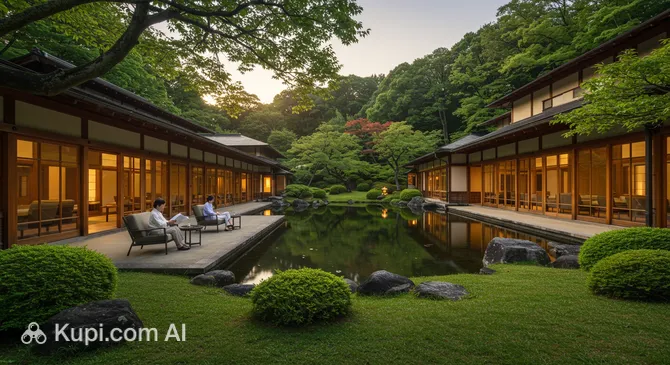
Maille Coeur Shougetsu Hotel. Illustration.
Source: Kupi.com AI

Traveler photos:

Among the many options, some hotels stand out for offering a comfortable stay. For example, Hotel Mykow Syogetsu is one of the well-known places to stay in the city, offering guests quality service. The choice of a specific hotel depends on your preferences for comfort level and location.

As for prices, you can find accommodation in Odawara for any budget—from budget options to mid-range hotels and more luxury offerings. It is recommended to book accommodation in advance, especially if your trip coincides with the peak tourist season (such as the spring cherry blossom or autumn colors). For searching and booking, it is convenient to use popular online platforms or contact the chosen hotel directly.

Nearby Cities

For those who want to explore the surroundings, Odawara serves as an excellent starting point for day trips to several interesting nearby places:

CityPopulationDistance
Hakone10 9255 km
Matsuda10 6829 km
Nakai46 5679 km
Ninomiya27 53610 km
Yamakita9 53012 km

Fujisawa attracts travelers with the famous Enoshima Island, its shrines and panoramic views, as well as popular beaches ideal for surfing and relaxing by the water.

Hiratsuka is known for its grand Tanabata Festival, one of the largest in Japan, which colors the city with bright decorations, as well as its long beach for walking and relaxation.

Chigasaki is a charming coastal city famous for its relaxed atmosphere and surfing culture, especially at Southern Beach, popular among locals and tourists.

Atsugi offers guests the chance to immerse themselves in nature thanks to its proximity to the picturesque Mount Oyama and the Nanasawa Onsen hot springs, making it a wonderful place for a peaceful retreat.

Numazu, a lively port city on Suruga Bay, is famous for its fish market with the freshest seafood, the Numazu Imperial Villa, and magnificent views of Mount Fuji across the bay.

These nearby destinations provide insight into the region's diverse culture and landscapes. Each of these cities offers its own unique attractions, whether historical temples, picturesque parks, or lively shopping streets, making them a wonderful addition to your trip to Odawara.

Shopping & Souvenirs

Odawara offers tourists a pleasant shopping experience, combining traditional Japanese goods with modern stores. The city is especially known for its local delicacies and handcrafted items, making souvenir hunting an engaging activity. While Odawara is not a megacity with giant shopping malls, you can find everything you need along with many unique items.

The main shopping opportunities are centered around Odawara Station. Here and in the adjacent streets, you will find many shops, from department stores to small private boutiques. It is also worth paying attention to the shopping arcades and shops located near major tourist attractions, such as Odawara Castle Park, which often sell souvenirs and local treats.

Odawara does not have huge modern shopping malls typical of large cities, but right at Odawara Station, there are shopping complexes (for example, Lusca Odawara or HaRuNe Odawara - an underground shopping gallery), where you can find clothing, accessories, cosmetics, and groceries. These complexes offer a good selection of goods and are convenient for those arriving in the city by train.

Although there are no specialized markets in the provided list, in Odawara, as in many coastal Japanese cities, you can find shops selling fresh seafood and seafood products. Look for small market areas or individual stores, especially if you are interested in local gastronomy. Often such places are located closer to the port part of the city or integrated into the shopping streets near the station.

Be sure to bring home some local specialties from Odawara. The city is famous for its kamaboko (fish sticks or cakes), sold in various versions. Also popular are umeboshi (pickled plums), especially given the proximity of the famous Soga Plum Grove. Don't forget about traditional crafts; although the famous inlaid woodwork yosegi-zaiku is a specialty of neighboring Hakone, it can often be found in Odawara's souvenir shops as well. Souvenirs related to the history of Odawara Castle are also popular.

Most shops in Odawara are open from about 10:00-11:00 AM to 7:00-8:00 PM. Small private shops may have their own schedules. Major retail outlets at the station may stay open longer. Both cash (Yen) and credit cards are accepted, especially in department stores and chain shops. However, in small shops and markets, it is preferable to have cash on hand.

For foreign tourists in Japan, there is a Tax Free system. Look for shops with the corresponding "Tax Free Shopping" logo. Typically, to qualify for a tax refund (8% or 10% depending on the item), you need to make a purchase of a certain amount (usually starting from 5,000 Yen excluding tax) in one shop in one day and present your passport at a special counter.

Reached the end of the page?

That means the route is fully explored