Support

Numazu

About

Numazu is a charming city nestled on the shores of Suruga Bay in Shizuoka Prefecture, Japan. Just a couple of hours' drive south of bustling Tokyo, you will find a place where majestic mountains meet the gentle ocean. This unique geography makes Numazu a true gem for travelers looking to combine a beach holiday with walks through picturesque forests and parks. The city is surrounded by pine groves and is famous for its stunning views of Mount Fuji, which often becomes the main subject of tourists' photographs.
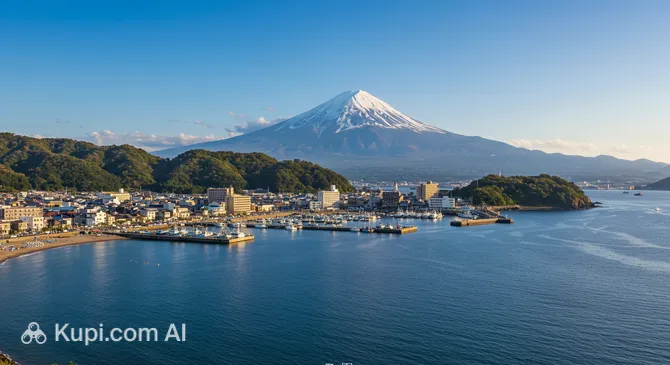
Numazu. Illustration.
Source: Kupi.com AI

With a population of about 187,653 people, Numazu is one of the region's significant cities. It is dynamic yet surprisingly friendly, where life flows at a measured pace and the atmosphere is filled with harmony and tranquility. Numazu serves as an important transport and tourist hub: railway and road routes intersect here, and the local port is one of the busiest on the coast.

One of the main reasons to visit Numazu is the opportunity to enjoy an incredible combination of a modern urban environment and natural wonders. Here, in one day, you can admire the snow-capped peak of Fuji, taste the freshest seafood for which the city is so famous, and stroll through quiet pine alleys. In addition, Numazu offers its guests the chance to explore ancient temples, colorful markets, and secluded beaches.

If you are looking for a place to relax your soul, enjoy the beauty of nature, and get acquainted with Japanese culture in its authentic form, Numazu will be an excellent choice. This hospitable city will surely leave you with warm memories and a desire to return again.

You can find more interesting facts on the Numazu city history page
Weather Overview

The weather in Numazu is characterized by warm and humid summers, with average temperatures in August reaching 25.6°C (highs up to 28.3°C), and the number of rainy days can reach 21. Winters here are cool, with average January temperatures around 4.7°C (lows dropping to 1.5°C), and they are generally drier, with the least precipitation in December and January (about 2 mm). Spring and autumn offer moderate temperatures, gradually transitioning from cool to warm and back.

Expect a warm summer with frequent, though not always heavy, precipitation, and cool, relatively dry winters. For more detailed information and to plan your trip in the best way possible, check the detailed forecast: Numazu Climate.

Average monthly temperature

Average monthly precipitation

Interesting Facts

In addition to its well-known attractions, Numazu hides many amazing stories and features that make it truly unique. Nestled in Shizuoka Prefecture, the city is ready to surprise even the most seasoned traveler.

Senbonhama Park. Illustration.
Source: Kupi.com AI

Traveler photos:

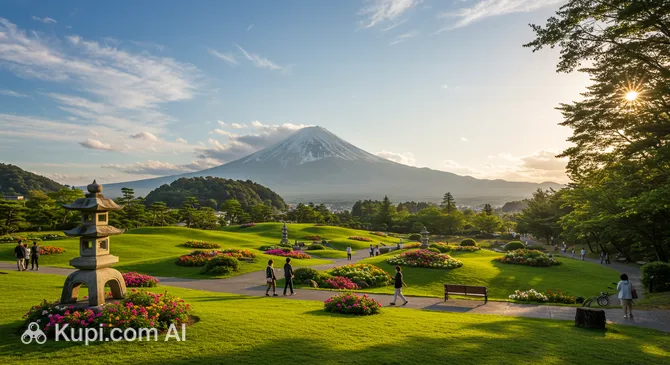
  • Numazu is proud of its unique Senbonhama Park, which is located in the famous Senbon Matsubara grove, known as the "Forest of a Thousand Pines." This place is not only ideal for walks but is also filled with monuments, statues, and an atmosphere of ancient legends.

  • The city is home to the Numazu Deep Sea Aquarium, where you can see rare inhabitants of Suruga Bay—the deepest bay in Japan. The exhibitions here are dedicated to the mysteries of the marine depths and their unusual creatures.

  • Numazu is often called the "Gateway to Mount Fuji." From the city and its surroundings, some of the most breathtaking and picturesque views of the legendary volcano open up, as if it were soaring over the horizon, creating unforgettable landscapes.

  • The tradition of holding vibrant maritime festivals is alive in Numazu. During these holidays, local residents organize colorful processions dedicated to the sea and the fishing industry. One of the most popular is the Port Market Festival, where you can taste the freshest catch and see traditional dances.

  • Numazu gained modern global fame through the popular anime franchise "Love Live! Sunshine!!", which is set specifically in this city. Because of this, Numazu has become a pilgrimage site for anime fans from all over the world wishing to walk through the locations familiar from the series.

How to Get There

Numazu has a convenient transport location, allowing tourists to easily reach the city both by air and by rail. Although there is no airport in the city itself, proximity to the region's major transport hubs makes the trip comfortable. You can find more about how to get to Numazu by checking the details below.

There is no airport in Numazu itself, but you can fly into Shizuoka Airport (FSZ) in Shizuoka City, which is about 70 km from Numazu. This is the nearest air gateway serving both domestic and some international flights. The journey by taxi or bus will take about 2 hours. Although passenger traffic here is not as large as in metropolitan hubs, the airport offers convenient access to the prefecture.

For most international travelers, the airports of Greater Tokyo serve as the main gateways. Haneda (HND), located directly in Tokyo, is 97.5 km from Numazu. It is one of the busiest airports in the world, offering a huge choice of flights. The journey by car will take approximately 2 hours and 45 minutes. Another option is Narita International Airport (NRT), which also serves Tokyo but is further away, 157 km from the destination. Travel time from here is about 4 hours.

For clarity, here is a summary of the main airports:

AirportPassenger trafficDistance
Shizuoka Airport691 27471 km
Haneda Airport85.7 mln97 km
Matsumoto Airport112 618146 km
Narita International Airport40.8 mln157 km
Nagoya Airport735 000177 km

Rail travel is an extremely popular and efficient way to reach Numazu. The city's main railway hub is Numazu Station, located on the Tokaido Main Line. If you are traveling by Shinkansen high-speed train, it is most convenient to go to Mishima Station in the neighboring city, which is only a few kilometers away. From Mishima Station, the center of Numazu can be reached quickly by local train (about 5-10 minutes) or by taxi.

Main Attractions

Numazu, comfortably situated on the shores of Suruga Bay, offers its guests a variety of attractions that combine natural beauty, historical heritage, and unique local experiences. Everyone will find something to their liking here, from peaceful parks to lively port entertainment.

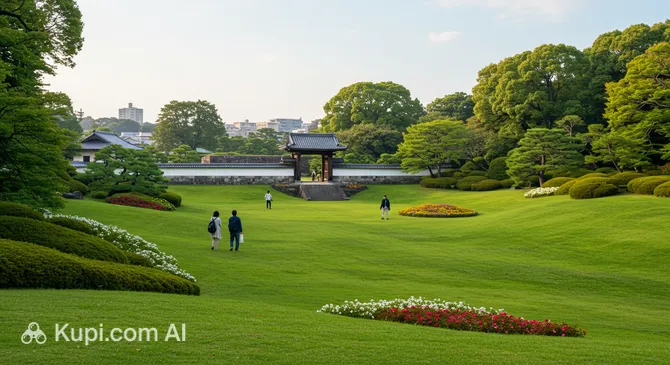
One of the city's iconic sites is the Numazu Imperial Villa Memorial Park. This former imperial residence from the late 19th and early 20th centuries is now open to the public as a beautiful park. Visitors can stroll through manicured gardens, admire traditional Japanese architecture, and enjoy views of the bay. The park preserves the atmosphere of a bygone era and is a wonderful place for a quiet holiday and an introduction to history.

Numazu Imperial Villa Memorial Park. Illustration.
Source: Kupi.com AI

Traveler photos:

Nature lovers and fans of picturesque landscapes should definitely visit Senbonhama Park. This coastal park is famous for its thousand-year-old pine grove stretching along the shore. It offers magnificent views of Suruga Bay and, on a clear day, the majestic Mount Fuji. It is an ideal place for walks, picnics, and photo sessions.

Senbonhama Park. Illustration.
Source: Kupi.com AI

Traveler photos:

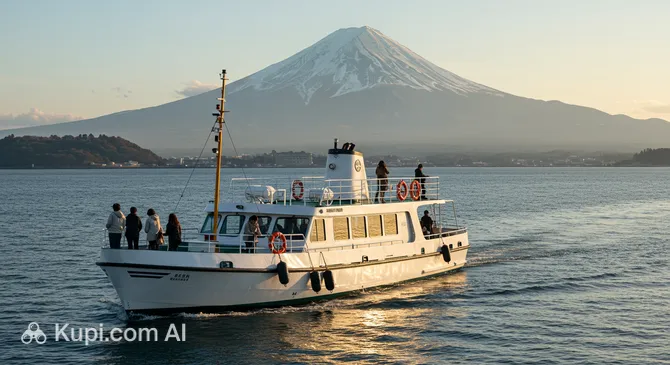
To see Numazu from a different perspective, head out on a Numazu Port Chidori Sightseeing Cruise. The boat trip will allow you to enjoy the fresh sea breeze and panoramic views of the city, the port, and the surrounding mountains. This is a great opportunity to relax and take beautiful photos of the coastline.

Chidori Numazu Port Sightseeing Cruise. Illustration.
Source: Kupi.com AI

Traveler photos:

For those who want to combine gastronomic impressions with local flavor, the Numazu Fish Market Taproom is an interesting spot. Located right at the bustling fish market, this bar offers fresh beer and the chance to immerse yourself in the authentic atmosphere of a port city. It's a great chance to try local drinks and perhaps fresh seafood nearby.

Local Cuisine

The gastronomic scene of Numazu is a true immersion into the world of the freshest gifts from the sea. Located by the rich Suruga Bay, the city is rightfully proud of its port, which supplies local restaurants and markets with select seafood. The culinary hallmark of Numazu is, without a doubt, sushi and sashimi prepared from freshly caught fish. Local horse mackerel (aji) is especially valued, but the choice is huge—from familiar varieties to rare deep-sea inhabitants that can only be tasted here.

A must-visit for gourmets is a trip to a fish market, such as Numazu Minato Shinsenkan, where you can not only purchase the freshest catch but also enjoy dishes prepared right before your eyes. Donburi—large bowls of rice with various seafood delicacies—are especially popular here, as well as grilled seafood. For those seeking unusual taste sensations, Numazu offers unique dishes made from deep-sea fish, such as giant isopod or scabbardfish—these delicacies are true exotics and the pride of local cuisine.

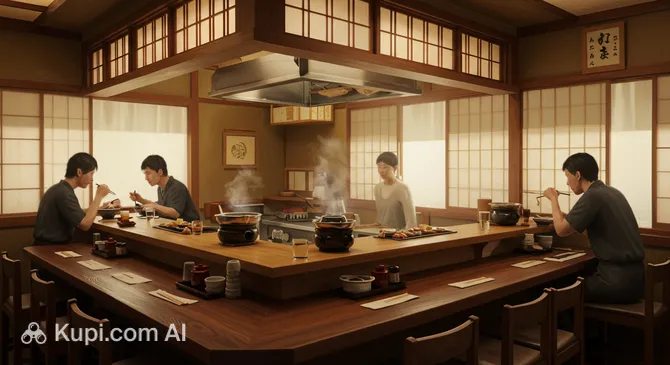
Gotetsu Numazu. Illustration.
Source: Kupi.com AI

Traveler photos:

Food culture in Numazu is closely linked to the sea. Locals and tourists prefer to dine at the numerous restaurants specializing in seafood, such as Gotetsu Numazu or Yamasho, where magnificent dishes made from the fresh catch are served. Fish markets, such as the aforementioned Numazu Minato Shinsenkan, are also popular dining spots, offering a more informal atmosphere and the chance to try street food. In summer, the city's gastronomic life comes alive thanks to food and drink festivals, and cafes open on the beaches where you can have a snack and refresh while admiring the views.

Regarding drinks, in Numazu, as in all of Japan, traditional sake and shochu are popular, often locally produced, which perfectly complement seafood dishes. Various types of green tea are also widely represented. In hot weather, locals and tourists enjoy refreshing soft drinks and beer. Gastronomic Numazu attracts tourists primarily with the incredible freshness of its products, the opportunity to try unique marine delicacies, and to immerse themselves in the lively atmosphere of a port city with rich culinary traditions.

Travel Tips

Planning a trip to the charming port city of Numazu? To make your journey go smoothly and leave only pleasant impressions, we have prepared some practical tips. This information will help you better prepare and enjoy every moment in this corner of Japan!

  1. Clothing and Essentials: The climate in Numazu, as in Shizuoka Prefecture, is temperate, with humid summers and mild winters. In summer (June-August), choose light, breathable clothing. In spring (March-May) and autumn (September-November), layered clothing including a light jacket or sweater will come in handy. In winter (December-February), you will need a warm jacket, hat, and gloves, although severe frosts are rare. It is extremely important to bring comfortable walking shoes, as you will likely be walking a lot. Don't forget an adapter for electrical appliances (Japan uses type A and B sockets, voltage 100V). If you plan to visit temples, choose modest clothing that covers shoulders and knees.
  2. City Transport: Getting around Numazu is most convenient using public transport—there is a well-developed bus network and railway stations connecting the city with other regions. For short trips, you can use a taxi, but keep in mind that this is quite an expensive form of transport. Taxi apps like JapanTaxi or Go can be useful. Renting a car may be justified if you plan to explore the surroundings, such as the Izu Peninsula or the foothills of Fuji, but it is not necessary for moving within the city itself due to parking and traffic specifics.
  3. Financial Matters: The official currency is the Japanese yen (JPY). It's best to exchange currency at the airport upon arrival or at branches of major banks. Credit cards (Visa, Mastercard) are accepted in many hotels, large stores, and restaurants, but always have cash with you, especially for small establishments, markets, and when buying transport tickets. International cards usually work at 7-Eleven (Seven Bank) ATMs and post offices (Japan Post Bank). An approximate daily budget (excluding accommodation) can vary from 5,000 to 15,000 JPY depending on your plans. Tipping is not customary in Japan; good service is already included in the bill.
  4. Health and Safety: Pharmacies (薬, kusuri) are easy to find, but most are not open 24/7, and staff often speak only Japanese. For serious health problems, contact a major hospital; be sure to get travel medical insurance before your trip. Numazu, like Japan as a whole, is considered a very safe city. There are no specific "unsafe" areas here. Nevertheless, follow usual precautions: watch your belongings, especially in crowded places.
  5. Communication: The main language is Japanese. In tourist areas and hotels, staff may speak English, but in general, the level of English proficiency is not very high. Learning a few basic phrases in Japanese (e.g., "konnichiwa" - hello, "arigato" - thank you, "sumimasen" - excuse me/sorry) will be greatly appreciated by locals. A SIM card for tourists or a pocket Wi-Fi router can be purchased at the airport or ordered online in advance. Free Wi-Fi is available in many hotels, cafes, and at some stations. Translation apps (e.g., Google Translate) and navigation maps (Google Maps) can be useful.
  6. Local Etiquette: Japanese people value politeness and respect. Greetings are usually accompanied by a bow; the depth of the bow depends on the situation and status of the person. In public places, especially in transport, try not to be noisy and do not talk loudly on the phone. Remove your shoes before entering a house, some temples, and traditional restaurants (look for a special shoe rack).
  7. What to Avoid: Never stick your chopsticks vertically into your rice—this is associated with funeral rituals and is considered very bad form. Also, avoid eating on the go in the street (except in special street food areas or festivals) and blowing your nose in public—it's better to go to the restroom.
  8. Numazu Specialty: The city is famous for its fish port, one of the largest in Japan. Be sure to visit the local fish market and try the freshest seafood in one of the many small restaurants. This is a true gastronomic experience not to be missed! Also, Numazu offers beautiful views of Mount Fuji on clear days.

We hope these tips help you feel more confident and get the most out of your visit to Numazu. We wish you an unforgettable journey!

Entertainment & Nightlife

Evening Numazu offers its guests a cozy and authentic atmosphere, distinct from the noisy metropolises of Japan. Here you won't find huge night clubs open until dawn, but you can enjoy a pleasant evening in traditional Japanese bars, try local cuisine, and chat with friendly residents. The city's nightlife is concentrated around several key points where you can find entertainment for every taste.

The main concentration of evening establishments is seen in the area of Numazu railway station, as well as near the port, where numerous restaurants and bars offering fresh seafood are located. Small cozy establishments predominate here, such as traditional Japanese drinking houses called "izakayas," where you can order a variety of snacks and local sake or beer. The atmosphere in such places is usually very relaxed and welcoming.

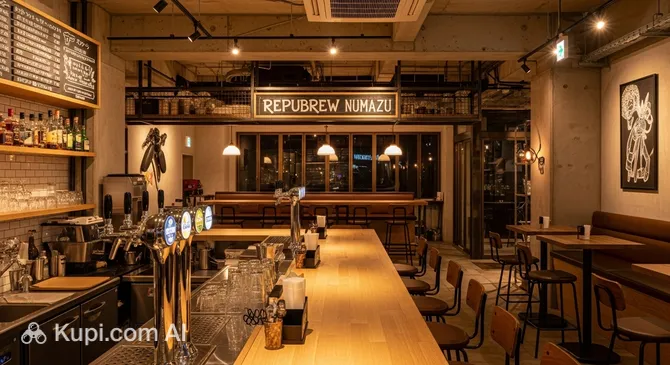
Among the specific places where you can spend a pleasant evening, the bar Repubrew Numazu, known for its friendly atmosphere, is worth mentioning. Another interesting establishment is the Numazu Fish Market Taproom, where you can try craft beer in an unusual setting. For those who prefer dinner in a quieter environment, restaurants like Gotetsu Numazu offer exquisite local cuisine.

Repubrew Numazu. Illustration.
Source: Kupi.com AI

Traveler photos:

The nightlife atmosphere in Numazu is quite casual. The crowd is mostly local, but tourists are also welcomed warmly. There is no special dress code in most establishments; everyday comfortable clothes will be quite appropriate. Bars and restaurants usually work until late evening but not around the clock, so it's better to plan your outing in advance. There are few European-style concert venues here; the emphasis is on intimate performances in bars or small clubs.

For evening walks, the best time is after 7:00 PM or 8:00 PM, when the streets come alive and most establishments open. Prices in Numazu bars and restaurants are generally moderate. Moving around the city at night is most convenient by taxi, especially if you plan to visit several places. You can order a taxi through apps or ask the staff at your hotel or establishment.

Numazu is considered a safe city, and night walks through central areas are generally not dangerous. Nevertheless, you should always follow standard precautions, especially if you are in an unfamiliar place. Keep your valuables with you and avoid poorly lit or deserted streets late at night.

During the day, Numazu also offers interesting options for leisure. You can visit one of the picturesque parks, such as Kanukiyama Park, which offers beautiful views and a quiet atmosphere for walks, or explore Senbonhama Park along the coast. The city also has museums that introduce the history and culture of the region. For lovers of sea adventures, the Numazu Port Chidori Sightseeing Cruise might be of interest.

Kanuki Mountain Park. Illustration.
Source: Kupi.com AI

Traveler photos:

Parks & Museums

Numazu invites its guests to enjoy both picturesque green oases and touch the cultural heritage of the region. The city offers a variety of opportunities for outdoor recreation and getting acquainted with history that will make your trip rich and memorable.

One of the most iconic sites is the Numazu Imperial Villa Memorial Park. This is not just a park, but a true historical treasure where an imperial residence was once located. Visitors can stroll through manicured gardens, admire traditional Japanese architecture of the preserved buildings, and learn more about the Meiji imperial era. The park is especially beautiful during the cherry blossom season and with autumn colors, offering a peaceful atmosphere for relaxation and contemplation.

Numazu Imperial Villa Memorial Park. Illustration.
Source: Kupi.com AI

Traveler photos:

For lovers of coastal landscapes, Senbonhama Park is a must-visit. This extensive park along Suruga Bay is famous for its picturesque pine grove, from which it got its name (Senbon means "a thousand trees"). Here you can enjoy the fresh sea breeze, stroll along the sandy shore, and on a clear day, admire a magnificent view of Mount Fuji. It is a great place for a picnic or just a quiet rest by the water.

Senbonhama Park. Illustration.
Source: Kupi.com AI

Traveler photos:

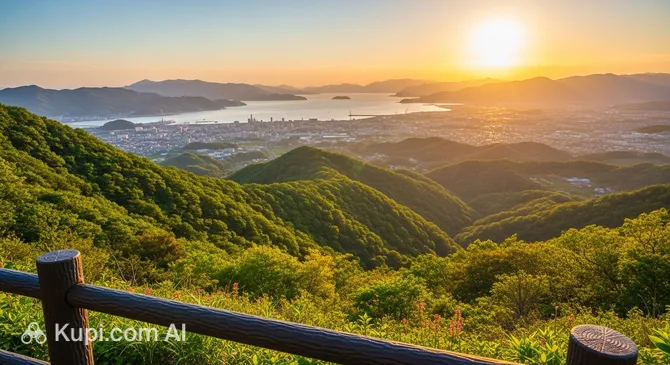
If you are looking for a place for active recreation and panoramic views, head to Kanukiyama Park. Located on a hill, this park offers hiking trails amidst lush greenery leading to observation decks that offer breathtaking views of Numazu city, the bay, and the surrounding mountains. In spring, the park is decorated with blooming azaleas, creating bright and colorful landscapes, making it a popular spot for photographers and nature lovers.

Kanuki Mountain Park. Illustration.
Source: Kupi.com AI

Traveler photos:

While Numazu may not have many large world-famous museums, the city's cultural heritage is vividly represented in its historical sites. As already mentioned, Numazu Imperial Villa Memorial Park itself serves as a kind of open-air museum, allowing you to touch the imperial past. For those interested in maritime history or local art, the Numazu port area is worth attention. Here you can not only enjoy fresh seafood but also find small thematic exhibitions or local galleries. Also, the Numazu Port Chidori Sightseeing Cruise offers an interesting experience, allowing you to look at the city from the water and better understand its close connection with the sea.

For a more authentic experience, do not limit yourself only to well-known attractions. Take a walk through the old streets near the port or visit one of the small local temples that are often hidden in quiet corners of the city, away from tourist routes. This will allow you to feel the atmosphere of Numazu and its daily life more deeply.

Getting Around

Getting around Numazu is quite convenient thanks to a well-developed public transport system. The main ways to travel around the city and its surroundings are buses and trains. The city is served by several bus companies whose routes cover most areas and attractions. Railway lines, including the JR Tokaido Main Line, connect Numazu with other cities in the region and the country, and also provide movement within some parts of the city.

To pay for travel on buses and trains in Numazu, as in many cities in Japan, rechargeable IC cards such as Suica, Pasmo, or the regional TOICA are widely used. These cards are very convenient as they allow you to pay for trips with a simple tap on the reader at the entrance and exit. You can also purchase single tickets at machines at stations or directly from the bus driver (it is advisable to have small change). Special day passes for buses may be available for tourists, and it's best to check for information on these locally.

You can buy or top up an IC card at machines at railway stations or in some convenience stores. Single train tickets are purchased at ticket machines before going out onto the platform. In buses, payment is usually made upon exiting (in some cases upon boarding—watch for signs). Transport in Numazu runs regularly, usually from early morning until late evening, but it is better to check the exact schedule in advance, especially if you plan trips to remote areas or on weekends.

In addition to public transport, other ways of moving around are available in Numazu. Taxis can be found at stands at the station and in busy places, or called by phone; this is a comfortable but more expensive option. For short trips and getting to know the city at your own pace, you can consider bicycle rental—there are rental points in the city. Given Numazu's coastal location, water taxis or small ferries operating in the port area may be of interest for some tourist routes or walks.

Accommodation

In Numazu, travelers will find a variety of accommodation options to suit different budgets and preferences. The city offers both traditional Japanese inns (ryokans) and modern hotels, as well as more budget-friendly options such as guesthouses and hostels. The choice covers everything from economy class to more comfortable mid-range establishments.

When choosing a place to stay, you should pay attention to areas close to Numazu railway station, as this provides easy access to transport and major city facilities. Areas near the coastal zone and attractions like Senbonhama Park or Numazu Imperial Villa Memorial Park are also popular if you plan to spend a lot of time in nature or by the sea.

While specific famous hotels were not mentioned in the available information, in Numazu you can find both chain hotels offering a standard set of services and unique local inns that allow for a deeper immersion into Japanese culture. The price range varies from budget options to hotels in the middle and upper segments. It is recommended to book accommodation in advance, especially if your trip coincides with the peak tourist season or major local festivals. For searching and booking, it is convenient to use popular online platforms or contact selected hotels directly.

Nearby Cities

For those who want to explore the surroundings, Numazu serves as an excellent starting point for day trips to several interesting nearby places:

Among them, Gotemba stands out, attracting visitors with shopping opportunities at famous outlets and magnificent views of Mount Fuji, as well as Odawara, where you can visit a historical castle and immerse yourself in the atmosphere of the samurai era. Another interesting destination is Ito, known for its hot springs (onsens) and picturesque coastline.

CityPopulationDistance
Nagaizumi43 2046 km
Susono50 51010 km
Izunokuni46 21210 km
Izu28 49315 km
Atami35 27619 km

These nearby destinations provide an insight into the diverse culture and landscapes of the region.

Shopping & Souvenirs

Shopping in Numazu offers tourists an interesting combination of modern stores and traditional shops where you can find unique local goods. As a port city, Numazu is especially famous for the freshest seafood and products made from it, which makes it an attractive place for foodies and lovers of Japanese cuisine.

The main shopping areas in Numazu are the area around JR Numazu Station and the port area. Near the station, you will find the Nakamise Shopping Street, a covered arcade home to many clothing stores, souvenir shops, local sweets, and small cafes. The Numazu port area is the heart of the city's fish trade. Here you can not only buy fresh seafood but also find many souvenir shops specializing in maritime themes and local delicacies.

Numazu has several department stores and shopping complexes, most of which are located in the city center, particularly near the railway station. They feature a wide range of goods: from clothing and cosmetics of famous brands to electronics and household goods. These centers offer comfortable shopping in any weather.

Special attention should be paid to the fish market at Numazu Port. This is a lively place where you can not only purchase the freshest seafood (fish, shellfish, crabs) but also observe the daily life of the port. Many restaurants serving dishes from the newly caught treasures of the sea are located in and around the market, as well as stalls selling processed seafood and local specialties. Establishments like the Numazu Fish Market Taproom can also be found on the market grounds, where you can relax and have a snack.

As souvenirs from Numazu, it is worth bringing back, first and foremost, local seafood, especially dried fish called "himono." Shizuoka Prefecture, where Numazu is located, is famous for its green tea, so it will also make an excellent gift. Additionally, look for works by local craftsmen and traditional Japanese sweets. For fans of the anime "Love Live! Sunshine!!", which is set in Numazu, the city offers a wide selection of themed souvenir products.

Most shops in Numazu are open from approximately 10:00-11:00 AM to 7:00-8:00 PM. Large shopping centers may stay open later. Both cash (Japanese yen) and credit cards are accepted, especially in large stores and department stores. However, in small shops and at markets, it is preferable to have cash with you.

For foreign tourists in Japan, a Tax Free system is in place. When purchasing goods for a certain amount at shops participating in this program, you can apply for a consumption tax refund. Usually, you need to present your passport for this. Look for the corresponding Tax Free signs at shop entrances or ask the staff for information.

Reached the end of the page?

That means the route is fully explored