Support

Izunokuni

About

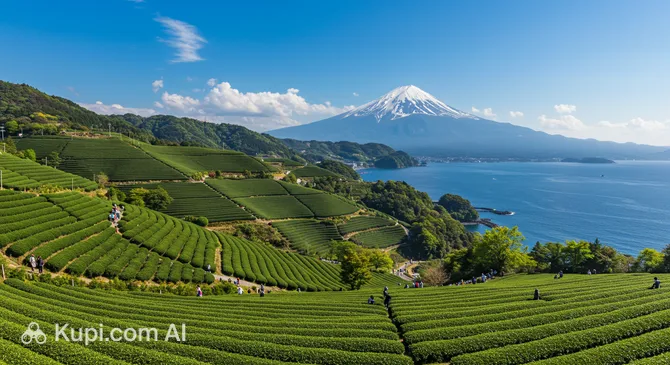
Izunokuni is a charming town nestled in Shizuoka Prefecture, in the heart of the picturesque Izu Peninsula in Japan. Its uniqueness lies in the harmonious blend of natural beauty, rich history, and modern amenities. Surrounded by green hills, the city is famous for its thermal springs, and many of its corners offer breathtaking views of the legendary Mount Fuji.

With a population of about 46,000 people, Izunokuni maintains the atmosphere of a traditional Japanese province while offering its guests a well-developed infrastructure for a comfortable vacation. The city is conveniently located and easily accessible from both Tokyo and other major cities in the region thanks to well-established rail and bus connections. The climate here is mild, making a visit pleasant at any time of year.
Izunokuni. Illustration.
Source: Kupi.com AI

Izunokuni attracts tourists primarily with its stunning views of Mount Fuji, which are considered some of the best in the country. Another hallmark of the city is its numerous onsen resorts – traditional Japanese hot springs where you can relax and rejuvenate. Additionally, thanks to its proximity to the sea, you can enjoy the freshest seafood here.

If you are looking for a place to experience authentic Japanese culture away from the hustle and bustle of megacities, enjoy natural beauty, and a calm pace of life, Izunokuni will be a real discovery for you. This city is ideal for family vacations, romantic trips, or a solitary weekend full of inspiration and peace.

You can find more interesting facts on the Izunokuni city history page.
Weather Overview

The climate in Izunokuni is temperate, with clearly defined seasons. Summer, especially in July and August, is warm here, with average temperatures around 24-26°C and fairly frequent precipitation (up to 10 mm and about 19-20 rainy days per month). Winter, from December to February, is quite cool, with average temperatures staying around 5-7°C, and the amount of precipitation significantly decreases (2-4 mm and about 9-13 rainy days). In general, expect warm summers with occasional rain and cool, drier winters in Izunokuni. You will find more detailed information on the Izunokuni Climate page.

Average monthly temperature

Average monthly precipitation

Interesting Facts

The city of Izunokuni, known for its scenic landscapes and hot springs, hides many curious details and unexpected facts that make it even more attractive to travelers.

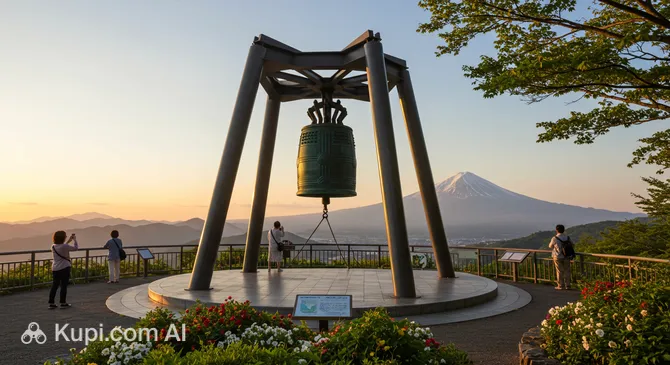
Bell of Happiness (Izu Panorama Park). Illustration.
Source: Kupi.com AI

Traveler photos:

  • Many flock to Izu Panorama Park for views of Mount Fuji, but not everyone knows that one of the most iconic and photographed angles of the sacred mountain opens up precisely from the Bell of Happiness (in Izu Panorama Park), located on its grounds. The landscape is particularly impressive in spring, during the azalea bloom, and in autumn, when the hillsides are painted in crimson tones.

  • Although Izunokuni is famous for its onsens, it is surprising that some of the local resorts, such as Izu Nagaoka, maintain the hospitality traditions of ryokans, allowing guests to travel centuries back in time and feel the spirit of old Japan through healing waters and an authentic atmosphere.

  • Unexpectedly for many, Izunokuni is home to a unique Teddy Bear Museum. This is not just a collection of toys, but a real cultural space where you can see the rarest specimens from around the world and themed exhibitions, sometimes dedicated to iconic characters of Japanese animation.

  • There is a beautiful city legend that poets and artists of the past drew special inspiration for their works about Mount Fuji precisely in Izunokuni. They say that you can still "hear the breath of the mountains" here, so strong is the creative energy of this place.

How to Get There

A journey to Izunokuni is an immersion into the calm atmosphere of the Japanese province, which begins with choosing a convenient route. The city is located on the Izu Peninsula, and you can get here in various ways, combining high-speed trains and scenic bus rides. You can learn more about how to get to Izunokuni by exploring all available options and choosing the one that best suits your trip.

The city of Izunokuni itself does not have its own airport. Most international travelers arrive via Tokyo's airports, which have excellent transport links. The nearest major hub is Haneda Airport (HND), located in Tokyo, about 97 km from Izunokuni. This is one of the most convenient options: the journey by train or bus takes about 2–2.5 hours. Another popular option is Narita International Airport (NRT), which also serves Tokyo but is further away at 155 km. The journey from there takes about 3–3.5 hours with transfers to high-speed trains.

If you are planning an internal flight or flying from some Asian countries, consider Shizuoka Airport (FSZ), located in Shizuoka City, just 73 km from Izunokuni. This is the closest airport to the city. Although it serves fewer flights, getting there can be faster — about 1.5–2 hours by bus and train.

For clarity, here is a summary of the main airports:

AirportPassenger trafficDistance
Shizuoka Airport691 27473 km
Haneda Airport85.7 mln97 km
Narita International Airport40.8 mln156 km
Matsumoto Airport112 618156 km
Nagoya Airport735 000184 km

The railway is the most popular and reliable way to get to Izunokuni. There is no Shinkansen (high-speed train) station in the city itself, so the key transit point is Mishima Station in the neighboring city of Mishima. Tokaido Shinkansen trains from Tokyo, Osaka, and Kyoto arrive here. From Mishima Station, you need to transfer to the local Izuhakone Railway Sunzu Line, which will take you directly to the center of Izunokuni, to Izu-Nagaoka Station, in 20–30 minutes. The ride on this line is pleasant in itself, as the windows offer views of rural landscapes and, in good weather, Mount Fuji.

Main Attractions

The city of Izunokuni, located in picturesque Shizuoka Prefecture, offers tourists several interesting spots that combine natural beauty and cultural heritage. Here, everyone will find something for themselves, from ancient temples to breathtaking panoramic views.

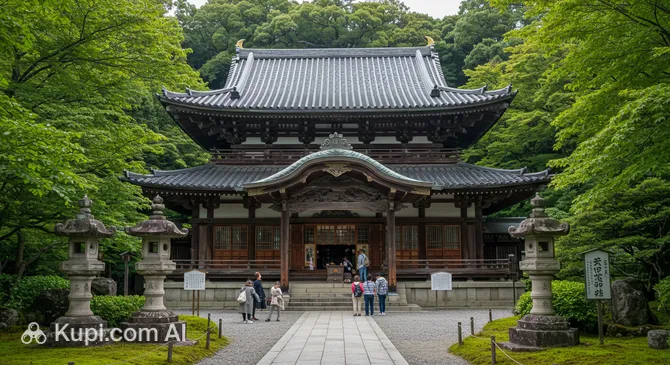
One of the gems of Izunokuni is the Ganjoju-in Temple. This historical temple attracts visitors with its peaceful atmosphere and traditional Japanese architecture. It is especially famous for its statues of Buddhist deities created by the renowned sculptor Unkei, making it an important cultural site and a place worth visiting to experience Japanese art and history.

Ganjoju-in Temple. Illustration.
Source: Kupi.com AI

Traveler photos:

For lovers of breathtaking panoramic views and romantic moments, a visit to the Bell of Happiness (Izu Panorama Park) is a must. Located at the summit, usually accessible by ropeway in Izu Panorama Park, this bell allows visitors to make a wish by ringing it while simultaneously enjoying stunning views of Mount Fuji and Suruga Bay. This place is perfect for photos and peaceful relaxation in nature.

Bell of Happiness (Izu Panorama Park). Illustration.
Source: Kupi.com AI

Traveler photos:

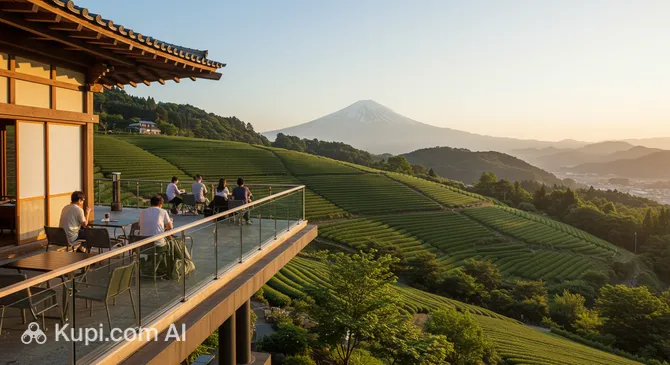
Another spot offering magnificent landscapes is the Ao Terrace. This observation deck, often designed for comfortable relaxation, invites visitors to unwind and contemplate the beauty of the surrounding mountains and valleys. It is especially beautiful here on a clear day and at sunset, making the terrace a popular spot for those seeking tranquility and inspiring views.

Ao Terrace. Illustration.
Source: Kupi.com AI

Traveler photos:

Local Cuisine

The gastronomic scene of Izunokuni is a true immersion into the world of the freshest gifts from the sea and fertile land. The culinary pride of the city is undoubtedly seafood from Suruga Bay. Be sure to try the delicate sashimi from local fish, aromatic eel (unagi), as well as delicacies made from sea urchins and crabs, whose taste is particularly vibrant thanks to the purity of the local waters.

In addition to seafood, Izunokuni is famous for traditional dishes made from vegetables grown on the fertile slopes of the Izu Peninsula. Seasonal vegetable snacks and aromatic rice cooked with local herbs and spices are particularly popular. These dishes reflect the region's deep connection with nature and the changing seasons.

Among the drinks, various types of green tea stand out, which are an integral part of Japanese culture. Also, in local establishments, you can find traditional alcoholic beverages such as sake or shochu, which perfectly complement a meal. For those who prefer non-alcoholic options, there are always refreshing drinks based on local fruits or herbs.

Uchiura Fishing Port Ikesuya. Illustration.
Source: Kupi.com AI

Traveler photos:

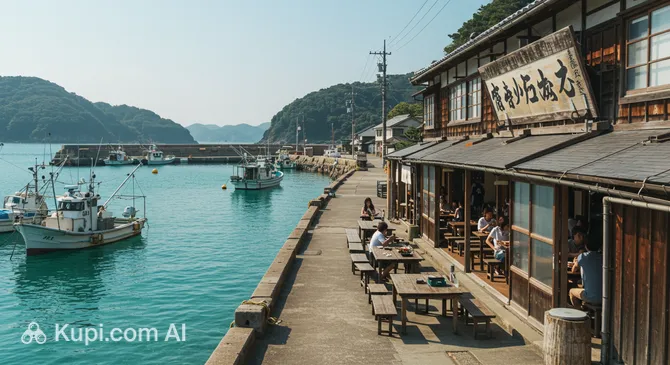
Food culture in Izunokuni is diverse. Tourists and locals alike love to visit restaurants, many of which offer not only exquisite dishes but also panoramic views of Mount Fuji. One such place where you can enjoy the freshest seafood is Ikesuya at Uchiura Fishing Port. The atmosphere of real Japan can be felt in traditional ryokans, where authentic Japanese breakfasts with miso soup, pickled vegetables, and seasonal delicacies are served. Don't miss the chance to visit local markets and food festivals, where you can try street food such as grilled fish on skewers or rice flour sweets.

Overall, the gastronomic scene of Izunokuni attracts with its freshness, authenticity, and close connection with nature. By trying signature dishes such as freshly caught fish sashimi, unagi, and seasonal vegetable delicacies, you will gain true pleasure and unforgettable impressions of the culinary traditions of this corner of Japan.

Travel Tips

Welcome to Izunokuni! To ensure your journey to this charming city in Shizuoka Prefecture goes smoothly and leaves only pleasant impressions, we have prepared some practical tips.

  1. Clothing and Seasonal Items:

    The climate in Izunokuni is humid subtropical. In summer (June-August), it is hot and humid – bring light, breathable clothing. Don't forget a raincoat or umbrella, especially during the "tsuyu" rainy season (June-July) and possible typhoons (August-October). Spring (March-May) and autumn (September-November) offer pleasant weather, but evenings can be cool – layering your clothes will be helpful. Winters (December-February) are mild, but warm clothes will be needed. A key wardrobe element is comfortable shoes for walking around temples, nature trails, and onsen resorts. For electrical appliances, bring an adapter (Japan uses Type A and B sockets, 100V voltage). When visiting temples and shrines, choose modest clothing that covers shoulders and knees, and be prepared to remove your shoes.

  2. Getting Around the City:

    Izunokuni and its surroundings are convenient to explore using local transport. Public transport consists of buses connecting main areas and attractions, as well as the Izuhakone Railway Sunzu Line. Taxis are available but can be expensive for long trips; apps like JapanTaxi can be used. Car rental can be useful if you plan to actively explore the entire Izu Peninsula, but it is not necessary for Izunokuni itself. Remember that an international driving permit is required for rental, traffic in Japan is on the left, and parking can be limited and paid.

  3. Financial Matters:

    The local currency is the Japanese Yen (JPY, ¥). It is best to exchange currency at the airport upon arrival or at major banks; some hotels may also offer this service. Credit and debit cards (Visa, Mastercard) are increasingly accepted in tourist zones, hotels, and large stores, however, cash is still very important, especially in small establishments, local markets, temples, and ryokans. ATMs accepting international cards can usually be found in post offices (Japan Post Bank) and 7-Eleven convenience stores (Seven Bank). An estimated daily budget (excluding accommodation) can range from 7,000 to 15,000 yen. Tipping in Japan is not practiced and may be perceived as strange; good service is already included in the price.

  4. Health and Safety:

    Japan, including Izunokuni, is a very safe country with low crime rates. Standard precautions, such as watching your belongings, apply. Pharmacies (indicated as "kusuriya" 薬屋 or with a red cross sign) are easy to find, but staff do not always speak English. 24-hour pharmacies are rare outside major megacities. Having travel medical insurance is strongly recommended. In emergencies, call 119 (ambulance/fire service). It is also worth being aware of safety rules in case of an earthquake, although strong tremors are unlikely.

  5. Communication:

    The primary language is Japanese. In tourist spots like hotels and information centers, you may meet English-speaking staff, but generally, the level of English proficiency among the population is low. Learn a few basic phrases: "Konnichiwa" (Hello), "Arigato" (Thank you), "Sumimasen" (Excuse me/I'm sorry). For connectivity, we recommend purchasing a tourist SIM card or renting a pocket Wi-Fi at the airport or in advance online. Free Wi-Fi is often available in hotels, some cafes, and tourist points. Useful apps include Google Maps, HyperDia/Jorudan (for transport schedules), and Google Translate.

  6. Local Etiquette and Customs:

    Japanese people highly value politeness and respect for tradition. Instead of a handshake, a slight bow (ojigi) is more common. In public places, especially in transport, try to speak quietly and not disturb others. Avoid eating and drinking on the go unless in designated areas. An important point: always remove your shoes before entering homes, many temples, traditional restaurants, and ryokans (Japanese-style inns). Be reserved and tactful when communicating with locals.

  7. What to Avoid:

    To avoid offending locals and awkward situations, remember a few things. Do not stick your chopsticks vertically into a bowl of rice – this is associated with funeral rituals. Also, try not to blow your nose loudly in public; if necessary, it's better to step away to a private place, such as a restroom.

  8. Izunokuni Specialty – Onsens:

    Izunokuni, like the entire Izu Peninsula, is famous for its onsens (hot springs). Visiting an onsen is not only a great way to relax but also an important part of Japanese culture. Before visiting, be sure to familiarize yourself with onsen etiquette: for example, you must wash thoroughly before entering the communal bath, and swimsuits are not used in traditional onsens. Don't miss the chance to enjoy this unique experience!

We hope these tips help you better prepare for your trip and get the most enjoyment out of your stay in hospitable Izunokuni. Have a great journey!

Entertainment & Nightlife

Evening Izunokuni offers guests a cozy and calm atmosphere, far from the noise and bustle of major cities. The nightlife here has its own special, leisurely character. Instead of lively entertainment districts with many clubs, the emphasis is on pleasant dinners at local restaurants and heartfelt gatherings in small bars or traditional Japanese pubs – izakayas. It is worth noting that the choice of classic nightclubs or a wide variety of specialized bars in Izunokuni is limited; the main focus is on gastronomic pleasures and quiet relaxation.

For those who want to spend an evening in an authentic setting, it is worth looking into traditional Japanese izakayas and small local bars. Such establishments, where you can dive deeper into the local flavor, are most often found near railway stations, such as Izu-Nagaoka Station, or in areas with a concentration of small shops and restaurants. The evening can start with a visit to one of the restaurants offering local cuisine. For example, Ikesuya at Uchiura Fishing Port is famous for its freshest seafood and allows you to enjoy dinner in a pleasant setting. The atmosphere in such places is usually friendly and relaxed, encouraging conversation, and the audience is predominantly local, which provides a wonderful opportunity to better understand the culture of Japan.

Most restaurants in Izunokuni are open until late evening, but not deep into the night, so it is best to plan dinner between 19:00 and 22:00. Some bars and izakayas may stay open longer, especially on weekends. There is usually no specific dress code; a neat casual style is welcomed. As for prices, they are generally moderate, especially in establishments catering to locals, offering good value for money.

For getting around the city in the evening, a taxi is the most convenient option, especially if you plan to visit places far from your accommodation. Izunokuni, like most cities in Japan, is considered a very safe place for night walks, but elementary precautions should always be observed. If you plan to stay out late, it is recommended to find out in advance how to call a taxi or where the nearest taxi stands are located.

During the day, Izunokuni offers many other interesting activities and places to visit. You can enjoy scenic views by visiting the Ao Terrace, or take a stroll through Izu Panorama Park, where you can ring the Bell of Happiness (Izu Panorama Park). For those interested in culture and history, there is plenty to see, such as the Ganjoju-in Temple, which also deserves travelers' attention.

Parks & Museums

Izunokuni invites travelers to enjoy a harmonious blend of scenic natural spots and touch the rich cultural heritage of the region. The city offers both tranquil green areas for relaxation and interesting places to learn about history and traditions.

The main green gem of the city, offering outdoor recreation and magnificent views, is Izu Panorama Park. This is a popular spot home to the famous Bell of Happiness (Izu Panorama Park), which offers breathtaking views of the surrounding mountains and, on a clear day, potentially Mount Fuji. The park is ideal for leisurely walks, enjoying the fresh air, and taking memorable photos.

Bell of Happiness (Izu Panorama Park). Illustration.
Source: Kupi.com AI

Traveler photos:

Another place to enjoy the natural beauty of Izunokuni is the Ao Terrace. While it is more of an observation deck than a traditional park, it offers visitors stunning panoramic views of the surrounding landscapes. It is an excellent spot for contemplation and relaxation in nature, allowing you to appreciate the region's scenic beauty.

To experience the cultural heritage of Izunokuni, the city offers several noteworthy sites. While the city may not be famous for large state museums, it offers unique cultural experiences through its historical shrines and themed collections.

A key historical and spiritual attraction is the Ganjoju-in Temple. This ancient Buddhist temple attracts visitors not only with its peaceful atmosphere and beautiful traditional architecture but also with its historical value. Visiting the temple provides an opportunity to touch the spiritual traditions of Japan and see unique relics.

Ganjoju-in Temple. Illustration.
Source: Kupi.com AI

Traveler photos:

For a completely different experience, head to the Izu Teddy Bear Museum. This charming museum, popular with both children and adults, presents an extensive collection of teddy bears from around the world, including rare and antique specimens. It is a wonderful place for a family vacation where you can immerse yourself in the atmosphere of childhood and admire the craftsmanship of toy makers. Themed exhibitions are often held here, adding novelty to the visit.

To gain authentic impressions and get to know local life, it is worth exploring the lesser-known corners of Izunokuni. For example, visiting a local restaurant such as Ikesuya at Uchiura Fishing Port will allow you to enjoy the freshest seafood and dive into the atmosphere of a port town. Also, do not miss the chance to peek into small craft workshops or local markets if you encounter them on your way.

Getting Around

In Izunokuni, the main means of transport for tourists and locals is rail and bus. The city is served by a railway line that connects it to larger transport hubs, and buses provide access to various districts and attractions.

The city's main railway artery is the Izuhakone Railway Sunzu Line. Trains on this line run regularly, connecting Izunokuni with stations such as Mishima (where you can transfer to the Shinkansen) and Shuzenji. This is a convenient way to get to the city and move between its main areas, such as Izu-Nagaoka, where many onsens and hotels are located.

The bus network in Izunokuni complements the rail service, providing access to places trains do not reach, including some tourist sites and remote areas. Bus routes and schedules can be found at stops or on the websites of local transport companies like Izuhakone Bus or Tokai Bus. In buses, it is usually customary to enter through the rear door (taking a ticket if payment is by zone) and exit through the front, paying the fare upon exit.

The fare payment system in Izunokuni is fairly standard for the region. For trains, tickets can be purchased at station machines. Cash is accepted on buses (it is advisable to have small change). A very convenient option is rechargeable smart cards, such as Suica, Pasmo, or ICOCA. These cards work on many types of transport throughout Japan, including the Izuhakone Railway and local buses, which significantly simplifies the payment process – just tap the card against the reader at the entrance and exit. For more economical travel, check stations or tourist information centers for the availability of special passes, such as day tickets for the Izuhakone Railway line or for specific bus routes, if offered. The approximate cost of a short train or bus ride in Izunokuni is usually from 150 to 500 yen, depending on the distance and carrier.

Tourists are recommended to purchase an IC card upon arrival in the country if active use of public transport is planned. Train tickets are purchased before boarding. In buses, if you don't have an IC card, payment is made to the driver upon exit. Public transport usually operates from early morning until late evening, but it is worth checking the schedule for the last service, especially if you plan trips in the evening. For route planning, it is convenient to use online maps or Japanese transport apps such as Jorudan or Navitime.

Among alternative ways of getting around Izunokuni is taxi. They can be found at station stands or called by phone. Taxis offer greater comfort but are a more expensive option. For exploring the surroundings and scenic spots over short distances, consider bicycle rental – rental points are sometimes found near tourist centers or stations.

One interesting transport feature of Izunokuni is the Izunokuni Panorama Park Ropeway. It is less of a city transport and more of a tourist attraction, lifting visitors to the top of Mount Katsuragi, which offers spectacular views of Mount Fuji and Suruga Bay. This is a great way to combine travel with sightseeing.

Accommodation

In the city of Izunokuni, travelers will find various accommodation options to suit different preferences and budgets. You can stay in traditional Japanese ryokans, which offer a unique cultural experience and often include access to hot springs (onsens), as well as in more familiar hotels of various star ratings. Guesthouses and potentially apartment rentals are also available for those seeking more privacy and home-like comfort.

When choosing a place to stay in Izunokuni, pay attention to areas located near the attractions you are interested in, such as nature parks, historical sites, or onsens. A convenient location relative to transport hubs can also be an important factor, especially if you plan to actively explore the surroundings. Some ryokans and hotels may offer beautiful views of the surrounding landscapes, adding pleasant impressions to your holiday.

When planning your trip, especially during peak tourist season or Japanese holidays, it is recommended to book accommodation in advance. Popular ryokans and hotels with good reviews can sell out quickly. This will allow you to choose the best option in terms of price and quality and avoid unnecessary hassle upon arrival.

The price range for accommodation in Izunokuni varies from budget options to more luxurious offerings. Generally, ryokans with full board and onsen access fall into the mid-to-high price category, while standard hotels and guesthouses can offer more affordable prices. You can book accommodation through popular international online platforms, travel agencies, or directly on the hotels' websites.

Nearby Cities

For those who want to explore the surroundings, Izunokuni serves as an excellent starting point for day trips to several interesting nearby places:

CityPopulationDistance
Izu28 4936 km
Numazu187 65310 km
Nagaizumi43 20413 km
Atami35 27615 km
Susono50 51016 km

Each of these destinations offers something unique, making them attractive for a short visit:

  • Fuji: Known for its stunning views of Mount Fuji and diverse opportunities for outdoor recreation.
  • Odawara: Attracts tourists with its majestic Odawara Castle and rich samurai history.
  • Numazu: A charming port city famous for its fresh seafood, beautiful views of Suruga Bay, and the Numazu Imperial Villa.
  • Hadano: A great place for hiking and nature lovers, thanks to its proximity to the scenic Tanzawa Mountains.
  • Gotemba: Popular as one of the main starting points for climbing Mount Fuji, and also known for its large premium outlet shopping center.

These nearby destinations allow for a deeper acquaintance with the diverse culture, history, and breathtaking landscapes of the Shizuoka region.

Shopping & Souvenirs

Shopping in Izunokuni offers more of an immersion into local flavor than a hunt for global brands. The city is not famous for huge shopping centers, but here you can find unique souvenirs, fresh local products, and handmade items reflecting the culture and nature of the Shizuoka region.

There are no distinct large shopping streets in Izunokuni as in megacities. Shops and souvenir stalls are most often located near tourist attractions, such as Ganjoju-in Temple or the Bell of Happiness (Izu Panorama Park), as well as in central districts and near railway stations. Here you can find small shops offering goods for tourists and locals.

Large modern shopping centers are not a characteristic feature of Izunokuni. Shopping here is more about searching for authentic goods in small specialized stores and stalls rather than visiting multi-story malls.

Although there may not be large organized markets in Izunokuni, it is worth paying attention to local stalls selling fresh produce. For example, the region is famous for seafood, and while Ikesuya at Uchiura Fishing Port is a restaurant, its location by the fishing port hints at the possibility of finding a fresh catch nearby or in specialized fish shops. You can also find small farmers' markets or stalls selling seasonal vegetables, fruits, and the famous Shizuoka Prefecture tea.

From Izunokuni, it is worth bringing back souvenirs that reflect its uniqueness. Look for products made from local green tea, which is famous throughout Japan. Wasabi products grown in Shizuoka Prefecture are also popular. Local sweets (wagashi), ceramics, and small craft items make excellent reminders of the trip. Don't forget about souvenirs related to the hot springs (onsens) that the Izu Peninsula is famous for, and themed goods from local temples and parks.

Most shops in Izunokuni usually operate from 10:00 or 11:00 AM to 6:00 or 8:00 PM. Small family-run shops may have more flexible or shorter hours. Regarding payment, cash is still widely used, especially in small shops and at markets. Credit cards (Visa, Mastercard) are accepted in many tourist spots and large stores, but it is always better to have some cash with you. Electronic payment systems and IC cards (e.g., Suica, Pasmo) are also gradually gaining popularity.

For foreign tourists in Japan, a Tax-Free Shopping system is available. Look for shops with the corresponding "Tax-Free Shop" logo. Usually, to process a tax refund, you need to make a purchase of a certain amount (most often over 5,000 yen) in one shop in one day and present your passport. Conditions may vary slightly, so check them directly at the store.

Reached the end of the page?

That means the route is fully explored