Support

Fujiyoshida

About

Fujiyoshida is a charming city nestled at the northern foot of majestic Mount Fuji in Yamanashi Prefecture, Japan. It is a place where ancient traditions blend harmoniously with breathtaking natural landscapes, attracting travelers from all over the world who seek to experience the symbol of the Land of the Rising Sun.

With a population of about 46,659 people, the city serves as an important starting point for those planning to climb Mt. Fuji or wishing to explore the picturesque Fuji Five Lakes region. The climate here is temperate, with four distinct seasons, each decorating the surrounding landscapes in its own way, especially the view of the famous volcano.
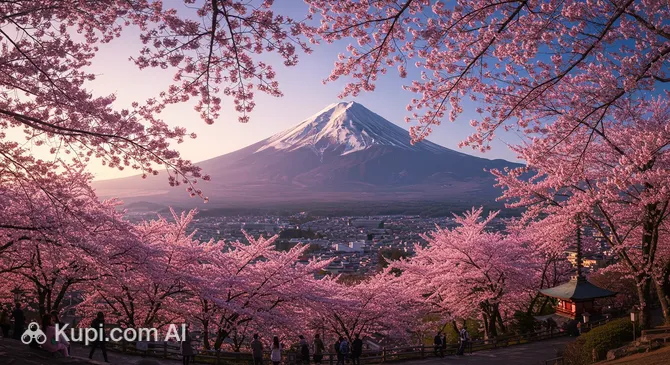
Fujiyoshida. Illustration.
Source: Kupi.com AI

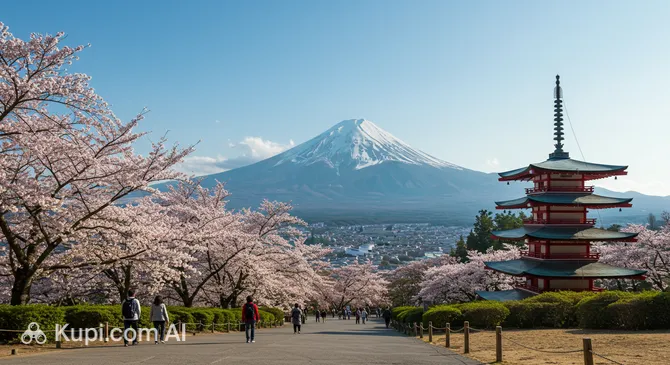
Among the iconic landmarks of Fujiyoshida, the Chureito Pagoda in Arakurayama Sengen Park stands out, offering a canonical view of Mt. Fuji that is particularly beautiful during the cherry blossom season or the autumn foliage. Equally significant is the historical Shinto shrine Kitaguchi Hongu Fuji Sengen Jinja, which for centuries has served as the traditional starting point for pilgrims ascending the sacred mountain.

Fujiyoshida offers a unique opportunity to immerse yourself in the atmosphere of authentic Japan, enjoy the tranquility of nature, and take unforgettable photographs. It is an ideal destination for those seeking inspiration and wanting to see one of the world's most famous peaks in its full splendor.

You can find more interesting facts on the Fujiyoshida city history page.
Weather Overview

The weather in Fujiyoshida is characterized by noticeable seasonal changes. Summer, especially in July and August, is warm here, with average temperatures around 22-24°C and maximum values reaching 26-27°C. These months also see the highest amount of precipitation and rainy days. Winters, by contrast, are cold: in January, the average temperature is about 1.4°C, with night frosts down to -2.7°C, and precipitation is minimal.

Overall, expect a warm summer with occasional rain and cool, relatively dry winters. Spring and autumn offer pleasant moderate temperatures, ideal for walking and admiring nature. You can find more detailed information about the weather by month on the Fujiyoshida Climate page.

Average monthly temperature

Average monthly precipitation

Interesting Facts

Fujiyoshida is much more than just a starting point for conquering Mount Fuji. The city carefully preserves its unique traditions and little-known gems that can surprise even a seasoned traveler. Here are a few interesting facts about it:

  • Every year at the end of August, the city becomes the stage for one of Japan's three most impressive fire festivals — Yoshida no Himatsuri. Dozens of giant three-meter-high torches light up the main street, marking the end of the Mt. Fuji climbing season and appeasing the spirit of the sacred mountain.

  • Be sure to try the local specialty — Yoshida Udon. These noodles are known for their incredibly dense, almost "masculine" texture and are served in a thick miso and soy sauce broth, traditionally topped with horse meat and boiled cabbage. A true taste of the region!

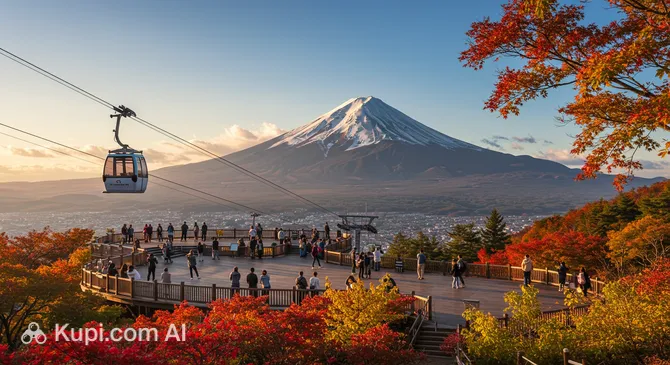
  • By taking the cable car up to Tenjoyama Park Kawaguchiko, you will find yourself not only at a viewpoint with a magnificent panorama but also in the world of the Japanese folktale "Kachi Kachi Yama". Figures of a rabbit and a tanuki illustrating the plot of this instructive legend are placed throughout the park.

Kawaguchiko Tenjoyama Park. Illustration.
Source: Kupi.com AI

Traveler photos:

How to Get There

When planning a trip to Fujiyoshida, most tourists arrive via Tokyo's major international airports. One of the most convenient options is Haneda Airport (HND), located in Tokyo. Despite being about 88.5 km away, this very large international hub offers many transfer options. A bus or train trip (often with one transfer) to Fujiyoshida takes about 2.5 hours, allowing you to enjoy views of Japan along the way.

Another significant air port is Narita International Airport (NRT), which also serves Tokyo. It is further away, approximately 146.3 km from Fujiyoshida. The journey from this massive airport can take about 4 hours, but thanks to the well-developed transport network, getting to the foot of Mt. Fuji is also easy. For those who prefer regional airports, consider Shizuoka Airport (FSZ), located in the city of the same name about 95.5 km from Fujiyoshida. This is a smaller scale airport, and the trip from there takes approximately 2 hours and 45 minutes.

For convenience, here is summary information on the main airports used to reach Fujiyoshida:

AirportPassenger trafficDistance
Haneda Airport85.7 mln88 km
Shizuoka Airport691 27496 km
Matsumoto Airport112 618110 km
Narita International Airport40.8 mln146 km
Ibaraki Airport776 063164 km

In addition to air travel, Fujiyoshida is very convenient to reach by ground transport, especially from Tokyo. The city is served by the Fujikyuko Line, which has several stations directly in Fujiyoshida or nearby, such as Fujisan Station or Kawaguchiko Station — the line's terminus, from where it is easy to reach many of the region's attractions. This line connects to the main JR network at Otsuki, allowing for a convenient transfer if you are coming from Tokyo (for example, from Shinjuku Station) or other major cities. The train ride from Tokyo usually takes about 2-2.5 hours.

Highway bus services are also extensively developed. Direct express buses regularly depart from various points in Tokyo (including the Shinjuku Busta terminal, Tokyo Station, and Shibuya) and other cities directly to the Fuji Five Lakes area and Fujiyoshida. This is often the most direct and economical way to reach your destination, offering a comfortable journey with scenic views along the way.

Main Attractions

Fujiyoshida, nestled comfortably at the foot of the famous mountain, offers travelers many fascinating places. Besides Mt. Fuji itself, the city and its surroundings are rich in attractions that can make your trip unforgettable. Here are just a few that deserve your attention:

One of the gems of Fujiyoshida is Tenjoyama Park Kawaguchiko. It is spread across the slopes of Mount Tenjo and is accessible via the Mt. Fuji Panoramic Ropeway. The park is famous not only for its breathtaking panoramas of Lake Kawaguchiko and majestic Mt. Fuji but also for its connection to the popular Japanese folktale "Kachi Kachi Yama." As you stroll through the park, you will encounter figures of its characters, which adds a special charm to the place. It is an ideal spot for unforgettable photos and peaceful nature contemplation.

Kawaguchiko Tenjoyama Park. Illustration.
Source: Kupi.com AI

Traveler photos:

No less attractive is Yagizaki Park, located on the southern shore of Lake Kawaguchiko. This park is particularly famous for its vast lavender fields, which in June and July turn the landscape into a purple sea with views of the lake and Mt. Fuji. At this time, the colorful Kawaguchiko Herb Festival takes place here. Additionally, you can visit a small doll museum within the park, adding variety to your experience.

Yagizaki Park. Illustration.
Source: Kupi.com AI

Traveler photos:

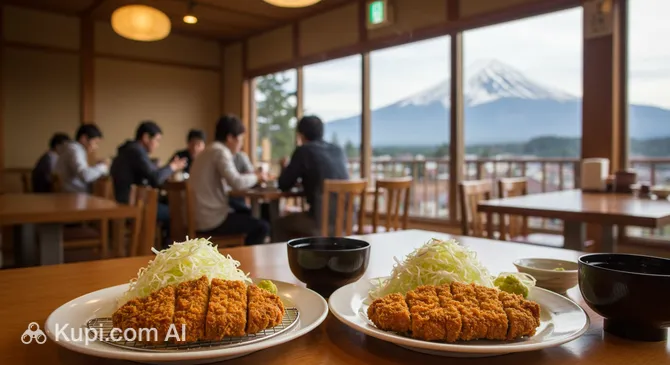
To get acquainted with the local gastronomy, stop by Koushuya Beef Cutlet Restaurant. This establishment specializes in gyukatsu — breaded cutlets made from Koshu beef, a local delicacy. A unique feature of the service is that guests can finish grilling the juicy cutlets themselves on small stone grills right at their table. This is not only delicious but also an interesting culinary experience that allows for a deeper immersion into the region's culture.

Koushuya Beef Cutlet Restaurant. Illustration.
Source: Kupi.com AI

Traveler photos:

Local Cuisine

The cuisine of Fujiyoshida is a true immersion into the gastronomic traditions of Yamanashi Prefecture, where hearty, warming dishes made from local products are valued. The city's food scene is marked by authenticity and offers unique flavors that are hard to find elsewhere in Japan.

The star of the local cuisine is undoubtedly Yoshida Udon. These noodles are famous for their incredibly dense, chewy texture, which locals jokingly refer to as "masculine." It is usually served in a rich broth based on miso and soy sauce, with added boiled cabbage and, traditionally, horse meat, although other topping options exist. Every restaurant specializing in Yoshida Udon keeps its own preparation secret, so you can try this dish in different places, discovering new nuances of flavor each time.

Another iconic dish of the region is Hoto noodles. It consists of wide, flat noodles stewed with seasonal vegetables (such as pumpkin, mushrooms, carrots, and Chinese cabbage) in a thick miso soup. It is a very filling and warming dish, perfect for cool weather, especially after long walks or climbing the mountain. Unlike the firmer Yoshida Udon, Hoto noodles are usually softer and more tender.

Meat lovers should pay attention to Koshu beef — a local delicacy known for its tenderness and marbling. You can try it, for example, in the form of gyukatsu (breaded beef cutlets). One of the places to enjoy this dish is Koushuya Beef Cutlet Restaurant, where you can finish grilling the juicy pieces to your ideal level on a stone grill.

As for drinks in Fujiyoshida and its surroundings, local sake produced in the Yamanashi region is popular; the area is also famous for its vineyards and wine production (especially Koshu white wine). Of course, traditional green tea is available everywhere. In season, you can enjoy fresh juices or desserts made from local fruits like peaches and grapes.

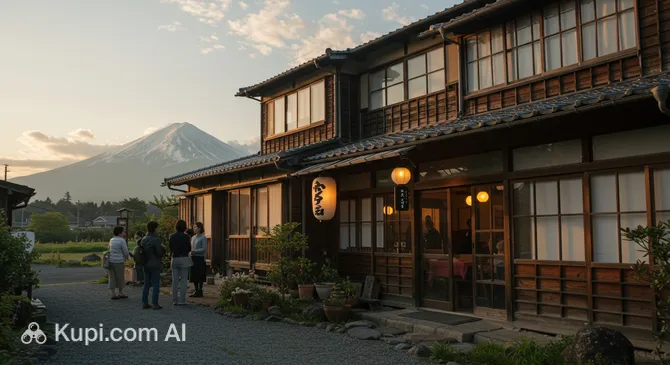
The food culture in Fujiyoshida centers around small, often family-run restaurants and diners specializing in local dishes. Here, the quality of ingredients and traditional recipes are highly valued. Tourists and locals alike often choose such establishments for lunch or dinner to experience the authentic taste of the region. While street food is not as common here as in megacities, you can find interesting local snacks on tourist streets or during festivals. For a more diverse menu or just a cozy rest, you can stop by places like Kawaguchiko Country Cottage Ban, which offers a pleasant atmosphere.

Kawaguchiko Country Cottage Ban. Illustration.
Source: Kupi.com AI

Traveler photos:

A gastronomic introduction to Fujiyoshida promises to be a real discovery for those who appreciate authentic regional cuisine. It is an opportunity to try unique dishes that reflect the character and history of this amazing place at the foot of Mt. Fuji.

Travel Tips

Welcome to Fujiyoshida! To make your journey to the foot of majestic Mount Fuji as comfortable and memorable as possible, we have prepared some practical tips. They will help you better navigate the city and enjoy every moment of your stay.

  1. Clothing and Items for the Season:

    The climate in Fujiyoshida, as in all of Japan, has distinct seasons. In summer (June-August), it is warm and humid, so bring light clothing but don't forget a raincoat or umbrella. In winter (December-February), it can be cold, especially at night, so warm clothes, including a hat, gloves, and a scarf, are mandatory. Spring and autumn offer moderate weather, ideal for walking — layering your clothes will be your best friend. Comfortable shoes are extremely important, as you will be walking a lot, especially if you plan to explore the surroundings or parks. Don't forget a universal adapter (Japan uses Type A and B sockets, 100V). When visiting temples, such as Kitaguchi Hongu Fuji Sengen, show respect by choosing modest clothing that covers shoulders and knees.

  2. Getting Around the City and Surroundings:

    The main form of public transport in the region is the Fujikyuko Line, which connects Fujiyoshida with major hubs and neighboring attractions. There is also a well-developed network of local buses that will help you reach the lakes and viewpoints. Taxis are available but can be expensive for long trips; you can use apps like JapanTaxi or Go. Car rental can be a good option for flexible exploration of the Fuji Five Lakes region, but remember the left-hand traffic and the requirement for an international driving permit. Parking at popular spots may be paid or limited.

  3. Financial Matters:

    The local currency is the Japanese yen (JPY). It is recommended to carry a sufficient amount of cash, as not all small shops, restaurants, and temples accept bank cards. Credit and debit cards from major international systems (Visa, Mastercard) are accepted in hotels, large stores, and tourist centers. You can withdraw cash from foreign cards at 7-Eleven ATMs, post offices (Japan Post Bank), and some other banks. It's best to exchange currency at the airport upon arrival or at major banks in large cities; exchange options in Fujiyoshida may be limited. Tipping is not practiced in Japan and may be perceived as an insult — good service is already included in the culture of service.

  4. Health and Safety:

    Fujiyoshida, like Japan in general, is a very safe place for tourists. Follow standard precautions. Pharmacies (look for the "薬" - kusuri sign) are available, but pharmacists do not always speak English, so it is better to have a basic first-aid kit with you. For serious medical assistance, contact a local hospital; it is highly recommended to have travel insurance. The emergency services number (ambulance, fire) is 119. If you plan on climbing Mt. Fuji (in season), prepare thoroughly, check the weather forecast, and have the appropriate gear.

  5. Language and Communication:

    The official language is Japanese. In tourist areas, hotels, and stations, there is often information in English, and staff may speak some English. However, knowing a few basic phrases in Japanese (e.g., "konnichiwa" – hello, "arigato" – thank you, "sumimasen" – excuse me/sorry) will be very useful and appreciated by locals. For convenience, purchase a travel SIM card or rent a pocket Wi-Fi router — this will provide you with internet on the go. Free Wi-Fi is available in some hotels, cafes, and tourist information centers. Translation apps and maps like Google Maps will be helpful.

  6. Local Etiquette and Traditions:

    Japanese people are very polite and value respect for traditions. When greeting, you can bow slightly. In public places, especially on transport, try to speak quietly and not disturb those around you. It is not common to eat and drink while walking (except in specially designated areas or during festivals). Remove your shoes when entering Japanese homes, some temples, traditional restaurants (where you sit on tatami), and ryokans. When using chopsticks, do not stick them vertically into rice and do not pass food from chopsticks to chopsticks.

  7. Things to Avoid:

    Try not to litter — Japan is very clean, and trash cans are not common, so be prepared to carry your trash to your hotel or the nearest bin. Also, avoid loud phone conversations on public transport. Do not point at people or objects with one finger — it is considered impolite; use an open palm instead.

  8. Special Tip for Fujiyoshida:

    To catch the best and clearest views of Mount Fuji, plan your photo sessions and visits to viewpoints for the early morning. Often, after midday, the summit is hidden behind clouds. Be flexible with your plans and watch the weather — this will allow you to capture truly unforgettable shots of the symbol of Japan.

We hope these tips make your journey to Fujiyoshida even more pleasant and organized. Enjoy the beauty of nature, the unique culture, and the hospitality of this wonderful corner of Japan!

Entertainment & Nightlife

Fujiyoshida, being a city at the foot of majestic Mt. Fuji, offers its guests a predominantly calm and peaceful evening leisure experience rather than the vibrant nightlife typical of megacities. Here, the emphasis is on cozy restaurants, the opportunity to enjoy delicious food, and tranquility after a busy day exploring the natural wonders of Japan. If you are looking for loud nightclubs or large concert venues, the selection in Fujiyoshida will be limited; the city is more suited for relaxed evening rest.

The main evening activities in Fujiyoshida are centered around gastronomic establishments. After sunset, the city offers many dining options where you can get acquainted with local cuisine. For example, you can spend the evening at Koushuya Beef Cutlet Restaurant, enjoying the regional specialty, or choose a more informal setting at Kawaguchiko Country Cottage Ban. While you won't find entire districts of neon-signed nightclubs open until dawn, many restaurants and some local bars (izakayas) are open until late in the evening. Such establishments are most commonly found near railway stations, such as Fujisan Station, or along the main streets leading to popular tourist sites. The atmosphere in them is usually calm and friendly, and the dress code is typically casual.

Most restaurants in Fujiyoshida usually operate until about 9:00 PM or 10:00 PM. Some small bars may stay open longer, but it's best to check locally. The best time for dinner is from 6:00 PM to 8:00 PM. Prices in establishments vary, but overall you can find options for different budgets, from inexpensive udon shops to mid-range restaurants. For moving around the city in the evening, the most convenient option is a taxi, which can be called through your hotel or found at stands near stations. Public transport runs less frequently in the evening, so plan your trips in advance.

Fujiyoshida, like Japan as a whole, is a very safe city. Evening walks along well-lit central streets usually carry no risks. Nevertheless, it is always useful to follow standard precautions, especially if you are in sparsely populated areas late at night. If you plan to stay out late, make sure you know how to get back to your hotel or save the number of a local taxi service.

Regarding daytime entertainment, Fujiyoshida offers guests the chance to immerse themselves in nature and culture. You can visit numerous scenic parks with panoramic views of Mt. Fuji and the lakes, explore ancient temples, or visit small local museums detailing the history of the region. While the city is not famous for large entertainment complexes, theaters, or world-class amusement parks, its charm lies in its peaceful atmosphere, opportunities for hiking, and proximity to the natural wonders of Japan.

Parks & Museums

Fujiyoshida is not only the gateway to the majestic Mount Fuji but also a city that offers its guests excellent opportunities for outdoor recreation and an introduction to its rich cultural heritage. Here you will find picturesque parks with breathtaking views and places that preserve the history and traditions of the region.

Among the city's green oases, Tenjoyama Park Kawaguchiko particularly stands out. After taking the cable car up, you will be rewarded with panoramic views of Mount Fuji and Lake Kawaguchiko. The park is also known for the folktale about a rabbit and a tanuki, whose figures can be found throughout its territory. Another beautiful spot for a stroll is Yagizaki Park, located on the shore of Lake Kawaguchiko. It is especially popular in early summer when the lavender fields bloom, creating an incredibly fragrant and colorful landscape against the backdrop of Mt. Fuji.

Kawaguchiko Tenjoyama Park. Illustration.
Source: Kupi.com AI

Traveler photos:

Yagizaki Park. Illustration.
Source: Kupi.com AI

Traveler photos:

For those who want to dive deeper into the culture and history of the region, Fujiyoshida offers several interesting museums. We highly recommend visiting the Fujisan Museum (often referring to the Yamanashi Prefectural Fujisan World Heritage Center located nearby). Here you can comprehensively study the natural history, culture, and spiritual significance of Mount Fuji, recognized as a UNESCO World Heritage site. Interactive exhibits make it engaging for visitors of all ages. No less informative is a visit to the Fujiyoshida Museum of Local History. This museum details the history of the city itself, its inseparable connection with the traditions of pilgrimage to Mt. Fuji, and the development of local crafts, particularly its famous textile production. The museum's exhibits allow a glimpse into the past to understand the daily life and beliefs of the region's residents.

Beyond the museums, one of the most iconic cultural and historical sites is the Chureito Pagoda, located on a hillside in Arakurayama Sengen Park. This five-story pagoda, built as a peace memorial, has become one of the symbols of Japan due to the canonical view of Mt. Fuji from here, especially in spring during the cherry blossoms. For a deeper understanding of the spiritual side of the region, visit local temples and shrines, such as Kitaguchi Hongu Fuji Sengen Jinja, which historically served as the starting point for climbing Mt. Fuji. The architecture of such places and their peaceful atmosphere allow you to touch the spiritual side of Japan.

Insider tip: To enjoy the views of Mt. Fuji to the fullest and without crowds, try to visit the viewpoints and parks early in the morning — this is usually when the weather is clearest. Also, don't miss the chance to walk through the less famous streets of the city, where you can find cozy local restaurants offering the regional specialty, Yoshida udon.

Getting Around

Getting around Fujiyoshida and its surroundings is quite convenient, although the city does not boast an extensive subway system like major megacities. Public transport here is based on buses and trains, with taxis and rental options also available.

Buses are the main way to travel around the city and to popular tourist sites, including the 5th station of Mount Fuji (in season) and the areas around Lakes Kawaguchiko and Yamanakako. There are various routes, including tourist "retro buses" or loop routes around the lakes. Fares are usually paid when exiting; in some buses, you might encounter a system where you take a numbered ticket (seiri-ken) upon entering and pay the amount shown on the display next to your number when you leave. The cost depends on the distance. For tourists, special day or multi-day passes (such as the Fuji Hakone Pass for wider travel, or local bus passes) can be beneficial. It is recommended to check availability and terms for such passes at stations or tourist information centers. Cards like Suica or Pasmo may be accepted on some routes, but it's better to have cash on hand.

Railway service is represented by the Fujikyuko Line, which connects Fujiyoshida (Fujisan, Gekkoji, and Shimoyoshida stations) with the city of Otsuki (where you can transfer to JR lines to Tokyo) and the Lake Kawaguchiko area (Kawaguchiko Station). Trains run regularly, making it a convenient way to reach the city or travel between some of its districts and neighboring attractions. Tickets are purchased at stations from vending machines or counters.

Taxis are available in Fujiyoshida, especially near railway stations and major hotels. This is a more expensive but comfortable way to travel, especially if you are with luggage or a group. The cost is calculated by the meter.

For more independent exploration of the region, consider renting a bicycle, especially for rides around the city and along the lake shores in good weather. Rental points can be found near stations and tourist zones. Car rental is also possible and gives more freedom to explore the Fuji foothills and the Five Lakes region, but keep in mind that they drive on the left and an international driving permit is required.

Among the special features is the Mt. Fuji Panoramic Ropeway (formerly Tenjoyama Park Ropeway), which ascends to a viewing platform with a magnificent view of Mt. Fuji and Lake Kawaguchiko. It is more of a tourist attraction than daily transport, but it is certainly worth your attention.

Practical tips for tourists: When planning trips, check the schedule in advance, especially if you are heading to remote areas — buses may not run as frequently as in big cities. Schedules are usually available at stations and stops, as well as online (though English information may be limited). Tourist information centers (for example, at Fujisan or Kawaguchiko stations) will help you plan your route and provide current information on passes. Don't hesitate to ask station staff or bus drivers for help, even if you don't speak Japanese — they are often ready to assist tourists.

Accommodation

In Fujiyoshida and the areas adjacent to Lake Kawaguchiko, travelers will find a wide range of accommodation options to suit every taste and budget. There are traditional Japanese ryokans with onsen hot springs, as well as modern European-style hotels. For more budget-conscious tourists, guesthouses, hostels, as well as cottages and apartments for rent are available, offering more privacy and a homey feel.

The most popular areas to stay are considered to be the surroundings of Lake Kawaguchiko, which offer magnificent views of Mount Fuji and where many hotels and ryokans with onsens are concentrated. This is an ideal place for those seeking a relaxing holiday in nature. Another convenient option is staying near transport hubs, such as the Fujisan or Kawaguchiko railway stations, which will provide easy access to bus routes for traveling around the region, to the 5th station of Mount Fuji, or to other attractions.

While there are no specific hotels listed in the provided attractions, in the Fujiyoshida and Lake Kawaguchiko region, you will find both large resort complexes offering a full range of services, including restaurants and spa treatments, and small family-run hotels and ryokans where you can dive deeper into Japanese culture and experience local hospitality. Many ryokans include traditional Japanese kaiseki dinners and breakfasts in the stay, which is an integral part of the cultural experience.

It is strongly recommended to book accommodation in advance, especially if your trip coincides with the peak tourist seasons: the spring cherry blossoms (usually April), the summer Mt. Fuji climbing period (July-August), or the autumn koyo foliage season (October-November). Prices range from budget options in hostels and guesthouses to mid-range offers and luxury rooms in hotels and ryokans with panoramic views. Booking is easily done through popular international online platforms, official hotel websites, or specialized Japanese booking systems for ryokans.

Nearby Cities

For those who want to explore the surrounding area, Fujiyoshida serves as an excellent starting point for day trips to several interesting nearby locations:

CityPopulationDistance
Fujikawaguchiko25 4955 km
Tsuru30 19311 km
Fuji243 73916 km
Otsuki22 35618 km
Gotemba86 33423 km

These nearby destinations offer insight into the diverse culture and landscapes of the region. Each trip promises new discoveries, whether it's the historical sights of Kofu, the natural beauty around Gotemba, or the charm of Fuji city. Planning such excursions will significantly enrich your journey through Japan.

Shopping & Souvenirs

Fujiyoshida, comfortably situated at the foot of majestic Mount Fuji, offers its guests a unique shopping experience focused on local goods, souvenirs, and products related to the region's culture. You won't find giant shopping malls here like in megacities, but you can purchase authentic items that will remind you of your trip to Japan. The city has long-standing traditions in textile production, and you can sometimes find items reflecting this heritage.

Main shopping spots and souvenir shops are usually concentrated near key transport hubs, such as Fujisan Station, as well as along the streets leading to popular shrines and attractions. Strolling through the city, you will discover many small shops offering a variety of goods — from traditional crafts to modern souvenirs.

Large modern shopping centers are not a characteristic feature of Fujiyoshida. Shopping here is more about exploring small, often family-run, shops and specialty boutiques. If you need a wide range of major brand products, it might be worth considering a trip to larger cities in Yamanashi Prefecture or beyond.

While Fujiyoshida is not famous for large and bustling markets like some other Japanese cities, you can sometimes stumble upon local fairs or seasonal markets where farmers offer fresh produce and craftsmen show their wares. This is a great opportunity to buy something truly unique and support local producers. It's best to check for information about such events at tourist centers.

The selection of souvenirs in Fujiyoshida will please any tourist. Of course, items depicting Mount Fuji come first: these can be postcards, magnets, clothing, tableware, sweets, and much more. Pay attention to local handicrafts — ceramics, woodwork, and textiles. Don't forget about gastronomic souvenirs: local Yoshida udon noodles, traditional Japanese wagashi sweets, sake from Yamanashi Prefecture, or craft beer with Mt. Fuji symbols make wonderful gifts. Products with added wasabi are also popular.

Most shops in Fujiyoshida operate approximately from 10:00-11:00 AM to 7:00-8:00 PM. Small private shops may close earlier or have one day off a week. As for payment, cash (Japanese yen) is still very common and is often the preferred method of payment, especially in small shops. Large stores and those oriented towards tourists generally accept credit cards. Additionally, some shops, especially conbini (convenience stores) and those at stations, may accept transport IC cards (such as Suica or Pasmo).

Foreign tourists can take advantage of the Tax Free system in many Fujiyoshida shops marked with the appropriate sign. Usually, this requires a purchase of over 5,000 yen (excluding tax) in one store in a single day. You will need to present your passport at the time of purchase. This is a good opportunity to save on souvenirs and other goods.

Reached the end of the page?

That means the route is fully explored