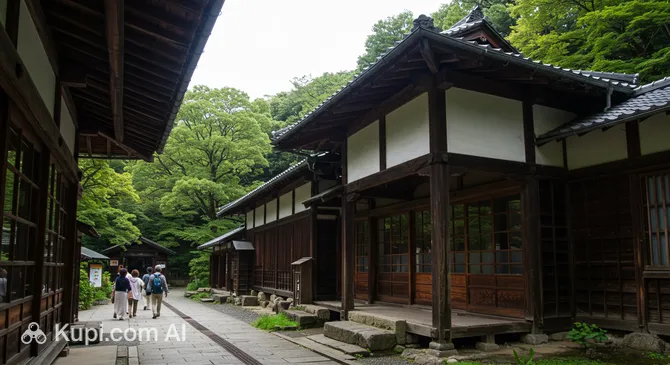
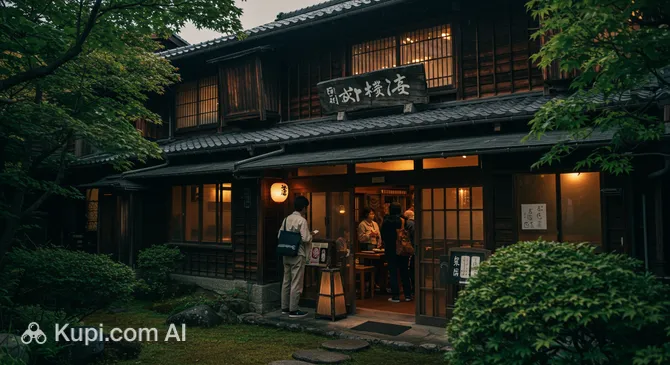
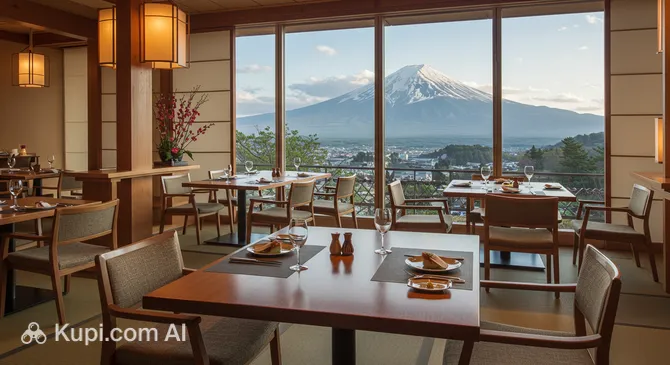
Support

Fuefuki

About

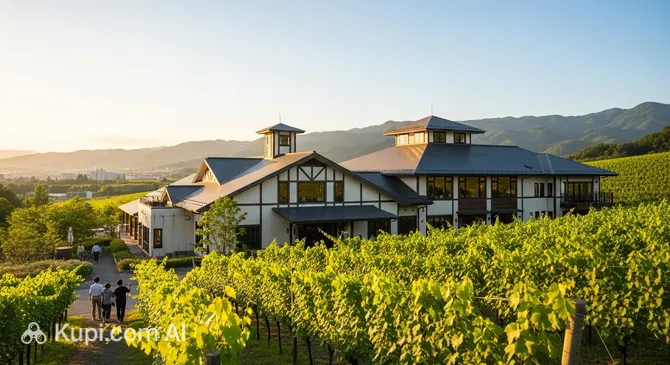
Fuefuki is a true gem of Yamanashi Prefecture in Japan, nestled in a picturesque valley surrounded by mountain ranges and green hills. The city is located in the heart of a region famous for its vineyards, hot springs, and proximity to the legendary Mount Fuji. Thanks to its convenient location, it’s easily accessible from Tokyo in just an hour and a half to two hours by train or car, making Fuefuki an excellent starting point for exploring the central part of the country.
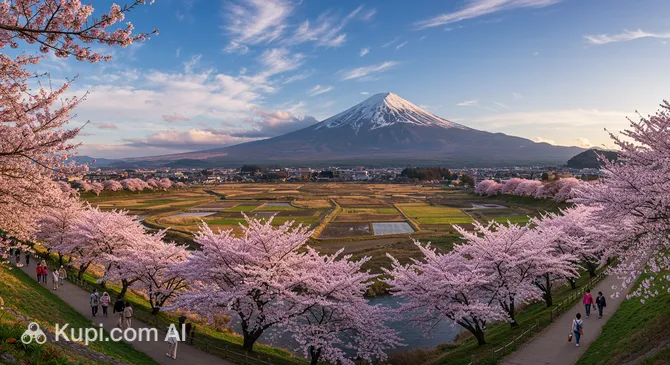
Fuefuki. Illustration.
Source: Kupi.com AI

With a population of around 67,000 people, Fuefuki retains the charm of a small town where every corner is steeped in an atmosphere of peace and comfort. There is no hustle and bustle of a metropolis here; instead, you'll find a leisurely pace of life, the hospitality of local residents, and a unique harmony of nature and tradition. The city holds significant administrative importance in the region and is famous for its contribution to the development of Yamanashi's wine and agricultural industries.

Fuefuki is perfect for those seeking not only beautiful landscapes but also the opportunity to immerse themselves in authentic Japanese culture. Strolls through vineyards, bathing in onsen (hot springs), tasting local wines, and discovering ancient temples — all this awaits the city's guests. Fuefuki is a place where you can rest your soul, enjoy magnificent views, and discover Japan from a new, unexpected side.

You can find more interesting facts on the history of Fuefuki page.
Weather Overview

The climate in Fuefuki is characterized by clearly defined seasons. Summer, especially in July and August, is warm and quite humid here. The average temperature in August reaches 23.2°C, while daily maximums can rise to 26.9°C. The summer months also see the highest number of rainy days; for instance, there is an average of 22 rainy days in August, though July sees up to 9 mm of rainfall. Winters in Fuefuki are cool and drier: the average temperature in January is 0.2°C, with night frosts down to -3.7°C, and precipitation is minimal (e.g., 1 mm in December).

Overall, when planning your trip, expect a warm summer with occasional rain and cool, relatively dry winters. Spring and autumn are comfortable transitional seasons with moderate temperatures and variable weather. For a more detailed look at weather conditions by month, including information on average temperatures, precipitation, and sunshine hours, you can visit the Fuefuki Climate page.

Average monthly temperature

Average monthly precipitation

Interesting Facts

Beyond its scenic landscapes and hospitality, Fuefuki holds many surprising stories and features that make it a truly unique destination.

Yamanashi Winery. Illustration.
Source: Kupi.com AI

Traveler photos:

  • Fuefuki is the true heart of Japanese winemaking. The city is famous for its vineyards growing premium varieties, and local wines, such as those produced at the Yamanashi Winery, regularly win awards at prestigious competitions. The annual Grape Festival attracts connoisseurs from all over the country.

  • The city is famous for its healing thermal springs—onsens. The Isawa district is particularly popular, where you can find many traditional ryokans and hotels offering relaxing baths, such as at Spa Land Hotel Naito. It is believed that bathing in these waters is very beneficial for health.

  • In the vicinity of Fuefuki, many ancient temples and shrines have been preserved. According to legend, pilgrims heading to the sacred Mount Fuji passed through these places, leaving behind a rich historical and cultural legacy.

  • Fuefuki is shrouded in ancient legends of mountain spirits. One of the most famous stories tells of a mystical morning mist in the valley; according to local belief, encountering it brings good luck and prosperity to those who see it.

How to Get There

When planning a trip to this picturesque corner of Yamanashi Prefecture, it is important to think about your route in advance. The city has good transport accessibility, especially from the capital, making it convenient to visit. You can find all the ways to reach the city in more detail on a dedicated page, and below we will look at the main transport hubs through which tourists arrive in Fuefuki.

Since Fuefuki itself does not have its own airport, most travelers arrive via the international air hubs of Tokyo or neighboring prefectures. One of the most convenient options is Haneda (HND), located in Tokyo. This airport is approximately 104 km from Fuefuki. From Haneda, you can reach your destination by train or a direct express bus, which takes about 2–2.5 hours. Thanks to its massive passenger volume, Haneda offers excellent connections and a high level of service.

Another popular option for international flights is Narita International Airport (NRT), also serving Tokyo. It is located slightly further away, at a distance of about 159 km from Fuefuki. The journey from here takes longer—about 3–3.5 hours by train (for example, via the Narita Express with a transfer at Shinjuku) or by bus. Despite its distance, Narita handles many international flights, making it an important gateway to the region.

It is also worth mentioning the regional Shizuoka Airport (FSZ), located about 103 km from the city. Although it serves fewer flights than the capital giants, it can be a convenient alternative for some routes. Travel time by car or taxi from here is about 1.5–2 hours.

For convenience, here is a summary of the main airports located relatively close to the city:

AirportPassenger trafficDistance
Matsumoto Airport112 61887 km
Shizuoka Airport691 274103 km
Haneda Airport85.7 mln104 km
Narita International Airport40.8 mln159 km
Nagoya Airport735 000161 km

As for rail travel, it is one of the most popular ways to get to Fuefuki. The main gateway to the city is Isawa-Onsen Station, located on the JR Chuo Line. It is very easy to get here from Tokyo: the "Kaiji" or "Azusa" limited express trains depart regularly from Shinjuku Station. The travel time is about 1.5 hours. The station is located right within the city limits, and from there you can easily reach most hotels and ryokans by taxi or local bus in just 5–10 minutes.

In addition to trains, a great alternative is the Highway Buses, which depart from the Busta Shinjuku terminal in Tokyo and head toward Kofu, making stops in the Fuefuki area (for example, at the Isawa stop). This is often cheaper than the train and just as comfortable, taking about 2 hours depending on traffic.

Main Attractions

Fuefuki, nestled in Yamanashi Prefecture—famed for its fruit and wine—offers guests several wonderful places to experience local culture and unique products. Notable among them are the wineries, historical sites, and restaurants serving authentic cuisine.

One of the main highlights of the region is the Yamanashi Winery. Given that Yamanashi Prefecture is the cradle of Japanese winemaking, a visit to this winery provides a unique opportunity to learn about local wine production processes, from grape growing to bottling. Tourists can taste various wine varieties and purchase their favorites. It is a wonderful place to appreciate the rich winemaking traditions of Japan.

Yamanashi Winery. Illustration.
Source: Kupi.com AI

Traveler photos:

Another notable spot is Saiseki-no-Kura. This tourist site attracts visitors with its authentic atmosphere and the chance to engage with local crafts or historical heritage. The name "kura" often refers to a traditional storehouse where valuable goods or products were kept. Here, you can learn more about the region's culture, see unique crafts, or get acquainted with the history of Fuefuki.

Saiseki no Kura. Illustration.
Source: Kupi.com AI

Traveler photos:

For gastronomic discoveries, the Katsugen Isawa restaurant is well worth a visit. The name suggests that you can enjoy excellent "katsu" dishes—breaded and deep-fried cutlets popular throughout Japan. This establishment offers guests high-quality Japanese cuisine, likely with an emphasis on local ingredients, in a pleasant setting, complementing your impressions of Fuefuki with vibrant flavors.

Katsugen Isawa. Illustration.
Source: Kupi.com AI

Traveler photos:

Local Cuisine

Fuefuki is a true paradise for gourmets, where gastronomic traditions are closely intertwined with the rich harvest of local lands. The city is famous for dishes based on the freshest seasonal fruits, especially grapes. They are used not only to make delicious desserts and aromatic jams but also original savory sauces that perfectly complement meat and fish dishes.

Be sure to try houtou—a thick soup with wide homemade noodles, vegetables, and often meat. This hearty and warming dish is particularly popular during the cooler months. Another culinary pride of the region is the famous Yamanashi beef, which is used in Fuefuki to prepare juicy steaks and rich soups that reveal the full richness of the meat's flavor.

Thanks to its developed winemaking traditions, Fuefuki offers unique varieties of local Japanese wine, with white and rosé wines being particularly famous. Fruit-based liqueurs are also popular. Many local bars and restaurants, as well as specialized sites like the Yamanashi Winery, offer tastings. You can get acquainted with the variety of drinks and learn how to pair them with traditional Japanese snacks at places like the Bar at Hotel Kasugai.

Kasugai Hotel Bar. Illustration.
Source: Kupi.com AI

Traveler photos:

The food culture in Fuefuki is diverse. Locals and tourists alike can enjoy exquisite dishes in numerous restaurants, such as Katsugen Isawa, which serves local cuisine. Another worthy place to discover local specialties is Spa Land Hotel Naito. The city's farmers' markets are a treasure trove of fresh vegetables, fruits, and other local products. Furthermore, Fuefuki is known for its food festivals: grapes and fruits are celebrated in the summer, while young wine fairs and traditional delicacy markets take place in the autumn, immersing guests in the atmosphere of a true Japanese celebration.

Spa Land Hotel Naito. Illustration.
Source: Kupi.com AI

Traveler photos:

Fuefuki's culinary scene attracts tourists with its focus on fresh local ingredients, unique wines, and the opportunity to dive into authentic Japanese culinary culture. From traditional hearty meals to refined fruit desserts—everyone will find something to their taste here.

Travel Tips

Welcome to Fuefuki! To make your journey to this picturesque corner of Japan as comfortable and memorable as possible, we have prepared some practical tips. We hope they help you better plan your trip.

  1. Clothing and items for the season:

    The climate in Fuefuki, like all of Yamanashi Prefecture, is characterized by four distinct seasons. In summer (June-August), it is quite hot and humid, so choose light, breathable clothing made from natural fabrics. Spring (March-May) and autumn (September-November) are wonderful times to visit with comfortable temperatures; layered clothing is ideal. In winter (December-February), it can be chilly and occasionally snows, so warm clothes, including a hat and gloves, are essential. Comfortable shoes are your best ally, as you will be doing a lot of walking, especially if you plan to visit temples, parks, or go fruit picking. Don't forget a universal power adapter for your electronics (Japan uses type A and B sockets, and the voltage is 100V). Modest clothing that covers shoulders and knees is recommended when visiting temples and shrines.

  2. Transport in the city:

    The main ways to get around Fuefuki and its surroundings are local buses and potentially JR trains at nearby stations for connections to other cities. Bus routes may not be as frequent as in major cities, so it's worth checking the schedule in advance. Taxis are available but can be quite expensive, especially for long distances. Popular taxi-hailing apps in Japan, such as JapanTaxi or DiDi, may also operate here. Renting a car can be a good option if you plan to actively explore Yamanashi Prefecture, its wineries, and natural beauties, but remember that driving is on the left and you will need an international driving permit.

  3. Finances – currency and payments:

    The local currency is the Japanese Yen (JPY). Although major hotels and some tourist shops accept credit cards, cash is still very important, especially in small restaurants, local shops, for temple entrance fees, or at farms. It is recommended to exchange some money upon arrival at the airport or at banks in Japan. ATMs that accept international cards can most often be found in post offices (Japan Post Bank) and 24-hour convenience stores (like 7-Eleven). Check with your bank regarding international card usage. An approximate daily budget (excluding accommodation) could range from 5,000 to 10,000 yen. Tipping is not practiced in Japan and may even cause confusion.

  4. Health and safety:

    Fuefuki, and Japan in general, is considered a very safe place for tourists. The crime rate is low. Nevertheless, always take basic precautions: watch your belongings, especially on transport and in crowded areas. Pharmacies (薬局 - kusuri-ya or ドラッグストア - doraggusutoa) are available, but not all are open 24/7, and staff may not always speak English. It is advisable to carry a basic first-aid kit. If you need medical assistance, contact your hotel reception for information on the nearest clinics or hospitals (病院 - byouin). There are no particularly dangerous areas in Fuefuki that should be avoided.

  5. Communication and internet:

    The official language is Japanese. In tourist areas, hotels, and stations, staff may speak basic English, but in general, especially in smaller towns like Fuefuki, English is not very widespread. Learn a few simple Japanese phrases: "Konnichiwa" (Hello/Good day), "Arigato gozaimasu" (Thank you very much), "Sumimasen" (Excuse me/I'm sorry). This will be highly appreciated by the locals. For internet access, it's convenient to rent a pocket Wi-Fi router or buy a tourist SIM card upon arrival at the airport or in advance online. Free Wi-Fi is often available in hotels, some cafes, and tourist information centers. Translation apps and maps on your smartphone will be very useful.

  6. Local etiquette and traditions:

    Japanese people are very polite and place great importance on etiquette. A greeting is usually accompanied by a bow; its depth depends on the situation. For a tourist, a slight nod of the head is sufficient. Avoid talking loudly on the phone on public transport. When visiting private homes, some temples, traditional restaurants, and ryokans (Japanese inns), it is customary to remove outdoor shoes at the entrance. It is not polite to point at people or objects with a finger; use an open palm. It is best to give and receive items (like business cards or money) with both hands.

  7. What to avoid:

    First, try not to eat or drink while walking on the street unless it's in specially designated areas (e.g., during festivals). This is considered impolite. It's better to stop and have a snack to the side or in a cafe. Second, when using chopsticks (hashi), never stick them vertically into a bowl of rice—this resembles a funeral ritual. When you're not eating, place your chopsticks on a special rest (hashioki) or across the bowl.

  8. Fuefuki’s Specialties – fruit and onsens:

    Fuefuki is located in Yamanashi Prefecture, known as the "fruit kingdom" of Japan. Don't miss the chance to try the freshest local peaches (in summer) and grapes (in autumn). Many farms offer "fruit picking" services. Also, the Isawa Onsen area in Fuefuki is famous for its hot springs (onsens). Visiting an onsen is a great way to relax and engage with Japanese culture. Familiarize yourself with onsen etiquette in advance: you must wash thoroughly before entering the communal bath, and bathing is done without clothing.

We hope these tips help you better prepare for your trip and get the most out of your stay in Fuefuki. We wish you unforgettable impressions and pleasant discoveries in this charming city!

Entertainment & Nightlife

In the evening, Fuefuki offers its guests a cozy and calm atmosphere, quite different from the noisy metropolises. You won't find massive nightclubs or entire districts dedicated to entertainment until dawn, but you can enjoy a pleasant time in local establishments, benefiting from warm hospitality and quality service. The city's nightlife is more centered around restaurants, small bars, and traditional Japanese izakayas where you can sample local drinks and dishes.

For a pleasant evening, consider the Bar at Hotel Kasugai, where you can relax with a drink in an elegant setting. If you're looking for a place for dinner, the restaurant at Spa Land Hotel Naito offers a variety of dishes suitable for a peaceful end to the day. Also worth noting is Katsugen Isawa, known for its local cuisine and authentic atmosphere. These establishments are typically popular with both tourists and locals.

The atmosphere in Fuefuki's evening venues is generally relaxed and friendly. The crowd is mixed, but mostly consists of adults who appreciate a quiet getaway. The style of the venues varies from traditional Japanese to more modern. Most bars and restaurants stay open until late evening but not all night, so it's best to check opening hours in advance. There is usually no specific dress code; casual, neat clothing is perfectly appropriate.

When planning your evening leisure, it's better to arrive at popular spots a little early, especially on weekends. Prices in Fuefuki establishments are generally moderate but can vary depending on the level of the restaurant or bar. You can get back to your hotel at night by taxi, as public transport may stop running relatively early. The city is generally safe for nighttime walks, especially in central areas, but it's always worth taking standard precautions.

During the day, Fuefuki also offers interesting leisure options. For example, you can visit the Yamanashi Winery to learn about local winemaking or explore the cultural site Saiseki-no-Kura. While the city may not have large amusement parks or major theater complexes, its charm lies in its peaceful atmosphere and the opportunity to experience local culture and traditions.

Parks & Museums

The city of Fuefuki, nestled in the heart of Yamanashi Prefecture, offers its visitors a harmonious blend of natural beauty and opportunities for cultural enrichment. While the city may not boast an abundance of world-famous museums or massive park complexes, it charms with its authenticity and proximity to the region's natural treasures.

Nature lovers should remember that Fuefuki is in Yamanashi Prefecture, famous for its breathtaking mountain landscapes, crystal-clear rivers, and, of course, its renowned fruit orchards. Instead of formal city parks, you can enjoy walks among peach and grape plantations, which are especially picturesque during the spring blossom period or the autumn harvest. The region's nature itself acts as the main park here, offering endless opportunities for hiking and landscape appreciation.

Saiseki no Kura. Illustration.
Source: Kupi.com AI

Traveler photos:

In terms of cultural sites, one interesting place to visit is Saiseki-no-Kura. Given that Yamanashi Prefecture is known as the "Kingdom of Fruits and Crystals" and has a rich tradition in gemstone processing, this site is likely dedicated to local jewelry art or the region's geological treasures. Visitors can learn more about the craftsmanship of local artisans and the unique natural resources of this land.

Yamanashi Winery. Illustration.
Source: Kupi.com AI

Traveler photos:

Another place to experience local culture and traditions is the Yamanashi Winery. Yamanashi Prefecture is considered the cradle of Japanese winemaking, and a visit to a winery provides a unique opportunity to get acquainted with the local wine production process, learn about the history of viticulture in Japan, and, of course, taste the products. This is not just a tour, but an immersion into an important part of the region's gastronomic culture.

For a truly authentic Fuefuki experience, visit one of the many farms where you can participate in seasonal fruit picking—a popular activity for both locals and tourists. And after a busy day of exploration, there's nothing better than relaxing in one of the local onsens (hot springs), for which Yamanashi Prefecture is also famous.

Getting Around

Public transport in Fuefuki consists mainly of buses and local railway lines that connect various parts of the city and neighboring settlements. The city does not have its own subway or tram system, which is typical for towns of this size in Japan. Bus routes cover key points in the city, while trains provide connections to larger regional transport hubs.

Fare for buses is usually paid in cash directly when boarding or alighting. Bus fares in Fuefuki generally depend on the distance traveled and may start from 100-200 yen. It's best to check exact fare information with the driver upon boarding, on information boards at stops, or on the websites of local transport companies. In Japan, rechargeable IC transport cards (such as Suica, Pasmo, or ICOCA) are widely used and may also be accepted on local routes in Fuefuki, significantly simplifying the payment process. It is recommended to check the possibility of using such cards and where to top them up upon arrival. Train tickets are purchased at railway stations from special machines or ticket offices; their cost varies by destination, and approximate fares are often shown on route maps near the machines.

When planning your trips, keep in mind that buses and trains in Fuefuki typically run from early morning until late evening. However, the frequency of service may decrease in the evening hours, as well as on weekends and holidays. Up-to-date schedules and route maps are best checked at bus stops, train stations, or tourist information centers. Additionally, popular mobile apps like Japan Transit Planner (Jorudan) or Navitime can be useful for planning routes, checking schedules, and estimating travel costs across Japan, including the Fuefuki region. While these apps usually don't allow for the direct purchase of local Fuefuki bus tickets, they are excellent navigation tools.

In addition to public transport, taxi services are available in Fuefuki. This is a convenient option for nighttime travel, when carrying bulky luggage, or for reaching places not served by public transport. Taxi stands are usually found at railway stations and major hotels. Furthermore, given the scenic surroundings of Yamanashi Prefecture, you might consider renting a bicycle—it's a wonderful way to explore the city and its nature at a leisurely pace. Bicycle rental points can be found in tourist areas or at some hotels.

Accommodation

When planning a trip to Fuefuki, you will find a variety of accommodation options to suit different preferences and budgets. The city offers both traditional Japanese inns (ryokans), where you can immerse yourself in local culture and enjoy hot springs, as well as more conventional hotels. Choices range from budget options to mid-range establishments and more comfortable offerings.

When choosing a place to stay in Fuefuki, you should pay attention to areas located near the attractions you're interested in or transport hubs, which will ensure easy movement around the city and its surroundings. Many ryokans and hotels offer beautiful views of the surrounding nature, which is one of the hallmarks of the Yamanashi region. Although specific hotels are not listed in the data provided, Fuefuki is well-known for its onsen (hot spring) ryokans, which offer a unique living experience.

Regarding booking, it is recommended to arrange your accommodation in advance, especially if your trip coincides with peak tourist season or during local festivals. Accommodation prices can vary from affordable to more expensive, depending on the level of comfort and services provided. It is convenient to book accommodation through popular online platforms or directly on the websites of hotels and ryokans. This will allow you to compare options and choose the one most suitable for your journey to Fuefuki.

Nearby Cities

For those looking to explore the surrounding area, Fuefuki serves as an excellent starting point for day trips to several interesting nearby locations:

CityPopulationDistance
Kofu187 1447 km
Koshu29 01710 km
Kai75 33711 km
Minami Alps69 64216 km
Ichikawamisato14 45816 km

For example, a trip to Kofu, the capital of Yamanashi Prefecture, will allow you to explore the region's rich historical heritage by visiting sites like the Kofu Castle ruins or the famous Takeda Shrine, as well as enjoying the natural beauty of the Shosenkyo Gorge. The city of Fuji, spread out at the foot of the legendary Mount Fuji, attracts travelers not only with breathtaking views of the volcano but also with the chance to explore the picturesque Fuji Five Lakes region, known for its nature parks and recreation areas.

These nearby destinations provide a glimpse into the diverse culture and landscapes of the region. Every trip promises new discoveries, whether it's historical landmarks, natural beauty, or unique local traditions.

Shopping & Souvenirs

Shopping in Fuefuki offers tourists the chance to purchase unique local products and souvenirs that reflect the culture and nature of the Yamanashi region. The city is not a major shopping hub, but you can find interesting items here, especially if you appreciate local production and traditional crafts.

Main shopping spots in Fuefuki are generally concentrated near railway stations and along the main streets. Here you can find small local shops offering a variety of goods—from food to household items and clothing. Expect cozy family-run shops rather than large retail chains.

While Fuefuki may lack the massive modern shopping complexes typical of large cities, you can still find local department stores or small shopping galleries. They offer daily essentials as well as some souvenirs and gifts. For a wider selection of shopping malls, consider traveling to larger cities in the prefecture.

Although Fuefuki is not famous for extensive traditional markets, you can find stalls selling fresh local produce, especially the fruits Yamanashi Prefecture is famous for—grapes and peaches. Look for small farm shops or seasonal fairs where you can buy the freshest gifts of nature directly from the producers.

Yamanashi Winery. Illustration.
Source: Kupi.com AI

Traveler photos:

The primary souvenirs from Fuefuki are undoubtedly local wines and fruit-based products. Yamanashi Prefecture is one of the main winemaking regions in Japan, so a bottle of local wine makes an excellent gift. We recommend looking at products from the Yamanashi Winery. Jams, juices, and sweets made from peaches and grapes are also popular, as are traditional Japanese snacks and confectionery. In some tourist spots, such as Saiseki-no-Kura, you can find other local souvenirs or handmade items.

Saiseki no Kura. Illustration.
Source: Kupi.com AI

Traveler photos:

Most shops in Fuefuki operate from approximately 10:00-11:00 AM to 7:00-8:00 PM. Smaller shops may have their own individual schedules. Large stores and tourist sites usually accept credit cards, but in small private shops and at markets, it's preferable to carry cash (Japanese yen).

In Japan, there is a consumption tax refund system (Tax Free) for foreign tourists. Look for stores with the "Japan Tax-free Shop" logo. Usually, to qualify for a tax refund, you must make a purchase of a certain amount (most often over 5,000 yen) in one store on a single day and present your passport. Check the conditions directly at the place of purchase.

Reached the end of the page?

That means the route is fully explored