Support

Chino

About

Chino is a charming city nestled in the east of Nagano Prefecture in Japan, just a few hours' drive from bustling Tokyo and about half an hour from historic Matsumoto. The city lies at the foot of the majestic Yatsugatake mountain range, and its surroundings are adorned with picturesque valleys and high-altitude resorts, creating a unique blend of the rugged beauty of the Japanese Alps and the peaceful atmosphere of alpine villages.

Chino. Illustration.
Source: Kupi.com AI

With a population of about 55,000 people, Chino maintains a pleasant intimacy and a slow pace of life, which sets it apart from noisy metropolises. The city offers a variety of experiences: from exploring the peaks of the Yatsugatake Quasi-National Park and relaxing at the Tateshina thermal resorts to active recreation at mountain resorts near Lake Shirakaba and Kurumayama. Traditional villages in the foothills, where ancient customs are still carefully preserved, add a special charm.

Chino is a true paradise for nature lovers and active travelers. Here, you can hike through ancient forests, climb mountains, enjoy healing hot springs (onsens), or go skiing in the winter season. The city attracts travelers with its authenticity, tranquility, and the opportunity to literally touch the country's centuries-old history.

If you are looking for peace and harmony, dream of unforgettable views of Mount Fuji and the Japanese Alps, or want to get acquainted with the unique traditions and hospitality of the locals, Chino will be a real discovery for you. This is a place where it is easy to feel like part of nature and discover the authentic Japan, far from standard tourist routes.

You can find more interesting facts on the history of Chino page.
Weather Overview

The weather in Chino is characterized by noticeable seasonal changes. Summer here is warm and humid, while winters are cool with low precipitation. The average temperature in the hottest month, August, is about 22.5°C, with maximum values reaching 26.4°C and approximately 18 rainy days. In winter, for example in January, the average temperature drops to -1.9°C, with minimum values down to -5.5°C; while the amount of precipitation is minimal (about 2 mm), the number of days with precipitation can reach 12.

Spring and autumn offer more moderate temperatures, making these seasons pleasant for visiting. For example, in May the average temperature is 13.7°C, and in October it is 12.1°C. For more detailed information about weather conditions on specific dates, you can check the detailed forecast. Learn more about the Chino climate on our dedicated page.

Average monthly temperature

Average monthly precipitation

Interesting Facts

In addition to its picturesque landscapes and hospitality, the city of Chino hides many amazing stories and features that make it a truly unique place for the curious traveler.

Suwa Taisha Kamisha Maemiya. Illustration.
Source: Kupi.com AI

Traveler photos:

  • Ancient Roots: Chino's history goes back more than 10,000 years! Archaeological excavations confirm the existence of Stone Age settlements here, and ancient shrines, such as the majestic Suwa Taisha Kamisha Maemiya, still preserve the atmosphere and secrets of a millennial history.

  • Onsen Extravaganza: Chino is rightfully proud of its hot springs—there are more than six different types here! Each onsen has its own unique mineral composition and healing properties, offering guests not just relaxation, but true rejuvenation.

  • Gateway to Volcanic Peaks: The city is a starting point for exploring the impressive Yatsugatake Mountains. This mountain range, once an active volcano, today attracts hiking enthusiasts with its peaks reaching nearly 3,000 meters. On clear days, the summits offer stunning views, sometimes even of Mount Fuji itself.

  • Living Traditions and Heritage: In Chino and its surroundings, ancestral traditions are treated with great respect. Here you can meet skilled artisans, observe ancient rituals during local festivals dedicated to the harvest or mountain spirits, and immerse yourself in history by visiting local museums, such as the Horo Museum, which houses unique artifacts and household items.

How to Get There

When planning a trip to this picturesque corner of Nagano Prefecture, it is important to think through your route in advance. The city has good transport accessibility, although it does not have its own airport. You can find out more about how to get to Chino by studying various route options, but most often tourists combine a flight with a train or bus trip.

Since there is no airport in Chino itself, travelers usually fly into major transport hubs in neighboring regions. One of the most popular options is Haneda Airport (HND). This major international airport is located in Tokyo, about 155 km from Chino. The journey from there by taxi or bus will take about 4 hours (approximately 250 minutes), however, most tourists prefer high-speed trains, which significantly reduce travel time.

If you are looking for a closer option, you should consider Matsumoto Airport (MMJ). It is located in the city of Matsumoto, just 28.5 km from the center of Chino. This is a small regional airport that accepts domestic flights. A car trip from here will take only about 1 hour (approximately 65 minutes), making it very convenient for those already in Japan.

For clarity, here is a summary of the main airports used to reach the region:

AirportPassenger trafficDistance
Matsumoto Airport112 61828 km
Toyama Airport736 740113 km
Shizuoka Airport691 274133 km
Nagoya Airport735 000138 km
Haneda Airport85.7 mln155 km

Railway connection is one of the most comfortable ways to get to Chino. The city has its own railway station, Chino Station, which is an important stop on the main JR Chuo Line. Limited express trains from Tokyo (Shinjuku Station) arrive here regularly, allowing you to reach the city quickly and comfortably while enjoying mountain views along the way. If you are traveling from other regions, you may need to transfer at major hubs such as Matsumoto or Nagoya.

Main Attractions

The city of Chino, nestled in Nagano Prefecture, offers travelers several interesting sites that provide a deeper look into Japanese culture and traditions. The attractions worth including in your itinerary range from ancient shrines to places reflecting modern art and gastronomic delights.

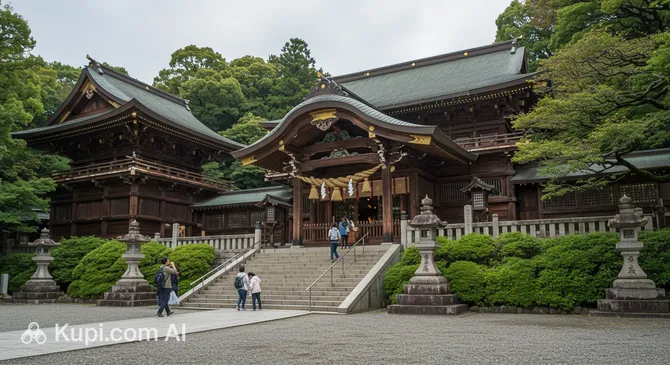
One of the region's main sacred sites is the Suwa Taisha Kamisha Maemiya. It is one of the four shrines that make up the great Suwa Taisha Grand Shrine, considered one of the oldest and most significant Shinto complexes in Japan. Maemiya, which translates as "front shrine," attracts visitors with its ancient history and special, peaceful atmosphere. A visit to this site offers an opportunity to experience centuries-old Japanese traditions, see unique architectural structures, and feel the spirit of the past.

Suwa Taisha Kamisha Maemiya. Illustration.
Source: Kupi.com AI

Traveler photos:

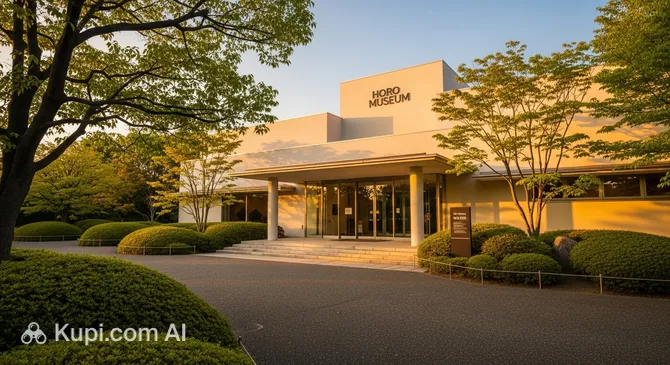
Art lovers should certainly visit the Horo Museum. This art museum is dedicated to the work of Taizo Harada, a famous Japanese artist who worked in the Nihonga style (traditional Japanese painting). His paintings, depicting rural landscapes and children, are characterized by warmth and simplicity. The museum is located in a picturesque area, creating a wonderful atmosphere for contemplating art. It is a great place to get acquainted with the master's works and enjoy some tranquility.

Horo Museum. Illustration.
Source: Kupi.com AI

Traveler photos:

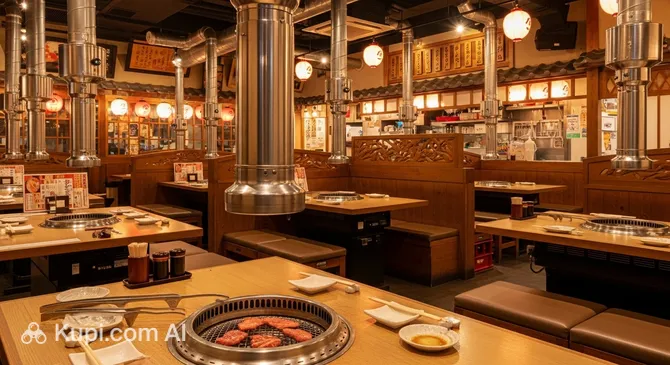
For those who want to experience the local cuisine, visiting the Yakiniku En-musubi restaurant can be an interesting experience. Here you can try yakiniku—a popular type of Japanese barbecue where guests cook thinly sliced pieces of meat themselves on a grill built right into the table. This is not only an opportunity to enjoy delicious food but also to participate in an interactive cooking process, making the dinner especially memorable. The restaurant attracts visitors with its authentic atmosphere and quality products.

Yakiniku En-musubi. Illustration.
Source: Kupi.com AI

Traveler photos:

Local Cuisine

The gastronomy of Chino is a true reflection of its mountain location in Nagano Prefecture. Local cuisine is famous for using the freshest seasonal products, game, fish from clean mountain rivers, and vegetables grown on fertile slopes. Travelers here can look forward to authentic flavors passed down through generations.

One of Chino's main culinary symbols is undoubtedly soba buckwheat noodles. It is served both hot and cold, often with the addition of wild mountain herbs and seasonal vegetables. Another signature dish that is certainly worth trying is shobashira, a hearty soup with noodles and vegetables prepared according to ancient recipes. Meat lovers should pay attention to dishes made from local game.

Among drinks, local sake and various fruit liqueurs are particularly popular. Their unique taste is due to the use of pure mountain water, making them a wonderful complement to a meal or a standalone gastronomic experience.

The food culture in Chino is diverse. Locals and tourists often visit farmers' markets and fairs, where you can buy fresh produce, homemade pickles, marinated vegetables, and traditional rice sweets. Street food also deserves attention: be sure to try fried dumplings with vegetable filling and sweet rice balls called dango. For a more thorough introduction to local cuisine, including meat dishes, you can visit establishments such as the Yakiniku En-musubi restaurant, where you can enjoy the taste of grilled meat in a traditional style.

Seasonal offerings add a special appeal to Chino's gastronomic scene. In summer and autumn, food festivals are held where you can taste dishes made from freshly picked mushrooms, wild berries, as well as treats made from chestnuts and local apples. A trip to Chino is an opportunity to dive into a world of unique tastes born from the nature of mountainous Japan.

Travel Tips

Planning a trip to the charming city of Chino in Nagano Prefecture? To ensure your journey goes smoothly and leaves only pleasant impressions, we have prepared some practical tips. These recommendations will help you better navigate the area and enjoy every moment in this corner of Japan.

  1. Clothing and Essentials: The climate in Chino, as in all of Nagano Prefecture, is characterized by four distinct seasons. In summer (June-August), it can be hot and humid, so bring light clothing. Spring (March-May) and autumn (September-November) offer comfortable temperatures, but evenings can be cool—a light jacket or sweater will come in handy. In winter (December-February), expect snow and frost, so warm clothes, a hat, gloves, and waterproof shoes are essential. Always bring comfortable shoes, as you will likely be walking a lot. Don't forget an adapter for electrical appliances (Japan uses Type A and B sockets, 100V voltage). If you plan to visit temples, choose modest clothing that covers your shoulders and knees.
  2. Transport: Local buses are the most convenient way to get around Chino itself. Schedules can be checked at stations or online. Taxis are also available but can be more expensive. If you plan to explore the surroundings and the picturesque Yatsugatake Mountains, renting a car can be a good option, especially if you are traveling in a group. Note that Japan has left-hand traffic, and an international driving permit is required for rentals.
  3. Finances: The local currency is the Japanese yen (JPY). Credit cards are accepted in many hotels, large stores, and restaurants, but smaller establishments and markets may prefer cash. It is recommended to always carry some cash with you. ATMs can be found at post offices (Japan Post Bank) and convenience stores (e.g., 7-Eleven); many of them accept international cards. Tipping is not practiced in Japan and can be perceived as an insult. A typical daily budget (excluding accommodation) can range from 5,000 to 10,000 yen, depending on your plans.
  4. Health and Safety: Pharmacies (薬局 - kusuriya) in Chino are easy to find and offer a wide range of over-the-counter medicines. Some may not operate 24/7. In case of serious health problems, contact local clinics or hospitals; having travel insurance is highly recommended. Chino, like Japan in general, is a very safe place. However, standard precautions, such as keeping an eye on your belongings, are always wise.
  5. Communication: The official language is Japanese. In tourist areas, staff may speak English, but overall proficiency may not be high, especially among the older generation. Learn a few basic phrases in Japanese (e.g., "konnichiwa" – hello, "arigato" – thank you, "sumimasen" – excuse me/sorry). For connectivity, you can buy a local SIM card or rent a pocket Wi-Fi router. Free Wi-Fi is available in some hotels, cafes, and public places.
  6. Local Etiquette: Japanese people are very polite and value respect for tradition. Greetings are usually accompanied by a bow. In public places, especially on transport, try not to talk loudly on the phone. Remove your shoes before entering homes, some temples, and traditional restaurants (usually indicated by a special shoe shelf). Patience and politeness will always be appreciated.
  7. What to Avoid: Do not eat or drink while walking on the street (except in designated areas, such as at festivals). Do not stick your chopsticks vertically into rice—this is associated with funeral rituals. Also, try not to point at people or objects with your finger; it's better to use an open palm.
  8. Additional Tip: Chino is located at the foot of the Yatsugatake Mountains, known for their scenic trails and natural beauty. If time and weather permit, be sure to go for a walk or a short hike. Also, the Nagano region is famous for its onsens (hot springs)—visiting one is a wonderful way to relax after a busy day.

We hope these tips make your stay in Chino as comfortable and memorable as possible. Enjoy the beauty of Japanese nature, the hospitality of the locals, and the unique atmosphere of this city!

Entertainment & Nightlife

The city of Chino, located in the picturesque Nagano Prefecture, offers its guests a more peaceful and cozy evening leisure option compared to the bustling metropolises of Japan. Here, the nightlife does not thunder until morning with music from numerous clubs, but rather encourages a pleasant dinner in a good restaurant or relaxed socializing in one of the local bars after a full day of exploration.

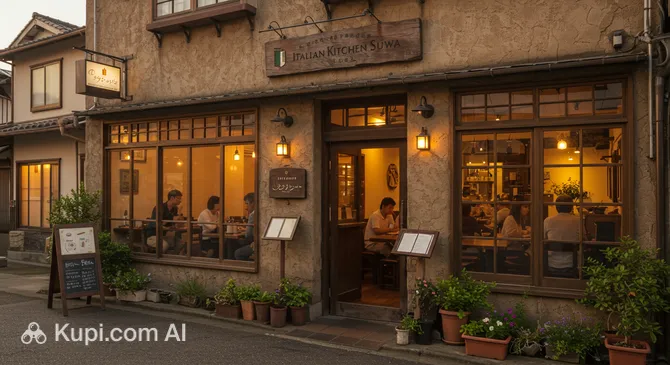
If you are looking for a place to spend the evening in Chino, pay attention to the local restaurants. For example, you can stop by Suwa Italian Kitchen to enjoy European dishes, or visit Yakiniku En-musubi, which serves traditional Japanese barbecue that you cook yourself. Although the city may not have large nightclubs or lively nightlife districts, you will always find authentic izakayas (Japanese pubs) where you can try local drinks and snacks in a casual atmosphere. The main evening establishments are usually concentrated in the central part of the city, especially around Chino Railway Station.

Italian Kitchen Suwa. Illustration.
Source: Kupi.com AI

Traveler photos:

The atmosphere in evening Chino is generally very calm and welcoming. Most establishments do not have strict dress code requirements; the emphasis is on guest comfort and quality of service. The crowd here is predominantly local, which allows for a deeper immersion into Japanese culture. Restaurants and bars are usually open until late evening, but do not expect the 24-hour operation characteristic of major cities.

When planning an evening out, keep in mind that the optimal time to visit restaurants is after 19:00. Prices in Chino establishments are generally moderate. For moving around the city after dark, it is convenient to use a taxi, which can be called through your hotel or restaurant staff. If you are staying in the center, many places will be within walking distance.

Chino, like most Japanese cities, features a high level of safety. Evening walks here, as a rule, are not associated with any risks. However, it is always wise to follow basic precautions, especially if you are traveling alone or find yourself in an unfamiliar area late at night.

During the day, Chino also offers a lot of interest for tourists. You can dedicate time to studying local culture and history by visiting, for example, the Horo Museum, or head out to see the majestic temple complex of Suwa Taisha Kamisha Maemiya. The surrounding nature also provides wonderful opportunities for walks and enjoying the landscapes of Nagano Prefecture.

Parks & Museums

The city of Chino, located in picturesque Nagano Prefecture, offers its guests both opportunities for outdoor relaxation and an introduction to the region's rich cultural heritage. Here you will find peaceful green areas and interesting sites that tell of history and traditions.

While Chino may not boast huge urban parks, its surroundings, typical of Nagano Prefecture, abound in natural beauty. Travelers can enjoy walks along scenic trails, by rivers, or on the mountain slopes surrounding the city. This is a wonderful opportunity to take a break from the urban bustle and enjoy the fresh air and tranquility of Japanese nature.

Horo Museum. Illustration.
Source: Kupi.com AI

Traveler photos:

Among the city's cultural institutions, the Horo Museum stands out. This art museum is dedicated to the work of the famous Japanese artist Taizo Harada, presenting an impressive collection of his works that will not leave art lovers indifferent. A visit to the museum will allow you not only to see unique canvases but also to gain a deeper understanding of the artist's worldview. In addition, other small galleries or exhibition spaces dedicated to local crafts and art may be found in Chino, which are worth seeking out for curious tourists.

Suwa Taisha Kamisha Maemiya. Illustration.
Source: Kupi.com AI

Traveler photos:

One of the most important historical and architectural sites in the vicinity of Chino is the Suwa Taisha Kamisha Maemiya. It is one of the four shrines that make up the Suwa Grand Shrine complex, one of the oldest and most significant Shinto shrines in Japan. Visiting this site is an opportunity to touch the country's ancient history and spiritual traditions, as well as admire the impressive temple architecture.

For a more authentic experience, don't be afraid to turn off the beaten tourist paths. Explore the small streets where you might stumble upon local shops or workshops. Also, if your trip coincides with local festivals, be sure to visit them—it's a unique chance to immerse yourself in the living culture of Chino and its surroundings.

Getting Around

When planning your travel around Chino, keep in mind that it is a small city, and the public transport system reflects this. The foundation of the transport network consists of buses that connect various areas of the city and its surroundings. A railway line also passes through Chino, making trains a convenient way for trips to neighboring towns.

Buses are the main type of public transport for moving directly within the city limits. Routes and schedules may not be as frequent as in large metropolises, so it is recommended to check them in advance at stops or on the region's official tourist resources. Bus fares are most often paid in cash upon boarding or exiting, or using rechargeable IC cards like Suica or Pasmo, if they are accepted on local routes (which is common in many regions of Japan, but it's better to check on-site).

Railway transport in Chino is represented by a station on the JR Chuo Line. Trains are convenient for longer trips across Nagano Prefecture and beyond. Train tickets can be purchased at station ticket offices or vending machines. Regional passes may be available for frequent trips or regional travel.

Payment system and tickets: For buses, payment is generally made in cash to the driver (it's advisable to have small change) or by tapping an IC card (if supported). The fare depends on the distance. Train tickets are bought at the station. Information about possible tourist passes is best checked at tourist information centers upon arrival.

Practical tips for tourists: Always have some cash for fares, especially on buses. Bus and train schedules are usually posted at stops and stations. You can also use online maps and route planners, which often support Japanese transport systems. Keep in mind that public transport may stop running relatively early, especially bus routes in small cities. Plan your evening travel in advance.

Alternative ways to get around: Taxis are available in Chino and can be found at stands near the station or ordered by phone. This is a more expensive but comfortable option. Car rental can be an excellent choice if you plan to explore the scenic surroundings of Nagano Prefecture, as many natural attractions can be difficult to reach by public transport. Bicycle rental may also be available, especially during the tourist season, and it's a wonderful way to leisurely explore the city itself and the immediate surroundings.

Accommodation

In the city of Chino, travelers will find various accommodation options to suit any budget and preference. You can stay in traditional Japanese ryokans, offering a unique cultural experience, as well as in modern hotels of various categories. Guesthouses and apartments are also available for those who prefer more space and independence during their stay.

Although Chino does not have one distinct tourist district, when choosing accommodation, it is worth focusing on convenience relative to transport hubs or the attractions that interest you. This will allow you to easily explore the city and its surroundings, including notable places such as the Horo Museum or Suwa Taisha Kamisha Maemiya. Unfortunately, specific popular hotels were not provided in the available data to mention as examples.

The price range for accommodation in Chino is quite wide: from budget options such as hostels or simple guesthouses to mid-range hotels and more comfortable offers. To search for and book accommodation, it is convenient to use popular international and local online platforms, and in some cases, contact the management of hotels or guesthouses directly.

It is strongly recommended to book accommodation in advance, especially if your trip to Chino is planned for the peak tourist season, during local festivals, or during national holidays. Early booking will not only help you secure a place in your preferred option but also often allows you to get better prices.

Nearby Cities

For those who want to explore the surroundings, Chino serves as an excellent starting point for day trips to several interesting nearby places:

Several destinations stand out among them. For example, Matsumoto attracts tourists with the famous Matsumoto Castle, one of Japan's best-preserved original castles, known for its black exterior. The city of Saku is also interesting, serving as a gateway to the picturesque Eastern Shinshu region, offering beautiful landscapes and opportunities for active recreation.

CityPopulationDistance
Suwa48 3096 km
Okaya47 49913 km
Minowa24 88718 km
Minamiminowa15 72721 km
Shiojiri66 18123 km

These nearby destinations provide an insight into the diverse culture and landscapes of the region.

Shopping & Souvenirs

Shopping in Chino offers tourists the opportunity to immerse themselves in the atmosphere of a small Japanese city and find authentic goods. Although Chino is not a major center for fashion or electronics, you can purchase high-quality local products, handicrafts, and souvenirs that reflect the culture of Nagano Prefecture.

In Chino, the main shopping spots are likely concentrated around the central streets of the city and possibly near the railway station. These are generally small private stores, shops with local delicacies, and daily necessities, rather than large shopping promenades. A walk through these streets will allow you to better feel the local flavor.

Large multi-story shopping centers common in metropolises may not exist in Chino. However, it is quite possible to find small shopping complexes or department stores geared towards the needs of local residents, featuring an assortment of clothing, household goods, and food.

While information about large permanent markets in Chino may be limited, it is worth looking out for seasonal fairs or farmers' markets. At such markets, you can buy fresh local products, such as vegetables, fruits from Nagano Prefecture, and possibly homemade preserves or handmade items from local artisans.

From Chino and the Nagano region in general, it is worth bringing back local delicacies and crafts. Look for products made from apples, which the prefecture is famous for, local sake or wine, buckwheat (soba) products, as well as traditional handicrafts. These could be ceramics, textiles, or wooden items reflecting the region's culture. Souvenirs related to the rich nature and mountains of Nagano are also popular.

Most shops in Chino likely operate on a schedule standard for Japan: from approximately 10:00 or 11:00 AM to 7:00 or 8:00 PM. Small family shops may have their own schedule, closing earlier or having additional days off. Large stores and those oriented toward tourists usually accept credit cards. However, in small shops or at markets, it is preferable to have cash (Japanese yen), as cashless payment may not be available everywhere.

In Japan, there is a tax refund system (Tax Free) for foreign tourists. When making purchases over a certain threshold (usually 5,000 yen excluding tax in one store in one day) at stores marked with the corresponding "Tax-Free Shop" logo, you can apply for a consumer tax refund. You will need to present your passport for this. Check the conditions and the possibility of Tax Free processing directly in the stores of Chino.

Reached the end of the page?

That means the route is fully explored