Support

Shiojiri

About

Shiojiri is a charming city nestled in the heart of the Japanese Alps in Nagano Prefecture. Surrounded by picturesque mountains and dense forests, it seems tailor-made for leisurely strolls and enjoying a sense of oneness with nature. The city boasts a rich history, being located on the ancient Nakasendo trading route that connected Tokyo and Kyoto for centuries, and the spirit of travel and discovery can still be felt here today.

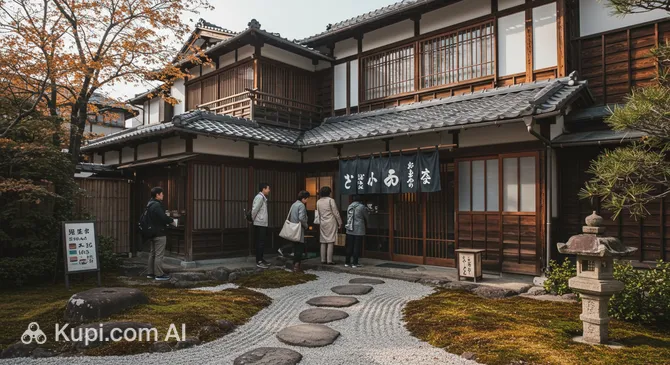
Shiojiri. Illustration.
Source: Kupi.com AI

With a population of about 66,000, Shiojiri maintains a slow and peaceful pace of life where centuries-old traditions and modern conveniences harmoniously intertwine. The city is part of the Kiso Valley—one of the most atmospheric and authentic corners of Japan, where every street and house preserves traces of the past and is ready to tell its unique story.

Shiojiri's main appeal lies in its unmistakable atmosphere of old Japan. Walking along ancient streets lined with traditional wooden houses and cozy ryokans (Japanese inns), it's easy to forget the hustle and bustle of modern life. For travelers, Shiojiri serves as a gateway to the scenic Kiso Valley, offering numerous hiking and cycling routes, as well as an excellent opportunity for deep immersion into traditional Japanese culture.

If you dream of experiencing the authentic atmosphere of the Land of the Rising Sun, far from the noisy metropolises, Shiojiri is your ideal choice. The city enchants with its tranquility, stunning natural landscapes, and the sincere hospitality of the locals. Here, everyone will find something to their liking: from exciting trekking along mountain trails to peaceful evenings over a cup of aromatic local sake. Visit Shiojiri to discover a different, non-touristy Japan.

You can find more interesting facts on the Shiojiri city history page.
Weather Overview

The weather in Shiojiri shows pronounced seasonal contrasts. Summers are warm: the average temperature in July and August hovers around 20-22°C, with maximums reaching 24-25°C. Winters, by contrast, are cold, with average temperatures in January and February around -3°C to -5°C, and minimums dropping to -7°C or -8°C. Overall, expect a warm summer with frequent rainfall and cold, drier winters.

The highest amount of precipitation occurs in the summer months, especially in July, which sees about 11 mm and approximately 24 days with precipitation. The driest months are January, February, November, and December, with precipitation levels around 4 mm. For a more detailed look at weather conditions throughout the year, we recommend checking the Shiojiri weather page.

Average monthly temperature

Average monthly precipitation

Interesting Facts

Beyond its well-known landmarks, Shiojiri holds many surprising stories and features that make it a truly unique destination for the curious traveler.

  • A Historical Crossroads: Shiojiri played a vital role on the ancient Nakasendo trade route, which connected Edo (modern-day Tokyo) and Kyoto. Travelers frequently stopped here overnight, and authentic ryokans—traditional Japanese inns that preserve the atmosphere of past centuries—can still be found in the city today.

  • The Scenic Heritage of Nakasendo: In the outskirts of Shiojiri lies the settlement of Narai, one of the best-preserved and most colorful post towns along the entire Nakasendo route. Its main street, stretching over a kilometer and lined with ancient buildings, is softly lit by lanterns in the evening, creating an atmosphere that looks like a scene from a Japanese woodblock print.

  • A Center for Lacquer Art: The city and its surroundings, particularly the nearby village of Hirasawa, are famous for their master lacquerware craftsmen. For centuries, exquisite wooden objects coated in traditional Japanese urushi lacquer have been created here. These items are highly valued throughout Japan and make for wonderful souvenirs.

  • An Active Traveler's Paradise: Shiojiri offers many opportunities for outdoor enthusiasts. The surrounding mountains and valleys are ideal for hiking and cycling routes, and you can even go rafting on the Kiso River. One of the most exciting adventures is kayaking on Lake Shizenko, where cliffs loom spectacularly over the water.

How to Get There

Shiojiri is a major transport hub in Nagano Prefecture, making it accessible in several ways. The city is situated at the intersection of railways and highways connecting eastern and western Japan. You can find more details on how to get to Shiojiri, including all available routes, but below we will cover the main options via the nearest airports and rail lines.

The closest air hub is Matsumoto Airport (MMJ). It is not located in Shiojiri itself but in the neighboring city of Matsumoto, yet it is very close—only 6.4 km from the center of Shiojiri. This is a small regional airport that handles domestic flights. A taxi or car ride from the terminal to the city takes very little time—about 30 minutes—making it the most convenient option for those flying from other regions of Japan with direct connections to Matsumoto.

If you are looking at larger transport hubs, you can use flights to Komatsu Airport (KMQ). This is a major international and domestic hub located in the city of Komatsu on the coast of the Sea of Japan. The distance to Shiojiri is about 142 km. A car or taxi ride takes about 4 hours, so tourists often combine a flight to Komatsu with a train or express bus trip to Nagano Prefecture.

For clarity, here is a summary of the main airports located relatively close to the city:

AirportPassenger trafficDistance
Matsumoto Airport112 6186 km
Toyama Airport736 74091 km
Nagoya Airport735 000133 km
Komatsu Airport1.8 mln142 km
Shizuoka Airport691 274148 km

Besides air travel, the most popular way to reach Shiojiri is by rail. Shiojiri Station is a key railway junction where the Chuo Main Line and the Shinonoi Line meet. It is convenient to reach by direct express trains from Tokyo (from Shinjuku Station via the "Azusa" express) and from Nagoya (via the "Shinano" express). Travel time from Tokyo is approximately 2.5 hours, and from Nagoya, it is about 2 hours. The station is located right in the city center, making train travel highly comfortable for tourists.

Main Attractions

Shiojiri, located in Nagano Prefecture, offers travelers a unique blend of history, culture, and natural beauty. This city and its surroundings are home to many interesting sites that can captivate a wide range of tourists.

One of the region's main gems is Narai-juku—a beautifully preserved post town on the ancient Nakasendo trail. A walk through its streets, lined with traditional Edo-period wooden houses, transports visitors back to the atmosphere of old Japan. Here you can find many souvenir shops, traditional inns (ryokans), and small restaurants offering local delicacies.

For those interested in ancient history, a visit to the Hiraide Ruins (Hiraide Iseki) is a must. This is one of the largest archaeological complexes in Japan, featuring finds and reconstructions of dwellings from the Jomon, Yayoi, and Kofun periods. The on-site museum helps visitors dive deeper into the daily life and culture of the ancient inhabitants of these lands.

Nature lovers and those seeking breathtaking panoramas should head to the Takabocchi Plateau (Takabocchi Kogen). This high-altitude plateau offers magnificent views of the Japanese Alps, and on clear days, you can even see the majestic Mount Fuji. It is an excellent spot for hiking, picnics, and photography enthusiasts chasing beautiful landscapes.

Shiojiri is also known as one of the centers of winemaking in Japan. The city and its surroundings are famous for their wineries, where Merlot, Concord, and other grape varieties are grown. Many wineries offer tours and tastings, allowing guests to learn about the Japanese wine production process and appreciate its flavor.

In addition to cultural and historical sites, Shiojiri offers gastronomic delights. To get acquainted with the local cuisine, you can stop by one of the traditional restaurants. For instance, you can try Japan's popular soba noodles at Kikyo Soba.

Kikyo Soba. Illustration.
Source: Kupi.com AI

Traveler photos:

Local Cuisine

The culinary scene in Shiojiri is an exciting journey where centuries-old mountain traditions of Nagano Prefecture harmoniously blend with the culinary heritage of the ancient Nakasendo trade route. Trying local dishes means touching the very soul of this region.

The hallmark of Shiojiri is undoubtedly soba buckwheat noodles. Here, they are prepared according to ancient recipes passed down from generation to generation. Served with aromatic tsuyu sauce and fresh mountain herbs, soba in Shiojiri is not just food, but a whole ritual. To fully appreciate this dish, it's worth visiting one of the local restaurants specializing in soba. For example, an excellent choice would be Kikyo Soba, where you can enjoy an authentic taste.

Another pride of Shiojiri is the local sake. Thanks to crystal-clear spring water and a unique climate, the drink produced in family breweries is distinguished by surprising smoothness and a rich flavor. Tastings are held in many places, and some traditional ryokan inns offer their guests exclusive types of sake that you won't find anywhere else. Besides sake, you should also pay attention to local herbal teas and freshly squeezed juices from seasonal fruits.

Food culture in Shiojiri is closely linked to the gifts of nature. At the city's farmers' markets, you can always find the freshest seasonal vegetables, mushrooms, and fruits grown in surrounding villages. In autumn, the tables of locals and restaurants are adorned with dishes made from chestnuts and juicy apples, and in spring, wild mountain herbs are added to soups and snacks, giving them a unique aroma. Street food lovers will also not be disappointed: numerous snack bars offer yakisoba (fried noodles), taiyaki (sweet fish-shaped cakes filled with azuki bean paste), and various types of tempura. If you are lucky enough to attend one of the gastronomic festivals, you will discover even more rare delicacies for which this hospitable corner of Japan is famous.

Travel Tips

Planning a trip to Shiojiri? Wonderful! To ensure your journey through this cozy city in Nagano Prefecture goes smoothly and leaves only pleasant impressions, we have prepared some practical tips.

  1. Clothing and Items for the Season:

    The climate in Shiojiri, as in all of Nagano Prefecture, has distinct seasons. Summer (June-August) can be hot and humid, so bring light clothing. Spring (March-May) and autumn (September-November) delight with comfortable temperatures, but evenings can be cool—layered clothing will come in handy. In winter (December-February), it is snowy and cold, so a warm jacket, hat, gloves, and waterproof shoes are necessary. Comfortable shoes are your best friend in Japan, as you will be doing a lot of walking. Don't forget an adapter for electrical appliances (Japan uses type A and B sockets, voltage is 100V). When visiting temples and shrines, choose modest clothing that covers shoulders and knees.

  2. Getting Around the City:

    Shiojiri is a relatively small city. The main types of public transport are local trains and buses. Shiojiri Railway Station is a major hub from which you can reach other cities in the prefecture. For short trips around the city, you can use taxis, but they can be expensive. Renting a car can be a good option if you plan to explore the Nagano countryside, but remember to drive on the left and that an international driving permit is required.

  3. Financial Matters:

    The local currency is the Japanese Yen (JPY). It is recommended to exchange some money upon arrival at the airport or once in Japan at banks or the post office. Credit cards (Visa, Mastercard) are accepted in many hotels, large shops, and restaurants, but in small establishments and rural areas, it's better to have cash. ATMs that accept international cards can be found in post offices (Japan Post Bank) and 7-Eleven stores. Tipping in Japan is not practiced and may be perceived as an insult.

  4. Health and Safety:

    Shiojiri, like Japan in general, is a very safe place. Pharmacies (薬, kusuri) are easy to find, but many medications may require a prescription or differ from those you're used to. It's recommended to bring a basic first-aid kit. Medical assistance for tourists is available but can be expensive, so having travel insurance is highly advisable. There are no specifically "unsafe" areas in Shiojiri, but always follow general precautions.

  5. Language and Connectivity:

    The official language is Japanese. In tourist areas and hotels, staff may speak English, but overall proficiency is not very high. Learn a few basic Japanese phrases (e.g., "konnichiwa"—hello, "arigato"—thank you, "sumimasen"—excuse me/sorry). For convenience, purchase a local SIM card or rent a pocket Wi-Fi router—this will greatly facilitate navigation and communication. Free Wi-Fi is found in hotels, at stations, and in some cafes.

  6. Local Etiquette:

    Japanese people are very polite and value respect for traditions. Greetings are usually accompanied by a bow. In public places, especially on transport, try to be quiet and not talk loudly on the phone. It is customary to remove your shoes when entering a Japanese home, some temples, and traditional restaurants (ryokans). Use chopsticks carefully—do not stick them vertically into rice and do not pass food from chopsticks to another person's chopsticks.

  7. What to Avoid:

    Do not leave tips—it's not customary. Avoid eating on the go in the street (except in designated street food areas). Do not point at people or objects with one finger—use an open palm. Also, smoking on the streets in most Japanese cities is allowed only in specially designated areas.

  8. Special Feature of Shiojiri:

    Shiojiri is known as one of the centers of winemaking in Japan; the Kikyogahara region is especially famous for its Merlot grapes. If you are a wine connoisseur, be sure to visit one of the local wineries or try local wine in a restaurant. This is a unique opportunity to get acquainted with Japanese winemaking in the heart of Nagano.

We hope these tips help you plan an unforgettable trip to Shiojiri. Enjoy the hospitality, beautiful nature, and unique culture of this region of Japan!

Entertainment & Nightlife

Shiojiri, snugly located in Nagano Prefecture, offers its guests various ways to spend their time, from relaxing daytime leisure to pleasant evening entertainment. While the city may not boast the same scale of nightlife as major metropolises, you can find cozy spots to enjoy an evening in a traditional Japanese atmosphere.

The foundation of evening life in Shiojiri consists of traditional Japanese drinking establishments—izakayas—where you can try local drinks and snacks, as well as restaurants offering regional cuisine. The atmosphere in such places is usually calm and conducive to conversation. Many evening venues are often located near the railway station or on the city's main streets. Although Shiojiri does not feature a wide selection of loud nightclubs or large concert venues, there are wonderful places for dinner and a quiet evening. For example, you can visit the Kikyo Soba restaurant, famous for its traditional Japanese soba noodles. Besides this, especially in the station area, several cozy izakayas can be found, as well as small karaoke bars popular among locals for evening leisure. It is best to check information about specific bars or izakayas locally, as many are small family-run establishments that might not be widely listed in tourist guides.

If you are planning an evening out in Shiojiri, the best time to visit establishments is usually after 7:00 PM. Most places stay open until late evening, but do not expect 24-hour parties. The dress code in most venues is casual. Regarding prices, a dinner at a mid-range restaurant can cost around 2,500–4,500 yen per person. At an izakaya, the cost of a drink (such as beer or sake) starts from 500–700 yen, and snacks from 400–800 yen. For getting around the city at night, it is most convenient to use a taxi, as public transport may run less frequently. Shiojiri is considered a very safe city, but it is always wise to take standard precautions, especially if you are walking alone late at night.

During the day, there is also plenty to do in Shiojiri. Guests can visit local museums to learn more about the region's history and culture, stroll through picturesque parks, or explore the surroundings rich in Nagano Prefecture's natural beauty. The city is also known for its winemaking, and some wineries may offer daytime tastings, which can be an interesting addition to your cultural program.

Overall, Shiojiri offers a peaceful and authentic evening experience, perfect for those who want to immerse themselves in the local atmosphere, enjoy quality food and drink, and appreciate traditional Japanese hospitality away from the noise of big cities.

Parks & Museums

Shiojiri, nestled in Nagano Prefecture, offers its guests a harmonious combination of relaxation in impressive natural spaces and immersion in the region's rich history. Here, travelers can enjoy both picturesque landscapes and visit unique historical and cultural sites.

One of the main natural gems around Shiojiri is the Takabocchi Plateau. This highland offers breathtaking panoramic views of the Japanese Alps and, on clear days, even Mount Fuji. The plateau is especially beautiful in spring, when the slopes are covered in fresh greenery, and in autumn, when the foliage turns vibrant colors. It is an ideal spot for hiking, picnics, and photography, allowing you to feel the majesty of Nagano Prefecture's nature.

For those interested in ancient history, a visit to the Hiraide Ruins (Hiraide Iseki) is essential. This is one of the largest and most significant archaeological complexes in Japan, where settlements from various eras—from Jomon to Heian—were discovered. A museum on the grounds displays numerous artifacts that tell the story of the daily life, culture, and beliefs of the ancient inhabitants of these parts. Visitors can see reconstructed dwellings and learn much about the early history of Japan.

In addition to these key sites, Shiojiri and its surroundings hold other evidence of a rich culture. Given the city's reputation as one of the centers of winemaking in Japan, you can look for small wineries or tasting rooms offering a taste of local products. For a more authentic experience of Shiojiri, don't be afraid to wander off the beaten tourist path. Sometimes the most interesting discoveries await you in quiet streets, where you can find ancient houses, small local shrines, or craft workshops that preserve the spirit of traditional Japan.

Getting Around

Public transport in Shiojiri consists mainly of railway services and bus routes, which is typical for cities of this size in Japan. The city is an important railway hub, so trains play a key role in traveling both within the region and over longer distances. Local buses serve routes within the city and connect it with surrounding communities.

The payment system in Shiojiri, as in many Japanese cities, is quite convenient. For train and bus travel, you can use rechargeable smart cards (IC cards) such as Suica or Pasmo, which are accepted on many lines throughout the country. Single-trip tickets can also be purchased at machines in railway stations or directly from the bus driver upon boarding (it's generally recommended to have small change on hand). The fare depends on the distance; for buses, a system is often used where you take a ticket when you enter and pay when you exit according to your travel zone. A short bus or train ride within the city typically starts at around 150-200 yen.

Tourists are recommended to purchase an IC card for convenience, as it eliminates the need to buy a ticket every time. Cards can be bought and topped up at machines in major railway stations. Ticket or card validation occurs at the entrance and exit gates at railway stations or when boarding/exiting a bus (by tapping the card against the reader). Public transport usually operates from early morning (about 6:00) until late evening (around 23:00-00:00). To plan routes and check current schedules, apps popular in Japan like Navitime or Jorudan (Japan Transit Planner) will be very useful. In addition to general IC cards, it's worth checking locally or on Nagano Prefecture tourist websites for special regional tourist passes that might offer favorable conditions for sightseeing in the region if you plan to travel extensively.

As an alternative to public transport, taxi services are always available in Shiojiri. They can be found at stands by railway stations or called by phone. Given the city's location in Nagano Prefecture, known for its natural beauty, bicycle rental can also be a good option for exploring the surroundings, especially during the warmer months. Car-sharing services are less common compared to large metropolises but may be available through some national services.

Accommodation

When planning a trip to Shiojiri, you will find a variety of accommodation options to suit different preferences and budgets. The city features traditional Japanese inns (ryokans), standard European-style hotels, as well as guesthouses and potentially short-term rental apartments.

While Shiojiri doesn't have distinct tourist districts with a high concentration of hotels, when choosing a place to stay, it is worth looking at areas near Shiojiri Station. This will provide easy access to transport for trips around the city and its surroundings, as well as to major shops and restaurants. Some accommodation options may also be located in quieter residential areas or closer to the natural attractions of Nagano Prefecture if you are seeking seclusion.

You can find housing for every taste in Shiojiri: from more economical options suitable for budget travelers to comfortable mid-range hotels. Ryokans can also be found in the vicinity, offering a unique experience of immersion into Japanese culture with traditional rooms, onsens (hot springs), and local cuisine. Since specific hotels are not provided in the data, it is recommended to explore current offers on popular online booking platforms.

General booking tip: if your trip falls during popular tourist seasons in Japan (such as the cherry blossom season in spring or the autumn foliage season) or during local festivals, it is recommended to book accommodation in advance. This will help ensure a better selection and more favorable prices. Bookings can be made through well-known international and Japanese travel aggregators or, in some cases, directly on hotel websites.

Nearby Cities

For those looking to explore the surrounding area, Shiojiri serves as an excellent starting point for day trips to several interesting nearby locations:

CityPopulationDistance
Okaya47 49910 km
Matsumoto239 11514 km
Suwa48 30917 km
Azumino93 92721 km
Minowa24 88722 km

These nearby destinations provide a glimpse into the diverse culture and landscapes of the region.

Shopping & Souvenirs

Shopping in Shiojiri offers tourists the opportunity to discover local products and traditional crafts rather than major international brands. The city is not famous for massive shopping centers, but you can find unique souvenirs and products from the Nagano region here. The main focus is on quality and authenticity.

Main shopping spots in Shiojiri are generally concentrated around the railway station and on the city's main streets. Here you can find small family-owned shops, stalls with local produce, and souvenirs. Walking through these areas will allow you to soak up the atmosphere of a provincial Japanese city and find something special.

Shiojiri may not have large modern shopping malls comparable to those in big cities. However, you might come across small local department stores or shopping arcades offering a variety of goods—from clothing and footwear to household supplies and food. For a wider selection of branded goods, you might need to head to the larger cities in Nagano Prefecture.

Although Shiojiri is not known for large markets, local fairs or seasonal markets are sometimes held where farmers and craftsmen sell their products. This is a great opportunity to buy fresh local vegetables, fruits, and handmade items. It's best to check for information on such events locally or at tourist information centers.

As souvenirs from Shiojiri and the Nagano region, local delicacies are worth considering. Nagano Prefecture is famous for its sake, miso (soybean paste), as well as apple and wasabi products. Shiojiri is also one of the centers of winemaking in Japan, so local wine can make an excellent gift. Additionally, you can find traditional Japanese crafts, ceramics, and textiles.

Most shops in Shiojiri are typically open from 10:00 or 11:00 AM to 7:00 or 8:00 PM. Small family shops may have their own schedules. As for payment, cash is still widely used, especially in small shops. However, credit cards are increasingly accepted in larger retail outlets and shops aimed at tourists. It is recommended to carry some cash with you.

Tourists in Japan can take advantage of the Tax-Free system on many goods when purchasing above a certain amount at participating stores. These are usually stores with a "Tax-Free Shop" sign. Your passport will be required to process the tax refund. Check the conditions directly in the stores.

Reached the end of the page?

That means the route is fully explored