Support

Saku

About

Saku is a charming city nestled in Nagano Prefecture, among the picturesque mountains of central Japan. It is famous for its clean air, green hills, and tranquil atmosphere, offering travelers a chance to immerse themselves in the authentic Japanese countryside. The city spreads across a valley surrounded by Alpine peaks, creating magnificent natural landscapes.

With a population of around 98,000, Saku is not a bustling metropolis, but rather an ideal destination for those seeking peace and proximity to nature. The city plays an important role as a transport and cultural hub for the region, with significant rail and road routes passing through it. This makes Saku an excellent starting point for exploring Nagano Prefecture and neighboring areas.
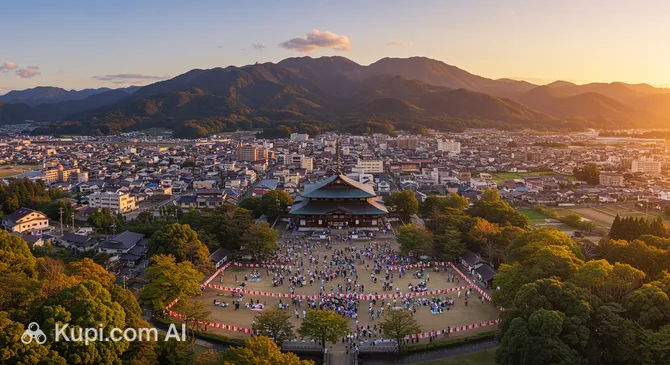
Saku. Illustration.
Source: Kupi.com AI

One of Saku's main draws is its harmonious blend of tradition and modernity. Here, you can stroll through cozy streets where old houses sit alongside modern cafes and galleries. The city's surroundings are known for their thermal springs (onsens) and stunning views. In spring, Saku is transformed by cherry blossoms, as locals and tourists enjoy traditional hanami picnics.

A visit to Saku will give you unforgettable memories of a slow-paced holiday, an introduction to rich Japanese culture, and enjoyment of the beauty of nature. It is a city without the hustle and bustle of megacities, yet it possesses a wonderful sense of comfort, hospitality, and genuine harmony with the surrounding world. If you want to see another side of Japan, away from the tourist crowds, Saku will be a true discovery for you.

You can find more interesting facts on the Saku city history page.

Weather Overview

The weather in Saku is characterized by notable seasonal changes. Summer is warm, with the highest temperatures in July and August, when averages reach 22-23°C and maximums can rise to 26-27°C. Winters, by contrast, are cold: in January and February, the average temperature hovers around 0°C, dropping to -4°C at night. Expect warm summers with occasional rain and cold, relatively dry winters. The most rainfall occurs in the summer months, especially in July (about 8 mm), while precipitation is minimal in winter (about 2 mm per month).

For more detailed monthly weather information, including the number of rainy days and temperature changes, you can visit the Saku Climate page.

Average monthly temperature

Average monthly precipitation

Interesting Facts

In addition to its picturesque landscapes and hospitable atmosphere, the city of Saku holds many surprising details and stories that make it truly unique. Here are just a few interesting facts that will help you look at Saku from a new perspective:

  • Saku is known as one of the centers for cherry blossom viewing in Nagano Prefecture. In spring, the city is transformed as parks and waterfronts are buried in soft pink clouds of blooming trees, and locals and tourists alike enjoy festive picnics under the sakura—a tradition the Japanese call hanami.

  • The history of Saku has a notable chapter: it was an important stop on an ancient trade route connecting Edo (modern-day Tokyo) and the northern regions of Japan. Even today, you can find old inns and tea houses where merchants and travelers once rested, preserving the atmosphere of bygone eras.

  • The city is famous for its traditional crafts. Saku has long created exquisite ceramics and unique woodwork. Many workshops hospitably open their doors to tourists, where you can not only observe the process of creating these works of art but also try your hand as a craftsman.

  • Saku is a venue for colorful annual festivals. In summer, the city comes alive with the sounds of powerful traditional taiko drums and bright street processions, while in winter, visitors are delighted by impressive light shows and skillfully crafted ice sculpture exhibitions.

How to Get There

There are several ways to reach the city of Saku, but the most convenient for most tourists is flying into one of the nearest major airports, followed by a transfer to the city. Saku does not have its own airport, but several air hubs are located within a reasonable distance.

One of the main options is to fly into Haneda Airport (IATA: HND), located in Tokyo. This is one of Japan's largest international airports, receiving flights from all over the world. The distance from Haneda to Saku is approximately 141 km. A journey by car or a combination of train and bus from here to Saku will take about 3.5 to 4 hours.

The closest airport to Saku is Matsumoto Airport (IATA: MMJ), located in the city of Matsumoto, about 51 km away. This is a regional airport serving mostly domestic flights. You can reach Saku from Matsumoto Airport by taxi or bus in approximately 1.5 to 2 hours.

Another option is Toyama Airport (IATA: TOY), located in the city of Toyama. It is situated about 124 km from Saku. This airport also serves both domestic and some international routes. The journey to Saku from here can take about 3 to 3.5 hours.

For convenience, here is a summary of the main airports through which you can reach Saku:

AirportPassenger trafficDistance
Matsumoto Airport112 61851 km
Toyama Airport736 740124 km
Haneda Airport85.7 mln141 km
Shizuoka Airport691 274163 km
Ibaraki Airport776 063174 km

In addition to air travel, Saku can be reached by Japan Railways (JR) trains, with transfers at major transport hubs like Tokyo or Nagano. There is also an extensive bus network connecting Saku with other cities in the region and country. It is recommended to check public transport schedules and routes in advance to plan the most convenient journey.

Main Attractions

Saku, snugly located in Nagano Prefecture, offers its guests several notable sites capable of enriching any journey. The city harmoniously combines historical heritage with modern interests, providing tourists with diverse opportunities for discovery.

One of Saku's most prominent attractions is the Tatsuoka Castle Ruins (龍岡城五稜郭跡). This unique fortification is remarkable for its star shape—one of only two such fortresses in all of Japan. Built in the mid-19th century, the castle is of great interest to history buffs and fans of military architecture. A walk through its grounds allows you to imagine the former power and strategic importance of this site.

For those who turn their gaze to the stars, a visit to the Usuda Star Dome (うすだスタードーム) will be a real treat. This public astronomical observatory is equipped with a powerful telescope and offers fascinating night sky observation programs. It is a wonderful opportunity to learn more about the Universe, especially if you are traveling with children or are simply interested in the mysteries of space.

A cultural gem of Saku is the Pinkoro Jizo statue (ぴんころ地蔵). This revered deity is prayed to for health, longevity, and, notably, a peaceful and painless passing ("pinkoro" means "healthy until the very end"). This site attracts many pilgrims and tourists wishing to connect with local spiritual traditions and find peace of mind.

Connoisseurs of beauty should pay attention to the Saku City Museum of Modern Art (佐久市立近代美術館). Its halls display works by Japanese and international artists, and it regularly hosts temporary exhibitions. The museum is an important cultural center for the region and offers visitors a chance to dive into the world of modern creativity, discovering new names and trends in art.

Local Cuisine

The cuisine of Saku is a true discovery for foodies traveling through Japan. Located in Nagano Prefecture, known for its fertility, the city offers dishes made from the freshest local products. The region's main gastronomic pride is undoubtedly soba (buckwheat noodles). Here, it is prepared according to special recipes and served with seasonal vegetables and delicate sauces, turning a simple dish into a culinary masterpiece.

The surroundings of Saku are rich in fruit: juicy apples, pears, and grapes are grown here. Be sure to try fresh juices, aromatic cider, or even local wine. Those with a sweet tooth will enjoy homemade fruit desserts and the famous ice cream with wild berries. It is a wonderful opportunity to enjoy the natural flavors of the region.

If you prefer to get to know the local cuisine in a more informal setting, head to Saku's fairs and markets. The street food here is varied and appetizing: from fried vegetable buns and fresh sushi to traditional Japanese sweets. Gastronomic adventurers can even find exotic dishes made from mountain herbs and mushrooms, reflecting the unique nature of Nagano.

Saku's culinary scene comes alive during numerous food festivals held throughout the year. This is a great chance to try the very best of local cuisine, participate in cooking workshops, and learn the secrets of Japanese chefs. Spring festivals are particularly popular, when menus feature dishes with delicate cherry blossoms and other seasonal delicacies, offering a unique taste experience.

Overall, Saku's gastronomy is characterized by its commitment to fresh, seasonal ingredients and a skillful blend of tradition with local specialties. It is a place where you can enjoy authentic Japanese cuisine, feel a connection with nature, and have unforgettable taste experiences, whether it's an exquisite dinner in a restaurant or a flavorful dish from a street stall.

Travel Tips

Welcome to Saku! To ensure your trip to this cozy corner of Japan goes smoothly and leaves only pleasant impressions, we have prepared some practical tips.

  1. Clothing and Essentials:

    Saku, located in Nagano Prefecture, features four distinct seasons. In summer (June–August), it is warm and humid, so pack light, breathable clothing. In winter (December–February), expect cold and snow—warm jackets, hats, gloves, and waterproof footwear are essential. Spring and autumn offer mild weather, perfect for layered outfits. A key element of your wardrobe is comfortable shoes, as you will likely be walking a lot. Don't forget an adapter for your electronics (Japan uses Type A and B sockets, and the voltage is 100V). When visiting temples and shrines, choose modest clothing that covers your shoulders and knees.

  2. City Transport:

    The main forms of public transport in Saku are local buses and trains, especially if you plan on traveling around Nagano Prefecture. We recommend checking schedules in advance, as they may not be as frequent as in major cities. Taxis are available, but they are a more expensive way to get around; you can use apps like JapanTaxi or Go. Car rental is a good option for those who want to explore the region more freely, especially the mountainous areas. Remember that traffic is on the left and an International Driving Permit is required.

  3. Financial Matters:

    The local currency is the Japanese Yen (JPY). While credit cards (Visa, Mastercard) are accepted in many hotels and major shops, cash still plays an important role, especially in smaller establishments and Saku's markets. It is recommended to always carry some cash. You can exchange currency at airports or banks, but ATMs in post offices (Japan Post Bank) or 7-Eleven stores (Seven Bank) often offer more favorable rates and convenience, usually accepting international cards. Tipping is not practiced in Japan and may even be perceived as impolite. A rough daily budget (excluding accommodation) is 5,000–10,000 JPY.

  4. Health and Safety:

    Saku, and Japan as a whole, is a very safe place for tourists. However, standard precautions like watching your personal belongings are always wise. Pharmacies (薬局 - yakkyoku) are easy to find, but many medications require a prescription, and pharmacists may not always speak English. It's best to bring necessary medications with English prescriptions. If you need medical assistance, contact your hotel reception—they can direct you to a clinic with English-speaking staff. Travel insurance is highly recommended.

  5. Communication and Connectivity:

    The official language is Japanese. In Saku, English proficiency may be limited, especially outside tourist zones. Learn a few basic Japanese phrases: "Konnichiwa" (Hello), "Arigato" (Thank you), "Sumimasen" (Excuse me/I'm sorry)—these are always appreciated by locals. For internet access, consider buying a local SIM card or renting a pocket Wi-Fi router. Free Wi-Fi is available in some hotels and public places, but not everywhere. Apps like Google Maps, HyperDia (for trains), and Google Translate will be useful.

  6. Local Etiquette:

    The Japanese are very polite. A slight bow (eshaku) is a common way to greet and express gratitude. In public places, especially on transport, avoid loud phone conversations. When entering Japanese homes, some temples, and traditional restaurants (ryokans), it is customary to remove your outdoor shoes—look for signs. It is not polite to point at people with your finger.

  7. What to Avoid:

    Do not eat or drink on the go in the street unless it's in a designated area (e.g., during festivals or at food stalls). This is considered impolite. Also, do not stick your chopsticks vertically into rice—this gesture is associated with funeral rituals. There are special rests (hashioki) for chopsticks, or they can be laid across the plate.

  8. A Special Tip for Saku:

    Saku is in Nagano Prefecture, famous for its magnificent nature and agricultural products. Don't miss the chance to try local seasonal fruits (especially apples and grapes), high-quality sake, and traditional soba (buckwheat noodles). If your trip coincides with the cherry blossom season (usually in April) or the kōyō autumn foliage (October–November), you will be rewarded with truly unforgettable scenery.

We hope these tips help you better prepare for your trip and get the most out of your encounter with the charming city of Saku, its culture, and its hospitable residents!

Entertainment & Nightlife

Nightlife in Saku differs significantly from the bustling megacities that Japan is famous for. You won't find massive dance clubs with neon signs reaching the sky here; however, evening leisure in this city has its own unique charm and authenticity. The main focus is on cozy conversation, gastronomic delights, and local drinking culture, allowing tourists to feel the true atmosphere of the Japanese province.

The center of evening activity is traditionally the area around Nakagomi Station. This is an old entertainment district concentrated with many izakayas (Japanese pubs), snack bars, and small restaurants. The atmosphere here is steeped in the spirit of the Showa era: narrow streets, red lanterns, and establishments where owners personally serve guests. The crowd consists mainly of locals relaxing after work, guaranteeing total immersion in the linguistic and cultural environment. There is no dress code in most places; the style is casual and relaxed.

The second popular location is the Sakudaira Station area. This is a more modern part of the city, home to chain restaurants, karaoke boxes, and bars with a more Western approach to service. This is the place to go for those looking for a more familiar entertainment format or traveling in a large group. Most establishments are open until midnight or 1–2 AM, but 24-hour spots are rare here.

Special attention should be paid to local drinks. Saku is famous for its sake breweries, so visiting bars specializing in local nihonshu (sake) is a must. It is recommended to stop by one of the local izakayas in the Nakagomi area to try seasonal sakes paired with yakitori (chicken skewers). Karaoke also remains a popular pastime—private rooms can be rented by the hour to sing your favorite hits with friends.

Regarding safety, Saku is an exceptionally peaceful city. Night walks here pose no threats, even if you are walking alone. However, remember the transport: trains and buses stop running quite early, often before midnight. If you stay late at a bar, the only way to get back to your hotel will be by taxi. These can be found at station stands or by asking the establishment's staff to call one. The average check for an evening at a bar is between 3,000 and 5,000 yen.

During the day, the city offers more relaxed entertainment. Culture lovers should visit local museums and art galleries. Saku is also known for its picturesque parks and, depending on the season, you might catch the famous hot-air balloon festival, which turns the sky over the city into a colorful show. For family holidays, surrounding natural areas are perfect for enjoying views of the Japanese Alps.

Parks & Museums

The city of Saku, nestled comfortably in Nagano Prefecture, delights its guests with a harmonious blend of picturesque natural spots and interesting cultural sites. Here, everyone will find something for the soul: from serene parks for relaxation to museums preserving the history and art of the region.

One of Saku's main green attractions is the area around the Tatsuoka Castle ruins (Tatsuoka Goryōkaku / 龍岡城五稜郭). This place is truly unique, as the castle was built in the shape of a five-pointed star—a rare example of such fortification in Japan, inspired by European bastion designs. Today, it is a lovely place for slow strolls, where you can not only touch the pages of history but also enjoy the tranquil atmosphere of the park area, which is especially charming in spring during the cherry blossom season. Another popular spot for outdoor relaxation is Komaba Park (Komaba Kōen / 駒場公園). This spacious and well-maintained park offers visitors green lawns, shady alleys, and playgrounds, making it an ideal choice for family leisure and quiet pastimes.

For lovers of art and culture, Saku also has interesting places to offer. A visit to the Saku City Museum of Modern Art (佐久市立近代美術館) is a must. Its collection includes works by both Japanese and foreign masters, covering various movements in modern art. The museum regularly updates its displays and holds temporary exhibitions, always offering visitors a fresh perspective on the world of creativity. If you or your companions are interested in science and space—one of the highlights of the region due to its proximity to the Usuda Deep Space Center—look into the Saku Children's Science Dome for the Future (佐久市子ども未来館). Despite its focus on a younger audience, its interactive exhibits on scientific discoveries and astronomy, along with an impressive planetarium, will undoubtedly captivate adult visitors as well.

In addition to the aforementioned Tatsuoka Castle ruins, Saku's historical flavor is highlighted by small temples and shrines that can be found while strolling through the city and its outskirts. Exploring not only the main streets but also quiet back alleys will reveal charming examples of traditional Japanese architecture. Pay attention to the details: the intricate wood carvings, characteristic tiled roofs, and miniature home gardens—all of this creates the unique atmosphere of old Japan.

To get a more authentic experience of Saku, look for local markets if you happen upon them. There you can try the freshest farm products for which Nagano Prefecture is famous. Also, if given the chance, don't miss the opportunity to visit one of the local sake breweries to learn about the production process of this traditional Japanese drink and perhaps have a tasting.

Getting Around

When planning to get around the city of Saku, tourists can count on several convenient public transport options. The core of the transport system here consists of buses, which run on various routes connecting central districts with the outskirts and nearby settlements. Local trains also play an important role, especially if the city has a railway station—they allow for quick travel to other parts of the prefecture or neighboring cities.

The payment system in Japan's public transport, and Saku is no exception, is fairly standardized. The most convenient method is using reloadable IC transport cards, such as Suica, PASMO, or ICOCA. These cards can be purchased and topped up at railway stations or special machines. They are accepted on both trains and most buses. Simply tap your card on the reader when boarding and alighting. You can also pay with cash directly to the bus driver (it's advisable to have small change as the ability to provide change may be limited) or buy single train tickets at station machines. Fares usually depend on the distance traveled.

Tourists should keep a few practical points in mind. It's better to buy train tickets before boarding, and in buses, payment or card validation occurs upon entry (sometimes upon exit, depending on the system). Schedules are usually posted at stops and stations, and are also available online. Public transport in Saku generally starts operating early in the morning and ends in the late evening, but it is not 24-hour. Transport can be more crowded during peak hours.

In addition to public transport, other ways of getting around are available in Saku. Taxis can be found at railway stations and in busy areas of the city, though this is a more expensive option. For a leisurely introduction to the city and its surroundings, bicycle rental is an excellent choice—bicycles are popular in Japan, and the infrastructure for them is often well-developed. The possibility of renting a car or using car-sharing services should be checked on-site, as their availability can vary.

Accommodation

When planning a trip to Saku, you will find a variety of accommodation options to suit different preferences and budgets. The city offers traditional Japanese inns (ryokans and minshukus) as well as more conventional European-style hotels, allowing every traveler to find the best option for their stay.

The choice of housing in Saku ranges from budget-friendly options, such as guesthouses or small hotels, to more comfortable mid-range establishments. To make your choice more specific and check current offers, it is recommended to explore options on popular online booking platforms, where you can compare hotels by location, services, and reviews from other travelers. For those seeking an authentic Japanese experience, consider staying in a traditional ryokan to dive deeper into the local culture and enjoy its hospitality. Short-term rental apartments may also be available in the city, which is particularly convenient for families or those planning a longer stay.

When choosing a place to stay in Saku, look for areas with good transport accessibility or those near the attractions that interest you. Central districts usually offer easy access to shops, restaurants, and main transport hubs. If you are looking for a quieter atmosphere, options slightly further from the busy center might suit you.

To guarantee the best option, especially during peak tourist season or local festivals, it is recommended to book your accommodation in advance. The most popular booking methods are international online platforms and hotel aggregators, where you can compare prices and conditions. Some hotels and traditional inns may also offer direct booking through their official websites, which can sometimes lead to better deals or special services.

The price range for accommodation in Saku is quite broad: from budget options for cost-conscious travelers to mid-range and perhaps higher-class hotels for those who prefer more comfort. The cost will depend on the type of accommodation, its location, the level of services provided, and, of course, the season. Overall, you can find a suitable place to stay in Saku that matches your expectations and financial capabilities.

Nearby Cities

For those wishing to explore the surrounding area, Saku serves as an excellent starting point for day trips to several interesting nearby locations.

For example, you can head to Ueda (just 27 km away), known for its historical castle and samurai past. Another popular option is Matsumoto (45 km), home to one of Japan's most beautiful original castles, known as the "Crow Castle." Also worth visiting is Toyota (21 km). This city, globally famous as the center of the automotive industry, offers tourists visits to sites like the Toyota Kaikan Museum to learn about the history and latest technologies of the famous brand, or the Toyota Municipal Museum of Art, known for its collection of modern art. More detailed information on some of the nearest cities can be found in the table below:

CityPopulationDistance
Miyota15 4949 km
Komoro41 06610 km
Sakuho10 04210 km
Karuizawa19 64815 km
Tomi29 21318 km

These nearby destinations allow for a deeper acquaintance with the diverse culture, history, and natural landscapes of Nagano Prefecture and neighboring regions.

Shopping & Souvenirs

Saku, located in Nagano Prefecture, offers travelers shopping opportunities focused primarily on local goods, fresh regional products, and essential items. Although the city is not a major retail hub like Japan's megacities, here you can find unique souvenirs and enjoy a calmer shopping atmosphere while getting acquainted with local traditions and flavors.

The main shopping areas in Saku are likely concentrated around Saku-Daira Station, which is an important transport hub, including for the Shinkansen, as well as along the main streets adjacent to it. Here you will find various shops—from small boutiques and souvenir stalls to stores offering everyday goods.

While Saku may not have the giant shopping complexes typical of large cities, you will likely discover local department stores or small shopping centers, especially near Saku-Daira Station. These places usually offer an assortment of clothing, household goods, and food, including local delicacies.

To experience the local flavor and purchase the freshest products, look for small markets or farm stalls, especially if your trip coincides with the harvest season. Nagano Prefecture is famous for its agricultural products, such as apples and vegetables, so you can find seasonal treats and chat with local producers at these markets.

As souvenirs from Saku and the Nagano region, consider: local food products, such as the famous soba buckwheat noodles, wasabi products, jams and preserves made from local apples or other fruits, and local sake or wine. Traditional crafts are also popular—look for ceramics, woodwork, or textiles that reflect the region's culture. Don't forget about local sweets, often made with chestnuts or seasonal fruits.

Most shops in Saku typically operate from 10:00 or 11:00 AM to 7:00 or 8:00 PM. Small family-owned shops may have individual schedules, including a day off once a week. Regarding payment, credit cards (Visa, Mastercard) are widely accepted in large stores and department stores. However, in small shops and at markets, it's better to carry cash (Japanese yen). Electronic payment cards like Suica or Pasmo may also be accepted at some retail outlets.

Foreign tourists in Japan can take advantage of the Tax-Free Shopping system. Look for stores with the "Tax-Free Shop" logo. Generally, to qualify for a tax refund, you must make a purchase of over 5,000 yen (excluding tax) in a single store within one day. Be sure to have your passport with you, as it will be required to process the paperwork right at the checkout or a special counter in the store.

Reached the end of the page?

That means the route is fully explored