Support

Chikuma

About

Chikuma is a charming city nestled in Nagano Prefecture on the island of Honshu, right in the heart of Japan. The city is spread across a picturesque valley surrounded by verdant hills and mountain ranges, with the Chikuma River—the region's largest—lending a special sense of harmony and freshness to the landscape. Thanks to its location, Chikuma is renowned for its stunning views of the Japanese Alps and rich nature that changes colors with every season.

With a population of about 58,000, Chikuma maintains the atmosphere of a true Japanese provincial town, where life flows at a steady and peaceful pace. Despite its modest size, the city holds important administrative significance in the region and is known for its hospitality. Here, travelers will find the perfect balance between seclusion and opportunities for new discoveries.
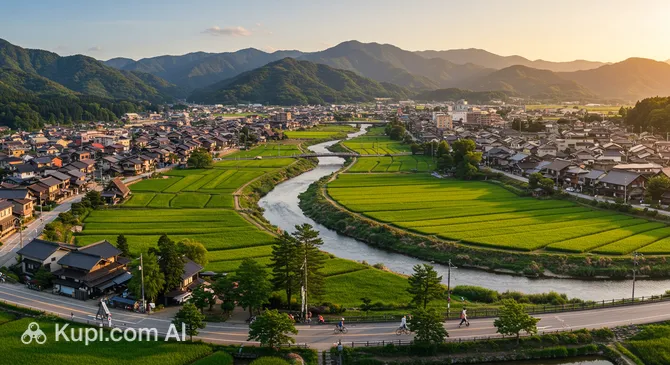
Chikuma. Illustration.
Source: Kupi.com AI

Chikuma attracts tourists with its authenticity and natural beauty. In spring, you can admire the cherry blossoms; in summer, enjoy lush meadows; in autumn, marvel at the fiery maples; and in winter, the city is enveloped in snowy silence. Additionally, the city is famous for its thermal springs (onsens), where you can relax and rejuvenate. History and culture enthusiasts will appreciate the ancient temples and traditional architecture, while foodies can indulge in the local cuisine.

Chikuma is a city that every traveler seeking the "authentic Japan" away from bustling metropolises should visit. Cozy streets, friendly locals, and a special atmosphere of harmony with nature make Chikuma a true find for connoisseurs of slow travel and Japanese culture. It is a place where you can truly rest your soul and get acquainted with the traditional way of life.

You can find more interesting facts on the Chikuma city history page.
Weather Overview

The weather in Chikuma is characterized by noticeable seasonal changes. Winters here are quite cold, with average January temperatures around -2.8°C, often dropping to -6.1°C, and a significant number of days with precipitation, primarily in the form of snow. Spring brings gradual warming: in March, the average temperature is about 3.1°C, and by May it reaches 14.2°C, while the amount of precipitation remains moderate.

Summer in Chikuma is warm and humid. The hottest months are July and August, with average temperatures of 22.2°C and 23.3°C respectively, and maximum values reaching 25-27°C. This period also sees the highest amount of rainfall, especially in July. In autumn, the temperature gradually decreases, from a comfortable 19.4°C in September to 6.5°C in November, with a moderate number of rainy days. Overall, expect a warm summer with occasional rain and cold, snowy winters. You can find more detailed information on the Chikuma Climate page.

Average monthly temperature

Average monthly precipitation

Interesting Facts

Beyond its picturesque landscapes and famous hot springs, Chikuma holds many fascinating secrets and little-known details that give this city a special charm. Ready to learn a few of them?

Takemizuwake Shrine. Illustration.
Source: Kupi.com AI

Traveler photos:

  • The Nurturing River and the Silk Road: The city of Chikuma gave its name to the upper reaches of one of Japan's longest rivers—the Shinano. In ancient times, this river was not just a waterway, but a true trade and cultural route, thanks to which unique crafts, especially those related to the production of high-quality silk, were born and flourished in the region.

  • Imperial Baths and Legends of Longevity: The local hot springs, especially in the Togura-Kamiyamada area, are shrouded in legend. One says that the Japanese Emperor himself once took healing baths here. To this day, residents believe that bathing in these onsens grants good luck and prolongs life.

  • Secrets of the Old Quarters: In Chikuma, you can find remarkably well-preserved old quarters with traditional wooden houses. Descendants of craftsmen still live and work here, passing down the secrets of their trade—from ceramics to weaving—from generation to generation.

  • The Mysterious River Guardian: According to local lore, the city and its residents are protected by a mysterious spirit of the Chikuma River. They say he not only protects against misfortune but also helps lost travelers find their way home.

How to Get There

When planning a trip to this picturesque corner of Nagano Prefecture, it is important to think about your route in advance. The city has good transport accessibility, and you can choose the method that is most convenient for you. You can find all the ways to get to the city on our dedicated page, and below we will look at the main options for arriving via the nearest transport hubs.

If you prefer air travel, it's worth noting that there is no airport in Chikuma itself. The closest to it is Matsumoto Airport (MMJ), located in the city of Matsumoto. The distance to the center of Chikuma is about 44.4 km. This is a small regional airport, and a trip from there by taxi or transfer will take approximately 1 hour and 30 minutes.

An alternative option could be Toyama Airport (TOY), located in the city of Toyama, at a distance of approximately 84.4 km from Chikuma. This is a larger hub with a medium passenger flow. Travel time by road from here will be about 2 hours and 30 minutes. Tourists also sometimes use Komatsu Airport (KMQ)—a major international hub in the region located in the city of Komatsu (154.4 km from the destination), although a transfer from there will take more than 4 hours.

For clarity, here is a summary of the main airports:

AirportPassenger trafficDistance
Matsumoto Airport112 61844 km
Toyama Airport736 74084 km
Noto Airport207 427133 km
Komatsu Airport1.8 mln154 km
Nagoya Airport735 000178 km

Rail transport is one of the most popular ways to get to Chikuma, especially for those traveling from Tokyo or other major cities. While the provided data doesn't list specific stations, it's worth noting that the city is served by the Shinano Railway line. The most convenient way is to take the Shinkansen bullet train to Nagano or Ueda station, and then transfer to a local train, which will take you to Chikuma or Togura stations in 15–20 minutes. This is a fast and comfortable way to enjoy views of the Japanese countryside along the way.

Additionally, Chikuma has excellent access to roads, including the Nagano Expressway. Travelers can use intercity buses, which frequently depart from major cities, or rent a car for more freedom of movement around the region.

Main Attractions

Located in Nagano Prefecture, the city of Chikuma offers tourists a variety of opportunities to experience Japanese culture, nature, and history. There are several remarkable places here that will make your trip unforgettable.

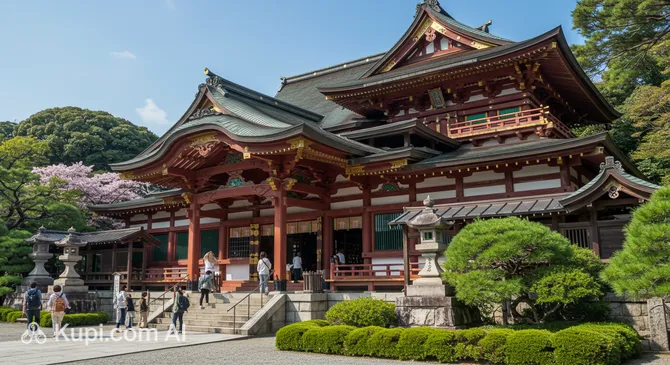
One of the city's key spiritual centers is the Takemizuwake Shrine. This ancient Shinto shrine attracts visitors with its peaceful atmosphere, beautiful traditional architecture, and the opportunity to touch the rich cultural heritage of the region. A walk through its grounds allows you to feel tranquility and harmony.

Takemizuwake Shrine. Illustration.
Source: Kupi.com AI

Traveler photos:

For lovers of nature and picturesque landscapes, a visit to Anzu no Sato, known as the "Apricot Village," is a must. This place is especially transformed in early spring, usually in April, when thousands of apricot trees bloom, covering the hillsides in a delicate pink carpet. This spectacle, called "hitome senbon" (a thousand trees at a glance), attracts photographers and beauty lovers from all over the country. You can take a leisurely stroll here, enjoying the blossoms and fragrances.

If you are looking for relaxation and wellness, head to Togura Kamiyamada Onsen. This charming resort town is famous for its hot springs. Numerous traditional Japanese inns (ryokans) and public baths (sento) offer guests healing baths with thermal water, which is believed to have many beneficial properties. The atmosphere of an old-fashioned Japanese resort and the hospitality of the locals make a stay here particularly pleasant.

Another iconic location often associated with the Chikuma region is Mount Obasute and its famous terraced rice fields (tanada). These fields, recognized as a National Place of Scenic Beauty, create an incredible landscape, especially beautiful at sunrise or sunset. Mount Obasute is also famous due to a local legend and is a popular spot for moon-viewing, as the moon reflects in the water of the flooded fields—a phenomenon known as "tagoto-no-tsuki."

Local Cuisine

Chikuma is a true gastronomic gem in Nagano Prefecture, capable of surprising even the most discerning gourmet. The star of the local cuisine is undoubtedly soba (buckwheat noodles). Here, it is prepared according to ancient recipes using crystal-clear spring water and locally ground flour. Be sure to try soba both in a classic hot broth and in a refreshing cold version. A special delicacy is soba served with fresh mountain wasabi and fragrant herbs—this dish perfectly captures the flavor of the region.

Another pride of Chikuma is the local miso—a fermented soybean paste produced here using traditional technologies. Its rich and deep flavor enhances soups, sauces, and marinades. Don't miss the chance to try freshwater fish dishes caught in the Chikuma River, which are often prepared using this aromatic miso. Also, pay attention to the seasonal gifts of nature: juicy peaches in summer and sweet chestnuts in autumn, which can be found at local markets alongside the freshest vegetables and fruits.

As for drinks, Chikuma is famous for its sake. There are several small but respected sake breweries in the city and its surroundings that produce sake with a unique character. Tasting local sake, especially when paired with traditional dishes, will be a wonderful addition to your gastronomic journey. Among non-alcoholic drinks, it's worth noting teas based on local herbs and, of course, the purest mountain water.

Food culture in Chikuma is closely linked to traditions and the freshness of products. Locals and tourists can enjoy authentic cuisine in cozy restaurants specializing in soba and other regional dishes. Be sure to visit farmers' markets, where you can not only buy fresh produce but also taste local delicacies. The city is also known for its food festivals, during which you can fully immerse yourself in Chikuma's culinary diversity and even talk to local chefs to learn the secrets of their craft.

Travel Tips

Welcome to Chikuma! To ensure your trip to this charming corner of Nagano Prefecture is as comfortable as possible and leaves only pleasant memories, we have prepared several practical tips for you.

  1. Clothing and Essentials by Season: The climate in Chikuma, as in all of Nagano Prefecture, has distinct seasons. In summer, it can be quite hot and humid, so choose light, breathable clothing. In winter, snowfalls and cold weather are common—warm items, including a hat, gloves, and a scarf, will be indispensable. Spring and autumn delight with moderate temperatures ideal for walking, but layering your clothes will always come in handy. It is crucial to bring comfortable shoes, as you will likely be walking a lot. Don't forget an adapter for electronics (Japan has 100V voltage, Type A and B sockets). When visiting temples and other religious sites, modest clothing covering shoulders and knees is recommended.
  2. Getting Around the City: Chikuma is a relatively small city, and you can get around it using local buses. For trips to neighboring cities and throughout Nagano Prefecture, it's convenient to use the rail connection, such as the Shinano Railway line. Taxis are available but can be more expensive than public transport. Renting a car can be a good option if you plan to explore more remote areas of the prefecture, but keep in mind that Japan has left-hand traffic and an international driving permit is required for rental.
  3. Financial Matters: The local currency is the Japanese yen (JPY, ¥). It is recommended to have some cash on hand, as not all small establishments, markets, or temples accept bank cards. You can exchange currency at airports upon arrival or at banks; however, in small cities like Chikuma, bank hours and exchange availability may be limited. ATMs that accept international cards can most often be found in post offices (Japan Post Bank) and 7-Eleven convenience stores. Credit and debit cards (Visa, Mastercard) are accepted in most hotels, large shops, and restaurants. Tipping in Japan is not customary, as a high level of service is already included in the price.
  4. Health and Safety: Japan in general and Chikuma in particular are very safe places for tourists. The crime rate is low. Pharmacies (marked as "薬" or "kusuri") exist, but pharmacists may not speak English, so it's useful to have a list of necessary medications with international names. For serious medical cases, it's better to contact large hospitals where there is a higher chance of finding English-speaking staff. Make sure to take out travel medical insurance before your trip.
  5. Communication: The official language is Japanese. The level of English proficiency in small towns like Chikuma may be low, especially among the older generation. However, Japanese people are very helpful and will try to assist you even if they don't speak English. Learn a few basic phrases: "konnichiwa" (hello), "arigato" (thank you), "sumimasen" (excuse me/sorry). For internet access, you can purchase a tourist SIM card upon arrival at the airport or rent a pocket Wi-Fi router. Free Wi-Fi is found in hotels and some public places.
  6. Local Etiquette: Japanese people highly value politeness and following rules of conduct. When greeting, Japanese people usually bow; the degree of the bow depends on the situation. In public places, especially on transport, try to speak quietly and not disturb others. When entering a Japanese home, some temples, and traditional restaurants (ryokans), it is customary to remove your shoes. It is important to remember the rules for using chopsticks—for example, do not stick them vertically into rice.
  7. What to Avoid: Try not to eat or drink while walking on the street, as this is considered impolite. Also, avoid loud phone conversations on public transport. Do not point at people with your finger. Sorting trash in Japan is a very important aspect of daily life; pay attention to the signs on trash bins.
  8. Chikuma's Speciality – Onsens: Chikuma, and specifically the Togura Kamiyamada Onsen area, is famous for its hot springs (onsens). Visiting an onsen is a unique experience and a wonderful opportunity to get acquainted with Japanese culture. Before dipping into the shared bath, you must wash thoroughly in the designated area. Swimsuits are not used in traditional onsens.

We hope these tips help you better prepare for your trip and enjoy every moment of your stay in hospitable Chikuma. Have a pleasant journey!

Entertainment & Nightlife

Evening in Chikuma, located in Nagano Prefecture, offers its guests primarily peaceful and authentic leisure options that reflect the steady rhythm of Japanese provincial life. You won't find noisy districts with neon signs and numerous nightclubs like in the metropolises here, but you can immerse yourself in the cozy atmosphere of local establishments.

The foundation of evening entertainment in Chikuma consists of traditional Japanese pubs – izakaya (居酒屋), as well as small local bars. While specific nightclubs widely known outside the city are rare here, you can find interesting places for the evening. Look for establishments with signs saying “居酒屋” (izakaya) or “スナック” (sunakku – small bars, often with karaoke). Such places are usually concentrated near Chikuma Station or in the Togura Kamiyamada Onsen district, where there is always a choice for dinner and evening relaxation. Don't hesitate to ask for recommendations at your hotel—this is often the best way to find a spot popular with locals.

The atmosphere in these establishments is generally very friendly and welcoming, catering to locals and tourists seeking an authentic experience. The crowd here is mixed, but mostly consists of locals enjoying an evening after work. Most izakayas and bars open in the evening and stay open until late at night, sometimes until midnight or 1:00 AM. There is usually no specific dress code; casual attire is welcomed.

When planning your evening, it's best to arrive at an izakaya or bar later in the evening when the main crowd gathers. The average bill will depend on the establishment, but in general, prices in Chikuma are moderate. For late-night travel, taxis will likely be your main option, as public transport schedules may be limited. Taxis can be found at designated stands or requested through a restaurant or hotel. Chikuma, like Japan in general, is considered a safe place, but it's always worth taking standard precautions, especially when walking late at night.

During the day, Chikuma also offers interesting leisure options. You can explore cultural sites such as the Takemizuwake Shrine, which is a wonderful place to learn about local traditions and Shinto architecture. It's also worth enjoying the natural beauty of the Nagano region, perhaps visiting the famous local onsens (hot springs) that Chikuma is known for, or taking a walk through the scenic surroundings.

Overall, Chikuma offers a more relaxed and culturally oriented holiday rather than a boisterous nightlife. It is an excellent destination for those who want to enjoy the authentic atmosphere of a Japanese city and rest their mind and body away from the hustle and bustle of large cities.

Parks & Museums

The city of Chikuma, located in Nagano Prefecture, offers guests a pleasant combination of scenic natural spots and places to learn about local culture and history. Here, you will find both peaceful parks and interesting cultural sites that will make your trip rich and fulfilling.

For nature lovers, Chikuma has prepared several wonderful places. One of the most famous is Anzu no Sato, or the Apricot Village. This place is especially beautiful in spring, when thousands of apricot trees are covered in delicate blossoms, creating a breathtaking sight. It's a great spot for walks and photo shoots. Another green area worth noting is Kamihira Kogen Park, which offers beautiful views of the surrounding mountains and valley. Here you can enjoy the fresh air and the tranquility of nature.

To gain a deeper understanding of the region's history and culture, it's worth visiting local museums. In Chikuma, you will find several interesting institutions. For example, the Inariyama History Museum will immerse you in the atmosphere of the old post town Inariyama-juku, telling of its role on the Zenkoji Kaido trail. If you are interested in ancient history, the Mori Shogunzuka Kofun Museum, located next to one of the largest kofun burial mounds of the Kofun period in eastern Japan, offers exhibits dedicated to this unique burial site and artifacts from that era. For lovers of literature and art, the Togura Kamiyamada Araragi Museum, dedicated to the poets of the "Araragi" tanka school associated with this region, will be of interest.

Among the significant historical and spiritual sites, the Takemizuwake Shrine stands out. This Shinto shrine is an important cultural site attracting both pilgrims and tourists interested in traditional Japanese architecture and spirituality. A visit to the shrine will allow you to touch ancient beliefs and customs.

One cannot fail to mention the famous Obasute Rice Terraces (Obasute no Tanada). These terraces, recognized as a Place of Special Scenic Beauty of national significance, represent not only an impressive example of agricultural art but also an important cultural landscape known for its views, especially during the moonrise. This place is steeped in history and legends, and a visit here will leave an unforgettable impression.

To round out your trip to Chikuma, stop by one of the local onsens (hot springs), for example, in the Togura-Kamiyamada Onsen area, to relax and experience the healing power of Japanese thermal waters. It's also worth looking for small craft shops where you can find unique handmade souvenirs reflecting local traditions.

Getting Around

Getting around Chikuma and its surroundings is quite convenient thanks to a well-developed public transport system, based on buses and trains. Understanding its features will help you explore this charming city with ease.

The main form of public transport in Chikuma is buses. They run on various routes, connecting the city center with its districts as well as nearby towns, including popular onsens. Typically, payment is made when exiting the bus; in some cases, you need to take a ticket with a stop number when entering to pay the amount corresponding to your distance upon exiting. Also passing through Chikuma is the Shinano Railway line, which is an important transport artery connecting the city with major hubs like Nagano. Trains run regularly and are an excellent way for longer trips around the region.

The fare payment system in Chikuma is fairly standard for Japan. Buses often accept cash (it's advisable to have small change, as the driver may not have change for large bills). For trains, tickets are purchased at stations from machines or ticket offices. IC cards widely used in Japan, such as Suica or Pasmo, may be accepted on the Shinano Railway line and possibly on some bus routes, which significantly simplifies payment—just tap the card against the reader when entering and exiting. Bus fares usually start from a few hundred yen depending on the distance. Train tickets also depend on the destination.

Tourists are advised to check transport schedules in advance, especially if planning trips to remote areas or in the evening. Information about routes and bus schedules can be found at stops, in tourist information centers, or on transport company websites (often in Japanese). Shinano Railway tickets are easy to buy at stations. Public transport usually starts early in the morning (around 6:00-7:00 AM) and ends late at night (around 10:00-11:00 PM), but this can vary depending on the route and day of the week.

As an alternative to public transport, taxis are always available in Chikuma. They can be found at stands near railway stations or called by phone. Taxis are a more expensive option, but convenient for trips with luggage or to places where public transport does not go. Given the scenic surroundings and the presence of onsens, bicycle rental can be a great way for a leisurely exploration of the city and its nature. Bicycle rental points can be found near tourist areas or stations.

Accommodation

When planning a trip to Chikuma, you will find a variety of accommodation options to suit different preferences and budgets. The city offers guests a choice from traditional Japanese inns (ryokans), where you can immerse yourself in local culture, to more familiar hotels. Guesthouses and potentially apartment rentals via online platforms are also available, which can be convenient for long stays or traveling families.

When choosing a place to stay in Chikuma, look for areas close to major transport hubs or the attractions you are interested in. Central areas usually offer easy access to restaurants and shops. If you plan to visit the hot springs (onsens) that the region is famous for, it might be worth considering accommodation options near them to fully enjoy this unique Japanese tradition.

The price range for housing in Chikuma varies from budget options to more comfortable and, accordingly, expensive ones. It is most convenient to book accommodation through popular online platforms or directly on hotel websites, if available. Comparing prices on different resources will help you find the best deal.

To guarantee the best choice and avoid availability issues, especially if your trip coincides with the peak tourist season (such as cherry blossom time or autumn leaves), it is recommended to book accommodation in advance. This is particularly relevant for popular ryokans or hotels with good reviews.

Nearby Cities

For those who want to explore the surroundings, Chikuma serves as an excellent starting point for day trips to several interesting nearby places. Among them, Nagano stands out, known for its majestic Zenko-ji Temple and as the host of the 1998 Winter Olympics; Matsumoto, home to one of Japan's most beautiful original castles—Matsumoto Castle, also known as the "Crow Castle"; and Ueda, which attracts visitors with its rich history related to the Sanada clan and the picturesque ruins of Ueda Castle.

CityPopulationDistance
Sakaki13 96710 km
Nagano367 18414 km
Ogawa28 38616 km
Ueda152 94819 km
Suzaka49 39321 km

These nearby destinations offer a glimpse into the diverse culture and landscapes of the region.

Shopping & Souvenirs

Chikuma, located in Nagano Prefecture, offers tourists shopping opportunities that combine local traditions with Japanese quality. Although the city is not a major metropolis with huge shopping districts, you can find interesting goods and souvenirs here that reflect the region's culture.

The main shopping spots in Chikuma are likely concentrated around central streets and perhaps near the railway station. Here, you can find small independent shops offering a variety of goods—from daily necessities to local delicacies and craft products. Strolling through these streets will allow you to better feel the city's atmosphere.

Large modern shopping centers, typical of major cities in Japan, may not be as widely represented in Chikuma. However, you might find local department stores or small shopping arcades (shotengai), where various shops are gathered under one roof. These places often offer a good selection of locally produced goods.

Regarding markets, in Japanese cities like Chikuma, you can sometimes come across morning markets (asaichi), where farmers sell fresh vegetables, fruits, and other local products. Seasonal fairs or small flea markets may also be held, where you can find unique items and souvenirs. It's best to check for information about such events locally.

As souvenirs from Chikuma and the Nagano region, look out for local crafts such as ceramics or textiles. Food products are also popular: the famous buckwheat soba noodles, miso paste, local pickles (tsukemono), and sake. If the city is famous for its onsens (hot springs), you can purchase themed items like bath salts or towels.

Most shops in Chikuma, as in Japan in general, usually operate from 10:00 or 11:00 AM to 7:00 or 8:00 PM. Small family-run shops may have their own schedules. As for payment, cash is still widely used, especially in small shops and at markets. Credit cards are accepted in larger establishments and tourist spots. Japanese transport IC cards (such as Suica or Pasmo) may also be accepted for small purchases.

For foreign tourists in Japan, a Tax-Free system is available. Look for shops with the corresponding "Tax-Free Shop" logo. Usually, to process a tax refund, you need to make a purchase over a certain amount (most often over 5,000 yen) and present your passport. The seller will fill out the necessary documents, and the refund can be received either immediately at the shop or at special points at the airport when leaving the country.

Reached the end of the page?

That means the route is fully explored