Support

Iiyama

About

Iiyama is a charming city nestled in the heart of Nagano Prefecture, surrounded by the majestic Japanese Alps. Stretching along the scenic banks of the Chikuma River, it offers guests the peaceful atmosphere of the authentic Japanese countryside, where time seems to slow down. This corner of the world is famous for its dense forests, rolling landscapes, and renowned rice fields that transform into emerald carpets in spring and summer.

With a population of about 19,279 people, Iiyama carefully preserves the spirit of its traditional way of life while harmoniously blending it with modern conveniences. Despite its modest size, the city plays an important role as a winter tourism hub and a guardian of the region's rich cultural traditions. It can be reached from Tokyo in just a few hours by the Hokuriku Shinkansen high-speed train, making Iiyama an excellent choice for those seeking solitude in the lap of nature. This is an ideal destination for those wishing to discover the authentic Japan, its tranquility, and its beauty.
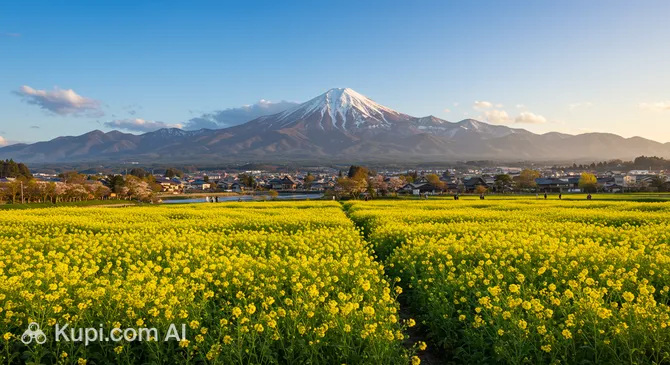
Iiyama. Illustration.
Source: Kupi.com AI

Iiyama attracts travelers year-round with its diverse recreational opportunities. In winter, it becomes a true paradise for skiing and snowboarding enthusiasts, offering access to popular resorts and well-maintained slopes. In spring and summer, magnificent opportunities open up for hiking and cycling along picturesque trails leading to ancient temples and peaceful parks. Don't forget the chance to relax in hot springs (onsens) or immerse yourself in the local culture by visiting one of the traditional festivals.

If you dream of a unique combination of natural beauty, authentic culture, and unforgettable experiences far from noisy metropolises, Iiyama will be a true discovery for you. Visit this hospitable city to enjoy its coziness and discover the country from a new, unexplored side.

You can find more interesting facts on the history of the city of Iiyama page.
Weather Overview

Weather in Iiyama is characterized by distinct seasons. Summer here is warm and humid, with average temperatures in July and August around 22-24°C, and maximum values can reach 26-27°C. These months also see the highest amount of rainfall. Winters are cold, with average temperatures in January and February around -1°C to -2°C, and frequent precipitation, mostly in the form of snow. Spring and autumn offer more moderate temperatures, gradually transitioning from cool to warm and back. Expect a warm summer with occasional rain and cold, snowy winters.

To get a more detailed idea of the weather conditions in different months, you can check the detailed information on the Climate of Iiyama page.

Average monthly temperature

Average monthly precipitation

Interesting Facts

In addition to its picturesque landscapes and welcoming atmosphere, Iiyama hides many amazing stories and little-known details that make getting to know this city even more fascinating. Here are just a few of them:

  • Iiyama is known as the "City of Snow" due to the enormous amount of snow that falls here annually. This makes it one of the snowiest populated areas in Japan. It is here that the famous Iiyama Snow Festival takes place, during which the streets are decorated with dozens of ice igloos, and the sky is lit up with fireworks in the evenings.

  • The city has preserved ancient temples and historical ruins, such as the Iiyama Castle Ruins and Shonen-ji Temple. Local legends tell of samurai who defended these lands and ancient rituals associated with the region's natural spirits.

  • The surroundings of Iiyama feature unique natural areas, including the Numanohara wetlands. A special point of pride is the famous ginkgo tree, which is over a thousand years old – it is a true place of power and an object of worship for local residents.

  • Iiyama is the home of masters who craft traditional Japanese sleds, skis, and elegant paper umbrellas. These items are still created by hand using ancient techniques, and the city proudly shares its craft heritage by hosting workshops for tourists.

How to Get There

There are several main ways to reach the city of Iiyama, located in the picturesque Nagano Prefecture. Most international travelers arrive in Japan through major international airports such as Narita (NRT) or Haneda (HND) in the Tokyo area, or Kansai (KIX) near Osaka. From there, Iiyama can be reached by domestic flights to regional airports or, a very popular and convenient option, by train.

Shinkansen bullet trains are one of the most efficient ways to get to Iiyama. The city has its own railway station, "Iiyama Station," which is served by the Hokuriku Shinkansen line. This allows for a fast and comfortable journey from Tokyo (travel time usually ranges from 1 hour 40 minutes to 2 hours), as well as from other major cities like Nagano or Kanazawa located on this line. Upon arrival at Iiyama Station, the city center and main tourist sites are in the immediate vicinity or easily accessible by local transport.

If you prefer air travel for domestic movement within Japan or are arriving from a region where flying is more convenient, several regional airports can be considered. However, keep in mind that an additional transfer by ground transport (train, bus, or car) will be required from any of these airports to Iiyama.

The closest airport to Iiyama is Matsumoto Airport (MMJ), located in the city of Matsumoto, about 86 km away. This is a small regional airport, and a trip by car or taxi from it to Iiyama will take approximately 2 hours 30 minutes.

Another option is Toyama Airport (TOY), located in the city of Toyama, at a distance of about 108 km from Iiyama. This airport serves more flights, and the road to Iiyama by car will take about 3 hours.

You could also consider Niigata Airport (KIJ). This is a fairly large airport located in the city of Niigata, approximately 140 km from Iiyama. A car journey from there to Iiyama can take about 4 hours.

For convenience, here is a summary of the main airports in relative proximity to Iiyama:

AirportPassenger trafficDistance
Matsumoto Airport112 61886 km
Toyama Airport736 740108 km
Noto Airport207 427134 km
Niigata Airport1.1 mln140 km
Komatsu Airport1.8 mln182 km

Traveling to Iiyama by car is also a good option, especially if you plan to explore the scenic surroundings of Nagano Prefecture and prefer flexibility in your movements. The city is well-connected to Japan's main road network. For example, a trip from Tokyo by car can take 3 to 4 hours, depending on road conditions and the chosen route.

Main Attractions

Iiyama, a charming city in Nagano Prefecture, offers travelers a unique combination of history, culture, and natural beauty. Here, everyone will find something for themselves, from ancient shrines to original museums and scenic parks.

One of the city's iconic landmarks is the Iiyama Castle Ruins Park (飯山城址公園). Once a majestic castle stood here, but today the site is occupied by a beautiful park. It is a great place for walks, offering panoramic views of the city and surrounding mountains. Visitors can immerse themselves in the region's history by exploring the remains of ancient fortifications and enjoying the peaceful atmosphere.

Art lovers and enthusiasts of Japanese culture should definitely visit the Mayumi Takahashi Doll Museum (高橋まゆみ人形館). This unique museum features touching handmade dolls created by artist Mayumi Takahashi. Each doll tells its own story, depicting scenes from rural Japanese life and conveying the warmth and simplicity of everyday existence. It is a truly soulful place that leaves a lasting impression.

For those seeking peace and wanting to touch the spiritual side of Japan, a visit to the Kosuge Shrine (小菅神社) is recommended. This ancient Shinto shrine, located in a picturesque forested area, has a rich history and is an important pilgrimage site. Walking through its grounds among centuries-old trees and ancient buildings gives a sense of calm and harmony.

Honda. Illustration.
Source: Kupi.com AI

Traveler photos:

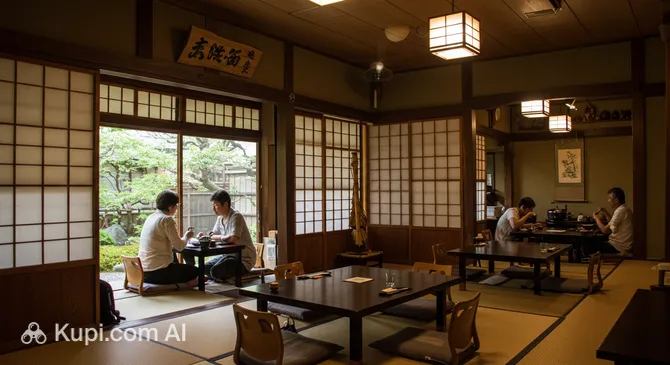
And after a full day of exploration, you can enjoy the local cuisine. For example, stop by the restaurant Honda to get acquainted with Iiyama's gastronomic traditions and taste delicious dishes in a pleasant setting.

Local Cuisine

A gastronomic journey to Iiyama is an immersion into the world of authentic rural Japanese cuisine, where tradition and the freshness of local products create unique taste experiences. Here, you can taste dishes that convey the spirit of the Nagano region and the hospitality of its residents.

Be sure to try Nozawana – pickled Japanese mustard leaves, which are a gastronomic symbol of these parts. They are served with rice and noodles or used as a filling for dumplings. Among other local delicacies, freshwater eel dishes (unagi) prepared in the city's best establishments, and the freshest trout from mountain rivers stand out. Lovers of more modern tastes will enjoy Japanese burgers with juicy local beef and seasonal vegetables grown on nearby farms.

As for drinks, Iiyama is famous for its sake. Local family-run breweries produce this traditional Japanese drink, which can be sampled and purchased. Of course, a variety of non-alcoholic drinks, including traditional Japanese teas, are also available.

The food culture in Iiyama is diverse. Locals and tourists can enjoy exquisite dishes in restaurants, such as the Honda restaurant, which serves both traditional and modern Japanese food. It is also worth visiting street markets and farmers' fairs selling homemade rice sweets (mochi), fresh fruit, vegetables, and, of course, local sake. Special events are the gastronomic festivals, especially those that take place in winter and spring. At these, you can not only try seasonal dishes and participate in mochi-making workshops but also dine in a real snow igloo accompanied by music and fireworks.

Iiyama's gastronomic scene is a unique combination of authentic flavors, fresh local products, and vibrant culinary traditions. Trying Nozawana, enjoying fresh eel or trout, and diving into the atmosphere of local markets and festivals – all this will make your trip to Iiyama truly unforgettable.

Travel Tips

Welcome to Iiyama! To ensure your trip to this charming corner of Japan, nestled in Nagano Prefecture, goes as smoothly and pleasantly as possible, we have prepared some practical tips for you.

  1. Clothing for the Season and Important Details:

    The climate in Iiyama, like the rest of Nagano Prefecture, has distinct seasons. In summer (June-August), it is warm and sunny, so bring light clothing, but don't forget something long-sleeved for evenings or sun protection. Other seasons are characterized by cool or cold weather, especially winter, when a lot of snow falls – then warm layered clothing is a must. Comfortable shoes are essential for walking around the city and its surroundings. Don't forget a universal adapter (Japan uses type A and B sockets, 100V voltage). When visiting temples and shrines, choose modest clothing that covers shoulders and knees.

  2. Transport in Iiyama:

    Iiyama is a relatively small city. The main transport hub is JR Iiyama station, where Shinkansen high-speed trains arrive, making the city easily accessible. You can get around the city by local buses, but their schedules should be checked in advance. Taxis are available but can be expensive; payment is usually in cash. If you plan to actively explore the scenic surroundings of Nagano Prefecture, consider renting a car. Remember that an International Driving Permit is required, and traffic in Japan is on the left.

  3. Finances: Yen and Payment:

    The official currency is the Japanese Yen (JPY). It's best to exchange currency at the airport upon arrival or at banks in large cities, although there may be exchange points in Iiyama as well. Credit cards are accepted in many hotels, large shops, and restaurants, but cash remains king, especially in small establishments, local shops, and for paying entrance fees to some attractions. ATMs that accept international cards can be found in post offices (Japan Post Bank) and 7-Eleven stores. Tipping is not practiced in Japan and can cause confusion.

  4. Health and Safety:

    Iiyama, like Japan as a whole, is a very safe place for tourists. The crime rate is low. Pharmacies ("kusuri") are available, but staff may not speak English, so have a list of necessary medications with you or use a translator app. For serious cases, be sure to have travel medical insurance. In case of need, contact local clinics or hospitals.

  5. Language and Connectivity:

    The official language is Japanese. English is not as widely spoken as in major cities, especially among the older generation. Learn a few basic phrases: "konnichiwa" (hello), "arigato" (thank you), "sumimasen" (excuse me/sorry). For ease of communication, we recommend installing a translator app on your smartphone. For internet access, it's best to purchase a tourist SIM card or rent a pocket Wi-Fi router – this can be done at the airport or ordered in advance online.

  6. Local Etiquette: Key to Understanding:

    Japanese people value politeness and respect for tradition. A greeting is usually accompanied by a bow. In public places, especially in transport, try to speak quietly and not attract unnecessary attention to yourself. Remove your shoes when entering Japanese homes, some temples, traditional restaurants, and ryokans (Japanese-style inns) – there is usually a special place for outdoor shoes. When using chopsticks, don't stick them vertically into rice and don't pass food from chopsticks to chopsticks.

  7. Taboos: What to Avoid:

    Try not to be too loud in public places, especially in trains and temples. Also, pay attention to waste sorting – this is taken very seriously in Japan. If you don't see bins on the street (which is common), carry your trash with you to the hotel or a place where it can be properly disposed of.

  8. Iiyama Highlight: Advice for Gourmets and Nature Lovers:

    Iiyama and Nagano Prefecture are famous for their magnificent nature. In summer and autumn, there are great opportunities for hiking, for example, along the Chikuma River or through the surrounding hills. Be sure to try local culinary specialties, such as soba buckwheat noodles, oyaki vegetable dumplings, as well as the famous apples and grapes from Nagano. Visiting local markets or farm shops can be an interesting gastronomic experience.

We hope these tips will help you easily navigate Iiyama and get the most out of every moment spent in this amazing city. Have a pleasant trip and unforgettable experiences!

Entertainment & Nightlife

Evening Iiyama offers a calm and authentic atmosphere, quite different from the noise of major metropolises. Here, nightlife is centered not so much in loud clubs as in cozy establishments where you can enjoy local cuisine and drinks in a relaxed setting. Main evening entertainment is usually concentrated around the central part of the city and near the railway station.

In Iiyama, you will find a variety of restaurants offering both Japanese and international cuisine. One such place where you can spend a pleasant evening is the Honda restaurant. Establishments of this type are usually open until late evening, allowing you to enjoy dinner without rushing. The atmosphere is generally welcoming, with an emphasis on quality service and fresh products. In addition to restaurants, traditional Japanese drinking establishments – izakayas – are popular. This is a wonderful place to try local varieties of sake, shochu, or beer accompanied by various snacks. You can also find small bars where locals and the few tourists gather.

The crowd in Iiyama's evening establishments is predominantly local, which creates a sense of immersion in real Japanese life. The dress code is usually casual, unless it is a particularly formal restaurant. Most places start filling up after 19:00-20:00. Prices are generally moderate, especially compared to large cities. At night, it is most convenient to get around the city by taxi, as public transport may run less frequently. Iiyama is considered a safe city, but standard precautions, as anywhere else, are never out of place.

Regarding daytime entertainment, Iiyama and its surroundings offer opportunities to get to know the culture and nature of Japan. The city is surrounded by picturesque landscapes, especially beautiful during the cherry blossom season or the autumn foliage. You can visit local temples and shrines, small museums telling the history and crafts of the region, or simply stroll through the charming streets. In winter, the Nagano region, where Iiyama is located, attracts winter sports enthusiasts.

Parks & Museums

Iiyama, cozily situated in Nagano Prefecture, offers its guests not only picturesque natural landscapes but also the opportunity to touch the rich cultural heritage of Japan. The city and its surroundings are a harmonious blend of peaceful green zones and interesting sites that preserve history and traditions.

Although there may not be large, world-famous parks in Iiyama, the city and its surroundings are rich in natural beauty. The region is famous for its snowy winters, turning the landscapes into a real winter wonderland, ideal for ski enthusiasts and snowshoeing. In spring and summer, the banks of the Chikuma (Shinano) River, flowing through the city, become a wonderful place for relaxation and admiring nature. The surrounding mountains offer many hiking trails with breathtaking views. Not far from the city is Nabekura Kogen Park, known for its magnificent beech forests and trekking opportunities in the warm season.

The cultural life of Iiyama is vividly reflected in its museums and centuries-old craft traditions. One notable site is the Mayumi Takahashi Doll Museum, which features touching scenes of rural life in Japan recreated with charming dolls. However, to delve deeper into the city's unique heritage, it is worth paying attention to the famous local crafts. Iiyama Butsudan are exquisitely crafted Buddhist altars known for their intricate lacquering and gilding. Visitors can learn more about this high art by visiting specialized workshop-shops where you can sometimes see masters at work or learn about the process of creating these sacred items. Another pride of Iiyama is Uchiyama Washi paper – a strong and beautiful handmade paper traditionally made in winter using snow to bleach the fibers. To get acquainted with this craft, you can visit centers dedicated to Uchiyama Washi, where demonstrations of the manufacturing process and even workshops for those wanting to try their hand are often held.

A walk through Iiyama will reveal the charm of its old streets and traditional architecture. Several Buddhist temples and Shinto shrines have been preserved in and around the city, serving as both spiritual centers and important historical monuments. Visiting sites like Shojuan Temple will provide a deeper understanding of local culture and history. Some streets have maintained an atmosphere of past eras, with traditional houses and shops, inviting you to take leisurely walks.

For a deeper immersion into Iiyama's atmosphere, look into small local shops selling handmade goods or visit one of the local markets to try the region's fresh products. Don't miss the chance to try local cuisine, such as dishes with wild herbs (sansai) or traditional soba noodles, which will be an authentic addition to your journey.

Getting Around

When planning your travel around Iiyama, keep in mind that it is a small city and its public transport system reflects this. The main mode of transport providing communication within the city and with the immediate surroundings is buses. The route network covers key areas, but intervals between services can be significant, especially compared to major metropolises. For travel to other towns in Nagano Prefecture and beyond, local trains play an important role; Iiyama Station is a vital transport hub that also serves the Hokuriku Shinkansen high-speed trains.

The bus fare payment system in Iiyama is generally quite simple. Most often, payment is made in cash directly to the driver when entering or exiting the bus. It is recommended to have small change with you, as change from large bills may not always be available. Information about local transport passes or discount cards is best clarified on-site, for example, at the bus station or tourist information center. Japan-wide transport IC cards (such as Suica or Pasmo) may not be accepted on all local bus routes, so it's better to be prepared with cash.

Tourists using public transport in Iiyama should check schedules in advance, especially if travel is planned for early morning, late evening, or on weekends. Schedules are usually available at stops and at the railway station. Train tickets are purchased at ticket offices or machines at the station. Keep in mind that bus services may be less frequent outside the tourist season or on weekdays compared to weekends when a larger flow of tourists to local attractions is expected.

As an alternative to public transport in Iiyama, you can always consider a taxi. Taxi stands are usually located at the railway station and other central points in the city. This is a convenient, though more expensive, way to get around, especially if you are traveling in a group or with a lot of luggage. For exploring the scenic surroundings of the city, especially in the warm season, bicycle rental can be an excellent option. Some hotels and guesthouses may offer this service, or you can find specialized rental points.

There are no unique transport systems like a historical metro or an extensive tram network in Iiyama, which is typical for cities of this size. Public transport here is primarily functional and oriented toward the needs of local residents and serving tourists arriving to discover the nature and culture of the region. The main thing is to plan your routes in advance and take the schedule into account.

Accommodation

When planning a trip to Iiyama, you will find various accommodation options to suit different preferences and budgets. The city offers traditional Japanese inns, such as ryokans and minshuku, where you can immerse yourself in local culture and enjoy hospitality, as well as more familiar hotels and guesthouses. The choice depends on whether you are looking for an authentic experience or standard comfort.

When choosing a place to stay in Iiyama, you should pay attention to the location. Some tourists prefer to stay in the central part of the city for easy access to shops and restaurants, while others choose more secluded areas located closer to the natural beauty for which Nagano Prefecture is famous. If your trip involves outdoor activities, such as skiing in winter or hiking in summer, options near the respective zones may be suitable for you.

Regarding the price range, you can find budget options as well as mid-range and higher-class accommodation in Iiyama, especially when it comes to ryokans with full board and hot springs. It is recommended to book accommodation in advance, especially if your trip coincides with the peak tourist season, such as the cherry blossom period, autumn leaf-viewing, or the ski season. For searching and booking, it is convenient to use popular online platforms as well as official hotel or ryokan websites, which sometimes allows you to find special offers.

Nearby Cities

For those who want to explore the surrounding area, Iiyama serves as an excellent starting point for day trips to several interesting nearby locations:

CityPopulationDistance
Yamanouchi11 10613 km
Iizuna10 13416 km
Obuse10 51018 km
Myoko30 30022 km
Suzaka49 39323 km

These nearby destinations provide insight into the region's diverse culture and landscapes. Each of these cities offers its own unique attractions, whether they are historical temples, picturesque natural parks, or famous hot springs, making short trips from Iiyama rich and memorable.

Shopping & Souvenirs

Shopping in Iiyama offers travelers the chance to immerse themselves in the local culture and purchase unique goods rather than chasing international brands. The city is famous for traditional crafts and fresh produce from the Nagano region. Here, you won't find huge shopping complexes, but you will be able to enjoy the search for authentic Japanese items in small, cozy shops.

The main shopping opportunities in Iiyama are concentrated around the city's central streets and near the railway station. Walking through the city, you will discover small shops owned by local families that sell everyday goods as well as souvenirs. There are no specialized shopping streets like in major metropolises, but it is precisely in this intimacy that the charm of local shopping lies.

Large modern shopping centers are not a characteristic feature of Iiyama. Instead, the city offers a more traditional shopping experience. Look for small specialized shops where you can find high-quality locally produced goods and chat with sellers who are often masters of their craft.

While Iiyama may not have large permanent markets, it is worth asking about seasonal fairs or farmers' markets, especially if your visit coincides with the harvest season. At such markets, you can buy the freshest local vegetables, fruits, pickles, and other delicacies of Nagano Prefecture, as well as handmade items.

As souvenirs from Iiyama, it is worth bringing back items of traditional crafts. The city and its surroundings are known for the production of Uchiyama-gami paper – a beautiful and authentic gift. Local food products are also popular: the famous buckwheat soba noodles, nozawana-zuke pickled vegetables, apples, and other fruits for which Nagano Prefecture is famous, as well as local sake. Given that Iiyama is "snow country," you can find souvenirs related to winter and skiing.

Most shops in Iiyama are usually open from 10:00 or 11:00 in the morning and work until 18:00 or 19:00 in the evening. Small family shops may have their own schedules and days off (often Wednesday or Thursday). Regarding payment, although credit cards are accepted in more and more places, cash is still very important, especially in small shops and at markets. It is recommended to always have some amount of yen with you.

For foreign tourists in Japan, there is a tax refund system (Tax Free). Look for the corresponding "Tax-Free Shopping" signs in stores. Usually, a tax refund is possible when purchasing goods for a certain amount (excluding food and some other categories for which there may be separate conditions). Don't forget to present your passport when making a purchase to complete the necessary documents.

Reached the end of the page?

That means the route is fully explored