Support

Kashiwazaki

About

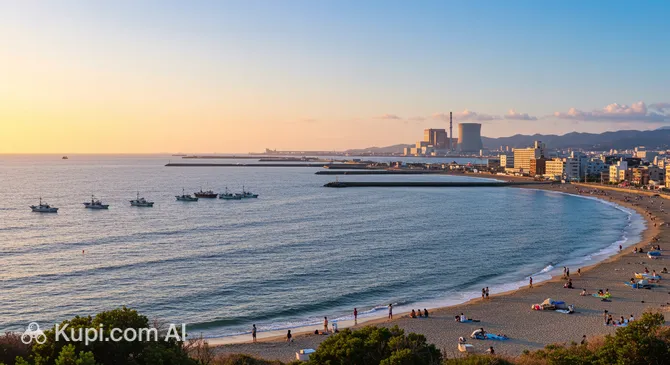
Kashiwazaki is a picturesque city nestled comfortably on the shores of the Sea of Japan in Niigata Prefecture. Thanks to its favorable location between mountain ranges and the sea, this area enjoys a mild climate and impressive natural panoramas. For many travelers, this is where Japan reveals a newer, more serene, and authentic side, far from the hustle and bustle of major metropolises.

Kashiwazaki. Illustration.
Source: Kupi.com AI

With a population of around 81,000, the city successfully combines a cozy provincial atmosphere with the dynamics of a modern center. Kashiwazaki plays an important administrative role in the region and boasts a well-developed infrastructure. Thanks to convenient rail links, it is easy to reach from both the prefectural capital and Tokyo, making the city an accessible stop on any tourist's itinerary.

Visitors are drawn to the city's spacious beaches, green parks, and opportunities to explore local culture. Kujiranami Beach is particularly popular, becoming a hub for vacationers in the summer and offering the striking, rugged beauty of seascapes during the colder months. The rich history of Kashiwazaki is reflected in its traditional streets and numerous festivals, which are held here on a grand scale.

Kashiwazaki is an ideal destination for those seeking harmony and inspiration. There is a deep respect for tradition and a love for nature here, creating a special atmosphere of hospitality. It is a city where you can slow down, enjoy the fresh sea breeze, and gain unforgettable travel experiences.

Weather Overview

The climate in Kashiwazaki is characterized by distinct seasonality, offering travelers different holiday scenarios depending on the time of year. Winters here are cool and humid, typical for the Sea of Japan coast. In January and February, the average temperature stays around +2...+3°C, and the number of days with precipitation reaches its peak—up to 26 days per month—so waterproof clothing and an umbrella are essential companions for any tourist.

Summer brings genuine warmth to the region, ideal for beach activities. The hottest month is August, with an average temperature of +26.7°C, though the thermometer often rises to +30°C. Spring and autumn delight with a mild and comfortable atmosphere: for example, in May and October, the air warms up to +16°C, creating excellent conditions for long walks and excursions.

Expect a warm summer with occasional rain and cool winters with a high probability of precipitation. To make your trip as comfortable as possible, we recommend checking what the weather in Kashiwazaki is forecast to be for your dates and packing accordingly.

Average monthly temperature

Average monthly precipitation

Interesting Facts

Beyond the popular tourist routes, Kashiwazaki holds many fascinating secrets and unique traditions that make a visit here truly memorable. The city enjoys a vibrant cultural life and takes pride in its natural heritage, revealing unexpected sides to its visitors.

  • Flowers of Fire Over the Sea. The city is famous for one of the most grandiose pyrotechnic shows—the "Gion Kashiwazaki Matsuri" festival. Every July, the night sky is lit up by thousands of lights, and the volleys of fireworks reflect in the dark waters of the Sea of Japan, creating a spectacle of incredible beauty and scale.

  • A Global Cultural Connection. The city is home to the unique Donald Keene Center, dedicated to the famous Japanologist and translator who made an invaluable contribution to popularizing local culture in the West. Thanks to this institution, Japan becomes closer and more understandable to foreign guests interested in literature and history.

  • The Magic of the Sunset at Cape Banjin. The city's coastline is adorned by the picturesque Cape Banjin, where majestic cliffs meet the sea. This spot is considered one of the best points in the region for watching sunsets, which paint the sky and sea in fantastic hues.

  • Samurai Heritage. Local folklore is rich with legends of ancient samurai clans and mystical natural phenomena. These tales give the city's historical corners a special atmosphere of mystery, attracting fans of antiquity and Japanese mythology.

How to Get There

When planning a trip to this coastal city, it's worth thinking about logistics in advance. Although Kashiwazaki itself does not have its own airport, the advanced transport network that Japan is famous for allows you to get here without much difficulty via neighboring regions. You can find out more about how to get to Kashiwazaki by considering various route combinations, but most often tourists choose a "flight plus ground transport" connection.

The nearest and most convenient option for travelers is Niigata Airport (IATA: KIJ). It is located not in the destination itself, but in the prefectural capital, at a distance of approximately 81.6 km. This airport handles many flights and is considered the main air gateway to the region. The journey from the airport to the center of Kashiwazaki by taxi or bus takes about 2 hours and 20 minutes, but many prefer the comfortable trains.

As an alternative, you can consider Toyama Airport (IATA: TOY), located in the neighboring prefecture. The distance to Kashiwazaki is about 146 km, so the travel time by car will increase to approximately 4 hours. Nevertheless, this option may be convenient if your itinerary includes visiting other cities along the Sea of Japan coast.

Below is summary information on the nearest airports to help you choose the optimal arrival point:

AirportPassenger trafficDistance
Niigata Airport1.1 mln82 km
Noto Airport207 427142 km
Matsumoto Airport112 618145 km
Toyama Airport736 740146 km
Fukushima Airport250 000167 km

The railway system is the pride of the country and one of the most popular ways to travel. The city's main hub is Kashiwazaki Station. Trains from the JR Shin-etsu and JR Echigo lines arrive here regularly. Travelers from Tokyo often take the high-speed Shinkansen to Nagaoka Station and then make a short transfer to a local train heading straight to the coast. Taking the train not only saves time but also allows you to enjoy the scenic views of the countryside.

Main Attractions

Kashiwazaki offers tourists a harmonious blend of natural beauty and cultural sites. The city is famous for its scenic parks and coastline, where you can not only admire the sunsets but also immerse yourself in the atmosphere of Japanese romance and gastronomy. Here are a few places that should definitely be included in your travel itinerary.

One of the city's main symbols is Akasakayama Park. This is an ideal spot for leisurely strolls at any time of year. In spring, the park turns into a pink cloud thanks to the blooming of hundreds of cherry trees, while in autumn, it is painted in the crimson tones of maple leaves. The Kashiwazaki City Museum is also located within the park, where you can learn more about the region's history and ethnography, and the observation deck offers a panoramic view of the city and the Sea of Japan.

For romantically inclined travelers, a visit to Lover's Point (Koibito Misaki) is a must. This is a picturesque observation deck on the coast offering breathtaking views of the sea horizon. According to local tradition, couples come here to ring the bell together and attach a padlock to the fence as a sign of eternal love. It is especially beautiful at sunset when the sun slowly sinks into the water, creating a magical atmosphere.

Seafood lovers and souvenir hunters should check out Nihonkai Fisherman's Cape. This is a large tourist complex that includes a massive fish market, restaurants, and shops. Here you can try the freshest sushi, crabs, and other seafood caught by local fishermen. In addition to gastronomic delights, the complex features a beautiful garden with seasonal flowers, making it a great place for the whole family to relax.

The cultural program can be perfectly complemented by a visit to the Donald Keene Center Kashiwazaki. This museum is dedicated to the life and works of the prominent Japanologist who had a close connection to Kashiwazaki. The exhibition tells the story of his contribution to popularizing Japanese literature abroad and his love for the country. Visiting the center allows for a deeper understanding of the nuances of Japanese culture through the eyes of a man who dedicated his entire life to it.

Local Cuisine

Kashiwazaki's local cuisine is a true feast for seafood lovers, as the city is situated on the coast of the Sea of Japan, which is rich in fish and delicacies. A gastronomic journey here should start with a tasting of the freshest sashimi, especially squid and seasonal crabs, for which this region is famous. A unique experience for tourists is the "Kashiwazaki-style" grill: the tradition of having a barbecue right on the shore, where freshly caught seafood is cooked over charcoal, allows you to not only enjoy the taste but also feel the special atmosphere of seaside life.

The foundation of many dishes is the famous "Koshihikari" rice, which is grown in Niigata Prefecture and considered one of the best in the country. Be sure to try "kamameshi"—flavorful rice with seafood cooked in a special clay pot. Every local establishment has its own secret recipe for this dish, but the rich taste remains constant, perfectly complemented by local seaweed pickles and unique varieties of miso.

The city's gastronomic scene would be incomplete without its drinks. The region is famous for producing premium sake, which perfectly enhances the flavor of fish dishes. For those who prefer non-alcoholic beverages or want to experience ancient traditions, tea ceremonies are held. For example, at the Kimura Tea Ceremony Gallery, you can sample rare varieties of Japanese tea in an authentic setting, immersing yourself in the meditative culture of tea drinking.

The food culture in Kashiwazaki is diverse: from cozy restaurants to lively farmers' markets where you can buy fresh fruits and vegetables. A special time for foodies arrives during culinary festivals. This is a rare chance to try exclusive seasonal treats, such as rich sea urchin soups or traditional sweets based on local rice, which are prepared only once a year.

Travel Tips

A trip to Kashiwazaki promises to be unforgettable if you prepare in advance for the characteristics of this coastal city. We have compiled a list of practical recommendations to help you feel confident and comfortable in any situation, allowing you to focus on your holiday.

  1. Clothing and Seasonality. The climate here dictates its own rules: in winter, due to the proximity of the Sea of Japan, it is often windy and snowy, so a warm windproof jacket and shoes with non-slip soles are essential. In summer, opt for light natural fabrics, but don't forget a hat and sunscreen, as the sea breeze can deceptively hide the sun's intensity.
  2. Getting Around the City. Kashiwazaki's center is compact enough for walking, but for trips to remote beaches or parks, it's more convenient to use a taxi. Public buses run on a schedule that isn't always convenient for short visits. Apps like Google Maps or Navitime will help you plan your route, but renting a car will give you maximum freedom to travel around the prefecture.
  3. Financial Matters. The official currency is the Japanese yen. While large hotels accept cards, small shops and local restaurants often only take cash. Withdrawing money from international cards is easiest at ATMs in convenience stores (e.g., 7-Eleven). Tipping is not customary in the country, including Japan—excellent service is already included in the price here.
  4. Safety and Health. Kashiwazaki is a very peaceful city where it is safe to walk even in the evenings. Drugstores usually stay open until 8:00–10:00 PM; 24-hour ones are rare, so carry a basic first-aid kit. The region is seismically active, so when checking into a hotel, be sure to familiarize yourself with the evacuation plan and earthquake instructions.
  5. Communication and Language. English is not understood everywhere, especially away from the station. We recommend downloading an offline translator and learning a few phrases: "Arigato" (thank you) and "Sumimasen" (excuse me). It's best to purchase a SIM card immediately upon arrival at a major airport, as finding a carrier's office with English-speaking staff in the city itself can be difficult.
  6. Local Etiquette. When entering traditional inns (ryokans), some restaurants, and private homes, always remove your shoes—a special step at the entrance will indicate this. In public places, it is customary to speak quietly so as not to disturb others. Greetings are usually accompanied by a slight bow; handshakes are used less frequently.
  7. What to Avoid. Never stick your chopsticks vertically into your rice—this resembles a funeral ritual and is considered bad manners. Also, try not to eat while walking; it's better to stop near a vending machine or sit on a bench to eat your food, showing respect for the cleanliness of the streets.
  8. Planning Advice. If you want to attend the famous summer fireworks festival, book your accommodation and train tickets several months in advance. During these days, the city's population practically doubles due to tourists, and finding a free room at the last minute is impossible.

By following these simple rules, you can avoid awkward situations and fully immerse yourself in the atmosphere of Japanese hospitality. We wish you a pleasant, safe, and impression-filled journey to Kashiwazaki!

Entertainment & Nightlife

Nightlife in Kashiwazaki is nothing like the noisy, neon madness of Japan's major metropolises. You won't find massive dance clubs operating until dawn here; instead, the evening city offers something different—an authentic, cozy atmosphere where gastronomy and socializing take center stage. Evenings here are typically spent in the company of friends or colleagues, enjoying local delicacies and Niigata Prefecture's famous sake.

The main activity after sunset is concentrated around Kashiwazaki Station. It is here, in the narrow streets adjacent to the station, that red paper lanterns called "akachochin" light up, inviting you into traditional Japanese bars known as izakaya. These are ideal places to immerse yourself in true Japanese culture: they serve yakitori (chicken skewers), fresh sashimi, and seasonal snacks. The crowd in such establishments is diverse but always friendly—from office workers unwinding after a day's work to local fishermen.

For those who want to continue the evening after dinner, the city has "snack bars." These are small, cozy venues where you can sing karaoke and chat with the hostess, referred to as "mama-san." The atmosphere here is almost domestic, but keep in mind that English is rarely spoken in such places, so knowing a few Japanese phrases or having an online translator will be a big plus. There is no dress code in most Kashiwazaki establishments; the style is casual and relaxed.

In terms of safety, Kashiwazaki is an exceptionally peaceful place. Night walks here pose no threat, although the streets empty out fairly early. If you plan to stay out late, think about your way back in advance. Public transport stops running around midnight, so the most reliable way to get back to your hotel is by taxi. Cars usually wait for passengers at the station rank, but on Fridays and Saturdays, it's better to have a taxi number handy or ask the bar staff to help with an order.

The average check in evening establishments is quite affordable. Dinner with drinks at an izakaya will cost about 3,000–5,000 yen per person. It is important to remember that many small bars only accept cash, so it’s worth withdrawing money in advance. Also, some places have a cover charge (otoshi), which includes a small appetizer.

Daytime entertainment in the city is just as interesting and often tied to nature and history. During daylight hours, it's worth visiting the Kashiwazaki City Museum to learn more about the region's rich past, or taking a walk in scenic parks like Akasakayama. Outdoor enthusiasts will enjoy the well-equipped beaches, which become the center of city life in summer, offering water sports and beach barbecues until sunset.

Parks & Museums

Although many travelers come to this coastal corner for the beaches and sea sunsets, the city hides wonderful green oases and cultural treasures. Kashiwazaki's parks and museums offer guests the chance to escape the hustle and bustle, enjoy the silence of traditional gardens, and touch the rich historical heritage that Japan carefully preserves.

The main green attraction is rightfully considered Akasakayama Park. This is a vast area with a hilly landscape where dense pine groves and well-kept alleys harmoniously coexist. The park is beautiful in any season: in spring, hanami is held under the blooming cherry blossoms, and in autumn, people come to admire the fiery maples. For tourists, there are convenient walking paths, an observation deck with views of the city and sea, and picnic areas, making the park an ideal place for family relaxation.

Connoisseurs of refined aesthetics should definitely visit Teikan-en Garden. This is a magnificent example of traditional Japanese landscape design, created during the Showa period. The garden is known for its tranquility and philosophical atmosphere: here you can see skillfully trimmed trees, mossy stones, and small ponds. A walk through Teikan-en allows you to feel the spirit of old Japan and find peace in contemplating nature as it changes its appearance from season to season.

Immersion in the city's cultural life is impossible without a visit to the Kimura Tea Ceremony Art Museum. This unique institution specializes in ceramics and utensils for tea ceremonies. The museum's main feature, attracting tourists from all over the world, is that the exhibits here are not hidden behind glass. Visitors are given the rare opportunity to drink matcha tea using ancient bowls that are works of art. This interactive approach provides a completely different experience of touching history.

For those who want to understand the region's past more deeply, the doors of the Kashiwazaki City Museum are open. The exhibition covers a wide range of topics: from archaeological finds of ancient eras to ethnographic materials telling the story of the life of local fishermen and peasants. Special attention is paid to the natural features of the Sea of Japan coast. The museum also serves as an educational center, regularly hosting exhibitions dedicated to local crafts and art.

Among the architectural monuments, Enma-do Temple stands out, known for its impressive statue of Enma-Daio—the Buddhist ruler of the underworld. This place is steeped in legends and possesses strong energy. The temple building attracts attention with its traditional wooden architecture and skillful carving. An annual boisterous festival is held here, but on ordinary days, the temple remains a quiet corner for prayer and reflection.

Insider Tip: If you find yourself in the Akasakayama Park area, don't be lazy and find the small tea room Shoun-sanso. It is located deep in the park zone and is often overlooked by major tourist groups. In autumn, when the foliage around turns crimson, the view from the tea room's windows looks like a living painting, creating the perfect backdrop for unforgettable photos.

Getting Around

The public transport system in Kashiwazaki is quite simple and intuitively understandable, which is typical for small Japanese cities. You won't find complicated subway lines or tram networks here; the main passenger load is carried by the railway and the bus network. The city is fairly compact, so many tourist locations are accessible even on foot; however, for trips to remote beaches or parks, transport will be needed.

The main transport hub is Kashiwazaki Station. It connects the city with neighboring regions via the JR Shin-etsu and JR Echigo lines. Trains here run strictly according to a schedule, which is followed with impeccable precision. To move around the city and its outskirts, Echigo Kotsu buses operate. The route network covers the main areas, including the coast and residential quarters, but intervals can be quite long—from 30 minutes to an hour, so it's better to plan trips in advance.

Special attention should be paid to the rules for using buses, as they may differ from typical European standards. Entry is through the back door. Upon entering, you must take a ticket (seiriken) from a special machine—it will indicate the number of the zone where you boarded. Payment is made upon exiting through the front door: an electronic board above the driver shows the fare for each zone. Just match the number on your ticket with the price on the screen and drop the coins along with the ticket into the transparent box next to the driver.

Regarding payment, Japan is famous for its transport IC cards (Suica, Pasmo, etc.). They are accepted at Kashiwazaki Station, which is very convenient. However, on local buses, card terminals are not always available, so tourists are strongly advised to carry cash, especially coins and 1,000-yen notes. Buses have change machines, but they do not accept large bills (5,000 or 10,000 yen).

If you value freedom of movement and plan to explore the picturesque Sea of Japan coast at your own pace, renting a car is a great alternative to public transport. Rental points are located near the railway station. This is especially relevant if you want to visit remote observation decks or mountain areas where buses rarely go. The roads in the city are of excellent quality and navigation is clear, although traffic is left-handed, as everywhere in the country.

For short-distance trips, you can use a taxi. The taxi rank is located right at the station exit; the cars are clean and comfortable, and the drivers are polite. Note that the doors in Japanese taxis open and close automatically—do not try to do it manually. Also, in warm weather, bicycle rentals are popular: the terrain in the coastal part of the city is quite flat, making cycling a pleasant way to see the surroundings.

Accommodation

The choice of accommodation in Kashiwazaki, as in many small Japanese cities, is characterized by functionality and comfort. You won't find a vast number of international hotel chains or ultra-luxury resorts here, but the city offers a decent range of options for a comfortable stay. The core of the hotel stock consists of classic business hotels aimed at practical travelers, and traditional Japanese inns (ryokans) where you can experience the local flavor. Small guesthouses (minshuku) are also available and are often chosen by families and young people.

When choosing a place to stay, you should consider the goals of your trip. The Kashiwazaki Station area is a strategically convenient choice for those traveling by train and planning active excursions around the region. Most modern business hotels are concentrated here, offering clean rooms with all amenities and breakfast. Staying in the center provides easy access to shops, restaurants, and transport hubs.

If your goal is to enjoy sea views and a relaxed atmosphere, look toward the coastal zone, especially around Kujiranami Beach and Cape Banjin. This part of the city features hotels and ryokans with windows that open onto picturesque views of the Sea of Japan. Staying here, you can fall asleep to the sound of the waves and watch the famous sunsets right from your room or a hot bath if the hotel has an onsen.

Important booking tip: Kashiwazaki is a relatively quiet city, but the situation changes drastically at the end of July when the grand "Gion Kashiwazaki Matsuri" fireworks festival takes place. During this period, demand for accommodation skyrockets, and finding a free room becomes practically impossible. If your trip falls on these dates, it is necessary to book a hotel 3–6 months before arrival.

The price range in the city can be described as moderate. A night in a standard business hotel usually costs from 5,000 to 9,000 yen. Staying in a traditional ryokan with included dinner and breakfast (kaiseki style) will cost more—from 12,000 to 25,000 yen and up, depending on the level of service. You can book accommodation through popular international online platforms, but for finding small, authentic ryokans, it is sometimes more effective to use Japanese aggregators or contact them directly if your language skills permit.

Nearby Cities

For those looking to explore the surrounding area, Kashiwazaki serves as an excellent starting point for day trips to several interesting nearby locations:

Just a half-hour drive away is the city of Nagaoka, famous nationwide for its grand fireworks and rich traditions of sake production. Here you can visit interesting historical museums or take a walk in Yukyuzan Park, which features a small zoo and a castle. This is a great option for a short trip to get to know the culture of the Chuetsu region.

History buffs and fans of samurai heritage should head to Joetsu. The city is known as the birthplace of the legendary general Uesugi Kenshin. One of the main attractions is the Takada Castle Ruins Park, which turns into an incredible sight in spring thanks to thousands of blooming cherry trees. At night, the park's alleys are illuminated, creating a magical atmosphere.

If you're looking for the rhythm of a big city and gastronomic adventures, visit the prefectural capital—Niigata. This is a major port with lively seafood markets and the famous "Ponshukan" sake museum at the station, where you can taste dozens of varieties of Japan's main beverage. A walk through the historical districts and along the banks of the Shinano River will provide plenty of impressions.

CityPopulationDistance
Ojiya33 72922 km
Nagaoka265 86827 km
Tokamachi49 47232 km
Mitsuke39 02436 km
Joetsu187 29138 km

These nearby destinations offer a glimpse into the diverse culture and landscapes of the region, perfectly complementing a seaside holiday.

Shopping & Souvenirs

Shopping in Kashiwazaki is, above all, a fascinating immersion into the region's gastronomic culture and an introduction to local crafts. Unlike in major cities, you won't find massive districts with luxury boutiques here, but the city offers excellent opportunities for purchasing authentic goods. Japan is famous for its attention to detail, and Kashiwazaki's shops confirm this rule: they value quality, seasonality, and the uniqueness of products, whether it's fresh seafood or traditional sweets.

The city's commercial life is concentrated in several key zones. One of the main arteries is the area around Kashiwazaki Station. Here, small shops offer daily necessities, books, and souvenirs. Another important direction for shopping is the zone along National Route 8. This is a busy highway where large chain stores for electronics, clothing, and home goods are located, most conveniently reached by car.

Among the shopping centers, MEGA Don Quijote Kashiwazaki deserves special attention. This is a huge discount store popular with both locals and tourists. You can find literally everything here: from Japanese cosmetics and fun gadgets to exotic snacks and brand-name items at discounted prices. There is also the Fonje shopping complex near the station, which features a supermarket, clothing stores, and various services, making it a convenient spot for quick purchases before a trip.

The real gem for market lovers is Nihonkai Fisherman's Cape. This is not just a market, but an entire tourist complex featuring a famous fish center. The atmosphere here is lively, with vendors offering samples of fresh crab, sea urchins, or grilled squid. In addition to seafood, the market presents a huge selection of souvenirs, regional snacks, and drinks. This is the best place to buy edible gifts that convey the taste of the Sea of Japan.

When choosing what to bring back from Kashiwazaki, pay attention to the main prides of Niigata Prefecture:

  • Sake: The region is famous for producing premium rice wine. Local shops offer exclusive varieties from small breweries that are not exported outside the country.
  • Rice and Rice Products: Local "Koshihikari" rice is considered some of the best in Japan. Be sure to buy senbei (rice crackers) in various flavors—from soy sauce to shrimp.
  • Sasa-dango: A traditional sweet made from rice dough with a red bean filling, wrapped in bamboo leaves. It is a delicious and colorful gift.
  • Metalware: Neighboring cities in the region are known for their metalworkers, so you'll often find high-quality kitchen knives and cutlery in Kashiwazaki's souvenir shops.

Shops in the city usually open at 10:00 AM and stay open until 8:00 PM or 9:00 PM. Only "konbini" (convenience stores like 7-Eleven or Lawson) are available 24/7. As for payment, large shopping centers, supermarkets, and Fisherman's Cape accept international credit cards without problems. However, in small private shops, traditional confectioneries, or morning markets, cash is preferred, so always carry banknotes and coins.

The Tax-Free system (consumer tax refund) is available for tourists in large stores like Don Quijote and some drugstores if the purchase amount exceeds 5,000 yen (excluding tax). To process the refund, you must have your passport with an entry stamp. Look for the "Tax-Free Shop" sticker in windows or at registers, or ask staff about this option before paying.
Reached the end of the page?

That means the route is fully explored