Support

Sado

About

Sado is a unique island city tucked away in the waters of the Sea of Japan off the coast of Niigata Prefecture. It is a place where majestic nature and deep traditions harmoniously intertwine, creating an atmosphere of peace and tranquility. A journey here allows you to see another side of Japan, far from the neon lights and noise of major metropolises.

The island's geography is impressive in its diversity: from picturesque beaches to terraced rice fields and mountain peaks. Sado covers an area of about 855 square kilometers, making it the largest of the archipelago's small islands, and has a peculiar shape resembling the letter S or Z. The city's population is approximately 58,000 people, and life here flows at a measured pace, governed by the changing seasons.
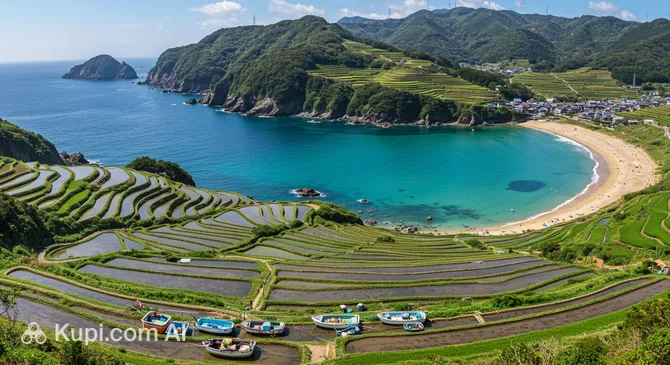
Sado. Illustration.
Source: Kupi.com AI

The island's cultural landscape is incredibly rich and distinctive. The dramatic history of Sado has left behind many monuments: from ancient shrines to stages for classical Noh theater, which is particularly revered here. For centuries, the island has absorbed traditions and customs, forming a special spiritual climate that can be felt in every corner.

Among the key features attracting tourists are unique geological formations and the heritage of gold mining. Visitors to the island can not only enjoy the views but also spend time actively: go hiking, cycling, or relax in one of the cozy onsens (hot springs). Local festivals and gastronomic discoveries add a special charm to the place.

Sado is an ideal destination for those who want to touch the roots of culture and enjoy pristine beauty. Come here to slow down, breathe in the fresh sea air, and discover the genuine charm of "old" Japan.
Weather Overview

The climate in Sado is characterized by distinct seasonality, offering travelers diverse conditions depending on the time of year. Winters here are cool and humid: in January and February, the average temperature stays around 3.3°C — 3.8°C, and precipitation occurs very frequently — up to 26-27 days per month. Spring brings long-awaited warming, and by May the air warms up to an average of 15.7°C, creating comfortable conditions for sightseeing.

The summer season is pleasantly warm: the hottest month is August with an average temperature of 26.6°C and highs around 28.5°C. Expect a warm summer with occasional rain and cool winters with frequent precipitation. In autumn, the heat subsides, and by October, a pleasant coolness of about 17°C sets in. To choose the perfect time for your visit and pack the right wardrobe, checking the detailed weather in Sado by month will be very helpful.

Average monthly temperature

Average monthly precipitation

Interesting Facts

In addition to its main attractions, Sado holds many fascinating secrets and historical paradoxes. For centuries, this island lived by its own special rules, creating a cultural phenomenon that will surprise even seasoned travelers.

  • A Golden Past. Sado is not called "Gold Island" by accident. In the 17th century, rich deposits of the precious metal were discovered here, turning the island into one of Japan's primary gold mining centers. Today, guests can feel the excitement of prospectors at Nishimikawa Gold Park, where they can try panning for gold with their own hands.

  • Island of Exiles. For a long time, Sado served as a place of exile for intellectuals, poets, and even emperors who were out of favor with the government. These highly educated individuals brought metropolitan culture and art with them, giving the island a special mystical flair and aristocratic sophistication mixed with local traditions.

  • The Beat of the Earth. The island is home to the world-famous Kodo drumming ensemble. The musicians live here in harmony with nature and host the grand "Earth Celebration" festival annually. This event, dedicated to music and human unity, gathers guests from all over the world and offers unforgettable emotions.

  • A Theater Sanctuary. Noh theater holds a unique place in the lives of the islanders. Sado is one of the few places in the country where this ancient art is not just a museum exhibit but a living tradition. In summer, free performances take place right in the shrines, transporting spectators into the atmosphere of medieval Japan.

  • Seascape Views. Senkaku-wan Bay is famous for its picturesque cliffs and miniature islets, creating one of the most beautiful coastal views in the country. A glass-bottom boat tour here allows you to peer into the amazing underwater world of the Sea of Japan.

How to Get There

Since Sado is an island, traveling here is an adventure in itself, usually involving a sea voyage. There is no direct land connection to the mainland, so tourists must combine various modes of transport. You can explore all available options and plan your ideal route by following the link: more on how to get to Sado.

There is no major international airport in Sado City itself that handles mainline flights. Most travelers fly into Niigata Airport (IATA: KIJ), located in Niigata City on the opposite side of the strait. The distance to Sado is approximately 66.5 km. This is a major transport hub with high passenger traffic. Upon arrival at the airport, it will take about 25 minutes by bus or taxi to reach the ferry terminal, where ships regularly depart for the island. Total travel time depends heavily on the ferry schedule.

Alternatively, you could consider Toyama Airport (TOY), located in Toyama City. It is situated significantly further away — approximately 184.6 km from Sado. This is a medium-sized airport. The journey from here to the ferry crossing takes much longer (the estimated driving time for such a distance would be about 5 hours, but a transfer to a train and ferry is required), making this option more suitable for those planning an extensive trip through the Chubu region.

For clarity, here is a summary of the main airports located on the mainland in relative proximity to the island:

AirportPassenger trafficDistance
Niigata Airport1.1 mln66 km
Noto Airport207 427148 km
Shonai Airport364 815152 km
Junmachi Airport223 111181 km
Toyama Airport736 740185 km

There is no rail service directly on Sado Island, so trains are only used to reach the ports on the Honshu coast. The most popular route is using the Joetsu Shinkansen high-speed train to Niigata Station. From Niigata Station, you can reach the port by bus or taxi in just 10–15 minutes. The journey then continues on a comfortable ferry or a high-speed Jetfoil, which arrives at Ryotsu Port on Sado Island.

Main Attractions

Sado is a true open-air museum where every corner breathes history and legend. The island's main attractions are linked to its unique past as a place of gold mining and exile, as well as its incomparable nature, which locals carefully preserve. A journey through these sites will allow you to see the true face of the "other" Japan.

The undisputed symbol of the island is the Sado Gold Mine (Sado Kinzan). This massive historical complex was a source of wealth for the Tokugawa shogunate for nearly 400 years. Tourists are invited to descend into old Edo-period tunnels, where realistic mechanical dolls recreate the hard labor of miners from the past, or explore more modern industrial sites from the Meiji era. The famous split in the mountain, "Doyu-no-wareme," resulting from manual ore mining, leaves a lasting impression with its scale.

In the southern part of the island, in the Ogi port area, one of Sado's most recognizable activities awaits you — riding tarai-bune (tub boats). These unusual wooden boats, resembling large tubs or basins, were invented by local fishermen for gathering seaweed and shellfish in narrow, rocky bays. Today, anyone can try their hand at steering such a boat while wearing a traditional hat and holding a paddle. It is a fun and authentic experience that provides great photos and bright emotions.

Nature lovers should definitely visit Toki Forest Park. The Japanese crested ibis (toki) is a symbolic bird that once disappeared from the wild, but thanks to the efforts of scientists, the population has been restored. In the park, you can see these graceful birds with pale pink plumage in conditions as close as possible to their natural habitat and learn the touching story of their return to life. This place serves as a reminder of the fragility of nature and the importance of its conservation.

To immerse yourself in an atmosphere of antiquity, head to Shukunegi Village. This settlement of shipbuilders, preserved since the 19th century, is a labyrinth of narrow streets and wooden houses built from the planks of old ships. Walking here is like traveling back in time: you can enter houses open to the public, see unique architecture, and feel the spirit of maritime romance that permeates the old walls.

Local Cuisine

Sado's gastronomy is an adventure in its own right, beginning with the island's unique natural conditions. Thanks to exceptionally clean water and a specific microclimate, rice is grown here that is deservedly considered some of the best in all of Japan. This rice serves as the foundation for both everyday meals and the exquisite haute cuisine offered in traditional inns (ryokans).

The main treasure of the local table is, undoubtedly, the freshest seafood. You should definitely try the grilled amberjack (yellowtail) — a true delicacy prepared here with exceptional skill. Local menus abound with dishes made from tender squid, sweet sea urchins, and crabs caught in coastal waters. These gifts of the sea are often served raw as sashimi or used in sushi to preserve their natural flavor as much as possible.

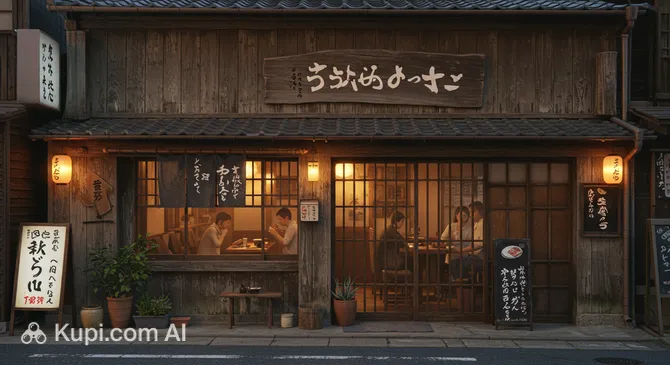
Sushiya Maruishi. Illustration.
Source: Kupi.com AI

Traveler photos:

To personally appreciate the quality of local seafood, you can visit the Sushiya Maruishi restaurant. This establishment perfectly illustrates the islanders' approach to food: using only the freshest ingredients and respecting age-old cooking traditions.

Speaking of drinks, it's impossible not to mention the local sake. Thanks to the excellent rice and water, alcoholic beverages from Sado Island have repeatedly won prestigious awards at international competitions. A visit to one of the local sake breweries for a tasting will be a vivid addition to your dinner. Among non-alcoholic drinks, high-quality green tea is popular, which perfectly complements the taste of fish dishes.

The food culture on the island is diverse, ranging from cozy restaurants to lively street markets. Sado's farmers' markets are the perfect place to get acquainted with authentic food. Here you can try seasonal fruits, vegetables, and the famous homemade pickles, as well as buy products directly from the producers. If your trip coincides with one of the gastronomic festivals, don't miss the chance to attend workshops and learn the secrets of preparing traditional dishes in a friendly holiday atmosphere.

Travel Tips

Welcome to Sado Island! To ensure your visit to this unique corner of Japan is as comfortable as possible and leaves only pleasant memories, we have prepared a list of important practical recommendations considering the island's specifics.

  1. Clothing and Essentials: The weather on the island can be changeable due to sea winds. Even in summer, it is recommended to have a light windbreaker for evening walks, and in winter, a warm waterproof jacket and non-slip shoes are essential as it snows a lot. Since sightseeing (for example, the gold mines or temples with many steps) involves long walks, choose the most comfortable footwear. When visiting temples, wear socks you are not ashamed to show, as you will have to take off your shoes.
  2. Transport: The most convenient way to get around Sado is by renting a car, as points of interest are scattered across the island and buses can run at intervals of an hour or more. If you don't drive, check bus schedules in advance and consider buying a travel pass. Taxi apps (like Uber) are virtually non-existent here; you must call a car by phone or look for them at stands near the ports.
  3. Finances: Despite technological advances, Sado remains a place where cash (yen) is king. Cards are accepted in hotels, large supermarkets, and port souvenir shops, but they are useless in small restaurants, buses, and rural stores. You can withdraw cash from international cards at 7-Eleven ATMs or at post offices (Japan Post). Tipping is not customary.
  4. Health and Safety: The island is very safe, but pharmacies (drug stores) do not operate 24/7 and are concentrated in larger settlements (Ryotsu, Sawata). Bring a necessary supply of medicine with you. When walking in the woods in summer, use insect repellent. In an emergency, call 119 (ambulance/fire) or 110 (police).
  5. Communication: Few people on the island know English, so be sure to install an offline translator (like Google Translate) on your phone. Free Wi-Fi is available in tourist centers and ports, but coverage across the island is unstable. It is highly recommended to rent a pocket Wi-Fi router or buy a SIM card at your arrival airport on the mainland.
  6. Local Etiquette: Greet locals with a slight bow. In public places, including buses and ferries, keep quiet and do not talk loudly on the phone. If you visit an onsen (hot spring), remember the main rule: you must wash thoroughly with soap under the shower before entering the communal bath, and swimsuits are prohibited in traditional baths.
  7. What to Avoid: Never enter rice fields or private agricultural land without permission — these are farmers' workplaces, and outsiders can damage crops. Also, avoid being late for the last ferry or bus: schedules here are strict, and alternative transport may simply not exist until the next morning.
  8. Extra Tip: Tourist information centers (e.g., in Ryotsu Port) often sell combination tickets or coupon books offering discounts on major attractions and workshops (e.g., gold panning or taiko drumming). Ask about them as soon as you arrive — it can help you save money.

By following these simple tips, you can avoid everyday troubles and fully immerse yourself in the "old" Japan atmosphere that Sado is so famous for. We wish you a peaceful and inspiring journey!

Entertainment & Nightlife

The entertainment industry on Sado Island has its own unique character, differing from the noisy metropolises of mainland Japan. You won't find massive night clubs with neon signs here. Instead, leisure is focused on harmony with nature, immersion in deep cultural traditions, and outdoor activities.

The island's cultural life is incredibly vibrant, especially during the summer season. Sado is home to the world-renowned Kodo taiko drumming group. The annual Earth Celebration festival, which usually takes place in August, is the highlight of the year, attracting guests with open-air concerts and creative workshops. Equally impressive are the evenings of Noh theater. Sado is one of the few places where performances are held on historical stages at shrines by the light of bonfires, creating a mystical atmosphere.

For outdoor enthusiasts, the island offers many opportunities:

  • Water sports. The clear waters of the Sea of Japan are ideal for diving, snorkeling, and sea kayaking. Trips along the picturesque rocky shores are very popular.
  • Gold panning. At Nishimikawa Gold Park, you can try your hand as a prospector and attempt to find gold grains using traditional methods. This is an exciting activity for the whole family, and you can take any gold you find with you.
  • Cycling and trekking. The island's varied terrain allows for both relaxed rides along the coast and serious climbs to mountain peaks.

Nightlife is mainly concentrated in the Ryotsu and Sawata areas. Here you will find cozy izakayas (Japanese gastro-pubs) and small bars where you can try local sake, considered some of the best in the region, and chat with the locals. Karaoke venues are also popular — a classic Japanese pastime that offers a fun way to end a busy day.

Parks & Museums

The natural and cultural heritage of Sado City goes far beyond its famous gold mines. The island offers travelers a harmonious blend of picturesque landscapes and profound museum exhibits that tell the story of the unique life in this isolated part of Japan. Here, you can enjoy the rugged beauty of the coast and immerse yourself in the atmosphere of ancient daily life.

Among the natural attractions, the Futatsugame Coast holds a special place; its name translates to "Two Turtles." This picturesque spot at the northern tip of the island is famous for its two massive rocks that resemble turtles frozen in the water. At low tide, you can walk out to them along a sandbar. The beach here features crystal-clear water and is included in the list of the country's top 100 swimming spots, while the surrounding scenery is perfect for contemplative walks.

Another impressive natural area is Senkaku-wan Agoshima Park. It is located on a rocky coast often compared to Norwegian fjords due to its steep cliffs and whimsical stone forms. The park is equipped with walking trails and observation decks offering breathtaking views of the Sea of Japan. This place is especially beautiful at sunset, when the rugged cliffs are painted in warm tones.

For those who want to understand the island's history more deeply, the Sado Museum opens its doors. This is the city's primary cultural institution, housing exhibits covering everything from geology and natural resources to the history of noble exiles. Of particular interest is the collection dedicated to traditional Bunya-ningyo puppet theater and the rock garden located on the museum grounds.

A unique experience awaits at the Ogi Folk Museum. It is housed in a wooden former elementary school building built in 1920. It stores a vast collection of everyday items, fishing gear, and even a full-sized tarai-bune boat. The atmosphere of the old school with its creaky floors and nostalgic spirit allows you to literally touch the lives of islanders from the last century.

Among architectural monuments, Myosenji Temple stands out. Its main pride is a magnificent five-story pagoda, the only one in Niigata Prefecture. Built by skilled carpenters without a single nail, it is surrounded by a beautiful garden and creates a sense of complete tranquility characteristic of Zen Buddhist retreats.

Insider Tip: For the best panoramic views, take a drive along the Osado Skyline road. This mountain route passes through the highest points of the island and offers incredible views of both sides of Sado's coast, especially in autumn when the slopes are covered in vibrant foliage.

Getting Around

The public transport system in Sado has its own unique features due to its island location and the absence of rail services. There are no subways, trams, or electric trains, so the primary mode of transport for those who do not drive is the bus network. Buses run across the entire island, connecting the main ports (Ryotsu, Ogi) with key tourist areas and settlements. The main operator is Niigata Kotsu Sado.

The bus network covers most attractions, though service intervals can be significant. On the main line connecting Ryotsu Port and the Aikawa district (where the gold mines are located), buses run quite frequently, approximately every 30–60 minutes. On more remote and less popular routes, there may only be a few trips per day. Service usually starts early in the morning and ends around 7:00–8:00 PM, making evening trips difficult to plan.

Fare payment on Sado buses is mostly made in cash or using special passes. The payment system is classic for rural Japan: when entering through the rear door, you take a ticket with a stop number (seiriken), and when exiting through the front door, you pay the fare indicated on the driver's display under the corresponding number. Coins and 1,000-yen notes are accepted (a change machine is available next to the driver). The use of popular transport IC cards (Suica, Pasmo) may not be available on local lines, so always carry cash with you.

For tourists, the most cost-effective option is purchasing unlimited travel passes (1-day, 2-day, or 3-day Pass). These passes allow for significant savings if you plan to move around the island actively. They can be purchased at tourist information centers in the ports of Ryotsu and Ogi, as well as at bus company offices. You simply show the pass to the driver when exiting the bus.

Given the long distances and bus schedules, the most popular alternative to public transport is renting a car. This gives you complete freedom of movement and allows you to reach the most picturesque and secluded corners of the island. Rental points are located right at the ferry terminals. Taxi services also operate in the city, which can be ordered by phone or found at stands near the ports, and tourist taxis with fixed routes to attractions are also available.

For exploring smaller areas, such as the surroundings of Ogi Port or the Kuninaka Plain, a bicycle is an excellent choice. Rental points, including electric bikes, are available at many tourist centers and hotels, helping you easily navigate the hilly terrain. It is an eco-friendly and pleasant way to enjoy views of the coast and rice fields at your own pace.

Accommodation

The choice of accommodation in Sado is diverse enough to satisfy the needs of various types of travelers, although you won't find the chain giants common in major cities here. The core of the hotel stock consists of traditional Japanese inns (ryokans) and family guesthouses (minshuku). Classic Western-style hotels, campsites for nature lovers, and budget hostels are also available. Staying on the island is a great chance to immerse yourself in an authentic atmosphere by choosing a place with tatami and futons instead of conventional beds.

When choosing an area to stay, it's best to base it on your itinerary and mode of transport:

  • Ryotsu District: The most convenient option for those using public transport. The main ferry terminal is located here, along with many shops and restaurants. It is a strategically advantageous point for early departures or late arrivals.
  • Aikawa District: The historical center of gold mining on the west coast. This area is popular due to its proximity to major attractions and stunning sunset views over the Sea of Japan. Many ryokans with hot springs (onsens) are concentrated here.
  • Ogi District: The southern part of the island, known for its calm atmosphere. Suitable for those who want to explore the geopark and ride tub boats away from the hustle and bustle.

Ryokans are particularly popular, offering guests more than just a place to sleep, but a full cultural experience. The price of stay at such places often includes a lavish kaiseki-style dinner made from local seafood and access to thermal baths. Although the provided list doesn't include specific hotels to book, travelers are encouraged to look for options with their own onsens to relax after long walks around the island.

Booking Tip: Sado is a popular destination, especially during the summer period and major events like the Earth Celebration festival in August. During these dates, accommodation sells out months in advance. We strongly recommend booking your rooms well ahead of time if your trip falls during the high season.

Prices range from budget to high-end. A night in a simple minshuku without meals can be inexpensive, while a stay in a high-quality ryokan with two meals can cost as much as a luxury hotel. Bookings can be made through major international online platforms, though many small family inns are only listed on Japanese websites or take reservations by phone. In such cases, contacting the Sado Tourism Association may help.

Nearby Cities

For those looking to explore the surrounding area, Sado serves as an excellent starting point for day trips to several interesting nearby locations. Since Sado is an island, most routes begin with a ferry crossing to the "mainland" — the island of Honshu, where rich history and gastronomic discoveries await travelers.

First and foremost, it is worth visiting the city of Niigata, which serves as the main gateway to the region. It is a major port famous for its excellent rice and sake, as well as the historic Furumachi geisha district and the Marinepia Nihonkai aquarium. Another interesting destination is Nagaoka, known throughout Japan for its grand summer fireworks festival and historical museums. Fans of castle architecture and cherry blossoms will enjoy Joetsu, home to the famous Takada Castle Site Park, which is particularly beautiful in spring during the cherry blossom season.

CityPopulationDistance
Tsubame76 59059 km
Niigata790 64663 km
Sanjo93 67167 km
Kamo25 08671 km
Tagami11 20071 km

These nearby destinations provide insight into the diverse culture and landscapes of the region, harmoniously complementing the impressions of a secluded holiday on the island.

Shopping & Souvenirs

Shopping in Sado is not about chasing fashion brands, but an opportunity to touch the authentic culture of rural Japan. The island does not abound with huge shopping malls, but it charms travelers with cozy shops where every item holds the warmth of a master's hands, and gourmet stores with unique local delicacies.

Main Shopping Districts and Streets

The main commercial center of the island is considered the Sawata district. Along National Route 350, you'll find supermarkets, pharmacies, electronics, and clothing stores — this is where locals come for their daily shopping. For tourists, however, the Ryotsu port area is a major point of attraction. Within the ferry terminal building and on the adjacent streets, you'll find the highest concentration of souvenir shops, where you can buy everything from magnets to premium alcohol without straying far from the pier.

Shopping Centers

Do not expect to see multi-story department stores typical of Tokyo or Osaka in Sado. However, there are local shopping complexes like Sado Central Town in the Sawata district. This is a convenient place combining a grocery supermarket, clothing stores, bookshops, and household goods under one roof. Here you can purchase necessary travel items or just stroll around, observing the measured life of the islanders.

Markets

The special flavor of Sado can be felt at the morning markets, known as asaichi. They are regularly held in port towns and near major shrines. Here, farmers and fishermen offer the freshest seasonal fruits, vegetables, and seafood. Visiting such a market is a chance not only to buy delicious local apples or persimmons but also to chat with friendly vendors who take pride in their harvest.

Souvenirs

The choice of gifts on the island is closely linked to its history and natural wealth. Here is what is worth bringing from Sado:

  • Mumyoi-yaki Ceramics. This unique pottery is created from reddish clay found near the gold mines. The items are very durable and become polished with use, acquiring a beautiful luster.
  • Gold-related Goods. Memories of the island's "golden" past live on in souvenirs: you can find tea with gold flakes, cosmetics with gold leaf, and exquisite sweets.
  • Sake. Thanks to pure water and excellent rice, Sado is famous for its sake breweries. Brands like Hokusetsu or Manotsuru are known far beyond Japan.
  • Seafood. Dried squid, nori seaweed, and crab paste make excellent gastronomic souvenirs.

Opening Hours and Payment

Shops on the island usually open at 9:00 or 10:00 AM and close around 6:00–7:00 PM. Large supermarkets may stay open longer. It's important to remember that Sado is a rural area. While credit cards are accepted at port souvenir shops, hotels, and large supermarkets, many small shops, cafes, and markets only take cash. It is recommended to withdraw money in advance, as ATMs may not be available in remote areas.

Tax Free

The option for tax-free shopping is available to tourists in a limited number of locations. This service is primarily offered by large souvenir shops in the Ryotsu port terminal and shops at popular attractions like Sado Gold Park. Look for the corresponding stickers at entrances and registers, and remember to have your passport with you for processing.

Reached the end of the page?

That means the route is fully explored