Support

Nagaoka

About

Nagaoka is a charming city, a true gem of Niigata Prefecture, nestled on the banks of Japan's longest river, the Shinano. Surrounded by picturesque hills and endless rice fields, the city offers peaceful landscapes that are beautiful in any season: delicate cherry blossoms in spring, lush greenery in summer parks, and a soft blanket of snow in winter. This location makes the city an ideal place to experience nature and the traditional lifestyle of the Japanese countryside.

With a population of about 265,868 people, Nagaoka is the second-largest city in Niigata Prefecture and an important administrative and cultural center for the region. The city is famous for its hospitality and leisurely pace of life, where modern architecture and historical streets blend harmoniously to create a special charm. Nagaoka's atmosphere is a unique combination of comfort, deep-rooted traditions, and vibrant events.
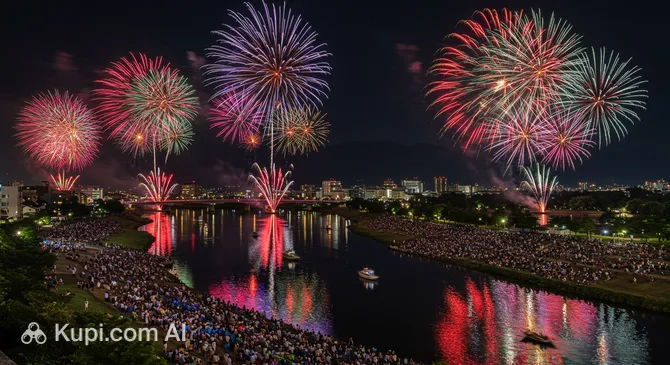
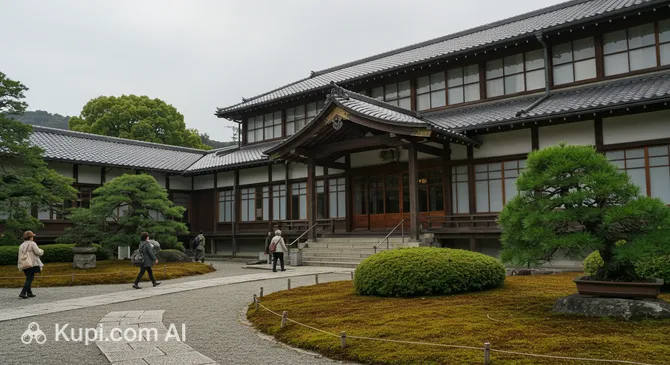
Nagaoka. Illustration.
Source: Kupi.com AI

One of Nagaoka's main highlights is its famous festivals, especially the grand summer fireworks festival, which attracts visitors from all over the country and abroad. Additionally, tourists can enjoy unique museums, authentic markets, ancient temples, scenic parks for walking, and, of course, the famous sake breweries, where you can taste genuine Japanese sake.

Nagaoka is a city that doesn't strive to impress with ostentatious luxury but instead wins hearts with its sincere Japanese soul and simple joys of life. If you are looking for a place to take a break from the bustle of megacities, enjoy authentic Japanese culture and cuisine, and immerse yourself in an atmosphere of genuine warmth, Nagaoka will be a true discovery for you.

You can find more interesting facts on the Nagaoka city history page.
Weather Overview

The weather in Nagaoka has a distinct seasonal character. Summer here is warm and quite humid: the average temperature in the hottest month, August, is around 26.7°C (maximums can reach 30.5°C), while July and August also see a significant number of rainy days. Winters in Nagaoka are cold, with the average January temperature holding at 1.2°C (minimums can drop to -1.6°C), and are characterized by frequent precipitation, primarily in the form of snow, especially in December and January. Spring and autumn are transitional seasons with more moderate temperatures and a smaller but still regular amount of rainfall. To get a more detailed idea of the weather conditions throughout the year, you can check out the information on the Nagaoka climate.

Average monthly temperature

Average monthly precipitation

Interesting Facts

Beyond its well-known landmarks, the city of Nagaoka hides many fascinating stories and facts that reveal its unique character. Ready to learn a few of them?

Admiral Isoroku Yamamoto Memorial Museum. Illustration.
Source: Kupi.com AI

Traveler photos:

  • Nagaoka is famous throughout Japan for its grand Nagaoka Festival Grand Fireworks, which is considered one of the three most impressive pyrotechnic shows in the country. Every year during the first week of August, the sky over the city is lit up by more than 20,000 shells, serving as a symbol of hope and rebirth for the locals.

  • The city is a true capital of sake: there are 16 breweries operating here—an absolute record for a single city in Japan! Each brewery carefully preserves its unique recipes and traditions, and tasting local sake is considered an essential part of getting to know Nagaoka.

  • Nagaoka possesses a rich historical heritage. One of its iconic sites is the Admiral Isoroku Yamamoto Memorial Museum, dedicated to a prominent figure in Japanese history. Additionally, the city has many museums focused on regional culture and art.

  • Seafood lovers should visit Teradomari Fish Market Street. This colorful location is where you can not only taste but also buy seafood directly from the stalls, experiencing the authentic atmosphere of a traditional Japanese market where traditions are passed down through generations.

How to Get There

There are several ways to reach Nagaoka in Japan, and the best choice depends on your starting point and preferences. The most popular options for tourists involve flying into a regional or major international airport followed by a trip on the Shinkansen bullet train or other local transport.

While Nagaoka itself does not have its own airport, several air hubs are located within a reasonable distance and can serve as convenient arrival points. These include:

  • Niigata Airport (IATA: KIJ), located in Niigata City, approximately 61 km north of Nagaoka. This is a fairly large regional airport that handles many domestic flights. The journey from Niigata Airport to Nagaoka by car or public transport takes roughly 1.5 to 2 hours.
  • Fukushima Airport (IATA: FKS), located in Fukushima City, about 142 km from Nagaoka. This mid-sized airport primarily serves domestic destinations. The trip from Fukushima Airport to Nagaoka takes about 3.5 to 4 hours.

Many international travelers arrive in Japan via the country's main international hubs, such as Narita Airport (IATA: NRT) or Haneda Airport (IATA: HND) in Tokyo. From Tokyo, Nagaoka is easily accessible via the Shinkansen bullet train.

For your convenience, here is a summary of some airports that can be considered for a trip to Nagaoka:

AirportPassenger trafficDistance
Niigata Airport1.1 mln61 km
Fukushima Airport250 000142 km
Matsumoto Airport112 618164 km
Noto Airport207 427168 km
Junmachi Airport223 111171 km

Railway travel is one of the most convenient ways to get around Japan. Nagaoka is an important station on the Joetsu Shinkansen high-speed line. This provides direct and fast connections to Tokyo (travel time about 1.5 to 2 hours), Niigata, and other major cities. Shinkansen trains are known for their comfort, speed, and punctuality.

Nagaoka can also be reached by car. The city is well-connected to Japan's expressway network. Renting a car can be a convenient option if you plan to explore Niigata Prefecture and its scenic surroundings at your own pace.

Main Attractions

Nagaoka, a city with a rich history and culture, offers travelers several interesting places to visit. These include historical monuments as well as spots where you can get acquainted with local traditions and cuisine.

One of the city's key landmarks is the Admiral Isoroku Yamamoto Memorial Museum. This museum is dedicated to the life and career of the famous Japanese fleet admiral, who was born in Nagaoka. The museum's exhibits include personal belongings, documents, and ship models, making it particularly interesting for history buffs and those who want to better understand important moments from Japan's past.

Admiral Isoroku Yamamoto Memorial Museum. Illustration.
Source: Kupi.com AI

Traveler photos:

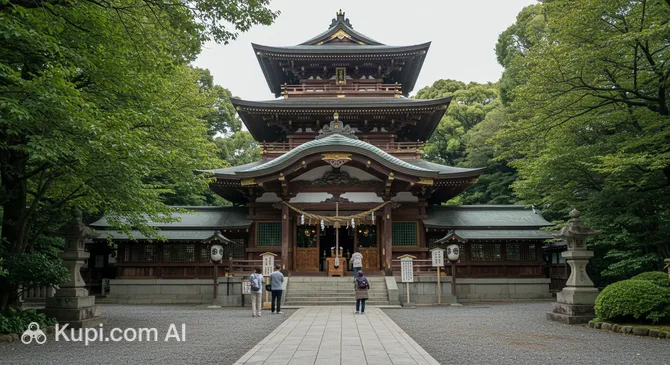
For those interested in Japan's spiritual culture, the Kinpu Shrine is a must-visit. This Shinto shrine attracts visitors with its peaceful atmosphere and beautiful traditional architecture. Visiting the shrine provides an opportunity to experience ancient Japanese beliefs and enjoy silence and tranquility away from the city's hustle and bustle.

Kinpu Shrine. Illustration.
Source: Kupi.com AI

Traveler photos:

To experience Nagaoka's gastronomic side, it's worth stopping by Aoshima Shokudo Miyauchi. This popular local spot is where you can try authentic regional dishes. Visiting such places is a great way not only to enjoy a delicious meal but also to better understand the culture and daily life of the locals.

Aoshima Shokudo Miyauchi. Illustration.
Source: Kupi.com AI

Traveler photos:

Local Cuisine

The culinary scene in Nagaoka is a true paradise for foodies, where tradition meets the freshest local ingredients. The city is famous for its bounty from the Sea of Japan and high-quality sake, offering travelers a unique gastronomic experience. If you want to truly taste the Niigata region, Nagaoka will be an unforgettable discovery.

The main pride of local cuisine is undoubtedly the fresh seafood. Be sure to try juicy shrimp, crabs, scallops, and various fish delivered by fishermen directly from the Sea of Japan—for example, at the famous Teradomari market. Besides seafood, you should pay attention to traditional Japanese dishes: aromatic ramen, hearty udon, delicious yakisoba, and, of course, sushi made from the freshest local fish. A special place in Nagaoka's gastronomy is held by farm-to-table cuisine—rice, vegetables, and fruits grown in nearby fields are famous for their excellent taste and eco-friendliness.

No introduction to Nagaoka's cuisine would be complete without tasting the local sake. The soft water from the Shinano River and special rice varieties create ideal conditions for producing this famous Japanese drink. Many local breweries happily open their doors to tourists, offering tours and tastings where you can not only try rare types of sake but also learn the secrets of its production. This is a unique opportunity to experience centuries-old brewing traditions. Besides sake, you will find a wide selection of traditional Japanese non-alcoholic drinks in Nagaoka. Be sure to try different types of green tea, such as refreshing sencha or rich matcha, which are an integral part of Japanese culture. On a hot day, it's pleasant to cool off with ramune, a carbonated drink with its characteristic glass bottle and marble.

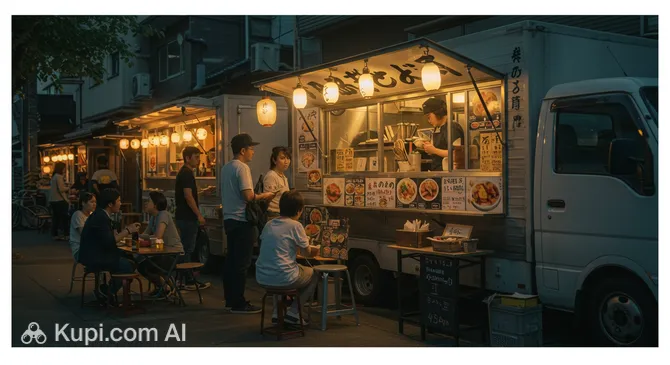
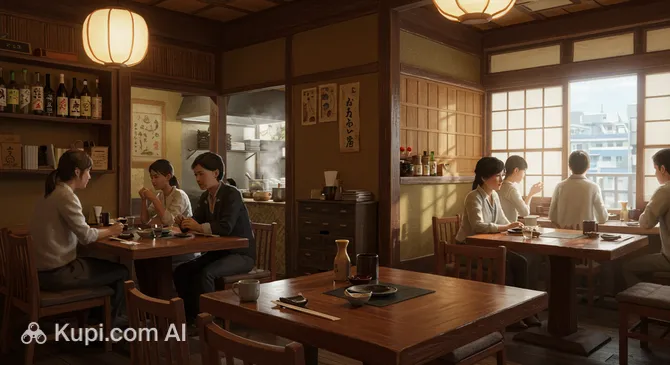
The food culture in Nagaoka is diverse: from cozy traditional restaurants to lively street stalls where you can grab a quick and tasty snack. Locals and tourists love to visit establishments specializing in local products. One such place where you can taste authentic local cuisine is the restaurant Hirohashi. Also, don't miss the chance to visit food festivals that often take place in the city, especially in summer and autumn. This is a wonderful opportunity to try seasonal delicacies and participate in cooking workshops.

Hirohashi. Illustration.
Source: Kupi.com AI

Traveler photos:

For tourists, Nagaoka offers a unique combination of authentic flavors and gastronomic discoveries. Signature dishes not to be missed include the freshest seafood from the Sea of Japan, the famous local sake, and dishes made from high-quality local rice and vegetables. The general character of the city's food scene is an emphasis on freshness, ingredient quality, and deep respect for culinary traditions, making every dish special.

Travel Tips

Planning a trip to Nagaoka? Excellent! To ensure your journey through this interesting city in Japan is as comfortable as possible and leaves only pleasant impressions, we've prepared some practical tips for you.

  1. Clothing and Essentials: Nagaoka's climate features four distinct seasons. Summers (June-August) are hot and humid, so pack light clothing. Winters (December-February) are cold and snowy, so warm layered clothing, a waterproof jacket, and snow boots are essential. Spring and autumn are pleasant, but the weather can be changeable. Regardless of the season, comfortable walking shoes are your best friend. Don't forget a universal adapter (Japan uses Type A and B sockets, 100V). When visiting temples and shrines, there is usually no strict dress code for tourists, but showing respect, such as removing your shoes before entering certain areas, is appreciated.
  2. Getting Around Town: It is convenient to get around Nagaoka using public transport, mainly local trains (JR lines) and buses. For fare payment, consider getting an IC card (such as Suica or Pasmo, though there may be local equivalents). Taxis are available but are quite an expensive way to travel. Taxi apps like JapanTaxi or Go are gaining popularity. Renting a car can be useful if you plan to explore the Niigata Prefecture countryside, but keep in mind that parking in the city can be difficult, and traffic is on the left.
  3. Finances: The local currency is the Japanese Yen (JPY). It's best to exchange money at the airport upon arrival or at major bank branches. Credit cards (Visa, Mastercard) are accepted in many hotels, department stores, and restaurants, but it is always helpful to carry some cash for small shops, local markets, temples, and certain types of transport. ATMs that accept international cards can be found in 7-Eleven stores (Seven Bank) and at the post office (Japan Post Bank). A rough daily budget (excluding accommodation) can range from 7,000 to 15,000 JPY. Tipping in Japan is not practiced and may be perceived as impolite.
  4. Health and Safety: Pharmacies (薬局 - yakkyoku or ドラッグストア - doraggusutoa) are easy to find, but staff may not always speak English. It's recommended to carry a basic first-aid kit. In case of serious health issues, go to a major hospital; travel insurance is highly recommended. Nagaoka, like Japan in general, is a very safe place. Follow standard precautions against petty theft. Also, remember that Japan is in a seismically active zone, so familiarize yourself with earthquake safety rules.
  5. Communication: The official language is Japanese. English is understood in tourist spots, hotels, and major stations, but its prevalence is generally limited. Learn a few basic Japanese phrases: "konnichiwa" (hello), "arigato" (thank you), "sumimasen" (excuse me/sorry). This will help immensely when interacting with locals. For connectivity, you can buy a local SIM card or rent a pocket Wi-Fi. Free Wi-Fi is available in some public places and hotels. Useful apps: Google Maps, Japan Travel by Navitime (for route planning), Google Translate.
  6. Local Etiquette: Bowing is a common form of greeting. In public transport, it is customary to keep quiet and avoid talking loudly on the phone. Remove your shoes before entering Japanese homes, some temples, and traditional restaurants (usually there is a specific place for this). Do not stick your chopsticks vertically into a bowl of rice—this is associated with funeral rituals. Also, try not to eat or drink while walking on the street.
  7. What to Avoid: Avoid talking loudly on public transport, as it is considered bad manners. Strictly avoid tipping—it can confuse or even offend the staff. Avoid pointing at people or objects with one finger; if you need to indicate a direction, do it with your whole palm.
  8. Nagaoka's Special Highlight: The city is famous for one of Japan's three great fireworks festivals—the "Nagaoka Matsuri Ohanabi Taikai," which takes place in early August. If your trip coincides with this time, it is an unforgettable spectacle, but you must book accommodation and transport well in advance. Additionally, Niigata Prefecture, where Nagaoka is located, is known for its excellent rice and sake—be sure to try the local varieties!

We hope these tips help you better prepare for your trip and get the most out of discovering Nagaoka. We wish you an exciting journey!

Entertainment & Nightlife

Nagaoka might not be famous for the frantic nightlife of megacities, but it still offers plenty of cozy spots for evening relaxation. After sunset, the city provides guests and locals with various ways to spend time, from traditional Japanese bars to modern establishments.

The main concentration of evening entertainment is usually found in the areas surrounding Nagaoka Station. Here, you can find many izakayas (Japanese pubs), small bars, and restaurants that stay open late. The atmosphere in these venues is typically relaxed and friendly. The crowd is a mix of office workers stopping by for a drink after work, young people, and tourists. There is usually no specific dress code, and casual attire is welcome. Many places are open until midnight or even later, especially on weekends.

If you are looking for a dinner spot that can serve as a starting point for an evening stroll, look into local restaurants. For example, Aoshima Shokudo Miyauchi or Hirohashi offer local cuisine and can be an excellent start to your evening. While these aren't nightclubs in the traditional sense, they allow you to immerse yourself in local culinary culture before heading out to explore other options.

Besides izakayas, you can find karaoke bars in Nagaoka, which are very popular in Japan and offer a fun way to spend time with friends. Some restaurants offer evening sets or special menus. Regarding dance clubs, the selection in Nagaoka may be more limited compared to larger cities, but small bars with live music or DJ sets can sometimes be found.

Practical Tips: The best time to visit bars and restaurants is after 7:00 PM. Prices can vary, but on average, dinner with drinks will cost a reasonable amount. At night, it is most convenient to get around the city by taxi. You can call a taxi via apps or ask the venue staff to do it for you. The areas around the station and the main streets are considered quite safe for nighttime walks, but you should always follow standard precautions.

During the day, Nagaoka also offers interesting leisure options. History enthusiasts can visit the Admiral Isoroku Yamamoto Memorial Museum to learn more about this important historical figure. It’s also worth stopping by Kinpu Shrine to experience Japan's spiritual culture. The city also has parks for walking and outdoor relaxation.

While Nagaoka may not be a 24/7 party hub, it offers a pleasant and authentic atmosphere for those who want to enjoy an evening in traditional Japanese style or simply have a good time after a busy day.

Parks & Museums

Nagaoka, a city with a rich history and a picturesque location in Niigata Prefecture, offers its guests a harmonious blend of well-kept green spaces for relaxation and interesting cultural sites showcasing the heritage of Japan.

One of the top spots for nature lovers is the Echigo Hillside National Government Park. This expansive park offers diverse landscapes, seasonal flower displays, playgrounds for children, and opportunities for active recreation. It is especially beautiful in spring during the bloom and in autumn when the foliage changes color. Another vital natural artery of the city is the Shinano River, Japan's longest river. Its banks are a wonderful place for walks, picnics, and enjoying the views, especially during Nagaoka's famous fireworks festival.

The site of the former Nagaoka Castle, although the castle itself has not been preserved in its original form, now serves as a public park. Here, you can walk among historical reminders of the past and enjoy a peaceful atmosphere in the city center.

For those interested in history, one of the key locations is the Admiral Isoroku Yamamoto Memorial Museum. The exhibit is dedicated to the life and career of this famous Nagaoka native, one of the significant figures of 20th-century Japanese history. The museum offers a deep look into his personality and era.

To better understand local culture and history, it's worth visiting the Nagaoka City Museum of Local History. It houses artifacts that tell the story of the city's development from ancient times to the present day, including its periods of prosperity and important historical events.

In addition to museums, Nagaoka has other significant historical sites. For example, Kinpu Shrine is an important spiritual center and a beautiful example of traditional Japanese temple architecture. It is a quiet and serene place to experience local beliefs and traditions.

For a more authentic experience, take a walk through the city's residential streets, where you can find small local temples and shrines not always listed in standard tourist guides. Also, don't miss the chance to try local cuisine in one of the traditional restaurants, such as Aoshima Shokudo Miyauchi or Hirohashi, to feel the true taste of Nagaoka.

Getting Around

When planning your travel around Nagaoka, it's worth noting that the main form of public transport in the city is the bus. Rail transport, primarily JR lines, plays an important role in connecting with other cities and some areas of the prefecture, but within the city itself, the bus network is the most extensive and convenient for tourists.

The fare payment system in Nagaoka is fairly standard for Japan. The most convenient way is to use prepaid IC cards, such as Suica, Pasmo, or ICOCA, which are accepted on most buses. These cards can be topped up at train stations or some convenience stores. Cash payment is also possible directly when boarding or exiting the bus (depending on the bus type; usually, payment is made upon exit, and a ticket with a zone number is taken upon entry). The fare depends on the distance. Sometimes day passes for certain zones or routes may be available; it's worth checking for these at stations or asking the drivers.

Single-trip tickets when paying in cash are usually obtained upon boarding the bus (a small ticket with a zone number) and paid to the driver upon exiting, based on the information on the display board, which shows the fare from your boarding zone to the current stop. An IC card must be tapped on the reader both when entering and exiting. Buses in Nagaoka generally start running early in the morning and finish late in the evening, but schedules can vary depending on the route and the day of the week. It is recommended to check the schedule in advance, especially if you plan to travel to remote areas or at late hours.

As an alternative to public transport, taxis are always available in Nagaoka. They can be found at designated stands near train stations, major hotels, or called by phone. This is a more expensive but comfortable way to travel, especially with luggage or for groups. In some parts of the city, especially near tourist sites or parks, bicycle rentals may be available, which is a great way to leisurely explore the surroundings in good weather.

Accommodation

In Nagaoka, travelers will find a variety of accommodation options to suit different preferences and budgets. The city offers a range from economical guesthouses and hostels to comfortable mid-range hotels. For those who prefer more independence or are traveling as a family, apartment rentals are also available.

When choosing a place to stay in Nagaoka, tourists should focus on the areas near Nagaoka Station. This is the city's main transport hub, making it easy to reach most attractions and take trips to the surrounding areas. Staying in this part of the city ensures convenient travel both within Nagaoka and beyond.

The city features a number of hotels offering various levels of service. While specific hotel examples were not provided, you can easily find suitable options through popular online booking services by checking reviews from other travelers. Choices include both chain hotels and local inns, each offering its own unique experience.

When planning a trip to Nagaoka, especially during peak seasons like the famous fireworks festival in August or Japanese national holidays, it is strongly recommended to book accommodation in advance. This will help ensure the best selection and better prices.

The price range for accommodation in Nagaoka varies: you can find both budget options and mid-range hotels. The most common booking methods are international and Japanese online platforms such as Booking.com, Agoda, Rakuten Travel, or Jalan. Some hotels also offer the possibility of direct booking through their official websites.

Nearby Cities

For those looking to explore the surroundings, Nagaoka serves as an excellent starting point for day trips to several interesting nearby locations:

CityPopulationDistance
Mitsuke39 02411 km
Ojiya33 72915 km
Sanjo93 67123 km
Tsubame76 59025 km
Uonuma34 11226 km

Several destinations stand out among these cities for exciting day trips:

Niigata, the prefectural capital, attracts visitors with its lively atmosphere as a major port city, modern shopping centers, and cultural sites like the Niigata City Art Museum or the Marinepia Nihonkai Aquarium. It's a great place to experience the region's urban life and enjoy a variety of restaurants offering the freshest seafood.

Sanjo, located just 23 kilometers from Nagaoka, is famous for its centuries-old traditions in metalworking and the production of high-quality knives and tools. Visitors can look into artisan workshops, learn more about this unique heritage, and enjoy the peaceful atmosphere of a small Japanese city with picturesque views along the Shinano River.

A trip to Kashiwazaki, located on the coast of the Sea of Japan, offers the chance to enjoy beautiful beaches like Kashiwazaki Chuo and the fresh sea breeze. The city is also known for its scenic coastal views, Akasakayama Park, and the annual Gion Kashiwazaki Fireworks Festival, one of the largest in Japan.

These and other nearby destinations allow for a deeper immersion into the diverse culture and picturesque landscapes of Japan's region. Each such trip from Nagaoka promises new discoveries, whether it's exploring historical sites, natural beauty, or unique local traditions.

Shopping & Souvenirs

Nagaoka, located in Niigata Prefecture, offers tourists a pleasant shopping experience that combines modern conveniences with local flavor. The city is not a major international fashion hub, but you can find high-quality Japanese goods, unique local products, and souvenirs here. Nagaoka and Niigata Prefecture are particularly famous for their sake, Koshihikari rice, and the work of local artisans.

The main shopping areas in Nagaoka are concentrated around Nagaoka Station. Here you will find large department stores as well as small specialized shops. A stroll through the nearby streets and covered shopping arcades (shotengai), if available, will allow you to discover many interesting boutiques offering clothing, home goods, cosmetics, and local delicacies.

In Nagaoka, as in many Japanese cities, there are modern shopping centers and department stores, often located right next to the main station. They offer a wide range of goods—from clothing and accessories by famous brands to electronics and food products. These centers are convenient as they bring many stores under one roof and often feature food courts and restaurants.

While Nagaoka may not be famous for large tourist markets, it's worth keeping an eye out for local food markets or fairs if any are held during your visit. Here you can buy fresh local products, seasonal vegetables and fruits, and try regional specialties. Sometimes these markets also feature small souvenir stalls.

From Nagaoka, it's worth bringing back traditional Japanese souvenirs and local specialties. First and foremost is the high-quality local sake—Niigata Prefecture is one of the leaders in its production in Japan. Products made from Koshihikari rice, which the region is famous for, are also popular—this can be the rice itself or rice-based products (for example, senbei rice crackers). Look for local sweets (wagashi) and handmade items. Since Nagaoka is known for its grand fireworks festival, you can look for souvenirs related to this theme.

Most shops in Nagaoka are typically open from 10:00 or 11:00 AM to 7:00 or 8:00 PM. Department stores and large shopping centers may stay open longer. Regarding payment, credit cards (Visa, MasterCard, JCB, American Express) are widely accepted in most stores, especially in large retail outlets. However, it is always useful to have some cash on hand, especially for purchases in small shops, markets, or some restaurants.

For foreign tourists in Japan, there is a consumption tax refund system (Tax Free). Look for stores with the "Japan Tax-Free Shop" sign. Usually, to qualify for a tax refund, you need to make a purchase of a certain amount (most often over 5,000 yen excluding tax) in one store on the same day and present your passport. The process can happen either directly at the checkout or at a special Tax Free counter in the shopping center.

Reached the end of the page?

That means the route is fully explored