Support

Myoko

About

Myoko is a charming town nestled at the foot of the majestic Mount Myoko in Niigata Prefecture, on the northern part of Honshu island. This location in Japan is famous for its unique geographical setting, where dense forests meet crystal-clear rivers and alpine meadows. Mount Myoko itself, an active volcano standing at 2,454 meters, is among the hundred most famous peaks in the country, providing the town with stunning views and opportunities for outdoor activities all year round.
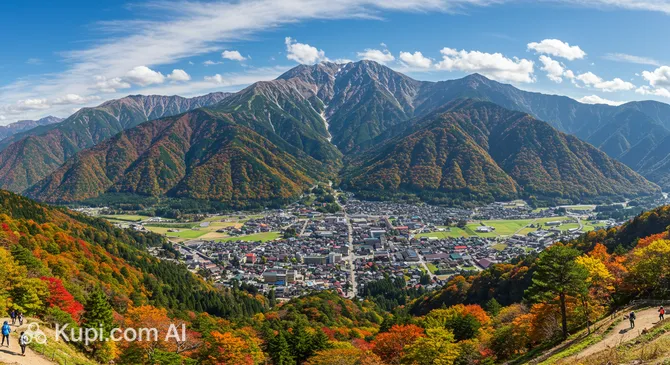
Myoko. Illustration.
Source: Kupi.com AI

Myoko is home to about 30,300 people. The town harmoniously combines the tranquility of provincial life with a well-developed tourist infrastructure. A special atmosphere of leisure, friendly locals, and a deep connection with nature prevails here, creating the perfect environment for a break from the city bustle.

Myoko is a true paradise for adventure seekers and nature lovers. In winter, the town attracts fans of skiing and snowboarding thanks to abundant snow and excellent runs, including opportunities for off-piste riding. In summer, Myoko becomes a hub for hiking, cycling routes, and famous hot springs (onsens). In addition to active recreation, you can immerse yourself in the atmosphere of Japanese traditions, get acquainted with local culture, and enjoy authentic rural cuisine.

A visit to Myoko will give you unforgettable impressions of breathtaking landscapes, clean mountain air, and the comfort of traditional ryokan inns. It is a place where everyone will find something to their liking, whether it be extreme sports, peaceful walks through the forests, or relaxing evenings in onsens. Come to Myoko to discover an amazing corner of Japan!

You can find more interesting facts on the Myoko city history page.
Weather Overview

The weather in Myoko has a pronounced seasonal character. In summer, especially in July and August, it is warm: the average air temperature is about 24-25°C, and the maximum can rise to 27-29°C. Winters, by contrast, are cold. In January and February, the average temperature is about 0-1°C, and in December, it's about 3°C, often dropping below zero at night. Precipitation falls throughout the year, with the highest number of wet days occurring in winter months, such as January (26 days) and December (25 days), as well as in mid-summer, for example, July and August (22 days each). Overall, expect warm summers with periodic rains and cold, snowy winters in Myoko. You can find more detailed information on the Myoko Climate page.

Average monthly temperature

Average monthly precipitation

Interesting Facts

In addition to its famous ski resorts and picturesque landscapes, Myoko holds many amazing stories and features that make it a truly unique place. Here are just a few interesting facts about this charming corner of Japan:

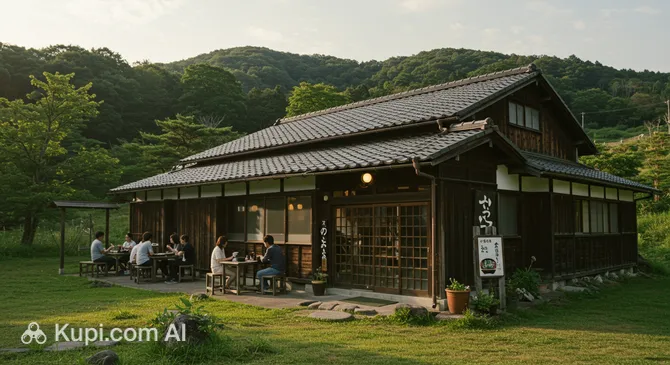
Tachibana Pork Miso Soup Shop. Illustration.
Source: Kupi.com AI

Traveler photos:

  • Mount Myoko, one of Japan's most recognizable peaks, is shrouded in ancient legends. Locals believe the mountain is the abode of spirits who protect the surroundings and bring good luck to travelers. In ancient times, it was revered as a sacred place, and small Shinto shrines can still be found at its foot.

  • The Naena-taki waterfall, which is included in the prestigious list of Japan's hundred most beautiful waterfalls, is located in the vicinity of Myoko. It is especially beautiful in autumn when the surrounding trees are painted in crimson and gold tones. There is a belief that a wish made at the moment when a rainbow touches the waterfall's waters will certainly come true.

  • Myoko is famous for its unique climate, which results in one of the highest amounts of snowfall in all of Japan during winter. This snow is so fluffy and dry that it has earned the nickname "Japow" (Japanese powder) and is considered a true dream for skiers and snowboarders.

  • Vibrant traditional festivals dedicated to the changing seasons and harvest celebrations are held annually in Myoko. One of the most spectacular is the fire festival, during which residents organize impressive torchlight processions and fire performances, seeking to drive away evil spirits and attract good luck for the coming year.

How to Get There

You can reach the city of Myoko, picturesquely located in Niigata Prefecture in Japan, in several ways. For most international and domestic tourists, the most convenient option will be a flight to one of the regional airports, from where Myoko can be reached by ground transport.

Myoko itself does not have its own airport; however, several air harbors are within a reasonable distance. One of the closest options is Matsumoto Airport (IATA: MMJ), located in the city of Matsumoto, about 100 km south of Myoko. This is a small regional airport primarily serving domestic flights. A trip from Matsumoto Airport to Myoko by car or bus will take approximately 2.5-3 hours.

Another airport to consider is Toyama Airport (IATA: TOY), located in the city of Toyama, about 104 km west of Myoko. This medium-sized airport also primarily serves domestic destinations but can accept international charters. The journey to Myoko from here will take about 3 hours.

A larger transport hub is Niigata Airport (IATA: KIJ), located in the city of Niigata, about 129 km north of Myoko. Despite the slightly greater distance, this airport may be a preferred choice due to the larger number of flights, including some international ones. Travel time to Myoko will be about 3.5 hours. It is also worth mentioning Komatsu Airport (IATA: KMQ) in the city of Komatsu; although it is further away (about 179 km), it is a major airport with a good selection of domestic and international flights.

After arriving at one of these airports, the journey to Myoko can be continued by train (Japan is famous for its developed railway network, including Shinkansen bullet trains and local lines), a regular bus, or a rental car. It is recommended to study the schedules and routes of public transport from the selected airport to Myoko in advance to plan your trip most effectively.

For clarity, here is a summary of the main airports from which you can reach Myoko:

AirportPassenger trafficDistance
Matsumoto Airport112 618100 km
Toyama Airport736 740104 km
Noto Airport207 427119 km
Niigata Airport1.1 mln129 km
Komatsu Airport1.8 mln179 km

Main Attractions

Myoko, located in Niigata Prefecture, is famous for its magnificent mountain landscapes, abundance of snow in winter, and hot springs. This region offers tourists a variety of holiday opportunities, from active winter sports to peaceful nature contemplation and exploring local cuisine.

One of the main reasons to visit Myoko is its famous ski resorts, collectively known as Myoko Kogen. This area combines several resort zones, such as Akakura Onsen, Ikenotaira Onsen, and Suginohara, offering runs for skiers and snowboarders of all levels. Myoko is renowned for its high-quality fluffy powder snow and a long skiing season. In addition to skiing, the resorts offer après-ski entertainment and scenic views.

For nature lovers, Imori Pond is a must-visit. This picturesque spot is especially beautiful in spring when the mizubasho (Japanese skunk cabbage) blooms, and in autumn when the tree foliage turns vibrant colors, reflecting in the calm water of the pond. The shores of the pond offer a wonderful view of Mount Myoko, making it a popular spot for walks and photography.

Another natural gem of the region is Naena Falls. This powerful waterfall, also known as the "Earthquake Waterfall" because of the roar of the falling water, is particularly impressive during the snowmelt period or after rains. Surrounded by lush greenery in summer and bright autumn colors, it attracts tourists with its pristine beauty and opportunities for hiking in the surrounding area.

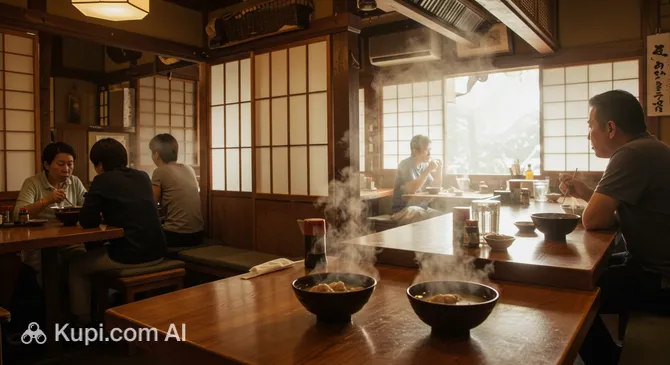
After an active day in the fresh air, it is worth exploring the local cuisine. One interesting place for this is Tachibana — a pork miso soup restaurant. Here you can try a hearty and aromatic traditional dish that is especially warming in cold weather. This is an excellent opportunity to appreciate local gastronomic specialties.

Tachibana Pork Miso Soup Shop. Illustration.
Source: Kupi.com AI

Traveler photos:

Omori Arai. Illustration.
Source: Kupi.com AI

Traveler photos:

Also worth noting is the restaurant Omori Arai. While the details of its menu may vary, visiting local restaurants like this always gives a chance to discover the authentic flavors of the Myoko region and enjoy the hospitality of the locals. It is a wonderful place to have a snack and rest, immersing yourself in the atmosphere of the Japanese countryside.

Local Cuisine

The gastronomy of Myoko is a real discovery for connoisseurs of simple but incredibly delicious food based on the freshest local products. Surrounded by mountains and pure streams, this region of Japan is famous for its gifts of nature, which are reflected in every dish, offering tourists an authentic culinary experience.

A special pride of Myoko is the famous Koshihikari rice, one of the most fragrant and sweet in the country. It is served as a stand-alone dish or as part of onigiri with various fillings of fresh fish and pickled vegetables. In winter, you should definitely try nijukan — a thick and hearty soup with noodles, vegetables, and meat, perfectly warming after an active day in the fresh air. The menu also often includes dishes made from game and fresh fish caught in mountain rivers, and in autumn — aromatic fried mushrooms from local forests.

The dining culture in Myoko is very hospitable and diverse. Here you will find cozy family restaurants serving traditional dishes, as well as specialized establishments like Tachibana — a pork miso soup restaurant, where you can try a rich local version of this popular dish. Authentic street food is also popular — for example, fragrant fish skewers cooked over charcoal. Be sure to check out the local farmers' markets: they are a real kaleidoscope of the freshest seasonal products, homemade pickles, regional cheeses, and original sweets, such as those made from chestnuts.

Tachibana Pork Miso Soup Shop. Illustration.
Source: Kupi.com AI

Traveler photos:

As for drinks, in Myoko, as throughout Japan, you can enjoy high-quality green tea. Lovers of stronger drinks will appreciate the local sake, which perfectly complements the dishes of regional cuisine. The city's gastronomic scene is also enlivened by regular food festivals where you can not only try traditional dishes but also participate in culinary workshops, taking home not only impressions but also new knowledge.

Travel Tips

Welcome to Myoko, a charming corner of Japan! To make your trip as comfortable and memorable as possible, we have prepared some practical tips. They will help you better navigate and enjoy every moment in this beautiful region.

  1. Clothing and Essentials: The climate in Myoko depends on the season. In winter, it is a paradise for skiers, so you will need warm layered clothing, waterproof jackets and pants, hats, gloves, and thermal underwear. In summer, the weather is warm and humid, so light clothing, sunscreen, and a hat will come in handy. In spring and autumn, the weather is changeable — bring both light and warm items. Comfortable shoes are a must at any time of year, especially if you plan to walk or ride a lot. Don't forget an adapter for electrical appliances (Japan uses type A and B sockets, 100V voltage). When visiting temples and shrines, choose modest clothing that covers shoulders and knees.

  2. Transport around the city and surroundings: Getting around Myoko itself and between resort zones is convenient by local buses, especially in the ski season when shuttles run. Taxis are also available but can be an expensive option. If you plan to explore Niigata Prefecture more broadly, renting a car might be a good idea, especially outside the winter season. Keep in mind that Japan has left-hand traffic. For travel between cities, the railway network is excellently developed, including Shinkansen bullet trains.

  3. Finance: The official currency is the Japanese Yen (JPY). Although credit cards are increasingly accepted in hotels, large shops, and restaurants, cash remains very important, especially in small establishments, local markets, and for paying fares on some buses. You can exchange currency at airports, banks, or specialized exchange offices. ATMs accepting international cards are most often found in post offices (Japan Post Bank) and 7-Eleven stores. Tipping in Japan is not practiced and may be perceived as an insult. An approximate daily budget can vary, but you should budget from 7,000 - 15,000 yen per person, excluding accommodation and expensive activities.

  4. Health and Safety: Myoko, like Japan in general, is a very safe place. Pharmacies (薬, kusuri) are available in populated areas, but the range of medicines may differ from what you're used to, and it's not always easy to find an English-speaking pharmacist. It is recommended to have a basic first-aid kit with you. Medical care for tourists is available but can be expensive, so it is highly recommended to have travel insurance. In emergencies, call 119 (fire service and ambulance). There are no particularly dangerous areas in Myoko, but always follow basic precautions.

  5. Communication: The main language is Japanese. In Myoko's tourist areas, hotels, and ski resorts, staff may speak English, but outside of them, English proficiency is less common. Learn a few basic phrases in Japanese, such as "konnichiwa" (hello), "arigato" (thank you), "sumimasen" (excuse me/sorry). For connectivity, it's convenient to purchase a tourist SIM card or rent a pocket Wi-Fi router — this can be done at the airport or ordered online in advance. Free Wi-Fi is available in many hotels and some cafes. Useful apps: Google Maps for navigation and HyperDia or Jorudan for train schedules.

  6. Local Etiquette: Japanese people are very polite and value respect for traditions. Instead of a handshake, a bow is often used — its depth depends on the situation. In public places, especially on transport, try not to talk loudly on the phone. When entering many homes, temples, and some traditional restaurants (ryokans), it is customary to remove your shoes. Do not point your finger at people. At the table, do not stick chopsticks vertically into rice — this is associated with funeral rituals.

  7. What to Avoid: Do not leave a tip — it is not customary and may embarrass the staff. Try not to eat while walking on the street unless it is a special area for street food. Loud conversations and noisy behavior in public places, especially on transport and in onsens (hot springs), are considered impolite.

  8. Myoko Special Feature — Onsens: Be sure to visit the local onsens (hot springs)! This is an important part of Japanese culture and a wonderful way to relax after an active day. Before plunging into the communal bath, you must wash thoroughly in the designated area. In most onsens, you bathe completely naked; swimsuits are not allowed. If you have tattoos, check the rules of the specific onsen — sometimes entry for people with tattoos may be restricted or prohibited.

We hope these tips make your stay in Myoko even more pleasant and carefree. Enjoy the unique nature, the hospitality of the locals, and the unforgettable impressions of your trip to this amazing corner of Japan!

Entertainment & Nightlife

Evening Myoko offers its guests a cozy and relaxing atmosphere, ideal for resting after a busy day on the slopes or walking through the picturesque surroundings. The nightlife here is not comparable to megacities, but it has its own charm, especially in the Akakura Onsen area, which is considered the main center of evening entertainment. The main bars, restaurants, and small shops are concentrated here.

Myoko's nightlife mainly revolves around traditional Japanese izakaya pubs, small cozy hotel bars, and a variety of restaurants offering both local and international cuisine. The atmosphere in such establishments is usually very friendly and relaxed, often gathering an international crowd of tourists and winter sports enthusiasts. Most places stay open until late evening, especially at the height of the season. The dress code is generally casual — comfort is valued above all else here.

For dinner or evening gatherings, you can consider establishments such as Tachibana — a pork miso soup restaurant, known for its hearty and aromatic dishes, or the Omori Arai restaurant, offering high-quality Japanese cuisine. These places are perfect for refueling and spending a pleasant time in the company of friends or family. Although these are restaurants, they are an important part of the city's evening life, where you can enjoy delicious food and drinks.

Tachibana Pork Miso Soup Shop. Illustration.
Source: Kupi.com AI

Traveler photos:

When planning your evening, keep in mind that the best time to visit bars and restaurants is after the lifts close. Prices in Myoko establishments vary: you can find budget options in small izakayas as well as more expensive offers in hotel restaurants. Getting around in the evenings within one resort village, such as Akakura Onsen, is convenient on foot. For trips between different areas of Myoko or if your accommodation is further away, it is better to take a taxi. It is recommended to book a taxi in advance through the hotel or ask restaurant staff to help call a car, especially during the peak season.

Myoko is considered a very safe place, and evening walks through the lit streets of resort zones usually do not cause concern. Nevertheless, you should always follow standard precautions. Taxis are a reliable way to get around at night if necessary.

As for daytime entertainment, besides outdoor activities like skiing and snowboarding in winter or hiking in summer, you can find small local museums in Myoko and its surroundings dedicated to the region's history or nature. While the town is not known for large theaters or amusement parks, its main charm lies in its stunning nature, sports opportunities, and traditional Japanese atmosphere of hospitality.

Parks & Museums

The city of Myoko and its surroundings offer travelers a magnificent combination of lush natural landscapes and interesting cultural sites, allowing them to touch the history and traditions of the region.

For nature lovers, Myoko is a true paradise. The heart of the region is the Myoko-Togakushi Renzan National Park, a vast area with volcanic peaks, including the famous Mount Myoko, alpine meadows, and picturesque hiking trails. Here you can enjoy hiking in summer and autumn, admiring the changing colors of nature, or skiing in winter. Imori Pond is particularly popular, known for its mirror-like reflections of Mount Myoko, especially beautiful in spring during the blooming of mizubasho (Japanese skunk cabbage) and in autumn. Another gem is the Sasagamine Plateau, located at an altitude of about 1,300 meters, offering cool air in summer, magnificent views, and opportunities for walking among alpine plants.

The cultural heritage of Myoko is represented by several interesting sites. While the town may not have large museum complexes like megacities, there are places that preserve the memory of significant personalities and events. One such is the Okakura Tenshin Memorial Park and Rokkakudo (Hexagonal Pavilion). Okakura Tenshin was an outstanding Japanese art historian and thinker who made a huge contribution to the preservation and development of Japanese art. The pavilion, designed by himself, is a symbol of his aesthetic views and a secluded place for reflection. Visitors can learn more about his life and influence on Japanese culture. It is also worth noting local temples and shrines, such as Sekiyama Shrine, which has a long history and plays an important role in the spiritual life of the community, offering a look into traditional Japanese architecture and religious practices.

For a deeper immersion in the local atmosphere, do not miss the opportunity to visit one of the many onsens (hot springs) for which the Myoko region is famous. This is not only a way to relax after an active day but also an important part of Japanese culture. Also look out for small local exhibitions or workshops where you can get acquainted with the crafts of the region and perhaps purchase unique souvenirs.

Getting Around

Getting around Myoko and its surroundings can be done in several ways, although, given its size and location in a mountainous area, the public transport system has its own characteristics. The basis of the transport network consists of local buses, which connect various districts of the city, ski resorts, and railway stations. Trains also play an important role, especially for arriving in Myoko from other cities and for trips to neighboring settlements.

The fare payment system in Myoko is fairly standard. In buses, you can usually pay in cash upon boarding or exiting (often the exact amount is required, so carry small change). Some routes may accept transport IC cards (such as Suica or Pasmo), which are popular in the country and greatly simplify the payment process. Train tickets are purchased at stations from machines or ticket offices. For tourists planning to move around a lot, it is worth checking locally for the availability of special day or multi-day passes for buses, especially if these are offered for resort zones.

Tourists are advised to check bus schedules in advance, as they may not run very often, especially in the off-season or in the evenings. Information about routes and schedules can usually be found at bus stops (sometimes only in Japanese), at railway stations, or at tourist information centers. Bus tickets are most often bought directly from the driver. Validation of IC cards occurs when entering and/or exiting the vehicle.

In addition to public transport, other travel options are available in Myoko. Taxis can be found at railway stations or ordered by phone, but this is a more expensive method. For more freedom of movement, especially if you plan to explore the picturesque surroundings or different ski slopes, renting a car is a convenient option. In the warmer months, bicycle rental can be considered for short trips through resort villages. In the winter season, many hotels and resorts organize special shuttle buses for their guests, taking them to the lifts or stations.

A feature of Myoko's transport system is its focus on serving tourists coming to the ski resorts. Therefore, in the winter period, the number of bus routes and shuttles may increase, connecting the main points of attraction. In summer, transport accessibility may be somewhat different, with an emphasis on access to hiking trails and natural attractions.

Accommodation

In Myoko, tourists have access to a diverse range of accommodation options capable of satisfying various preferences and budgets. Here you can find both inexpensive guest houses and hostels for budget travelers and comfortable mid-range hotels. Lovers of authentic Japanese experiences will appreciate the opportunity to stay in traditional ryokans (Japanese inns).

The choice of area to stay in Myoko often depends on the purpose of your trip. Many tourists prefer to stay near the ski resorts for which this region is famous, or near major transport hubs for ease of movement. Some areas offer a more secluded atmosphere, while others are closer to restaurants and shops, offering easy access to local cuisine.

Although there are no specific hotel examples in the information provided, Myoko offers a wide range of hotels, from cozy family guesthouses to larger hotels and traditional ryokans. You will be able to choose an option that meets your expectations for comfort level and range of services, whether it is simple lodging or a full-fledged holiday with additional amenities.

To guarantee yourself the best accommodation option, especially if your trip falls during the peak tourist season (for example, the winter ski season), it is recommended to book accommodation in advance. This will allow you not only to choose from a larger number of offers but also to potentially take advantage of better rates.

The price range for housing in Myoko varies from budget options to higher-class offers. It is convenient to book accommodation through popular international online booking platforms, as well as on the websites of local tourism associations or directly on hotel and ryokan websites. Comparing offers on several resources will help find the optimal price-quality ratio for your stay.

Nearby Cities

For those who want to explore the surrounding area, Myoko serves as an excellent starting point for day trips to several interesting nearby locations. Here are a few options that might interest you:

Nearby is Nagano, the city that hosted the 1998 Winter Olympics. It is famous for its majestic Zenko-ji temple, one of Japan's most revered Buddhist temples, attracting pilgrims and tourists with its ancient history and architecture. This is a wonderful place to get acquainted with Japanese spiritual culture.

Just 14 kilometers from Myoko is Joetsu. This city will be of interest to history buffs thanks to the ruins of Kasugayama Castle, once belonging to the powerful daimyo Uesugi Kenshin. Joetsu is also known for its coastal landscapes and opportunities for walking.

CityPopulationDistance
Joetsu187 29114 km
Iiyama19 27922 km
Iizuna10 13430 km
Yamanouchi11 10634 km
Itoigawa40 20035 km

These nearby destinations provide insight into the diverse culture and landscapes of the region.

Shopping & Souvenirs

Shopping in Myoko offers tourists the opportunity to purchase unique local goods and souvenirs reflecting the region's culture. The town is not famous for huge shopping malls like megacities, but here you can find authentic Japanese products, especially those related to Niigata Prefecture, known for its rice, sake, and crafts. The main focus is on shops with local products, goods for outdoor activities, and small souvenir shops.

The main retail outlets in Myoko are usually concentrated near the Myoko-Kogen railway station and in areas adjacent to popular ski resorts and onsens. Here you will find small shops offering sports equipment, especially for winter sports, as well as shops with local delicacies and souvenirs. A walk through these areas will allow you to plunge into the atmosphere of Japanese hospitality and find something special to remember your trip by.

Large shopping centers in the usual sense are not characteristic of Myoko. Instead, shopping here is represented by individual stores and small shopping arcades. Some hotels and resort complexes may have their own shops selling essential goods, souvenirs, and local products. These are more like cozy spaces for leisurely shopping than giant malls.

While Myoko may not have large permanent markets typical of big cities, seasonal fairs or farmers' markets may sometimes be held here. At such events, you can purchase fresh local products, home preserves, handmade items, and chat with local residents. It is best to check for information about such events locally, for example, at tourist information centers.

As souvenirs from Myoko and Niigata Prefecture, it is worth bringing back local sake, considered one of the best in Japan thanks to the pure water and high-quality rice. Rice products such as rice crackers (senbei) and mochi are also popular. Pay attention to traditional craft items, perhaps ceramics or textiles with local patterns. In winter, souvenirs with a ski theme are relevant. Don't forget local sweets and delicacies, such as pickled vegetables.

Most shops in Myoko usually operate from 10:00 or 11:00 AM to 6:00 or 7:00 PM. Small family-run shops may have individual schedules and a day off during the week. Regarding payment, cash remains a widespread means, especially in small shops and at markets. However, in larger retail outlets and tourist places, credit cards (Visa, MasterCard, JCB) are generally accepted. Contactless payments and payment using IC cards (e.g., Suica, Pasmo) are also becoming increasingly available.

For foreign tourists in Japan, a Tax-Free system is in place. When purchasing goods for an amount over 5,000 yen (excluding tax) in stores with the appropriate license (look for the "Tax-Free Shop" or "Japan Tax-free Shop" sign), you can arrange for a refund of the consumption tax. To do this, you must present your passport. The registration procedure usually takes place directly in the store at a special counter.

Reached the end of the page?

That means the route is fully explored