Support

Kurobe

About

Kurobe is a true gem of Toyama Prefecture in Japan, nestled at the foot of the majestic Northern Japanese Alps. The city stretches along the banks of the picturesque Kurobe River, surrounded by mountains, dense forests, and crystal-clear streams. It wonderfully combines the rugged beauty of mountain landscapes with the peaceful atmosphere of the traditional Japanese countryside, offering breathtaking scenery at every turn.
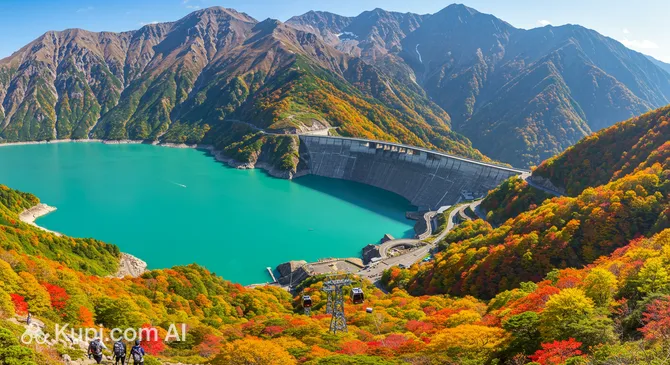
Kurobe. Illustration.
Source: Kupi.com AI

Home to about 40,000 people, Kurobe has managed to maintain a perfect balance between the slow pace of a small town and a well-developed infrastructure that attracts tourists. Kurobe is one of the key cities in the region thanks to its unique natural heritage and rich history. It gained particular fame for the Kurobe Dam—an impressive engineering feat that has become a symbol of the perseverance and skill of Japanese engineers.

The main charm of Kurobe lies in the freshness of the mountain air and the sense of silence and deep connection with nature. The city serves as a gateway to several unique routes. This is where the famous journey through the Kurobe Gorge on a charming vintage train begins, as well as part of the grand Tateyama-Kurobe Alpine Route—one of the country's most spectacular tourist paths, offering unforgettable views and adventures.

Kurobe is an ideal destination for those tired of the city bustle who wish to discover the authentic Japan, where each season paints nature in new, vibrant colors. Visit Kurobe to enjoy its tranquility, beauty, and unique opportunities for exploration.

You can find more interesting facts on the history of Kurobe page.

Weather Overview

In Kurobe, expect warm summers with frequent rain: average temperatures in July and August hover around 24-26°C, with rainfall reaching 9-11 mm. Winters here are cold, with average temperatures in January and December around 1-4°C, characterized by frequent precipitation, primarily in the form of snow (about 8 mm and up to 26 days with precipitation per month). Spring and autumn offer more moderate weather conditions. For a detailed look at the climate and monthly forecasts, visit the weather in Kurobe page.

Average monthly temperature

Average monthly precipitation

Interesting Facts

In addition to its widely known beauty, Kurobe hides many amazing stories and records that make it a truly unique place. Ready to learn some interesting facts about this corner of Japan?

  • The famous Kurobe Dam is not just an engineering marvel; it is the highest arch dam in all of Japan, reaching a height of 186 meters. Its construction in the 1950s and 60s was one of the country's largest projects, requiring the efforts of over 10 million people. A special tunnel was blasted through the mountain to deliver materials to the construction site, which was a significant technical achievement in itself.

  • Kurobe Gorge, one of the deepest and most picturesque V-shaped gorges in Japan, offers an unforgettable journey on a retro train with open-air carriages. The route passes by sheer cliffs, rushing rivers, and forests that turn incredible shades of crimson and gold in the autumn, making the trip a real adventure.

  • Kurobe is a true paradise for hot spring lovers. The Unazuki Onsen area is particularly popular, where you can soak in a traditional Japanese bath with a breathtaking view of the mountains and river. These spring waters are believed to have healing properties, rejuvenating both body and spirit.

  • The city boasts a unique record: it is home to the highest-altitude cruise boat in Japan! It operates on Lake Kurobe, located at an impressive altitude of 1,448 meters above sea level, offering passengers alpine views and a unique experience.

How to Get There

A journey to this picturesque corner of Japan begins with choosing the best route. Although the city is surrounded by mountains, the regional transport infrastructure is excellent. You can find more details on how to get to Kurobe to plan your trip as efficiently as possible, and below we look at the main air hubs serving travelers.

Since Kurobe itself does not have its own airport, travelers usually fly into neighboring cities. The closest and most convenient option is Toyama Airport (TOY). It is located in Toyama City, just 34 km from Kurobe. This is a regional hub handling both domestic and some international flights. The drive from the airport to the center of Kurobe by rental car or taxi takes about 50–60 minutes. You can also take a bus to Toyama Railway Station and then transfer to a train to Kurobe.

Another popular arrival option is Komatsu Airport (KMQ). This is a major aviation hub with a passenger flow of over 1.8 million people per year, located in the city of Komatsu. The distance to Kurobe is approximately 107 km. Due to the greater distance, travel time by taxi or car will be about 2–2.5 hours. However, this airport often offers more flight options, which can be convenient when planning a complex itinerary.

For clarity, here is summary information for the main airports:

AirportPassenger trafficDistance
Toyama Airport736 74034 km
Noto Airport207 42764 km
Matsumoto Airport112 61889 km
Komatsu Airport1.8 mln107 km
Nagoya Airport735 000185 km

In addition to air travel, it is important to note that Kurobe has excellent rail connections. The Shinkansen high-speed line passes through the city (Kurobe-Unazukionsen Station), allowing you to get here quickly and comfortably from Tokyo and other major Japanese metropolises. Using trains is often the fastest way to move around the country after arriving at one of the main international airports.

Main Attractions

The city of Kurobe, located in Toyama Prefecture, is famous for its natural beauty and unique attractions that draw travelers from all over. Here, everyone will find something to enjoy, from breathtaking landscapes to relaxing hot springs and glimpses into local culture.

One of the crown jewels of Kurobe is the famous Kurobe Gorge. It is one of the deepest V-shaped gorges in Japan, stunning visitors with its pristine beauty and grand scale. The best way to explore it is by taking a ride on the Kurobe Gorge Railway. This charming train slowly carries passengers through numerous tunnels and across bridges, revealing spectacular views of the emerald waters of the Kurobe River, sheer cliffs, and thick forests along the way. The ride itself is an adventure that allows you to enjoy the region's wild nature.

At the entrance to the Kurobe Gorge lies Unazuki Onsen—a popular hot spring resort town. It is an ideal place for rest and relaxation, especially after exploring the gorge. Unazuki features many traditional Japanese inns (ryokans) that offer healing thermal baths, often with beautiful views of the surrounding mountains and river. In addition to the onsens, you can stroll through picturesque streets, visit small local museums, and browse souvenir shops.

For art lovers, the Kurobe City Art Museum is open in Kurobe. The museum introduces visitors to the works of local artists and regularly hosts exhibitions of contemporary Japanese and international art. This is a wonderful opportunity to experience the cultural life of the region and see a variety of creative works, including painting, sculpture, photography, and installations, making it an interesting stop on the city's cultural map.

Local Cuisine

The culinary scene in Kurobe is a wonderful combination of treasures from the Sea of Japan and the bounty of the surrounding mountains. The city's culinary pride lies in its dishes made from the freshest fish and seafood. A special place among them is held by trout, caught in the crystal-clear waters of local rivers. Be sure to try it as delicate sashimi, charcoal-grilled to a golden crust, or prepared in a fragrant broth.

Equally attractive is Kurobe's so-called "mountain cuisine." Local chefs masterfully use seasonal vegetables and mushrooms gathered in mountain forests. In spring and autumn, rare varieties of mushrooms and wild plants appear in the markets, used to make delicious soups and light tempura. These dishes reflect the region's deep connection with its natural environment.

Strolling through the streets of Kurobe, you will inevitably come across stalls with traditional Japanese sweets. Treat yourself to mochi filled with sweet bean paste, airy rice cakes, or aromatic roasted chestnuts. Local markets and farm shops are great places to get acquainted with the daily food of the townspeople, try fresh produce, homemade pickles, and marinated vegetables.

In Kurobe, food is not just a way to satisfy hunger but an important part of cultural heritage. Gastronomic festivals are regularly held here, where you can not only enjoy seasonal delicacies but also learn the art of preparing traditional dishes. Locals and tourists alike enjoy meals in cozy restaurants as well as trying street food that holds the authentic flavors of the region. Meals here are often accompanied by traditional Japanese drinks that perfectly complement the richness of the local culinary delights.

Travel Tips

Welcome to Kurobe! To ensure your journey to this charming corner of Japan is as comfortable as possible and leaves only pleasant impressions, we have prepared some practical tips. Knowing these nuances will help you navigate better and enjoy every moment of your stay.

  1. Clothing and Essentials: The climate in Kurobe, like all of Japan, is clearly divided by seasons. In summer (June-August), it is hot and humid—choose light, breathable clothing. Spring (March-May) and autumn (September-November) offer mild weather, perfect for layered clothing. In winter (December-February), it can be cold and snowy, especially if you plan mountain trips, so warm clothes, including a hat, gloves, and waterproof outerwear, are essential. Comfortable shoes are crucial, as you will be doing a lot of walking. Don't forget a universal adapter (Japan uses Type A and B sockets, 100V) and a portable power bank for your gadgets. When visiting temples and shrines, there is usually no strict dress code, but modest clothing is appropriate.

  2. Transport: It is convenient to move around Kurobe and its surroundings using local trains and buses. The rail network is well-developed. Taxis are available but can be quite expensive. Ride-hailing apps like JapanTaxi or Go can be useful. Renting a car might be a good option if you plan to explore Toyama Prefecture more freely, especially picturesque but remote places like parts of the Kurobe Gorge. An international driving permit is required for rentals, and remember that driving in Japan is on the left side of the road.

  3. Finance: The local currency is the Japanese Yen (JPY, ¥). You can exchange money at airports, major banks, or post offices (Yucho Bank). It is recommended to carry some cash, as not all small establishments accept cards, though their use is becoming more common, especially in tourist areas. International credit and debit cards (Visa, Mastercard) are generally accepted in hotels, large stores, and restaurants. ATMs that accept international cards can be found at post offices and 7-Eleven convenience stores (Seven Bank). Tipping is not practiced in Japan and may even cause confusion. A rough daily budget per person (excluding accommodation) can range from 7,000 to 15,000 yen, depending on your plans.

  4. Health and Safety: Japan is one of the safest countries in the world, and Kurobe is no exception. Pharmacies ("kusuri" 薬) are easy to find, but pharmacists may not always speak English. Bring any necessary medications with a prescription. Medical care for tourists is available, but be sure to get travel insurance with good coverage. In emergencies, dial 119 (ambulance and fire service). Follow standard precautions, especially in crowded areas. Japan is prone to earthquakes, so familiarize yourself with basic safety rules for such situations.

  5. Communication: The official language is Japanese. English proficiency may be limited, especially outside tourist centers. Learn a few basic phrases: "Konnichiwa" (Hello), "Arigato gozaimasu" (Thank you), "Sumimasen" (Excuse me/I'm sorry). For connectivity, it's convenient to buy a local SIM card (at the airport or electronics stores) or rent a pocket Wi-Fi router. Free Wi-Fi is available in many hotels, cafes, and at stations. Google Maps for navigation and Google Translate will be very helpful.

  6. Local Etiquette: Japanese people highly value politeness and respect for others. When greeting, a slight nod or a small bow is sufficient. In public places, especially on transport, try to keep noise down and avoid talking loudly on the phone. Eating and drinking while walking is generally not done (except at festivals). Remove your shoes before entering Japanese homes, some temples, and traditional restaurants with tatami mats. Never stick your chopsticks vertically into a bowl of rice—this is associated with funeral rituals.

  7. What to Avoid: Try not to be late for meetings or transport—punctuality is highly valued. Also, avoid blowing your nose loudly in public; it's better to go to a restroom or use a tissue discreetly. Do not leave trash anywhere—Japan has a very strict waste sorting system; if you don't see a suitable bin, carry your trash with you until you return to your hotel.

  8. Special Tip for Kurobe: Kurobe is famous for its incredible Kurobe Gorge. If you plan to visit and ride the famous Torokko train (Kurobe Gorge Railway), especially during popular seasons like autumn with its colorful leaves, it is highly recommended to book tickets online in advance. The train operates seasonally (usually April to November), so always check the current schedule. It can be cooler in the gorge than in the city, so bring an extra layer of clothing.

We hope these tips help you feel more confident and get the most out of your trip to Kurobe. This city is capable of providing unforgettable impressions with its nature and culture. Have a great journey!

Entertainment & Nightlife

Evening in Kurobe offers guests a chance to immerse themselves in the cozy and authentic atmosphere of Japanese provincial life, which differs greatly from bustling megacities. While there may not be massive nightclubs or districts filled with neon signs until dawn, the city offers its own ways to enjoy the evening.

The core of nightlife in Kurobe, as in many Japanese cities of this size, revolves around traditional izakaya pubs. These are excellent places to try local dishes along with sake or beer in a relaxed setting. Izakayas are usually open until midnight or slightly later. Besides these, you can find small bars serving a variety of drinks and, of course, karaoke venues—a popular form of entertainment in Japan for groups of friends. Classic nightclubs may be absent or represented by small local venues with music on weekends.

Clusters of evening establishments can typically be found near Kurobe Station or along the central shopping streets. The atmosphere in these places is usually friendly and welcoming, catering more to locals than to mass tourism. The dress code in most venues is casual. The best time to visit is after 7:00 PM or 8:00 PM, when locals finish work and head out for dinner and drinks.

Regarding practical tips, the average bill in izakayas and bars is quite moderate. For getting around the city at night, taxis are the most convenient option, especially if you plan to stay out late, as public transport may stop running relatively early. Kurobe, like most cities in Japan, is considered safe for nighttime walks, though standard precautions should always be observed.

During the day, Kurobe also offers leisure opportunities. While the city is not known for large entertainment centers, you can find charming parks for walking and perhaps small local museums that introduce the history and culture of the region. For more active daytime entertainment, such as visiting large theaters or amusement parks, you may want to consider trips to larger neighboring cities in Toyama Prefecture.

Parks & Museums

Kurobe offers its guests a harmonious blend of natural beauty and cultural discoveries, allowing you to enjoy peaceful landscapes and learn about the region's rich heritage.

For nature lovers and outdoor enthusiasts, Kurobe is a true find. The city is nestled at the foot of the Japanese Alps, and its main natural jewel is undoubtedly the Kurobe Gorge. This is one of the deepest and most picturesque gorges in Japan, accessible via the famous sightseeing railway. The trip offers unforgettable views of sheer cliffs, an emerald river, and lush vegetation. The banks of the Kurobe River also offer wonderful places for walks and picnics, where you can enjoy tranquility and fresh air. Within the city itself, there are well-maintained parks, perfect for leisurely rest and observing the changing seasons.

Kurobe's cultural life is equally diverse. One interesting spot is the Selene Museum of Art, located near the Kurobe Gorge. Its collection often includes artworks inspired by the majestic nature of this region. Also worth visiting is the Kurobe City Art Museum, where you can see works by local artists and contemporary Japanese art. For those traveling with children or interested in science, the Kurobe Yoshida Science Museum offers interactive exhibits.

The city's historical heritage can be felt by visiting local temples and shrines. While Kurobe lacks grand ancient complexes, the small, cozy temples scattered throughout the city and its surroundings—for example, in the Unazuki Onsen area—preserve the spirit of traditional Japan and offer moments of peace. They are an important part of the local landscape and culture.

For a more authentic experience, stroll through the streets of the resort town of Unazuki Onsen, which is part of Kurobe and the gateway to the gorge. Here you can find small souvenir shops, try local delicacies, and even dip your feet in one of the public hot mineral water footbaths (ashiyu). Step into small family restaurants to taste local cuisine—it's an excellent way to experience the true flavor of the region.

Getting Around

Getting around Kurobe and its surroundings is quite convenient thanks to a well-developed public transport system, where trains and buses play the leading roles. For travel between city districts and to nearby settlements, you can use local railway lines such as the Ainokaze Toyama Railway and the Toyama Chihou Railway, which will take you to destinations like the popular Unazuki Onsen resort. Kurobe-Unazukionsen Station also serves Shinkansen high-speed trains, providing easy access to the city from other regions.

One of the region's main transport and tourist highlights is the Kurobe Gorge Railway. This is a narrow-gauge scenic railway that takes you through the stunning landscapes of the gorge. Trains typically run from April to November, and it is recommended to book tickets in advance, especially during peak season. This is not just transport, but a whole adventure that allows you to enjoy views of mountains, rivers, and bridges.

As for payment systems, many railway lines accept standard Japanese IC cards (such as Suica, Pasmo, ICOCA, and others), which is very convenient. Just tap your card on the turnstile at the entry and exit. Train tickets can also be purchased at station vending machines or ticket counters. For local bus trips, payment is most often made in cash directly to the driver upon boarding or exiting; sometimes exact change is required. Fares depend on the distance. For the Kurobe Gorge Railway, tickets are sold at its stations (for example, at Unazuki Station) or online.

Tourists should keep in mind that public transport, while running on schedule, usually stops running relatively early in the evening, especially in smaller towns. Train and bus schedules are available at stations and sometimes online. It is best to buy tickets for popular tourist routes, like the Kurobe Gorge Railway, well in advance, especially if your trip falls on a weekend or holiday.

If you need more flexibility or plan to visit places difficult to reach by public transport, alternatives are available. Taxis are available at major stations but can be quite expensive for long trips. Car rental is a good option for exploring the region at your own pace. In some tourist zones, such as the Unazuki Onsen area, you can find bicycle rental points for leisurely rides around the neighborhood.

Accommodation

When planning a trip to Kurobe, you will find a variety of accommodation options to suit most travelers' needs. The city offers traditional Japanese ryokans, providing a unique experience with onsens (hot springs) and local cuisine, as well as more familiar Western-style hotels of various comfort levels. For those seeking budget options or planning a long stay, guesthouses or apartments available for rent may be suitable.

When choosing a place to stay in Kurobe, look for areas near major transport hubs, such as railway stations. This will provide easy access to the city's attractions and its scenic surroundings. Areas near popular tourist sites, such as the Kurobe Gorge or the Unazuki Onsen thermal resort, are also in high demand, offering not only beautiful views but also easy access to leisure and entertainment spots.

Kurobe features hotels in various categories, from cozy family-run inns to larger complexes with a wide range of services. Many are renowned for their hospitality and strive to ensure guests have the most comfortable stay possible. If you want to dive deeper into Japanese culture, consider staying in a ryokan, where you can enjoy a traditional atmosphere, local dishes, and relaxing treatments.

It is recommended to book accommodation in Kurobe in advance, especially if your trip coincides with the peak tourist season, such as spring during the cherry blossom season or autumn when nature turns vibrant colors. Booking early will help you get the best choice and potentially better prices. The most common methods are through popular online platforms and aggregator systems, as well as contacting hotels directly through their official websites. Prices range from budget options to luxury suites, allowing you to find the perfect fit for your journey.

Nearby Cities

For those looking to explore the surrounding areas, Kurobe serves as an excellent starting point for day trips to several interesting nearby locations:

CityPopulationDistance
Uozu40 8286 km
Nyuzen23 5378 km
Namerikawa32 31715 km
Kamiichi19 31821 km
Tateyama44 69226 km

These nearby destinations provide insight into the diverse culture and landscapes of the Japan region. Each of these cities offers its own unique attractions and experiences, making them wonderful additions to your trip to Kurobe.

Shopping & Souvenirs

Shopping in Kurobe is more about immersing yourself in the local atmosphere and finding authentic goods rather than hunting for global brands in massive shopping complexes. The city, located in Toyama Prefecture, offers cozy shops and stalls where you can buy souvenirs, local delicacies, and handmade crafts that reflect the culture and nature of this region of Japan.

Main shopping points in Kurobe are generally concentrated along the central streets and around the railway station. Here you will find small stores offering a variety of goods: from food and basic necessities to unique souvenirs. Walking these streets allows you to better feel the rhythm of the city and perhaps discover interesting local brands or craft workshops.

Large modern shopping malls in their classic sense may be absent in Kurobe, which is typical for smaller Japanese cities. However, you can check out local department stores or larger supermarkets, which often carry a wide range of goods, including clothing, household items, and food. Sometimes these stores also have souvenir departments.

While Kurobe may not be famous for large, bustling tourist markets, you can find small local markets where farmers and fishermen sell fresh produce. This is a great opportunity to try seasonal fruits, vegetables, and seafood from Toyama Prefecture, as well as observe the daily life of the residents. Look for these places to buy the freshest ingredients or local delicacies.

As souvenirs from Kurobe, consider items made by local artisans, such as ceramics, textiles, or wooden crafts. Edible souvenirs are particularly popular: traditional Japanese sweets (wagashi), local rice, sake from Toyama Prefecture, and products related to the Sea of Japan, such as dried seafood or preserves. Don't forget souvenirs that remind you of the region's main natural attraction—the Kurobe Gorge.

Most shops in Kurobe are typically open from 10:00 AM or 11:00 AM and stay open until 7:00 PM or 8:00 PM. Small family-run shops may have individual schedules, including a day off mid-week. Regarding payment, cash (Japanese Yen) is still widely used and accepted everywhere. In larger stores and some tourist locations, credit cards are accepted, but it's always useful to carry some cash, especially for purchases at markets or small shops.

Foreign tourists in Japan have the opportunity to shop without paying consumer tax (Tax Free). This system applies at stores with the appropriate license (look for the "Japan Tax-Free Shop" sign). Usually, to claim a tax refund, you must make a purchase over 5,000 yen (excluding tax) in one store on the same day and present your passport with a valid tourist visa at the register. The process usually takes place directly in the store when paying for the goods.

Reached the end of the page?

That means the route is fully explored