Support

Tonami

About

Tonami is a cozy and picturesque city located in Toyama Prefecture, on the north of Honshu Island. Stretching across a fertile valley between the Sea of Japan and majestic mountain ranges, it offers travelers a unique opportunity to see what real, non-touristy Japan is like. Here, modern conveniences are harmoniously interwoven with a traditional way of life, creating an atmosphere of peace and serenity.
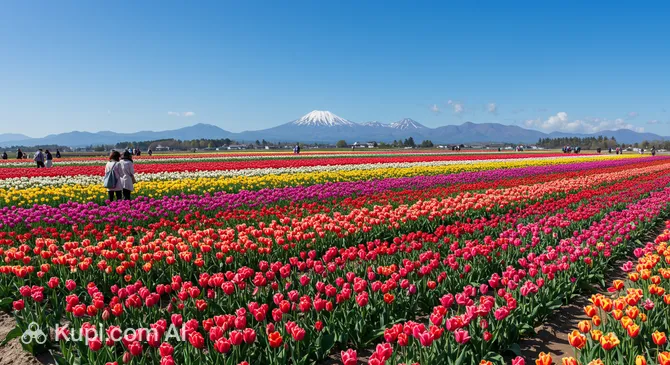
Tonami. Illustration.
Source: Kupi.com AI

Thanks to its favorable geographical position, the city is surrounded by scenic rice fields, green hills, and gardens. With a population of about 47,600 people, Tonami retains the charm of a quiet province while remaining an important cultural center for the region. The rich history of Tonami can be traced in the local residents' careful preservation of their traditions and crafts, as well as in the famous Japanese hospitality, which is felt particularly strongly here.

The city is beautiful at any time of year, but it is the flowers that have brought it true fame. In spring, Tonami is literally bursting with color thanks to the endless tulip fields that have become the region's trademark. This spectacle attracts many nature lovers and photographers. In addition to flower festivals, gastronomic discoveries await travelers: in summer, you can taste fresh farm products here, and in winter, you can warm up after a walk by visiting the hot springs located nearby.

Tonami is an ideal place for those who want to take a break from the hustle and bustle of megacities and enjoy the harmony of nature. Walks along well-maintained streets, views of the Japanese Alps, and visits to cozy local cafes will give you authentic impressions and allow you to discover this amazing country from a new, soulful side.

Weather Overview

The climate in Tonami is characterized by distinct seasons, offering travelers a variety of experiences throughout the year. Generally, expect warm summers with occasional rains and cool, humid winters. Before your trip, it is recommended to check the current forecast, as the weather in Tonami can be changeable, especially in the transitional seasons.

Winter months here are quite cool: the average temperature in January is about 1.8°C, and at night the thermometer can drop to -1.3°C. This time of year is characterized by high humidity: in December and January, up to 24–25 days with precipitation are recorded, so an umbrella or raincoat will not be superfluous.

Summer brings significant warming. The hottest month is August, when the average temperature reaches 26.7°C, and maximum values often exceed 30°C. July is also a fairly humid month with a large number of rainy days. Spring and autumn are the ideal times for comfortable walks, when the air temperature fluctuates in a pleasant range from 10°C to 20°C.

Average monthly temperature

Average monthly precipitation

Interesting Facts

In addition to scenic views and seasonal beauty, Tonami holds many fascinating details that make its cultural landscape truly unique. Here are a few facts that will help you see this city from a new perspective.

  • The Flower Capital. Tonami is famous for its grand Tulip Festival, which is considered one of the largest events of its kind. Every year, millions of flowers of more than 600 varieties bloom here, turning the city into a bright mosaic for which Japan attracts tourists even from abroad.

  • A One-of-a-Kind Museum. The city is rightfully proud of its Tulip Gallery — a unique institution with no equivalent in the country. Here, visitors can learn all the intricacies of breeding, study the history of flower cultivation, and see rare varieties that are not found anywhere else.

  • Architectural Symbols. In Tonami, you can see authentic traditional houses in the gassho-zukuri style. Their massive thatched roofs are constructed at a steep angle, resembling hands folded in prayer. Some of these historic buildings function as museums, introducing guests to the daily life of Japanese peasants of the past.

  • Mystical Protectors. Local folklore preserves legends about kind spirits who have protected the region's fields and lands since time immemorial. According to belief, it is thanks to their invisible protection that the tulips in Tonami bloom particularly lushly, and the land is incredibly fertile.

How to Get There

When planning a trip to this cozy corner of Toyama Prefecture, it is worth thinking about your route in advance. The city has good transport accessibility, and the choice of travel method depends on your starting point. You can learn more about how to get to Tonami by exploring various options, from flights to rail travel.

If you prefer air travel, it is important to note that there is no airport in the city of Tonami itself. The nearest and most convenient option is Toyama Airport (TOY), located in Toyama City. It is just 20.1 km from Tonami. A taxi or car ride from the terminal to the city center takes approximately 50 minutes. This is a regional hub that handles both domestic and some international flights.

An alternative option is Komatsu Airport (KMQ), located in Komatsu City, about 57 km from Tonami. A car journey from here takes about 1 hour and 45 minutes. This airport serves a larger number of passengers and may offer a wider selection of flights.

For those arriving in the country from afar, Chubu Centrair International Airport (NGO) often serves as the main gateway. It is located in Nagoya, at a significant distance — about 199 km from Tonami. Traveling by car takes more than 5 hours, so tourists often combine flying here with a high-speed train trip.

For convenience, here is a summary of the main airports used to reach the region:

AirportPassenger trafficDistance
Toyama Airport736 74020 km
Komatsu Airport1.8 mln57 km
Noto Airport207 42772 km
Matsumoto Airport112 618101 km
Nagoya Airport735 000154 km

Rail connections in Japan are excellently developed, and taking the train is often the most comfortable way to get to Tonami. Although the city has its own railway station (Tonami Station on the JR Johana Line), travelers from major metropolises like Tokyo or Osaka usually use high-speed Shinkansen trains. The nearest Shinkansen station is Shin-Takaoka, from where you can quickly transfer to a local line or take a bus to reach the center of Tonami directly.

Main Attractions

The city of Tonami, despite its modest size, offers travelers a rich cultural and natural program. The main attractions here are closely linked to the beauty of the surrounding landscape and local traditions, which are carefully preserved by the residents.

The ultimate symbol of the city is Tonami Tulip Park. This is the heart of the region in spring, when a grand flower festival takes place here. The park turns into a living canvas of millions of buds of various shades and shapes. For tourists, this place is interesting not only for the chance to take stunning photos but also for the opportunity to see rare varieties developed by local breeders. A walk through the park's alleys gives the feeling of a real fairy tale and allows you to appreciate the scale of floriculture in Toyama Prefecture.

Even if your trip does not coincide with the blooming season, you can visit the Tulip Gallery. This is a unique complex where, thanks to modern technology, a microclimate is maintained that allows flowers to bloom all year round. It is the only place in the world where you can enjoy the view of blooming tulips in any season, including winter. The exhibition also includes a museum telling the history and secrets of growing these plants, making the visit educational for the whole family.

Nature lovers should head to the Shogawa Gorge. This natural attraction, located in the city's outskirts, is famous for its steep slopes and the emerald water of the river. The most popular way to see the gorge is to take a boat trip. Traveling by water allows you to see hidden corners of wild nature and enjoy the silence. It is especially beautiful here in autumn, when the mountain slopes are painted in bright red and gold tones.

Particular attention should be paid to the unique cultural landscape of Sankyo-son, or "dispersed settlements." Tonami is known for its unusual rural layout: farmhouses here are not grouped into tight villages but are scattered across a vast plain among rice fields. Each estate is surrounded by a protective hedge of trees. To appreciate the scale and harmony of this view, tourists are recommended to climb one of the observation decks on the hills around the city — from there, a panorama opens up that embodies the tranquility of the Japanese province.

Local Cuisine

Tonami is a true paradise for foodies who appreciate simple yet incredibly fresh food. Thanks to the fertile lands of the valley and proximity to the sea, local cuisine is rich in rice, succulent fruits, and seafood. The gastronomic traditions for which Japan is famous are sacredly honored here: respect for seasonality and a desire to emphasize the natural taste of each ingredient.

The city's particular pride is the rice grown in local fields. It is served as a main dish or used as the base for many treats. Be sure to try signature dishes made from fish caught in the Sea of Japan and vegetables from surrounding farms. In the city's restaurants, traditional miso soups with a rich flavor are popular, as well as grilled dishes prepared to maximize the natural aroma of the products.

Unique desserts can be found at street stalls and markets in Tonami. Travelers should try sweets made from rice and sweet beans — they are known for their delicate texture. Refreshing green tea-based drinks, which are very popular here and perfectly quench thirst, are the ideal accompaniment.

Food culture in Tonami is closely intertwined with city events. Several times a year, especially in spring and autumn, lively food festivals take place here. This is the best time to taste rare local delicacies, participate in fascinating masterclasses, and learn culinary secrets from local chefs.

Travel Tips

A trip to Tonami promises to be peaceful and full of aesthetic pleasure, but like any trip to rural Japan, it requires a little preparation. To ensure your holiday is as comfortable as possible and free of surprises, we have gathered the most important recommendations for guests of this floral city.

  1. Clothing and Seasonality. The weather in the Hokuriku region is changeable and features high humidity. In winter, a warm waterproof jacket and shoes with non-slip soles are essential (snow is possible), and in summer — light breathable fabrics. In any season, we strongly recommend having a compact umbrella or raincoat with you — rains here can be sudden and heavy.

  2. Transport. Tonami is a city with a "dispersed" structure; attractions can be far from each other. Although city buses run here, their schedule can be infrequent. The optimal choice for freedom of movement is renting a car or a bicycle (the terrain is flat). It is better to call a taxi through an app or ask for one at the hotel desk, as catching a car on the street is difficult.

  3. Finances. The official currency is the Japanese yen. Large hotels and supermarkets accept cards, but in small shops, park ticket offices, or old restaurants, you will need cash. It is best to withdraw money from 7-Eleven ATMs or at the post office (Japan Post), as they work with international cards. Tipping is not customary in Japan — good service is considered the norm here.

  4. Health and Safety. Tonami is an exceptionally safe place where you can safely walk even in the evening. However, please note that there are practically no 24-hour pharmacies here, and many medical points are closed on weekends. Take a necessary supply of medicine with you. You can drink water from the tap; it is clean and tasty here.

  5. Communication and Language. Unlike Tokyo, not everyone in Tonami speaks English. Download an offline translator (such as Google Translate) and a city map to your smartphone in advance. Free Wi-Fi is available at Tonami Station and in the Tulip Park, but for stable connection when traveling around the area, it is better to rent a Pocket Wi-Fi at your arrival airport or buy a tourist SIM card.

  6. Local Etiquette. Greetings are accompanied by a slight bow; handshakes are rarely used. In public places and on transport, it is customary to observe silence: set your phone to silent mode and do not speak loudly. When entering traditional houses, ryokans, or temples, be sure to remove your shoes in the designated area (genkan).

  7. What to Avoid. Never enter private rice fields or farm lands for a beautiful shot — this is private property and the source of income for local residents. It is also considered bad manners to eat while walking; if you bought street food, eat it while standing near the stall or sitting on a bench.

  8. Festival Tip. If you are visiting the famous Tulip Fair in spring, try to arrive when the park opens (usually at 8:30–9:00 AM). This will allow you to enjoy the flowers in relative quiet, take the best photos in the soft morning light, and avoid the main tourist groups arriving by lunchtime.

Tonami charms with its simplicity and harmony. By following these simple rules, you will easily find common ground with local residents, show respect for their culture, and bring home only the warmest memories of Japanese hospitality.

Entertainment & Nightlife

Nightlife in Tonami is not about loud clubs and the neon signs of megacities, but a cozy, almost domestic immersion into the Japanese culture of "after-work" relaxation. The city falls asleep quite early, and the main rhythm of evening entertainment is set by local izakayas (Japanese gastropubs) and small bars where a relaxed and friendly atmosphere prevails.

The epicenter of evening activity is the area around Tonami Station (Tonami Station). It is here, in a maze of narrow streets, that the red chochin lanterns are lit, inviting you in for dinner and drinks. The crowd here is mostly local residents and office workers relaxing after a workday. There is no dress code in most establishments, and the style of communication is democratic and open. This is a great place to try local sake from Toyama Prefecture and chat with bartenders, who are often happy to see rare foreign guests.

If you are looking for specific places for a pleasant evening, consider the following establishments:

  • MERRY'S CLUB — a popular dining bar located within walking distance of the station. This establishment stands out for its stylish yet cozy interior, reminiscent of classic Western pubs but with a Japanese touch. They offer an excellent selection of beer, cocktails, and, of course, Japanese shochu. The menu includes both light snacks and full meals, making it an ideal place for a dinner that turns into a long get-together.

  • Aeon Cinema Tonami — for those who prefer more low-key cultural leisure. The cinema is located in the Aeon Mall shopping complex and is open until late evening. It is a modern venue where you can watch the latest global and Japanese films. A trip to the cinema here is often combined with shopping or dinner in the mall's restaurant area.

For singing enthusiasts, as elsewhere in Japan, Tonami has karaoke boxes. This is perhaps the loudest type of night entertainment in the city. Establishments often stay open until late at night or even until morning, offering private rooms for groups where you can sing without hesitation.

Practical tips and safety: Tonami is an exceptionally safe city, and night walks here carry no risks. However, keep transport in mind: buses stop running quite early, and trains may end their service around midnight. If you stay out late, the only way to get to your hotel will be by taxi. It is better to call a car in advance via an app or ask the establishment's staff to order one, as catching a taxi on the street at night can be difficult. The average check in bars is moderate — from 3000 to 5000 yen per person. Note that many small traditional bars only accept cash.

If your heart desires large-scale parties and dance floors until morning, we recommend heading to the neighboring city of Toyama, to the Sakuragi-cho area, which is considered the main entertainment district of the entire prefecture. The train ride will take about 20–40 minutes, but don't forget to check the schedule for the last return trip!

Parks & Museums

Tonami harmoniously combines the beauty of man-made gardens with a deep respect for agricultural history. Green zones here are not just places for walking, but true works of landscape art, while the city's museums offer a unique look at rural Japanese life and the aesthetics of flowers for which this region is famous.

Among the parks, the absolute leader is Tonami Tulip Park. This is the heart of city life and the main stage for the famous spring festival. The park territory is decorated with five water mills — a symbol of the region's irrigation system — which create a pastoral atmosphere. It is pleasant to walk here at any time of year thanks to the well-kept alleys, ponds, and flower beds. The symbol of the park is the Tulip Tower, which offers a panoramic view of the floral patterns planted with geometric precision.

For those seeking unity with nature by the water, the Shogawa Water Memorial Park is an excellent choice. It is located in a scenic spot where the Shogawa River emerges from the mountains into the plain. The park is dedicated to the importance of water resources for the region. Here you can not only enjoy views of the dam and the gorge but also relax in ashi-yu — foot baths with natural hot water, which is particularly pleasant after a long walk. This is a popular spot for picnics and observing the changing seasons.

The cultural program in Tonami is closely linked with its agricultural heritage. The main museum site is the Tulip Gallery (Tulip Shikisaikan). This is a unique complex that allows you to enjoy tulip blossoms all year round, regardless of the weather outside. Inside, you'll find the "Wonder Garden" and special pavilions where an ideal microclimate for the flowers is maintained. The exhibition tells the history of bulbous plants and the secrets of breeding, making a visit interesting for both botanists and regular tourists.

To understand the soul of this region, be sure to visit the Tonami Sankyoson Museum. It is dedicated to the phenomenon of "dispersed settlements" — a unique type of layout characteristic of the Tonami plain. The main exhibit is a real restored farmhouse with a thatched roof, surrounded by traditional cedar hedges. Visitors can go inside, inspect the interiors, see ancient tools, and imagine how wealthy peasants lived in past centuries.

Art lovers should drop by the Tonami Art Museum. This is a modern building located near the Tulip Park. Its collection features works by Japanese and foreign masters, including painting, photography, and applied arts. The museum often hosts temporary exhibitions introducing guests to the work of local craftsmen whose pieces reflect the beauty of Toyama Prefecture's nature.

Insider Tip: If you want to see something truly unusual, head to the Yume-no-Taira ski base in autumn (October). At this time, the slopes used by skiers in winter are covered with millions of blooming cosmos flowers. A pink carpet of flowers against the blue sky and a view of Toyama Bay in the distance create a landscape for which Japan attracts photographers from all over the world, but which few foreign tourists know about.

Getting Around

The public transport system in Tonami, as in many small Japanese cities, differs from that of the capital: there is no metro or trams, and the pace of life is much more relaxed. The main transport hub is Tonami Station, through which the JR Johana Line passes. Trains on this line are the primary way to reach neighboring large cities like Takaoka, where you can transfer to the high-speed Shinkansen. The rail service is reliable and punctual, but intervals can be between 30 and 60 minutes, so it is better to plan trips in advance.

The city's bus network is represented by Kaetsunou Bus routes and municipal buses. They connect the station with key tourist sites, such as the Tulip Park, and outlying districts. It is important to note that buses in Tonami do not run as frequently as in metropolises, and many routes stop operating quite early in the evening (around 18:00–19:00). Schedules at stops are usually in Japanese, but departure times are intuitive (numbers). Google Maps is recommended for navigation as it displays local routes quite well.

The fare payment system has its own peculiarities. On the JR Johana railway line, you can use nationwide transport IC cards (such as Suica, PASMO, or ICOCA), as well as the JR Pass if you have one. Tickets can also be purchased with cash at station vending machines. In buses, however, the situation is different: IC card terminals are not available everywhere. The most reliable way to pay is cash. When entering the bus through the rear door, you need to take a ticket (seiri-ken) with the stop number, and when exiting, pay the driver by matching the ticket number with the display above the cabin. The machine accepts coins and 1000 yen notes, providing change.

Given the city's structure with its "dispersed settlements," where attractions can be quite far apart, many tourists prefer alternative ways to get around. Car rental is perhaps the most convenient option for exploring the surroundings and taking trips to the mountains. Rental points are located near the station. Taxis are also popular, with a stand right at the station exit, but calling a car from other points in the city will require a phone call or assistance from hotel staff.

For trips within the center and to the Tulip Park, a bicycle is an excellent choice. The terrain in Tonami is predominantly flat, making cycling easy and pleasant. A bicycle rental point operates at the tourist information center near Tonami Station. This is not only a budget-friendly but also an atmospheric way to see the city, enjoying views of rice fields and traditional houses without being dependent on bus schedules.

Accommodation

In Tonami, travelers will find a decent selection of accommodation that matches the calm and relaxed pace of this provincial city. You won't find massive skyscrapers of international hotel chains here; instead, the city offers cozy and functional options. The bulk of the room inventory consists of classic business hotels providing all the necessary amenities, as well as traditional Japanese inns — ryokans — where you can experience authentic local culture.

Logistically, the most popular and convenient area to stay is around Tonami Station. By staying here, you will be in the heart of city life, within walking distance of restaurants, shops, and the city's pride — the Tulip Park. This is a strategically sound choice for those traveling without a car who plan to actively explore the prefecture. For those seeking privacy and proximity to nature, hotels located a bit further from the center in the Shogawa River area are an excellent option, where many establishments offer their own hot springs (onsens) and views of the picturesque gorge.

A key tip for booking in Tonami concerns seasonality. During the famous Tulip Fair (usually late April to early May, coinciding with Golden Week), the city experiences an incredible influx of tourists. Demand for accommodation during these days exceeds supply many times over, and finding a free room upon arrival is practically impossible. If your trip falls in the spring, it is strongly recommended to book a hotel 3–4 months in advance, or even earlier.

The pricing policy in the city is quite democratic. Travelers can expect a wide choice in the mid-range segment: a standard room in a business hotel will cost a reasonable amount while providing cleanliness and comfort. Traditional ryokans with an included kaiseki style dinner will be more expensive and fall into the "comfort" or "luxury" categories. Large hotels can be booked through popular international online aggregators, but for reservations at small family pensions (minshuku), direct contact or help from local tourist centers may sometimes be required.

Nearby Cities

For those looking to explore the surroundings, Tonami serves as an excellent starting point for day trips to several interesting nearby locations. The city's convenient location in the heart of the Hokuriku region allows travelers to reach significant cultural and historical centers in just 30 to 60 minutes.

One of the most popular destinations to visit is Kanazawa. This city is often called "Little Kyoto" for its beautifully preserved historical districts. It is home to Kenroku-en, one of Japan's three most beautiful landscape gardens, as well as atmospheric samurai districts and geisha teahouses. It is an ideal place to discover traditional architecture and art, including the famous production of gold leaf.

Very close by is the city of Takaoka, known for its master metal casters. Tourists come here to see one of Japan's three Great Buddha statues and visit the magnificent Zuiryu-ji Temple, designated as a national treasure. Furthermore, Takaoka is the birthplace of the creator of the popular character Doraemon, and there are many monuments dedicated to the heroes of this anime throughout the city.

The prefectural capital, Toyama, is also worth a visit. It is a modern and dynamic city, famous for its unique Glass Art Museum and the scenic park by the castle. Toyama offers excellent opportunities for shopping and gastronomic tourism, especially for those who want to try the famous "Toyama Bay Sushi" made from the freshest seafood.

CityPopulationDistance
Oyabe28 6349 km
Inami30 14810 km
Takaoka165 88013 km
Imizu90 20114 km
Nanto47 39016 km

These nearby destinations provide insight into the diverse culture and landscapes of the region, harmoniously complementing a quiet holiday in Tonami with vivid impressions from neighboring cities.

Shopping & Souvenirs

General Overview: Shopping in Tonami is a calm and pleasant process that differs greatly from the hustle and bustle of major Japanese metropolises. You won't find districts with luxury boutiques or endless rows of electronics here. Instead, the city offers a cozy atmosphere where modern shopping complexes sit alongside shops selling local products. Tonami is famous for its agriculture, so special attention should be paid to gastronomic souvenirs, fresh produce, and, of course, everything related to flowers, as this city is the floral capital of the region.

Main Shopping Areas/Streets: Main shopping activity is not concentrated on a single pedestrian street, but along the city's major transport arteries, particularly along Highway 156. Here, you'll find large chain stores for clothing, electronics, and home goods. It is also worth taking a walk around Tonami Station. Although there are no large-scale shopping galleries here, you can find cozy shops with sweets and souvenirs in the station vicinity, which are convenient to visit before departure.

Shopping Centers: The center of attraction for shopping enthusiasts is Aeon Mall Tonami. This is a large modern mall where dozens of shops for Japanese and international clothing brands, bookstores, cosmetics, and household goods are gathered under one roof. It is the perfect place if you need to buy everything at once: from a suitcase to a seasonal clothing collection. It also features a large food court and a supermarket with a huge selection of food.

Markets: To get a real taste of local life, be sure to visit Michi-no-Eki Tonami (Roadside Station). This is not just a rest stop for drivers, but a full-fledged market for farm produce and souvenirs. They sell the freshest vegetables and fruits grown in Tonami's fields, local delicacies, and handicrafts. The atmosphere here is always lively, and prices are often lower than in regular supermarkets.

Souvenirs: From Tonami, it is worth bringing back unique items that reflect the spirit of the place. First and foremost, these are tulip bulbs of rare varieties (check your country's customs rules before buying) and various goods with floral symbols: from scarves to tableware. Gastronomic souvenirs include the famous rice from Toyama Prefecture, local sake valued for its mild taste thanks to the purest water, and yuzu (Japanese citrus) products grown in the Shogawa area. Traditional rice crackers with the addition of shrimp from Toyama Bay are also popular.

Opening Hours and Payment: The large Aeon Mall usually operates from 10:00 to 21:00 every day. Small private shops and souvenir stalls often close earlier — around 18:00 or 19:00. Regarding payment, Japan is becoming increasingly friendly to cashless transactions, and supermarkets or malls accept cards without problems. However, in markets, small shops, or when buying farm products, you will definitely need cash yen.

Tax Free: The option to claim a tax refund (Tax Free) is mainly available in large stores like Aeon Mall and in some drugstores. Look for a sticker with the "Tax Free Shop" symbol at the entrance or checkout. To process it, you will need your passport, and the minimum purchase amount usually must exceed 5000 or 5500 yen (excluding tax) on a single receipt.

Reached the end of the page?

That means the route is fully explored