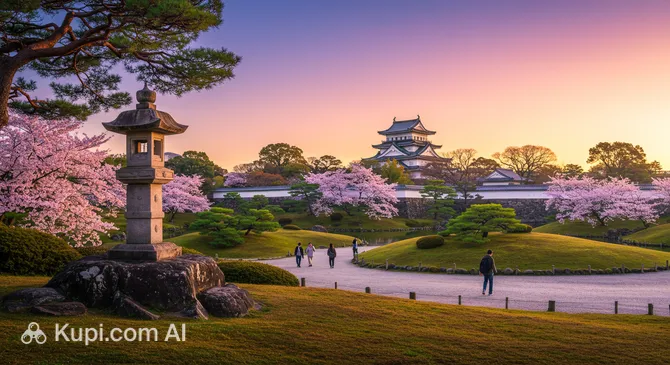
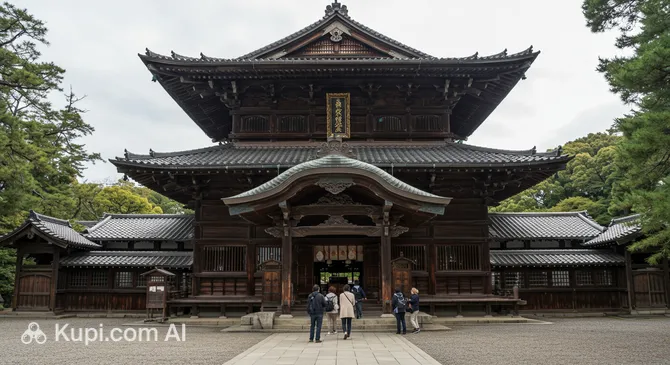
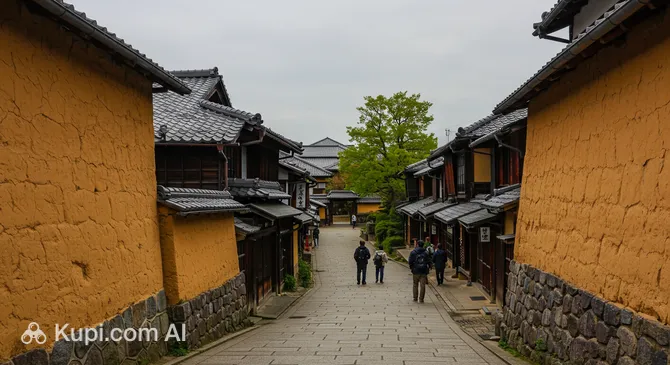
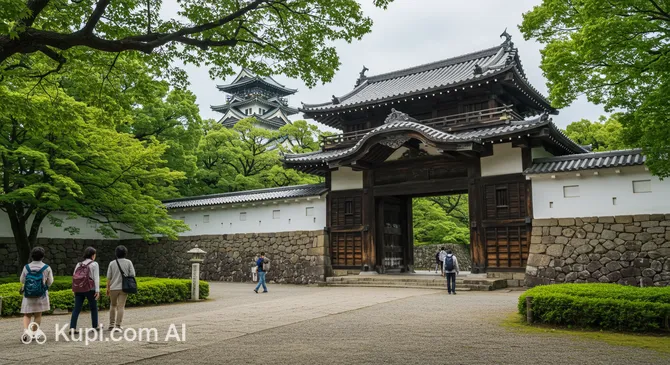
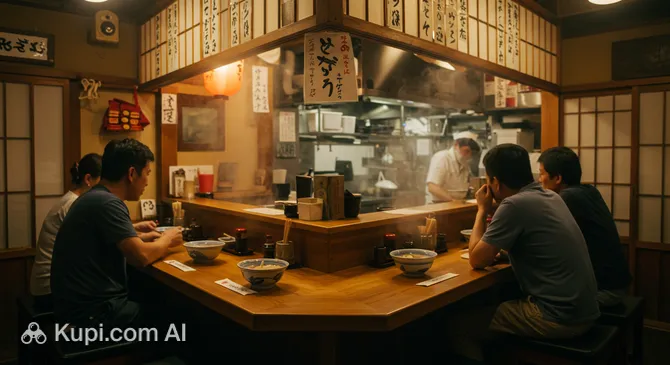
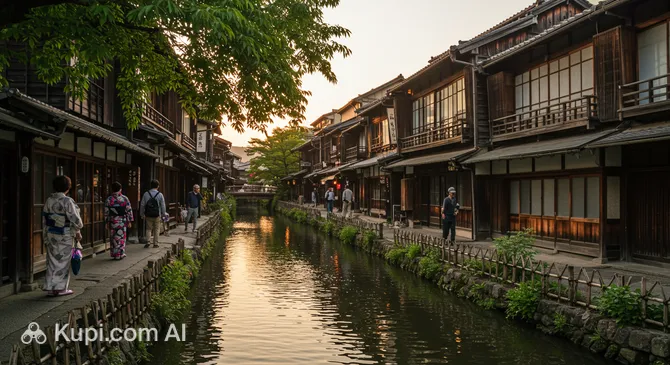
Kanazawa is a fascinating city in Japan, often called "Little Kyoto" for its well-preserved historic districts, rich traditions, and refined atmosphere. It managed to avoid destruction in the mid-20th century, allowing travelers today to enjoy its authentic beauty and cultural heritage.
Kanazawa. Illustration.
Source: Kupi.com AI
Located in Ishikawa Prefecture on the coast of the Sea of Japan, Kanazawa is an important cultural and economic center of the Hokuriku region. The city has a population of approximately 462,479 people. Kanazawa offers a unique blend of historic charm and modern dynamism, attracting connoisseurs of art, history, and traditional crafts.
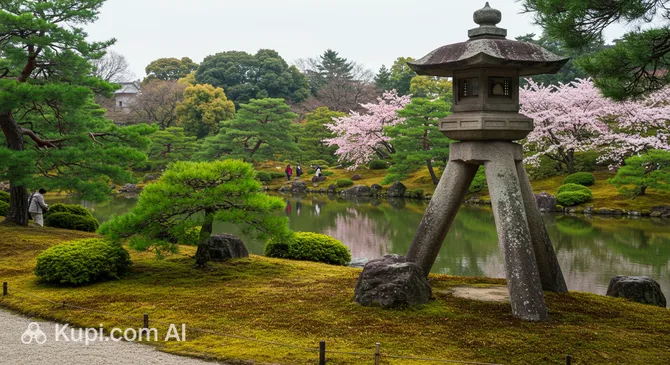
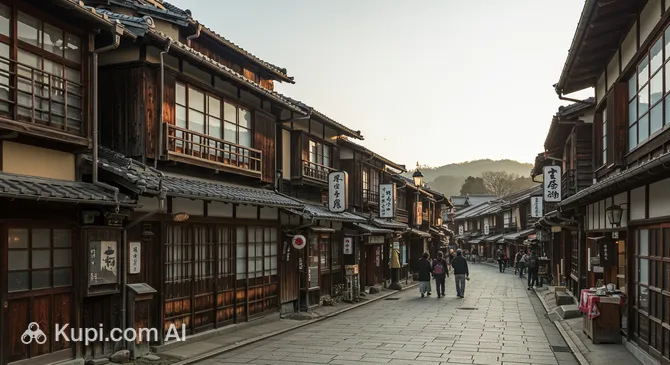
Among Kanazawa's main attractions, Kenroku-en stands out — it is one of Japan's three most beautiful landscape gardens, delighting visitors in every season. Equally interesting are the well-preserved Nagamachi samurai district with its narrow streets and ancient residences, and the Higashi Chaya geisha district, where you can immerse yourself in the atmosphere of past eras and visit traditional teahouses. The city is also famous for its crafts, especially gold leaf (kinpaku) products and Kutani ceramics.
A visit to Kanazawa is an opportunity to touch the depths of Japanese culture, enjoy exquisite cuisine, and discover a city where history and modernity harmoniously complement each other. It is a place that leaves a lasting impression and a desire to return again.
In Kanazawa, you can expect warm and humid summers, especially in July and August, when average temperatures can reach 25-27°C, and the number of rainy days is significant (for example, 22 days in July). Winters here are cold and snowy, with average temperatures around 2-5°C in January and December; these months also have the highest number of days with precipitation (25-26 days). Spring and autumn usually offer more moderate weather. Read more about typical conditions on the Kanazawa Climate page.
Average monthly temperature
Average monthly precipitation
Interesting Facts
In addition to its famous gardens and samurai districts, Kanazawa holds many curious details and stories that make this city even more attractive. Discover some of them:
Myoryuji (Ninja Temple). Illustration.
Source: Kupi.com AI
Traveler photos:
A Golden Name: The name "Kanazawa" (金沢) literally translates to "marsh of gold" or "stream of gold." Legend has it that a peasant named Imohori Togoro found gold dust while washing potatoes in a local spring, which gave the city its name.
A Temple with Secrets: The famous Myoryuji (Ninja Temple), often called the "Ninja Temple," was not actually a home for shadow warriors. It is a Buddhist temple built by the Maeda clan with a complex system of secret passages, traps, and hidden rooms designed for protection against enemies. Its intricate architecture is a real labyrinth that is fascinating to explore.
Capital of Gold Leaf: Kanazawa produces practically all (about 99%) of the gold leaf in Japan. This ultra-thin gold is used to decorate not only temples, artworks, and lacquerware, but it can also be found in culinary creations — for example, as a decoration for ice cream or sake.
City of Three Tea Districts: Unlike many other Japanese cities where only one historic geisha district (chaya-gai) might remain, Kanazawa boasts three such active quarters. These are the largest and liveliest Higashi Chaya District, the quieter and more secluded Nishi Chaya, and the picturesque Kazuemachi Chaya District, nestled along the Asano River.
How to Get There
A journey to Kanazawa, the jewel of the Hokuriku region, usually begins with choosing a convenient route. The city has excellent transport accessibility, and you can learn more about how to get to Kanazawa by exploring all available options. Most often, tourists combine a flight with a bus trip or use high-speed trains.
The nearest air hub to the city is Komatsu Airport (KMQ). It is important to note that it is located not in Kanazawa itself, but in the neighboring city of Komatsu, about 29 km from the center. This is the main regional hub, receiving domestic flights from Tokyo, Sapporo, and Fukuoka, as well as some international destinations. The journey from the airport to Kanazawa Station by comfortable limousine bus takes about 40–60 minutes; by taxi, the travel time is roughly the same.
If you are planning an international flight, Chubu Centrair International Airport (NGO) can be a convenient option. This is a major air hub located in the city of Nagoya, about 189 km from Kanazawa. Many flights from all over the world arrive here. From the airport, Kanazawa can be reached by train (with a transfer at Nagoya Station) or by direct bus, which takes about 3–4 hours.
It is also worth mentioning Toyama Airport (TOY), located in Toyama city, about 49 km from Kanazawa. This is a small airport that can be an alternative if you find a convenient flight. The journey by bus or taxi from there takes about an hour.
For clarity, here is a summary of the main airports:
Besides air travel, the most popular way to reach the city is by rail. Kanazawa Railway Station is not just a transport hub, but a real landmark with its majestic Tsuzumi-mon Gate. Thanks to the Hokuriku Shinkansen high-speed line, the journey from Tokyo takes only about 2.5 hours. There is also a convenient rail connection with Osaka and Kyoto (by limited express trains), making Kanazawa easily accessible for travelers following Japan's "Golden Route."
Main Attractions
Kanazawa, the cultural heart of the Hokuriku region, offers travelers a unique combination of perfectly preserved Edo-period heritage and modern art. The city, which escaped destruction during the mid-20th century, has preserved many historical landmarks that attract thousands of tourists every year.
One of the city's main jewels is undoubtedly Kenrokuen Garden. This garden, whose name translates as "Garden of the Six Sublimities," is considered one of the three most beautiful landscape gardens in Japan. It impresses with its harmony, meticulous attention to detail, and beauty in any season. Here, you can spend hours walking, admiring ancient pines, picturesque ponds with koi carp, elegant bridges, and traditional teahouses, finding peace and inspiration.
Kenrokuen Garden. Illustration.
Source: Kupi.com AI
Traveler photos:
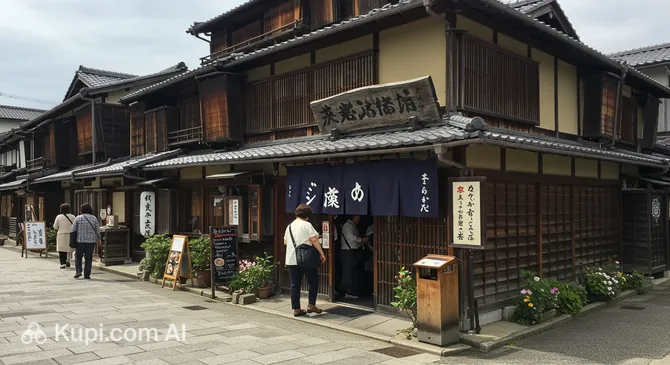
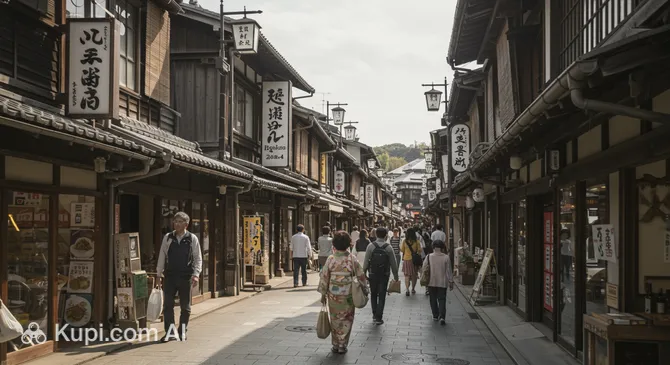
Equally attractive is the Higashi Chaya District, one of Kanazawa's three historic teahouse districts where geishas once entertained guests. A stroll through its narrow streets lined with two-story wooden houses (chaya) with latticed facades transports you to the atmosphere of feudal Japan. Many of these buildings have now been converted into museums, souvenir shops, cafes, and, of course, active teahouses where you can enjoy a traditional tea ceremony.
Higashi Chaya District. Illustration.
Source: Kupi.com AI
Traveler photos:
For those interested in samurai history, the Nagamachi Samurai District is a must-visit. Here, along winding streets and canals, the former residences of the Maeda clan's samurai are preserved, surrounded by traditional earthen walls. By visiting, for example, the Nomura Samurai Family Residence, you can look inside and see the daily life, armor, and household items of warriors from the past, as well as walk through their small but exquisite gardens.
Nagamachi Samurai District. Illustration.
Source: Kupi.com AI
Traveler photos:
Located next to Kenrokuen Garden is the majestic Kanazawa Castle Park, the former residence of the powerful Maeda clan, who ruled the Kaga Domain for centuries. Although the original castle suffered from fires many times, its carefully reconstructed parts, such as the impressive Ishikawa-mon Gate, watchtowers, and the long Gojikken Nagaya storehouses, demonstrate the clan's power and wealth. The park's vast grounds are a wonderful place for walking and exploring history.
Kanazawa Castle Park. Illustration.
Source: Kupi.com AI
Traveler photos:
Finally, the intriguing Myoryuji (Ninja Temple) is widely known specifically as the "Ninja Temple." Despite its popular name, it had no direct connection to ninjas but served as a disguised military outpost. This Buddhist temple is designed with incredible ingenuity: it is full of secret passages, hidden rooms, traps, and deceptive staircases intended to protect the shogunate in case of an attack. Visits are only possible by guided tour (advance booking is highly recommended), and it is truly a unique experience that showcases the clever architecture of the past.
Myoryuji (Ninja Temple). Illustration.
Source: Kupi.com AI
Traveler photos:
Local Cuisine
The gastronomy of Kanazawa is a true immersion into the culinary traditions of the Kaga region, known for its refined approach to food called Kaga Ryori. Due to its location by the Sea of Japan, the city is famous for its fresh seafood, which forms the basis of many local dishes. Kanazawa cuisine harmoniously combines centuries-old recipes and high-quality ingredients, offering gourmets an unforgettable experience.
Among the dishes that you should definitely try in Kanazawa, jibu-ni stands out — a hearty stew made of duck or chicken with vegetables and mushrooms in a thick soy sauce, seasoned with wasabi. One also cannot ignore kaisen-don — a bowl of rice generously topped with a variety of fresh seafood. A unique feature of the local cuisine is the use of ultra-thin sheets of gold leaf, which are used here to decorate not only desserts but also main courses, giving them a luxurious look.
Among drinks, local sake produced in Ishikawa Prefecture, known for its brewing traditions, is particularly popular in Kanazawa. You should also try Kaga Bocha — a special type of roasted stem tea with a characteristic nutty-smoky aroma, which is a hallmark of the region. Of course, classic Japanese drinks like green tea are also available everywhere.
The food culture in Kanazawa is diverse. Locals and tourists can enjoy exquisite dishes in traditional ryotei restaurants, taste fresh sushi and sashimi in specialized establishments, or get acquainted with more casual cuisine in numerous izakayas and ramen shops, such as the popular Ramen Taiga. The heart of the city's gastronomic life is the Omicho Market, where you can not only buy fresh produce but also try street food and local delicacies. Teahouses in historic quarters offer traditional wagashi sweets with tea.
Ramen Taiga. Illustration.
Source: Kupi.com AI
Traveler photos:
Kanazawa's gastronomic scene attracts tourists with its unique combination of tradition and freshness. The opportunity to try authentic Kaga cuisine, enjoy the bounty of the Sea of Japan, and discover specialties like jibu-ni or dishes with gold makes a culinary journey to Kanazawa truly special. The city offers a wide selection of establishments for every taste and budget, from luxury restaurants to lively markets and cozy teahouses.
Travel Tips
Welcome to charming Kanazawa! To make your journey to this cultural corner of Japan as comfortable and fulfilling as possible, we have prepared some practical tips. They will help you navigate the city and ensure you get only positive impressions from your trip.
Clothing and seasonal items: The climate in Kanazawa is quite changeable. In summer (June-August) it is hot and humid, so bring light clothing and a raincoat in case of the rainy season (tsuyu in June). In winter (December-February) it can be cold and snowy — bundle up! Spring and autumn offer comfortable weather, ideal for layering. Comfortable shoes are extremely important, as you will be walking a lot in gardens and historic quarters. Don't forget a universal adapter (Japan uses Type A outlets) and a portable charger. When visiting temples and shrines, choose modest clothing that covers shoulders and knees as a sign of respect.
Getting around the city: The main public transport in Kanazawa is buses. The Kanazawa Loop Bus, which stops at major attractions, is very convenient; consider buying a daily pass. Taxis are available but more expensive; you can try using apps like JapanTaxi or Go. Car rental for moving within the city is unlikely to be necessary due to good bus connections and potential parking difficulties.
Financial matters: The local currency is the Japanese yen (JPY, ¥). You can exchange money at the airport, banks, or post offices, but it's better to have some yen with you upon arrival. Credit and debit cards are accepted in many hotels, large stores, and tourist restaurants, however, cash is still very important, especially at markets (like Omicho), in smaller establishments, and for paying entrance fees at some temples. ATMs that accept international cards can be easily found at Japan Post Bank branches and 7-Eleven convenience stores. Tipping in Japan is not practiced. An approximate daily budget (excluding accommodation) might be 7,000-15,000 yen.
Health and safety:Kanazawa, like all of Japan, is a very safe city. Pharmacies (look for the sign "薬" or "kusuri") are everywhere, but staff may not always speak English. If you need medical assistance, contact your hotel or call 119 (ambulance/fire service). Be sure to take out travel insurance. There are no specifically "dangerous" areas in the city, but always observe basic precautions.
Communication and connectivity: The official language is Japanese. In tourist areas, staff often have basic English, but don't count on it everywhere. Learning a few simple phrases in Japanese (e.g., "arigato" – thank you, "sumimasen" – excuse me/sorry) is highly appreciated. For constant internet access, it's most convenient to rent a pocket Wi-Fi router or buy a local SIM card. Free Wi-Fi is available in some hotels, cafes, and public places. Useful apps include Google Maps for navigation and bus schedules.
Local etiquette: Japanese people are very polite and value respect for tradition. Greet people with a slight bow. In public places, especially on transport, try to speak quietly. Remove your shoes when entering homes, traditional restaurants (ryokans, some izakayas), and temples if required. Do not eat or drink on the go, except in designated areas or at street food festivals.
Things to avoid: First, never stick your chopsticks vertically into a bowl of rice — this is associated with funeral rituals and is considered bad manners. Second, avoid loud phone conversations on public transport and other quiet places; if you need to answer a call, it's best to do so as briefly and quietly as possible or find a more secluded spot.
Little tricks for Kanazawa: Be sure to try the famous gold leaf ice cream — it's a real local highlight! If you plan to visit popular spots with limited access, such as Myoryuji Temple (known as the "Ninja Temple") or teahouses in the Higashi Chaya district for a tea ceremony, book your tickets or spots in advance, especially during peak tourist season.
We hope these tips help you plan an unforgettable trip to Kanazawa! This city is full of discoveries, and proper preparation will allow you to enjoy every moment spent here. Have a great trip!
Entertainment & Nightlife
When the sun sets over Kanazawa, the city transforms, offering its guests a variety of evening and nighttime leisure options. The nightlife here might not be as overwhelming as in Tokyo or Osaka, but it has its own unique charm, combining modern entertainment with a traditional atmosphere. From cozy izakayas and stylish bars to atmospheric walks through old quarters — everyone will find something to their liking.
The main nightlife centers of Kanazawa are the Katamachi and Korinbo districts. Most bars, restaurants, karaoke clubs, and small nightclubs are concentrated here. The atmosphere in Katamachi is more lively and youthful, with neon signs and a variety of establishments for every taste and budget. Korinbo offers both modern bars and more upscale restaurants. Many establishments stay open until late at night, especially on weekends. The dress code is usually casual, but some more expensive bars or clubs may require a smarter look. The crowd is mixed: from locals relaxing after a workday to tourists exploring the city at night. For fans of live music and performances, it's worth checking the schedule at Hondanomori Hall, where concerts of various genres are often held. While Kanazawa is not famous for large night markets in the style of other Asian cities, late-night restaurants and bars can be found in busy areas, and during festivals or special events, street food stalls may also appear.
Hondanomori Hall. Illustration.
Source: Kupi.com AI
Traveler photos:
For a more authentic Japanese evening, head to the historic teahouse districts. For instance, the Kazuemachi Chaya District, located along the Asano River, is enveloped in special magic in the evening. Some of its traditional wooden houses turn into cozy restaurants and bars where you can enjoy local cuisine and drinks in a peaceful setting. A similar atmosphere reigns in the famous Higashi Chaya district, where an evening stroll among ancient buildings is an entertainment in itself.
Kazuemachi Chaya District. Illustration.
Source: Kupi.com AI
Traveler photos:
If you are looking for a place for dinner or a late snack, Kanazawa offers many options. In addition to traditional restaurants where you can try Kaga Ryori dishes, there are more modern establishments. For example, you can visit Miyuki restaurant to enjoy high-quality Japanese cuisine in a pleasant setting. Many izakayas (Japanese pubs) also offer an excellent menu and are open until late, becoming popular spots for informal gatherings.
Miyuki. Illustration.
Source: Kupi.com AI
Traveler photos:
Practical tips for night walks: The best time to visit bars and clubs is after 8:00–9:00 PM, especially on Friday and Saturday. Regarding prices, a glass of beer in a bar can cost around 500–800 yen, a cocktail 800–1,500 yen, and the average check in an izakaya per person will be approximately 3,000–5,000 yen, including drinks and several dishes. Public transport in Kanazawa, mainly buses, stops running relatively early, so after midnight, taxis become the main mode of transportation. Taxis can be hailed on the street in busy areas or ordered through an app or hotel. Kanazawa is a very safe city, and night walks in well-lit central areas like Katamachi or Korinbo are generally safe. However, usual precautions should always be observed.
During the day, Kanazawa also offers plenty of entertainment. You can visit numerous museums, such as the Ishikawa Prefectural Museum of Art or the unique Kanazawa Phonograph Museum. Theater lovers can attend traditional Japanese Noh theater performances at the Ishikawa Prefectural Noh Theatre. For nature lovers and those who enjoy quiet walks, picturesque parks like Daijoji Hill Park, which offers beautiful views of the city, are ideal. Although there are no large theme parks directly in the center of Kanazawa, family-friendly entertainment, including modern cinemas and game centers, can be found in and around the city. Of course, iconic places like Kenrokuen Garden and Castle Park are not to be missed.
Parks & Museums
Kanazawa, a city with a rich cultural heritage and picturesque nature, offers travelers a unique combination of the tranquility of traditional gardens and the inspiration from visiting distinctive museums. Here, everyone will find a corner for their soul, whether it's contemplating age-old landscapes or getting acquainted with the art and history of the region.
One of the city's main treasures is Kenrokuen Garden, recognized as one of the three greatest landscape gardens in Japan. Its winding paths, koi ponds, ancient teahouses, and seasonal flowers create an atmosphere of peace at any time of year. Next to the garden lies Kanazawa Castle Park, where you can stroll through the vast grounds of the former castle, admire the restored gates and walls, and learn more about the history of the Maeda clan.
Kenrokuen Garden. Illustration.
Source: Kupi.com AI
Traveler photos:
Kanazawa Castle Park. Illustration.
Source: Kupi.com AI
Traveler photos:
For those seeking panoramic views of the city and surroundings, Daijoji Hill Park is worth a visit. It's a wonderful place for leisurely walks, especially in spring during cherry blossom season or in autumn when the foliage turns vibrant colors. Here you can enjoy silence and fresh air, taking a break from the city bustle.
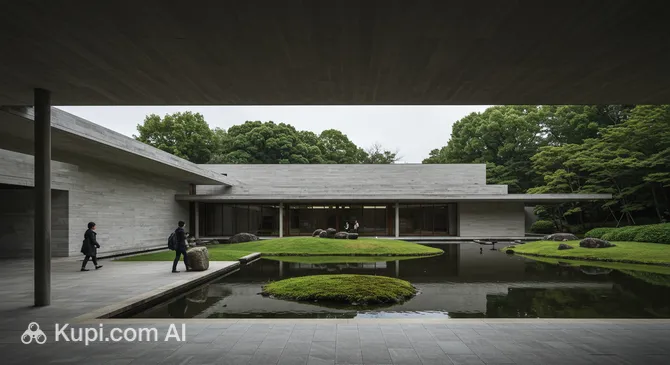
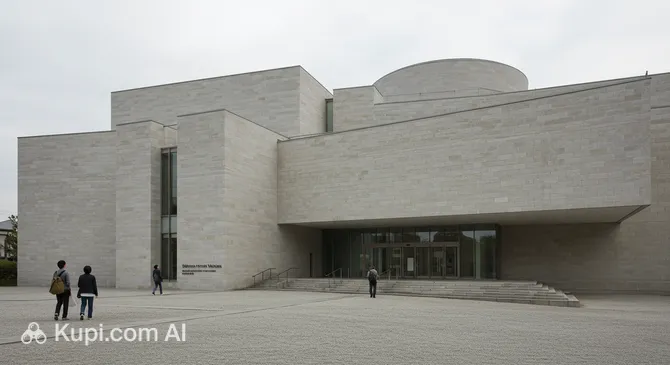
Kanazawa is proud of its museums, reflecting both traditional and contemporary art. The D.T. Suzuki Museum is dedicated to the life and teachings of the famous Buddhist philosopher Daisetz Teitaro Suzuki, offering visitors a unique space for reflection and meditation in its architecturally striking halls and garden. Nearby is the Ishikawa Prefectural Museum of Art, which presents a rich collection of Japanese art, including works by local masters and traditional crafts such as Kutani ceramics and Wajima lacquerware.
D.T. Suzuki Museum. Illustration.
Source: Kupi.com AI
Traveler photos:
Ishikawa Prefectural Museum of Art. Illustration.
Source: Kupi.com AI
Traveler photos:
Lovers of unusual exhibits will be interested in the Kanazawa Phonograph Museum, which houses an impressive collection of antique sound recording devices, allowing you to trace the history of sound. In addition to museums, Kanazawa is famous for its historic districts. Be sure to walk through the Higashi Chaya District with its elegant teahouses where geishas once entertained guests, and explore the Nagamachi Samurai District with well-preserved samurai residences, their earthen walls, and narrow streets that allow you to dive into the atmosphere of feudal Japan.
For a more authentic experience and deeper immersion into local culture, peek into the small temples and shrines scattered throughout the city. For example, visit the secluded Ishiura Shrine, one of the oldest in Kanazawa, known for its colorful wish ribbons. It's also worth exploring the streets of Kazuemachi Chaya District, another charming teahouse area that is often less crowded than Higashi Chaya, offering a more peaceful atmosphere for walks along the river.
Getting Around
Getting around Kanazawa is quite convenient thanks to a well-developed public transport system, where buses play the main role. There are no subways or trams in the city, but the bus network effectively covers all major tourist routes and districts. The main operator is the Hokutetsu Bus company.
The Kanazawa Loop Bus is particularly useful for tourists — a special circular bus running on three routes (Right Loop, Left Loop, and the Kenrokuen Shuttle) and stopping at all key attractions. This is an excellent way to get to know the city. Besides it, there is an extensive network of regular city buses that will also take you to any point in Kanazawa.
As for payment, you have several options. You can pay with cash when exiting the bus (it's advisable to have small change, although some buses have change machines). Popular Japanese IC cards such as Suica, Pasmo, or ICOCA are widely accepted — just tap the card against the validator when entering and exiting. The most economical solution for active sightseeing is often purchasing a one-day pass. There are several types of such passes, for example, the "Kanazawa City One Day Pass," which entitles you to unlimited travel on most Hokutetsu buses, including the Kanazawa Loop Bus, within a certain zone. It costs about 800 yen for an adult. There is also a cheaper pass only for the Kanazawa Loop Bus, costing about 600 yen.
Passes can be purchased at the information center at Kanazawa Station Bus Terminal, in some hotels, or directly from the bus driver (though this is not always possible for all types of passes). When boarding a regular city bus (not a loop bus), you usually need to take a ticket with a zone number (unless it's a flat-fare zone), and when exiting, pay the fare or show the driver your pass. Boarding is usually through the back or middle door, and exit is through the front. Buses start running fairly early in the morning and finish late in the evening, but it's always worth checking the specific route schedule, especially if you plan late-night trips.
In addition to buses, other ways of getting around are available in Kanazawa. Taxis are easy to find at the station and major hotels, but this is a more expensive option. The city also has a well-developed bicycle rental system called "Machi-nori" — a convenient and pleasant way to explore central districts, especially given that many attractions are relatively close to each other. And, of course, don't forget about walking: Kanazawa's historic center is quite compact and can be enjoyed on foot, soaking in the atmosphere of the ancient streets.
Accommodation
In Kanazawa, travelers will find a wide range of accommodation options to suit every taste and budget. The city offers everything from budget hostels and guesthouses for economical tourists to comfortable mid-range hotels and luxury full-service hotels. Special attention should be paid to traditional Japanese inns — ryokans, where you can immerse yourself in the atmosphere of old Japan and enjoy local hospitality. Apartments and houses are also available for rent, which can be a convenient option for families or long stays.
When choosing a place to stay, you should pay attention to several key areas. The area around Kanazawa Station is very convenient due to excellent transport accessibility and developed infrastructure — many hotels of various categories are concentrated here. For those who want to be closer to the main attractions, accommodation options near Kenrokuen Garden, Kanazawa Castle Park, or in the historic teahouse districts such as Higashi Chaya or Kazuemachi Chaya District are suitable. In these atmospheric areas, you can find charming ryokans and small boutique hotels.
Higashi Chaya District. Illustration.
Source: Kupi.com AI
Traveler photos:
The price range for housing in Kanazawa varies from budget to luxury. It is recommended to book accommodation in advance, especially if your trip falls during the peak tourist season (for example, in spring during the cherry blossom season or in autumn during the period of colorful foliage), as well as during major festivals. For searching and booking, it is convenient to use popular online platforms or contact hotels directly. Many hotels and ryokans are also represented on Japanese travel sites.
Nearby Cities
For those who want to explore the surrounding area, Kanazawa serves as an excellent starting point for day trips to several interesting nearby places:
For example, Shirayama, located just 14 km away, can be a great choice for nature lovers as it is situated at the foot of Hakusan National Park. Komatsu (25 km from Kanazawa) is worth a visit to see the impressive Natadera Temple with its rock formations and picturesque grounds, or to relax in the Awazu hot springs. A little further, at 40 km, lies the city of Takaoka, known for its majestic Great Buddha statue — one of the three largest in Japan — and the historic Zuiryu-ji Temple.
These nearby destinations provide an insight into the diverse culture and landscapes of the region.
Shopping & Souvenirs
Kanazawa offers an exciting shopping experience that combines centuries-old craft traditions with modern stores. The city is famous for its gold leaf products, Kutani-yaki ceramics, Kaga-yuzen silk, and Wajima-nuri lacquerware. Here you can find both unique handmade souvenirs and goods from well-known Japanese and global brands.
The main shopping arteries of the city are the Korinbo and Katamachi districts. Major department stores, fashion boutiques, and restaurants are concentrated in Korinbo. Katamachi, adjacent to Korinbo, offers a livelier atmosphere with a variety of shops, entertainment venues, and cafes. Another popular area for traditional goods and souvenirs is the historic Higashi Chaya district, where many shops offer local delicacies and handicrafts.
For those who prefer shopping in malls, Kanazawa offers several options. One of the most convenient is Kanazawa Hyakubangai, located right at Kanazawa Railway Station. It is divided into several zones: "Anto" (souvenirs and local products), "Rinto" (fashion and accessories), and "Kutsurogi-kan" (restaurants and cafes). Also popular is the Hakusan Shopping Center, which offers a wide selection of shops and entertainment.
Kanazawa Hyakubangai. Illustration.
Source: Kupi.com AI
Traveler photos:
The Omicho Market, often called "Kanazawa's Kitchen," is a must-visit. This bustling covered market has existed for over 300 years and offers an incredible variety of fresh seafood, local vegetables, fruits, pickles, and other delicacies. Here you can not only buy groceries but also have a snack in one of the many restaurants offering dishes made from the freshest ingredients straight from the market.
As souvenirs from Kanazawa, in addition to the already mentioned gold leaf products, Kutani ceramics, and Kaga-yuzen silk, it is worth paying attention to traditional sweets (wagashi), local sake, lacquerware, and decorative art items. Shops specializing in these goods can be found in both shopping centers and historic districts of the city.
Most shops in Kanazawa open around 10:00–11:00 and work until 19:00–20:00. Department stores and large shopping centers may have longer working hours. Cash (Japanese yen) is accepted for payment, as well as credit cards (Visa, Mastercard, JCB, American Express) in most shops and restaurants. Electronic payments using IC cards (e.g., Suica, Pasmo, ICOCA) are also widespread.
For foreign tourists in Japan, a Tax Free system is available. In shops that support this system (usually they have a corresponding sign), when purchasing goods for a certain amount (usually over 5,000 yen excluding tax), you can arrange for a consumption tax refund. You will need to present your passport for this. The registration procedure usually takes place directly in the store when paying for the purchase.