Support

Kaga

About

Kaga is a picturesque city located in the southern part of Ishikawa Prefecture, on the coast of the Sea of Japan. It sits comfortably between the major prefectures of Fukui and Gifu, making it an excellent starting point for exploring the Hokuriku region of Japan. The city charms with its peaceful atmosphere, natural beauty, and rich cultural heritage, offering guests a unique blend of tradition and tranquility.
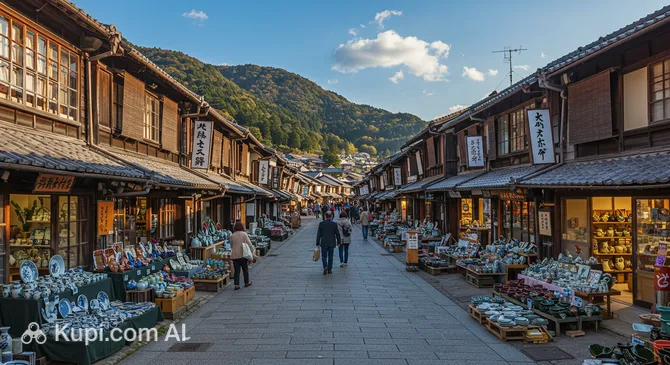
Kaga. Illustration.
Source: Kupi.com AI

With a population of about 63,000, Kaga maintains the cozy feel of a small Japanese town where every corner is steeped in history and hospitality. Despite its compact size, the city plays an important administrative role in the region. It is primarily famous for its renowned hot springs—onsens—with a history dating back over 1,300 years. Additionally, Kaga is known for its artisan workshops, where you can experience traditional Japanese crafts, and its picturesque villages nestled in lush greenery.

The main highlight of Kaga is undoubtedly its onsens. The city literally breathes tranquility: here, you can forget the hustle and bustle of megacities, enjoy leisurely strolls through scenic gorges, visit ancient temples, and, of course, sample exquisite local cuisine. Kaga is perfect for those seeking harmony with nature, wishing to immerse themselves in the world of Japanese crafts and traditions, or simply dreaming of relaxing in an authentic Japanese ryokan with mountain views.

A visit to Kaga will provide unforgettable impressions and allow you to touch the slow-paced yet remarkably rich life of this charming corner of Japan. Here, everyone will find their own rhythm and source of inspiration.

You can find more interesting facts on the history of Kaga page.
Weather Overview

The weather in Kaga is characterized by distinct seasonal changes. Summers, especially in July and August, are warm here, with average temperatures reaching 24–26°C, accompanied by moderate rainfall. Winters, from December to February, are quite cold, with average temperatures around 3–6°C; this is also a period of frequent precipitation, particularly in January and December, when the number of rainy days can reach 26. Spring and autumn offer milder temperatures with moderate rainfall. Overall, expect warm summers with occasional rain and cool, damp winters. For a more detailed look at weather conditions, you can explore the climate of Kaga.

Average monthly temperature

Average monthly precipitation

Interesting Facts

Kaga, a city with a rich history and culture, hides many curious details and unique traditions behind its well-known attractions. Here are just a few that will help you see this corner of Japan in a new light:

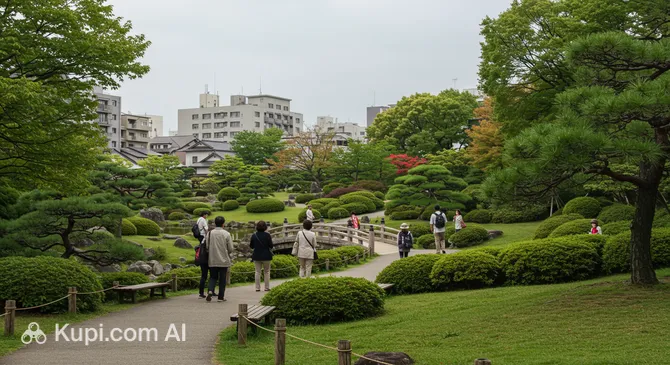
Kaga Central Park. Illustration.
Source: Kupi.com AI

Traveler photos:

  • One of Kaga's main jewels is its group of hot springs—onsens—which are among the oldest in Japan. Their history dates back over a thousand years to the 8th century, and the healing properties of the water attract not only tourists but the Japanese themselves for health and relaxation.

  • A modern symbol of the city's hospitality is the unique "Lady Kaga" initiative. This is a group of local women who enthusiastically welcome tourists at the railway station with songs and dances, creating an unforgettable atmosphere of warmth from the first minutes of your stay in Kaga.

  • In addition to cultural treasures, Kaga charms with its natural beauty. It is home to the picturesque Kakusenkei Gorge, known for its trails and bridges, as well as Central Park Kaga, which offers a peaceful retreat amidst the greenery.

  • The city is a thriving center for traditional Japanese crafts. It is here that the famous Kutani-yaki porcelain is created, known for its vibrant hand-painted designs, as well as exquisite silk and gold leaf products. Many workshops are open to visitors, where you can not only watch the creation process but also try your hand at one of these ancient arts.

How to Get There

When planning a trip to this picturesque corner of Ishikawa Prefecture, it is important to think about your route in advance. The city has good transport accessibility, and you can find out more about how to get to Kaga using various methods to choose the most convenient option for yourself.

The most convenient way to reach the region by air is via Komatsu Airport (IATA: KMQ). Please note that there is no airport in Kaga itself, but you can fly into Komatsu Airport in the city of Komatsu, which is only 13.1 km from Kaga. This is the main regional hub, handling both domestic flights from Tokyo and other Japanese cities, as well as some international routes. A taxi or bus ride from the airport to central Kaga takes approximately 40 minutes.

For international travelers arriving from further afield, it may be more convenient to use Chubu Centrair International Airport (IATA: NGO). It is located in the city of Nagoya, which is significantly further away—about 166 km from Kaga. This is a major transport hub with a huge passenger flow. A trip by car or taxi from here will take about 4.5 hours, so many tourists prefer to combine their flight with a ride on a high-speed train.

For clarity, here is summary information on the main airports serving this region:

AirportPassenger trafficDistance
Komatsu Airport1.8 mln13 km
Toyama Airport736 74087 km
Noto Airport207 427124 km
Nagoya Airport735 000128 km
Matsumoto Airport112 618145 km

Rail travel is one of the most popular ways to reach the city. The central hub is Kagaonsen Station. Thanks to the recent extension of the Hokuriku Shinkansen line, it is now possible to get here directly by high-speed train from Tokyo. However, for travelers from Osaka, Kyoto, and Nagoya, the route has changed: the Thunderbird and Shirasagi limited express trains now only run as far as Tsuruga station. Direct service of these expresses to Kagaonsen Station has been discontinued, so a transfer to the Shinkansen is required at Tsuruga to reach your final destination.

If you prefer traveling by car, Kaga can be easily reached via the Hokuriku Expressway. This is an excellent option for those who want to explore the scenic coast of the Sea of Japan and neighboring cities at their own pace.

Main Attractions

Kaga, a cozy city in Ishikawa Prefecture, offers its guests several interesting places to visit, allowing for a better understanding of its atmosphere and culture. Among them, natural spots, historical shrines, and gastronomic locations stand out, all capable of enriching your travel experience.

One of the city's notable green areas is Central Park Kaga. This is a wonderful place for leisurely walks, outdoor relaxation, and observing the daily life of the locals. The park offers visitors a chance to escape the urban bustle, enjoy well-maintained paths, and perhaps seasonal blossoms, making it attractive for quiet pastimes.

Kaga Central Park. Illustration.
Source: Kupi.com AI

Traveler photos:

For connoisseurs of Japanese spiritual culture and history, Natadera Temple is a must-visit. This ancient Buddhist temple, founded in the 8th century, is famous for its unique rock formations integrated into the temple complex, picturesque gardens, and serene atmosphere. Natadera Temple is especially beautiful in autumn, when the maples turn vibrant colors, creating breathtaking landscapes. This site allows for a deep immersion into the traditions and beauty of Japanese temple architecture.

Nature lovers and seekers of scenic views should head to Kakusenkei Gorge, located in the Yamanaka Onsen area, one of Kaga's famous hot spring districts. A walk along the Daishoji River through this gorge will provide unforgettable impressions thanks to its natural beauty, elegant bridges like Korogibashi, and fresh forest air. It is an ideal spot to enjoy tranquility and take magnificent photographs, especially during the cherry blossom season or autumn foliage.

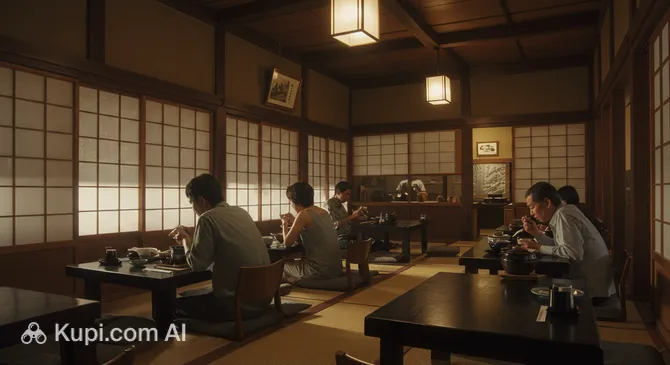
After a full day of exploration, gastronomic pleasure can be found at Osamu restaurant. This establishment invites you to discover the local cuisine of Kaga and authentic dishes of Japan. A visit to Osamu is a great opportunity to try fresh local products and enjoy the hospitality characteristic of this region.

Osamu. Illustration.
Source: Kupi.com AI

Traveler photos:

Local Cuisine

The cuisine of Kaga is a true discovery for foodies seeking to experience the authentic tastes of Japan. The city, located by the Sea of Japan, is famous for its dishes made from the freshest seafood. Crabs, various shellfish, and fish are prepared here according to old recipes that carefully preserve their natural flavor and aroma. A special charm is added to local gastronomy by the famous kutani-yaki porcelain, in which many dishes are served, turning every meal into an aesthetic pleasure.

Among the dishes that are definitely worth trying in Kaga are the seasonal delicacies. For example, in winter, hearty and fragrant nabe soups with seafood and fresh vegetables are particularly popular. The pinnacle of culinary art is considered kaiseki—a traditional multi-course Japanese dinner where each dish is a small work of art. Such dinners are often offered in local ryokans, allowing guests to immerse themselves in the atmosphere of Japanese hospitality.

Speaking of drinks, in Kaga, as throughout Japan, you will find excellent green tea that accompanies many meals. Among alcoholic beverages, local sake is worth noting. One cannot overlook street food and local sweets either: be sure to try rice cakes with various fillings, fresh vegetables from farmers' markets, and original seaweed snacks. These simple yet tasty treats perfectly convey the spirit of the local culinary culture.

The food culture in Kaga is diverse. Locals and tourists can enjoy exquisite dishes in traditional ryokans or visit one of the many restaurants. For instance, you can stop by Osamu to appreciate local culinary traditions. Cozy family cafes offering home-style cooking are also popular. Don't forget the gastronomic festivals regularly held in the city, which provide a wonderful opportunity to get acquainted with the full diversity of the region's cuisine and participate in tastings.

Kaga is a place where culinary traditions and modern tastes are harmoniously intertwined, creating a unique gastronomic atmosphere. From refined delicacies in expensive restaurants to simple and tasty street food, everyone will find something to their liking here, taking home unforgettable taste memories.

Travel Tips

Planning a trip to the charming city of Kaga? These practical tips will help you prepare for an unforgettable journey and enjoy every moment in this unique corner of Ishikawa Prefecture, Japan!

  1. Clothing and Essentials: The climate in Kaga is temperate, with four distinct seasons. Pack light clothing for the summer and warm clothes for the winter, including a jacket, hat, and gloves, as snowfall is possible. Comfortable shoes are your best friend for walking around the city and visiting numerous attractions, including temples and onsens. When visiting religious sites, choose modest clothing that covers your shoulders and knees. Don't forget an adapter for your electrical appliances (Japan uses Type A and B sockets, and the voltage is 100V).
  2. Getting Around Town: You can travel around Kaga and its surroundings using local buses. For more convenience and to explore the broader Ishikawa Prefecture region, consider renting a car, especially if you plan to visit remote onsens or natural parks. Taxis are available but can be quite expensive. If you are traveling through Japan by train, the nearest major Shinkansen stations make it easy to reach Kaga.
  3. Finances and Currency: The official currency is the Japanese Yen (JPY). Credit cards (Visa, Mastercard) are accepted in many hotels, large shops, and tourist-oriented restaurants. However, it is always useful to have some cash on hand, especially for payments in small shops, local markets, certain temples, or taxis. ATMs that accept international cards can be found in post offices (Japan Post Bank) and convenience stores (e.g., 7-Eleven). Tipping in Japan is not practiced and may even cause confusion.
  4. Health and Safety: Pharmacies (薬, kusuri) in Kaga offer a standard range of over-the-counter medications, but names may be in Japanese. Having travel medical insurance is highly recommended. Kaga, like Japan as a whole, is considered a very safe city with a low crime rate. Nevertheless, follow standard precautions: keep an eye on your belongings in crowded places and do not leave valuables unattended.
  5. Communication and Language: The main language of communication is Japanese. In tourist information centers, hotels, and some attractions, staff may speak English, but you should not count on it everywhere. Learning a few basic Japanese phrases (greetings, thank you, asking for help) will be greatly appreciated by the locals. For connectivity, consider buying a tourist SIM card or renting a pocket Wi-Fi router upon arrival in Japan. Free Wi-Fi is available in some hotels and public areas.
  6. Local Etiquette: The Japanese are very polite and value respect for their culture. A slight bow is a traditional form of greeting. When visiting temples and shrines, behave quietly and respectfully. Remove your shoes before entering homes, some temples, traditional restaurants, and ryokans (Japanese-style inns). In public places, especially on transport, try not to speak loudly.
  7. What to Avoid: Never stick your chopsticks vertically into a bowl of rice—this is associated with funeral rituals and is considered poor etiquette. Also, avoid eating while walking on the street (except in designated areas or at food festivals) and blowing your nose loudly in public.
  8. Kaga's Specialties—Onsens and Kutani-yaki: Kaga is famous for its onsens (hot springs), such as Yamashiro, Yamanaka, and Katayamazu. Be sure to visit one, after familiarizing yourself with the rules of conduct (e.g., you must wash thoroughly before entering the communal bath, and bathing is usually done naked). Kaga is also the birthplace of exquisite Kutani-yaki ceramics. Visiting a workshop or gallery is a great opportunity to learn about this art and purchase a unique souvenir.

We hope these tips help you plan the perfect trip to Kaga and make your stay in this beautiful Japanese city as comfortable and rewarding as possible!

Entertainment & Nightlife

Evening Kaga invites guests to immerse themselves in a relaxing and authentic atmosphere that is closely intertwined with the culture of onsens—Japan's famous hot springs. Instead of the noisy night clubs and bars typical of large metropolises, here you will find the charm of cozy restaurants, traditional Japanese pubs (izakaya), and the perfect opportunity to enjoy a quiet evening after a day spent in healing waters.

The main centers of evening entertainment are concentrated around the famous onsen towns that make up Kaga: Yamashiro, Yamanaka, and Katayamazu. Most dining establishments are located in these areas. These can range from restaurants offering exquisite meals within ryokans (traditional inns) to more informal local izakayas. If you are looking for a place to get acquainted with local cuisine, consider the restaurant Osamu, which is famous for its regional specialties. In addition to such establishments, the onsen towns abound with numerous cozy izakayas and small eateries serving authentic Japanese dishes.

The atmosphere in Kaga's evening venues is usually very welcoming and laid-back. The crowd is a mix of Japanese and international tourists, as well as local residents. The dress code is generally casual, especially in izakayas and family restaurants. While large dance clubs are a rarity here, some hotels or large ryokans may offer their own evening entertainment programs. Karaoke bars are also a popular choice for groups wishing to have fun and sing their favorite songs.

When planning your evening leisure in Kaga, it is worth noting that many small establishments, especially outside the main tourist season, may close relatively early. Therefore, it is recommended to check their operating hours in advance. Taxis are available for getting around the city at night. However, if you are staying in a secluded ryokan or planning a late departure, it might be wise to book transportation in advance. Average prices in restaurants and bars vary, but generally, they reflect the quality of the food and drinks offered.

Kaga, like most of Japan, is considered a very safe place for both tourists and locals. Nevertheless, it is always wise to follow standard safety precautions, especially if you decide to walk through less crowded areas late at night. Keeping your hotel address with you and knowing how to call a taxi is always a good idea.

While evenings in Kaga mainly offer quiet enjoyment, the daytime is also filled with interesting opportunities. You can explore local craft shops selling unique handmade items, visit small museums dedicated to regional art and history, or enjoy natural beauty. One such place is Central Park Kaga, where you can relax and admire the scenery. During the day, the city's onsen districts also offer pleasant walks and a chance to see local landmarks.

Parks & Museums

The city of Kaga invites its guests to enjoy both the tranquility of its picturesque green spots and to immerse themselves in local culture through its heritage. Here, you can find pleasant places for outdoor walks and connect with the region's traditions.

One of the notable places for outdoor recreation in Kaga is Central Park Kaga. It is a great location for leisurely strolls, family outings, or simply to enjoy the peace and beauty of Japanese nature. The park offers well-kept paths and, depending on the season, can delight with the blooming of various plants, making it attractive for photographers and nature lovers.

In addition to formal parks, Kaga is famous for its onsens (hot springs), many of which are set amidst picturesque natural landscapes. These areas often offer beautiful hiking trails and the chance to enjoy nature in a more secluded setting, which adds charm to a holiday in this corner of Japan.

The cultural life of Kaga is rich and closely tied to its craft traditions. The city and its surroundings are famous throughout Japan for their artisans, and getting to know their creations is an integral part of any visit.

One of the iconic sites is the Ishikawa Prefectural Kutaniyaki Art Museum. It houses an extensive collection of the famous Kutani ceramics, known for their bright hand-painting and a rich history spanning several centuries. Visitors can trace the development of this art, seeing both ancient masterpieces and the work of modern artisans. This is a wonderful opportunity to appreciate the refinement of Japanese porcelain and understand its cultural significance to the region.

Another unique venue is the Nippon Origami Museum. Located in one of the Kaga Onsen-kyo districts, this museum captures the imagination with its vast collection of paper figures, ranging from traditional cranes to complex modern compositions. The exhibition will interest both children and adults, demonstrating the boundless possibilities of this ancient Japanese art. Here, you can not only admire the exhibits but also learn about the history of origami.

In addition to these museums, it is worth visiting the Yamanaka Urushi-za, the center for traditional Yamanaka lacquerware, where you can see exquisite items of daily life and art. Also, numerous small galleries and craft workshops are scattered throughout the city and its onsen districts, showcasing Kutani-yaki ceramics and other local crafts. Visiting such places can be a fascinating experience and an opportunity to purchase authentic items.

Kaga's historical heritage is closely linked to its development as a resort city with onsens. You can find traditional Japanese architecture in old ryokans (Japanese-style inns) and public baths. Some temples and shrines in and around the city also boast a long history and interesting architectural solutions that reflect local traditions.

For a more authentic experience, stop by the aforementioned craft shops, where you can not only buy unique souvenirs but sometimes also watch the masters at work. Also, don't miss the chance to visit one of the lesser-known, "family-run" onsens—this will allow you to feel the local atmosphere of hospitality more deeply.

Getting Around

Getting around the city of Kaga and its picturesque surroundings is quite convenient thanks to several types of transport. While some areas, especially within individual onsen resorts, can be explored on foot, for longer trips and visiting various attractions, you will find public transport very useful.

The primary mode of public transport in Kaga is buses. Local bus routes connect different parts of the city, including famous onsen resorts such as Yamanaka, Yamashiro, and Katayamazu. Of particular note is the CANBUS tourist bus. This is a loop route specifically designed for tourists, stopping at all key attractions, museums, and onsen resorts in the Kaga region. Purchasing a CANBUS pass can be very cost-effective if you plan a busy sightseeing schedule.

Rail travel also plays an important role, especially for arriving in Kaga and traveling to neighboring cities. Kagaonsen Station is a major hub on JR lines, from which you can easily reach cities like Kanazawa or Fukui. Some local rail lines may also serve areas within the broader Kaga metropolitan area.

The fare payment system is quite diverse. On regular local buses, payment is most often made in cash upon exiting; sometimes you need to take a ticket with a zone number when entering. For the CANBUS tourist bus, there are special one-day or two-day passes that can be purchased at Kagaonsen Station, in tourist information centers, or directly from the driver. The approximate cost of a one-day CANBUS pass is about 1,000–1,300 yen, making it a budget-friendly option for active sightseeing. Reloadable IC cards (such as Suica, Pasmo, ICOCA) are widely used in Japan and may be accepted on JR lines and possibly some bus routes, but it is always useful to have cash on hand, especially for local buses.

Here are some practical tips for tourists: CANBUS tickets and schedule information can be obtained at Kagaonsen Station or at tourist offices. Local bus schedules should also be checked in advance, as the frequency of trips can vary, especially in the evening and in less touristy areas. Transport hours are generally not 24/7; most routes stop running late in the evening.

As an alternative to public transport in Kaga, you might consider taxis. They are available at railway stations, hotels, and popular tourist spots, but they are a more expensive way to get around. A short taxi ride (for example, within one resort area or to the nearest station) might cost around 1,000–2,000 yen. For a leisurely exploration of individual onsen resorts like Yamanaka or Yamashiro, bicycle rental is an excellent option—rental points can often be found near stations or in tourist centers. If you plan to travel extensively throughout Ishikawa Prefecture and the surrounding areas, renting a car can provide greater flexibility.

Accommodation

In Kaga, you will find a diverse range of accommodation options catering to different preferences and budgets. The city offers a wide selection from traditional Japanese inns (ryokans), where you can immerse yourself in local culture and enjoy hot springs (onsens), to modern hotels of various star ratings. Guest houses and apartments are also available for those who prefer more independence.

When choosing a place to stay in Kaga, it is worth looking at districts famous for their onsens, such as Yamashiro, Yamanaka, or Katayamazu, if your goal is a wellness retreat. For those who want to be closer to transport hubs or specific attractions, options in more central parts of the city or near railway stations would be suitable. Keep in mind that Kaga is more of a region combining several resort towns, so the choice of a specific location will depend on your plans.

While the provided list of attractions does not include specific hotels, Kaga offers many places to stay. You can find everything from luxury ryokans with full board and private onsens to more affordable hotels and minshuku (family-run guest houses) offering comfortable lodging.

When planning your trip, especially during peak seasons like spring (cherry blossoms) or autumn (red maple season), it is recommended to book your accommodation in advance. This will allow you to choose the most suitable option in terms of location and price, and guarantees availability.

The price range for accommodation in Kaga is quite wide: from budget options to luxury offers. You can book accommodation through popular international and Japanese online booking platforms, as well as directly on the websites of hotels or ryokans. Some traditional establishments may accept bookings by phone or email.

Nearby Cities

For those who want to explore the surrounding area, Kaga serves as an excellent starting point for day trips to several interesting nearby locations.

Among the closest cities worth visiting is Kanazawa, known for its magnificent Kenroku-en Garden, one of the three great gardens of Japan, as well as the historic Nagamachi samurai district and the modern 21st Century Museum of Contemporary Art. Equally attractive is Fukui, home to the world-famous Fukui Prefectural Dinosaur Museum and the majestic Eiheiji Temple, one of the main centers of Zen Buddhism. For a shorter trip, Komatsu is ideal, offering a visit to the beautiful Natadera Temple and the Awazu Onsen hot springs.

CityPopulationDistance
Awara27 10713 km
Komatsu106 02317 km
Ishikawa14 22219 km
Eiheiji18 92123 km
Nomi48 86027 km

These nearby destinations provide an insight into the diverse culture and landscapes of the region.

Shopping & Souvenirs

Shopping in Kaga is a wonderful opportunity to get acquainted with the traditional crafts of the Ishikawa region and purchase unique souvenirs. The city is famous for its Kutani-yaki ceramics and Yamanaka-shikki lacquerware, so the main focus of shopping here is on these authentic goods, as well as local delicacies.

The main shopping spots in Kaga are often concentrated around tourist areas, especially near the onsens (hot springs) for which the city is famous. You will find many small shops and stalls offering the work of local artisans, rather than large shopping streets in the sense common to megacities. Stroll through the city's central streets or the districts of Yamashiro, Yamanaka, and Katayamazu Onsen to discover these treasures.

In Kaga, you are unlikely to find the huge modern shopping malls characteristic of big cities. Instead, shopping here is more intimate and focused on specialized stores, craft galleries, and souvenir shops. Some hotels and ryokans may also have their own small shops featuring local products.

While large markets are not a primary feature of Kaga, you may come across small local markets selling fresh produce or seasonal craft fairs. This is a great chance to buy fresh local delicacies or chat with artisans. Keep an eye out for local announcements or ask at a tourist information center about such events during your visit.

Be sure to look for Kutani-yaki ceramics—these are bright and colorful wares known throughout Japan. Also popular are Yamanaka-shikki lacquerware, ranging from bowls and trays to elegant accessories. In addition, it is worth bringing back local sweets, sake, Kaga-bocha tea, and other regional products.

Most shops in Kaga are typically open from 10:00 or 11:00 AM until 6:00 or 7:00 PM. Small family shops may have their own schedules. Credit cards are accepted in many places, but it is always useful to have some cash on hand, especially for purchases in small shops or at markets.

For international tourists in Japan, a Tax-Free system is in place. When purchasing goods for a certain amount (usually over 5,000 yen in one shop on one day) at participating shops (look for the "Japan Tax-Free Shop" sign), you can receive a consumption tax refund. Don't forget to present your passport at the checkout.

Reached the end of the page?

That means the route is fully explored