Support

Fukui

About

Fukui is a city where Japan reveals an unexpected and charming side. Located on the scenic coast of the Sea of Japan and surrounded by majestic mountains, Fukui harmoniously combines the atmosphere of an old castle town with the energy of a modern hub. Thanks to its unique geographical location, the city is filled with fresh sea air, and its surroundings abound with green hills and clear rivers, making it a true find for nature lovers and those seeking peaceful strolls.
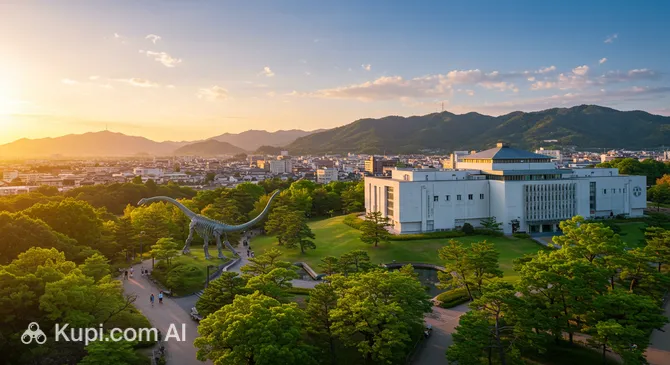
Fukui. Illustration.
Source: Kupi.com AI

With a population of approximately 261,474, Fukui maintains the cozy feel of a compact city while offering guests a rich variety of cultural and historical landmarks. As the administrative center of the prefecture of the same name, Fukui also plays the role of an important transport hub in the Hokuriku region. Here, traditional Japanese villas and temples elegantly coexist with modern buildings and spacious, well-maintained parks.

Fukui captivates with its special atmosphere: there is no hustle and bustle of a metropolis here, but rather warm hospitality and an amazing harmony between a rich past and a dynamic present. The city is famous for its unique attractions: from the ruins of ancient samurai clans and one of the world's best dinosaur museums to serene gardens and the famous cherry blossom alleys along the Asuwa River. Lovers of authentic experiences will appreciate the opportunity to meditate in an ancient temple or enjoy a leisurely dinner overlooking the Sea of Japan.

If you are looking for a place where you can feel like a true explorer and discover uncharted facets of Japanese culture, Fukui is waiting for you. This city knows how to surprise, inspire, and leave behind the warmest and most unforgettable memories.

You can find more interesting facts on the Fukui city history page.

Weather Overview

When planning a trip to Fukui, it is worth considering its climatic characteristics. Expect warm summers, with average temperatures in July and August staying around 25-26°C (peaking at 28°C); however, this period is also characterized by frequent precipitation, especially in July, which is the month with the highest amount of rainfall (11 mm) and a large number of rainy days (19 days). Winters in Fukui are cool and damp: in January, the average temperature is about 4.2°C (with lows of 2°C), while December and January stand out for having the highest number of days with precipitation (26 and 25 days respectively). Spring and autumn months usually delight with milder weather and fewer rainy days; for example, in May, the average temperature is about 16.4°C with 12 rainy days. For detailed information on weather conditions in Fukui for each month, we recommend checking the Fukui Climate page.

Average monthly temperature

Average monthly precipitation

Interesting Facts

In addition to its well-known attractions, Fukui hides many surprising stories and features that make it truly unique. Ready to learn a few curious facts about this Japanese city?

Dinosaur Square. Illustration.
Source: Kupi.com AI

Traveler photos:

  • Fukui proudly holds the title of "Dinosaur City." One of the world's largest dinosaur museums is located here, and animated figures of prehistoric giants greet guests at Dinosaur Plaza by the main station. The prefecture is rich in fossil discoveries.

  • In the past, Fukui played a significant role as a center of samurai culture. The ruins of the Ichijodani town preserve the remains of the residences of the powerful Asakura clan, offering a glimpse into the lives of warriors and aristocrats in medieval Japan. The restored part of this historic site serves as a true open-air museum.

  • The city is home to Eihei-ji, one of the most revered Zen Buddhist temples in Japan. Founded in the 13th century, this vast monastery complex is considered the cradle of Japanese Zen Buddhism (Soto school) and continues to attract pilgrims and practitioners from all over the world with its austere atmosphere and beautiful architecture.

  • A true jewel of Fukui is Yokokan Garden, a magnificent example of Japanese landscape art, laid out on the grounds of a former Matsudaira clan residence. In spring, the Asuwa River embankment transforms into a fairy-tale tunnel of more than 600 blooming cherry trees, creating an unforgettable sight.

How to Get There

Traveling to Fukui can be an exciting adventure, as this city is an important transport hub in the Hokuriku region. Although the city itself does not have its own airport, getting here is quite simple thanks to a well-developed transport network with neighboring prefectures. You can find more details on how to get to Fukui and choose the most convenient route on our dedicated page.

The nearest air hub is Komatsu Airport (KMQ). Please note that it is located not in Fukui, but in the city of Komatsu (Ishikawa Prefecture), about 40 km from the center of Fukui. This is the main regional hub, handling domestic flights from Tokyo and Sapporo, as well as some international destinations. The trip from the airport to the city by limousine bus or taxi takes about an hour.

For international travelers, a convenient option might be Chubu Centrair International Airport (NGO), located in Nagoya. This is a major transport hub with high passenger traffic, receiving flights from all over the world. The airport is approximately 144 km from Fukui. The journey by car or bus will take about 3.5–4 hours, but many tourists prefer to get there by high-speed trains via Nagoya Station.

You can also consider flying via Toyama Airport (TOY). It is located in the city of Toyama, about 108 km from Fukui. This is a less busy airport that can be convenient if you are planning a trip throughout the Northern Alps region.

For clarity, here is a summary of the main airports in the region:

AirportPassenger trafficDistance
Komatsu Airport1.8 mln40 km
Toyama Airport736 740108 km
Nagoya Airport735 000110 km
Tajima57 194143 km
Chubu Centrair International Airport12.3 mln144 km

Rail travel is one of the most popular ways to reach Fukui. The central point of arrival is Fukui Station. The city is excellently connected to Japan's major metropolises. The "Thunderbird" limited express trains from Osaka and Kyoto, as well as the "Shirasagi" express trains from Nagoya, arrive here. Additionally, the opening of the Hokuriku Shinkansen extension has significantly improved access from Tokyo and Kanazawa. The railway station is in the heart of the city, from where it is easy to reach hotels and attractions.

If you prefer road transport, Fukui can be reached by intercity buses from Tokyo, Osaka, Kyoto, and Nagoya. A bus trip usually takes longer than a train journey but is often a more economical option. The Hokuriku Expressway provides easy access for those traveling by rental car.

Main Attractions

Fukui, a city with a rich history and culture, offers tourists many interesting places to visit. Here, everyone will find something for themselves, from peaceful gardens and parks to unique museums and historical shrines.

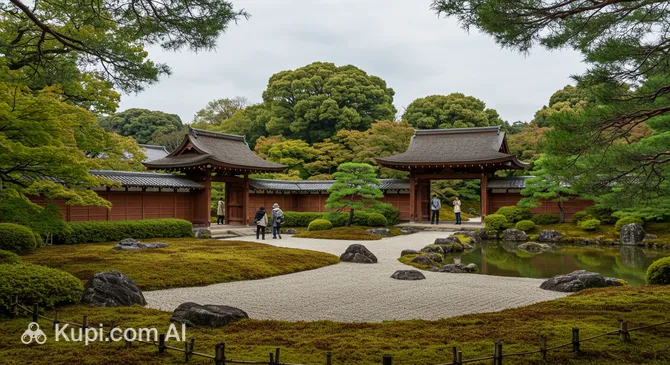
One of the city's gems is Yokokan Garden. This traditional Japanese garden, formerly a villa of the Matsudaira clan, enchants with its beauty and tranquility. A walk along its winding paths, past the koi pond and elegant buildings, allows you to immerse yourself in the atmosphere of old Japan and enjoy the harmony of nature. It is an ideal place for those seeking solitude and aesthetic pleasure.

Yokokan Garden. Illustration.
Source: Kupi.com AI

Traveler photos:

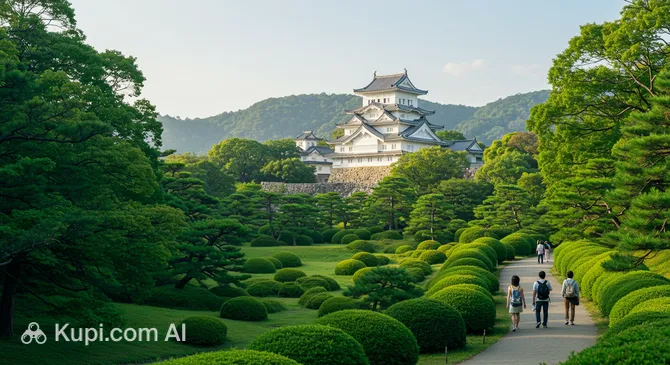
Nature and outdoor enthusiasts should visit Asuwayama Park. Located on a hill, it offers not only great views of the city but also a variety of entertainment. Here you can find a zoo, a botanical garden, playgrounds, and even a small natural history museum. In spring, the park is especially beautiful due to the cherry blossoms, which attract many visitors.

Asuwayama Park. Illustration.
Source: Kupi.com AI

Traveler photos:

A unique attraction in Fukui, especially interesting for families with children, is Dinosaur Plaza. Fukui Prefecture is known for its paleontological finds, and this square in front of Fukui Railway Station pays tribute to this heritage. Realistic moving dinosaur models are installed here, delighting both children and adults. It is a great place for photos and learning about the region's prehistoric past.

Dinosaur Square. Illustration.
Source: Kupi.com AI

Traveler photos:

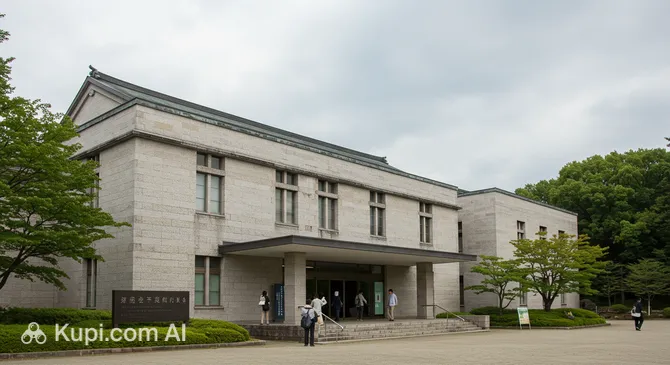
For those interested in the history and culture of the region, the Fukui Prefectural Museum of Cultural History is a must-visit. The museum's exhibits cover a wide period, from ancient times to the present day, telling the story of the prefecture's development, its traditions, crafts, and the daily life of local residents. This is a wonderful opportunity to gain a deeper understanding of Fukui's rich heritage.

Fukui Prefectural Museum of Cultural History. Illustration.
Source: Kupi.com AI

Traveler photos:

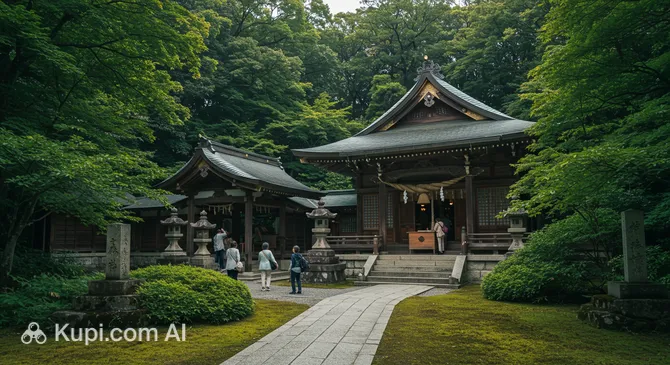
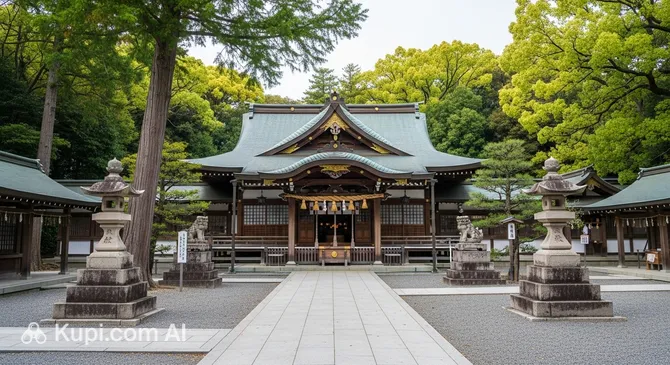
One cannot overlook Asuwa Shrine, one of the oldest and most revered Shinto shrines in Fukui. It is known for its beautiful architecture and peaceful atmosphere. The shrine is especially popular during the cherry blossom season when its grounds turn into a magical place. A visit to Asuwa Shrine allows you to touch the spiritual life of Japan.

Asuwa Shrine. Illustration.
Source: Kupi.com AI

Traveler photos:

Local Cuisine

The gastronomy of Fukui is a true immersion into the authentic flavors of Japan, where a special place is held by the gifts of the Sea of Japan and local agricultural products. The city is famous for its culinary traditions, offering travelers unique dishes that are hard to find anywhere else. The culinary pride of Fukui is rightfully considered the Echizen-gani snow crab. This delicacy, prized by gourmets across the country, is served here in many variations: from simple boiled crab to exquisite soups and sushi. The crab fishing season attracts many connoisseurs to Fukui.

In addition to the famous crab, Fukui's cuisine is rich in other interesting dishes. You should definitely try saba no heshiko—this is pickled mackerel prepared according to ancient local recipes, possessing a rich flavor. Another signature dish is soba buckwheat noodles, which in Fukui are often served with the freshest seafood and seasonal vegetables, creating a harmonious combination of flavors and textures. Also popular are oyaki—traditional Japanese dumplings or flatbreads made from buckwheat or wheat flour with various fillings.

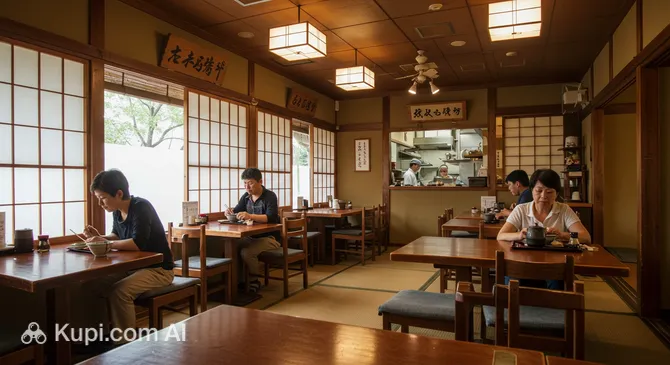
The food culture in Fukui offers options for every taste and budget. Locals and tourists can enjoy fresh seafood in numerous restaurants, many of which specialize specifically in Echizen-gani dishes. To try authentic soba noodles, you can visit an establishment like Soba Yasutake. Additionally, street markets and farmers' fairs are popular in the city, where you can not only buy fresh local products but also try various snacks, sushi, and traditional sweets. Culinary festivals are often held here during the warmer months.

Soba Yasutake. Illustration.
Source: Kupi.com AI

Traveler photos:

Speaking of drinks, one cannot fail to mention the local sake. In Fukui Prefecture, there are many small family-run sake breweries that produce this traditional Japanese drink using ancient technologies, preserving the unique taste and aroma of the region. Each brand of sake has its own characteristics, and tasting different varieties can become a separate gastronomic adventure. For dessert, pay attention to wagashi—traditional Japanese sweets, which in Fukui are often prepared using seasonal fruits and local rice, offering a refined conclusion to the meal.

Travel Tips

Planning a trip to Fukui? Wonderful! To ensure your journey through this cozy corner of Japan goes smoothly and leaves only pleasant impressions, we have prepared some practical tips.

  1. Clothing and Essentials: The climate in Fukui is temperate, with four distinct seasons. Summers can be hot and humid, so choose light clothing made from natural fabrics. In winter, you cannot do without a warm jacket, hat, and gloves, as it sometimes snows. Spring and autumn are the most comfortable times, but layering your clothes is a good idea. Be sure to bring comfortable shoes, as there will be a lot of walking. Don't forget an adapter for electrical appliances (Japan has 100V voltage and type A and B plugs). When visiting temples and shrines, choose modest clothing that covers shoulders and knees.
  2. Getting Around the City: It is convenient to get around Fukui by local buses and trams. For longer trips around the prefecture, you can use JR trains. Taxis are available but can be expensive. Renting a car can be useful if you plan to explore the surroundings independently, but it is not necessary for getting around the city itself. Consider purchasing a Japan Rail Pass if Fukui is part of a larger trip across Japan.
  3. Finances: The local currency is the Japanese Yen (JPY). Credit cards are accepted in many hotels, large shops, and restaurants, but cash is still very important, especially in small establishments, markets, and temples. You can exchange currency at airports, banks, or specialized exchange offices. ATMs that accept international cards can be found in post offices (Japan Post Bank) and 7-Eleven stores. Tipping is not customary in Japan—good service is already included in the bill.
  4. Health and Safety: Fukui, like Japan in general, is a very safe place. Pharmacies (薬, kusuri) are easy to find, but not all of them operate 24/7, and pharmacists may not speak English. Carry a basic first-aid kit with you. If you need medical assistance, ask your hotel for a recommendation for a clinic for foreigners. Standard precautions, such as keeping an eye on your personal belongings, are always relevant.
  5. Communication: The official language is Japanese. English is understood in tourist spots, hotels, and stations, but not everywhere. Learn a few basic phrases in Japanese (e.g., "konnichiwa" — hello, "arigato" — thank you, "sumimasen" — excuse me/sorry). For constant internet access, it is convenient to rent a pocket Wi-Fi router or buy a local SIM card. Free Wi-Fi is available in many hotels, cafes, and public places.
  6. Local Etiquette: Japanese people value politeness and respect. Greetings are usually accompanied by a bow. In public places, especially on transport, try not to speak loudly on the phone. It is customary to remove your shoes when entering homes, some temples, and traditional restaurants. Remember the rules for using chopsticks (for example, do not stick them vertically into rice).
  7. What to Avoid: You should not eat while walking on the street unless it is in a designated area (e.g., food festivals). Also, avoid blowing your nose in public—it is considered impolite. Do not leave trash anywhere; Japan has very strict waste sorting rules.
  8. Local Highlight: Fukui is famous for its Dinosaur Museum (Fukui Prefectural Dinosaur Museum), one of the best in the world. If you are traveling with children or are simply interested in paleontology, be sure to include it in your itinerary. The prefecture is also known for Echizen crabs (Echizen kani), which are considered a delicacy during the winter season.

We hope these tips will help you better prepare for your trip and enjoy every moment of your stay in hospitable Fukui. Have a great journey!

Entertainment & Nightlife

Fukui, being a city with a rich history and culture, offers its guests various ways to spend an evening, although its nightlife may seem quieter compared to Japan's major metropolises. The main concentration of evening venues is usually found around the central Fukui Station and adjacent shopping streets, such as Katamachi.

Evening entertainment in Fukui is often centered around cozy izakayas (Japanese pubs), restaurants, and karaoke bars. The atmosphere in most establishments is quite relaxed and welcoming, attracting both locals and tourists. Here you can enjoy local cuisine, sake, and other drinks. The dress code is usually casual unless you are visiting a high-end restaurant. Most bars and izakayas are open until midnight or slightly later, especially on weekends. Prices are generally moderate, particularly when compared to Tokyo or Osaka.

Among the places where you can enjoy a pleasant evening are restaurants offering local cuisine. For example, you can visit Soba Yasutake to try traditional Japanese soba noodles, or stop by Yakitori Akiyoshi, famous for its yakitori skewers. These places are great for dinner before continuing your evening at one of the local bars.

Soba Yasutake. Illustration.
Source: Kupi.com AI

Traveler photos:

For those looking for a more active nightlife, keep an eye out for small music bars or venues with live music that can be found while strolling through the central streets. Although there are few large nightclubs in Fukui, the atmosphere of small bars is often very soulful. The best time to visit is Friday or Saturday evening. You can get around the city at night by taxi, which are easy to find at the station or call by phone. Fukui is considered a safe city, but it is always worth taking standard precautions, especially late at night.

During the day, Fukui offers plenty of cultural entertainment. Visitors can head to the Fukui Fine Arts Museum, the Fukui Prefectural Museum of Cultural History, or the Fukui City Art Museum. For outdoor walks, Asuwayama Park and the picturesque Yokokan Garden are perfect. A unique spot that will interest both children and adults is Dinosaur Plaza, a reminder of the prefecture's rich paleontological heritage.

Parks & Museums

Fukui invites its guests to enjoy a harmonious blend of peaceful green zones and rich cultural heritage, offering various opportunities for relaxation and learning. The city carefully preserves its history and nature, which is reflected in its parks and museums.

Among the green oases of Fukui, Asuwayama Park stands out in particular. This is a popular holiday spot for citizens and tourists, especially beautiful during the cherry blossom season. From its hills, picturesque views of the city open up, and within the park, you can find small shrines and even a mini-zoo, making it attractive for family walks. Another gem is Yokokan Garden, the former villa of the Matsudaira clan. This traditional Japanese garden with its pond and elegant buildings allows you to immerse yourself in an atmosphere of peace and contemplation, offering visitors a refuge from the city bustle.

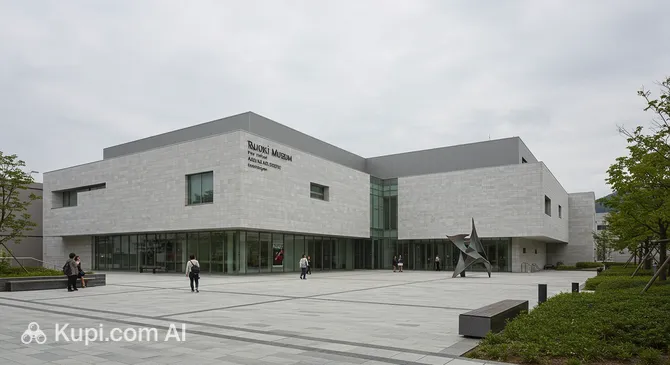
To get acquainted with the history and culture of the region, it is worth visiting the Fukui Prefectural Museum of Cultural History. Its exhibits tell in detail about the prefecture's past, from ancient times to the present, presenting archaeological finds and household items. Art lovers will find the Fukui Fine Arts Museum interesting, where both works by Japanese masters and Western art are presented. The Fukui City Art Museum is also noteworthy, as it often holds temporary exhibitions and introduces the work of local artists.

Fukui Fine Arts Museum. Illustration.
Source: Kupi.com AI

Traveler photos:

Fukui City Art Museum. Illustration.
Source: Kupi.com AI

Traveler photos:

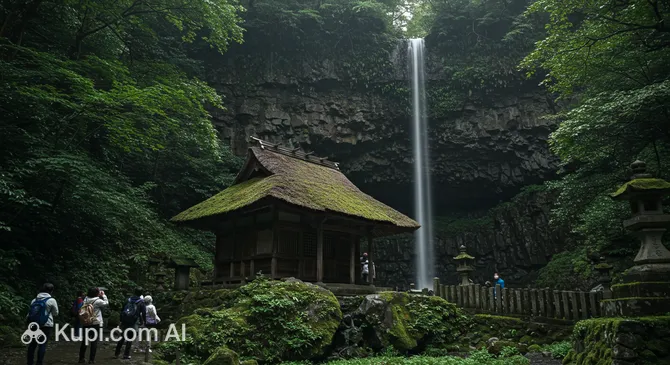
Fukui is also known for its historical shrines. Asuwa Shrine, located near the park of the same name, is one of the oldest in the city and attracts with its peaceful atmosphere. Keya Kurotatsu Shrine is revered as a power spot, and the Fukui Gokoku Shrine is dedicated to the memory of fallen warriors. A unique and memorable place, especially for travelers with children, is Dinosaur Plaza in front of Fukui Station, reminding us that Fukui Prefecture is one of the leading centers for paleontological research on dinosaurs in Japan.

Keya Kurotatsu Shrine. Illustration.
Source: Kupi.com AI

Traveler photos:

Fukui Gokoku Shrine. Illustration.
Source: Kupi.com AI

Traveler photos:

For a more authentic experience, take a stroll through the quiet streets around Yokokan Garden, where you can discover small traditional shops and feel the slow pace of city life. Also, visiting one of the local markets early in the morning can yield interesting gastronomic discoveries and an introduction to the daily life of Fukui residents.

Getting Around

Public transport in Fukui offers several convenient ways to get around the city and its surroundings. The core of the transport system consists of buses, whose routes cover most areas. Trams operated by the Fukui Railway (Fukutetsu) also play an important role, serving not only as a convenient means of transport but also giving the city a special charm. For trips to the suburbs and neighboring towns, you can use the services of local railway lines such as the Echizen Railway.

The fare system in Fukui is quite flexible. The cost of a single bus or tram ride usually varies depending on the distance and starts at approximately 170-230 yen. The most common method is paying cash directly to the driver upon exiting (often you need to take a numbered ticket when boarding to indicate your zone). For more convenient and frequent travel, it is recommended to use rechargeable smart cards such as ICOCA, which are accepted on most types of transport in the region and throughout Japan. Sometimes special day passes may be available for tourists, allowing for savings if using transport actively.

Single-trip tickets can be purchased or transport cards topped up at railway stations or from vending machines. When using cash on buses and trams, be prepared to have small change, as drivers may not always be able to change large bills. Smart cards are validated by tapping the card against the reader when entering and exiting. Public transport usually begins operating early in the morning and ends late in the evening. Mobile applications such as Google Maps, Jorudan, or Navitime Japan Travel are very useful for route planning and checking schedules. They will help you not only find the optimal path but also see actual arrival times and estimated travel costs. It is recommended to check schedules in advance, especially on weekends and holidays.

In addition to public transport, alternative ways of getting around are available in Fukui. Taxis can be found at stations and in busy city areas; it is a convenient, though more expensive, option, especially for night trips or when carrying a lot of luggage. To explore the central part of Fukui and its picturesque surroundings, you might consider renting a bicycle—it is a popular and eco-friendly way to enjoy the city at your own pace. Many areas of the city are well-suited for walking, especially if you want to get a closer look at the local atmosphere.

Accommodation

In Fukui, travelers will find various accommodation options to suit different preferences and budgets. The city offers a choice from modern mid-range hotels and convenient business hotels to more budget-friendly options like guesthouses. While there may not be as many luxury resorts as in larger metropolises, the quality and comfort of the accommodation provided are high.

The most convenient areas to stay are traditionally considered those adjacent to Fukui Central Railway Station. This provides easy access to public transport for getting around the city and its surroundings, as well as to shops and restaurants. Locations near key attractions are also popular, for example, near Asuwayama Park or the city's cultural center, where museums such as the Fukui Fine Arts Museum and the Fukui Prefectural Museum of Cultural History are located.

Asuwayama Park. Illustration.
Source: Kupi.com AI

Traveler photos:

Although the provided list of attractions does not include specific hotels, Fukui features a wide range of hotel establishments. The price range varies: you can find both budget options and mid-range or higher-class hotels. For searching and booking accommodation, it is convenient to use popular international online platforms, as well as official hotel websites, where you can sometimes find special offers.

Booking tip: it is recommended to arrange accommodation in advance, especially if your trip to Fukui coincides with national holidays, local festivals, or the peak tourist season. Early booking not only guarantees availability but often allows you to choose the best options in terms of price-to-quality ratio.

Nearby Cities

For those who want to explore the surrounding area, Fukui serves as an excellent starting point for day trips to several interesting nearby locations:

From Fukui, it is easy to reach several notable cities. For example, Komatsu, located just 43 km away, attracts visitors with its famous Natadera Temple and Awazu Hot Springs. The cultural capital of the region, Kanazawa (67 km), is famous for its magnificent Kenroku-en Garden, one of the three great gardens of Japan, as well as well-preserved samurai and geisha districts. A trip to Hikone (76 km) will allow you to see one of Japan's few original castles—Hikone Castle, towering over Lake Biwa.

CityPopulationDistance
Eiheiji18 9218 km
Sabae68 66612 km
Awara27 10716 km
Echizen80 26418 km
Kaga62 99728 km

These nearby destinations provide a deeper understanding of the diverse culture, history, and natural landscapes of the region, complementing the experience of visiting Fukui.

Shopping & Souvenirs

Fukui offers tourists pleasant shopping opportunities, combining modern stores with the traditional crafts for which the Echizen region (of which Fukui is a part) is famous. The city is particularly well-known for producing high-quality eyewear (a significant portion of Japanese frames are produced here), as well as traditional products such as Echizen-washi (Japanese paper), Echizen-nuri (lacquerware), and Echizen-uchihamono (forged knives).

The main shopping areas in Fukui are concentrated around JR Fukui Station and the adjacent shopping arcades (shotengai). Here you can find department stores, fashion boutiques, electronics stores, and souvenir shops. A walk through these areas will allow you to soak up the local atmosphere and find a variety of goods.

While Fukui may not have giant mega-malls like Tokyo or Osaka, there are department stores and small shopping complexes near the station and in the city center offering a good selection of goods. For example, Seibu Fukui department store (though not listed as an attraction, it is a well-known shopping site in the city) offers a wide range of items: from clothing and cosmetics to food and souvenirs. It's also worth checking out the shopping spaces inside or next to the station.

Specialized tourist markets are not as common in Fukui as in some other Japanese cities. However, you can find local markets selling fresh produce or visit the food basements of department stores, which often offer local delicacies and seasonal items. To find unique souvenirs, it is better to visit specialty stores or craft centers.

As for souvenirs, from Fukui it is worth bringing back: * Echizen Crafts: lacquerware (Echizen-nuri), handmade Japanese paper (Echizen-washi), forged knives and tools (Echizen-uchihamono), and ceramics (Echizen-yaki). * Eyeglass Frames: Fukui is one of the world's centers for eyewear production, so you can find stylish and high-quality frames here. * Dinosaur-themed products: Fukui Prefecture is home to one of the largest dinosaur museums in Japan, so dinosaur souvenirs are very popular here, especially if you visit Dinosaur Plaza. * Local sweets and sake.

Most shops in Fukui are usually open from 10:00 or 11:00 AM until 7:00 or 8:00 PM. Department stores may have slightly different hours. Credit cards are accepted in many places, especially in large stores and department stores, but it is always useful to have some cash on hand, especially for small shops and markets. The Tax-Free system for foreign tourists is common in Japan. Look for shops with the corresponding sign (usually "Japan Tax-free Shop") and do not forget your passport to process a tax refund when purchasing over a certain amount.

Reached the end of the page?

That means the route is fully explored