Support

Shirayama

About

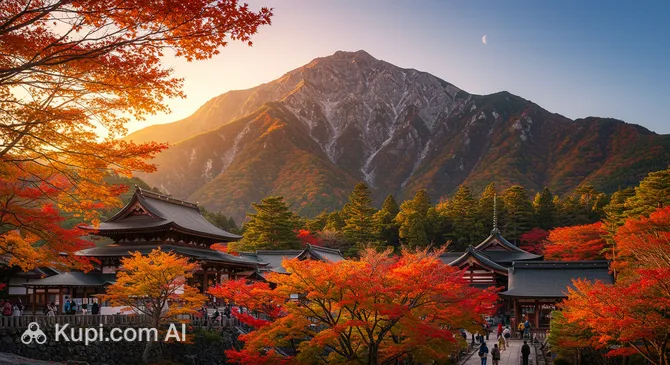
Shirayama is a cozy city nestled in a picturesque part of Ishikawa Prefecture in Japan, along the coast of the Sea of Japan. It is located approximately 40 kilometers south of Kanazawa. The city is surrounded by gentle hills, endless rice fields, and dense forests, which create a special atmosphere of tranquility and charm. Shirayama is an ideal place for those who dream of a break from the urban bustle and wish to immerse themselves in the peaceful atmosphere of the Japanese countryside.

Shirayama. Illustration.
Source: Kupi.com AI

With a population of about 110,000 people, Shirayama is a large enough city to offer its guests a well-developed infrastructure, yet it retains its intimate and cozy feel. The city plays an important role in the region as a transport and cultural center, harmoniously blending centuries-old traditions with modern conveniences. Shirayama charms at first sight: here you will find ancient Shinto shrines, historic streets with traditional wooden houses, and modern quarters with cozy cafes and craft shops.

The locals are famous for their hospitality, and the city's atmosphere itself invites leisurely walks and a deep immersion into Japanese culture. Shirayama is worth visiting for its unique combination of scenic nature, rich history, and authentic way of life. It is a wonderful destination for those seeking to get to know the real Japan, far from the popular tourist routes.

You can find more interesting facts on the history of Shirayama page.

Weather Overview

The weather in Shirayama is characterized by noticeable seasonal changes. Summer, especially in July and August, is quite warm, with average temperatures reaching 25.9°C in August, and a significant amount of precipitation, particularly in July (11 mm, 22 rainy days). Winters are cold, with the average temperature in January being 1.7°C, and minimum values dropping below zero. The winter months, December and January, also stand out with the highest number of precipitation days (26 days each) and moderate precipitation amounts (7-8 mm). Spring and autumn are transitional seasons with gradual temperature changes and moderate precipitation. Overall, expect a warm and humid summer with periodic rain and cold, snowy winters. To get more detailed information, you can visit the Shirayama Climate page.

Average monthly temperature

Average monthly precipitation

Interesting Facts

In addition to its picturesque landscapes and peaceful atmosphere, Shirayama holds many interesting details and ancient legends that make this corner of Japan truly special. Here are just a few of them:

  • The city's main sanctuary, the ancient Shinto Shirayama Shrine, surrounded by centuries-old cedars, is considered the place where, according to legend, the deity of Mount Hakusan bestowed pure water and fertility upon the people, blessing this land. Colorful festivals are held here annually in its honor.

  • Shirayama is a true center of craftsmanship. Traditional trades still flourish here, such as the creation of exquisite ceramics, refined lacquerware, and unique copper souvenirs, the secrets of which are carefully passed down from generation to generation, with masters' works highly valued throughout the country.

  • It is no surprise that the scenic surroundings of Shirayama served as an inexhaustible source of inspiration for many creative individuals. The city rightfully prides itself on being the birthplace of several famous Japanese artists and poets, and exhibitions and cultural events are frequently held here.

  • According to a beautiful local legend, the dense forests around Shirayama are inhabited by guardian spirits. It is believed that they protect the city and its residents, bringing good luck to those who treat nature and ancient customs with respect.

How to Get There

When planning a trip, it is important to think about the route in advance. You can learn more about how to get to Shirayama by studying all available transport options, from planes to trains. The city is conveniently accessible from the region's major hubs, making a trip here comfortable.

There is no airport in the city of Shirayama itself, but you can fly into Komatsu Airport (KMQ) in Komatsu, which is only 21.1 km from Shirayama. This is the most convenient option for domestic and some international flights. A taxi or bus ride from here takes about 40-50 minutes, allowing you to reach your destination quickly.

For those arriving on long-haul international flights, a good option is Chubu Centrair International Airport (NGO) in Nagoya. Although it is located significantly further away, at a distance of approximately 175.6 km, it is a major hub with a large number of flights. From there, Shirayama can be reached by train with a transfer or by rented car, which takes about 3-4 hours.

For clarity, here is summary information on the main airports:

AirportPassenger trafficDistance
Komatsu Airport1.8 mln21 km
Toyama Airport736 74055 km
Noto Airport207 427100 km
Matsumoto Airport112 618119 km
Nagoya Airport735 000133 km

Railway communication is another popular way to reach the region. The neighboring city of Kanazawa often serves as the main transit hub for travelers, where Shinkansen high-speed trains arrive (for example, from Tokyo). From Kanazawa Station, you can easily transfer to local lines (such as the JR Hokuriku Main Line), which serve stations located directly within the city limits of Shirayama (for example, Matto Station). A local train ride from Kanazawa takes only 10–15 minutes.

Main Attractions

The city of Shirayama, located in the picturesque Ishikawa Prefecture at the foot of the mountain that gave it its name, offers travelers a rich variety of experiences. Majestic natural landscapes, ancient shrines, and fascinating cultural sites blend harmoniously here. Here are several key attractions to include in your itinerary for Shirayama and its surroundings.

At the center of the region's natural treasures is Hakusan National Park, the heart of which is Mount Hakusan—one of Japan's three sacred mountains. This vast park attracts nature lovers year-round: in summer, you can embark on exciting hikes along numerous trails, admiring alpine flowers and breathtaking panoramic views. In winter, the slopes of Mount Hakusan transform into a popular destination for skiing and snowboarding. The mountain's grandeur and its deep spiritual significance make this place truly special for every visitor.

At the foot of the sacred Mount Hakusan lies Shirayamahime Jinja (Shirayama Shrine). This shrine is the head of more than three thousand Hakusan shrines scattered throughout Japan and is dedicated to the mountain's deity. The shrine has a centuries-old history and is considered an important center of the Shinto faith. Visitors can enjoy traditional Japanese architecture, stroll through the well-maintained and quiet grounds of the shrine complex, and feel an atmosphere of peace and spirituality.

For those who appreciate picturesque natural scenery, a visit to Tedori Gorge is a must. This impressive gorge, formed by the rushing waters of the Tedori River, is famous for its steep rocky banks, emerald-colored water, and lush green vegetation covering the slopes. The gorge is especially beautiful during the autumn foliage season when the trees are painted in bright crimson and gold tones. A walk along the gorge or contemplating it from one of the specially equipped observation decks will provide unforgettable impressions and magnificent photographs.

If you are traveling with family or are simply interested in our planet's prehistoric past, you should definitely stop by the Hakusan Dinosaurs Park Shiramine. This unique park is located in an area where significant paleontological finds were made, including dinosaur fossils. In the park, you can see realistic full-size models of ancient lizards, visit a fascinating museum with authentic fossils, and learn a lot about life on Earth millions of years ago. It is an educational and exciting place for visitors of all ages.

Local Cuisine

The gastronomy of Shirayama is a true discovery for connoisseurs of Japanese cuisine, where the main roles are played by the freshest gifts of the Sea of Japan, famous Koshihikari rice, and seasonal vegetables. The local culinary scene will delight you with authentic flavors and high-quality products, turning every meal into a small gastronomic journey.

Be sure to try local sushi and sashimi, especially those made from tender crab and sweet shrimp—their delicate taste is famous far beyond the city and is the signature of many restaurants. Don't pass by the rice crackers with soy sauce—these are not only a popular local snack but also a great souvenir that will remind you of the flavors of Shirayama.

For those with a sweet tooth, Shirayama offers exquisite desserts. Look out for treats made from mochi (rice dough) and sake, as well as fragrant local cakes with the addition of green tea. Among drinks, you should certainly sample the local sake, produced from select Koshihikari rice, and enjoy classic Japanese green tea.

The food culture in Shirayama is closely linked to traditions and the freshness of products. You can get to know the local cuisine both in cozy restaurants and at colorful farmers' markets. At the markets, you will find not only fresh vegetables and fruits from local farmers but also artisanal delicacies, and you can participate in sake tastings. Throughout the year, the city hosts vibrant gastronomic festivals where you can dive deeper into the region's culinary traditions and try seasonal dishes.

Travel Tips

Welcome to Shirayama! To make your trip to this corner of Japan as comfortable and enjoyable as possible, we have prepared some practical tips. They will help you navigate better and enjoy every moment of your stay.

  1. Clothing and Essentials:

    The climate in Shirayama, as in all of Ishikawa Prefecture, is temperate, with four distinct seasons. In summer (June-August), choose light, breathable clothing, and don't forget sunscreen and a hat. In spring (March-May) and autumn (September-November), layering is key: T-shirts, sweaters, and a light jacket will come in handy. In winter (December-February), expect cool weather with potential snow, so warm clothing, including a hat, gloves, and a scarf, is mandatory. Comfortable shoes are your best friend at any time of year, as there will be a lot of walking. Don't forget an adapter for your electrical appliances (type A and B sockets are used in Japan, with 100V voltage). When visiting temples and shrines, dress modestly: shoulders and knees should be covered.

  2. Getting Around the City:

    Shirayama is a relatively small city, so the main form of public transport here will likely be local buses. Study their routes and schedules in advance. Taxis are available but can be quite expensive. If you plan to explore the surroundings and the natural beauty of Ishikawa Prefecture, renting a car might be a good option. Remember that traffic is on the left in Japan, and you will need an international driving permit to rent.

  3. Financial Matters:

    The local currency is the Japanese Yen (JPY, ¥). It is best to exchange currency at the airport upon arrival or at major banks; in small cities like Shirayama, exchange points may be limited. Credit and debit cards are accepted more frequently, especially in tourist spots, but Japan is still a country where cash plays an important role. Always have some cash with you. International cards usually work at ATMs in post offices (Japan Post Bank) and 7-Eleven stores. An approximate daily budget (excluding accommodation) can vary, but aim for 7,000-15,000 yen for a comfortable stay. Tipping is not customary in Japan—good service is considered the norm.

  4. Health and Safety:

    Japan is one of the safest countries in the world, and Shirayama is no exception. Pharmacies (look for the "薬" - kusuri sign) are available, but staff do not always speak English. It is recommended to carry a basic first aid kit. Medical insurance for tourists is highly desirable. In case of serious issues, contact a hospital. General precautions, as with any trip, are always advisable. Also, remember that Japan is prone to earthquakes; familiarize yourself with the rules of conduct in such situations.

  5. Communication and Connectivity:

    The official language is Japanese. English is not widely spoken, especially outside major tourist centers and among the older generation. Learn a few basic phrases: "konnichiwa" (hello), "arigato" (thank you), "sumimasen" (excuse me/sorry). For convenience, you can purchase a local SIM card or rent a pocket Wi-Fi router at the airport. Wi-Fi is available in many hotels and some cafes. Apps like Google Maps and translators can be very useful.

  6. Local Etiquette:

    Japanese people highly value politeness. A greeting is usually accompanied by a slight bow. In public places, especially on transport, try to speak quietly and avoid eating on the go. Always remove your shoes before entering Japanese homes, some temples, and traditional restaurants with tatami mats. When using chopsticks, never stick them vertically into rice or pass food directly with chopsticks to another person—this is associated with funeral rituals.

  7. What to Avoid:

    Try not to talk loudly on the phone in public transport—it is considered impolite. Also, avoid pointing at people or objects with a single finger; use an open palm instead.

  8. Special Feature of Shirayama:

    The city of Shirayama is located at the foot of Mount Hakusan, one of the three sacred mountains of Japan. If you love nature and hiking, be sure to explore the local trails and nature parks (depending on the season). Ishikawa Prefecture is also famous for its Kaga cuisine and traditional crafts, such as Kutani ceramics and Wajima lacquerware. Don't miss the chance to try local delicacies and purchase unique souvenirs.

We hope these tips make your journey to Shirayama even more memorable and easy. Enjoy the beauty and hospitality of this amazing place!

Entertainment & Nightlife

Shirayama, a charming city in Ishikawa Prefecture, offers its guests not only picturesque daytime scenery but also the opportunity to spend a pleasant evening. While the nightlife here is not comparable to the scale of Japan's megacities, it has its own cozy and authentic character, allowing for a deeper immersion into the local atmosphere.

The main concentration of evening establishments is found in the central part of the city, especially in the area adjacent to Shirayama's main railway station and along the shopping street, which we might call Honmachi-dori. Here you will find various places to relax. Traditional Japanese pubs, known as izakaya, are particularly popular. For example, an establishment like "Izakaya Tanaka-san", located near the station, will offer you an authentic experience with local sake, beer, and a wide selection of snacks in a relaxed setting. Such places are great for dinner and subsequent relaxation. You can also find small bars in Shirayama. Imagine "Bar Akari" on one of the central side streets—a cozy place with dim lighting, ideal for quiet conversation over a cocktail. For fans of more active pastimes, there is always karaoke—a favorite Japanese entertainment. Several karaoke boxes, such as "Utau Neko Karaoke", likely operate in the city, providing a fun place to spend time with friends.

The atmosphere in Shirayama's night venues is generally welcoming and calm. The crowd is mostly local, which adds authenticity to your experience. Most izakayas and restaurants are open until midnight or 1:00 AM, while some bars may stay open later, especially on Fridays and Saturdays. There is usually no specific dress code, and casual style is welcomed, although a more neat appearance might be appropriate for some more refined bars, should they exist.

When planning an evening out, focus on the central areas around the station. Average prices for food and drinks in Shirayama are moderate, especially compared to major tourist centers. Regarding night travel, the amount of public transport is limited in the late hours, so it is worth thinking about a taxi in advance. You can call a taxi by phone, via available local apps, or by asking the staff at the establishment where you are relaxing.

Shirayama, like most cities in Japan, is considered a very safe place. Walking along illuminated central streets in the evening generally does not cause concern. Nevertheless, it is always worth taking basic precautions, especially if you are in an unfamiliar place.

During the day, Shirayama also offers interesting leisure options. You can explore local parks, such as Shirayama City Park, visit small museums dedicated to the region's history and culture, or stop by the temples and shrines that are frequently found in Japanese cities. There may also be craft workshops or markets where you can get acquainted with local traditions and purchase souvenirs.
Parks & Museums

The city of Shirayama, located at the foot of the sacred Mount Hakusan in Ishikawa Prefecture, offers travelers a harmonious blend of breathtaking natural landscapes and a rich cultural heritage. Here you can enjoy both the tranquility of green zones and immerse yourself in the region's history and traditions through its museums and shrines.

The main natural gem is Hakusan National Park. This is a vast territory of untouched wilderness, home to diverse species of flora and fauna. The park offers many hiking trails of varying difficulty, leading to the summit of Mount Hakusan or through picturesque valleys. This place is ideal for nature lovers, hikers, and those seeking peace and impressive views. Another notable natural spot is Tedori Gorge. This scenic gorge, formed by the Tedori River, is famous for its steep cliffs and lush vegetation, making it a wonderful place for walks and photography, especially in autumn when the foliage turns vibrant colors.

Among the cultural attractions of Shirayama, Shirayama Hime Shrine holds a special place. This historically significant Shinto sanctuary is the head of approximately three thousand Hakusan shrines across Japan. The shrine attracts visitors with its peaceful atmosphere, beautiful traditional architecture, and deep cultural significance. For those interested in the region's prehistoric past, the Hakusan Dinosaurs Park in Shiramine will be of interest. This museum displays impressive dinosaur fossils found in the vicinity, making it a fascinating place for the whole family to visit. To gain a deeper understanding of local culture and life, it is worth looking into the Hakusan Roku Folklore Museum, which exhibits traditional household items and crafts and tells the history of the people living at the foot of Mount Hakusan.

For a more authentic experience of Shirayama, try exploring the lesser-known hiking trails in Hakusan National Park, which often hide secluded corners of nature. Also, look out for small craft workshops in the surrounding villages, where you can see how traditional items are created by local masters and sometimes even participate in the process.

Getting Around

Public transport in Shirayama is primarily represented by a bus network that connects different city districts and its surroundings. For a city of this size, this is the most common and convenient way for tourists to get around and see local attractions.

The payment system on Shirayama buses generally involves paying cash directly to the driver upon exiting. The amount depends on the distance: when entering through the back or middle door, you take a ticket with a stop number (整理券 - seiriken), and upon exiting, you pay according to the fare chart displayed on the screen near the driver. Approximately, the initial fare for short trips on regional buses in Japan is usually around 150-220 yen, with the final cost increasing based on the distance traveled. In some regions of Japan, reloadable transport cards (e.g., IC cards like Suica or Pasmo, though small cities may have their own local versions or none at all) are common and may also be accepted for payment. It is recommended to carry small change, as drivers cannot always provide change for large bills. Information regarding the availability of one-day or multi-day tourist passes is best checked at local tourist information centers or the bus station.

Buses in Shirayama usually start running early in the morning and finish late in the evening; however, the frequency of trips may decrease in the evening hours and on weekends. Schedules are available at bus stops (often only in Japanese) and sometimes online. Ticket validation occurs at the moment of payment when exiting the bus. If you are using an IC card, you must tap it against the reader both when entering and exiting. To plan routes, you can use online maps or navigation apps that support Japan's public transport data.

As an alternative to public transport, taxi services are always available in Shirayama. This is a more expensive but comfortable way to get around, especially if you are traveling with luggage or in a group. Taxi stands are usually located near railway stations and major tourist sites. In some areas, bicycle rentals may be available, which is an excellent option for a leisurely tour of the city and its surroundings, especially if the weather is favorable. Car sharing is less common in small cities for short-term use by tourists.

Accommodation

Accommodation in Shirayama offers tourists a choice between the convenience of urban infrastructure and the serenity of nature resorts. The range of housing here varies from affordable and functional hotels to luxurious traditional inns located in the picturesque foothills.

If transport accessibility and proximity to shops are important to you, the best choice would be the areas around the railway stations, especially in the central part of the city (the former Matto district). Modern business hotels are concentrated here, which are excellent for transit travelers and those planning active trips around Ishikawa Prefecture. Staying in this part of the city provides easy access to trains heading to Kanazawa and other major centers.

For those who want to immerse themselves in the atmosphere of traditional Japan, the surroundings of Mount Hakusan, such as the Shiramine or Ichirino districts, are the ideal choice. Here you will find cozy ryokans (traditional Japanese inns) and guesthouses, many of which offer their own hot springs (onsens). This is a wonderful opportunity to enjoy therapeutic baths, mountain views, and exquisite kaiseki-style dinners after a day spent in nature.

The price range in Shirayama is quite wide: from budget options in the city to more expensive resort hotels in the mountains. It is recommended to book accommodation in advance, especially if you plan to travel during peak seasons—summer (the climbing season for Mount Hakusan) and winter (the ski season). Most hotels are available on popular international booking platforms; however, some small family-run guesthouses in the mountains may require direct booking or assistance from a tourist center.

Nearby Cities

For those who want to explore the surrounding area, Shirayama serves as an excellent starting point for day trips to several interesting nearby locations:

CityPopulationDistance
Nomi48 8608 km
Nonoichi57 09010 km
Kanazawa462 47914 km
Ishikawa14 22215 km
Komatsu106 02317 km

These nearby destinations provide an insight into the diverse culture and landscapes of the region.

Shopping & Souvenirs

Shopping in Shirayama offers tourists the opportunity to discover local goods and the traditional crafts of the Ishikawa region. Although Shirayama is not a major metropolis with massive shopping centers, you can find unique items and souvenirs that reflect the culture and nature of this part of Japan.

The main shopping opportunities in Shirayama are likely to be concentrated along central streets or in areas adjacent to major transport hubs. Here you can find small local shops offering a variety of goods—from food to everyday items and souvenirs. Look for signs indicating shops with local delicacies or craft products.

The city may have small shopping centers or department stores aimed at local residents, where you can find clothing, household goods, and groceries. However, do not expect giant malls with international brands typical of Tokyo or Osaka. Shopping in Shirayama is more about an authentic experience and local finds.

As for markets, it is not uncommon in Japanese cities of this size to find morning markets (asaichi), where farmers sell fresh vegetables, fruits, and other local products. This is a great place to try seasonal delicacies and observe the daily life of the city's residents. There may also be small markets specializing in seafood if the city is located close to the coast or has access to fresh supplies.

Be sure to pay attention to local souvenirs. Ishikawa Prefecture is famous for its traditional crafts. In and around Shirayama, you can look for Kutani-yaki (colorful ceramics), textiles with traditional patterns, or souvenirs related to Mount Hakusan, at the foot of which the city is located. Also popular gifts from Japan include local sake, traditional sweets (wagashi), and high-quality green tea.

Most shops in Shirayama, as in Japan in general, are usually open from 10:00 or 11:00 AM to 7:00 or 8:00 PM. Small family-run shops may have individual schedules and a closing day (often once a week). Both cash (Yen) and credit cards are accepted, especially in larger stores. However, it is always useful to have some cash on hand, especially for purchases at markets or in small shops.

For foreign tourists in Japan, a Tax Free system is available. When purchasing goods for an amount exceeding 5,000 yen (excluding tax) at participating stores (look for the corresponding logo), you can apply for a consumption tax refund. You will need your passport for this. Check the conditions directly in the stores.

Reached the end of the page?

That means the route is fully explored