Support

Takaoka

About

Takaoka is a cozy and atmospheric city located in Toyama Prefecture on the northwest of Honshu Island, just a few kilometers from the coast of the Sea of Japan. Thanks to its unique location between the mountains and the sea, the city boasts a special microclimate and picturesque surrounding landscapes. The population of Takaoka is about 166,000 people, making it the second-largest city in the prefecture and an important administrative center. This is a place where a relaxed pace of life and the rich cultural heritage of Japan harmoniously combine.

Takaoka. Illustration.
Source: Kupi.com AI

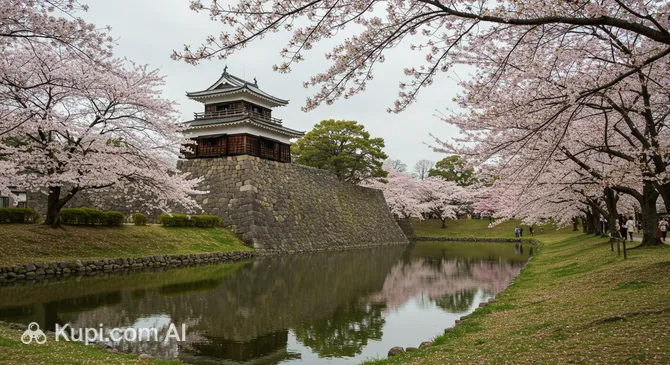
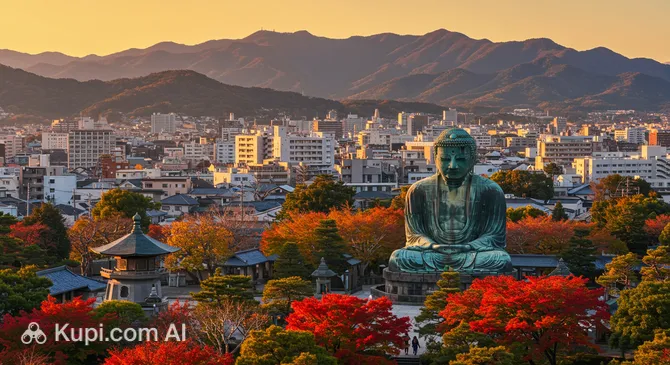
Takaoka is famous for its historical districts and old quarters, where you can easily feel the spirit of old Japan. Narrow streets, traditional wooden houses, and elegant Meiji-era buildings create a unique atmosphere where the past and present organically coexist. Among the key attractions drawing travelers are the majestic Zuiryu-ji Temple, recognized as a national treasure; the picturesque Takaoka Castle Park, especially beautiful in spring during the cherry blossom season; and the famous Takaoka Great Buddha statue, one of the three most significant in the country.

The city attracts visitors with its harmony: here you can take leisurely walks through well-kept parks, immerse yourself in the contemplation of ancient temple architecture, explore local craft shops, and enjoy unique regional cuisine. Takaoka is an ideal destination for those seeking an authentic Japanese experience away from noisy tourist routes—a city that leaves you wanting to return again.

You can find more interesting facts on the Takaoka city history page

Weather Overview

The climate in Takaoka is characterized by clearly defined seasons. In summer, especially in July and August, it is warm and humid: the average temperature in August is 27.1°C, and maximum values can reach 30.3°C. Significant precipitation also falls during this period; for example, in July, about 10 mm of rain and 21 rainy days are recorded. Winters in Takaoka are cold, with the average January temperature staying around 2.6°C and minimum values dropping to -0.2°C. Winter months are also marked by frequent precipitation—up to 25 days with precipitation in January.

Overall, expect warm summers with occasional rain and cold, humid winters. Spring and autumn are transitional seasons with more moderate temperatures and also changeable weather. For more detailed information about the weather by month, including data on precipitation and the number of sunny days, we recommend visiting the Takaoka Climate page.

Average monthly temperature

Average monthly precipitation

Interesting Facts

In addition to its famous landmarks like the majestic Buddha and historical temples, Takaoka hides many amazing details and lesser-known stories that make this city truly special. Here are just a few curious facts that will help you look at Takaoka from a new angle:

  • Although Takaoka is home to one of Japan's three great Buddha statues, the local Daibutsu has its own unique feature: it is the "youngest" among them. The majestic 16-meter bronze figure was hand-cast by local craftsmen as recently as the 1990s, highlighting the continuity of the city's metalworking traditions.

  • The famous Takaoka Castle Park is set on the site where a castle built in 1609 for Maeda Toshinaga once stood. Although only picturesque ruins and moats remain of the castle itself, in spring, this place turns into a true fairytale kingdom thanks to the blooming of thousands of cherry trees.

  • Takaoka is famous not only for its bronze works but also for its exquisite lacquerware. The city is one of the leading centers of this traditional Japanese craft, and local masters still create unique items valued across Japan and beyond. Exhibitions and workshops are held here annually, allowing visitors to experience this ancient art.

  • One of the most spectacular events in Takaoka is the illumination festival at Zuiryu-ji Temple, held in late spring. During these days, the ancient temple, recognized as a national treasure, is lit up by thousands of lights, creating a truly magical and unforgettable atmosphere.

Zuiryu-ji Temple. Illustration.
Source: Kupi.com AI

Traveler photos:

How to Get There

You can reach Takaoka in various ways, combining air and ground transport. Thanks to Japan's well-developed transport system, a journey to this corner of Toyama Prefecture will be comfortable, no matter where you are coming from. You can find all the ways to get to the city on our detailed page.

Takaoka does not have its own airport, so travelers usually use the airports of neighboring cities. The closest is Toyama Airport (TOY), located in Toyama city, just 18.6 km from the center of Takaoka. It is a convenient regional hub serving domestic and some international flights. A taxi or car ride from here takes about 50 minutes.

Another popular option is Komatsu Airport (KMQ), located in Komatsu city. It is approximately 68.3 km from Takaoka and serves a larger number of flights. Travel time by taxi or bus is about 2 hours. For international travelers arriving in central Japan, Chubu Centrair International Airport (NGO) in Nagoya serves as an important hub. Although it is about 211 km away (approximately 5.5 hours by car), it offers a wide range of international connections and convenient rail links to the Hokuriku region.

For convenience, here is a summary of the main airports:

AirportPassenger trafficDistance
Toyama Airport736 74019 km
Noto Airport207 42760 km
Komatsu Airport1.8 mln68 km
Matsumoto Airport112 618103 km
Nagoya Airport735 000166 km

In addition to air travel, Takaoka is a major railway hub. The Hokuriku Shinkansen high-speed train line passes through the city. The Shin-Takaoka Station receives direct trains from Tokyo, making it possible to reach the city from the capital in just 2.5–3 hours. Connections to the cities of Kanazawa and Toyama are also available via local lines and JR network trains arriving at the historical Takaoka Station in the city center.

Main Attractions

Takaoka, a city with a rich history and culture in Toyama Prefecture, offers tourists many interesting places to visit. Ancient traditions and modern trends blend harmoniously here, making it an attractive destination for travelers exploring Japan.

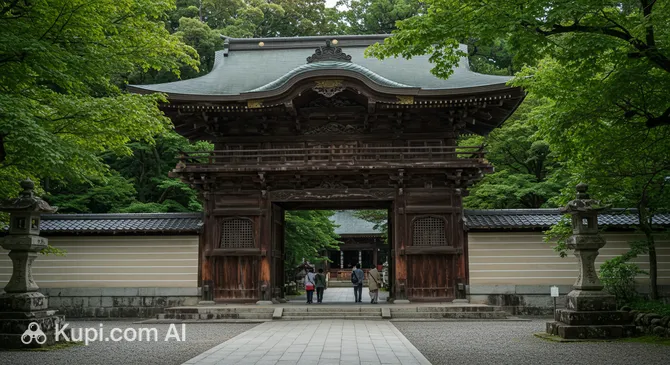
One of the city's main gems is Zuiryu-ji Temple. This magnificent Buddhist temple of the Soto school, built in the 17th century, is recognized as a National Treasure of Japan. Its symmetrical architecture, the impressive Sammon gate, and the Butsuden main hall are truly striking. Visitors appreciate it for its peaceful atmosphere and the opportunity to connect with a rich spiritual heritage.

Zuiryu-ji Temple. Illustration.
Source: Kupi.com AI

Traveler photos:

For history buffs and outdoor enthusiasts, a visit to Takaoka Castle Park is a must. Established on the site of the former Takaoka Castle, this spacious park is one of Japan's most famous spots for cherry blossom viewing in the spring. In addition to its picturesque alleys, it houses the city museum, a small zoo, and a pond, making the park an ideal place for family relaxation.

Takaoka Castle Park. Illustration.
Source: Kupi.com AI

Traveler photos:

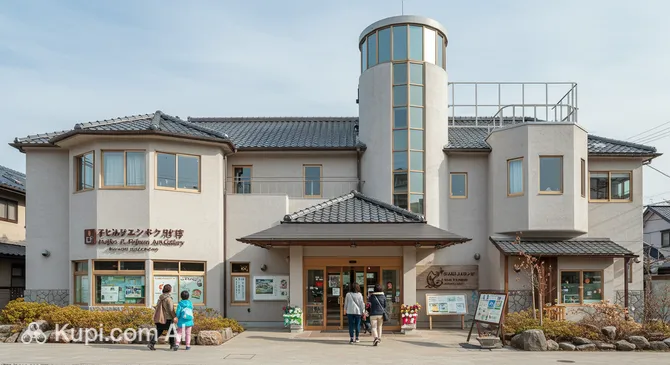
Fans of Japanese animation and manga will undoubtedly be interested in the Fujiko F. Fujio Hometown Gallery. Takaoka is the hometown of one of the creators of the iconic character Doraemon, and this gallery is dedicated to his life and work. It features original drawings, the artist's personal belongings, and interactive exhibits that allow visitors to immerse themselves in the world of his famous creations.

Fujiko F. Fujio Hometown Art Gallery. Illustration.
Source: Kupi.com AI

Traveler photos:

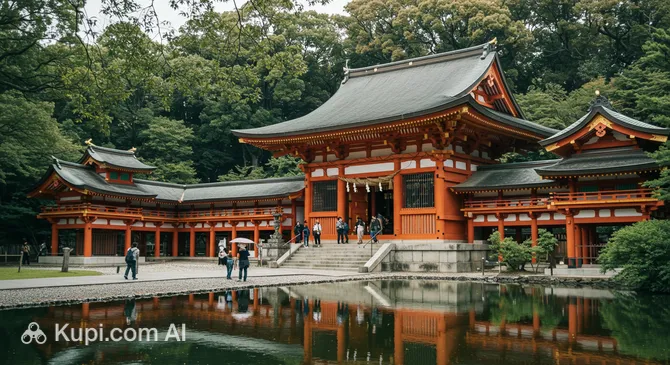
Another significant site is Imizu Shrine. This ancient Shinto shrine is known as the "Ichi-no-miya" (chief shrine) of the historical Etchu Province. It attracts visitors with its calm atmosphere, beautiful traditional architecture, and the chance to learn more about Shinto beliefs and rituals.

Imizu Shrine. Illustration.
Source: Kupi.com AI

Traveler photos:

Local Cuisine

Takaoka is a true gastronomic paradise for lovers of fresh seafood. Due to its location by the Sea of Japan, the city is famous for its excellent sushi and sashimi, prepared from seasonal fish. A special pride of the local cuisine is the white squid (shiro-ika), served in many ways: raw, grilled, or marinated. Dishes made from fresh shrimp and various shellfish are also popular.

In addition to seafood, traditional Takaoka cuisine is rich in dishes made from rice and vegetables grown on the fertile plains of Toyama Prefecture. During the cold season, it is especially pleasant to warm up with hearty local soups and stews. You should definitely try local sweets, often made from beans and rice, as well as the famous crunchy "Toyama-no-okaki" rice crackers with various fillings. This authentic treat makes an excellent souvenir.

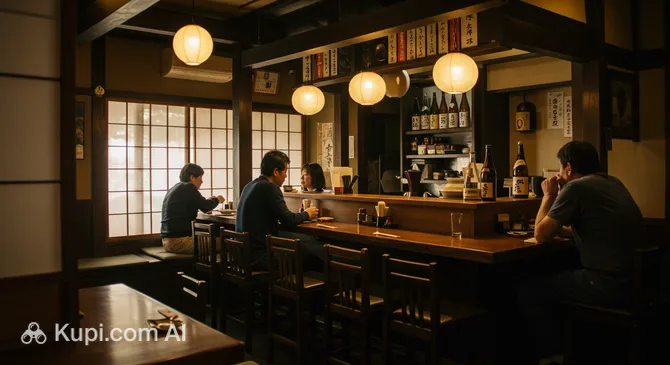
The food culture in Takaoka is diverse. Locals and tourists can enjoy a meal in cozy restaurants or sample street food at bustling markets. Farmers' markets are a great place to try seasonal treats straight from the counter and purchase the freshest products. To dive into the atmosphere of a traditional Japanese pub, you can visit a place like Izakaya Takamasa, which serves various snacks and local drinks.

Izakaya Takamasa. Illustration.
Source: Kupi.com AI

Traveler photos:

As for beverages, various types of sake—traditional rice wine—are popular in Takaoka, as in all of Japan, and perfectly complement seafood dishes. Among non-alcoholic drinks, green tea remains a constant favorite. Gastronomic festivals held in spring and autumn provide a unique opportunity to get acquainted with the region's culinary traditions, try the best dishes from local chefs, and even participate in workshops.

Travel Tips

Welcome to Takaoka! To ensure your trip to this charming city in Toyama Prefecture goes smoothly and leaves only pleasant impressions, we have prepared several practical tips to help you better prepare.

  1. Clothing and Essentials: The climate in Takaoka is temperate, with four distinct seasons. In summer (June-August), light, breathable clothing is useful; in winter (December-February), wear warm, layered clothing, a coat, a hat, and gloves. In spring and autumn, choose clothing that is easy to layer. Comfortable shoes are your main companion for walking around the city. Don't forget a universal adapter (Japan uses Type A and B sockets). When visiting temples and shrines, try to dress respectfully; covered shoulders and knees are usually sufficient.
  2. Transport: Takaoka is a relatively compact city, and many of its parts can be explored on foot. Local buses are the main form of public transport. The scenic Manyo Line tram is also of interest. Taxis are available but can be expensive; consider using taxi apps like JapanTaxi or Go. Renting a car is not necessary for getting around the city itself but can be useful for exploring the surroundings of Toyama Prefecture (an international driving permit will be required).
  3. Finances: The local currency is the Japanese yen (JPY, ¥). It is recommended to always carry some cash, as not all small establishments and markets accept cards. Credit and debit cards (Visa, Mastercard) are widely accepted in hotels, department stores, and many restaurants. ATMs that accept international cards can be found in 7-Eleven stores (Seven Bank) and at the post office (Japan Post Bank). An approximate daily budget can be 7,000-15,000 yen per person (excluding accommodation), depending on your travel style. Tipping in Japan is not practiced and may be perceived as impolite.
  4. Health and Safety: Pharmacies (薬局 - yakkyoku) are common, but finding English-speaking staff can be difficult, so bring necessary medications with you. If you need medical assistance, your embassy or consulate can provide a list of English-speaking doctors; large hospitals provide emergency care. It is highly recommended to have travel insurance. Takaoka, like most of Japan, is very safe. The crime rate is low. Observe usual precautions: watch your belongings in crowded places and be attentive, especially at night.
  5. Communication: The primary language is Japanese. English is common in tourist spots, hotels, and major stations, but don't expect everyone to speak English fluently. Useful phrases: "Konnichiwa" (こんにちは) — Hello, "Arigato" (ありがとう) — Thank you, "Sumimasen" (すみません) — Excuse me/Sorry. A SIM card for mobile internet can be purchased at major airports or electronics stores; pocket Wi-Fi rental is also popular. Free Wi-Fi is available in many hotels, cafes, and some public places. Useful apps: Google Maps, HyperDia (train schedules), Google Translate.
  6. Local Etiquette: Greetings are usually accompanied by a slight bow. Handshakes are not typical unless initiated by your counterpart. In public places, especially on transport, it is customary to speak quietly and not talk on the phone. Avoid eating and drinking on the go. Wait patiently in lines. Shoes must be removed when entering Japanese homes, some temples, and traditional restaurants.
  7. What to Avoid: Do not stick your chopsticks vertically into a bowl of rice—this resembles a funeral ritual. Do not point at people with your finger; if you need to indicate direction or someone, do so with an open palm. Try to sort your trash correctly if using public bins with separate containers.
  8. Extra Tip: Takaoka is famous for its traditional metalworking craft, especially copperware (Takaoka Doki). Visit a workshop or purchase a unique souvenir. Don't miss the Takaoka Great Buddha (one of the three great Buddhas of Japan) and Zuiryu-ji Temple, which is a national treasure. Be sure to try the local seafood that Toyama Bay is famous for.

Armed with these tips, you are ready to fully enjoy the hospitality and unique atmosphere of Takaoka. We wish you an unforgettable journey!

Entertainment & Nightlife

Takaoka offers its guests a cozy and authentic atmosphere for evening leisure rather than the bustling nightlife of megapolises. You won't find large nightclubs or loud concert venues typical of major cities here. Instead, the city invites you to immerse yourself in local culture through traditional Japanese drinking establishments, small bars, and, of course, karaoke.

Main evening activity is concentrated in the areas adjacent to Takaoka Station, as well as in the central part of the city. This is where numerous izakayas—traditional Japanese pubs—are located, where you can enjoy local cuisine, sake, or shochu in a relaxed setting. The atmosphere in such establishments is usually very friendly and welcoming, gathering both locals and tourists. A great example is Izakaya Takamasa, which serves a variety of Japanese dishes and drinks. It's an excellent place to spend the evening sampling local delicacies.

Izakaya Takamasa. Illustration.
Source: Kupi.com AI

Traveler photos:

In addition to izakayas, karaoke bars are a popular form of evening entertainment in Takaoka, as in all of Japan. This is a great way to have fun with friends while performing your favorite songs. You can also find small local bars, sometimes called "snack bars," offering a more intimate setting for socializing over drinks. Night markets are not a common feature of Takaoka's evening life; the focus here is on gastronomic pleasures and quiet conversation.

When planning an evening out, keep in mind that most such establishments stay open until midnight or slightly later, with peak activity in izakayas and restaurants usually occurring after 7:00-8:00 PM. The dress code is generally casual—the most important thing is that you feel comfortable. Regarding prices, a dinner at an izakaya with drinks can cost around 3,000-6,000 yen per person, while individual drinks (like beer or sake) cost around 500-1,000 yen. You can get back to your hotel late at night by taxi; it is recommended to check availability in advance or book through specialized apps or at your hotel's reception. Takaoka is generally considered a safe city, but standard precautions, especially when walking alone at night in sparsely populated areas, are always advisable.

During the day, Takaoka offers a variety of cultural and historical attractions. You can visit the Fujiko F. Fujio Hometown Gallery, dedicated to the creator of the famous Doraemon, or stroll through the picturesque Takaoka Castle Park, where the residence of local rulers once stood. History enthusiasts will also appreciate the majestic Zuiryu-ji Temple, a National Treasure of Japan, and the peaceful Imizu Shrine.

Parks & Museums

Takaoka, a city rich in history and cultural traditions, offers its guests both peaceful green spots for relaxation and fascinating museums that showcase the region's heritage. Everyone will find something to their liking here, whether it's a stroll through an ancient park or an immersion into the world of art and history.

The central green oasis of the city is Takaoka Castle Park (Takaoka Kojo Park). Situated on the site of ancient castle ruins, this extensive park attracts visitors with its picturesque ponds, well-maintained Japanese-style gardens, and spacious lawns. It is especially beautiful here in the spring during cherry blossom season and in the autumn when the leaves turn vibrant colors. The park also houses the city museum and a small zoo, making it an excellent place for family leisure and slow walks to escape the city bustle.

Besides Takaoka Castle Park, the city offers other opportunities to enjoy nature and peaceful relaxation. For example, you can discover charming small gardens at some temples, which are excellent examples of landscape art, or walk along the banks of local rivers, where picturesque paths and rest areas are often set up. These places are perfect for short moments of solitude, contemplation, and getting to know the more intimate side of Takaoka.

For lovers of Japanese culture and art, Takaoka offers several interesting museums. Of particular note is the Fujiko F. Fujio Hometown Gallery. This museum is dedicated to the life and work of Hiroshi Fujimoto, one of the creators of the famous character Doraemon. Here you can see original drawings, the artist's personal belongings, and learn many interesting things about the creation of popular manga and anime. This place will be especially interesting for fans of Japanese animation and families with children.

Additionally, it is worth visiting the Takaoka City Museum, located within Takaoka Castle Park, which features exhibits detailing the city's history and culture, including the famous copper and bronze works for which Takaoka is renowned. Art enthusiasts might find interest in the Takaoka Art Museum, which exhibits works by both local and world-famous masters, offering a look at various artistic movements.

Takaoka is rich in historical and architectural landmarks. One of the most significant is Zuiryu-ji Temple, a magnificent example of Edo-period Zen Buddhist architecture, recognized as a National Treasure of Japan. Its monumental Sammon gate and Butsuden main hall leave an indelible impression with their beauty and scale, serving as a testament to the high craftsmanship of ancient builders.

No less interesting is Imizu Shrine (Imizu Jinja Shrine), an ancient Shinto shrine with a rich history dedicated to the region's guardian deities. It is a peaceful place where you can touch Japan's spiritual traditions and enjoy the silence surrounded by centuries-old trees.

To further immerse yourself in Takaoka's atmosphere, take a walk through the Kanaya-machi district, known for its traditional houses with latticed facades where metal casters once lived and worked. Also, don't miss the opportunity to visit one of the local workshops to see the process of creating Takaoka's famous metalware—this is truly an authentic experience that lets you touch a living craft.
Getting Around

Public transport in Takaoka offers several convenient ways to move around the city and its surroundings. The transport system's foundation consists of buses and trams that connect key districts and attractions.

One of the city's hallmarks is the Manyo Line tram. It is not just a means of transport, but a kind of attraction offering picturesque views during the ride. Some trams on this line have unique designs, including retro cars and even a car dedicated to the character Doraemon, whose creator is from Takaoka. This line connects Takaoka with the port city of Shinminato.

The bus network in Takaoka is quite developed and covers most areas of the city where the tram does not reach. Buses are a reliable way to get to residential neighborhoods, shopping centers, and some tourist sites. Routes and schedules are usually available at stops and on the websites of transport companies.

The fare payment system in Takaoka is similar to other Japanese cities. You can use cash (it is advisable to have small change, as change might not always be given or may be limited) or the rechargeable IC cards popular in Japan (such as ICOCA, Suica, Pasmo, though it's worth checking the compatibility of a specific card with local systems). Single-trip tickets are usually purchased when boarding the bus (sometimes when exiting) or at tram stations. The fare depends on the distance; tourists might be interested in day passes if offered by local operators.

Tickets for the Manyo Line tram can be purchased at stations or directly in the car from a conductor (if present) or via a machine. Bus fares are usually paid upon exit, taking a ticket with a zone number when entering and paying according to the tariff chart upon exit. Transport starts operating early in the morning and ends late in the evening, but it is better to check the exact schedule in advance, especially for the last runs.

As an alternative to public transport, taxis are always available in Takaoka. They can be found at stands near stations, major hotels, or called by phone. This is a more expensive but comfortable way to travel, especially for groups or those with luggage. Bicycle rental may also be available in the city, which is an excellent option for exploring central areas in good weather.

Accommodation

When planning a trip to Takaoka, you will find a variety of accommodation options capable of satisfying the needs of both budget travelers and those seeking enhanced comfort. The city offers a choice from traditional Japanese inns to modern hotels, allowing every guest to find a suitable place to stay.

In Takaoka, you can stay in ryokans (traditional Japanese inns), where you can immerse yourself in local culture and enjoy Japanese hospitality, often including traditional dinners and breakfasts. Western-style hotels of various star ratings are also available, offering a familiar level of comfort. For more budget-friendly accommodation, you might consider guesthouses (minshuku) or hostels, though the latter may be less common compared to Japan's major tourist centers. While it is difficult to highlight specific famous hotels without more detailed information, the city offers a wide range of options.

When choosing a place to stay in Takaoka, pay attention to areas located near major transport hubs, such as Takaoka Railway Station. This will provide convenient access to city attractions, such as Takaoka Castle Park or the majestic Zuiryu-ji Temple. Central districts also offer more options for nearby cafes and restaurants.

It is recommended to book accommodation in advance, especially if your trip coincides with peak tourist seasons, such as the cherry blossom period or major local festivals. You can use popular international online platforms or Japanese booking sites to search and book. Sometimes, great deals can be found by contacting the hotel directly.

The price range for accommodation in Takaoka varies: from more affordable options in guesthouses to the medium and high-end segments in hotels and ryokans. Remember that the cost of staying in a ryokan often includes meals (dinner and breakfast), which is part of the unique experience. Overall, Takaoka offers options for any budget.

Nearby Cities

For those who want to explore the surrounding area, Takaoka serves as an excellent starting point for day trips to several interesting nearby locations:

CityPopulationDistance
Imizu90 2015 km
Himi43 74712 km
Tonami47 63813 km
Oyabe28 63417 km
Toyama413 02818 km

These nearby destinations offer insight into the diverse culture and landscapes of the region.

Shopping & Souvenirs

Takaoka offers tourists an interesting shopping experience, especially for those who appreciate traditional crafts and unique local goods. The city is famous for its centuries-old production of metalware, particularly Takaoka Doki—high-quality copperware and decorative items. Additionally, you can find other Japanese goods here, ranging from food products to modern fashion.

The main shopping areas in Takaoka are concentrated around Takaoka Station, where department stores and various shops are located. It is also worth paying attention to shopping arcades (shotengai), which are often found in Japanese cities and offer a mix of small family-run shops, cafes, and specialized stores. Walking through such streets allows you to soak up the local atmosphere and find something interesting.

There are several shopping centers in Takaoka where you can find a wide range of goods. For example, AEON MALL Takaoka is a large complex with many clothing, electronics, and home goods stores, as well as restaurants and entertainment venues. Another notable spot is Wing Wing Takaoka, a multi-functional complex near the station that also features retail outlets.

Although Takaoka is not as famous for large markets as some other Japanese cities, you can find small local markets here selling fresh produce, seasonal vegetables and fruits, and local delicacies. Fairs or temporary markets are sometimes held where artisans display their creations.

The primary souvenir from Takaoka is undoubtedly items made of copper and other metals—Takaoka Doki. These can be teapots, vases, figurines, bells, and much more. Takaoka Shikki lacquerware items are also popular. Anime fans can find interesting souvenirs related to Doraemon, as its creator, Fujiko F. Fujio, was born in Takaoka. You can purchase themed products at the Fujiko F. Fujio Hometown Gallery.

Most shops in Takaoka are open from approximately 10:00-11:00 AM to 7:00-8:00 PM. Large shopping centers may stay open longer. Both cash (Japanese yen) and credit cards are accepted, especially in department stores and chain shops. However, in small shops and markets, it is preferable to have cash on hand.

For foreign tourists in Japan, a Tax Free system is in place. When purchasing goods for a certain amount in participating shops (which usually have a corresponding sign), you can apply for a consumer tax refund. You will need to present your passport for this. It is best to clarify the conditions and procedure directly at the shop.

Reached the end of the page?

That means the route is fully explored