Support

Himi

About

Himi is a true gem on the northern coast of Honshu island, nestled comfortably in Toyama Prefecture. The city stretches along the shores of the Sea of Japan, where on a clear day, a breathtaking panorama unfolds: the majestic peaks of the Japanese Alps—Tateyama, Tsurugidake, and Shiroumadake—rise from the turquoise waters like a mirage. This unique combination of mountains and sea is said to occur in only a few places worldwide, and Himi is one of them.

With a population of about 44,000 people, Himi maintains an atmosphere of coziness and tranquility without losing its distinct identity. This charming city in Japan is known as an important fishing and port center, where centuries-old traditions harmoniously intertwine with modernity. Here, you won't find the hustle and bustle of megacities, but rather a leisurely pace of life, friendly residents, and an indescribable sense of closeness to nature.
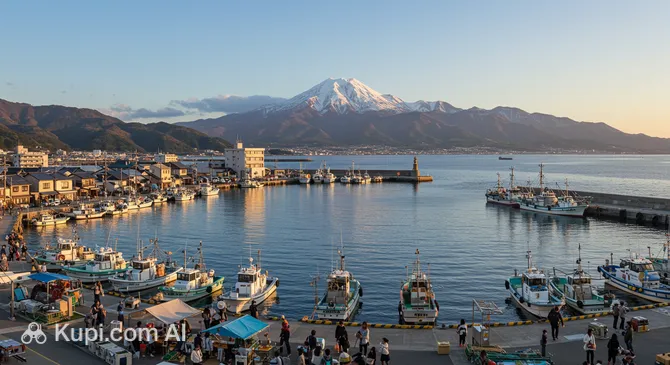
Himi. Illustration.
Source: Kupi.com AI

Himi is often chosen by travelers seeking authentic Japan. Among the city's key attractions is the opportunity to enjoy stunning views, especially the famous sight of the Tateyama Mountains across Toyama Bay, which is particularly beautiful during the winter months. Guests can stroll along the embankment, visit the local fish market to sample the freshest seafood, or take a boat trip. The city is also famous for its hot springs (onsens), offering relaxation with a view of the sea.

If you want to discover the lesser-known corners of the Land of the Rising Sun, enjoy magnificent landscapes, and immerse yourself in the calm atmosphere of a seaside town, Himi is an excellent choice for your journey.

You can find more interesting facts on the history of Himi page.
Weather Overview

The weather in Himi is characterized by distinct seasons. Expect warm summers, especially in July and August, when average temperatures hover around 25-27°C, with occasional rain. Winters here are cool, with average temperatures around 3-6°C in January and December; these periods see the highest number of days with precipitation, though the precipitation itself is usually not very heavy. For a more detailed look at climatic features and to plan your trip, we recommend visiting the Himi Climate page.

Average monthly temperature

Average monthly precipitation

Interesting Facts

Beyond its well-known beauty, the city of Himi hides many amazing stories and features that make it truly unique.

Fujiko F. Fujio Art Gallery. Illustration.
Source: Kupi.com AI

Traveler photos:

  • Himi is famous for its observation decks, which offer one of the most picturesque views in Japan: the snow-capped peaks of the Japanese Alps rise majestically against the backdrop of the sea. This rare and impressive landscape is a true magnet for photographers and artists from all over the world.

  • The city is a guardian of unique legends and ancient traditions. To this day, local residents pass down stories of sea spirits and fishing talismans which, according to belief, ensure good luck and an abundant catch.

  • Thanks to its coastal location, Himi is known as one of the best cities in Japan for connoisseurs of the freshest seafood and fishing enthusiasts. Lively fairs and festivals dedicated to the rich marine culture and traditional trades are frequently held here.

How to Get There

When planning a trip to this picturesque corner of Toyama Prefecture, it is worth thinking about your route in advance. You can find out more about how to get to Himi by choosing the most convenient mode of transport for you, whether it be plane or train.

The nearest air hub to the city is Toyama Airport (TOY). Please note that it is not located in Himi itself, but in the neighboring city of Toyama, approximately 30 km from your destination. This is the most convenient option for domestic flights and some international flights from Asia. The journey by taxi or bus from here will take roughly 65 minutes.

Another popular option is Komatsu Airport (KMQ), located in the city of Komatsu. The distance to Himi is about 72 km. This is an important regional hub receiving a larger number of flights. The journey by road from this airport will take about 2 hours and 10 minutes.

If you are flying from afar on an international flight, your point of arrival may be Chubu Centrair International Airport (NGO). This is a major aviation hub with a passenger flow of more than 12 million people per year. It is located in the city of Nagoya, at a significant distance from Himi—about 222 km. A direct car trip will take a long time, so tourists from here most often reach the region by high-speed trains.

For clarity, here is a summary of the main airports through which you can reach the region:

AirportPassenger trafficDistance
Toyama Airport736 74030 km
Noto Airport207 42749 km
Komatsu Airport1.8 mln72 km
Matsumoto Airport112 618114 km
Nagoya Airport735 000177 km

Rail travel is another excellent way to get to Himi. The city has its own Himi Station, which is the terminus of the JR Himi Line. Typically, travelers first take the Shinkansen high-speed train to Shin-Takaoka Station or Takaoka Station in the neighboring city, and then transfer to a local train or bus going directly to Himi. The train ride allows you to enjoy views of the coast and mountains on the way to your destination.

Main Attractions

Himi, a charming coastal city in Toyama Prefecture, offers its guests several interesting sites that reflect its cultural heritage and gastronomic traditions. Visitors can immerse themselves in the world of Japanese pop culture, enjoy the freshest seafood, and experience the authentic atmosphere of this corner of Japan.

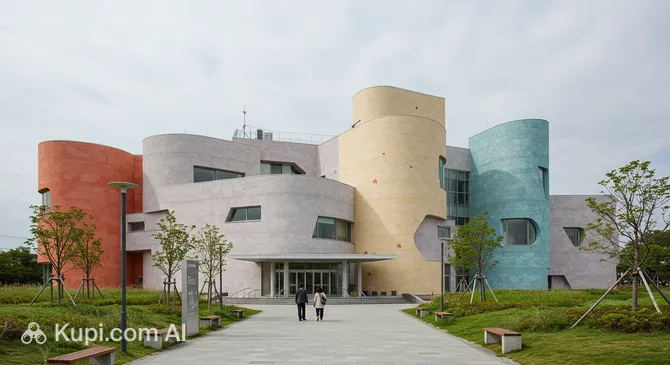
One of Himi's most iconic landmarks is the Fujiko F. Fujio Art Gallery. This museum is dedicated to the life and work of the famous mangaka, one of the creators of the iconic character Doraemon, who was born right here in Himi. The gallery attracts not only fans of anime and manga but also anyone interested in modern Japanese culture, offering a glimpse into the imaginative world of one of the country's most beloved artists. It is a wonderful place for a family visit and to get acquainted with an important part of Japanese heritage.

Fujiko F. Fujio Art Gallery. Illustration.
Source: Kupi.com AI

Traveler photos:

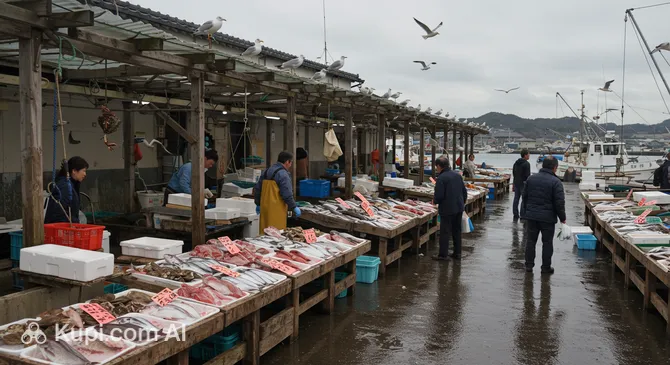
Another landmark that should not be missed is the Himi Banya-gai Fish Market and complex. This is a lively hub where you can not only buy the freshest seafood that Himi is so famous for but also try it in numerous small restaurants and cafes. Souvenir shops offering local delicacies and crafts are also located here, and there is even an onsen (hot spring) with a sea view. The market attracts tourists with the opportunity to dive into the local atmosphere, watch the bustling trade, and, of course, enjoy the treasures of the Sea of Japan.

For connoisseurs of local cuisine and those who want to delve deeper into Himi's gastronomic culture, a visit to the Tonjinchi restaurant is recommended. The city of Himi is known throughout Japan for its catch of yellowtail (buri), especially in winter, and this establishment is an excellent place to try this and other fresh seafood prepared according to traditional recipes. A visit to Tonjinchi will allow you to enjoy the authentic flavors of the region and will be a bright gastronomic highlight of your trip.

Tonjinchi. Illustration.
Source: Kupi.com AI

Traveler photos:

Local Cuisine

Himi is a true paradise for connoisseurs of fresh seafood, and its cuisine can surprise even the most sophisticated gourmet. The main gastronomic star of the city, without a doubt, is hamachi (yellowtail). This fish is prepared here in many ways: from delicate sashimi that melts in your mouth to aromatic fried and stewed dishes. Freshness is the key factor, as the fish reaches the table almost immediately after being caught, retaining its rich and clean flavor.

In addition to hamachi, be sure to try other treasures of the sea that the region is rich in: succulent shrimp, crabs, and squid. A great way to get acquainted with the variety of local delicacies is to visit local markets, where you can not only see all this splendor but also try freshly prepared treats. Don't miss the chance to order traditional miso soup with seafood or onigiri rice balls filled with fresh fish—these are simple but incredibly tasty dishes.

Himi's culinary philosophy is built on simplicity and respect for the natural taste of products. Dishes are often steamed or flash-fried to maximize the preservation of the ingredients' natural aroma and texture. In addition to fish, the menu often features seasonal vegetables and rice grown in local fields, adding freshness and authenticity to the meal. One of the establishments where you can immerse yourself in the atmosphere of local cuisine is Tonjinchi.

Meals are often accompanied by traditional Japanese drinks. Sake is a perfect match for fresh seafood, enhancing its flavor, or alternatively, refreshing green tea. Locals and tourists alike enjoy food at both the bustling markets and the numerous restaurants serving the freshest catch.

Himi's gastronomic scene is also known for its festivals, especially those dedicated to the hamachi catch. This is a great opportunity not only to try various dishes made from this fish but also to learn more about local culinary traditions and sometimes even participate in masterclasses. A trip to Himi is a chance to discover the true taste of fresh Japanese seafood at its best.

Travel Tips

Welcome to Himi! To make your journey to this picturesque coastal city in Japan as comfortable and memorable as possible, we have gathered some tried-and-tested tips for you.

  1. Seasonal Clothing and Essentials: The climate in Himi is temperate, with four distinct seasons. Choose light clothing for summer, layers for spring and autumn, and warm clothes—including a hat and gloves—for winter. Don't forget a raincoat or umbrella, especially if traveling in autumn or spring. Be sure to bring comfortable shoes for walking around the city and along the coast. For electrical appliances, you will need an adapter (Japan uses 100V, with Type A and B sockets). When visiting temples and shrines, dress modestly, covering your shoulders and knees.
  2. Getting Around the City: Himi is a small city, and its center is pleasant to explore on foot. For longer trips, you can use local buses. It is best to check schedules and routes on-site, possibly at a tourist center. Taxis are available but can be expensive. If you plan to actively explore Toyama Prefecture, renting a car can be a good option, but keep in mind left-hand traffic and the requirement for an international driving permit.
  3. Financial Matters: The official currency is the Japanese Yen (JPY). Credit cards are accepted in many hotels, large stores, and restaurants, but cash is preferred in small establishments and markets. ATMs that accept international cards can be found in post offices (Japan Post Bank) and some convenience stores (konbini). It is recommended to carry some cash. Tipping in Japan is not practiced and may even be perceived as impolite.
  4. Health and Safety: Japan is one of the safest countries in the world, and Himi is no exception. Pharmacies (薬, kusuri) are easy to find, but not all pharmacists speak English, so it is useful to have a translator app or write down the name of the medicine you need. For serious medical assistance, tourists are recommended to have travel insurance. There are no specific "unsafe" areas in Himi, but always follow basic safety precautions.
  5. Language and Connectivity: The official language is Japanese. English is not widely spoken among the local population, especially outside of tourist sites. Learning a few basic phrases in Japanese ("Konnichiwa" – hello, "Arigato" – thank you, "Sumimasen" – excuse me/sorry) will significantly facilitate communication. For internet access, you can buy a local SIM card, rent a pocket Wi-Fi router, or use free Wi-Fi in hotels and some public places.
  6. Local Etiquette: Japanese people are very polite and value respect for tradition. Greetings are usually accompanied by a bow. In public places, especially on transport, try to speak quietly. It is customary to remove your shoes when entering a Japanese home, some temples, and traditional restaurants (ryokans). Do not point your finger at people.
  7. Things to Avoid: Never stick your chopsticks vertically into your rice—this is associated with funeral rituals. Also, avoid loud phone conversations on public transport or in quiet public places. It is not common to eat while walking on the street (except at festivals or from special food stalls).
  8. Try the Local Pride: Himi is famous for its seafood, especially winter yellowtail (buri). Be sure to visit the Himi Banya-gai fish market and try the freshest gifts of the sea in one of the local restaurants. This is an unforgettable gastronomic experience!

We hope these recommendations make your stay in Himi even more pleasant and help you discover all the charm of this Japanese corner. We wish you unforgettable impressions and a smooth journey!

Entertainment & Nightlife

Himi, a charming port city in Toyama Prefecture, offers its guests primarily calm and authentic evening entertainment, perfect for those who appreciate a cozy atmosphere and local flavor. Here you won't find noisy districts with neon signs like in the megacities, but you can enjoy the freshest seafood and pleasant conversation in traditional establishments.

Evening life in Himi is centered around small restaurants, cozy izakayas (Japanese pubs), and bars where you can sample local drinks and dishes. The main spots for evening relaxation are often located in the central part of the city or near the fishing port, where life is always buzzing. The atmosphere in such places is usually very welcoming and relaxed, drawing both locals and tourists. There is generally no dress code; comfort is key. Most establishments stay open until late evening, though not into the small hours of the night.

One of the places where you can spend a pleasant evening and enjoy local cuisine is the Tonjinchi restaurant. Here you can taste dishes prepared from the freshest gifts of the Sea of Japan, for which Himi is so famous. It is a great place for a dinner in a quiet setting after an eventful day.

If you are planning an evening out, it is best to head to restaurants or bars between 6:00 PM and 10:00 PM. You can get around the city center on foot. For longer trips or returning to your hotel late at night, it is recommended to use a taxi. Himi, like most cities in Japan, is considered a very safe place, but it is always worth following basic precautions, especially in unfamiliar areas at night.

During the day, there is also plenty to do in Himi. The city offers several interesting cultural sites. For example, fans of Japanese animation can visit the Fujiko F. Fujio Art Gallery, dedicated to one of the creators of the famous character Doraemon. You can also stroll through picturesque parks or explore local markets selling fresh seafood and souvenirs.

Overall, entertainment in Himi reflects its coastal character and is geared towards a peaceful holiday, getting to know the local culture, and, of course, gastronomic pleasures. It is an ideal destination for those seeking tranquility and authentic experiences.

Parks & Museums

The city of Himi, charmingly situated in Toyama Prefecture, offers its guests not only spectacular coastal scenery but also wonderful opportunities for connecting with nature and immersing themselves in unique aspects of Japanese culture.

Himi, located on the shores of Toyama Bay, primarily attracts visitors with the natural beauty of its coastline. Walks along the sea, offering picturesque views—especially at sunrise or sunset—bring peace and freshness. The city does not have large, widely known parks; however, park zones are mainly represented by coastal areas and small, cozy squares where it is pleasant to relax. The coastal atmosphere itself and the surrounding green hills invite outdoor recreation, complementing the idyllic landscape.

The main museum attraction in Himi, especially for fans of manga and anime, is the Fujiko F. Fujio Art Gallery. This museum is entirely dedicated to the work of one of the creators of the world-famous character Doraemon and other popular heroes. Visitors can see original drawings and sketches, learn about the manga creation process, and dive into the nostalgic atmosphere of beloved stories. This place will be especially interesting for both children and adults who grew up with these works or are simply interested in Japanese pop culture.

In addition to this iconic gallery, you can find small local exhibitions or workshops in Himi where works by local artisans reflecting the region's cultural traditions are presented. Information about such temporary exhibitions can often be found at tourist information centers.

Regarding historical sites, while strolling through Himi, you can discover small temples and shrines that are an integral part of the local landscape and spiritual life. They may not be grand in scale, but they allow you to touch the history and traditions of the city.

For a truly authentic experience and to get to know the local flavor, be sure to visit the Himi Banya-gai fish market. It is not just a market, but a whole complex where you can see an incredible variety of the freshest seafood for which Toyama Bay is famous, and, of course, try it in one of the many restaurants. The local yellowtail (buri) is especially prized during the winter season. This place vividly demonstrates the gastronomic culture and daily life of Himi.

Getting Around

When planning a trip to Himi, it is worth familiarizing yourself with the local public transport system in advance. Although the city is not as large as Japan's megacities, there are convenient ways to get around that will allow you to explore its surroundings.

The main types of public transport in Himi are buses and trains. The city is served by local bus routes that connect various districts of Himi and can also take you to nearby settlements. Rail service is represented by the JR Himi Line, which connects Himi to the larger city of Takaoka, where you can transfer to other lines, including the Shinkansen.

The fare payment system on buses in smaller Japanese cities often involves paying cash upon exiting. When entering through the rear door, you take a ticket with a stop number (整理券 - seiriken), and when exiting, you pay the amount indicated on the display opposite your number. Some buses may accept IC cards (such as Suica, Pasmo, ICOCA), but it is better to check this as not all regional companies support them. On the JR Himi Line trains, IC cards are generally accepted, or tickets can be purchased at station vending machines or ticket offices. The fare usually depends on the distance.

Tourists are recommended to carry small bills and coins for paying bus fares. JR train tickets can be bought at stations. Please note that bus schedules, especially in the evening and on weekends, may not be very frequent, so it is worth planning your trips in advance. Information boards and announcements are not always duplicated in English, especially on local bus routes, so it is useful to have the name of your destination written in Japanese or use navigation apps.

As an alternative to public transport, taxis are always available in Himi. They can be found at stands near the railway station or called by phone. For short trips around the city or for exploring the picturesque surroundings, consider bicycle rental—this is a popular and pleasant way to get around in small Japanese cities. If you plan to actively explore Toyama Prefecture, renting a car can also be a good option, providing greater flexibility.

Accommodation

In the city of Himi, travelers can find various accommodation options to suit different budgets and preferences. The choice ranges from more economical guesthouses and small hotels to comfortable mid-range hotels. Apartment or room rental options may also be available, which is particularly convenient for families or long stays.

When choosing a place to stay in Himi, it is worth paying attention to areas located near major tourist attractions or transport hubs, which will ensure ease of movement around the city and its surroundings. Although specific famous hotels are not listed in the provided information, the city offers a decent selection of places to stay.

When planning a trip, especially during the peak tourist season, it is recommended to book accommodation in advance. This will not only guarantee availability but also allow you to choose the best option in terms of price and quality. The price range can vary from budget to middle and higher categories. Booking can be conveniently done through popular online platforms or by contacting hotels directly.

Nearby Cities

For those who want to explore the surroundings, Himi serves as an excellent starting point for day trips to several interesting nearby locations:

CityPopulationDistance
Takaoka165 88012 km
Hodatsushimizu12 06116 km
Imizu90 20117 km
Nakanoto16 44217 km
Hakui20 03118 km

Takaoka, located just 12 km from Himi, attracts travelers with its famous Great Buddha statue and the historic Kanaya-machi district, where you can learn about traditional metal casting. This trip will allow you to touch the rich history and craft traditions of the region.

Toyama, the administrative center of the prefecture (28 km from Himi), offers a more vibrant urban program. Here, it is worth visiting Toyama Castle, the picturesque Fugan Unga Kansui Park with its famous views, or the Glass Art Museum, known for its unique collection.

Nanao, located 21 km away, is the gateway to the scenic Noto Peninsula. The city is famous for its Noto Shokusai Ichiba fish market, where you can enjoy the freshest seafood, as well as its proximity to the popular Wakura Onsen resort.

These nearby destinations provide insight into the diverse culture and landscapes of the region, offering interesting options for short trips from Himi.

Shopping & Souvenirs

Himi, being a port city, offers unique shopping opportunities, especially for connoisseurs of fresh seafood and local delicacies. The city is not a major center for fashion or electronics, but here you can find authentic Japanese goods and souvenirs reflecting the region's culture. The main focus of shopping is on locally produced goods and items related to the sea.

Most commercial activity in Himi is likely concentrated around the central part of the city and port areas. Look for small streets with local shops and stores selling both everyday items and unique finds. You might find interesting shops near the railway station or bus terminals, as well as traditional "shotengai" shopping arcades.

Himi is unlikely to have the large multi-story shopping centers characteristic of megacities. However, small local department stores or the aforementioned shopping arcades may be present, offering a variety of goods—from clothing and food to household items and souvenirs.

The key place for shopping in Himi is undoubtedly the local markets, especially the fish markets. Himi Banya-gai, located near the port, is a popular complex where you can find the freshest seafood, local vegetables, souvenirs, and restaurants. Here you can not only buy the gifts of the sea caught in Toyama Bay but also try them on the spot, as well as purchase processed marine delicacies that make excellent gastronomic souvenirs.

From Himi, it is worth bringing back souvenirs related to its marine heritage: dried seafood (such as squid or small fish), canned fish, seaweed, as well as works by local artisans. Look for ceramics, textiles, or small souvenirs depicting symbols of the city or Toyama Prefecture. In the shops at attractions like the Fujiko F. Fujio Art Gallery, you can find themed souvenirs related to the work of the famous mangaka.

Most shops in Himi, as in Japan as a whole, are usually open from 10:00 or 11:00 AM to 7:00 or 8:00 PM. Small family-run shops may have their own, more flexible schedules. Markets, especially fish markets, generally start working very early in the morning and may close after lunch. Both cash (yen) and credit cards are accepted in most shops and restaurants. However, in markets and small shops, cash may be preferred, so it is always useful to have some on hand.

Tourists in Japan can take advantage of the Tax Free system when making purchases over a certain amount (usually over 5,000 yen) at participating stores. Look for the "Tax Free Shopping" signs at the entrance or ask the staff. You will need your passport to process the tax refund. Note that food products and some other items may have special conditions for tax refunds.

Reached the end of the page?

That means the route is fully explored