Support

Nanao

About

Nanao is a charming city and a true gem of the Noto Peninsula, nestled on the western coast of Japan in Ishikawa Prefecture. The city stretches along the shores of Nanao Bay, giving it a distinct maritime atmosphere and making it an excellent starting point for exploring the stunning nature of this region.
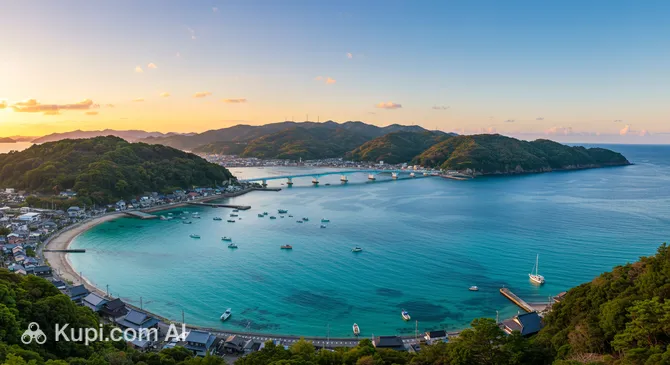
Nanao. Illustration.
Source: Kupi.com AI

With a population of around 51,000 people, Nanao maintains the tranquility and comfort of a small town while playing a significant role as the largest city in northern Ishikawa and one of the region's key ports. Its landscape harmoniously combines picturesque sea views with forested hills, creating unique scenery. Interestingly, modern Nanao was formed relatively recently, in 2003, through the merger of several towns.

The atmosphere of Nanao is permeated with a harmony of tradition and a steady Japanese lifestyle. You won't find the hustle and bustle of megacities here; instead, you can take leisurely walks through ancient streets, get to know the local culture, and experience the incredible hospitality of the residents. Highlights for tourists include the ruins of the ancient Nanao Castle, which offer magnificent views; the scenic Notojima Island, connected to the city by a bridge and offering various entertainment options including an aquarium; and the chance to enjoy the freshest seafood and unique local cuisine in numerous small restaurants.

Nanao is a place where everyone will find something for themselves, whether it's diving into history, enjoying nature, or making gastronomic discoveries. This city will give you unforgettable impressions and allow you to truly feel the spirit of the Japanese countryside.

You can find more interesting facts on the history of Nanao page.
Weather Overview

In Nanao, a warm summer awaits you with occasional rains, with average temperatures in July and August reaching 25-27°C. Winters here are cool, with average temperatures around 4-7°C in January and December, and are characterized by frequent precipitation, particularly in the form of many rainy or snowy days.

To better plan your trip considering the weather conditions, we recommend reviewing the detailed information on the Nanao Climate page.

Average monthly temperature

Average monthly precipitation

Interesting Facts

Nanao is not just about picturesque landscapes and a rich historical heritage. The city holds many fascinating stories and unexpected details that reveal its character in a new way.

  • Nanao owes its name, which means "Seven Tails," to the castle of the same name. Built in the 16th century by the powerful Hatakeyama clan, the castle was situated across seven mountain ridges, and its defensibility was such that even the famous warlord Uesugi Kenshin took a whole year to capture it!

  • Modern art lovers will appreciate the Notojima Glass Art Museum. Here, you can not only admire the works of Japanese and international masters but also try your hand at glassblowing to create a unique souvenir of your trip to Nanao.

  • For many decades, Nanao has maintained warm sister-city relations with the Russian city of Bratsk. This friendship serves as a bridge for cultural exchange and mutual understanding between the two countries, Japan and Russia.

  • In the immediate vicinity of the city lies the famous Wakura Onsen resort. This place attracts visitors not only with its healing hot springs but also with the opportunity to immerse themselves in the atmosphere of traditional Japanese hospitality with ryokans and authentic tea ceremonies.

How to Get There

When planning a trip to the Noto Peninsula, it's important to think through the logistics in advance. You can find all the details and alternative routes by following the link: more about how to get to Nanao. The city has good transport accessibility despite not having its own airport within the city limits.

The nearest air hub is Noto Airport (IATA: NTQ), located in the neighboring city of Wajima, just 27.7 km from the center of Nanao. This is a small but convenient regional airport that handles domestic flights. The journey from here by taxi or a special shuttle bus ("Furusato Taxi") takes about 40–50 minutes, making it the fastest way to reach the city by air.

If you need a larger international hub with more flights, consider Komatsu Airport (IATA: KMQ). It is located in the city of Komatsu, approximately 87.6 km from Nanao. This is the main airport of Ishikawa Prefecture, serving a significant flow of passengers. The drive from Komatsu to Nanao by car or bus takes about 1.5–2 hours. Another convenient option could be Toyama Airport (IATA: TOY) in Toyama city (48.2 km from Nanao), which is just over an hour's drive away.

For your convenience, here is a summary of the main airports:

AirportPassenger trafficDistance
Noto Airport207 42728 km
Toyama Airport736 74048 km
Komatsu Airport1.8 mln88 km
Matsumoto Airport112 618130 km
Nagoya Airport735 000198 km

Rail travel is one of the most popular ways to get to Nanao, especially if you are traveling from Tokyo, Osaka, or Kyoto. The key transport hub is Nanao Station, located right in the city center. Usually, tourists first take the Shinkansen high-speed train to Kanazawa and then transfer to an express train (such as the "Thunderbird" or the scenic "Hanayome Noren" tourist train), which runs along the JR Nanao Line directly to Nanao Station. The trip from Kanazawa takes about an hour and allows you to enjoy beautiful coastal views.

Main Attractions

The city of Nanao, located in Ishikawa Prefecture, offers tourists both natural beauty and cultural sites. Everyone will find something of interest here, from discovering marine life to immersing themselves in the traditions of Japanese hot springs.

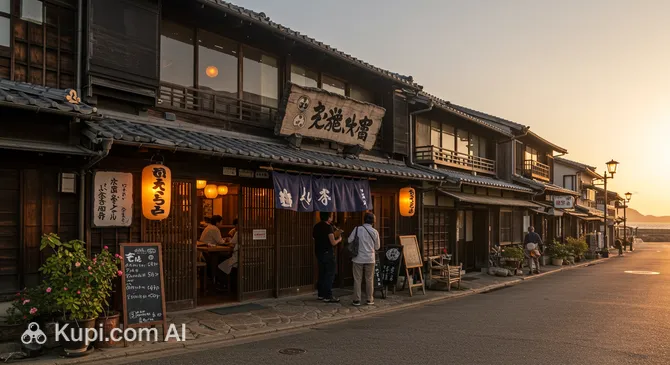
One of the city's interesting gastronomic spots is Ippo Restaurant. This place attracts visitors with the opportunity to taste local cuisine in a cozy atmosphere. Here, you can enjoy the authentic flavors of the region and have a pleasant time.

Ippo Restaurant. Illustration.
Source: Kupi.com AI

Traveler photos:

For fans of marine life, the Notojima Aquarium is a must-visit. Located on the picturesque Notojima Island, this large aquarium introduces visitors to the inhabitants of the Sea of Japan and other corners of the world's oceans. You can see impressive dolphin and penguin shows, as well as rare fish, making it a wonderful place for a family holiday.

If you want to get closer to local products and culinary traditions, stop by the Noto Shokusai Ichiba Market. This is a lively place where the freshest seafood, seasonal vegetables, fruits, and a variety of local delicacies are sold. Many stalls offer dishes prepared right on the spot, allowing you to fully immerse yourself in the atmosphere of a Japanese market.

Nanao is also famous for its Wakura Onsen resort, one of the oldest and most famous in Japan. Wakura's hot springs have been known for their healing properties for over a thousand years. Visiting an onsen is a wonderful opportunity to relax, enjoy traditional Japanese baths, and feel the peaceful atmosphere of this place.

One cannot overlook the Notojima Bridge, which connects mainland Nanao with the island of the same name. This elegant bridge is an attraction and an engineering feat in its own right. It offers magnificent panoramic views of Nanao Bay and the surrounding landscapes, especially beautiful during sunrise or sunset.

Local Cuisine

The culinary scene in Nanao is a true immersion into a world of the freshest seafood, which is not surprising given its location by the bay. The city's culinary pride is undoubtedly the seafood available year-round. Local hamachi (yellowtail) is especially prized and is masterfully prepared as sashimi and sushi, as well as grilled or simmered to reveal all its flavorful nuances. Juicy oysters, scallops, famous Japanese squid, and shrimp also hold a place of honor on the tables of locals and visitors alike.

Among the dishes you should definitely try in Nanao is the traditional crab miso soup, prepared according to ancient recipes. Also popular are dishes made from wakame seaweed grown in local waters, and various appetizers featuring sea urchins and mollusks, offering unique taste sensations. Don't miss the chance to try grilled fish on skewers or onigiri rice balls with seafood, often found at street stalls and local markets.

Food culture in Nanao is diverse. Residents and tourists enjoy meals both in cozy restaurants offering exquisite dishes from the freshest ingredients and in lively markets where you can feel the authentic spirit of the city. One place to experience local cuisine is Ippo Restaurant. Street food also plays an important role, offering quick and delicious snacks. Farmers' markets are famous for fresh vegetables and fruits, and in season, you can find sweet pastries with chestnut paste.

Traditional meals in Nanao are often accompanied by classic Japanese drinks. Among them, sake is particularly popular as it perfectly complements the taste of seafood, along with various types of green tea. Gastronomic festivals, especially the autumn seafood festival, are a vibrant hallmark of Nanao, turning the waterfront into a lively fair with tastings and cooking shows where you can not only taste but also learn how to cook local delicacies.

Travel Tips

Welcome to Nanao! To make your journey to this charming corner of Japan as comfortable and memorable as possible, we have prepared some practical tips. We hope they will help you navigate better and enjoy every moment of your stay.

  1. Clothing and Essentials:

    The climate in Nanao is temperate, with four distinct seasons. In summer (June-August), it is warm and humid, so bring light, breathable clothing. Spring (March-May) and autumn (September-November) offer comfortable temperatures perfect for walking—layered outfits are ideal. In winter (December-February), it can be chilly with potential snow, so don't forget a warm jacket, hat, and gloves. Comfortable shoes are your best friend, as exploring the city and its surroundings is most pleasant on foot. Don't forget a power adapter for your electronics (Type A and B sockets are used in Japan, voltage 100V). When visiting temples and shrines, choose modest clothing and be prepared to remove your shoes at the entrance.

  2. City Transport:

    Getting around Nanao is possible via local buses—the main form of public transport. It's best to check schedules locally or at a tourist information center. Taxis are available but can be quite expensive, especially for long distances. If you plan to actively explore the picturesque Noto Peninsula where Nanao is located, renting a car can be a good option. Remember that Japan has left-hand traffic, and an international driving permit is required for rentals. For a leisurely stroll through the city center, consider renting a bicycle.

  3. Finances: All About Money:

    The official currency is the Japanese Yen (JPY, ¥). We recommend exchanging a small amount of money in advance or upon arrival at the airport. Currency exchange is also possible at banks and the post office (Japan Post Bank) in Nanao, but their working hours may be limited. Credit cards (Visa, Mastercard) are accepted in most hotels, large shops, and restaurants. However, in smaller establishments, especially in more remote areas, cash may be preferred. ATMs that accept international cards can be found in 7-Eleven stores (Seven Bank) and post offices. Regarding an approximate daily budget, it can vary greatly. On average, you can expect to spend 7,000 – 15,000 yen per person per day (not including accommodation and expensive excursions or intercity travel), covering food, local transport, and some attractions. Tipping in Japan is not practiced and may even cause confusion.

  4. Health and Safety:

    Japan in general, and Nanao in particular, are very safe places for tourists. The crime rate is low. Nevertheless, standard precautions are always appropriate. Pharmacies (look for signs like `薬` (kusuri) or `ドラッグストア` (doraggu sutoa)) are available in the city, but not all are open 24/7, and the selection may differ from what you're used to. It's best to carry a small first-aid kit with necessary medications. Be sure to get travel medical insurance before your trip. If you need medical assistance, contact local clinics or hospitals; staff in tourist areas may speak English.

  5. Communication and Connectivity:

    The official language is Japanese. In Nanao's tourist spots, such as hotels and some attractions, you may find English-speaking staff, but overall, English proficiency is not very widespread. Learn a few basic Japanese phrases: "Konnichiwa" (Hello), "Arigato" (Thank you), "Sumimasen" (Excuse me/I'm sorry). For constant internet access, consider buying a tourist SIM card or renting a pocket Wi-Fi router—this can be done at the airport or ordered online in advance. Free Wi-Fi is often available in hotels and some cafes. To make navigation and communication easier, install useful apps on your smartphone: Google Maps for navigation, public transport schedule apps (e.g., Japan Travel by Navitime, Jorudan, or HyperDia), and offline translators like Google Translate. There are also apps for finding restaurants (e.g., Gurunavi or Tabelog) and attractions.

  6. Local Etiquette and Traditions:

    The Japanese highly value politeness and respect for traditions. Greetings are usually accompanied by a slight bow. In public places, especially on transport, try to be quiet and don't talk loudly on the phone. When entering a Japanese home, some temples, and traditional restaurants (ryokans), it is customary to remove your shoes. Do not point fingers at people or objects; use an open palm instead. Showing patience and tact will always be appreciated.

  7. What to Avoid:

    Firstly, do not leave a tip—it's not expected and can be perceived as impolite. Secondly, when using chopsticks (o-hashi), do not stick them vertically into rice or pass food from chopsticks to another person—this is associated with funeral rituals. Also, avoid eating while walking on the street (except at specially designated areas at festivals, for example). Japanese people are very sensitive about cleanliness, so don't litter—if you don't see a bin, carry your trash with you to the nearest one.

  8. Special Tip for Nanao:

    Nanao is the gateway to the beautiful Noto Peninsula, known for its scenic coastlines, traditional villages, and hot springs (onsens), such as the famous Wakura Onsen located very close by. Be sure to set aside time for a trip around the peninsula. Also, Nanao and the entire Hokuriku region are famous for fresh seafood. Don't miss the chance to try local delicacies in one of the city's cozy restaurants!

We hope these tips make your stay in Nanao even more pleasant and rewarding. We wish you an unforgettable journey through this amazing region of Japan!

Entertainment & Nightlife

Evening Nanao offers its guests a cozy and authentic atmosphere, quite different from noisy megacities. While there might not be a huge number of nightclubs, the city charms visitors with the opportunity to spend time peacefully, enjoying local cuisine and drinks in a traditional setting.

Nightlife in Nanao is centered around small bars, traditional Japanese pubs (izakayas), and restaurants where you can pleasantly end your day. One such place where you can enjoy a delicious dinner in a pleasant atmosphere is Ippo Restaurant. Many establishments offer local specialties and sake. Clusters of such places can be found in the city center, especially near the railway station or along the main shopping streets, where neon signs light up after sunset to welcome visitors.

Ippo Restaurant. Illustration.
Source: Kupi.com AI

Traveler photos:

The atmosphere in Nanao's evening venues is generally very welcoming and relaxed. The crowd is mostly local, providing a great opportunity to dive into the everyday life of a Japanese city. The dress code is usually casual; neat everyday clothes are perfectly appropriate. Most bars and restaurants stay open until late evening but not until early morning like in big cities. It's better to arrive early, especially on weekends.

When planning your evening leisure, keep in mind that public transport runs less frequently or stops at night, so taxis become the primary mode of transport. Average prices in Nanao establishments can be described as moderate, especially compared to the capital. Regarding safety, Nanao, like most cities in Japan, is considered very safe. However, it's always worth taking standard precautions, especially if you are walking alone late at night. You can call a taxi by asking the venue staff or using mobile apps if available.

During the day, Nanao also offers interesting leisure options. You can stroll through picturesque parks, explore local temples and shrines, or visit small museums that tell the story of the region's history and culture. Local recreation areas may be of interest to families with children. While the city is not famous for large entertainment complexes, its charm lies in its tranquility and the opportunity to touch traditional Japanese life.

Parks & Museums

The city of Nanao, located on the picturesque Noto Peninsula, offers its guests a harmonious blend of natural beauty and cultural discoveries. Here you can enjoy the tranquility of well-kept parks and immerse yourself in history and art by visiting local museums and historical sites.

Among the city's green spaces, Komaruyama Park stands out. It is not just a place for outdoor recreation but also a historically significant site containing the ruins of Nanao Castle. In spring, the park is transformed by cherry blossoms, attracting many visitors. Another pleasant place for a walk is Wakura Onsen Seaside Park, located next to the famous Wakura Onsen resort. Here you can enjoy the sea breeze and beautiful views of Nanao Bay. Overall, the entire Noto Peninsula, where Nanao is situated, is famous for its pristine nature, offering many opportunities for ecotourism.

For connoisseurs of cultural heritage, Nanao offers several interesting museums. The Ishikawa Nanao Art Museum introduces works by local and regional artists and regularly hosts temporary exhibitions. If you find yourself on Notojima Island, which is connected to Nanao by a bridge, be sure to visit the Notojima Glass Art Museum. Its collection of exquisite glass items and installations leaves a lasting impression. And for those who want to dive into the atmosphere of the recent past, the Wakura Showa Museum and Toy Museum will be of interest, featuring household items and toys from the Showa era (1926-1989).

In addition to the castle ruins in Komaruyama Park, the Seirin-ji Temple is worth noting. This ancient Buddhist temple is known for its impressive statues of the Deva Kings (Nio) guarding the entrance and a beautiful garden conducive to peace and reflection.

For a more authentic Nanao experience, step off the beaten tourist path. Stroll through quiet side streets, peek into one of the small local markets to feel the city's daily life, or enjoy the panoramic views from the Notojima Ohashi Bridge, especially at sunset.

Getting Around

Getting around Nanao and its surroundings is most convenient by bus. The city is served by several bus routes connecting main districts, tourist sites, and the railway station. Although railway lines such as the JR Nanao Line and Noto Railway pass through Nanao, they are primarily intended for travel to other towns on the Noto Peninsula and beyond, rather than for movement strictly within the city itself.

The bus fare system in Nanao is fairly standard for the region. Most often, you can pay for the ride in cash directly to the driver upon exiting. It is recommended to have small coins with you, as the driver may not always have change for large bills. Popular Japanese transport IC cards (e.g., ICOCA, Suica, Pasmo) may also be accepted in the region, which significantly simplifies the process: just tap the card against the reader when entering and exiting. The fare usually depends on the distance of your trip.

For cash payments, take a special ticket (整理券 - seiriken) when entering the bus (usually through the back or middle door), which indicates your boarding stop number. Upon exiting, show this ticket to the driver, and you will see the fare from your stop on the electronic display above them. If you are using an IC card, simply tap it on the validator when entering and again when exiting. Bus schedules can be found at stops or, in some cases, on the transport companies' websites. Keep in mind that during evening hours and on weekends, the number of trips may be reduced.

As an alternative to buses in Nanao, you can always use taxi services. Taxi stands are usually located at the railway station, major hotels, and tourist spots. This is a more expensive but often faster and more comfortable way to travel, especially if you have heavy luggage or are traveling in a group. For a leisurely exploration of the city and its nearby scenic outskirts, you might consider renting a bicycle if such a service is offered by local rentals or your hotel. Car-sharing systems are generally less common in cities of this size.

There are no unique or exotic types of public transport, such as a historic subway or an extensive tram network, in Nanao. The city's transport system focuses on bus services for local needs and railway transport for connections to other cities and regions, which is typical for cities of this size in Japan. Punctuality and strict adherence to the schedule are characteristic features of the local transport.

Accommodation

In Nanao, travelers will find various accommodation options to suit different preferences and budgets. The city offers traditional Japanese inns (ryokans and minshuku), where you can immerse yourself in the local culture and enjoy unique hospitality, as well as more familiar European-style hotels offering modern comfort.

When choosing where to stay in Nanao, look for areas that provide easy access to the sites you are interested in. Central parts of the city usually offer good transport accessibility and proximity to shops and restaurants. For those seeking peace and beautiful views, accommodation near the coast or in areas known for their natural landscapes and hot springs (onsens), for which the region is famous, may be more attractive.

Various categories of hotels are represented in the city: from cozy family inns and guest houses to larger hotel complexes with a wide range of services. The choice depends on your preference—whether it's an authentic ryokan experience with traditional tatami mats and futons or the comfort of a modern hotel with all amenities. Apartments and holiday homes may also be available for those who prefer more independence.

When planning a trip to Nanao, especially during peak tourist season or local festivals, it is wise to book your accommodation in advance. This will allow you to choose the best option in terms of price and quality and avoid potential difficulties in finding available rooms. Most hotels and guest houses can be booked through popular international and Japanese online platforms; direct booking through official hotel websites is also an option. The price range varies from budget-friendly options to mid-range and high-end offers.

Nearby Cities

For those who want to explore the surrounding area, Nanao serves as an excellent starting point for day trips to several interesting nearby locations:

CityPopulationDistance
Nakanoto16 4428 km
Shika18 27517 km
Himi43 74721 km
Hakui20 03123 km
Hodatsushimizu12 06125 km

These nearby destinations offer a glimpse into the diverse culture and landscapes of the region. Each trip promises new discoveries, whether they are historical landmarks, natural beauties, or unique local traditions.

Shopping & Souvenirs

Nanao, a charming port city in Ishikawa Prefecture, offers tourists an interesting shopping experience that combines local goods and traditional Japanese products. While you won't find giant shopping complexes like in major metropolises here, Nanao will delight you with authentic purchases and the chance to take home a piece of local culture.

The main shopping spots in Nanao are concentrated in the city center and near the railway station. Here you can find small shops offering clothing, daily necessities, and local delicacies. A walk through these streets will allow you to immerse yourself in the city's daily life and discover unique items.

Large modern shopping malls are not the main feature of shopping in Nanao. Instead, you're more likely to find local department stores or shopping arcades where goods from various vendors are presented. These places often offer a good selection of food, clothing, and souvenirs.

Special attention should be paid to local markets. As a port city, Nanao is famous for fresh seafood. A visit to a fish market, such as the Noto Shokusai Market, can be a real gastronomic adventure. Here you can not only buy the freshest seafood but also try it on the spot in small restaurants. There may also be morning markets where farmers sell fresh vegetables, fruits, and other local products.

Traditional crafts are excellent choices for souvenirs from Nanao and Ishikawa Prefecture. These could include Kutani-yaki ceramics, known for their bright hand-painted designs, or Wajima-nuri lacquerware, though the latter is more characteristic of other parts of the Noto Peninsula. Local sweets (wagashi), sake, and, of course, various seafood products—dried, smoked, or marinated—are also popular. Don't forget to check out shops specializing in local delicacies.

Most shops in Nanao operate from approximately 10:00 to 19:00 or 20:00. Small family shops may have their own more flexible schedules. As for payment, cash is still widely used, especially in small shops and markets. However, credit cards are increasingly accepted in larger retail outlets and tourist areas. Contactless payments using IC cards are also popular in Japan.

For international tourists in Japan, a tax refund system (Tax Free) is available. Look for shops with the corresponding "Tax-Free Shopping" logo. Usually, to process a tax refund, you must make a purchase of a certain amount (typically over 5,000 yen) in one shop in one day and present your passport at the cash desk or a special service counter.

Reached the end of the page?

That means the route is fully explored