Support

Itoigawa

About

Itoigawa is a charming city located on the northwestern coast of Honshu Island, in Niigata Prefecture. Its uniqueness lies in its picturesque location, where majestic mountains meet the Sea of Japan, creating breathtaking natural landscapes. It is a place where you can experience the harmony of traditional Japanese culture and natural splendor.
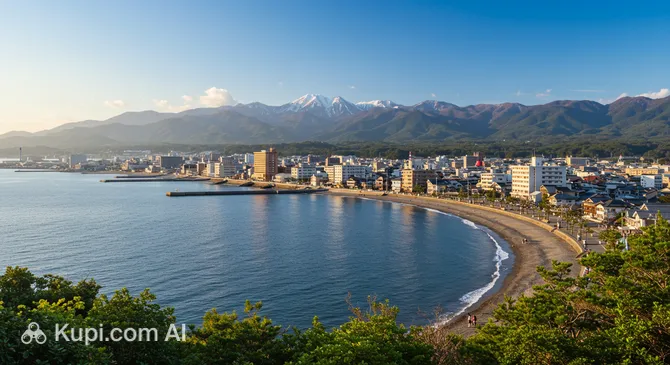
Itoigawa. Illustration.
Source: Kupi.com AI

With a population of about 40,200 people, Itoigawa maintains the atmosphere of a cozy provincial town. Despite its size, it plays an important role as a recognized center for geological tourism in Japan. The city offers a wonderful combination of mountain scenery and seaside views, making it attractive to travelers all year round.

Itoigawa will especially appeal to outdoor enthusiasts and those who appreciate natural beauty. One of the city's key features is the opportunity for diving and snorkeling: the coastal waters hide beautiful coral reefs and rich marine life. Moreover, Itoigawa offers a chance to see authentic Japan, away from noisy tourist routes, and to enjoy peace and tranquility.

If you are looking for a place for an unforgettable vacation where you can combine educational excursions with active time in nature, Itoigawa will be an excellent choice for your journey.

You can find more interesting facts on the history of Itoigawa page.
Weather Overview

The weather in Itoigawa features distinct seasonal changes. Summer, especially July and August, is warm and quite humid, with average temperatures reaching +23.4°C and +24.9°C respectively. These months also see a significant number of rainy days. Winters are cold, with average temperatures in January around +1.4°C, and in December and February staying at about +3.5°C and +1.9°C. The winter months are also characterized by frequent precipitation, especially in January and December, which can have up to 26 days of precipitation.

Spring and autumn are transitional seasons with gradual temperature changes. Expect warm and humid summers with temperatures reaching an average of +25°C, and cold winters where average temperatures range from +1.4°C to +3.5°C, with frequent precipitation throughout the year. To learn more about weather conditions, you can check the detailed Itoigawa climate.

Average monthly temperature

Average monthly precipitation

Interesting Facts

In addition to its picturesque landscapes and hospitality, Itoigawa holds many surprising stories and unique features. This city can surprise even the most seasoned traveler with its lesser-known facets:

Itoigawa GeoStation GeoPal. Illustration.
Source: Kupi.com AI

Traveler photos:

  • Itoigawa proudly bears the title of the "City of Jade," as it is one of the few places in Japan where this precious mineral is mined. Local jade is famous for its exceptional quality and is used to create exquisite jewelry and decorative items, continuing centuries-old traditions of stone-carving art.

  • In 2009, Itoigawa made history by becoming Japan's first Geopark recognized by UNESCO. This recognition highlights the region's unique geological heritage, where one can see firsthand a variety of rocks and minerals formed over millions of years. For those interested in geology, a visit to the Itoigawa GeoStation GeoPal or the Fossa Magna Museum will be a true discovery.

  • The city is famous for its healing hot springs—onsens—nestled in picturesque mountain corners. Locals have believed in the miraculous power of these waters for centuries, and visiting an onsen is an integral part of the region's cultural traditions.

  • Every year, Itoigawa hosts a colorful Jade Festival. This event brings together stone-carving masters, collectors, and beauty enthusiasts from all over the world, offering guests exhibitions of unique products, workshops, and various cultural events.

How to Get There

There are several ways to reach the city of Itoigawa, though it is worth noting that the city itself does not have its own major airport. The main route for travelers, especially international ones, is to fly into one of the regional airports located some distance away, followed by a ground transfer.

The closest option is Toyama Airport (IATA: TOY), located in the city of Toyama, about 74 km from Itoigawa. This is a regional airport from which Itoigawa can be reached by car or public transport in approximately 2 to 2.5 hours. Toyama Airport serves both domestic and some international flights.

Another option is Noto Airport (IATA: NTQ), located in Wajima, about 85 km from Itoigawa. Although it is a small airport, it can be convenient for some routes. The trip from Noto Airport to Itoigawa takes approximately 2.5 to 3 hours.

You may also consider Matsumoto Airport (IATA: MMJ), located in Matsumoto, about 97 km from Itoigawa. This airport mainly serves domestic flights. The journey from Matsumoto Airport to Itoigawa by car or bus will take about 2.5 to 3 hours.

For convenience, here is a summary of the main airports used to reach Itoigawa:

AirportPassenger trafficDistance
Toyama Airport736 74074 km
Noto Airport207 42785 km
Matsumoto Airport112 61897 km
Komatsu Airport1.8 mln148 km
Niigata Airport1.1 mln151 km

Japan is famous for its advanced railway network. Itoigawa itself has rail connections, including a station served by the Hokuriku Shinkansen line, making it accessible from major cities like Tokyo, Kanazawa, and Nagano. Traveling by train is a comfortable and efficient way to reach Itoigawa. It is recommended to check current schedules and routes on Japanese railway websites or directly at stations.

Additionally, Itoigawa can be reached by car via Japan's well-developed road network. Upon arrival in the city, local buses or taxis can be used for getting around. When planning your trip, it is always useful to research various transfer options from the airport or railway station to your destination in Itoigawa beforehand.

Main Attractions

Itoigawa, a city with a rich geological history, offers tourists unique attractions that allow for a deeper understanding of Japan's natural and cultural heritage. Several places stand out as must-visits.

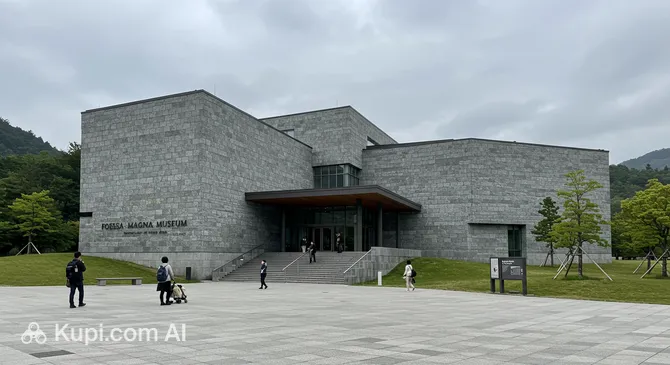
One of the main points of attraction is the Fossa Magna Museum. This museum is dedicated to the unique Fossa Magna geological fault, which divides Japan into northeastern and southwestern parts. Visitors can learn about the formation of the Japanese archipelago, see impressive samples of rocks and minerals, and enjoy interactive exhibits explaining complex geological processes. This place will be of particular interest to those fond of geology and natural sciences.

Fossa Magna Museum. Illustration.
Source: Kupi.com AI

Traveler photos:

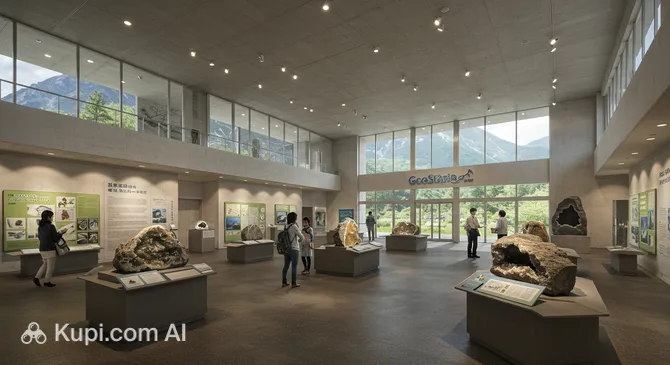
Another iconic spot is the Itoigawa GeoStation GeoPal. It serves as an information center and a starting point for exploring the Itoigawa UNESCO Global Geopark. Here, you can get comprehensive information about the park's geological sites, its flora and fauna, as well as the culture and history of the region. Interactive displays, models, and educational programs make visiting engaging for all ages. The GeoStation helps plan routes through the Geopark and provides a better understanding of the area's uniqueness.

Itoigawa GeoStation GeoPal. Illustration.
Source: Kupi.com AI

Traveler photos:

Equally noteworthy is the Jade Coast (Hisui Kaigan). This stretch of the Sea of Japan coast is famous for the jade stones washed down from the mountains by rivers. Itoigawa has historically been one of Japan's main centers for jade mining and processing. Strolling along the coast in search of precious stones is a popular activity among tourists, offering not only the excitement of a find but also enjoyment of the picturesque seascapes. This site is part of the Itoigawa UNESCO Global Geopark.

For lovers of spectacular views and history, the Oyashirazu Koshirazu Cliffs are worth noting. This is an impressive stretch of coastline with sheer cliffs plunging straight into the sea. In the past, this segment was known as one of the most dangerous places on the ancient Hokurikudo road. Today, modern transport highways have been built here, but parts of the old road remain, offering stunning panoramas. The Oyashirazu cliffs provide not only magnificent photo opportunities but also a chance to touch the history of Japanese travel.

Local Cuisine

The cuisine of Itoigawa is a true gastronomic journey based on the freshest gifts of the Sea of Japan. Due to its coastal location, the city is famous for its abundance of seafood, prepared using both traditional Japanese recipes and unique local techniques. If you appreciate fresh fish, crab, and shrimp, Itoigawa will not disappoint.

Be sure to try kaisen-don—the region's signature dish. Imagine a bowl of warm rice generously topped with a variety of fresh seafood: it might include sea urchin, succulent shrimp, and seasonal fish. Another dish that cannot be ignored is sashimi made from freshly caught fish. Its taste emphasizes the purity and freshness of local products. Besides fish, local crabs are highly valued in Itoigawa and become the main delicacy during certain seasons.

The mountain areas around Itoigawa are known for their high-quality rice. This rice is not only the basis of many dishes but also a key ingredient for producing local sake. Thanks to the pure mountain water, sake from Itoigawa has a particularly smooth taste. Many restaurants offer tastings of various types of this drink. Among non-alcoholic beverages, pay attention to teas brewed from local herbs.

The food culture in Itoigawa is closely linked to the availability of fresh produce. Locals and tourists often visit seafood restaurants to enjoy the catch of the day. Local markets offer seasonal vegetables, fruits, as well as mountain mushrooms and wild plants that are actively used in traditional cuisine, especially in autumn when chestnut dishes are popular. This gives the city's gastronomic scene a special, authentic flavor.

Travel Tips

Welcome to Itoigawa! To ensure your trip to this charming city in Niigata Prefecture, Japan, goes as smoothly as possible and leaves only pleasant impressions, we have prepared some practical tips for you.

  1. Clothing and Essentials: What to Pack

    The climate in Itoigawa, located on the Sea of Japan coast, is temperate with four distinct seasons. In summer (June-August), it is hot and humid, so choose light, breathable clothing. In winter (December-February), snowfall is common—stock up on warm layered clothing, a hat, gloves, and waterproof shoes. Spring and autumn offer comfortable temperatures, but evenings can be cool. Comfortable shoes are essential, as you will likely be doing a lot of walking while exploring the city and its natural treasures, such as the famous Itoigawa Geopark. Don't forget an adapter for your electronics (Type A and B sockets are used in Japan, with 100V voltage). In summer, sunscreen and a hat will come in handy. When visiting temples and shrines, dress modestly, avoiding overly revealing clothing.

  2. Transportation: Getting Around the City

    The primary mode of public transport in Itoigawa is local buses. Their network may not be as extensive as in major cities, but it covers key areas and attractions. Schedules, especially in remote areas, can be infrequent, so plan your routes in advance. Itoigawa Railway Station is a major transport hub served by JR lines, including the Hokuriku Shinkansen high-speed train, making intercity travel very convenient. Taxis are available, especially near the station, but they are a fairly expensive mode of transport. Renting a car can be a great solution if you plan to actively explore the surroundings and the Geopark, where public transport doesn't always go. Remember that in Japan, traffic is on the left, and you will need an international driving permit to rent a car.

  3. Finances: Currency, Cards, and Tipping

    The local currency is the Japanese yen (JPY, ¥). You can exchange money at banks or some post offices (Japan Post Bank). Keep in mind that in smaller cities like Itoigawa, there may be fewer exchange points. Credit and debit cards are accepted in many hotels, large stores, and restaurants. However, small establishments, local markets, and some temples may prefer cash. Always carry some cash with you. International cards may not work at all ATMs; look for Japan Post Bank or Seven Bank ATMs (in 7-Eleven stores). An approximate daily budget (excluding accommodation) is between 5,000 and 15,000 JPY. Tipping in Japan is not practiced and may be misunderstood.

  4. Health and Safety: What You Need to Know

    Pharmacies (薬, kusuri) are easy to find, but not all are open 24/7. Pharmacists may not always speak English, so it's helpful to have a translator app or write down the name of the medicine you need. If you need medical assistance, contact a local hospital or clinic. It is highly recommended to have travel insurance. Itoigawa, like Japan as a whole, is a very safe place with low crime rates. Nevertheless, follow standard precautions. The city is in a seismically active zone, so familiarize yourself with earthquake safety procedures.

  5. Communication: Language and Connectivity

    The official language is Japanese. English proficiency among the local population may be limited, especially outside tourist areas. Learn a few basic phrases in Japanese: "Konnichiwa" (Hello), "Arigato" (Thank you), "Sumimasen" (Excuse me/I'm sorry). This is always appreciated by locals. A tourist SIM card or pocket Wi-Fi router can be purchased at airports or ordered online. Free Wi-Fi is available in some hotels, cafes, and public places, but not everywhere. The Japan Connected-free Wi-Fi app may be useful.

  6. Local Etiquette: Respecting Traditions

    The traditional form of greeting is a slight bow. Handshakes are less common. In public places, especially on transport, quiet and order are valued; avoid loud phone conversations. Eating and drinking while walking on the street is generally not accepted. Japanese people are very polite and reserved. A direct refusal is considered impolite, so pay attention to non-verbal signals.

  7. What to Avoid: Important Points

    Do not point at people with your finger. If you need to indicate a direction or an object, use an open palm. Never stick your chopsticks vertically into your rice—this is associated with funeral rituals and is considered a very bad sign.

  8. Extra Tip: Explore the Geopark!

    Itoigawa is world-famous for its UNESCO Global Geopark. Here you can see unique geological formations and learn about the formation of the Japanese Alps. Be sure to visit the Fossa Magna Museum and walk along the coast where you can find jade (hisui)—the stone that is the symbol of the city. This is a truly unique experience that will make your trip to Itoigawa stand out.

We hope these tips help you better prepare for your trip to Itoigawa and get the most out of exploring this amazing corner of Japan, its unique nature, and rich culture. We wish you an unforgettable journey!

Entertainment & Nightlife

The nightlife in Itoigawa offers a cozy and authentic atmosphere for a quiet evening rather than the wild parties of major metropolises. The city, with a population of about 40,000, invites you to immerse yourself in the local flavor. Most evening activity is typically concentrated in the central part of the city, especially around Itoigawa Station. This is where you are most likely to find traditional Japanese drinking establishments—izakaya, small bars, and restaurants serving local cuisine and drinks.

Instead of large nightclubs, which may be scarce or non-existent in Itoigawa, the city offers the enjoyment of socializing in a more intimate setting. The atmosphere in local bars and restaurants is usually friendly and relaxed, perfect for unhurried conversation. Many establishments take pride in their fresh seafood, which is unsurprising given the city's location by the Sea of Japan. The dress code in most places is casual, with the possible exception of some higher-end restaurants. Most establishments operate until midnight or slightly later, especially on weekends.

Since up-to-date information on specific nightlife venues is constantly changing and not always readily available, the best way to find a suitable spot is through independent exploration. We recommend walking the streets near Itoigawa Station, paying attention to the signs and atmosphere—this is where local izakaya and small bars are concentrated. Don't hesitate to ask your hotel staff for advice; they can often recommend popular local spots. When planning your evening, keep in mind that some small venues may prefer cash payments.

Getting around central Itoigawa in the evening is convenient on foot. For longer trips, you can use taxi services, though their numbers may be limited late at night. Like most cities in Japan, Itoigawa is considered a very safe place. Nevertheless, it's always wise to take standard precautions, especially if you are walking alone late at night.

During the day, there are also plenty of interesting things to do in Itoigawa, especially for those interested in the region's unique natural features. The city is famous for its geology, which is reflected in its attractions. You can visit, for example, the Fossa Magna Museum, dedicated to the unique geological fault, or the Itoigawa GeoStation GeoPal, where you can learn a lot about minerals and the geological history of the area. These places offer an educational experience for visitors of all ages.

Itoigawa GeoStation GeoPal. Illustration.
Source: Kupi.com AI

Traveler photos:

In summary, while Itoigawa may not be a hub of roaring nightlife, it provides a wonderful opportunity for a peaceful getaway, experiencing local hospitality, traditional cuisine, and drinks in an authentic Japanese atmosphere.

Parks & Museums

Itoigawa, nestled in Niigata Prefecture, invites travelers to enjoy both picturesque natural landscapes and the region's unique cultural and geological heritage. The city offers interesting opportunities for those seeking tranquility in nature and a desire to learn something new.

While Itoigawa may not boast extensive urban parks in the traditional sense, its main asset is the surrounding nature. The city is part of the Itoigawa UNESCO Global Geopark, which itself speaks to the richness of its landscapes. The Sea of Japan coast offers refreshing walks along the shore, and the nearby mountains provide opportunities for hiking and admiring panoramic views. Special attention should be paid to the Hisui Coast (Jade Coast), famous for the real jade stones washed up by the sea. It is a unique place for walks and even treasure hunting.

The cultural life of Itoigawa is closely linked to its unique geology and history. A key location for understanding the region is the Fossa Magna Museum. This museum is dedicated to the Fossa Magna—a major geological fault that played a vital role in forming the Japanese archipelago. The exhibits clearly demonstrate geological processes and will be of interest to everyone fond of Earth sciences.

Fossa Magna Museum. Illustration.
Source: Kupi.com AI

Traveler photos:

Another landmark is the Itoigawa GeoStation GeoPal. It serves as the Geopark's information center and offers interactive exhibitions about Itoigawa's natural wealth, including the famous jade, various minerals, and the region's unique ecosystem. It is a great place for a family visit, where you can learn a lot about the environment in an engaging way.

Itoigawa GeoStation GeoPal. Illustration.
Source: Kupi.com AI

Traveler photos:

The history of Itoigawa is inextricably linked with jade, which has been valued here since the ancient Jomon period. The city was a center of jade culture, and this heritage is reflected in many aspects. While there may not be grand castles here, a walk through some of the streets can reveal the charm of traditional Japanese architecture and small local temples that preserve the spirit of the past. Look out for jade products in local shops—they are not just beautiful souvenirs, but a piece of ancient history.

For a truly authentic experience, try your hand at jade hunting on the Hisui Coast—it's not only an exciting activity but also an opportunity to take home a unique souvenir created by nature itself. It is also worth visiting the Kotakigawa Valley, known for its scenery and the chance to see rare plants, especially beautiful during the blooming season.

Getting Around

Getting around Itoigawa and its surroundings is possible using public transport, which consists mainly of buses and trains. The city is an important station on railway lines, making trains a convenient way not only to travel to neighboring towns but also for some trips within the wider region.

The main form of transport within Itoigawa city limits is buses. Bus fares are most often paid in cash directly to the driver upon boarding or alighting. It is recommended to have small change, as the driver may not always have change for large bills. For train trips, tickets are purchased at stations from vending machines or ticket offices. In Japan, transport IC cards (such as Suica or Pasmo) are widely used and may be valid on JR trains. However, their acceptance on local bus routes in Itoigawa should be checked locally, as not all regional operators support them. Sometimes day passes for buses may be available, which you can ask about at a tourist information center.

Train tickets can be bought at railway stations before the trip. For buses, a separate advance ticket purchase is generally not required if paying in cash. Operating hours for public transport usually span from early morning until late evening, though frequency, especially for buses, may decrease in the evening, on weekends, and on holidays. It is recommended to check the schedule in advance at stops or on transport company websites, especially if you plan to travel to more remote areas or out of town.

As an alternative to public transport, you can use taxi services in Itoigawa. Taxi stands are usually located at the railway station and other key points in the city. However, keep in mind that taxi rides in Japan can be quite expensive, especially over long distances. For a leisurely exploration of the city and its picturesque surroundings, including the Geopark territory, bicycle rental can be an excellent option. Some hotels and tourist information centers may offer this service. Walking is also a great way to explore the central part of Itoigawa and nearby attractions.

Accommodation

In the city of Itoigawa, tourists have a diverse choice of accommodation options to suit various preferences and budgets. You can find more economical options, such as guesthouses and possibly hostels, as well as comfortable mid-range hotels. For those who want to dive deeper into Japanese culture, it is worth looking at traditional Japanese inns—ryokans—which offer a unique staying experience.

When choosing a place to stay in Itoigawa, consider options located near the train station for ease of travel, or near key attractions if you plan to spend a lot of time visiting them. For example, proximity to places like the Fossa Magna Museum or the Itoigawa GeoStation GeoPal can be convenient. Some areas may offer a quieter atmosphere, while others provide quick access to restaurants and shops.

When planning a trip to Itoigawa, especially during peak tourist season or local festivals, it is recommended to book accommodation in advance. This not only helps guarantee room availability but often allows you to choose from a larger number of options at more attractive prices.

The price range for accommodation in Itoigawa varies from budget options to mid-range and potentially higher-class offers, depending on the type of accommodation and the range of amenities provided. You can book housing through popular international online booking platforms, directly on hotel websites, or through local travel agencies. Some small guesthouses and traditional ryokans may also accept bookings by phone or email.

Nearby Cities

For those who want to explore the surrounding area, Itoigawa serves as an excellent starting point for day trips to several interesting nearby locations:

CityPopulationDistance
Nyuzen23 53734 km
Joetsu187 29135 km
Myoko30 30035 km
Hakuba8 62138 km
Kurobe39 71841 km

These nearby destinations offer insight into the region's diverse culture and landscapes. By planning a day trip, you can discover new facets of Japan, learn about local traditions, and enjoy picturesque views.

Shopping & Souvenirs

Shopping in Itoigawa offers a unique experience, mainly focused on local products and crafts reflecting the region's rich geological history. The city is famous for its jade (hisui), which is a primary search object for many tourists. You won't find huge shopping malls like in big cities here, but you can purchase authentic goods and souvenirs.

Most shops and souvenir stalls are concentrated in the central part of the city, especially near Itoigawa Station. Individual small shops can also be found near tourist attractions, selling themed goods.

Large modern shopping centers are not a characteristic feature of Itoigawa. Instead, small private shops, family-run stores, and specialized galleries offering jade products and other local items predominate. Occasionally, you may find small shopping arcades or local department stores.

In Itoigawa, local fairs or small markets may occasionally be held where farmers and artisans sell their products, including fresh seafood, vegetables, and handmade items. It's best to check for information on such events locally, for example, at a tourist information center.

The main souvenir from Itoigawa, without a doubt, is jade (hisui). It can be found in the form of jewelry, raw stones, or small crafts. Look for products certified as authentic Itoigawa jade. Local alcoholic beverages, such as sake, and various seafood products that the Sea of Japan coast is famous for are also popular. Unique souvenirs related to the region's geology can be found in the shops at places like the Itoigawa GeoStation GeoPal.

Itoigawa GeoStation GeoPal. Illustration.
Source: Kupi.com AI

Traveler photos:

Shops in Itoigawa are usually open from 10:00 to 18:00 or 19:00. Small private shops may have more flexible hours. In Japan, cash (Japanese yen) is still widely used, especially in small shops and markets. However, credit cards are increasingly accepted in larger establishments and tourist spots. It is recommended to carry some cash with you.

For foreign tourists in Japan, there is a value-added tax refund system (Tax Free). Look for shops with the corresponding "Japan Tax-free Shop" logo. Usually, to qualify for a tax refund, you need to make a purchase of a certain amount (most often over 5,000 yen) in one shop in one day and present your passport. Conditions may vary, so check them directly in the shop.

Reached the end of the page?

That means the route is fully explored