Support

Joetsu

About

Joetsu is a fascinating city nestled on the coast of the Sea of Japan in the southwestern part of Niigata Prefecture. This city occupies a strategic position between majestic mountains and the picturesque sea, making it an attractive destination for nature lovers and outdoor enthusiasts. The fresh sea air and beautiful landscapes create a special, light atmosphere here.

With a population of about 187,000 people, Joetsu is a significant regional center where modern amenities blend harmoniously with the traditional Japanese lifestyle. The city was formed in 1974 through the merger of two historical settlements — Takada and Naoetsu — which enriched its cultural heritage and gave it a unique diversity.
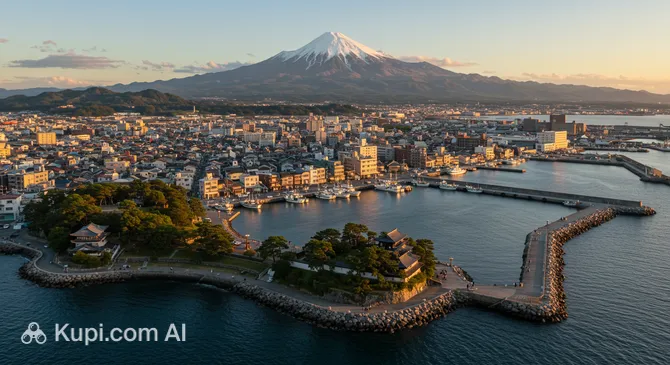
Joetsu. Illustration.
Source: Kupi.com AI

The atmosphere of Joetsu is a rare combination of provincial tranquility and cultural dynamism. Here you can enjoy leisurely walks along the embankments, admire the cherry blossoms in the famous Takada Park, which is especially beautiful in spring, or head to nearby ski slopes that turn the surroundings into a winter wonderland. The city is also famous for its well-maintained parks and scenic beaches.

Joetsu is an ideal place for those seeking to dive deeper into the culture and traditions of Japan, enjoy the beauty of its nature, and take a break from the hustle and bustle of large metropolises. A visit to this city will provide many unforgettable impressions and allow you to discover a new side of the Land of the Rising Sun.

More interesting facts can be found on the history of Joetsu page.
Weather Overview

The weather in Joetsu is characterized by distinct seasons. Summer, especially in July and August, is quite warm, with average temperatures around 24-25.5°C and maximums reaching 26-28°C. This period also sees a significant amount of rainfall, with frequent showers. Winters, from December to February, are cold, with average temperatures ranging from 1.6°C to 3.8°C, sometimes dropping below zero. Winter months are also marked by high humidity and frequent precipitation, especially in the form of snow.

Spring and autumn are transitional seasons with moderate temperatures. In March, the average temperature is about 5.6°C, gradually rising to 15.4°C in May. In autumn, temperatures decrease from 22°C in September to 10.1°C in November. Expect warm summers with periodic rain and cold, damp winters. For more details, you can view the detailed climate of Joetsu.

Average monthly temperature

Average monthly precipitation

Interesting Facts

In addition to its famous attractions, Joetsu holds many amazing stories and features that not all travelers are aware of. The city, known for its rice and sake, guards other equally fascinating secrets.

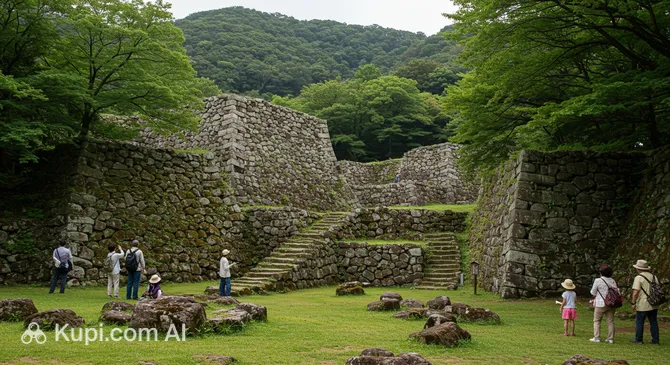
Kasugayama Castle Ruins. Illustration.
Source: Kupi.com AI

Traveler photos:

  • Joetsu is the birthplace of the legendary warlord Uesugi Kenshin. Every August, the grand Kenshinko Festival takes place here, featuring a colorful samurai parade dedicated to this revered historical figure. His main stronghold was once the Kasugayama Castle Ruins.

  • The city is famous for one of the most impressive spring spectacles in Japan — the evening cherry blossom viewing at Takada Park. Thousands of lanterns illuminate the blooming trees, creating a truly magical atmosphere that attracts many visitors.

  • Joetsu and its surroundings are among the snowiest places in Japan. One area even earned the unofficial name "Yukidaruma Kogen," which can be translated as "Snowman Highland," thanks to the heavy snowfall and popular winter festivals.

  • Joetsu has a unique system of morning markets: there are four of them, each operating on specific days of the week. This is a wonderful opportunity not only to purchase the freshest local products but also to feel the authentic rhythm of city life.

How to Get There

There are several ways to reach the city of Joetsu, but for many tourists, the most convenient option is to fly into one of the nearest regional airports and then continue the journey by land transport. There is no large airport in Joetsu itself, so travelers should consider the following options.

One of the most convenient choices is Niigata Airport (KIJ), located in the city of Niigata, about 119 km from Joetsu. This is a fairly busy regional airport. A trip from here to Joetsu by car or taxi will take about 3 to 3.5 hours. You can also consider bus options, but it is better to check their schedules and availability in advance.

Another nearby option is Toyama Airport (TOY). It is located in the city of Toyama, approximately 109 km from Joetsu. This medium-sized airport also handles regular flights. The drive to Joetsu takes about 3 hours. As with Niigata, land transport will be required for the final leg of the journey.

Slightly further away but serving as a larger hub is Komatsu Airport (KMQ), located in the city of Komatsu, about 184 km from Joetsu. Despite the greater distance, requiring about 4.5 to 5 hours to travel to Joetsu, this airport may offer more flight options. Upon arrival at any of these airports, Joetsu can be reached by rental car, taxi, or public transport where available.

For clarity, here is a summary of the main airports in the region:

AirportPassenger trafficDistance
Toyama Airport736 740109 km
Matsumoto Airport112 618112 km
Noto Airport207 427114 km
Niigata Airport1.1 mln119 km
Komatsu Airport1.8 mln183 km

Main Attractions

Joetsu, a city with a rich history and picturesque nature, offers tourists many interesting places to visit. These include historical monuments, modern entertainment complexes, and cultural centers that allow for a deeper understanding of the unique character of this Japanese region.

One of the main historical attractions is the Kasugayama Castle Ruins. This castle was once the residence of the famous daimyo Uesugi Kenshin, one of the most powerful military leaders of the Sengoku period. Today, visitors can walk through the extensive castle grounds, see the remains of ancient fortifications, and enjoy panoramic views of the city and surrounding mountains. This place literally breathes history and attracts fans of medieval Japan.

Kasugayama Castle Ruins. Illustration.
Source: Kupi.com AI

Traveler photos:

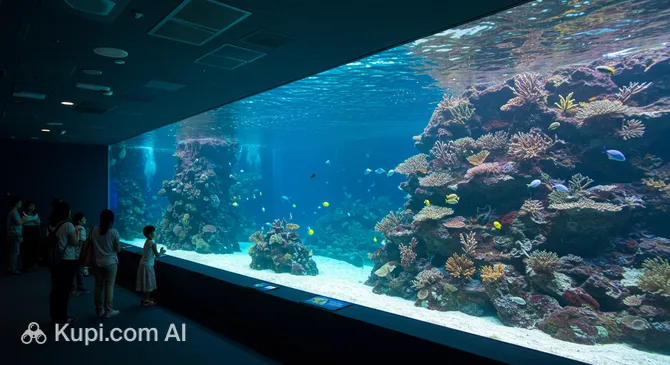
For those interested in the marine world, a visit to the Joetsu Aquarium Umigatari is a must. This modern aquarium offers impressive exhibits introducing visitors to the inhabitants of the Sea of Japan and other corners of the global ocean. Especially popular are the dolphin and penguin shows, as well as the large panoramic tank that creates a feeling of complete immersion in the underwater world. It is an excellent spot for family recreation.

Umigatari Joetsu Aquarium. Illustration.
Source: Kupi.com AI

Traveler photos:

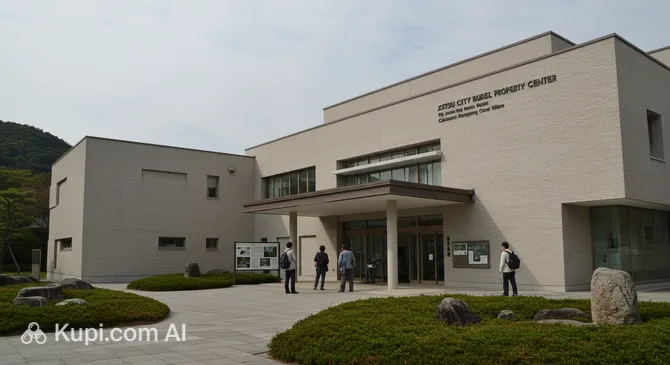
You can dive even deeper into the region's history by visiting the Joetsu City Archaeological Center. It features artifacts found during excavations in the city and its surroundings, dating back to ancient times. The exhibits tell the story of the daily life, culture, and crafts of the people who inhabited these lands centuries ago. The museum will be of interest to anyone fascinated by archaeology and ancient history.

Joetsu City Buried Cultural Property Center. Illustration.
Source: Kupi.com AI

Traveler photos:

Local Cuisine

The gastronomic world of Joetsu is a true discovery for connoisseurs of Japanese cuisine, where traditions harmoniously blend with a wealth of local products. The city rightfully prides itself on its highest quality rice, grown in the fertile soils of the region. This rice serves not only as a base for many dishes but also as the main ingredient for the famous local sake. There are many sake breweries in Joetsu, some of which, like the family-run Katafune Sake Brewery, have received international recognition for their products. Tasting fresh, aromatic sake is a mandatory item on the program for any visitor to the city.

Its location by the Sea of Japan provides Joetsu with an abundance of the freshest seafood. Fish and shellfish reach the tables of restaurants and locals almost immediately after being caught. It is definitely worth trying local sushi and sashimi prepared from seasonal fish, as well as delicacies made from crab and sea urchin. These dishes perfectly reveal the clean taste of the sea's bounty.

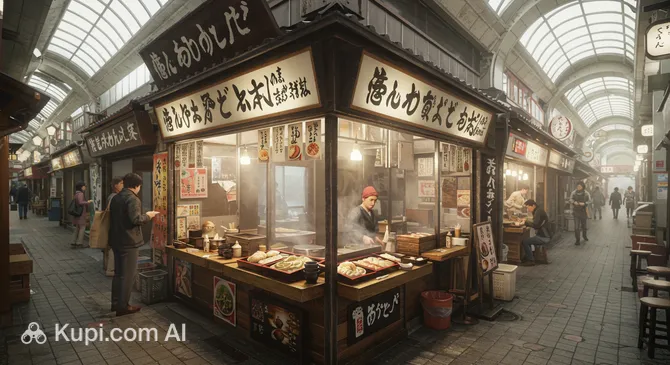
In addition to rice and seafood, Joetsu offers other culinary delights. For example, you can enjoy traditional Japanese noodles here. Soba lovers should stop by places like Tsukada Soba to appreciate the skill of local chefs. Street food also deserves attention: at local markets, you can find grilled onigiri rice balls, tempura made from fresh vegetables and seafood, and various sweets made from rice flour. Joetsu's morning markets are a great place to have a Japanese-style breakfast and try authentic dishes.

Tsukada Soba. Illustration.
Source: Kupi.com AI

Traveler photos:

The dining culture in Joetsu is diverse. Locals and tourists can choose between cozy restaurants specializing in traditional cuisine, lively street food markets, and small family-run establishments. Throughout the year, the city hosts various gastronomic festivals where you can get acquainted with the best examples of local cuisine and sake, participate in workshops, and simply enjoy the festive atmosphere. Joetsu offers a sincere and multifaceted culinary experience that every traveler will remember.

Travel Tips

Planning a trip to Joetsu? Wonderful! This charming city in Niigata Prefecture is ready to offer you unique experiences. To ensure your trip goes smoothly and leaves only pleasant memories, we have prepared some practical tips.

  1. Seasonal Clothing and Essentials: The climate in Joetsu changes throughout the year: warm and humid summers give way to the snowy winters for which Niigata Prefecture is famous. In summer, pack light clothing, and in winter, bring warm items including a hat, gloves, and waterproof footwear. Comfortable shoes are a must at any time of year, as you will be doing a lot of walking. Don't forget an adapter for your electronics (Japan uses Type A and B sockets, 100V). When visiting temples and shrines, choose modest clothing that covers shoulders and knees.

  2. Getting Around Town: The main public transport in Joetsu consists of local trains and buses. They are convenient enough for moving between major districts and attractions. Taxis are available but can be expensive. Renting a car might be justified if you plan to explore the Niigata countryside, but it's not always necessary for Joetsu itself. Check schedules in advance, especially if planning trips to less central areas.

  3. Financial Matters: The local currency is the Japanese Yen (JPY). While credit cards are increasingly accepted, especially in hotels and large stores, always have cash with you. You will need it for small establishments, local markets, temples, and some forms of transport. You can exchange currency at banks or the airport. ATMs accepting international cards are found in post offices (Japan Post Bank) and 7-Eleven stores. Tipping is not customary in Japan and may be perceived as impolite.

  4. Health and Safety: Joetsu, like Japan in general, is a very safe place. Tap water is safe to drink. Pharmacies (薬局 - yakkyoku) can be found in the city, but staff may not always speak English. It is recommended to have travel insurance that covers medical expenses. There are no specific "dangerous" neighborhoods in Joetsu, but always observe basic precautions, especially in crowded places.

  5. Language and Connectivity: The official language is Japanese. English is not widely spoken, especially among the older generation and in smaller establishments. Learn a few basic Japanese phrases: "konnichiwa" (hello), "arigato" (thank you), "sumimasen" (excuse me/sorry). For convenience, purchase a local SIM card or rent a pocket Wi-Fi – this will greatly facilitate navigation and communication. Popular apps: Google Maps, Google Translate, and HyperDia (for train schedules).

  6. Local Etiquette: Japanese people are very polite. Greetings are often accompanied by bows. In public places, especially on transport, try to speak quietly. It is customary to remove shoes before entering homes, some temples, and traditional restaurants (look for a special shoe shelf). There are rules for using chopsticks (for example, do not stick them vertically into rice).

  7. What to Avoid: Try not to eat or drink while walking on the street (except in designated areas, like at street food stalls). Loud phone conversations on public transport are considered bad manners. Do not leave tips – it might embarrass the staff.

  8. Special Features of Joetsu: The city is famous for its history related to the samurai Uesugi Kenshin. Be sure to visit the Kasugayama Castle Ruins and the adjacent museum. If your trip falls in spring, do not miss the cherry blossoms in Takada Park – it is one of the most famous spots for hanami in Japan. Niigata Prefecture is also famous for its sake, so take time to sample local varieties.

We hope these tips help you better prepare for your trip and enjoy every moment of your stay in Joetsu. We wish you an unforgettable journey through this amazing corner of Japan!

Entertainment & Nightlife

In the evening, Joetsu offers its guests a cozy and calm atmosphere to relax after a busy day. While the city is not famous for the booming 24/7 nightlife of major metropolises, you can find pleasant spots to spend the evening, enjoy delicious food, and try local drinks.

Main evening life is centered around traditional Japanese pubs – izakayas, small bars, and restaurants offering local cuisine. Such establishments can often be found in the areas adjacent to railway stations, for example, around Joetsu-Myoko or Naoetsu stations. Both locals and tourists gather here. The atmosphere in most places is quite relaxed and welcoming. Many establishments stay open until late evening, and some until midnight or even later, especially on weekends. The dress code is usually casual.

For those looking for more lively entertainment, Joetsu has karaoke bars – a popular pastime in Japan. Although there are few nightclubs in the European sense, some bars may offer music and dancing on weekends. When planning your evening, it's best to arrive at popular spots around 8:00–9:00 PM, especially if you want to secure a table at a well-known restaurant. Average prices for food and drinks are moderate but can vary depending on the venue.

Regarding transport, taxis become the primary way to get around at night, as public transport stops running. Joetsu is a fairly safe city, and night walks along well-lit central streets generally do not cause concern. Nevertheless, it is always worth observing standard safety precautions. You can call a taxi by asking the staff at a restaurant or bar, or find a taxi stand near the stations.

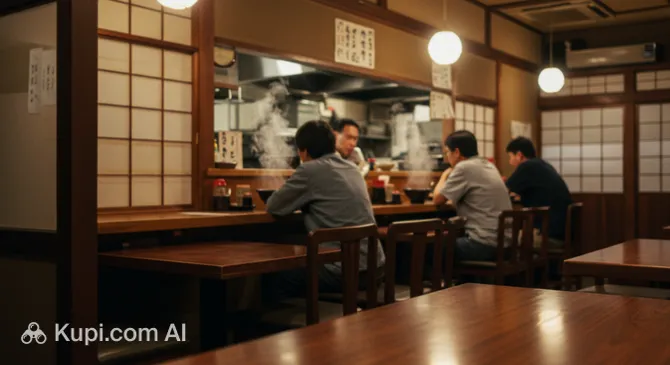
If you want to enjoy dinner in a pleasant setting, take note of local restaurants. For instance, you can visit Menya Shoji, known for its dishes, or try traditional noodles at Tsukada Soba. These establishments will offer you an authentic gastronomic experience.

Menya Shoji. Illustration.
Source: Kupi.com AI

Traveler photos:

During the day, there is also plenty to do in Joetsu. Guests can visit the Joetsu Aquarium Umigatari, explore the Kasugayama Castle Ruins to touch history, or stop by the Joetsu City Archaeological Center. Numerous parks offer opportunities for quiet walks and relaxation in nature.

Parks & Museums

Joetsu, a city with a rich history and picturesque natural landscapes, offers its guests many opportunities for cultural enrichment and outdoor recreation. Here you will find historical parks that preserve the memory of centuries past, as well as interesting museums that introduce the unique heritage of the region.

One of the most significant places where history intertwines with nature is the Kasugayama Castle Ruins. This was once a mighty fortress and the residence of the famous warlord Uesugi Kenshin. Today, it is an extensive park area where you can walk among the remains of ancient fortifications, enjoy panoramic views, and visit the Kasugayama Shrine dedicated to Kenshin. This location is perfect for history buffs and those who appreciate nature walks. Additionally, the city is known for its Takada Park (though not listed for a direct link), which is particularly beautiful in spring during the cherry blossom season and serves as a popular recreation spot.

Kasugayama Castle Ruins. Illustration.
Source: Kupi.com AI

Traveler photos:

For a deep dive into the region's past, we recommend visiting the Joetsu City Archaeological Center. Its exhibits feature artifacts spanning from the ancient Jomon period to the Middle Ages. It is a wonderful opportunity to learn about the daily life, culture, and history of the people who inhabited these lands for thousands of years.

Joetsu City Buried Cultural Property Center. Illustration.
Source: Kupi.com AI

Traveler photos:

If you are traveling with family or are simply interested in marine fauna, be sure to stop by the Joetsu Aquarium Umigatari. It showcases an impressive variety of Sea of Japan inhabitants – over 450 species. Visitors can expect fascinating exhibits and an exciting dolphin show, making the aquarium a great place for educational and entertaining leisure.

Umigatari Joetsu Aquarium. Illustration.
Source: Kupi.com AI

Traveler photos:

To feel the authentic atmosphere of Joetsu, we advise not to limit yourself only to the well-known attractions. Take a walk through the old streets in the Takada district, where you can still find traditional Japanese houses. Also, pay attention to the numerous small temples and shrines scattered throughout the city – they are often hidden from the main tourist routes but possess their own unique atmosphere and tranquility.

Getting Around

Public transport in Joetsu is primarily represented by a bus network that connects various city districts and its surroundings. This is the most convenient and common way for tourists to get around if you do not plan to rent a car. Local railway lines also operate in the city, which can be useful for trips to the suburbs or neighboring towns.

The payment system on Joetsu buses, as in many Japanese cities, is quite simple. Payment is usually made in cash when getting off the bus. The fare depends on the distance; when entering, you take a ticket with a stop number, and when exiting, you look at the board above the driver to see the cost for your number. Transport IC cards, such as Suica or Pasmo, are also widely used; you can pay the fare by simply tapping the card against the reader when entering and exiting. These cards can be purchased or topped up at major railway stations or via vending machines.

Tourists are advised to carry small change for bus fares if they do not have an IC card. Individual bus tickets are usually not sold in advance; payment occurs directly on the vehicle. Buses generally run on a schedule, which can be found at stops or on the transport companies' websites. Operating hours usually cover the daytime and evening, but may be reduced on weekends and holidays.

As an alternative to public transport, taxis are always available in Joetsu. They can be found at designated stands near train stations and major shopping centers or called by phone. Keep in mind that taxis in Japan are quite an expensive mode of transport. Bicycle rentals can also be a good option for exploring the central part of the city and its parks, especially in good weather. Information about bike rental points can be found at tourist information centers.

Accommodation

In the city of Joetsu, travelers can find a variety of accommodation options to suit any budget and preference. The range of available housing includes budget-friendly options such as guesthouses and hostels, as well as more comfortable mid-range hotels. Traditional Japanese inns (ryokans) offering a unique cultural experience and apartments for those who prefer more independence are also available.

When choosing a place to stay, it is worth looking at areas located near major transportation hubs, such as railway stations, or close to popular attractions. This will ensure ease of movement around the city and quick access to interesting sites. For example, the areas around Joetsu-Myoko Station or near historical sites can be particularly appealing.

Since specific hotels were not mentioned in the available information, it is recommended to explore offers on popular online booking platforms. There you can find current options, compare prices, and read reviews from other travelers. The price range varies from budget to more expensive offerings, depending on the level of comfort and location.

To guarantee the availability of suitable accommodation, especially during the peak tourist season or during major events, it is recommended to book your stay in advance. This will not only allow you to choose the best option but also potentially save money. Reservations can be made through well-known international and local online travel services or, in some cases, directly through hotel websites.

Nearby Cities

For those who want to explore the surrounding area, Joetsu serves as an excellent starting point for day trips to several interesting nearby locations:

CityPopulationDistance
Myoko30 30014 km
Iiyama19 27935 km
Itoigawa40 20035 km
Kashiwazaki81 02738 km
Iizuna10 13444 km

For example, a trip to Nagano will allow you to visit the famous Zenko-ji Temple, one of the most important Buddhist centers in Japan, and soak up the atmosphere of the city that hosted the Winter Olympics. Nagaoka, in turn, is known for its impressive fireworks festivals and historical sites related to its samurai past.

These nearby destinations provide an insight into the diverse culture and landscapes of the region.

Shopping & Souvenirs

Shopping in Joetsu offers tourists the chance to discover local goods and purchase unique souvenirs. While the city is not a major fashion hub like Tokyo, you can find interesting shops specializing in Niigata regional products, as well as traditional Japanese crafts.

Main shopping areas in Joetsu are generally concentrated around major railway stations, such as Joetsu-Myoko or Naoetsu. Here you can find department stores, small boutiques, and shops selling everyday items. It is also worth visiting the traditional shopping streets (shotengai), which house family-run shops offering local delicacies and handicrafts.

While Joetsu may not have the massive megamalls characteristic of large metropolises, the city features smaller shopping centers and department stores that offer a range of clothing, cosmetics, electronics, and household goods. These are usually located near transport hubs or in the central parts of the city.

Special attention should be paid to local markets if available. In coastal Japanese cities like Joetsu, you can often find fish markets selling the freshest seafood. Morning markets may also be found, offering seasonal vegetables, fruits, and other local products. This is an excellent way to experience the authentic atmosphere and try local specialties.

As souvenirs from Joetsu, consider local products. Niigata Prefecture is famous for its sake, so a locally produced bottle would make an excellent gift. Dried seafood, traditional Japanese sweets (such as rice-based ones), and works by local craftsmen are also popular. Given the historical significance of the region, you can find souvenirs related to the famous daimyo Uesugi Kenshin and the Kasugayama Castle Ruins.

Most shops in Joetsu operate from approximately 10:00 or 11:00 AM until 7:00 or 8:00 PM. Large department stores may close slightly later. Small private shops may have their own schedules and a day off (often once a week). Regarding payment, cash is still widely used, especially in small shops and markets. However, most department stores, chain stores, and tourist sites accept credit cards. Contactless payments and IC card payments (e.g., Suica, Pasmo) are also becoming increasingly popular.

For foreign tourists in Japan, a Tax-Free system is available. In participating shops (usually marked with a "Tax-Free Shop" sign), you can claim a refund of the consumption tax on purchases over a certain amount (typically over 5,000 yen excluding tax). You must present your passport for this. It is recommended to clarify the tax refund conditions directly at the shop.

Reached the end of the page?

That means the route is fully explored