Support

Sanjo

About

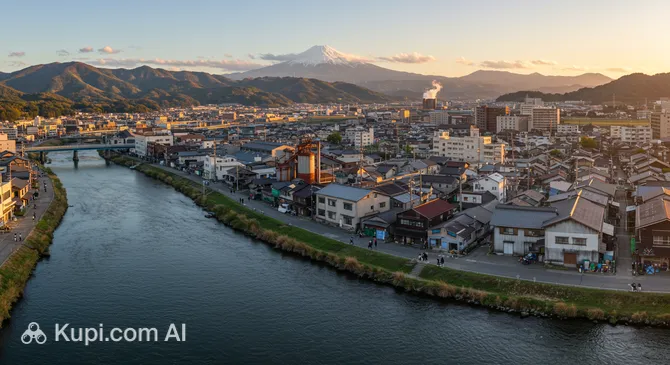
Sanjo is a cozy city nestled in a picturesque part of Niigata Prefecture, right on the coast of the Sea of Japan. It is a place where nature and the urban environment exist in striking harmony: modern buildings stand alongside traditional houses, while cityscapes transition smoothly into emerald rice fields and green hills. A trip to Japan is often associated with the neon lights of megacities, but Sanjo offers tourists a different experience—one that is calm and contemplative.

Sanjo. Illustration.
Source: Kupi.com AI

With a population of about 93,000, the city maintains a "golden mean" between size and atmosphere. It doesn't overwhelm with the noise typical of major centers, but it doesn't look frozen in time either: life is in full swing here, and the locals are famous for their sincere hospitality. The unique history of Sanjo can be traced in its streets and special way of life, which allows guests to feel the true spirit of the Japanese countryside.

Sanjo is an ideal destination for those seeking tranquility. Travelers come here to take leisurely walks along the embankments, enjoy the fresh sea air, and watch the sun go down during picturesque sunsets. Exploring local markets will provide vibrant gastronomic experiences, and the overall authentic atmosphere of the city will make a visit unforgettable for anyone who appreciates coziness and the beauty of everyday life.

Weather Overview

The climate in Sanjo is characterized by clearly defined seasonality, allowing travelers to choose their travel time based on their preferences. Winters here are cool and humid: in January and February, the average temperature hovers around 2–3°C, and at night it can drop to zero. This is the period with the most precipitation—up to 27 rainy or snowy days per month.

With the arrival of spring, the city comes alive. While it is still cool in March (about 6.5°C), by May the air warms up to a comfortable 16°C. Summer in Sanjo is warm: in August, the average temperature reaches 26.5°C, with maximums approaching 30°C. Checking the current weather in Sanjo is important for planning walks, as rain is frequent even in summer, especially in July.

Autumn begins with pleasant warmth in September (about 23°C) and gradually transitions to November chill (about 10°C). Overall, expect a warm summer with occasional rain and cool, humid winters, so waterproof shoes and an umbrella will be useful for your trip at almost any time of year.

Average monthly temperature

Average monthly precipitation

Interesting Facts

Beyond its main attractions, Sanjo holds many fascinating secrets and unique traditions that make it a special place on the map of Japan. The city is famous not only for its landscapes but also for its deep connection to crafts and its unusual gastronomy.

  • The Capital of Blacksmithing. Sanjo is officially recognized as a city of blacksmiths (Monozukuri). This status dates back to the Edo period when local farmers, unable to farm due to frequent river flooding, began forging Japanese "wakugi" nails to earn extra income. Today, tools, knives, and scissors produced in Sanjo are considered among the best in the world and are used by chefs in top restaurants.

  • The Battle of the Kites. The city hosts a unique festival called "Sanjo Ika Gassen" (Sanjo Kite Battle), which is fundamentally different from regular kite flying. Here, massive hexagonal structures don't just soar in the sky; they fight: participants try to cut their opponents' lines in mid-air. This tradition originated as a way to resolve conflicts between residents back in the 17th century.

  • The Birthplace of Curry Ramen. Sanjo is proud of its signature dish—curry ramen, which is one of "Niigata's five great ramens." This hearty dish appeared here over 70 years ago and is served in more than 70 establishments in the city, with each restaurant keeping its own secret recipe for the thick, spicy broth.

  • A Mecca for Camping Enthusiasts. The city is the headquarters of the world-famous outdoor equipment brand Snow Peak. Their complex includes not only an office and a museum but also a vast camping field where tourists from all over the country come to live in tents against the backdrop of the picturesque hills where this equipment is designed.

How to Get There

When planning a trip to this region, it is important to think through the logistics in advance, as the city is located away from the main metropolitan hubs. You can find out all the ways to get to the city on a separate page, but the main air gateway for travelers is the regional airport in the neighboring city.

The closest and most convenient option is Niigata Airport (IATA: KIJ). It is important to note that it is located in Niigata City, not in Sanjo itself, about 38 km from your destination. It is a medium-sized airport serving both domestic and some international flights. The journey from the airport to Sanjo by car or bus takes about 1 hour and 20 minutes.

If tickets to Niigata are unavailable, alternative but more distant options can be considered. For example, Sendai Airport (IATA: SDJ) is a major transport hub with high passenger traffic located in Sendai. However, it is quite far away—more than 180 km—and the car journey takes about 5 hours. Another option is Fukushima Airport (IATA: FKS) in Fukushima City (about 138 km from Sanjo), but it serves fewer flights.

For clarity, here is a summary of the main airports you can use to plan your route:

AirportPassenger trafficDistance
Niigata Airport1.1 mln38 km
Fukushima Airport250 000138 km
Shonai Airport364 815149 km
Junmachi Airport223 111151 km
Sendai Airport3.5 mln181 km

Rail service in Japan is excellently developed, and for many tourists, the train will be the preferred choice. The city is served by Tsubame-Sanjo Station, which is unique because it is located right on the border of two cities—Sanjo and Tsubame. The Joetsu Shinkansen high-speed line passes through this station, connecting the region with Tokyo. A trip on the bullet train from the capital takes only about two hours, making this method often faster and more comfortable than flying with complex transfers.

Main Attractions

The attractions of Sanjo harmoniously combine the region's rich industrial heritage with its impressive nature. Here, tourists can not only contemplate ancient temples and scenic landscapes but also personally experience the centuries-old traditions of the artisans for which this corner of Niigata Prefecture is famous.

One of the most modern and popular locations is the Snow Peak Headquarters. This is not just an office for the world-famous outdoor gear brand, but a massive open-air complex situated among the hills. Travelers come here to visit the brand's museum, browse the flagship store, and, most importantly, enjoy a stay at the superbly equipped campsite. The architecture of the buildings is perfectly integrated into the landscape, making this place attractive even for those who aren't avid hikers.

To dive into the city's history, a visit to the Sanjo Blacksmith Dojo (Sanjo Kaji Dojo) is a must. Since the city is known as a metalworking hub, this site offers a unique interactive experience. Here, you can not only learn about forging techniques but also take a workshop: under the guidance of experienced masters, tourists can forge their own paper knife or sharpen a kitchen tool. This is a great opportunity to take home a handmade souvenir.

History buffs and fans of spiritual architecture will find Honjo-ji Temple fascinating. This is a majestic Buddhist temple complex, serving as the head temple of one branch of the Nichiren school. The temple grounds are impressive in their scale and silence. Ancient wooden buildings surrounded by centuries-old pines create an atmosphere of peace, perfect for leisurely strolls and meditation away from the city bustle.

The Yagigahana Cliff is considered the natural gem of the area. This massive rock, about 200 meters high, towers over the river and presents a breathtaking sight at any time of year. The cliff is especially beautiful in autumn, when the surrounding forests turn vibrant shades of red and gold, or in winter, when the dark stone contrasts with the white snow. At the foot of the rock are hot springs where you can relax with a view of this natural monument.

Local Cuisine

Sanjo's culinary scene is inextricably linked to the culinary traditions of Niigata Prefecture, which is famous throughout Japan for its rice, pure water, and seafood. However, this city has its own unique flavor, shaped by harsh winters and the industrious character of its residents. Food here is primarily about hearty, warming dishes that provide energy and comfort.

The city's main culinary hallmark is undoubtedly Sanjo Curry Ramen. This dish is part of the famous "Niigata five ramens" and is a true cult favorite among locals. Unlike regular ramen, the noodles here are served in a thick, spicy curry-based soup. There are more than 70 establishments in the city serving this dish, and every chef has their own style: some make the broth sweeter, some make it fiery hot, and some simply place curry sauce on top of the soup. it is the perfect choice to warm up after a walk on a cool day.

Another interesting local specialty is Kurumafu. This is a traditional product made from wheat gluten, which in Sanjo is made in the shape of large wheels resembling car tires. Kurumafu is often added to soups, stews, or even served as a side dish for meat. Thanks to its porous texture, it absorbs broths and sauces wonderfully, taking on a rich flavor. Don't forget to also try dishes made from Koshihikari rice grown in local fields—it is considered some of the tastiest in the country.

As for drinks, a trip to Sanjo would not be complete without a tasting of nihonshu (Japanese sake). Niigata Prefecture is one of the top sake-producing regions, and local breweries offer premium quality drinks with a clean, dry taste. A unique feature of Sanjo is its drinking culture: here it is customary to enjoy sake or cold beer from metal cups produced locally. Extremely thin glasses made of stainless steel or copper, forged by local craftsmen, keep the drink's temperature for a long time and, as residents claim, reveal its flavor in a new way.

The food culture in the city is democratic and unpretentious. Cozy izakayas (Japanese pubs) and small family restaurants where the owners personally greet guests are popular here. In the evenings, locals gather in such places to discuss the news over a portion of yakitori (chicken skewers) and seasonal vegetables. Tourists should visit the local morning markets, where they can buy fresh fruit and ready-made snacks to feel the real rhythm of the city's life.

Travel Tips

Traveling to Sanjo is an immersion into the world of Japanese craftsmanship and nature, but like any trip to Japan, it requires a little preparation. To ensure your visit is as comfortable as possible and leaves only warm memories, we've gathered some important practical recommendations to help you feel confident in this region.

  1. Clothing and Seasonality. Since Sanjo is in "snow country" (Yukiguni), there is a lot of precipitation in winter. If you visit from December to March, be sure to bring a warm jacket and waterproof shoes with non-slip soles—the streets can be snowy or wet. In summer, it is hot and humid, so natural fabrics are preferred. Also, keep in mind that when visiting temples (like Honjo-ji) or traditional restaurants, you will often have to take off your shoes, so choose footwear that is easy to remove and wear clean, intact socks.

  2. Transport Logistics. Although Tsubame-Sanjo Station can be reached by bullet train, public transport within the region may not be very convenient due to infrequent bus intervals. If you plan to visit the Snow Peak headquarters or remote workshops, it is highly recommended to rent a car. This will give you freedom of movement. Taxis here are reliable but quite expensive for long-distance travel.

  3. Financial Matters. Japan remains a cash-heavy country, especially in the provinces. While cards are accepted in large supermarkets and at the Shinkansen station, small family shops, ramen stalls, and souvenir workshops in Sanjo may only accept cash yen. You can withdraw money from ATMs at 7-Eleven stores or Japan Post, which work with foreign cards. Remember: tipping is not customary in Japan and may even offend the staff.

  4. Health and Safety. Sanjo is an exceptionally safe city where you can walk comfortably even after dark. Pharmacies are often marked with the character 薬 (Kusuri); many basic medicines are available without a prescription, but it's best to have a photo of the required medication or a translator. Tap water is safe to drink.

  5. Language Barrier and Connectivity. Unlike Tokyo, the level of English proficiency among the population in Sanjo is not high. Be sure to install a translator app (such as Google Translate) with a photo translation feature on your phone—it will save you when reading menus in local restaurants and signs. For navigation, rent a Pocket Wi-Fi in advance or buy a tourist SIM card (or eSIM), as free Wi-Fi is not available everywhere.

  6. Local Etiquette. A greeting here is a slight bow; handshakes are rarely used. In public places, especially on trains, maintain silence: talking on the phone is considered rude. If you enter a store dressing room or a house, always check if there is a change in floor level or special slippers—this is a signal that outdoor shoes must be removed.

  7. What to Avoid. Never pass food with chopsticks to another person and do not stick chopsticks vertically into rice—these actions are associated exclusively with funeral rites and will shock the locals. Also, try not to eat on the go (except at festivals); it is better to stop at a vending machine or sit on a bench.

  8. Advice for Knife Buyers. Sanjo is famous for its knives and tools, and you will likely want to buy them as souvenirs. Important rule: if you buy a kitchen knife, do not put it in your carry-on luggage when flying. Japanese airport security is very strict, and even an expensive souvenir will be confiscated. Pack sharp objects only in checked baggage.

Following these simple rules will help you show respect for the local culture and avoid awkward situations. The people of Sanjo are very friendly to guests who show interest in their traditions, so your politeness and a smile will open any door in this wonderful city of artisans.

Entertainment & Nightlife

Nightlife in Sanjo isn't about noisy megacity clubs with lasers; it's a soulful and authentic atmosphere steeped in the spirit of provincial Japan. After sunset, the city changes its pace: the rhythmic sound of hammers in workshops is replaced by the clinking of glasses and the smell of charcoal-grilled meat. The main action takes place not by the high-speed train station, but in the historic center, where evening traditions have been preserved for decades.

The epicenter of nocturnal entertainment is the Honnaji-koji district. This is a true labyrinth of narrow streets where over 100 establishments are concentrated in a small area: from tiny five-seat bars to bustling izakayas. The area is famous for its retro Showa-era atmosphere: neon signs, red lanterns, and the sounds of karaoke drifting from behind closed doors. It is common practice here to hop from bar to bar, chatting with locals who are known for their friendliness toward travelers.

A special place in Sanjo's culture is occupied by "snack bars." These are unique Japanese establishments where the hostess ("mama-san") doesn't just pour drinks but also entertains guests with conversation. There are many of them in Honnaji-koji. Tourists should stop by to sing a karaoke song and feel like part of the local community. If you are looking for something more modern and gastronomic, check out the area around Tsubame-Sanjo Station, where stylish restaurants are located.

Among the specific places worth noting are:

  • Tsubame-Sanjo Bit — a famous Italian restaurant that turns into a stylish lounge in the evening. It serves dishes made from local products on tableware produced by Sanjo craftsmen, and the wine list perfectly complements dinner.
  • Yakitori no Ogiya — a popular izakaya where you can try classic Japanese yakitori skewers. This is a great place to start the evening: affordable prices, a lively atmosphere, and hearty snacks.

Practical tips for night outings:

Life in the bars picks up after 7:00 PM and continues deep into the night. However, public transport in Japan stops running quite early, around midnight, and even earlier in provincial areas. If you stay late in Honnaji-koji, the best way to get back to your hotel is by taxi. The "daiko" service is also popular in the region—a taxi for those who drove their own car but had a drink: one driver takes you home, and the second drives your car.

In terms of safety, Sanjo is impeccable. Even at the height of the fun in the bar district, you can feel completely at ease. There is no dress code in most establishments; casual style is appropriate everywhere. The average check in bars is about 3,000–5,000 yen, but remember that many small establishments only accept cash.

While the nightlife here is vibrant, daytime entertainment is just as interesting. The city offers industrial history museums, parks to walk through, and scenic cliffs to visit. However, an evening visit to Honnaji-koji is what will allow you to see the real, non-touristy face of this city of artisans.

Parks & Museums

The cultural and natural landscape of Sanjo offers tourists a fascinating contrast: from quiet green zones where you can escape the city bustle to unique museums that tell the story of a small settlement's transformation into the world capital of blacksmithing. The city carefully preserves its heritage, allowing guests to alternate between walks in the fresh air and diving into the secrets of traditional Japanese crafts.

Among the natural attractions, Shirasagi Forest Park holds a special place. This picturesque corner changes its appearance with the seasons: cherry blossoms bloom in spring, fireflies can be seen flickering in summer, and the park dresses in crimson and gold tones in autumn. For tourists, it is an ideal spot for picnics and leisurely walks along forest trails, allowing them to enjoy the silence of Japanese nature just a few minutes' drive from the city center.

Equally attractive is the Ikarashi River embankment, which serves as the city's main green artery. Spacious grassy banks and well-maintained paths attract joggers and cyclists. This is where the famous Kite Battle is held annually, but even on ordinary days, it is a great place to admire the view of distant mountains and feel a sense of space rare for dense Japanese urban areas.

To get to know the city's cultural code, a visit to the Sanjo History and Folklore Museum is recommended. Housed in a beautiful building, the museum's exhibition is dedicated to the everyday life of local residents and the evolution of metalworking. Here, you can see ancient tools, everyday objects, and documents revealing how the character of this hardworking region was formed. This place will be of interest to those who want to understand the origins of the craftsmanship that made Sanjo famous throughout Japan.

A unique "living museum" format is Suwada Open Factory. Although technically a working factory producing premium nippers and tools, it is open to tourists as a gallery of modern craftsmanship. Visitors can observe the masters at work through glass walls, seeing how pieces of metal are transformed into works of art. The building itself is an architectural masterpiece, and there is a boutique and cafe at the factory, making a visit here a complete cultural event.

Among historical monuments, Honjo-ji Temple stands out and is often mentioned in guidebooks. This is not just a religious building but a massive complex with majestic wooden gates and a main hall recognized as an important cultural property. The temple's architecture impresses with its austerity and harmony, and a walk through its grounds transports you back to the atmosphere of feudal Japan.

Insider Tip: If you want to see something special, head to the Snow Peak Museum and garden at the brand's headquarters. Even if you don't plan to stay overnight in a tent, simply walking through the campus grounds, designed by renowned architect Kengo Kuma, will provide aesthetic pleasure. And the local shop often sells limited-edition goods available only here.

Getting Around

The public transportation system in Sanjo is typical for regional Japanese cities: it is reliable and punctual but does not offer the high frequency of service that tourists are used to in megacities. Movement is primarily based on the JR rail network and bus routes; however, for a comfortable tour of all attractions, especially remote factories and natural parks, travelers often have to combine different types of transport.

The railway is the most straightforward way to navigate. The main hub is Tsubame-Sanjo Station, where Shinkansen high-speed trains stop. For trips within the city and to neighboring areas, local lines are used: the Yahiko Line and the Shin-etsu Main Line. The main city stations are Sanjo, Kita-Sanjo, and Higashi-Sanjo. Trains run strictly on schedule, but intervals can range from 30 to 60 minutes, so it is recommended to check departure times in advance using apps like Google Maps or Japan Travel by Navitime.

Bus service in the city is provided by the Echigo Kotsu company and the "Gurutto Sanjo" municipal loop buses. Routes cover major residential areas, hospitals, and stations. It is important to remember that buses in the province end service quite early—many final runs depart around 6:00–7:00 PM. On weekends and holidays, the schedule can be significantly reduced.

The fare payment system on local buses may raise questions for the unprepared tourist, as it differs from the capital. Boarding is through the rear door. Upon entering, you must take a small paper ticket (seiriken) from a machine. The ticket will have a number corresponding to your boarding zone. On the electronic board above the driver, you will see the fare under that number, which increases as you travel. Payment is made upon exiting through the front door: the coins and the ticket are dropped into a transparent box next to the driver. The driver does not give change, but the machine has a function for breaking 1,000-yen bills.

As for transport IC cards (Suica, Pasmo, ICOCA), they are accepted without issue at railway stations through the turnstiles. However, some older local buses may not have card terminals, so it is highly recommended to always carry cash, especially coins and small bills.

Given the spread of attractions (for example, the Snow Peak headquarters is far in the mountains), the most convenient option for tourists is renting a car. Rental offices of major chains are located right at Tsubame-Sanjo Station. This will give you full freedom and eliminate dependence on schedules. To rent, you will need an appropriate International Driving Permit (IDP).

Alternatively, taxis can be used for short trips. Taxi stands are located at every exit of the major stations. Drivers rarely speak English, so prepare the destination name in Japanese in advance or show the point on a smartphone map. Additionally, bicycle rentals, including electric-assisted models, are available at Tsubame-Sanjo Station (at the Tsubame-Sanjo Wing tourist center), which is ideal for exploring the flat parts of the city in good weather.
Accommodation

The choice of accommodation in Sanjo is quite diverse for a city of its size and reflects its character as an industrial and craft center surrounded by nature. While it is difficult to find luxury five-star chain resorts here, travelers have access to a wide range of comfortable options: from functional business hotels to traditional Japanese inns (ryokans) and unique camping opportunities.

The most popular and strategically convenient area to stay is the vicinity of Tsubame-Sanjo Station. Most modern Western-style hotels are concentrated here. This is an ideal location for tourists arriving by Shinkansen: you can drop your bags in your room literally 5–10 minutes after stepping off the train. The infrastructure in this area is well-developed, with many restaurants, shops, and car rental points, making it an excellent base for exploring the region.

The backbone of the hotel stock consists of business hotels. This is a typical Japanese format: the rooms may be small, but they are always impeccably clean and equipped with everything necessary (pajamas, slippers, toiletries, a kettle). The price range here is very reasonable and usually varies from budget to mid-range. A night in such a hotel will cost significantly less than in Tokyo or Kyoto, making Sanjo a cost-effective stop on your journey.

For those seeking an authentic experience and relaxation, it is worth looking into ryokans located away from the busy center, closer to the mountains and hot springs. Staying here includes sleeping on tatami mats, bathing in thermal waters, and often an exquisite kaiseki-style dinner. This is a more expensive segment, but it allows for a deep dive into Japanese hospitality culture.

A unique feature of Sanjo is the possibility of staying in nature with a high level of comfort. Thanks to the Snow Peak headquarters, a culture of camping and glamping is popular in the city. Tourists can rent a fully equipped spot at a picturesque campsite where they don't have to worry about gear—everything is provided on-site. This is an excellent choice for the warmer months.

Booking Tips:

  • Plan your trip in advance if it coincides with major events, such as the Kite Festival or the craft festival (Kouba no Saiten). Hotels fill up instantly during these times.
  • International online platforms are great for booking city hotels. However, for reserving spots in small family-run ryokans or campsites, it is sometimes better to use their official websites (often requiring an online translator) or specialized Japanese services.
  • Consider seasonal pricing: during the cherry blossom season (April) and "Golden Week" (early May holidays), accommodation costs can increase.

Nearby Cities

For those who want to explore the surroundings, Sanjo serves as an excellent starting point for day trips to several interesting nearby locations. Its convenient location near the Shinkansen line and local rail branches makes it easy to reach neighboring cultural and industrial centers.

Just a few minutes away by train is the city of Tsubame. These two cities are often called twins: if Sanjo is famous for forging, Tsubame is a world leader in metal polishing and cutlery production. It is interesting to visit industrial museums here and see how the items used to set tables at Nobel banquets are created. The city is also known for its picturesque rice fields and temples.

If you want to feel the rhythm of a large port city, head to the prefecture's capital—Niigata. This is a gastronomic paradise where you can try the freshest seafood and visit the famous "Ponshukan" sake museum right at the station. History buffs will enjoy a stroll through the Furumachi geisha district, while families with children will appreciate a visit to one of the largest aquariums on the Sea of Japan coast.

Another interesting destination is Nagaoka. This city is known throughout Japan for its grand summer fireworks festival, but it is interesting at any time of year. Here you can immerse yourself in samurai history and learn about the local fermentation culture by visiting old miso and soy sauce factories in the Settaya district.

CityPopulationDistance
Tsubame76 5908 km
Kamo25 0868 km
Tagami11 20011 km
Mitsuke39 02412 km
Nagaoka265 86823 km

These nearby destinations provide insight into the diverse culture and landscapes of the region, from the sea coast to industrial hubs. Each trip takes no more than an hour, making them ideal for a short but intensive journey.

Shopping & Souvenirs

Shopping in Sanjo is fundamentally different from a typical trip to boutiques in major cities. This is a city of artisans, so instead of mass-market clothing and accessories, people hunt for "monozukuri" items—things created with soul and incredible skill. Sanjo is the perfect place to purchase items that will last a lifetime: from professional kitchen knives to exquisite garden and manicure tools. Shopping here turns into a cultural experience, allowing you to touch the centuries-old traditions of metalworking.

The main attraction for tourists wanting to buy everything in one place is the area around Tsubame-Sanjo railway station. This is where the Tsubame-Sanjo Regional Industries Promotion Center is located. It's not just an exhibition hall but a massive store where over 10,000 products from hundreds of local factories are gathered under one roof. Here you can find products that are difficult to find even in Tokyo, often at manufacturer prices.

In terms of shopping centers in the conventional sense, the city's main mall is AEON Sanjo. This is a classic Japanese shopping complex where you can buy groceries, cosmetics, clothing, and electronics. However, a true shopping gem is the store at the Snow Peak headquarters. Located among the hills, this flagship boutique offers the full range of the famous outdoor gear and clothing, including limited collections available only here.

Fans of authentic atmosphere should visit the Sanjo Morning Market (Asaichi). It is an important part of city life and operates on a traditional schedule: on days ending in 2 and 7 (the 2nd, 7th, 12th, 17th, 22nd, and 27th of each month). The market opens early in the morning and runs until lunch. It sells fresh seasonal vegetables, fruits, pickles, and homemade food. It's the best place to chat with locals and buy delicious treats without a markup.

The choice of souvenirs in Sanjo is huge, but metal products remain the "kings" of purchases. As a memorable and useful gift, it is worth bringing back:

  • Kitchen knives — local blades are famous for their razor sharpness and durability.
  • Manicure tools — especially famous are the Suwada brand nippers, which look like works of art.
  • Copperware — glasses and mugs that perfectly keep drinks cold.
  • Garden shears — a dream for any flower grower or bonsai enthusiast.
  • Gastronomy — packs of local curry ramen or Koshihikari rice.

Most shops and souvenir stalls are open from 10:00 AM to 6:00 PM or 7:00 PM; large shopping centers stay open longer—until 8:00 PM or 9:00 PM. Regarding payment, major outlets (AEON, the Industry Center, Snow Peak) accept credit cards without issues. However, if you plan to visit the morning market or small private workshops, be sure to carry cash yen, as terminals are a rarity there.

The Tax-Free system (consumption tax refund) is available to foreign tourists at key shopping locations, such as the Regional Industries Promotion Center and the Snow Peak store. To use this service, you must make a purchase of over 5,000 yen (excluding tax) in one store on one day and present your original passport with an entry stamp.

Reached the end of the page?

That means the route is fully explored