Support

Aizuwakamatsu

About

Aizuwakamatsu is a charming city steeped in rich history and samurai traditions, located in Fukushima Prefecture, Japan. Known as the "Samurai City," it attracts visitors with its authentic atmosphere and picturesque landscapes. Situated in the Aizu Basin, the city experiences a climate with four distinct seasons: snowy winters and warm, humid summers. With a population of about 118,000, it offers a cozy and welcoming environment for travelers.

Aizuwakamatsu. Illustration.
Source: Kupi.com AI

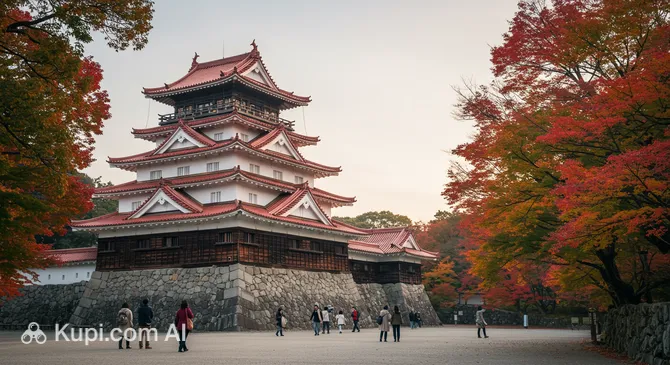
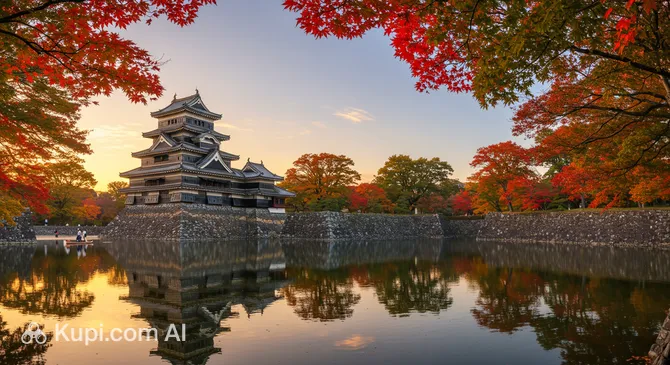
The crown jewel of Aizuwakamatsu is the magnificent Tsuruga Castle (also known as Aizu-Wakamatsu Castle) – a symbol of resilience and the samurai spirit. Reconstructed after being destroyed, it is stunningly beautiful and offers a glimpse into the region's past. Equally fascinating is the Aizu Bukeyashiki, a reconstructed samurai residence where you can learn about the daily life and culture of warriors in feudal Japan. Nature lovers should visit the Oyakuen Garden, famous for its medicinal herbs and tranquil atmosphere.

Aizuwakamatsu is a place where history comes alive at every turn. A visit to this city will provide unforgettable experiences and a deeper understanding of the unique culture of the Land of the Rising Sun. It is an ideal destination for those seeking a blend of historical heritage, beautiful nature, and Japanese hospitality.

You can find more interesting facts on the history of Aizuwakamatsu page.

Weather Overview

The weather in Aizuwakamatsu has a distinct seasonal character. Summers are warm and quite humid: the average temperature in July and August ranges from +22.9°C to +24.1°C, with frequent rain (20-22 rainy days per month). Winters, conversely, are cold and snowy, with an average January temperature of about -1.6°C and a significant number of days with precipitation (up to 25 days in January and December). The spring and autumn months offer milder weather with a moderate amount of rainfall, creating comfortable conditions for visiting.

To better plan your trip and find details about temperature ranges and precipitation for each month, we recommend checking the detailed information on the Aizuwakamatsu climate page.

Average monthly temperature

Average monthly precipitation

Interesting Facts

Beyond its famous samurai traditions and picturesque scenery, Aizuwakamatsu holds many surprising details and stories that make it truly special. Here are just a few:

Sazae-dō. Illustration.
Source: Kupi.com AI

Traveler photos:

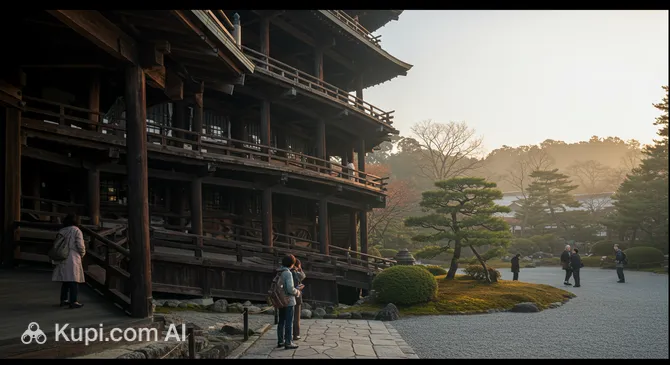
  • One of the most unusual structures in Aizuwakamatsu is Sazaedo – a wooden temple with a unique spiral design. Visitors ascend and descend via different spiral ramps without ever meeting, symbolizing a pilgrimage route.

  • The famous Tsuruga Castle stands out not only for its history but also for the color of its roof tiles. It is one of the few castles in Japan with red tiles (akagawara), which were considered a symbol of wealth in the Edo period and possessed superior fire-resistant properties.

  • The name Oyakuen Garden translates as "medicinal herb garden." It was originally established by the Aizu lords to grow and study healing plants, a tradition that is partially maintained to this day.

  • The city is inextricably linked to the moving history of the Byakkotai – a group of young samurai who demonstrated incredible loyalty and valor during the Boshin War. Their story has become a symbol of devotion throughout Japan.

How to Get There

When planning a trip to Aizuwakamatsu, a picturesque city in Fukushima Prefecture, it's important to arrange your route in advance. Although Aizuwakamatsu does not have its own airport, you can reach it through several regional airports and Japan's extensive rail network.

The main air gateways for traveling to Aizuwakamatsu are several airports located in neighboring prefectures. The closest is Fukushima Airport (FKS), located about 53 km from Aizuwakamatsu. It is a small regional airport, and a taxi or bus ride to the center of Aizuwakamatsu takes approximately 1 hour and 40 minutes. Another popular option is Niigata Airport (KIJ), located in Niigata City about 88 km away. This airport handles more flights, and the journey to Aizuwakamatsu from here takes about 2 hours and 30 minutes. You can also consider Sendai Airport (SDJ) in Sendai; it is a major transport hub located approximately 113 km from Aizuwakamatsu, with travel times to the city taking just over 3 hours.

For convenience, here is a summary of the main airports used to reach Aizuwakamatsu:

AirportPassenger trafficDistance
Fukushima Airport250 00053 km
Niigata Airport1.1 mln88 km
Junmachi Airport223 111110 km
Sendai Airport3.5 mln113 km
Shonai Airport364 815147 km

In addition to air travel, rail connections play a vital role in Aizuwakamatsu's accessibility. The city has its own Aizu-Wakamatsu Station, which is a key regional transport hub served by several lines, including the JR East Ban'etsu West Line. This allows you to reach Aizuwakamatsu by train from major Japanese transport hubs such as Tokyo (usually with a transfer in Koriyama), Sendai, or Niigata. Travelers are encouraged to check schedules and routes on official railway operators' websites, such as JR East, to plan their trip. From the airports, you can also typically reach the nearest major railway stations to continue on to Aizuwakamatsu.

Main Attractions

Aizuwakamatsu, a city with a rich samurai history, offers travelers many fascinating places to explore. Here, everyone will find something to their liking – from majestic castles to peaceful gardens and unique architectural structures.

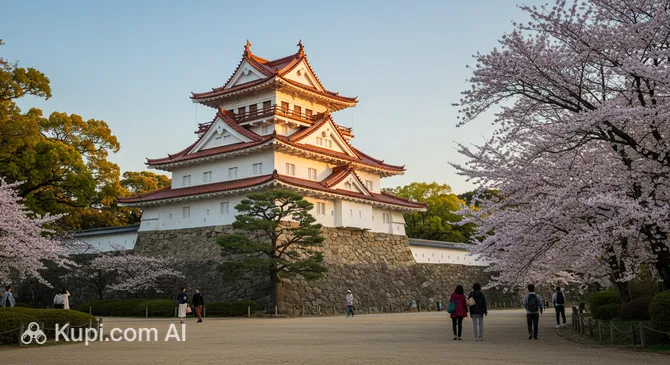
One of the city's main gems is Tsuruga Castle, also known as Aizuwakamatsu Castle. This reconstructed fortress is famous for its white walls and red-tiled roof, the only one of its kind in Japan. The castle played a key role in many historical events, particularly during the Boshin War. Today, it houses a museum detailing the rich history and culture of the Aizu region. The upper floors offer panoramic views of the city and the surrounding mountains.

Tsuruga Castle. Illustration.
Source: Kupi.com AI

Traveler photos:

Not far from the castle, on Mount Iimori, stands an amazing wooden structure – Sazaedo. This hexagonal, three-story pagoda is unique for its double-helix staircase, designed to resemble a turban shell (sazaé). Visitors ascend one spiral and descend another without ever crossing paths. Built in 1796, the temple is an important cultural property, offering a unique architectural and spiritual experience.

Sazae-dō. Illustration.
Source: Kupi.com AI

Traveler photos:

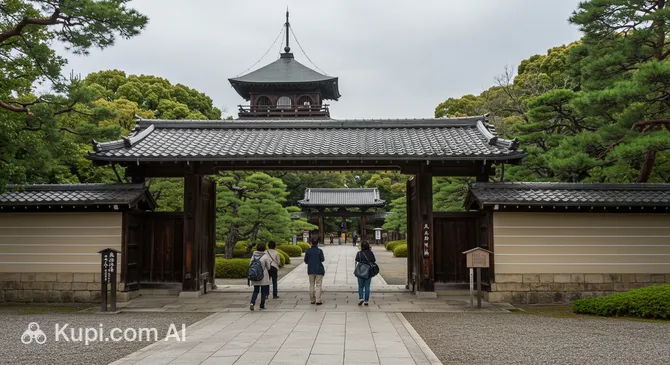
To dive deeper into the life of the samurai, a visit to the Aizu Samurai Residence (Aizu Bukeyashiki) is a must. This extensive complex is a reconstructed residence of a high-ranking samurai from the Edo period. Here, you can see living quarters, offices, a tea house, and even a rice mill. Exhibits featuring wax figures and household items vividly demonstrate the daily life and traditions of the samurai class.

Aizu Samurai Residence. Illustration.
Source: Kupi.com AI

Traveler photos:

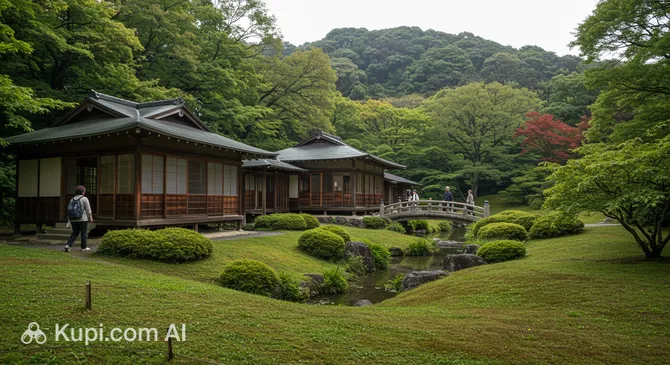
For nature lovers and those seeking peaceful relaxation, Oyakuen Garden is an excellent choice. This picturesque Japanese medicinal herb garden was established in the 17th century. Originally, it served as a retreat for the Aizu lords and a place to grow herbs for medical needs. Today, visitors can enjoy strolling along well-kept paths, admiring ponds, bridges, and a variety of plants, including ginseng, which was cultivated here.

Oyaku-en Garden. Illustration.
Source: Kupi.com AI

Traveler photos:

In addition to these iconic sites, Aizuwakamatsu offers other interesting attractions, such as the Fukushima Prefectural Museum, where you can learn more about the history and culture of the entire region, or traditional sake breweries, where you can observe the production process of Japan's famous beverage and even enjoy a tasting.

Local Cuisine

The gastronomy of Aizuwakamatsu offers a true immersion into the culinary traditions of a region famous for its unique dishes and high-quality local products. Travelers can expect authentic Japanese cuisine with a strong local character, carefully preserving recipes passed down through generations.

Among the dishes you must try in Aizuwakamatsu, kozuyu stands out – a light, clear soup with scallops, shiitake mushrooms, carrots, and other vegetables, often served during celebrations. Another iconic dish is wappa-meshi, rice steamed in a round wooden box (wappa) along with seasonal ingredients like seafood, chicken, or mountain vegetables. You also shouldn't miss the local version of a popular favorite – sauce katsudon, where a pork cutlet is served over rice with a special sweet and savory sauce that differs from the classic versions.

The Aizu region is also famous for its excellent sake. Thanks to clean water and high-quality rice, local breweries produce a drink with a rich flavor and aroma. To learn more about the production process and taste various types, you can visit the Miyaizumi Meijo Sake Brewery. Among non-alcoholic drinks, various types of Japanese tea are popular.

Miyaizumi Meijo Sake Brewery. Illustration.
Source: Kupi.com AI

Traveler photos:

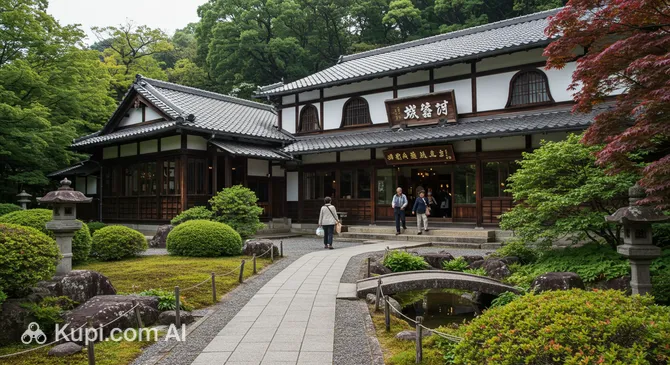
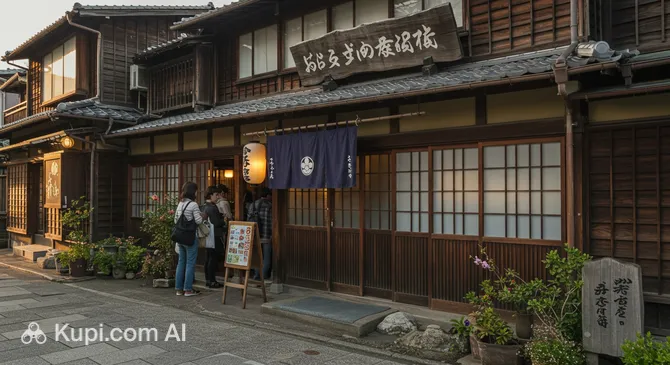
The dining culture in Aizuwakamatsu involves visiting both traditional restaurants, where you can enjoy set lunches and dinners in a quiet setting, and cozy izakayas – Japanese pubs offering a wide selection of snacks to accompany drinks. Many establishments pride themselves on using fresh local ingredients. One of the places where you can taste traditional dishes is the Mitsutaya restaurant, known for its authentic cuisine.

Mitsutaya. Illustration.
Source: Kupi.com AI

Traveler photos:

Aizuwakamatsu's gastronomic scene attracts tourists with its authenticity and the opportunity to try unique regional delicacies that are hard to find in other parts of Japan. The combination of ancient recipes, the freshest ingredients, and the hospitality of local residents makes every meal here a special occasion. It is a wonderful opportunity to experience the culture of the region through its flavors and aromas.

Travel Tips

Planning a trip to the charming city of Aizuwakamatsu, known for its rich samurai history and scenic landscapes? To ensure your trip goes smoothly and leaves only pleasant impressions, we have prepared some practical tips. They will help you better navigate local features and enjoy every moment in this unique corner of Japan.

  1. Clothing and Essentials: The weather in Aizuwakamatsu changes depending on the season: summers are hot and humid, while winters are cold and snowy. In summer, choose light, breathable clothing, and in winter, wear warm layers, including a hat, gloves, and a waterproof jacket. In spring and autumn, sweaters and light jackets are comfortable. Comfortable shoes are extremely important, as you will be doing a lot of walking. Don't forget an adapter for your electronics (Japan uses Type A plugs, 100V voltage). When visiting temples and shrines, dress modestly; you may be required to remove your shoes.
  2. Getting Around the City: The main form of public transport in Aizuwakamatsu is buses, including the Aizu Loop Bus tourist routes ("Haikara-san" and "Akabe"), which are convenient for sightseeing. Aizu-Wakamatsu Railway Station is a major transport hub. Taxis are available but can be quite expensive. Car rental is possible if you have an international driving permit (traffic is on the left), but it is often more convenient to use public transport for getting around the city.
  3. Finances: The local currency is the Japanese yen (JPY, ¥). You can exchange money at banks, post offices, and some hotels. It is recommended to carry some cash, as not all small establishments accept cards. Large stores, hotels, and restaurants usually accept international credit cards (Visa, Mastercard). ATMs that accept international cards can be found in post offices (Japan Post Bank) and 7-Eleven convenience stores. Tipping in Japan is not practiced and may even be perceived as impolite.
  4. Health and Safety: Aizuwakamatsu, like Japan in general, is a very safe place. Follow standard precautions. Pharmacies (look for the "薬" – kusuri sign) are easy to find, but staff may not always speak English. Medical care is of high quality but expensive, so having travel insurance is mandatory.
  5. Communication: The official language is Japanese. English is common in tourist areas, but knowing a few basic phrases in Japanese (e.g., "Konnichiwa" – Hello, "Arigato" – Thank you, "Sumimasen" – Excuse me) will be very helpful. For connectivity, consider buying a travel SIM card or renting a portable Wi-Fi router. Free Wi-Fi is available in many hotels, cafes, and at stations.
  6. Local Etiquette: Japanese people value politeness and respect. Greet people with a slight bow. In public places, especially on transport, try to speak quietly. Remove your shoes when entering homes, some temples, and traditional restaurants. Avoid eating and drinking while walking unless you are in designated areas.
  7. What to Avoid: Never stick your chopsticks vertically into a bowl of rice – this is associated with funeral rituals. Also, try not to blow your nose loudly in public; it's better to step away to a private area or a restroom. It is not polite to point at people with your finger.
  8. The Charm of Aizuwakamatsu: The city is famous for its samurai heritage. Be sure to visit the majestic Tsuruga Castle and the Bukeyashiki samurai residence. The Aizu region is also known for producing excellent sake – don't miss the chance to try it. If your trip coincides with local festivals, such as the Aizu Autumn Festival, it will add vibrant memories to your journey.

We hope these tips help you explore Aizuwakamatsu with confidence and pleasure. This city, with its rich history, culture, and hospitable residents, is sure to leave you with the warmest memories. Enjoy your trip!

Entertainment & Nightlife

As the sun sets over the historical city of Aizuwakamatsu, the atmosphere transforms, giving way to calm and cozy evening entertainment. While Aizuwakamatsu is primarily known for its samurai history and scenic landscapes, the city offers guests pleasant ways to spend their time after dark, from dining in traditional restaurants to tasting local sake in inviting bars.

Nightlife in Aizuwakamatsu focuses on intimate settings rather than loud clubs. The main areas for evening entertainment are around Aizu-Wakamatsu Station and Nanukamachi-dori Street, known for its historic buildings that house various restaurants and bars. Here, you will find many traditional Japanese izakayas, where you can sample local dishes and drinks in a relaxed setting, as well as small bars offering a wide selection of sake. Restaurants are often open until late evening, perfect for a leisurely dinner.

Among the places to enjoy a pleasant evening is the Mitsutaya restaurant, renowned for its local cuisine and hospitable atmosphere. It is an excellent spot to discover the gastronomic traditions of the region. For sake connoisseurs, a visit to the Miyaizumi Meijo Sake Brewery is of great interest; while it is primarily a production facility, some breweries offer tastings or have shops where you can purchase unique local varieties for your evening. It is recommended to check operating hours in advance, especially for evening visits.

Mitsutaya. Illustration.
Source: Kupi.com AI

Traveler photos:

Miyaizumi Meijo Sake Brewery. Illustration.
Source: Kupi.com AI

Traveler photos:

The nightlife atmosphere in Aizuwakamatsu is generally relaxed and friendly. The crowd is a mix of locals and tourists. The dress code in most establishments is casual. Izakayas and bars usually open in the early evening (around 5:00 PM - 6:00 PM) and stay open until midnight or slightly later, especially on weekends. Restaurants may close a bit earlier than bars.

When planning your evening, keep in mind that the best time to visit an izakaya is early evening when more seating is available. Average prices for food and drinks are moderate, typical for regional Japanese cities. As for transportation, taxis are the primary way to get around at night. Public transport, such as buses, may stop running relatively early, so it's worth checking the schedule if you plan to travel outside the city center.

Like most cities in Japan, Aizuwakamatsu is a very safe place for evening and night walks. The areas around the station and main streets are well-lit. However, it is always wise to follow standard precautions, especially if you are walking alone late at night.

During the day, Aizuwakamatsu offers a rich cultural program. You can visit iconic sites such as the majestic Tsuruga Castle, explore the exhibits at the Fukushima Prefectural Museum, or stroll through the picturesque Oyakuen Garden and Tsuruga Castle Park. These attractions allow you to immerse yourself in the history and culture of the region before enjoying its evening charm.

Tsuruga Castle. Illustration.
Source: Kupi.com AI

Traveler photos:

Parks & Museums

Aizuwakamatsu, a city with a rich samurai history, offers its guests not only a deep dive into the past but also the chance to enjoy picturesque parks and informative museums. Here, everyone will find something for their soul, whether it's a quiet walk among greenery or studying artifacts from bygone eras.

Let's start with the city's green oases. Oyakuen Garden is a historic medicinal garden established in the 17th century. It is famous for its tranquil atmosphere, beautiful ponds, and a variety of plants, including those traditionally used in medicine. It is an ideal place for a leisurely stroll and meditation. Another popular spot for outdoor relaxation is Tsuruga Castle Park. It surrounds the famous castle and is especially beautiful in spring during the cherry blossom season and in autumn when the leaves turn vibrant colors. The park offers spacious lawns for picnics and paths for walking.

Oyaku-en Garden. Illustration.
Source: Kupi.com AI

Traveler photos:

Tsuruga Castle Park. Illustration.
Source: Kupi.com AI

Traveler photos:

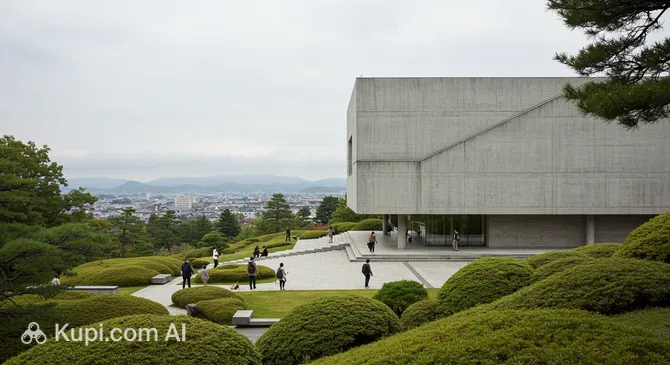
The heart of the city's historical heritage is undoubtedly Tsuruga Castle, also known as Aizuwakamatsu Castle. This restored castle, with its distinctive red-tiled roofs, houses a museum within its walls that tells the story of its turbulent history and its role in the Boshin War. The upper floors offer a panoramic view of the city. To better understand samurai culture and daily life, be sure to visit the Aizu Samurai Residence (Aizu Bukeyashiki). This complex of reconstructed historical buildings provides a glimpse into the daily life of a high-ranking samurai, his family, and servants. Household items, weapons, and armor are on display here. For a broader introduction to the region's history and culture, head to the Fukushima Prefectural Museum. Its exhibits cover archeology, history, folklore, and art from the prefecture, offering a comprehensive look at the local heritage.

Tsuruga Castle. Illustration.
Source: Kupi.com AI

Traveler photos:

Aizu Samurai Residence. Illustration.
Source: Kupi.com AI

Traveler photos:

Fukushima Prefectural Museum. Illustration.
Source: Kupi.com AI

Traveler photos:

Among the unique architectural and spiritual sites, Sazaedo stands out – an unusual wooden temple on Mount Iimori. Its spiral, double-flight staircase is designed so that people ascending and descending never meet. This site is not only interesting for its construction but is also connected to the moving history of the Byakkotai, a group of young samurai.

Sazae-dō. Illustration.
Source: Kupi.com AI

Traveler photos:

For an authentic experience and a taste of local traditions, stop by the Miyaizumi Meijo Sake Brewery, where you can learn about the sake-making process and sample famous local varieties. Also, don't miss the chance to walk through the streets of Nanukamachi-dori, where old merchant houses have been preserved and turned into shops and cafes offering local delicacies and souvenirs.

Miyaizumi Meijo Sake Brewery. Illustration.
Source: Kupi.com AI

Traveler photos:

Getting Around

Public transportation in Aizuwakamatsu is primarily represented by a bus network, which is a convenient way to get around for both locals and tourists. Tourist loop buses, such as "Haikara-san" and "Akabe," are particularly popular, as their routes pass through all the city's main attractions, including Tsuruga Castle and the Aizu Bukeyashiki samurai residence.

The payment system on Aizuwakamatsu buses is quite simple. Generally, payment is made in cash when exiting the bus. The fare on regular city routes depends on the distance and usually starts from 170 yen for a short trip. A single trip on the "Haikara-san" or "Akabe" tourist buses costs about 210 yen for an adult. For tourists planning to visit several attractions, a day pass for these tourist buses can be a cost-effective option. The cost of such a pass is about 600 yen for an adult (around 300 yen for a child), and it allows unlimited rides on the "Haikara-san" and "Akabe" routes for one day. It is best to check locally if national IC cards (such as Suica or Pasmo) can be used, as their applicability may be limited.

Day passes can be purchased at the Aizuwakamatsu bus station, at tourist information centers, or directly from the bus driver if available. You usually enter the bus through the rear door (unless it's a tourist bus with a fixed fare) and exit through the front, paying the driver. Buses run according to a schedule, which can be found at stops or in tourist centers. Public transport operating hours typically cover daytime and evening, but there are generally no night routes.

In addition to buses, other ways to get around are available in Aizuwakamatsu. Taxis can be found at stands near the station and major tourist sites or called by phone. For those who prefer a more active holiday and want to explore the city at their own pace, bicycle rental is an excellent option. There are several bike rental points in the city, which are particularly convenient for exploring the historical center and its surroundings.

Accommodation

In the city of Aizuwakamatsu, travelers will find a variety of accommodation options to suit different preferences and budgets. You can stay in traditional Japanese inns — ryokans — which offer a unique cultural experience and often include local cuisine, or in more familiar Western-style hotels. Guesthouses and hostels are also available for those seeking more economical options.

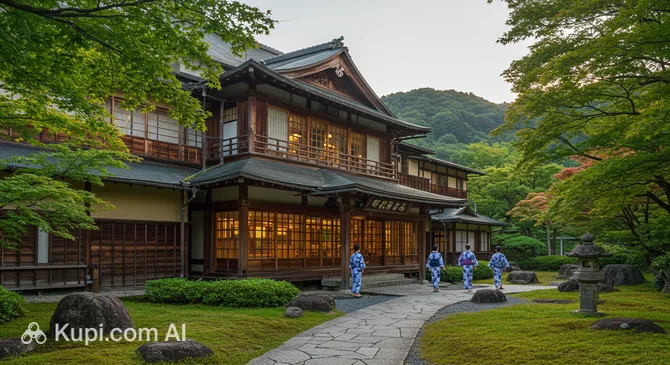
When choosing a place to stay, it's worth considering areas near major attractions, such as the famous Tsuruga Castle, or close to major transport hubs like Aizuwakamatsu Station. This will ensure easy movement around the city and its surroundings. Some traditional Japanese inns (ryokans), such as the well-known Onyado Toho, may be located in more secluded and scenic areas, offering guests not only comfortable accommodation but also the chance to immerse themselves in a peaceful atmosphere and enjoy authentic Japanese hospitality.

Onyado Toho. Illustration.
Source: Kupi.com AI

Traveler photos:

The price range for accommodation in Aizuwakamatsu varies from budget to mid-range and high-end, depending on the type and level of comfort chosen. It is recommended to book in advance, especially if your trip is planned during peak tourist seasons, such as the cherry blossom season or autumn festivals. Popular international and Japanese online platforms, as well as the official websites of hotels and ryokans, are convenient for making reservations.

Nearby Cities

For those looking to explore the surrounding area, Aizuwakamatsu serves as an excellent starting point for day trips to several interesting nearby locations.

One such destination is Koriyama, located approximately 39 km away. This is a vibrant city that serves as an important transport and commercial hub for Fukushima Prefecture. Here, you can find various shopping centers, restaurants, and cultural institutions, such as the Koriyama City Museum of Art. The city also boasts beautiful parks, like Kaiseizan, where you can enjoy nature.

Nearby, at a distance of about 46 km, is Nihonmatsu. This city attracts visitors with its historical heritage, centered around the Nihonmatsu Castle ruins, surrounded by a picturesque park that is especially beautiful during cherry blossom season. Nihonmatsu is also famous for its annual Lantern Festival, one of the largest in Japan.

History and samurai culture enthusiasts should consider a trip to Yonezawa, which is about 51 km from Aizuwakamatsu, in the neighboring Yamagata Prefecture. The city is closely linked to the powerful Uesugi clan. Key attractions include the Uesugi Shrine, where Uesugi Kenshin is enshrined, and the clan museum. Yonezawa is also famous for its high-quality beef and traditional textiles.

CityPopulationDistance
Aizumisato19 0789 km
Aizubange14 90612 km
Inawashiro13 40317 km
Kitakata45 59019 km
Showa20 85733 km

These nearby destinations offer a wonderful opportunity to dive deeper into the rich culture, history, and scenic landscapes of the Tohoku region, of which Aizuwakamatsu is a part. Each trip promises new discoveries and unforgettable experiences for travelers exploring Japan.

Shopping & Souvenirs

Aizuwakamatsu offers a unique shopping experience focused on traditional crafts and local products rather than large shopping malls. The city is famous for its lacquerware (Aizu-nuri), painted candles (Aizu-e-rosoku), and, of course, excellent local sake. You will find many small shops and workshops where you can purchase authentic items and souvenirs that reflect the region's rich history and culture.

One of the city's main shopping arteries is Nanukamachi Street (Nanukamachi-dori). This historical street has preserved the atmosphere of old Japan, lined with numerous shops selling traditional goods, handicrafts, local delicacies, and sake. A stroll down Nanukamachi is not just shopping; it's a true immersion into Aizu culture. Shops can also be found in the area of the central station and on adjacent streets, where the selection may be more diverse, including everyday goods.

In Aizuwakamatsu, the emphasis is not on giant modern shopping centers but on cozy specialized shops and boutiques. You won't find the massive malls typical of megacities here. Instead, the city offers a more intimate and authentic shopping experience where you can talk to the artisans and learn more about the items you are buying.

As for markets, in Aizuwakamatsu, they most often take the form of seasonal fairs or small morning markets (asaichi) where local farmers sell fresh produce. Although there are few large permanent food or flea markets attracting tourists, you can find stalls resembling market rows on Nanukamachi Street and other tourist spots with local specialties and souvenirs.

From Aizuwakamatsu, it's worth bringing home unique souvenirs that reflect the local character. Look for Aizu-nuri lacquerware (tableware, boxes), traditional Aizu-e-rosoku painted candles, Akabeko figures (a red cow, the symbol of the region), and Okiagari-koboshi dolls (tumbler dolls, a symbol of resilience). Special attention should be given to the local sake – Aizu is famous for its brewing traditions. You can visit, for example, the Miyaizumi Meijo Sake Brewery to taste and purchase this beverage.

Most shops in Aizuwakamatsu are open from approximately 10:00 AM to 6:00 PM or 7:00 PM. Small private shops may have their own schedules and a day off (often Wednesday or Thursday). Regarding payment, cash is still widely used, especially in small shops and markets. Credit cards are accepted in larger establishments and tourist spots, but it's always useful to have some cash on hand. Some shops may also accept Japanese IC cards (such as Suica or Pasmo).

For international tourists in Japan, a Tax-Free system is available for purchases over a certain amount (usually 5,000 yen excluding tax) at licensed stores. Look for the "Japan Tax-Free Shop" sign. To process the tax refund, you will need to present your passport. This service allows you to save on purchases of souvenirs and other goods.
Reached the end of the page?

That means the route is fully explored