Support

Otawara

About

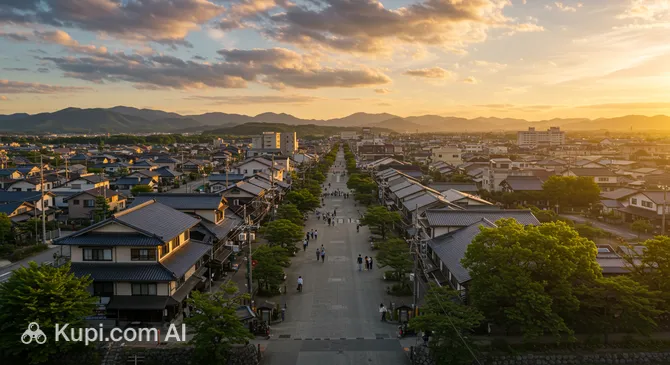
Otawara is a cozy city located in Tochigi Prefecture, in the heart of Honshu island, Japan. Its unique geographical location is characterized by picturesque hills, endless rice fields, and winding rivers, creating a unique atmosphere of peace and harmony with nature.

As an important administrative center of its region, Otawara harmoniously combines centuries-old traditions with modern trends. The city, with a population of about 72,923 people, is famous for its measured pace of life, impeccably clean streets, and the hospitality of local residents who are always ready to share a piece of their culture with guests.

Otawara. Illustration.
Source: Kupi.com AI

What attracts travelers to Otawara? First and foremost, it is the opportunity to immerse yourself in an authentic Japanese atmosphere far from the hustle and bustle of megacities. The city charms with its atmospheric streets, ancient temples, and scenic parks where you can feel like a hero of ancient legends. Otawara is an ideal place for leisurely walks, getting to know traditional architecture, and enjoying the beauty of nature, especially in spring when the city is bathed in the delicate blossoms of sakura.

If you are looking for a peaceful holiday and a genuine introduction to the culture of the Land of the Rising Sun, Otawara will be a real discovery for you. Come to enjoy its hospitality and unique charm!

You can find more interesting facts on the history of Otawara page.

Weather Overview

The weather in Otawara is characterized by noticeable seasonal changes. Summer, especially in July and August, is warm, with average temperatures reaching 23–25°C (average temperature in July is 23.7°C, in August 24.7°C), and maximum values around 27–28°C (maximum in July 27.2°C, in August 28.1°C). These months are also the wettest: July stands out with the highest amount of precipitation (about 8 mm), while August is characterized by the maximum number of rainy days (about 24 days; in July—23 days with precipitation). Winters, from December to February, are cool, with average temperatures around 1–3°C, sometimes dropping below zero. Precipitation in winter is significantly lower (about 2 mm per month), but the number of days with precipitation remains notable (10–11 days). Spring and autumn are transitional seasons with moderate temperatures and precipitation levels. Expect a warm, humid summer with frequent rain and cool winters with less precipitation, but still with the possibility of overcast days.

For a more detailed forecast and climate information, you can visit the Otawara Climate page.

Average monthly temperature

Average monthly precipitation

Interesting Facts

In addition to its picturesque landscapes and cultural attractions, Otawara holds many surprising stories and little-known facts that make this city truly special. Here are just a few of them:

  • Few people know that Otawara was founded back in the samurai era and, according to legend, served as an important hub on the trade routes connecting northern and southern Japan.

  • The city is famous for its unique art of making paper lanterns, which create a magical atmosphere during numerous local festivals, such as colorful processions with traditional dances that attract guests from all over the country.

  • Legends say that Otawara is the birthplace of a famous master of ceramics, whose exquisite works can still be seen in the best museums of Japan. Additionally, the city has given the world several other prominent figures in art and science.

  • Otawara boasts the region's longest bridge over the Naka River, as well as one of the oldest parks, where a spectacular cherry blossom viewing festival takes place every spring, attracting photographers and artists.

How to Get There

There are several ways to reach the city of Otawara, located in Tochigi Prefecture, but for most tourists, especially those arriving from afar, the primary option will be a flight followed by ground transportation. Although Otawara does not have its own airport, several regional and major international airports are relatively accessible.

Among the closest options is Fukushima Airport (FKS), located in the city of the same name, about 54 km from Otawara. This is a small regional airport from which you can reach central Otawara by taxi or bus in approximately 1.5–2 hours. Another regional airport, Ibaraki Airport (IBR), is located in the city of Ibaraki, at a distance of about 85 km. The trip from there will take approximately 2–2.5 hours.

For most international flights, travelers usually choose the main gateways to Japan located in Tokyo. The largest of these are Narita International Airport (NRT), located about 127 km from Otawara, and Haneda Airport (HND), situated approximately 148 km away. From these major international hubs, Otawara can be reached by train (often with transfers, including Shinkansen high-speed trains) or by rental car. Travel time from Tokyo airports can range from 2.5 to 3.5 hours, depending on the chosen route and traffic conditions.

For clarity, here is summary information on the main airports used to reach Otawara:

AirportPassenger trafficDistance
Fukushima Airport250 00054 km
Ibaraki Airport776 06385 km
Narita International Airport40.8 mln127 km
Niigata Airport1.1 mln144 km
Haneda Airport85.7 mln148 km

From any of these airports, Otawara can be reached by public transport (trains, buses, often with transfers) or by taxi/rental car. It is recommended to research routes and schedules in advance, especially if you plan to use Shinkansen trains for faster travel between regions. Traveling by car is also a viable option, particularly if you plan to explore Tochigi Prefecture and its surroundings.

Main Attractions

Otawara, a city in Tochigi Prefecture, invites travelers to explore unique aspects of Japan's history and culture. There are several notable sites here that will undoubtedly enrich your itinerary and leave vivid impressions.

Among the iconic landmarks of Otawara, the Kurobane Castle Ruins Park stands out. Spread across the site of the once-majestic Kurobane Castle, which played an important role in the region's history, the park is now a favorite spot for leisurely strolls. It is particularly enchanting in spring during the cherry blossom season and in autumn when the maples turn brilliant red. These grounds hold memories of the famous poet Matsuo Basho, who mentioned them in his work "The Narrow Road to the Deep North." Travelers are drawn here by the combination of historical heritage, peaceful landscapes, and the chance to relax in the lap of nature.

Not far from the park, you will find Ungan-ji Temple, an oasis of silence and tranquility known for its exquisite architecture. This Zen Buddhist temple is also associated with the name of Matsuo Basho—legend has it that the poet spent some time here seeking inspiration. People come here to enjoy the peace, contemplate the ancient buildings, and immerse themselves in the atmosphere of traditional Japanese Buddhism. The temple's well-kept gardens and forest surroundings provide ideal conditions for meditation and an escape from the city's noise.

History buffs and fans of Japanese legends should visit the Nasu-no Yoichi Folklore Museum. The museum is dedicated to the legendary samurai Nasu-no Yoichi, a hero of medieval tales famous for his unsurpassed archery skills. The museum's exhibition details his life, military feats, and the cultural context of the era in which he lived. This is a wonderful opportunity to delve deeper into the region's history and learn about its iconic figures.

The spiritual heart of the city is rightfully considered the Ohtawara Shrine. As the main Shinto shrine of Otawara, it serves as a place of prayer for local residents and a center for traditional holidays and festivals. A visit here will allow you to touch Shinto traditions, admire the elegant temple architecture, and, if you're lucky, witness one of the vibrant local celebrations. This is certainly an important place for understanding the cultural soul of the city.

Local Cuisine

The gastronomy of Otawara is a true discovery for connoisseurs of Japanese cuisine, where centuries-old traditions are deeply respected and the focus is on the freshness of seasonal products. Local dishes are distinguished by simple yet exquisite flavors that linger in the memory. Travelers should certainly get to know the culinary gems of this cozy city.

One of the main dishes that is a must-try in Otawara is udon, made from local wheat. It is served with a fragrant broth and fresh vegetables grown on nearby farms, giving the dish a special, rich taste. Since the city's surroundings are famous for their fertile rice fields, rice dishes also occupy a place of honor in the local cuisine. Don't miss the opportunity to taste the freshest fish and seafood delivered from nearby regions. Among the desserts, sweets made from rice flour stand out, such as delicate moti with various fillings, often sweet azuki bean paste.

Speaking of drinks, one cannot fail to mention the famous local green tea. It is grown on the hillsides surrounding Otawara and is famous for its special smoothness and rich aroma. This drink perfectly complements any meal and allows you to feel the spirit of Japanese tea culture more deeply. Of course, you can find other traditional Japanese drinks in restaurants and bars, including sake and shochu.

The food culture in Otawara is diverse. Locals and tourists can enjoy a meal in traditional restaurants or explore street food, especially during city festivals and at markets. Here you can try appetizing yakitori skewers, pies with vegetable fillings, and seasonal fruits. Farmers' markets offer a unique opportunity to taste pickled vegetables, homemade sauces, and local sweets. Throughout the year, Otawara hosts gastronomic festivals that turn getting to know food into a true celebration of taste and culinary art.

Travel Tips

Planning a trip to Otawara? These practical tips will help you better prepare and get the most out of your journey to this cozy city in Japan. By following these recommendations, you can avoid common mistakes and enjoy an authentic experience.

  1. Clothing and essentials:

    The climate in Otawara, as in Tochigi Prefecture as a whole, is temperate with four distinct seasons. In summer (June–August), it is hot and humid—choose light, breathable clothing. In spring (March–May) and autumn (September–November), the weather is pleasant, and layering is ideal. In winter (December–February), it can be cold and snow is possible, so you will need warm clothes. Be sure to bring comfortable walking shoes. Don't forget an adapter for your electronics (Japan uses types A and B, with a voltage of 100V). When visiting temples and shrines, it is customary to dress modestly, covering shoulders and knees.

  2. Transport in the city:

    It is most convenient to move around Otawara by local buses if you plan to stay within the city limits. For longer trips around Tochigi Prefecture, you might consider renting a car, but keep in mind that traffic in Japan is left-handed, and you will need an international driving permit. Taxis are available but can be an expensive pleasure. If you have a Japan Rail Pass and plan to travel extensively around the country, it can be useful for trips to and from Otawara by train.

  3. Finances:

    The local currency is the Japanese yen (JPY, ¥). Despite the growing number of places accepting cards, cash is still very important, especially in small shops, cafes, and temples. You can exchange currency at the airport or at major banks. ATMs that accept international cards are most often found in 24-hour 7-Eleven stores and at the post office (Japan Post Bank). International credit cards (Visa, Mastercard) are accepted in hotels and major retail outlets. Be sure to notify your bank about your trip. Tipping is not practiced in Japan and can be perceived as an insult—excellent service is included by default.

  4. Health and safety:

    Otawara, like Japan as a whole, is considered a very safe place with a low crime rate. Pharmacies (薬 or "kusuri") are easy to find, but staff do not always speak English. It is recommended to carry a basic first-aid kit. Be sure to take out travel medical insurance before your trip. In emergencies, contact local hospitals. Follow standard precautions: keep an eye on your belongings and be mindful of your surroundings.

  5. Communication:

    The primary language is Japanese. The level of English proficiency among the local population in Otawara may not be high, especially compared to major tourist centers. Learn a few basic phrases: "konnichiwa" (hello), "arigato" (thank you), "sumimasen" (excuse me/sorry). For communication, we recommend purchasing a local SIM card or renting a pocket Wi-Fi router—this is very popular and convenient. Free Wi-Fi is available in some hotels and public places, but not everywhere.

  6. Local etiquette:

    The Japanese value politeness very highly. A greeting is usually accompanied by a bow; for tourists, a slight nod is sufficient. In public places, especially on transport, try to speak quietly and avoid drawing undue attention to yourself. It is important to remove your shoes when entering homes, some temples, traditional restaurants, and ryokans (Japanese-style inns). When using chopsticks, do not stick them vertically into rice and do not pass food from chopsticks to another person.

  7. What to avoid:

    Try not to talk loudly on the phone on public transport. Do not leave tips—it is not accepted. Also, avoid pointing at people or objects with one finger; it is better to use an open palm.

  8. Extra tip for Otawara:

    Otawara is a wonderful opportunity to experience the quieter and more authentic side of Tochigi Prefecture. Take the chance to visit local Shinto shrines and Buddhist temples, stroll through city parks, and perhaps stop by local markets to try regional delicacies. This is a great way to feel the true atmosphere of the Japanese countryside.

We hope these tips make your stay in Otawara comfortable and unforgettable. We wish you a pleasant journey and vivid impressions!

Entertainment & Nightlife

Otawara offers its guests a cozy and authentic atmosphere for evening leisure, which differs from the noisy nightlife of megacities. Here, the emphasis is shifted towards traditional Japanese formats of relaxation, quiet meetings, and enjoying local cuisine in a relaxed setting.

The main centers of evening life in Otawara are the local izakayas (Japanese pubs) and small bars. Such establishments are usually concentrated around the Otawara railway station and on the adjacent central shopping streets. The atmosphere in them is generally very friendly and conducive to socializing. Here you can enjoy sake, Japanese beer, and a variety of snacks. While finding an exhaustive list of "top" establishments for a tourist in advance might be difficult for a city of this size, you can look for places like the izakaya "かかし" (Kakashi) or "山どり" (Yamadori), known for their local cuisine. For those who love to sing, there are karaoke bars such as "カラオケバンバン 大田原店" (Karaoke BanBan Otawara Store). We also recommend checking local maps or asking for advice at your hotel upon arrival to discover other interesting spots.

If you are looking for large nightclubs with DJs or major concert venues, the choice in Otawara itself will be quite limited. For that kind of entertainment, it is worth considering trips to larger cities in Tochigi Prefecture or the Tokyo metropolitan area. Nevertheless, it wouldn't hurt to check local event posters or tourist information centers for possible events or themed evenings during your stay.

Practical tips for evening leisure: Bars and restaurants in Otawara are usually liveliest on Friday and Saturday evenings. Prices in most establishments can be described as moderate. For getting around late at night, it is most convenient to use a taxi, as public transport services may be limited. You can order a taxi through the establishment's staff or by using mobile taxi apps available in Japan.

Safety: Otawara, like most cities in Japan, is considered a very safe place. Night walks here generally do not cause concern. Nevertheless, always follow standard precautions: keep an eye on your belongings and try to avoid poorly lit and deserted places, especially if you are traveling alone.

Daytime entertainment: During the day, Otawara and its surroundings offer opportunities to explore local culture and nature. You can visit city parks for leisurely walks or small local museums telling stories about the history and traditions of the region. To visit major theme parks or specialized entertainment complexes, you will likely need to travel outside the city.

Parks & Museums

The city of Otawara offers its guests a pleasant combination of peaceful green zones for outdoor relaxation and interesting cultural sites where you can learn about the history and art of the region. When planning your visit, be sure to set aside time to explore both the parks and the museums of the city.

Among the green oases of Otawara, a special place is held by the Kurobane Castle Ruins Park. It is a wonderful place where you can not only enjoy a leisurely stroll amidst nature but also touch history by exploring the remains of ancient fortifications. The park is particularly picturesque in spring during cherry blossom season and in autumn when the foliage turns vibrant colors. Besides this, there are surely other well-kept park areas in and around the city, ideal for a picnic or simply relaxing in the shade of trees.

To immerse yourself in the cultural heritage of Otawara, it is worth visiting the Nasu-no Yoichi Folklore Museum. It features exhibitions telling the history of the region, its traditions, and perhaps the story of the famous warrior Nasu-no Yoichi, for whom the museum is named. This is a great way to better understand the character and soul of the place. In addition, there may be other interesting cultural venues in the city, such as small art galleries exhibiting works by local masters or themed museums dedicated to some aspect of nature or crafts in Tochigi Prefecture.

While walking through Otawara, you might also discover charming temples or shrines, which are not only architectural landmarks but also an important part of the city's spiritual life. Even small ones hidden in quiet streets can offer unique experiences and moments of tranquility.

To feel the authentic rhythm of life in Otawara, try to visit a local market if there is one, or find out about any community festivals or events taking place during your visit. This is a wonderful opportunity to see the everyday life of the townspeople and perhaps purchase unique souvenirs.

Getting Around

When planning your travel around Otawara, you will find that the public transport system here is quite convenient, although it differs from that of megacities. The core of the transport network likely consists of buses, which connect various areas of the city and its surroundings. Also, if a railway line passes through or near Otawara, trains will become an indispensable way to reach neighboring towns and major transport hubs.

Rechargeable IC cards, such as Suica or Pasmo, are widely used for fare payment in Japan. It is very likely that they are accepted on Otawara's transport as well, at least on trains and some buses. This is the most convenient method: simply tap the card on the reader at the entrance and exit. You can also purchase single tickets. On buses, tickets are often bought from the driver upon boarding (sometimes the exact amount is required) or via a machine if one is available. At railway stations, tickets are sold in machines. Fares usually depend on the distance. Special tourist passes for Otawara city itself are less likely, but it's worth checking locally, especially if you plan to travel a lot.

Practical tips for tourists: it is better to buy train tickets in advance at stations, especially if you are not using an IC card. On buses, payment usually occurs upon boarding or alighting—follow the instructions or observe other passengers. Public transport in Japan is famous for its punctuality, so you can safely rely on the schedule. Operating hours usually cover the period from early morning until late evening, but the frequency of service may decrease in the evening hours and on weekends.

As an alternative to public transport, you can always use a taxi in Otawara. They are comfortable but expectedly more expensive. For short trips and getting to know the city, bicycle rental might be suitable, if such a service is available—it's a great way to leisurely explore the surroundings. Renting a car may be justified if you plan to actively explore Tochigi Prefecture and its natural beauty.

Accommodation

In Otawara, travelers can find various accommodation options to suit different budgets and preferences. Guests can choose from traditional Japanese inns (ryokans), more familiar European-style hotels, and guest houses. For those who prefer more independence, rental housing options may also be available.

When choosing a place to stay in Otawara, it is worth paying attention to areas located near major transport hubs or the sites you are interested in. The central part of the city usually offers good access to infrastructure, including shops and dining establishments, which can be convenient for tourists.

It is recommended to book accommodation in advance, especially if your trip coincides with local festivals or national holidays in Japan. During such periods, demand for accommodation typically increases significantly, and the best options can be quickly booked up.

The price range for accommodation in Otawara varies: you can find budget options, mid-range hotels, or more expensive offers with an expanded range of services. Most accommodation options are easy to search for and book through popular international online platforms, as well as directly on the websites of hotels or guest houses.

Nearby Cities

For those who want to explore the surrounding area, Otawara serves as an excellent starting point for day trips to several interesting nearby places:

Among the closest options for exciting trips is Nasushiobara, located just 10 km from Otawara. This city attracts visitors with its famous hot springs (onsens) and the picturesque natural landscapes of the Nasu mountain region, offering great opportunities for relaxation and wellness. Another iconic destination is Nikko (about 33 km from Otawara), whose magnificent temples and shrines are a UNESCO World Heritage site and immerse visitors in Japan's rich history and culture. Also of interest is Utsunomiya (approximately 37 km from Otawara), the capital of Tochigi Prefecture, known as the "gyoza capital" and offering a mix of urban dynamics with cultural attractions and parks.

CityPopulationDistance
Nasushiobara115 60210 km
Yaita31 14511 km
Shioya10 15218 km
Nasu23 43519 km
Nakagawa50 18621 km

These nearby destinations provide insight into the diverse culture and landscapes of the region, complementing the experience of visiting Otawara.

Shopping & Souvenirs

Otawara, while not the largest tourist center in Japan, nevertheless offers pleasant shopping opportunities, especially if you are looking for everyday items, local products, and souvenirs. The city is not famous for any specific types of stores nationwide, but you can find high-quality Japanese goods and unique products from Tochigi Prefecture here.

Main shopping outlets are generally concentrated along the city's central streets and in areas adjacent to transport hubs. Here you will find small private shops, pharmacies, clothing and shoe stores, and perhaps small department stores offering a diverse range of goods.

Although Otawara cannot boast giant megamalls like Tokyo, you can find modern shopping complexes or supermarkets with an expanded assortment here, where grocery departments, clothing stores, household appliances, and home goods are gathered under one roof. Such places are convenient for one-stop shopping.

As for markets, in Otawara or its surroundings, you can look for local farmers' markets (often called "asaichi" – morning markets), which sell fresh seasonal vegetables, fruits, and other products from local producers. This is a great opportunity to get to know local gastronomy and buy something authentic. Sometimes you can also find handmade items at such markets.

As souvenirs from Otawara and Tochigi Prefecture, consider looking for:

  • Local sweets: For example, products made using the famous Tochigi strawberries, and traditional Japanese confectionery (wagashi).
  • Ceramics and local crafts: Sometimes you can find unique items made by local artisans.
  • Textiles: Small tenugui towels with traditional or local patterns, and handkerchiefs.
  • Food products: Local soy sauce, sake, tea, or other regional delicacies.

Such items can be found in souvenir shops, at train stations, or in specialized departments of department stores.

Most shops in Otawara, as throughout Japan, usually open around 10:00–11:00 and operate until 19:00–20:00. Large shopping centers and supermarkets may have longer working hours. Some small shops may be closed one day a week (often Wednesday or Thursday). Regarding payment, credit cards (Visa, Mastercard, JCB) are accepted in many stores, especially large ones. However, cash still plays an important role, particularly in small shops and at markets, so it is always useful to have some yen with you. Contactless payments and QR code payments are also becoming increasingly common.

For foreign tourists in Japan, a tax refund system (Tax Free) is available. Look for shops with the corresponding "Japan Tax-free Shop" logo. Usually, to process a tax refund, you need to make a purchase over 5,000 yen (excluding tax) in one store on one day and present your passport. The procedure takes place either at the checkout or at a special Tax Free counter in the store.
Reached the end of the page?

That means the route is fully explored