Support

Nikko

About

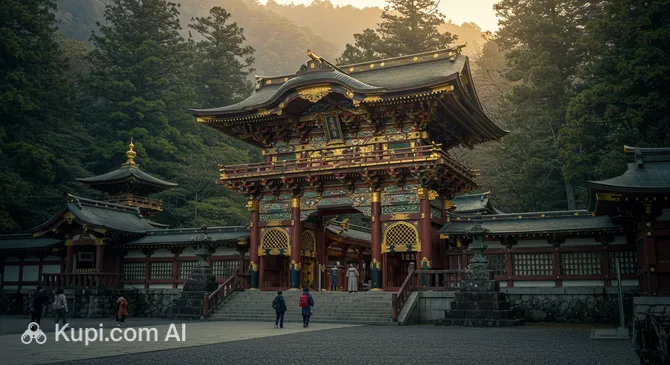
Nikko is an amazing city in Japan that captivates travelers with its rich history, stunning nature, and a unique atmosphere of peace and spirituality. Located in the mountains of Tochigi Prefecture, about 140 km north of Tokyo, Nikko is a true national treasure and a UNESCO World Heritage site.
Nikko. Illustration.
Source: Kupi.com AI
Nikko

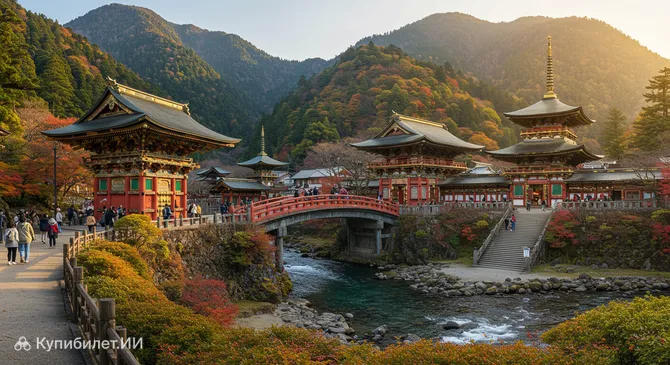
The city, with a population of about 77,000, is known for its relatively cool climate, which is especially pleasant during the summer months and incredibly picturesque in autumn, when the mountain slopes are covered in crimson and gold. This is a place where the majesty of nature harmoniously blends with the exquisite architecture of ancient shrines.

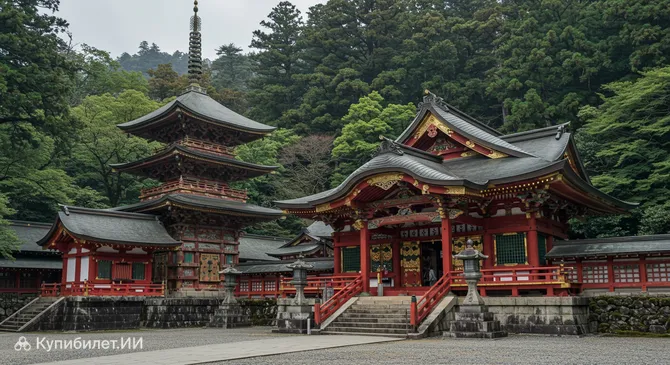
The heart of Nikko is undoubtedly the magnificent Toshogu Shrine complex—the ornately decorated mausoleum of Shogun Tokugawa Ieyasu, the founder of the Tokugawa shogunate. Other significant sites include the Rinno-ji Temple and the Futarasan Shrine, which together form an ensemble of incredible beauty and historical value. In addition to these man-made masterpieces, Nikko is famous for its natural attractions, including the scenic Lake Chuzenji and the impressive Kegon Falls.

A visit to Nikko is an opportunity to touch centuries of Japanese history and enjoy its cultural heritage and magnificent landscapes. This city leaves an indelible impression and is a must-see for those seeking to understand the soul of the Land of the Rising Sun more deeply.

You can find more interesting facts on the history of Nikko page.
Weather Overview

When planning a trip to Nikko, it's worth considering its diverse climate, which offers different experiences depending on the season. Expect warm summers with occasional rain, especially noticeable in July and August, when the most precipitation falls. Winters in Nikko are cold, with average daily temperatures often dropping below freezing, and they tend to be significantly drier than the summer months. To better plan your journey and choose the most comfortable time, you can find detailed information on the Nikko Climate page.

Average monthly temperature

Average monthly precipitation

Interesting Facts

Beyond its famous temples and breathtaking natural landscapes, Nikko holds many fascinating secrets and lesser-known stories. These details add a special charm to the city and make getting to know it even more interesting. Here are just a few curious facts about this amazing corner of Japan:

  • The sacred Shinkyo Bridge, one of the symbols of Nikko and ranked among the three most beautiful bridges in Japan, is shrouded in an amazing legend. Legend has it that it was created from two giant snakes stretched across the turbulent river for the monk Shodo Shonin, the founder of Nikko.

  • Along the Daiya River, in the secluded spot of Kanmangafuchi Abyss, stands a row of stone statues of the Bodhisattva Jizo. They are known as the "Bake-Jizo" (Ghost Jizo), and local lore claims that their number mysteriously changes every time someone tries to count them—a true mystery of Nikko!

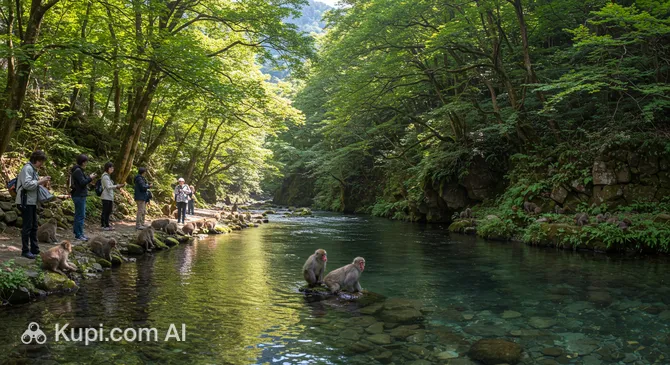
  • While the world-famous sculpture group "see no evil, hear no evil, speak no evil" adorns the Toshogu Shrine, the monkey theme in Nikko doesn't end there. For example, you can visit the Nikko Saru Gundan Monkey Park, where Japanese macaques live in conditions close to their natural habitat.

  • In ancient times, Nikko played an important role in supplying the imperial court... with ice! There were special ice houses called "himuro," where natural ice was harvested and stored in winter to be delivered in summer to the hot city of Edo (the old name for Tokyo).

  • The famous wooden sculpture "Nemuri-neko" (Sleeping Cat) at Toshogu Shrine is more than just a charming image. On one side of the gate, the cat sleeps peacefully, while on the back, sparrows play lightheartedly. This is a subtle symbol of the arrival of long-awaited peace, where even predators and their prey can coexist calmly.

Nikko Saru Gundan Monkey Park. Illustration.
Source: Kupi.com AI

Traveler photos:

How to Get There

The most convenient way to reach picturesque Nikko is through Tokyo's international airports, as Nikko itself does not have its own airport for commercial flights. From the major airports, travelers can take trains or buses directly to the city.

One of the primary options for international travelers is Narita International Airport (NRT), located in Chiba Prefecture, serving Greater Tokyo. It is a major international hub receiving many flights from around the world. The distance from Narita to Nikko is approximately 123 km. A trip by car or direct bus (if available) from the airport to Nikko can take about 3–3.5 hours, depending on traffic. A more common option is to take a train from Narita Airport to Tokyo and then transfer to a train heading to Nikko.

Another major metropolitan airport is Haneda Airport (HND), also located in Tokyo. It handles both international and a large number of domestic flights and is Japan's busiest airport. Haneda is situated a bit further from Nikko, about 130 km away. The travel time by ground transport to Nikko, including transfers in Tokyo, is comparable to the trip from Narita, taking about 3.5–4 hours. Convenient rail routes to Nikko via central Tokyo stations are also available from Haneda.

For those considering alternative routes or arriving on certain domestic flights, regional airports are worth noting. The closest to Nikko is Fukushima Airport (FKS), located about 86 km away. This is a small regional airport, and a car trip from there to Nikko takes about 2–2.5 hours. Also relatively close is Ibaraki Airport (IBR), approximately 88 km from Nikko, which serves some domestic and international low-cost flights.

For clarity, here is a summary of the main airports used to reach Nikko:

AirportPassenger trafficDistance
Fukushima Airport250 00086 km
Ibaraki Airport776 06388 km
Narita International Airport40.8 mln123 km
Haneda Airport85.7 mln130 km
Niigata Airport1.1 mln146 km

After arriving at one of the airports, the most popular and convenient way to get to Nikko is by rail transport. Trains depart regularly from Tokyo to Nikko. The most famous routes are operated by JR East (e.g., Shinkansen to Utsunomiya, then the local JR Nikko Line to Nikko) and Tobu Railway. Tobu Railway offers direct limited express trains from Asakusa or Shinjuku stations in Tokyo directly to Tobu-Nikko station, which is often the most direct and economical option. The train journey from Tokyo to Nikko takes approximately 1.5–2 hours. Additionally, Nikko can be reached by intercity buses from some major cities or by renting a car for greater freedom of movement in the region.

Main Attractions

Nikko, in addition to its world-famous Toshogu and Rinno-ji temple complexes, offers travelers many other interesting spots that can surprise and provide unforgettable experiences. From secluded shrines to entertainment parks, everyone will find something for themselves here.

One such notable place is the Omuro Sanno Shrine. This ancient Shinto shrine, located in a quiet corner of Nikko, attracts visitors with its peaceful atmosphere and beautiful architecture. It is less famous than the main shrines, making a visit particularly enjoyable for those seeking tranquility and wanting to experience the spiritual side of Japan away from the main tourist crowds. The shrine is believed to bring good luck and prosperity.

Omuro Sanno Shrine

For nature and animal lovers, a visit to the Nikko Saru Gundan Monkey Park will be of interest. Here you can observe Japanese macaques in an environment closely resembling their natural habitat. The monkeys roam freely, and there are entertaining performances featuring these intelligent animals. It's a great place for family vacations and getting to know Japan's fauna.

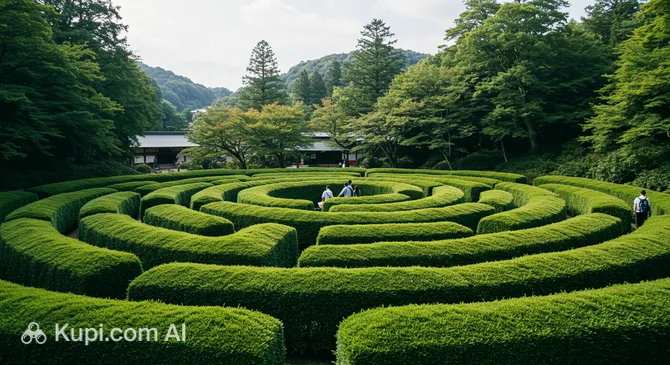
If you're looking for unusual entertainment, the Big Maze Nikko offers an exciting adventure. This hedge maze challenges your ingenuity and spatial orientation. Navigating the maze is a fun activity for both children and adults, allowing you to test your skills and get a boost of positive emotions.

Nikko Grand Maze. Illustration.
Source: Kupi.com AI

Traveler photos:

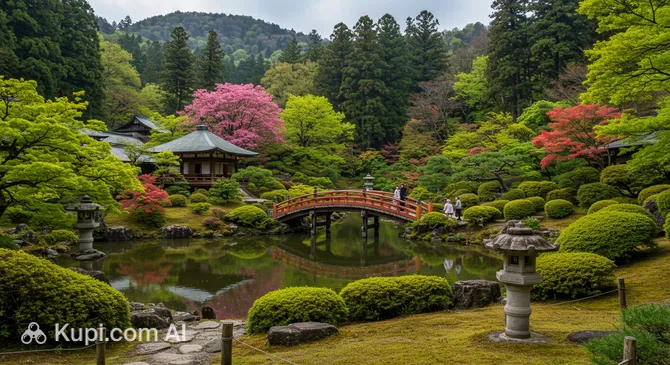
Outdoor enthusiasts should pay attention to Nikko Daiyagawa Park. Located along the river of the same name, this park offers beautiful views, especially picturesque during the cherry blossom season in spring or the autumn foliage. Here you can have a picnic, simply stroll along the well-kept paths, or enjoy the silence and beauty of Japanese nature.

Nikko Daiyagawa Park. Illustration.
Source: Kupi.com AI

Traveler photos:

Local Cuisine

A gastronomic journey through Nikko is an integral part of getting to know this amazing city in Japan. The local cuisine, steeped in Buddhist traditions and blessed with the purest mountain water, offers unique flavor discoveries. Freshness of ingredients and simplicity are highly valued here, highlighting their natural taste and making a meal not just a way to eat, but a true immersion into the region's culture.

The main gastronomic star of Nikko is undoubtedly yuba (湯葉)—the delicate skin formed on the surface of soy milk when it is slowly heated. Rich in protein and having a subtle flavor, this delicacy is served in many forms: fresh, dried, in soups, as sashimi, or even in desserts. Be sure to try yuba soba or yuba ramen. Another iconic dish is soba (そば), buckwheat noodles prepared here using local flour and crystal-clear water, which gives it a special taste and texture. It is often served with seasonal vegetables and mushrooms gathered in the surrounding forests.

In addition to yuba and soba, it is worth trying river fish dishes, such as ayu (sweetfish), which is often grilled. Those with a sweet tooth will enjoy local desserts like yuba manju (steamed buns filled with yuba and sweet bean paste) or yuba-flavored ice cream. For drinks, definitely try the local sake (jizake), which is famous for its quality thanks to the pure water used in its production. In cold weather, amazake—a sweet, low-alcohol or non-alcoholic drink made from fermented rice—will warm you up. And, of course, don't forget traditional Japanese green tea.

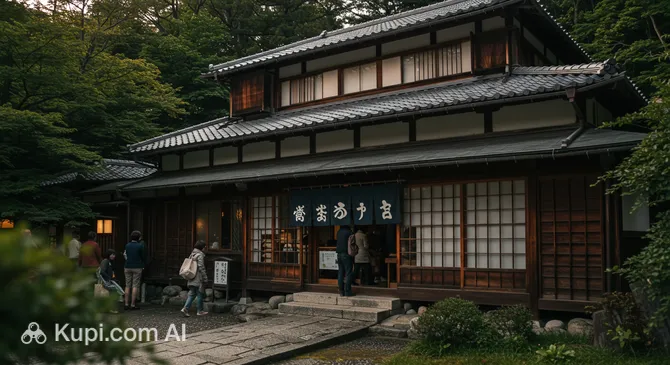
In Nikko, you will find many cozy restaurants and cafes where you can enjoy local specialties. Many establishments specialize specifically in yuba or soba dishes, offering both traditional and modern interpretations. Tourists and locals often choose small family restaurants for their authentic atmosphere. One place to experience the local cuisine is the Nikko Sakaeya restaurant, which offers traditional dishes. It's also worth stopping by small markets or stalls near the temples, where you can find interesting local snacks and souvenirs.

Nikko Sakaeya. Illustration.
Source: Kupi.com AI

Traveler photos:

Nikko's culinary scene is a harmonious blend of centuries-old traditions, natural products, and meticulous attention to detail. Trying local dishes means gaining an even deeper understanding of the culture and spirit of this blessed corner of Japan, where every flavor tells its own story.

Travel Tips

Welcome to Nikko! To ensure your journey to this amazing corner of Japan goes smoothly and leaves only the most pleasant impressions, we have prepared some practical tips for you.

  1. Clothing and Essentials: The climate in Nikko is mountainous, so the weather can be changeable. It is pleasant in summer, but evenings can be cool; in autumn and spring, temperatures are significantly lower than in Tokyo. Snow is common in winter. We recommend layering your clothing. Comfortable shoes are an absolute necessity, as you will be walking a lot through temple complexes and nature trails. When visiting shrines and temples (e.g., Toshogu, Rinno-ji), it is advisable to choose modest clothing that covers shoulders and knees. Don't forget an adapter for electrical appliances (Japan uses 100V, with type A and B plugs).

  2. Getting Around the City: The main attractions of Nikko are located fairly compactly, but for moving between them and reaching more distant sites like Lake Chuzenji and Kegon Falls, it is convenient to use local buses (e.g., Tobu Bus). Tickets can be bought from the driver. Special passes for tourists, such as the Nikko Pass, are available and can be very cost-effective. Taxis are available but will be more expensive. Renting a car might be justified if you plan to explore the surrounding Tochigi Prefecture, but it is not necessary for Nikko itself.

  3. Finances: The currency of Japan is the Japanese Yen (JPY). It is better to exchange currency at the airport upon arrival or at major banks. Exchange points in Nikko may be limited. Credit cards (Visa, Mastercard) are accepted in many hotels, large stores, and some restaurants, but always have enough cash on hand for payments in small shops, temples, and local cafes. ATMs that accept international cards can be found in post offices (Yucho Bank) and convenience stores (e.g., 7-Eleven). Tipping is not practiced in Japan and may even be perceived as a misunderstanding.

  4. Health and Safety: Nikko, and Japan as a whole, is a very safe place for tourists. Pharmacies (薬, kusuri) exist, but finding an English-speaking pharmacist can be difficult, so it's better to bring basic medications with you. For serious medical assistance, you may need to go to a clinic in a larger city. Follow standard precautions, especially in crowded places.

  5. Communication: The official language is Japanese. In the tourist areas of Nikko (hotels, information centers, major attractions), staff may speak basic English. Learn a few simple phrases in Japanese: "konnichiwa" (hello), "arigato" (thank you), "sumimasen" (excuse me/sorry). For constant internet access, it is convenient to rent a pocket Wi-Fi router or buy a local SIM card. Free Wi-Fi is available in some hotels and tourist spots. Useful apps include Google Maps and Japan Travel by Navitime.

  6. Local Etiquette: Japanese people are very polite and appreciate respectful behavior. Greetings are usually accompanied by a bow. In public places, especially on transport, try to speak quietly and not disturb others. Remove your shoes before entering temples (in designated areas) and traditional Japanese houses or restaurants (ryokans, some restaurants with tatami). Observe silence and follow the rules when visiting temples and shrines.

  7. What to Avoid: It is not common to eat or drink while walking, especially in temple complexes or on public transport (except long-distance trains). Do not stick your chopsticks vertically into your rice—this is associated with funeral rituals. Try not to point at people with your finger. Loud telephone conversations in public places are also discouraged.

  8. Extra Tip for Nikko: If you plan to visit the main attractions, including the Lake Chuzenji area, consider purchasing the Nikko Pass from Tobu Railway. There are different types of passes covering travel from Tokyo and unlimited bus use in specific zones of Nikko. This can save you both time and money. Also, keep in mind that in autumn, during the red maple season (momiji), Nikko gets very crowded, so book your accommodation well in advance.

We hope these tips help you better prepare for your trip and get the most out of visiting magnificent Nikko. We wish you an unforgettable journey!

Entertainment & Nightlife

Evening Nikko offers its guests an atmosphere quite different from Japan's bustling metropolises. Instead of vibrant nightlife districts and loud clubs, there is a sense of calm and tranquility here, perfect for a leisurely rest after a busy day of exploring temples and natural wonders. Nightlife in Nikko is centered more around cozy dinners and quiet strolls than dancing until dawn.

If you are looking for traditional nightclubs or large concert venues, Nikko might not meet those specific expectations, as the city is more focused on daytime tourism and preserving its historical atmosphere. However, that doesn't mean there is nothing to do in the evening. The main evening entertainment involves visiting restaurants to enjoy the local cuisine. For example, you can stop by the Nikko Sakaeya restaurant to try authentic dishes. You can also find traditional Japanese drinking establishments—izakayas—which serve a variety of drinks and snacks in a casual setting, or bars at some hotels that offer a more subdued relaxation. The atmosphere in such places is usually relaxed, without a strict dress code, and they cater to both tourists and locals.

When planning an evening in Nikko, keep in mind that many establishments, especially small restaurants and shops, may close quite early, particularly outside the peak tourist season. As for transportation, bus services can be limited at night, so it's more convenient to use taxis for getting around. Taxis can usually be found at the train stations (Tobu-Nikko and JR Nikko) or called through your hotel. Nikko is considered a very safe city, and evening walks along the well-lit central streets are quite comfortable.

During the day, Nikko offers many options for active and educational recreation. Besides the world-famous temples, you can visit, for example, the Nikko Saru Gundan Monkey Park, where you can watch Japanese macaques and see their performances, or test your wits at the Big Maze Nikko. The city also has museums dedicated to the art and history of the region.

Overall, evening in Nikko is a time for quiet contemplation, a delicious dinner, and enjoying the silence of this unique place. It's a wonderful opportunity to take a break from the hustle and bustle and recharge before new discoveries.

Parks & Museums

Nikko is not only about majestic temples and shrines; it also features beautiful natural corners, peaceful parks and gardens, and interesting museums that help provide a deeper understanding of the region's rich history and culture in Japan. These places offer a chance to escape the hustle and bustle and enrich your journey with new impressions.

Among the green zones of Nikko, Nikko Daiyagawa Park stands out. Stretching along the river of the same name, this spacious park is a favorite spot for walking, picnicking, and admiring the seasonal changes of nature, whether it's the delicate cherry blossoms in spring or the bright colors of autumn. Here you can enjoy fresh air and a peaceful atmosphere. Another interesting place for nature lovers is the Nikko Botanical Garden, owned by the University of Tokyo. It specializes in alpine plants and the flora of the region, offering educational walks along well-kept trails. For those who appreciate the combination of history and nature, the Tamozawa Imperial Villa Memorial Park is a must-visit. This former summer residence of the Imperial Family is a magnificent example of architecture blending Japanese and Western styles, surrounded by an extensive, meticulously planned garden that is beautiful in any season.

To get closer to the cultural and historical heritage of Nikko, consider visiting local museums. The Toshogu Treasure Museum (Homotsukan), located on the grounds of the Toshogu Shrine, houses priceless artifacts related to Tokugawa Ieyasu and the history of the shrine itself, including armor, swords, and the Shogun's personal belongings. This allows for a deeper understanding of the significance of this grand complex. For art connoisseurs, the Kosugi Hoan Museum of Art, Nikko, dedicated to the work of the famous Japanese artist who drew inspiration from Nikko's nature, will be of interest. His works reflect the beauty of local landscapes. While Nikko doesn't have a large number of major museums, these two locations offer a quality immersion into history and art.

Of course, the main historical and architectural sites of Nikko are the world-famous Toshogu, Rinno-ji, and Futarasan shrines, which are essentially open-air museums themselves, striking in their magnificent carvings and harmony with nature. Beyond these, it's worth paying attention to smaller but no less significant places, such as the quiet and secluded Omuro Sanno Shrine, which offers an opportunity for quiet contemplation away from the main tourist routes.

For an authentic experience, don't limit yourself only to the most famous sites. Take a walk along the less busy paths around the temple complexes or stop by small craft workshops where you can see how traditional Nikko products are created, such as the famous wood carvings or yuba products. This will allow you to feel the true spirit of this amazing city.

Getting Around

Getting around Nikko and its scenic surroundings is most convenient by bus. This is the main form of public transport, connecting the railway stations with the major attractions, including temples and natural wonders.

Bus routes, primarily operated by Tobu Bus, cover all key tourist zones: from the famous Toshogu Shrine and Shinkyo Bridge to Lake Chuzenji and Kegon Falls. Some routes pass along the famous winding Irohazaka road, offering passengers breathtaking views, especially in autumn. Buses also take you to sites like the Akechidaira Ropeway, which offers panoramic views of the area.

To pay for your fare, you can use cash directly on the bus, but it is much more profitable and convenient to purchase one of the tourist passes, such as the Nikko Pass. There are different types of these passes (e.g., Nikko All Area Pass or World Heritage Pass), which offer unlimited travel on certain bus routes for several days, and some of them also cover the cost of the train journey to Nikko. They can be purchased at the railway stations in Nikko (e.g., Tobu Nikko or JR Nikko), at tourist information centers, and sometimes in advance online.

For a comfortable bus trip, check the schedule in advance, especially if you plan to travel to remote areas or during off-peak times. Entry to the bus is usually through the back or middle door, and exit is through the front, where payment is made to the driver or the pass is shown. If you don't have a pass and are paying in cash, it's recommended to have small change, although change is usually given. Buses generally start running early in the morning and stop in the evening, but the frequency of trips may decrease toward the end of the day and during the low season.

Besides buses, taxi services are available in Nikko. This is a more expensive option, but it can be convenient for small groups, if you are short on time, or for trips on routes not covered by buses. For exploring the compact temple complexes or walking through the city center, walking is an excellent method of travel. Bicycle rental in Nikko is less common as a primary way to move between distant attractions due to the hilly terrain, but it can be a pleasant addition for exploring specific areas in good weather.

Accommodation

Nikko offers a wide range of accommodation options to suit the needs of all kinds of travelers. Here you can find traditional Japanese ryokans with hot springs (onsens) as well as more familiar Western-style hotels. The range includes budget guesthouses and hostels, comfortable mid-range hotels, and several more luxurious options offering high levels of service and scenic views.

Many tourists prefer to stay in areas close to the main attractions, such as the Toshogu temple complex, or near the railway stations (Tobu Nikko and JR Nikko) for ease of travel. Ryokans located in more secluded spots surrounded by nature are also popular, especially in the Lake Chuzenji area or in Yumoto Onsen, where you can enjoy tranquility and thermal springs.

When planning a trip to Nikko, especially during peak seasons like autumn (the "momiji" maple leaf viewing period) or spring (cherry blossoms), it is recommended to book accommodation in advance. Prices can range from budget to quite high, depending on the type of accommodation, its location, and the season. Most hotels and ryokans can be booked via popular online platforms or directly on their official websites.

Nearby Cities

For those who want to explore the surrounding areas, Nikko serves as an excellent starting point for day trips to several interesting nearby locations.

Among the closest cities worth visiting is Utsunomiya, known as the "gyoza capital" of Japan, where you can try the famous fried dumplings. No less interesting is the city of Tochigi, with its beautifully preserved historical district of merchant houses called "kura-no-machi" along the Uzuma River, which will transport you back to the atmosphere of the Edo period. Nature and flower lovers should check out Ashikaga to visit the famous Ashikaga Flower Park, which is particularly impressive during the wisteria bloom.

CityPopulationDistance
Shioya10 15215 km
Kanuma94 59117 km
Yaita31 14522 km
Utsunomiya518 19725 km
Takanezawa29 12328 km

These nearby destinations provide a glimpse into the diverse culture and landscapes of the region. Each of these trips will offer new experiences and complement your journey through Japan.

Shopping & Souvenirs

Nikko, famous for its magnificent temples and natural beauty, also offers tourists pleasant shopping opportunities, even if it's not the main draw. Instead of huge shopping malls, you'll find charming streets with shops specializing in local crafts, traditional souvenirs, and delicious regional delicacies.

The main shopping areas are concentrated along the streets leading to the major shrines, such as Toshogu, as well as near the Tobu Nikko and JR Nikko railway stations. There are many small shops and stalls where you can purchase commemorative gifts and local specialties. Walking through these streets is a pleasant part of getting to know the city.

There are no large modern shopping malls in Nikko typical of big cities. Shopping here has a more intimate and traditional character, focused on unique local goods rather than mass-market brands. This allows you to dive deeper into the region's atmosphere and find truly authentic items.

Although there are no large or widely known markets in Nikko, you may encounter individual market stalls or rows along the path to the attractions or in small alleys where locals sell fresh produce, seasonal delicacies, or handmade items. Such finds can be a delightful addition to your souvenir collection.

From Nikko, it's worth bringing back unique souvenirs reflecting the culture and traditions of this part of Japan. Look for "yuba" (soy milk skin)—a local delicacy sold both fresh and dried. Traditional "Nikko-bori" wood carvings, known for their fine workmanship and elegant patterns, are very popular. Of course, you shouldn't overlook souvenirs featuring the famous three wise monkeys. Local sake, traditional sweets like castella or manju, and various amulets (omamori) from the numerous temples and shrines also make great gifts.

Most shops in Nikko are typically open from 10:00 or 11:00 AM to 6:00 or 7:00 PM. Small family shops may have more flexible hours or a day off during the week. Regarding payment, while credit cards are increasingly accepted, especially in tourist spots, cash is still very important, particularly in small shops and markets. It is recommended to always have some Japanese yen with you.

For foreign tourists in Japan, there is a Tax-Free system for purchases over a certain amount (usually 5,000 yen excluding tax) at licensed stores. Look for "Tax-Free Shop" signs. You will need your passport to process the tax refund. This is a great opportunity to save on souvenirs and other purchases during your trip to Nikko.

Reached the end of the page?

That means the route is fully explored