Support

Mooka

About

Moka is a cozy and welcoming town located in Tochigi Prefecture, on the eastern side of Honshu Island, about a hundred kilometers north of Tokyo. This charming corner of Japan offers its guests a unique opportunity to immerse themselves in the authentic atmosphere of the Japanese countryside, where life flows at a measured and harmonious pace. The city stretches along a picturesque river, surrounded by idyllic rural landscapes, rice fields, and hills, giving it a special tranquility and natural charm.
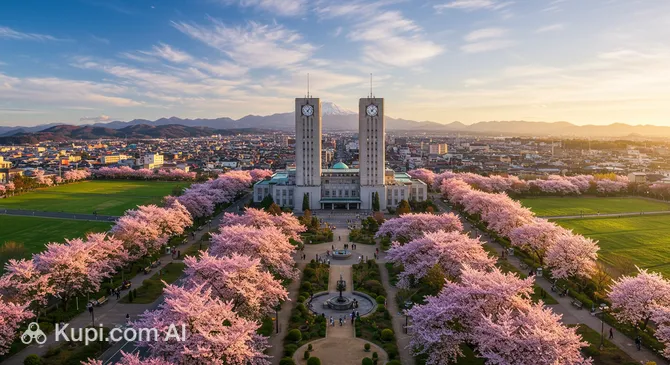
Mooka. Illustration.
Source: Kupi.com AI

With a population of about 78,665 people, Moka maintains the intimacy and friendliness of a small town while possessing a developed infrastructure and convenient transport links. The city is an important administrative and cultural center of its district and serves as an excellent starting point for exciting journeys through the scenic Tochigi Prefecture.

The main charm of Moka lies in its authenticity. Here, you can not only admire traditional Japanese temples and well-kept parks but also truly feel how modern Japan lives away from the noise of the megalopolises. Tourists are invariably attracted by the neat streets, abundance of green zones, and, of course, the warm welcome of the local residents.

Moka is an ideal place for those seeking a peaceful vacation, wishing to get acquainted with the rich culture of the Japanese provinces and enjoy a slow pace of life. Come to Moka to discover another Japan – calm, soulful, and incredibly hospitable!

You can find more interesting facts on the Moka city history page.

Weather Overview

The weather in Moka is characterized by distinct seasons. Summer, especially in July and August, is warm, with average temperatures reaching 25-27°C and maximums around 29-30°C. Winters, on the other hand, are cool: in January, the average temperature is about 3.6°C, and the minimum can drop below zero. Expect warm summers with occasional rain (the highest number of rainy days occurs from June to September) and cool, drier winters. Spring and autumn offer moderate temperatures, making these periods comfortable for visiting.

For more detailed information about the weather by month, including precipitation and the number of rainy days, you can check the Moka Climate page.

Average monthly temperature

Average monthly precipitation

Interesting Facts

In addition to its main attractions, Moka hides many fascinating stories and features that make this city truly unique. Here are just a few interesting facts that will help you look at it from a new angle:

  • Few know that Moka is home to one of the few active steam locomotive lines in Japan – the SL Moka. A journey on a real retro steam train here is not just entertainment, but an opportunity to touch living history and feel the spirit of the last century, attracting enthusiasts from all over the country.

  • While cherry blossoms are a famous phenomenon throughout Japan, "Moka-barai" Park in Moka offers a unique hanami (flower viewing) experience. This place is famous not only for its beauty in spring but also for its special, almost intimate atmosphere for walks and picnics, which is highly valued by locals and seasoned travelers alike.

  • Moka is not just a quiet town. Several times a year, it transforms into a stage for vibrant and authentic traditional Japanese festivals – matsuri. Unlike the tourist shows in major metropolises, here you can witness ancient rituals, see colorful processions, and folk festivities that have preserved their original form.

  • The city takes pride in its cultural traditions and is home to masters of traditional crafts and artists. Their works can often be seen at local exhibitions and galleries, highlighting Moka's commitment to preserving and developing its cultural heritage.

How to Get There

Getting to the city of Moka, located in Tochigi Prefecture, is most convenient by air, using one of several airports serving the Kanto region. Although Moka itself does not have its own airport, major international and regional air hubs are within reasonable distance, from where you can continue your journey by land transport.

One of the main options for international travelers is Narita International Airport (NRT). This major airport is located in Tokyo, about 82 km from Moka. As one of the main air gateways to Japan, Narita accepts many flights from all over the world. A trip by car or taxi from the airport to Moka usually takes about 2 to 2.5 hours, depending on traffic conditions. From Narita International Airport, well-developed train and bus connections are also available to various points in the region, from where you can reach Moka.

Another significant international airport is Haneda (HND), also located in Tokyo. It is one of the busiest airports in the world, serving a huge number of both international and domestic flights. The distance from Haneda Airport to Moka is about 101 km. A car journey can take approximately 2.5 to 3 hours. From Haneda, it is also easy to access the Shinkansen high-speed train system and other forms of public transport for further travel around the country.

Located closest to Moka is Ibaraki Airport (IBR), situated in the prefecture of the same name at a distance of about 46 km. This airport is smaller in size and primarily serves domestic flights, as well as some international destinations across Asia. A car trip from Ibaraki Airport to Moka will take about 1 to 1.5 hours, making it a convenient option if your route passes through it.

For clarity, here is a summary of the main airports through which you can reach Moka:

AirportPassenger trafficDistance
Ibaraki Airport776 06346 km
Narita International Airport40.8 mln82 km
Fukushima Airport250 00095 km
Haneda Airport85.7 mln101 km
Niigata Airport1.1 mln186 km

After arriving at one of these airports, the further journey to Moka usually involves using Japan's well-developed public transport system. Most often, tourists transfer to trains or buses. It is recommended to check the schedules and routes from your chosen airport in advance to plan your transfer to Moka in the most convenient way.

Main Attractions

The city of Moka, located in Tochigi Prefecture, offers tourists several interesting spots where they can get acquainted with the local culture and enjoy unique experiences. Here are some of the key attractions worth visiting.

One of the most famous attractions in Moka is the SL Moka steam railway. This is not just a ride, but a true immersion into history! A journey on a real steam locomotive, which runs through picturesque rural landscapes, will be an unforgettable experience for both children and adults. It is a great chance to feel the charm of old railways and see the traditional Japanese countryside.

Nature lovers and those seeking peaceful relaxation should definitely visit Igashira Park. This vast park delights the eye with well-kept gardens, a large pond where you can rent a boat, and numerous walking paths. The park is especially beautiful in the spring during the cherry blossom season and in the autumn when the foliage turns vibrant colors, attracting many photographers and beauty enthusiasts.

To gain a deeper understanding of the region's history and culture, stop by the Moka Cotton Hall (Moka Momen Kaikan). The city of Moka has long been famous for the production of high-quality cotton, and this museum tells the story of this craft in detail. Visitors can see old looms, learn about the process of making "Moka-momen" fabric, and even purchase unique souvenirs made from local cotton.

Local Cuisine

The gastronomy of Moka is a fascinating journey into the world of Japanese flavors, where centuries-old traditions are harmoniously combined with the freshness of local products. The city's cuisine reflects the rich nature of Tochigi Prefecture, offering guests authentic dishes prepared with love and respect for seasonal ingredients. Here, everyone will find something to their liking, from simple traditional treats to more refined culinary compositions.

While in Moka, be sure to try the classic Japanese noodles – udon and soba, which are prepared here according to old recipes, often using local ingredients. Special attention is paid to fresh vegetables and fruits grown on nearby farms; they become the basis of many dishes and allow you to experience the true taste of each season. Don't miss the chance to enjoy local delicacies such as traditional sweets based on rice flour and sweet bean paste anko, as well as original pickled vegetables that reveal the region's unique flavor notes.

The meal will be perfectly complemented by traditional Japanese drinks. For alcoholic options, you can try local or regional sake, as well as shochu. Among non-alcoholic drinks, fragrant green tea is invariably popular and served everywhere, while in hot weather, mugicha (barley tea) is excellently refreshing.

The food culture in Moka is diverse and offers options for every taste and budget. You will find cozy family restaurants here serving hearty home-cooked meals that convey the warmth of Japanese hospitality. Don't pass by street stalls offering appetizing Japanese snacks – it's a great way to have a quick and tasty bite while immersing yourself in the local atmosphere. Local markets are also worth your attention: you can always find the freshest fish, seasonal vegetables, soy products, and, of course, rice – the staple of the city residents' diet.

The gastronomic scene of Moka is not just about food; it is an opportunity to gain a deeper understanding of Japan's culture and traditions. The city offers real culinary discoveries, from simple yet incredibly tasty treats at markets to sophisticated dinners in restaurants. Signature dishes that are definitely worth a try include local udon and soba noodles, as well as various dishes made from seasonal vegetables and fruits, highlighting the freshness and high quality of local products. Visiting gastronomic festivals, if your trip coincides with one, will provide even more vivid impressions and allow you to learn the secrets of local chefs.

Travel Tips

Welcome to Moka! To make your trip to this charming corner of Japan as comfortable and memorable as possible, we have prepared some practical tips. We hope they will help you better prepare and enjoy every moment of your stay in Moka.

  1. Clothing and Essentials:

    The climate in Moka, as in all of Tochigi Prefecture, is clearly divided into four seasons. In summer (June-August), it is hot and humid, so choose light, breathable clothing. In winter (December-February), it can be cold and snow is possible – don't forget a warm jacket, hat, and gloves. Spring and autumn offer mild weather, ideal for walks in a light jacket or sweater. The key rule is layering. Be sure to bring comfortable shoes, as you will be walking a lot. Don't forget a universal adapter (Type A and B sockets are used in Japan). When visiting temples and shrines, although a strict dress code is not always required for tourists, show respect by choosing modest clothing that covers shoulders and knees.

  2. Local Transport:

    Moka is a relatively small city, so the main form of public transport here will likely be buses. Find out the routes and schedules in advance, perhaps at the local station or tourist information center. Taxis are available but can be expensive. International ride-hailing apps may have limited coverage; you might need to use local taxi companies. Renting a car can be convenient if you plan to explore the surrounding Tochigi Prefecture (an international driving permit is required, driving is on the left), but for getting around Moka itself, it is probably not necessary.

  3. Finance:

    The local currency is the Japanese Yen (JPY, ¥). While credit and debit cards (especially Visa and Mastercard) are becoming more widely accepted in hotels, large shops, and restaurants, Japan largely remains a cash-based country. Always carry some cash with you, especially for small establishments, markets, and temples. It is best to exchange currency at the airport upon arrival or at major banks; in small towns like Moka, exchange points may be limited. ATMs that accept international cards can most often be found in post offices (Japan Post Bank) and 7-Eleven convenience stores (Seven Bank). Tipping in Japan is not practiced and may cause confusion.

  4. Health and Safety:

    Japan is one of the safest countries in the world, and Moka is no exception. The crime rate is very low. Nevertheless, follow standard precautions. Pharmacies (look for the "薬" or "kusuri" sign) are easy to find, but staff may not always speak English. For serious health issues, contact your hotel for help in finding a clinic or call an ambulance at 119. Travel insurance is essential.

  5. Communication:

    The official language is Japanese. The level of English proficiency among the local population, especially outside major tourist centers, may be low. Learn a few basic phrases in Japanese: "konnichiwa" (hello), "arigato" (thank you), "sumimasen" (excuse me/sorry) – this is highly appreciated by locals. For connectivity, we recommend purchasing a local SIM card or renting a pocket Wi-Fi router at the airport. Free Wi-Fi is available in some public places, but do not rely on it completely. Apps like Google Maps (for navigation) and HyperDia (for train schedules) will be very useful.

  6. Local Etiquette:

    Japanese people are very polite and value respect for their traditions. When greeting someone, a slight bow is appropriate. In public places, especially on transport, try to speak quietly and avoid drawing unnecessary attention to yourself. Do not eat or drink while walking (except in designated areas or at festivals). An important custom is to remove your shoes before entering homes, some temples, traditional restaurants, and ryokans (Japanese-style inns). Pay attention to the rules for using chopsticks: do not stick them vertically into rice and do not pass food from chopsticks to another person's chopsticks.

  7. What to Avoid:

    Try not to blow your nose loudly in public – it is considered impolite. If necessary, it is better to sniff quietly or go to a restroom. Also, avoid pointing at people or objects with one finger; instead, use a gesture with your entire palm.

  8. Special Feature of Moka:

    The city of Moka is famous for its historical SL Moka steam locomotive. If you are interested in railway technology or simply want a unique experience, check the steam train's schedule in advance. Seeing it in action or even taking a ride will be a bright highlight of your visit. Also, Moka is famous for the production of "Moka-momen" cotton – look for items made from it in local shops; they can make an excellent authentic souvenir.

We hope these tips make your stay in Moka even more pleasant and worry-free. Enjoy the hospitality of Japan and the unique atmosphere of this city!

Entertainment & Nightlife

Nightlife in Moka is characterized by a calm and measured rhythm, typical of the Japanese provinces. Here you won't find noisy mega-clubs or round-the-clock discos like in Tokyo. Evening entertainment in Moka is primarily about cozy gatherings with friends, delicious food, and a soulful atmosphere. The main activity is concentrated around gastronomy and local bars, where you can feel the true flavor of the countryside.

The center of attraction in the evening is the area around Moka railway station and the city's main streets. This is where traditional pubs — izakayas — are located. These are ideal places to get acquainted with the local drinking culture. In an izakaya, it is customary to order many small "one-bite" dishes (yakitori, edamame, sashimi) and share them with the group to the accompaniment of beer or sake. The atmosphere in such establishments is democratic and lively, with no dress code — people come here to relax after work.

The so-called snack bars are particularly popular in Moka. These are small establishments often run by a hostess called a "mama-san." Here you can have a drink, have a heart-to-heart talk, and sing karaoke. For foreign tourists, this can be an interesting cultural experience, but it's worth remembering that these places often charge a cover fee, and the menu may only be in the local language.

If you are looking for a more familiar entertainment format, look for karaoke boxes. This is one of the favorite pastimes for locals of all ages. You rent a private room, order drinks and food, and sing your favorite songs with your group. This is a great option for those who are shy about performing in public in an open bar. Most karaoke centers stay open until late at night or even until morning.

Practical tips for evening leisure:

  • Opening hours: Most restaurants and izakayas open around 17:00–18:00. The kitchen often closes by 22:00 or 23:00, although bars may stay open until midnight or slightly later.
  • Transport: Public transport in small towns finishes quite early. If you plan to stay out late, find out the number of a local taxi in advance or ask the staff to call one for you.
  • Daikou: If you have rented a car, never drive after consuming alcohol — the rules are very strict. Use the "daikou" service: two drivers will arrive, one will drive you in your car, and the second will follow behind.
  • Safety: Moka is a very safe city. Night walks here do not pose a threat, but it is better to stick to lit streets and carry cash, as cards are not accepted everywhere.

Regarding daytime entertainment transitioning into the evening, Moka offers peaceful leisure activities. You can visit local parks, such as Igashira Park, or head to small local museums. Shopping and arcade game enthusiasts should check out the large shopping centers on the outskirts of the city, which often house game centers and cinemas that stay open until late in the evening.

Parks & Museums

The city of Moka in Tochigi Prefecture invites travelers to enjoy a harmonious combination of picturesque green zones and a rich cultural heritage. Here, everyone will find an activity to their liking, whether it's a peaceful walk in nature or getting acquainted with the history and traditions of the region.

One of the main places for outdoor recreation in Moka is Igashira Park. This vast park is famous for its large pond, magnificent rose garden, and botanical garden where you can see a variety of plants. In the summer, a huge swimming pool is popular here, while in other seasons, the park attracts visitors with opportunities for leisurely walks, bird watching, and family picnics. It is a great place to take a break from the city bustle and enjoy the beauty of nature.

For those interested in the history and culture of Moka, the city offers several notable museums. The Moka Cotton Hall (Moka Momen Kaikan) tells about one of the most important chapters of the city's past — cotton production. Here you can learn about traditional cotton processing technologies and see works by local craftsmen. It is a wonderful opportunity to touch the region's craft heritage. Another unique spot is the SL Kyuuroku Museum. It will be particularly interesting for fans of railway technology and families with children, as you can see real steam locomotives and learn about the history of Japan's railways.

Among the historical attractions, the Nakamura Residence is worth highlighting. This well-preserved samurai house allows a glimpse into the past and an opportunity to imagine how warriors in feudal Japan lived. Visiting this place gives a unique chance to get acquainted with traditional Japanese architecture and the daily life of a bygone era.

For a fuller immersion into the atmosphere of Moka, we suggest not limiting yourself only to well-known attractions. Stroll through the quiet streets, notice small local shrines, or visit craft shops where you can find unique handmade souvenirs. Also, a visit to Igashira Park will be especially memorable during the rose blooming period or the vibrant autumn foliage.

Getting Around

When planning your movement around the city of Moka, it is worth noting that the main emphasis in the public transport system is on bus services and the railway line. Buses run on various routes, connecting city districts and nearby settlements. For longer trips and connections with major transport hubs, the Moka Railway serves as the primary link, which is also a local attraction thanks to its retro trains.

The fare payment system in Moka is fairly standard for Japanese cities of this size. In buses, payment is most often made in cash upon exiting; it is recommended to carry small change, as it is not always possible to get change from large bills. On some routes, regional transport cards or even popular IC cards like Suica or Pasmo may be accepted, especially on the railway line. Train tickets are purchased at stations from machines or ticket offices. The fare depends on the distance. There may not be specialized tourist passes specifically for Moka, but it is worth checking at stations for any combined tickets if you plan frequent travel around the region.

Tourists are recommended to check the transport schedules in advance, especially for buses, as intervals can be significant, particularly in the evening and on weekends. Information about schedules can usually be found at stops and railway stations. When boarding a bus, if the system involves zone-based payment, you sometimes need to take a ticket with the stop number, and payment is made to the driver upon exiting. At the Moka railway station, you can get advice on routes and payment methods. Trains and buses usually start operating early in the morning and stop running by late evening.

As an alternative to public transport, taxis are always available in Moka. They can be found at stands near the railway station or called by phone. For more independent exploration of the surroundings and Tochigi Prefecture, you might consider renting a car, especially if you plan to visit places that are difficult to reach by public transport. During the warmer months, bicycle rental can also be a pleasant way to see the town itself and its immediate surroundings, though its availability should be confirmed on-site.

One of the main transport and tourist features of Moka is the Moka Railway, known for its steam locomotives (SL). A ride on such a retro train, which runs on weekends and holidays, is not just a way to get around but a true immersion into history and a popular entertainment for both tourists and locals. Be sure to check the schedule and book tickets in advance if you want to experience this unique journey.

Accommodation

When planning a trip to the city of Moka, it is worth considering that the choice of accommodation here is oriented more towards functionality and comfort than world-class luxury. Like all of Japan, this region offers tourists a consistently high level of service and cleanliness. The hotel stock primarily consists of classic business hotels, offering compact but comfortable rooms with everything a traveler needs, as well as traditional Japanese inns — ryokans, where you can immerse yourself in the local atmosphere.

Regarding location, the most convenient option for tourists without a car would be accommodation near the Moka railway station. This will allow for easy access to major transport hubs and local attractions. If you are traveling by car, you can consider options along major highways, where modern motels and hotels with spacious parking lots are often located.

Accommodation prices in Moka are generally lower than in the country's major tourist centers. The mid-price segment prevails here, although more budget-friendly options can also be found. For booking, it is convenient to use popular international online platforms; however, some small family-run guesthouses may only accept reservations by phone or through local Japanese websites.

We recommend booking accommodation in advance, especially if your trip coincides with the cherry blossom season or the time of local festivals, when the demand for rooms increases significantly. Early planning will not only help guarantee availability but may also help you secure a better price.

Nearby Cities

For those who want to explore the surrounding area, Moka serves as an excellent starting point for day trips to several interesting nearby places:

CityPopulationDistance
Mashiko21 6218 km
Kaminokawa30 8869 km
Haga14 83313 km
Ichikai11 20514 km
Sakuragawa38 67714 km

These nearby destinations provide an insight into the region's diverse culture and landscapes.

Shopping & Souvenirs

While Moka may not be a shopping giant like Tokyo or Osaka, this charming city in Tochigi Prefecture offers its own more relaxed and authentic shopping experience. Here you will find a blend of local shops offering unique goods and the opportunity to purchase something truly Japanese away from the hustle and bustle of the megalopolises. The city and its surroundings boast high-quality local products and handicrafts.

Main shopping spots in Moka are likely to be concentrated around the city's central streets and near the railway station. Stroll through these areas to discover small family-run shops, boutiques with local goods, and stalls offering everyday necessities. This is where you can feel the true spirit of the city and find something special.

As for large shopping centers, in a city the size of Moka, you will likely find local department stores or small shopping complexes oriented toward the needs of residents. They can offer a good selection of goods, including clothing, household items, and groceries. For massive malls with international brands, you might have to head to larger cities in the prefecture or region.

If you're lucky, you might stumble upon local markets in Moka, especially if your visit coincides with a festival or special event. These could be farmers' markets offering fresh seasonal produce (Tochigi Prefecture is famous for its strawberries, especially the "Tochiotome" variety!) or small craft fairs. Visiting such a market is a great way to get to know the local culture and purchase fresh delicacies.

As souvenirs from Moka and Tochigi Prefecture, consider looking for:

  • Local sweets and products: Be sure to try items featuring strawberries, local sake, or other traditional Japanese sweets (wagashi).
  • Ceramics: The famous Mashiko pottery center is nearby, so in Moka or the surrounding area, you can find Mashiko-yaki style items or other local ceramics.
  • Textiles and crafts: Look for small handmade items such as scarves, accessories, or decorative objects reflecting local traditions.

Most shops in Moka, as in all of Japan, are usually open from about 10:00 or 11:00 AM to 7:00 or 8:00 PM. Small private shops may have their own schedule and a day off (often once a week). Regarding payment, cash (Japanese Yen) is still widely used, especially in small shops and at markets. Credit cards are accepted in most department stores and chain shops, but it's always useful to carry some cash.

For foreign tourists in Japan, a Tax Free system is in place. If you make purchases over 5,000 yen (excluding tax) at participating shops (look for the "Tax-Free Shop" logo), you can receive a consumption tax refund. You will need your passport for this. Usually, the procedure is handled right in the shop when paying for the goods.

Reached the end of the page?

That means the route is fully explored