Support

Tochigi

About

Tochigi is a true oasis for those seeking a harmonious blend of Japanese nature, rich history, and unique culture. The city is snugly nestled on the border of the fertile Kanto Plain and majestic central mountain ranges, providing it with incredibly fresh air and picturesque views in any season. Thanks to its convenient location, Tochigi serves as an excellent starting point for traveling around the region: in just an hour by express train from Tokyo, you are transported to a world where centuries-old traditions coexist seamlessly with modernity.

With a population of about 153,500 people, Tochigi maintains an atmosphere of comfort and leisure while remaining an important administrative and transport hub of the prefecture. This city in Japan is often called the gateway to the legendary Nikko—a UNESCO World Heritage site—yet Tochigi itself has plenty to charm travelers.
Tochigi. Illustration.
Source: Kupi.com AI

A walk through Tochigi is comparable to a journey back in time. Here, you can easily trade the hustle and bustle of the metropolis for a leisurely exploration of historical quarters with their ancient streets, old temples, and authentic shops. The city offers a unique opportunity to immerse yourself in the atmosphere of old Japan, as well as enjoy natural beauty by heading into the mountains or relaxing in the hot springs (onsens) for which the region is famous. Friendly locals and a generally welcoming atmosphere make a stay here particularly pleasant.

If you want to see Japan from a different, more authentic side without sacrificing comfort, Tochigi is the perfect choice. It is a place where every street breathes history, and nature and architecture create a unique backdrop for unforgettable impressions and a peaceful getaway.

You can find more interesting facts on the history of Tochigi city page.
Weather Overview

The weather in Tochigi is characterized by noticeable seasonal changes. Summer, especially in July and August, is quite warm, with average temperatures reaching 25–26°C and maximum values around 28–29°C. This period also sees the highest amount of precipitation and rainy days, especially in July (an average of 8 mm of precipitation and 24 rainy days). Winters, by contrast, are cool, with average temperatures in January around 2.5°C and minimums dropping below zero. In winter, significantly less precipitation falls; for example, in January and December, it's only about 1 mm.

In general, expect a warm and humid summer with frequent rain and cool, relatively dry winters. Spring and autumn are transitional seasons with moderate temperatures and precipitation levels. To get more detailed information about the weather by month, you can check the Tochigi climate page.

Average monthly temperature

Average monthly precipitation

Interesting Facts

In addition to its famous landmarks, the city of Tochigi and its surroundings hold many surprising stories and features that make it truly unique. Here are just a few interesting facts to help you see this region from a new perspective:

  • In the vicinity of Tochigi, in the famous Nikko area, lies the Nikko Toshogu Shrine. It is not only one of Japan's most lavish shrines but also a UNESCO World Heritage site. According to legend, this is the final resting place of the great shogun Tokugawa Ieyasu, founder of the powerful Tokugawa dynasty.

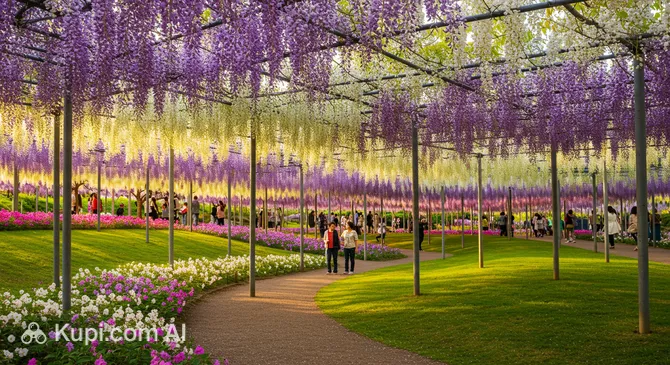
  • Near Tochigi is the Ashikaga Flower Park, which turns into a magical wisteria kingdom in the spring. The sight of the blooming wisterias here is so impressive that the park is considered one of the best places in Japan to admire these flowers, attracting visitors from all over the world.

  • The city and prefecture of Tochigi are famous for their colorful festivals, which reflect a deep respect for nature and tradition. Here, you can witness celebrations dedicated to cherry blossoms, the splendor of wisterias, or the vibrant colors of autumn maples, often accompanied by theatrical processions and local craft workshops.

  • The Tochigi region is known not only for its cultural sites but also for its natural wonders. For example, Kegon Falls is one of the tallest and most picturesque in the country, and Lake Chuzenji, framed by mountains, offers peaceful landscapes for walks and relaxation.

Ashikaga Flower Park. Illustration.
Source: Kupi.com AI

Traveler photos:

How to Get There

Reaching the city of Tochigi in Japan can be done in several ways, but the most common for international tourists is flying into one of the region's major airports followed by ground transport. Tochigi is conveniently located relative to several air hubs, including Tokyo's largest airports.

The primary gateways for those arriving in the region where Tochigi is located are the international airports. The closest of these is Ibaraki Airport (IBR), located in Ibaraki city, about 65 km from Tochigi. This is a regional airport, and the journey from there to Tochigi by car or bus takes about 1.5–2 hours. Larger, but slightly more distant options are the Tokyo giants: Narita International Airport (NRT) and Haneda Airport (HND). Narita Airport is located near Tokyo, about 90 km from Tochigi, while Haneda Airport is also in Tokyo, about 92 km away. Both of these major international airports handle a huge number of flights from all over the world. The trip from them to Tochigi can take between 2 to 3 hours depending on the chosen mode of transport (train, bus, or taxi) and the traffic situation. From these airports, you can reach Tochigi by train (including Shinkansen high-speed trains with transfers) or buses.

For clarity, here is a summary of the main airports through which you can reach Tochigi:

AirportPassenger trafficDistance
Ibaraki Airport776 06365 km
Narita International Airport40.8 mln90 km
Haneda Airport85.7 mln92 km
Fukushima Airport250 000113 km
Matsumoto Airport112 618165 km

After arriving at one of the mentioned airports, it is convenient to continue the journey to Tochigi by train. Japan is famous for its advanced railway network, and the city of Tochigi has good connections with major transport hubs. It is recommended to research train and bus schedules from your chosen airport to Tochigi in advance to plan the optimal route. Car rental is also an option for greater flexibility in moving around Tochigi Prefecture.

Main Attractions

The city of Tochigi and its surroundings are rich in unique and memorable sites. If you are planning a trip to Japan and this region in particular, be sure to include the following attractions in your itinerary, as they will provide vivid impressions and allow you to get to know the culture and nature of Tochigi Prefecture more deeply.

One of the most famous spots is the Ashikaga Flower Park. This is a true floral kingdom, especially renowned for its stunning wisterias, which form entire fragrant tunnels in the spring. The park is beautiful at any time of year thanks to seasonal displays and magnificent winter illuminations, making it a must-visit for nature and photography enthusiasts.

Ashikaga Flower Park. Illustration.
Source: Kupi.com AI

Traveler photos:

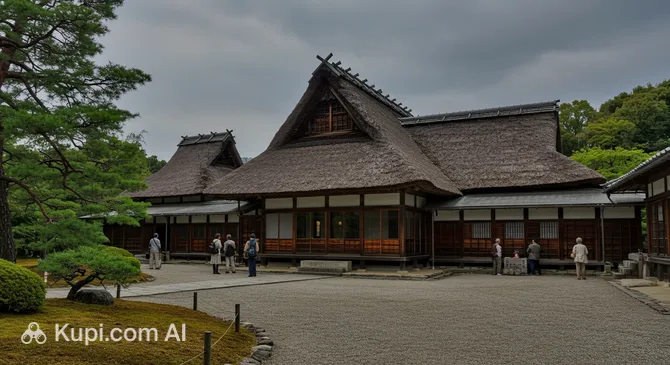
For those interested in Japanese history and culture, the Ashikaga Academy will be a real discovery. Considered Japan's oldest academic institution, it offers a unique opportunity to touch centuries of educational history. Here, you can walk through historical buildings, learn about Confucian teachings, and enjoy the peaceful atmosphere of this significant site.

Ashikaga School. Illustration.
Source: Kupi.com AI

Traveler photos:

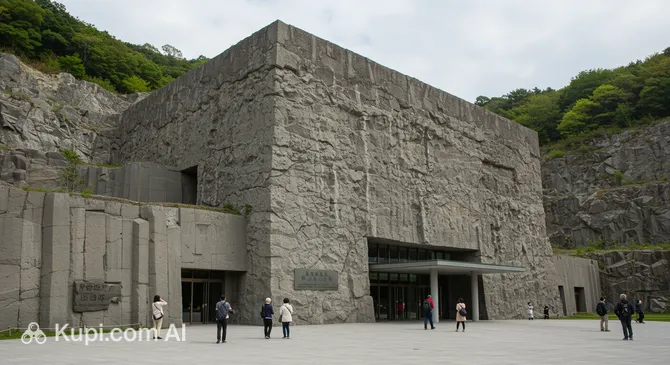
Incredible impressions await visitors at the Oya History Museum. This unique museum is located inside a massive former underground stone quarry where Oya stone was mined. The giant halls carved into the rock are striking in their scale and atmosphere. The museum not only tells the history of stone mining but also serves as a venue for exhibitions, concerts, and even film shoots, offering an unforgettable experience.

Oya History Museum. Illustration.
Source: Kupi.com AI

Traveler photos:

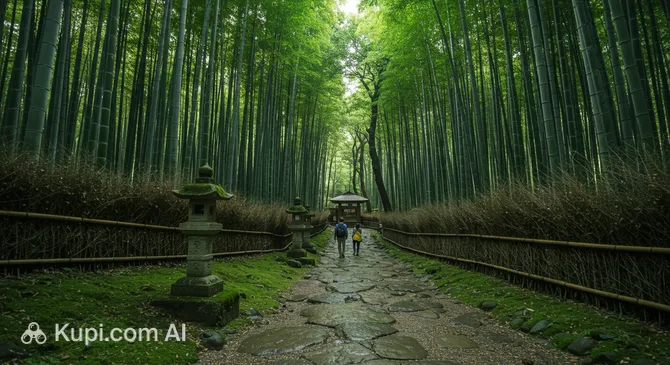
Nature lovers and those fond of peaceful walks should visit the Wakayama Farm Bamboo Forest of the Four Seasons. This picturesque location offers an immersion into the enchanting atmosphere of a bamboo grove, which is beautiful year-round. The variety of bamboo species and well-maintained paths make this place ideal for a quiet getaway and for taking beautiful photos.

Four Seasons Bamboo Forest Wakayama Farm. Illustration.
Source: Kupi.com AI

Traveler photos:

Local Cuisine

The culinary scene in Tochigi offers an exciting journey through the flavors of Japan, where fresh local products take center stage. The city and its surroundings are famous for several iconic dishes that every foodie should try.

The undisputed gastronomic hit of Tochigi is gyoza—delicious fried dumplings with a variety of fillings. Although the neighboring city of Utsunomiya is considered the unofficial capital of this dish, in Tochigi itself, you will find many cozy restaurants and eateries serving excellent gyoza. Their popularity is so great that festivals dedicated to this delicacy are even held in the region.

Another point of pride for Tochigi Prefecture, and the city in particular, is its strawberries. Some of the sweetest and largest berries in all of Japan are grown here. During the season, which usually lasts from winter to spring, you can not only enjoy fresh strawberries but also try various desserts, ice cream, and drinks based on them. Many cafes and markets offer these seasonal treats.

Kouran. Illustration.
Source: Kupi.com AI

Traveler photos:

Food culture in Tochigi is diverse. Locals and tourists can enjoy a meal in both traditional restaurants and small family-run establishments. For example, to get acquainted with local cuisine, you can visit the Koron restaurant. Additionally, street food and farmers' markets are popular, where you can taste fresh vegetables, rice dishes, and seasonal specialties such as leek treats. Japanese sweets prepared according to ancient recipes also deserve attention.

As for drinks, in addition to traditional Japanese tea and sake, during the strawberry season, be sure to try refreshing drinks based on the fruit. Gastronomic festivals dedicated to gyoza and strawberries, as well as seasonal harvest festivals, provide a great opportunity to get to know the best dishes of the region and participate in tastings.

Travel Tips

Planning a trip to the charming city of Tochigi? These practical tips will help make your journey through Japan as comfortable and exciting as possible, especially when getting to know this cozy city in Tochigi Prefecture.

  1. Clothing and gear for the season: The climate in Tochigi, like in all of Japan, is characterized by four distinct seasons. In summer (June–August), it can be hot and humid, so choose light, breathable clothing. In winter (December–February), it can be cold, sometimes with snow, so warm clothes are a must. Spring and autumn are the most comfortable times with moderate temperatures. Don't forget comfortable walking shoes, as you will be doing a lot of walking. Also, bring an adapter for electrical appliances (Japan uses type A and B sockets, voltage 100V). When visiting temples and shrines, choose modest clothing that covers shoulders and knees.
  2. Getting around the city: In Tochigi, as in most Japanese cities, public transport is well-developed. The main means of transport are local buses and trains (including JR lines). Taxis are available but can be quite expensive. Renting a car can be useful if you plan to explore the outskirts of Tochigi Prefecture, but for moving within the city itself, it is not a necessity.
  3. Financial matters: The local currency is the Japanese Yen (JPY). It is best to exchange money at the airport upon arrival or at banks. Credit cards (especially Visa and Mastercard) are accepted in many hotels, restaurants, and large stores, but smaller establishments and rural areas may prefer cash. ATMs that accept international cards can be found at post offices (Japan Post Bank) and in 7-Eleven convenience stores. An approximate daily budget can vary, but you should count on 7,000–15,000 JPY (excluding accommodation). Tipping in Japan is generally not practiced and may be perceived as impolite.
  4. Health and safety: Pharmacies (薬局 - yakkyoku) can be found in many areas, but not all pharmacists speak English. Carry a basic set of medications with you. Japan is a very safe country with a low crime rate. Tochigi is no exception. However, always follow general precautions: watch your belongings in crowded places and avoid walking in poorly lit areas late at night alone.
  5. Communication: The primary language is Japanese. English is common in tourist spots, hotels, and at major stations, but in general, the level of proficiency among the local population can be low. Learn a few basic phrases: "Konnichiwa" (Hello), "Arigato" (Thank you), "Sumimasen" (Excuse me/I'm sorry). For constant internet access, it is recommended to purchase a local SIM card or rent a pocket Wi-Fi router. Free Wi-Fi is available in many hotels, cafes, and public places.
  6. Local etiquette: Japanese people are very polite and value respect for traditions. A greeting is usually accompanied by a bow. In public places, especially on transport, try not to talk loudly on the phone. Remove your shoes before entering private homes, some temples, and traditional restaurants (usually there is a specific place for this and slippers are offered).
  7. What to avoid: Never stick your chopsticks vertically into your rice—this is associated with funeral rituals and is considered bad manners. Also, try not to eat while walking on the street unless it's in a designated area (for example, at food festivals).
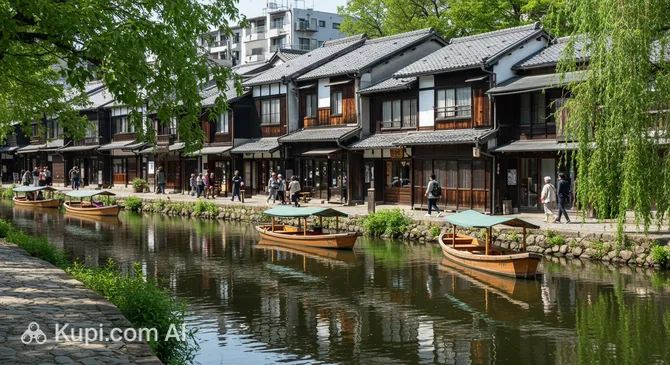
  8. Special tip – Explore Kuranomachi: Tochigi city is famous for its historical Kuranomachi district, where old merchant storehouse houses (kura) along the Uzuma River have been preserved. A stroll through this picturesque quarter, a boat ride on the river, and a visit to local museums and souvenir shops will give you unforgettable impressions and allow you to dive deeper into the atmosphere of old Japan.

We hope these tips help you better prepare for your trip to Tochigi and enjoy every moment of your stay in this interesting Japanese city. Have a great trip!

Entertainment & Nightlife

Evening Tochigi offers guests the chance to immerse themselves in a local atmosphere quite different from the noisy metropolises. While the city may not be famous for massive night clubs and districts that stay open until dawn, you can find cozy spots for a pleasant time after sunset. The main focus of evening life is shifted towards traditional Japanese drinking establishments—izakayas—and restaurants offering delicious dinners.

The main points of attraction in the evening are usually concentrated around the railway station and in the central commercial districts of the city. Here you can find a variety of izakayas, small bars, and restaurants. The atmosphere in such places is generally relaxed and friendly, perfect for conversation. The crowd is mostly local, allowing you to feel the authentic spirit of the city more deeply. Many izakayas are open late into the night, offering a wide selection of drinks, including local sake and beer, along with various snacks.

If you are looking for a place for dinner, Tochigi offers several interesting options. For example, you can visit the Koron restaurant to enjoy local cuisine in a pleasant setting, or stop by Ramen Ogane for a hearty bowl of ramen. While these are not nightclubs in the traditional sense, such places are excellent for ending the day. The dress code in most establishments is casual. It’s best to arrive at popular izakayas by early evening, especially on weekends when they can be busy.

In terms of practical advice, average prices in Tochigi's izakayas and restaurants are quite moderate. You can reach your hotel at night by taxi, which are easily found at stations or called by phone. The city is considered quite safe, so evening walks along the lit central streets generally do not cause concern.

During the day, Tochigi also has plenty to offer. Culture buffs can visit, for instance, the Oya History Museum or the Gunma Museum of Art in Tatebayashi, which houses impressive collections.

Gunma Museum of Art, Tatebayashi. Illustration.
Source: Kupi.com AI

Traveler photos:

For family vacations and outdoor walks, the famous Ashikaga Flower Park is perfect, especially beautiful during the wisteria blooming season, or Tochinoki Family Land, which offers entertainment for all ages.

Tochinoki Family Land. Illustration.
Source: Kupi.com AI

Traveler photos:

These places will help diversify your trip and provide bright impressions.

Parks & Museums

The city of Tochigi and its surroundings invite travelers to enjoy the harmony of nature and immerse themselves in a rich cultural heritage. Everyone will find something for themselves here: from picturesque parks to unique museums capable of providing unforgettable impressions and enriching your travel experience.

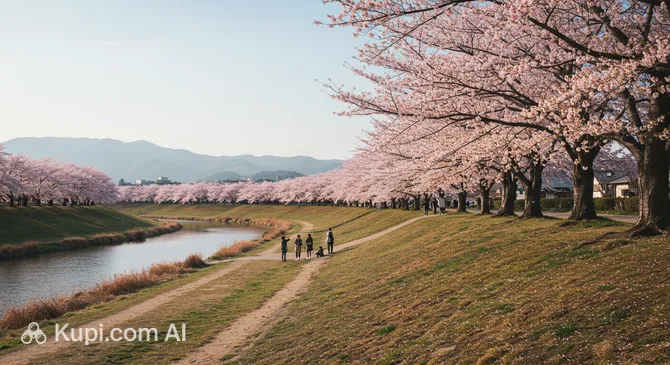
Among the natural treasures of the region, a special place is held by the world-famous Ashikaga Flower Park, renowned for its wisterias, which create magical flower tunnels in the spring. No less remarkable is the Wakayama Farm Bamboo Forest of the Four Seasons, offering peaceful walks among tall bamboo stalks. For lovers of aquatic landscapes and bird watching, it is worth visiting Watarase Yusuichi, Japan's largest flood control basin with unique landscapes. Another wonderful place for outdoor relaxation is the Gongendo Embankment, which is especially picturesque during the cherry blossom and rapeseed blooming season, creating magnificent views.

Gongendo Embankment. Illustration.
Source: Kupi.com AI

Traveler photos:

The cultural life of Tochigi is just as vibrant. Be sure to visit the Oya History Museum, located in a former underground quarry where unique Oya stone was mined. Its vast underground halls leave an indelible impression. Art connoisseurs will appreciate the Gunma Museum of Art in Tatebayashi, which features collections of both Japanese and Western art. And for those seeking something unusual, the Iwashita New Ginger Museum, located directly in Tochigi city, is perfect—it is a fun and educational place dedicated to ginger in all its forms.

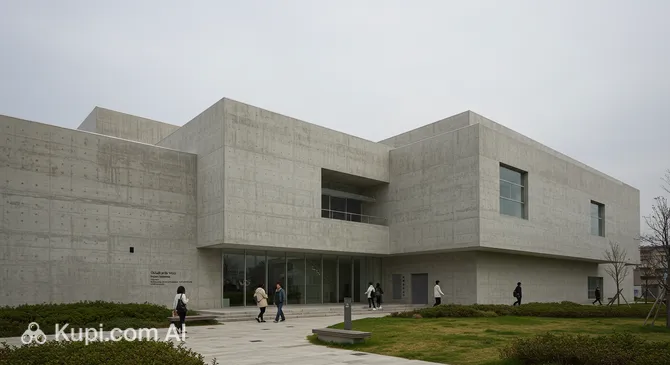
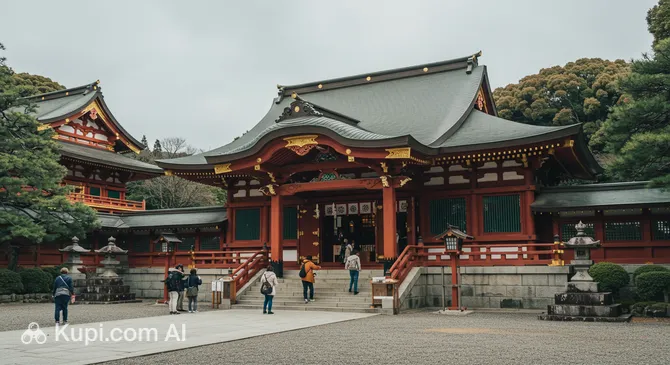
An immersion into the history of the region would be incomplete without a visit to the Ashikaga Academy, considered the oldest school in Japan. Its restored buildings and gardens breathe history. History buffs will also be interested in the Kanayama Nitta Castle Ruins, which offer magnificent panoramic views of the surrounding area. You can round out your historical route with a visit to the Ashikaga Orihime Shrine, known for its beautiful architecture and the romantic legend of Tanabata.

Ashikaga Orihime Shrine. Illustration.
Source: Kupi.com AI

Traveler photos:

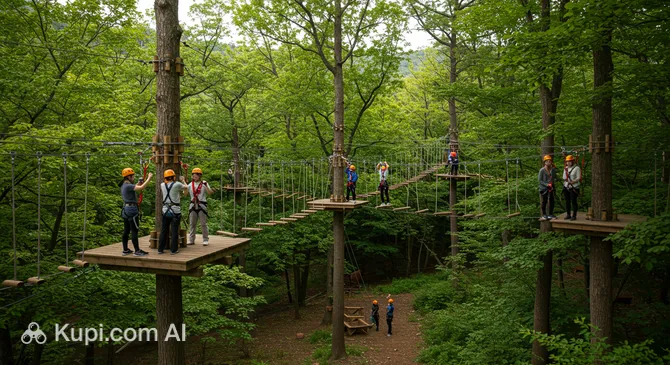
For family vacations and bright impressions, places like the Utsunomiya Zoo, where you can meet various representatives of fauna, or the popular amusement park Tochinoki Family Land with rides for all ages, are excellent choices. Another option for active pastimes is the Tochigi Adventure Park, which offers various exciting outdoor attractions for the whole family.

Tochigi Adventure Park. Illustration.
Source: Kupi.com AI

Traveler photos:

To deeply feel the atmosphere of Tochigi, don't limit yourself to only the well-known attractions. Look into small local temples, walk along the quiet streets of old quarters, or visit craft shops where you can find unique souvenirs. Pay attention to seasonal festivals in the parks—they are often accompanied by floral exhibitions or evening illuminations, adding special charm to your trip.

Getting Around

Public transport in Tochigi is mainly represented by buses and trains, which provides fairly convenient travel both within the city itself and in its surroundings. Although there is no metro or trams here, the existing system allows tourists to reach key locations.

The main form of city transport is buses. Various routes connect railway stations, residential areas, and popular attractions. Buses generally run on a schedule, which can be found at stops or on transport companies' websites. For a small city like Tochigi, the bus network is quite well-developed.

Railway transport plays an important role, especially for connecting with other cities. Tochigi Station is served by JR (Japan Railways) and Tobu Railway lines, making it a convenient hub for traveling around the Kanto region. Trains can also be used to move between some districts within the city if they are near railway lines.

The payment system in Japanese public transport is quite unified. The most convenient way for tourists is using transport IC cards, such as Suica or Pasmo. These rechargeable cards can be used to pay for travel on buses and trains not only in Tochigi but also in many other regions of Japan. Simply tap the card against the reader when entering and exiting. You can also pay for travel in cash. The approximate cost of a single bus trip around the city is 150–250 yen, depending on the distance. On buses, a ticket is usually taken upon entry, and payment is made to the driver upon exit (often the exact amount is required, or there is a change machine). On trains, tickets are bought at machines at the stations before boarding.

Practical tips for tourists: IC cards can be purchased and topped up at machines at major railway stations. Train tickets are also bought at stations at machines or ticket offices. On buses, pay attention to the route number and direction. Transport operating hours are usually from early morning until late evening, but there are generally no night routes. Schedules may be less frequent in the evenings and on weekends. Mobile applications such as Google Maps, Japan Travel - Navitime, or Jorudan, which work well throughout Japan, can be useful for planning routes and checking schedules.

As an alternative to public transport, taxis are available in Tochigi. They can be found at ranks near railway stations or called by phone. This is a more expensive but comfortable way to get around. For fans of active recreation, bicycle rental may be of interest, especially for exploring the central parts of the city and its picturesque surroundings in good weather.

Accommodation

In Tochigi, travelers will find a variety of accommodation options to suit different budgets and preferences. You can find everything from cozy guesthouses and budget hotels to more comfortable mid-range accommodations. For those seeking more privacy or planning a long stay, apartments or rental houses may be available, although specific examples of famous hotels were not provided in the available data.

When choosing a place to stay in Tochigi, pay attention to areas with good transport accessibility or those located near the attractions you are interested in. While specific popular tourist zones may vary, central parts of the city or areas near major transport hubs usually offer a convenient location for exploring the surroundings.

To ensure the best selection and prices, especially during the peak tourist season or during major events, it is recommended to book your accommodation in advance. Most hotels and apartments in Tochigi can be booked through popular international and local online platforms. Some hotels also offer direct booking through their official websites, which can sometimes include special offers.

The price range for accommodation in Tochigi varies from budget options, such as hostels or simple guesthouses, to mid-range and higher-class hotels with an expanded range of services. The cost will depend on the type of accommodation, its location, the season, and the amenities provided. Travelers should compare several options to find the best value for money.

Nearby Cities

For those who want to explore the surrounding area, Tochigi serves as an excellent starting point for day trips to several interesting nearby locations:

CityPopulationDistance
Mibu39 1518 km
Oyama167 87410 km
Shimotsuke59 40411 km
Yuki50 21815 km
Sano114 84216 km

Among the closest cities worth visiting is Utsunomiya, known not only as the "gyoza capital" (Japanese dumplings) but also for the unique Oya History Museum located in a former stone quarry. A trip to Ashikaga will provide unforgettable impressions of the Ashikaga Flower Park, especially famous for its wisterias, as well as a visit to Ashikaga Gakko, Japan's oldest school. Shoppers and lovers of traditional Japanese noodles should check out Sano. This city attracts visitors with the popular Sano Premium Outlets, the chance to try local ramen, and the sight of the Sano Yakuyoke Daishi Temple.

These nearby destinations provide an insight into the region's diverse culture and landscapes.

Shopping & Souvenirs

The city of Tochigi offers its guests pleasant shopping opportunities, combining traditional Japanese goods with modern stores. Although Tochigi may not be a major metropolis for shopping, you can find unique local products and souvenirs here that reflect the region's culture. The city and prefecture of Tochigi are known for their crafts and agricultural products, such as "Tochiotome" strawberries and "kanpyo" pumpkin shavings.

The main shopping areas in Tochigi are usually concentrated around the JR Tochigi railway station and along the city's central streets. Here you will find small department stores and specialized shops offering local delicacies, clothing, and household goods. A stroll through these areas will allow you to soak in the local atmosphere and discover interesting little shops.

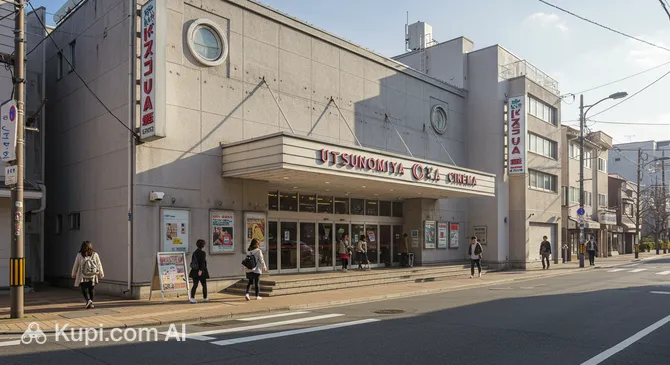
While Tochigi city itself may not have the giant shopping malls characteristic of Tokyo, there are larger retail outlets in the prefecture. For example, in the neighboring, larger city of Utsunomiya, modern complexes can be found. In the context of entertainment and potential shopping in the region, the Utsunomiya Movie Theater can be mentioned, which, like many similar complexes in Japan, may be adjacent to shopping galleries and restaurants.

Utsunomiya Cinema. Illustration.
Source: Kupi.com AI

Traveler photos:

As for markets, local fairs may periodically be held in Tochigi and its surroundings, where farmers sell fresh seasonal produce, including the famous strawberries. You can also find small markets offering handmade crafts and souvenirs. Visiting such places is a great way to get to know local traditions and purchase something authentic.

For souvenirs from Tochigi, look for local sweets, especially those made from strawberries or kanpyo. Products by local artisans, such as ceramics, are also popular (although the famous Mashiko pottery is produced in a neighboring town, it can also be found in Tochigi). Don't forget the local sake, which is famous for its quality thanks to the region's clean water.

Most shops in Tochigi are usually open from 10:00 or 11:00 AM until 7:00 or 8:00 PM. Larger retail outlets may stay open longer. In Japan, both cash (yen) and credit cards are widely accepted. Recently, various electronic payment systems have also been gaining popularity.

For foreign tourists in Japan, a tax-free system is available. Look for the corresponding signs in shops. Usually, to process a tax refund, you must make a purchase of a certain amount in one store within one day and present your passport. This service applies to many goods, including clothing, electronics, and souvenirs, but not to food and drinks consumed on the spot.

Reached the end of the page?

That means the route is fully explored