Support

Gyoda

About

Gyoda is a charming city nestled in the heart of Saitama Prefecture on the vast Kanto Plain in Japan. Geographically located on the island of Honshu, it is only about an hour's train ride from the bustling metropolis of Tokyo, making it an excellent choice for day trips or a more leisurely exploration of the region. The city covers an area of approximately 67 square kilometers.

With a population of about 78,500, Gyoda successfully combines the tranquil atmosphere of a small provincial town with a rich historical heritage. There is no metropolitan hustle and bustle here; instead, you'll find friendly residents and a sense of time passing slowly. Gyoda serves as an administratively significant center for its region, boasting a well-developed infrastructure and distinctive cultural traditions.
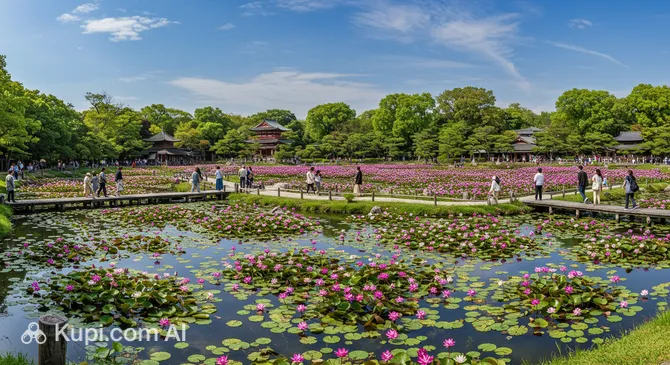
Gyoda. Illustration.
Source: Kupi.com AI

The main highlight of Gyoda is its unique atmosphere, literally steeped in the spirit of history. Here, you can see both ancient archaeological sites and beautifully preserved traditional quarters where time seems to have stood still. Walking through its streets, it is easy to feel like a time traveler.

The city attracts tourists with its numerous landmarks. Notable among them are picturesque Japanese gardens, ancient temples perfect for reflection, and, of course, the famous lotus ponds, which are especially beautiful during the blooming season. It is also worth visiting the historical castle structures and blooming parks, ideal for strolls.

If you are looking for a place to escape the noise of big cities, touch history, and enjoy an authentic culture, Gyoda will be a true discovery for you. This city can surprise even seasoned travelers with its hospitality and unique charm.

You can find more interesting facts on the history of Gyoda page.

Weather Overview

The weather in Gyoda is characterized by distinct seasonal fluctuations. Summer, especially in July and August, is quite hot and humid here, with average temperatures reaching 26-27°C (maximum values can rise to 29-31°C), and a significant number of rainy days (up to 20 in July). Winters, by contrast, are cool and drier: the average temperature in January is about 4.2°C, sometimes dropping below zero (as low as -0.2°C), while precipitation is minimal (about 1 mm). Overall, expect warm summers with periodic rains and cool, relatively dry winters in Gyoda. For more detailed information on weather conditions, you can check the Climate of Gyoda page.

Average monthly temperature

Average monthly precipitation

Interesting Facts

In addition to its well-known landmarks, Gyoda holds many surprising stories and features that make this city truly unique. Here are some interesting facts that might surprise you:

  • Gyoda boasts a truly ancient history. Archaeological finds discovered here date back to the Yayoi period (3rd century BC – 3rd century AD), indicating that these lands were settled over two thousand years ago.

  • One of the city's gems is the Ancient Lotus Pond, known as Kodai Hasu no Sato. The uniqueness of this place lies in the rare species of lotuses that grow here, which scientists estimate could be over 2,000 years old! Imagine flowers whose ancestors witnessed the turn of millennia.

  • The city is famous for Oshi Castle, often called the "castle built on water." It is one of the few historical structures in the region that has preserved its appearance since the 16th century. Oshi Castle went down in history due to its heroic defense during the Sengoku period, when a small garrison managed to withstand a siege by overwhelming enemy forces.

  • Every year, Gyoda hosts a colorful lotus festival that attracts visitors from all over Japan. During this celebration, you can see traditional processions, visit fairs, participate in Japanese craft workshops, and in the evening, enjoy the magical sight of hundreds of lanterns lit over the pond.

How to Get There

The most convenient way to reach Gyoda is through the major international airports serving Tokyo. Although Gyoda does not have its own airport, the nearest hubs offer many options for further travel.

The primary option for most travelers is Haneda Airport (HND), located in Tokyo. This major international airport is approximately 71.4 km from Gyoda. A trip from Haneda to Gyoda by car or using public transport (such as train and taxi) usually takes about 2 hours, depending on traffic and the chosen route.

Another significant international hub is Narita International Airport (NRT), also located in Tokyo, but a bit further away at a distance of about 93.7 km from Gyoda. Travel time from Narita to central Gyoda is approximately 2.5 - 3 hours. Like Haneda, Narita serves a large number of international flights.

You can also consider Ibaraki Airport (IBR), which is located in Ibaraki City, about 86.5 km from Gyoda. This is a smaller scale airport, and the trip from there takes about 2.5 hours.

After arriving at one of these airports, the journey to Gyoda can be continued by train, as Japan is famous for its excellently developed railway network. Intercity bus or taxi options are also available. It is recommended to research the schedules and routes of public transport from your chosen airport to Gyoda in advance to plan your trip most efficiently.

For convenience, here is a summary of the airports through which you can reach Gyoda:

AirportPassenger trafficDistance
Haneda Airport85.7 mln71 km
Ibaraki Airport776 06386 km
Narita International Airport40.8 mln94 km
Matsumoto Airport112 618138 km
Fukushima Airport250 000149 km

Main Attractions

Gyoda, a charming city in Saitama Prefecture, invites travelers to immerse themselves in its rich history and unique culture. Among its treasures are ancient burial mounds, a majestic castle, and picturesque parks, each telling its own fascinating story.

One of the city's main gems is Oshi Castle. Known as the "floating castle" due to its resilience during historic sieges, it has been meticulously reconstructed and today impresses with its traditional architecture. Inside the castle is the Gyoda City Museum, where visitors can learn about the history of the region and the castle itself, and the top floors offer beautiful views of the surroundings. This iconic site allows you to touch Japan's samurai past.

Fans of antiquity and archaeology should definitely visit Sakitama Kofun Park. This extensive historical site contains several large kofun burial mounds dating back to the 5th-7th centuries AD. Notable among them are the giant Maruyama mound and the Inariyama mound, where the famous gold-inlaid iron sword—a National Treasure of Japan—was discovered. The park also houses the Saitama Prefectural Museum of the Sakitama Ancient Burial Mounds, which details the culture of the Kofun period and the artifacts found.

The Ancient Lotus Park (Kodai Hasu no Sato) gives Gyoda a special charm. This place comes alive every summer when thousands of Gyoda-hasu flowers bloom—a unique species of lotus whose seeds are said to have lain in the ground for 1,400 to 3,000 years before being discovered and germinated. A walk through the park, especially during the blooming period from late June to early August, offers an unforgettable experience and great photo opportunities. There is an observation tower for panoramic views of the blooming fields and a small museum dedicated to these amazing plants.

To get a closer look at a unique local craft, visit the Tabi and Lifestyle Museum. For centuries, Gyoda was one of the largest centers for producing traditional Japanese tabi socks, which are an integral part of Japanese attire. The museum presents the history of this craft, demonstrating various types of tabi and antique tools used to make them, and you can also purchase authentic products as souvenirs. A visit to the museum provides an interesting insight into local culture and traditions.

Local Cuisine

The gastronomic scene in Gyoda will pleasantly surprise travelers seeking authentic Japanese flavors. The city offers unique local dishes and a vibrant street food culture that can provide an unforgettable experience and be a true discovery for foodies.

The culinary "calling card" of Gyoda is undoubtedly Gyoda furaiyaki (行田フライ焼き). This original dish, which is a cross between a fluffy pancake and a thin flatbread, is grilled and can have a wide variety of fillings—from sweet azuki bean paste to vegetables and meat. Furaiyaki is a true symbol of the city's street food, and every guest should try it to experience the local flavor.

Another local delicacy that will warm you up and introduce you to Japanese home comfort is zosui (雑炊). This flavorful rice soup with vegetables and sometimes seafood is often served in small family restaurants. It is perfect for a cool evening and allows you to taste traditional Japanese cuisine prepared with heart.

In addition to these iconic dishes, Gyoda will delight you with other treats. Local farmers' markets offer the freshest seasonal vegetables, fruits, and the famous Japanese sweet potato. Particularly popular with locals and tourists are the delicious sweet potato cakes, sold piping hot. In the summer season, the city streets are filled with the aromas of fresh street food: yakisoba (fried noodles) and takoyaki (octopus balls), as well as refreshing rice and bean-based desserts.

As for drinks, in Gyoda you can enjoy both traditional sake and refreshing freshly squeezed fruit juices. These drinks can often be sampled during food festivals, which are frequently held in the city and are a great way to get to know the local culture.

The dining culture in Gyoda is quite democratic and diverse. You can try local specialties in cozy family restaurants or right on the street, where numerous stalls offer freshly prepared food. Be sure to check out the farmers' markets—they are a great opportunity not only to buy fresh produce but also to sample local delicacies and chat with the sellers.

If you love discovering new tastes and appreciate authentic local cuisine, Gyoda will be a true gastronomic adventure for you and will leave you with many pleasant and tasty memories.

Travel Tips

Planning a trip to the charming city of Gyoda? Wonderful! To ensure your journey through this corner of Saitama Prefecture in Japan is as comfortable as possible and leaves only pleasant impressions, we have prepared some practical tips.

  1. Wardrobe for Gyoda and useful items: The climate in Gyoda, as in all of Japan, is temperate with distinct seasons. In summer (June-August), it is quite hot and humid, so choose light, breathable clothing. In winter (December-February), warm clothes including a jacket, hat, and gloves will be necessary. Be sure to bring comfortable shoes, as you will likely want to explore places like the Sakitama Kofun historical park. Don't forget an adapter for electrical appliances (Japan uses type A and B sockets with 100V voltage).
  2. Getting around the city: Gyoda is a relatively small city. The main types of public transport here are local buses and railway lines, such as the JR Takasaki Line and Chichibu Railway, which connect Gyoda with other towns in Saitama Prefecture. Taxis are also available but can be more expensive. Renting a car can be useful if you plan to travel extensively in the surroundings, but for moving within the city itself, it is not always necessary, and parking can be a problem.
  3. Money matters: The official currency is the Japanese yen (JPY). Credit cards (Visa, Mastercard) are accepted in many hotels, large shops, and some restaurants. However, it is always useful to have some cash with you, especially for payments in small temples, local shops, or when buying bus tickets. ATMs where you can withdraw cash with international cards are most commonly found in post offices (Japan Post Bank) and convenience stores (e.g., 7-Eleven). Tipping in Japan is not expected—good service is already included in the price.
  4. Health and safety: Pharmacies (薬屋 - kusuriya) in Gyoda are easy to find and sell over-the-counter medicines. If you need serious medical assistance, contact local clinics or hospitals; for emergencies (ambulance, fire service), call 119. Gyoda, like most cities in Japan, is considered a very safe place. Nevertheless, always observe basic precautions: keep an eye on your belongings and be careful after dark.
  5. Language and connectivity: The official language is Japanese. In tourist information centers, hotels, and at major stations, staff may speak English, but generally, its prevalence outside of tourist infrastructure can be limited. Learn a few basic phrases in Japanese, such as "konnichiwa" (hello), "arigato" (thank you), "sumimasen" (excuse me/sorry)—this is greatly appreciated by locals. For internet access, it is convenient to buy a local SIM card or rent a pocket Wi-Fi router at the airport upon arrival. Free Wi-Fi is becoming increasingly available in public places and some cafes.
  6. Local etiquette: Japanese people highly value politeness and following rules. Instead of a handshake, a bow is often used; the depth of the bow depends on the situation. In public places, especially on trains and buses, try not to talk loudly on the phone or make noise. An important rule is removing outdoor shoes before entering homes, many temples, and traditional restaurants (ryokans, some restaurants with tatami)—look for special shoe shelves (genkan).
  7. What to avoid: In Japan, it is strictly forbidden to stick chopsticks vertically into a bowl of rice—this is associated with funeral rituals. Also, try not to eat on the go in the street (except during festivals or in designated areas) and do not point at people or objects with chopsticks. It is not customary to leave food on your plate unless it's a huge portion that you physically cannot finish.
  8. Small secrets of Gyoda: Historically, Gyoda is famous for the production of traditional Japanese "tabi" socks (with a divided big toe). Be sure to look for them in local shops—they are an excellent and authentic souvenir. And if your trip falls in the summer months (usually July-August), try to visit Kodai Hasu no Sato (Ancient Lotus Village) to admire the blooming of these unique plants, which are thousands of years old.

We hope these tips help you better prepare for your trip and enjoy every moment of your stay in Gyoda. This city, with its unique history, culture, and hospitable residents, is waiting for you! Have a great trip!

Entertainment & Nightlife

In the evening and at night, Gyoda offers its guests a more tranquil and authentic experience rather than the loud, all-night parties typical of major metropolises. Nevertheless, it is a pleasant place to spend time after a busy day, soaking up the local atmosphere. Most evening entertainment is centered around traditional Japanese pubs, cozy bars, and, of course, karaoke. These establishments are primarily found near major transport hubs like Gyoda Station or Gyodashi Station, as well as on the adjacent central shopping streets where evening activity is usually concentrated.

Nightlife in Gyoda is mainly represented by izakayas—traditional Japanese drinking establishments where you can enjoy sake or beer alongside various snacks. They usually open in the evening and stay open until midnight or slightly later. The atmosphere in such places is friendly and conducive to socializing. You will find many izakayas in the busy areas near the mentioned stations and on the main streets. In addition to izakayas, you can find small local bars, each with its own character, where residents gather. Karaoke is an integral part of Japanese leisure culture, and Gyoda also has venues, often located in the same commercial zones, where you can have fun with friends singing your favorite songs. There are generally no large nightclubs with dance floors and DJs here; the focus is on more intimate and quiet leisure.

The crowd in Gyoda's evening venues is predominantly local, allowing tourists to dive deeper into the daily life of a Japanese city. The style of the establishments ranges from traditional Japanese to more modern, but the overall atmosphere is informal. A special dress code is usually not required. It is best to visit an izakaya or bar in the evening to enjoy dinner and drinks. Prices are generally moderate, especially compared to major tourist centers.

When planning your evening, keep the public transport schedule in mind, as it may stop running relatively early. Taxis are available and can be found at stations or requested by the establishment. Gyoda, like most cities in Japan, is considered a very safe place, so evening walks along the lit central streets are usually comfortable. Nevertheless, basic precautions should always be observed.

Regarding daytime entertainment, Gyoda also offers interesting options. Visitors can visit local museums to learn about the region's history and culture. Walks in the parks will please nature lovers, and if you are traveling with family, there may be small themed areas suitable for all ages. Theatrical life may be represented by local troupes or touring productions, which are worth checking for in advance.

Parks & Museums

Gyoda, nestled in Saitama Prefecture, invites travelers to explore not only its picturesque green spaces but also its rich cultural heritage, reflected in its museums and historical monuments. This city offers a unique blend of natural beauty and deep immersion into Japanese history.

For nature lovers and those who enjoy peaceful walks, Gyoda has several wonderful spots. One of the most iconic is Sakitama Kofun Park. This is not just a park, but a massive historical complex with ancient kofun burial mounds, including the giant Maruyama round mound. Here you can walk for hours, enjoying the silence and the touch of antiquity. Equally impressive is the Ancient Lotus Park (Kodai Hasu no Sato), especially during the blooming period when the water's surface is covered with delicate lotus flowers whose seeds are hundreds of years old. This place is ideal for photographers and those seeking tranquility.

To gain a deeper understanding of Gyoda's history and culture, it is worth visiting the local museums. At the heart of Sakitama Kofun Park is the Saitama Prefectural Museum of the Sakitama Ancient Burial Mounds. Its exhibition details the Kofun period, displaying artifacts found during excavations, including the famous gold-inlaid iron sword. Another important cultural center is the Gyoda City Folk Museum, where you can learn about local history, traditions, and the famous production of tabi socks that the city is known for. The Tabi and Lifestyle Museum might also be of interest, dedicated to this unique element of Japanese clothing and its manufacturing history in the region.

The main historical attraction of Gyoda is undoubtedly Oshi Castle. Although the original castle has not survived, its meticulously reconstructed main tower (donjon) is impressive and serves as a reminder of its glorious history. Oshi Castle is known for its resilience during a siege in the late 16th century, earning it the nickname "floating castle." A walk through the castle grounds and a visit to the internal museum will allow you to immerse yourself in the atmosphere of feudal Japan.

In addition to well-known landmarks, try to find time for a stroll through the old streets of Gyoda, where you can still find traditional houses and workshops that preserve the atmosphere of past eras. Don't miss the chance to try local dishes, such as udon, which is prepared in a special way here. These small discoveries often leave the warmest memories of a trip and allow you to better feel the spirit of the city.

Getting Around

Getting around Gyoda is quite convenient thanks to a well-developed public transport system, primarily consisting of trains and buses. The city is served by several railway lines, including the JR Takasaki Line and the scenic Chichibu Railway, which connect various areas of Gyoda and provide links to neighboring towns. Bus routes complement the rail network, covering parts of the city where trains do not reach and providing access to local attractions.

The fare payment system in Gyoda is integrated with Japanese standards. The most convenient way to pay is with rechargeable smart cards such as Suica or Pasmo. These cards can be used on both trains and most buses by simply tapping them against the reader at the entrance or exit. Single tickets can also be purchased. The fare usually depends on the distance. Cards can be purchased and topped up at machines in railway stations.

Tourists planning to use public transport in Gyoda are recommended to purchase an IC card upon arrival for maximum convenience. Train tickets are bought from machines at stations before boarding. In buses, payment is usually made at the entrance or exit; if you don't have an IC card, it is advisable to have small change for cash payments. Train and bus schedules are generally followed very strictly. Information about routes and departure times can be found at stations and stops, as well as in online route planners. Keep in mind that the frequency of transport may decrease in the evening and at night.

In addition to public transport, other ways of getting around are available in Gyoda. Taxis can be found at railway stations or called by phone; this is a convenient, though more expensive option, especially for trips with luggage or at night. For a leisurely exploration of the city and its surroundings, consider bicycle rental—it is a great way to enjoy the local scenery, especially if the weather is favorable. Bike rentals may be available at tourist information centers or near major stations.

Accommodation

Accommodation options in Gyoda generally reflect the quiet and authentic character of this small city. You won't find massive resort complexes or many international luxury hotel chains here. The hotel stock primarily consists of compact business hotels offering functional rooms with all necessary amenities and traditional Japanese inns—ryokans—where you can immerse yourself in the local atmosphere.

The most convenient area for tourists to stay is around the railway stations, particularly Gyoda Station and Gyodashi Station. Staying here provides easy access to public transport, allowing you to quickly reach both the city's main attractions and neighboring towns. This is especially relevant for those planning active trips around Saitama Prefecture.

The price range for housing in Gyoda can be described as budget and mid-range. A night in a standard business hotel will cost a reasonable amount, making the city attractive to budget travelers. Bookings can be made through popular international online platforms; however, for some smaller traditional inns, you may need to search on local Japanese websites or contact them directly.

We advise booking your accommodation in advance, especially if your trip coincides with local festivals or the lotus blooming season (July-August) when many guests visit the city. During the rest of the year, finding a vacant room is usually not difficult. If options in Gyoda itself are insufficient, you might consider staying in the nearby larger city of Kumagaya, located just a few minutes away by train.

Nearby Cities

For those looking to explore the surroundings, Gyoda serves as an excellent starting point for day trips to several interesting nearby locations:

CityPopulationDistance
Kumagaya193 1906 km
Hanyu53 4319 km
Konosu116 77710 km
Yoshimi18 13311 km
Higashimatsuyama92 44012 km

These nearby destinations offer a glimpse into the region's diverse culture and landscapes, complementing the experience of visiting Gyoda.

Shopping & Souvenirs

Shopping in Gyoda is more about immersing yourself in the local atmosphere and finding unique items rather than chasing global brands. The city is not a major commercial hub in Japan, but it offers its own unique flavor. The main pride and specialty of Gyoda is the production of traditional Japanese socks—tabi. It is here that you can find the widest selection, from classic models to modern designer solutions.

Main retail outlets are typically concentrated along the city's central streets and in the railway station area. Here you will find small shops offering a variety of goods: from locally produced clothing and footwear to food and souvenirs. A stroll along these streets will allow you to better feel the rhythm of life in Gyoda.

In Gyoda, you are unlikely to encounter the massive multi-story shopping malls typical of megacities. However, the city may have small local department stores or shopping complexes where everyday goods, clothing, cosmetics, and food are presented. These are primarily oriented towards residents, but tourists will also be able to find something interesting.

While Gyoda is not famous for large and bustling markets, local fairs or seasonal sales may be held from time to time, where farmers and craftsmen offer their products. This is an excellent opportunity to purchase fresh local products, unique handmade items, and chat with residents. It is best to check for information about such events on-site.

The main souvenir to bring from Gyoda is, undoubtedly, tabi socks. They will serve as both an authentic gift and a practical item. Besides tabi, pay attention to local sweets (wagashi), small ceramic items, or textiles with traditional patterns. Also, in Saitama Prefecture, where the city is located, the textile industry is well-developed, so you can find high-quality woven products.

Most shops in Gyoda, as throughout Japan, usually operate from 10:00 or 11:00 AM to 7:00 or 8:00 PM. Small family shops may have individual schedules. Regarding payment, cash (Japanese yen) is still widely used, especially in small shops and markets. Credit cards are accepted in larger retail outlets and hotels. It is recommended to always have some cash with you.

For foreign tourists in Japan, a tax-refund system (Tax Free) is available. If you make purchases of a certain amount at participating stores (they usually have a "Tax-Free Shop" sign), you can apply for a consumption tax refund. You will need to present your passport for this. Check the details and conditions directly in the stores.

Reached the end of the page?

That means the route is fully explored