Support

Kasama

About

Kasama is a charming city located in Ibaraki Prefecture, approximately 100 kilometers northeast of bustling Tokyo, in the picturesque Kanto region of Japan. Surrounded by lush forests, orchards, and fields, the city seems to breathe tranquility and harmony with nature. There is a special atmosphere of peace here that attracts travelers seeking an authentic Japanese experience away from the noise of the megalopolises.

With a population of around 73,500 people, Kasama maintains the cozy feel of a provincial town where locals are known for their hospitality. Despite its size, the city plays a significant cultural role and is often referred to as the "Little Kyoto of Kanto" due to its abundance of ancient temples, traditional craft workshops, and museums. The climate here is pleasant year-round: in spring, the hillsides are covered with a vibrant carpet of blooming azaleas, and in autumn, the city transforms into shades of crimson and gold.
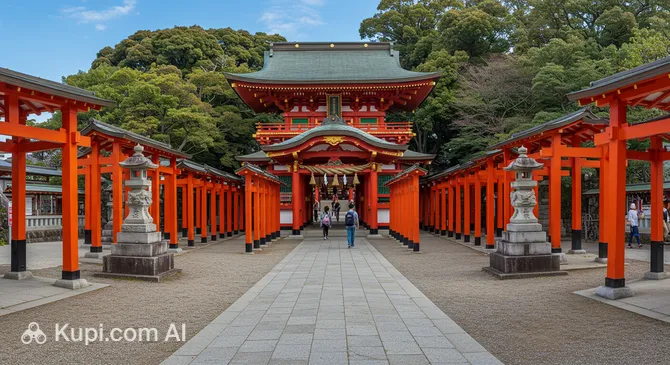
Kasama. Illustration.
Source: Kupi.com AI

One of the main reasons to visit Kasama is its famous Kasama-yaki pottery. The city is renowned for its pottery traditions, and here you can not only purchase unique items but also visit numerous workshops and even try your hand at creating ceramics in masterclasses. Additionally, Kasama is known for its picturesque parks and temples, most notably the majestic Kasama Inari Shrine, one of the three largest Inari shrines in the country. The spring blooming of azaleas in Tsutsuji Koen Park is a sight that draws many visitors.

If you want to immerse yourself in traditional Japanese culture, enjoy natural beauty, and witness fine craftsmanship, Kasama is an excellent choice for your journey. This city offers a unique blend of history, art, and relaxing leisure, leaving unforgettable impressions on every guest.

You can find more interesting facts on the history of Kasama page.

Weather Overview

The weather in the city of Kasama is characterized by noticeable seasonal changes. Summer, especially in July and August, is quite warm, with average temperatures around 25.8°C - 27.0°C and maximum values reaching 28.9°C - 30.1°C. Winter, on the other hand, is cool: in January, the average temperature is about 4.2°C, and minimum temperatures can drop close to zero. Precipitation throughout the year is moderate, with the highest number of rainy days in the summer months (June-September), although the total rainfall remains low, ranging from 1 mm to 6 mm per month. Expect a warm summer with occasional rain and cool, relatively dry winters. For a more detailed forecast and monthly weather information, you can visit the Kasama Climate page.

Average monthly temperature

Average monthly precipitation

Interesting Facts

Beyond its well-known attractions, the city of Kasama holds many surprising details and stories. Here are just a few interesting facts that will help you look at this corner of Japan from a new perspective:

  • Kasama is one of the leading centers of ceramics in Japan. Here, they craft not only the refined "Kasama-yaki" tableware known throughout the country but also create giant vases that are among the largest in the world. The city regularly hosts masterclasses and festivals dedicated to the art of pottery.

  • Kasama is home to one of the three major Shinto Inari shrines in Japan — Kasama Inari-jinja. This site attracts thousands of pilgrims annually, especially during traditional holidays and festivals.

  • The city's name translates to "straw hat," and locals often call it the "Little Kyoto" due to its abundance of temples, gardens, and an old-world atmosphere reminiscent of the former capital.

  • Kasama hosts two major annual events: an azalea festival in May, when the city is submerged in the blooms of over 35,000 bushes, and a fire festival dedicated to pottery craftsmanship and the element of fire, which is an integral part of ceramic production.

  • In the vicinity of the city, a unique stone called Inada Shiro Mikage is quarried; it is highly valued and used in the construction and decoration of temples across Japan.

How to Get There

You can reach the city of Kasama, nestled in Ibaraki Prefecture, in several ways. For most tourists, especially those arriving from afar, the most convenient option is a flight to one of the nearest airports followed by a ground transfer.

Although Kasama itself does not have its own airport, the region's air gateways provide easy access to the city. The closest to Kasama is Ibaraki Airport (IBR), located in the city of the same name, about 20.8 km away. This is a small but convenient regional airport, and the journey from there to Kasama by taxi or bus takes about 50-60 minutes. For a wider selection of international flights, consider Tokyo's main airports. Narita International Airport (NRT), one of the largest international hubs in Japan, is located in Tokyo, about 64.8 km from Kasama. The trip from here to Kasama takes approximately 2 hours. Another major capital option is Haneda Airport (HND), also in Tokyo, roughly 99.9 km from Kasama. A transfer from this large international airport can take approximately 2.5-3 hours.

For your convenience, here is summary information on the main airports used to reach Kasama:

AirportPassenger trafficDistance
Ibaraki Airport776 06321 km
Narita International Airport40.8 mln65 km
Fukushima Airport250 00099 km
Haneda Airport85.7 mln100 km
Sendai Airport3.5 mln206 km

In addition to flights, Kasama can be reached by train and bus from other cities in Japan. The country is famous for its excellently developed railway network. We recommend checking current schedules and routes for trains heading to Kasama or nearby stations on official transport operator websites or directly at train stations. Bus services are also a convenient way to travel around the region.

Main Attractions

Kasama, a charming city in Japan's Ibaraki Prefecture, attracts travelers with its rich culture, particularly in the realm of ceramic art and ancient traditions. Here, everyone will find something to enjoy: from majestic temples to unique museums and picturesque parks.

One of the city's main symbols is the Kasama Inari Shrine (笠間稲荷神社). It is one of the three largest Inari shrines in Japan, attracting many pilgrims and tourists, especially during New Year celebrations. The shrine is dedicated to the deity Ukanomitama-no-kami, the patron of agriculture, industry, and trade. The shrine is particularly famous for its magnificent wisterias blooming in spring and the annual chrysanthemum festival in autumn, when the entire grounds are decorated with elaborate floral arrangements. The vibrant architecture and spiritual atmosphere make it a must-visit.

Kasama Geijutsu-no-Mori Park (笠間芸術の森公園) and the Ibaraki Ceramic Art Museum (茨城県陶芸美術館) are other iconic locations. Kasama is known as a center for Kasama-yaki pottery production, and this vast park is a vivid reflection of that tradition. Located within its grounds, the Ibaraki Ceramic Art Museum features an extensive collection of ceramic works—from traditional Kasama ware to modern pieces by Japanese and international masters. The park itself offers scenic walking trails, open-air sculptures, and event spaces, making it a wonderful place for cultural relaxation in nature.

Shunpubanriso (春風萬里荘) is a historic manor that was once the home and workshop of the prominent Japanese artist and ceramicist Kitaoji Rosanjin. Today, Shunpubanriso functions as a museum where visitors can see the master's living and working quarters and learn about his creativity and lifestyle. The traditional Japanese architecture, everyday objects, and art, as well as the peaceful garden surrounding the house, create a unique atmosphere and allow for a deeper understanding of Japanese aesthetics.

Local Cuisine

The gastronomic scene of Kasama is a true discovery for foodies, where tradition harmoniously blends with seasonal gifts of nature. The city is famous for its chestnuts, which are masterfully turned into both exquisite desserts and savory main dishes. Another local specialty is edible chrysanthemums, the petals of which are used to prepare unusual and memorable treats. Kasama's cuisine emphasizes freshness and local products, which can be tasted in every dish.

While in Kasama, be sure to try the fresh udon noodles, often served with a rich meat broth—a classic that never disappoints. You should also pay attention to seafood dishes and various local vegetables grown in the fertile lands of Ibaraki Prefecture. A special charm is added to the meal by serving dishes in the famous local Kasama-yaki pottery, turning every lunch or dinner into an aesthetic pleasure.

Sweet tooths will delight in Kasama's desserts based on the aforementioned chestnuts, seasonal fruits, and traditional Japanese sweets prepared according to old recipes. These treats perfectly complement a cup of fragrant green tea. Among drinks, besides various types of tea, sake is popular, especially its hot version, which warms you perfectly on cool winter evenings.

The food culture in Kasama is diverse. You can enjoy homemade Japanese cuisine in cozy family cafes where recipes are passed down through generations, or visit modern restaurants offering an innovative take on traditional dishes. Be sure to check out local markets, where you can not only buy the freshest produce and craft cheeses but also soak up the authentic atmosphere. The city is also known for its gastronomic festivals: in spring, oysters and shellfish are celebrated here, and in winter, crabs and hot sake, offering a unique culinary experience.

Travel Tips

Welcome to Kasama, a charming city known for its ceramic art and peaceful nature! To make your trip to this corner of Japan as comfortable and pleasant as possible, we have prepared some practical tips. They will help you navigate the area better and immerse yourself deeper in the local atmosphere.

  1. Clothing and essentials:

    Kasama, like the rest of Japan, has four distinct seasons. In summer (June-August), it is hot and humid, so choose light, breathable clothing. Spring (March-May) and autumn (September-November) delight with comfortable temperatures—layered outfits are ideal. In winter (December-February), it can be cool, sometimes with snow, so pack warm clothes. Be sure to bring comfortable shoes, as you will be doing a lot of walking while exploring pottery workshops and natural beauty. Don't forget a universal adapter (Japan uses type A and B sockets). When visiting temples like the famous Kasama Inari, show respect by choosing modest clothing that covers shoulders and knees.

  2. Local Transport:

    Getting around Kasama is most convenient via local buses, which connect the main points of the city, including Kasama Railway Station (JR Mito Line). Taxis are also available but can be more expensive. If you plan to explore the surrounding Ibaraki Prefecture, you might consider renting a car (an international driving permit is required), although this isn't always necessary for the city itself. Many interesting sites, especially in the center and the pottery workshop district, can be explored on foot.

  3. Finances: Currency, Cards, and Tipping:

    The local currency is the Japanese Yen (JPY, ¥). While credit and debit cards are increasingly accepted, especially in hotels, large stores, and tourist areas, always carry enough cash with you. Small shops, markets, some restaurants, and temples may only accept cash. It's best to exchange currency at the airport upon arrival or at banks in major cities, as the choice of exchange points in Kasama itself may be limited. ATMs that accept international cards are usually found in post offices (Japan Post Bank) and 7-Eleven stores. Tipping in Japan is not practiced—excellent service is already included in the price.

  4. Health and Safety:

    Kasama, like most cities in Japan, is a very safe place. However, standard precautions never hurt. Pharmacies (look for the "薬" - kusuri sign) are available, but staff may not always speak English, so it's better to have a basic first-aid kit with you. If medical assistance is needed, there are clinics in the city. It is highly recommended to take out travel insurance before your trip.

  5. Communication: Language and Connectivity:

    The official language is Japanese. English is common in tourist information centers and some hotels, but overall, the proficiency level among the local population may be low. Learn a few basic phrases: "Konnichiwa" (Hello), "Arigato" (Thank you), "Sumimasen" (Excuse me/I'm sorry). For staying connected, you can purchase a local SIM card or rent a pocket Wi-Fi router at the airport. Free Wi-Fi is available in some hotels, cafes, and public places. Translation apps and navigation tools like Google Maps can be very helpful.

  6. Local Etiquette and Socializing:

    Japanese people are very polite and value respect. When greeting someone, a slight bow is appropriate. In public places, especially on transport, try to speak quietly and not disturb others. Remove your shoes before entering Japanese homes, some temples, traditional restaurants, and ryokans (Japanese-style inns). Be patient and polite in your interactions, and the locals will respond in kind.

  7. What to Avoid:

    First, never stick your chopsticks vertically into your rice—this is associated with funeral rituals and is considered very rude. Second, try not to eat or drink while walking on the street unless it's in a designated area (like a street festival). Also, avoid loud phone conversations on public transport.

  8. A Special Tip for Kasama:

    Kasama is the heart of "Kasama-yaki" pottery. If your trip coincides with the spring "Himatsuri" pottery festival (usually held during Golden Week in late April - early May) or the autumn "To-no-Hi Matsuri" (Clay Lantern Festival), you will have an unforgettable experience. Many studios also offer masterclasses where you can try your hand as a potter—this is a unique experience and a wonderful souvenir of your trip.

We hope these tips help you plan an unforgettable trip to Kasama and enjoy every moment in this amazing city of art and tradition. Have a great trip!

Entertainment & Nightlife

Kasama, famous for its pottery traditions, offers an evening atmosphere perfect for relaxation, distinct from the hustle and bustle of big cities—quieter, yet no less engaging. Nightlife here revolves around cozy local establishments where you can dive deeper into the Japanese flavor.

Evening entertainment in Kasama is mainly concentrated on the central streets and near the railway station. Instead of loud nightclubs, you are more likely to find traditional Japanese pubs—izakaya. These establishments serve a variety of snacks, sake, shochu, and local beer. You can also find small, stylish bars and karaoke parlors, which are popular for socializing in groups. These are great places to unwind after a day spent exploring the city.

The atmosphere in most of Kasama’s evening venues is very welcoming and informal. The crowd is predominantly local, which adds authenticity to your experience. A specific dress code is usually not required; neat casual clothing is sufficient. Most izakayas and bars open around 5:00 PM–6:00 PM and stay open until midnight, though they may close later on Fridays and Saturdays. Prices are generally moderate, but can vary. For popular spots, especially on weekends, it's better to arrive early or check for reservation options.

While Kasama is not known for large nightclubs that could be listed in travel guides with permanent links, the city offers excellent opportunities for an authentic Japanese evening out. Currently, we do not have data for specific bars or nightclubs in Kasama with corresponding "LandingKeys" for direct links, as is common for larger tourist hubs. The city's nightlife is more focused on small, authentic venues that are best discovered on the spot. To find a suitable place, take a walk along the main streets, especially near the train station. Look for traditional izakaya, often marked by paper lanterns (chochin) at the entrance—a sure sign of a place where you can enjoy local cuisine and drinks. Chatting with locals or your hotel staff can also provide interesting suggestions for the evening.

For getting around Kasama at night, a taxi is the most convenient option, as public transport schedules may be limited. You can order a taxi through your hotel reception or ask the staff at the venue where you are spending your evening. Kasama is considered a very safe city; however, standard precautions, as in any other place, are always wise, especially during late-night walks.

During the day, Kasama offers a rich cultural program. The city is famous for its Kasama-yaki ceramics, so visiting pottery workshops or specialized galleries is a great experience. You can visit the Kasama Nichido Museum of Art or stroll through the Kasama Geijutsu-no-Mori Park, where art blends harmoniously with nature.

Parks & Museums

Kasama, nestled in Ibaraki Prefecture, invites travelers to enjoy a harmonious blend of scenic green zones and rich cultural heritage, with its famous pottery art taking center stage.

One of the primary locations for outdoor relaxation and exploring art is Kasama Geijutsu-no-Mori Park (Forest of Art). This vast space features open-air sculptures set among greenery and well-maintained paths. The park is ideal for leisurely strolls, picnics, and inspiration, as this is where you can truly feel the city's creative spirit. Various art festivals and events are also frequently held here.

History and nature lovers should visit Sashiro-sanroku Nature Park, spread at the foot of Mount Sashiro. Here, you can explore the ruins of Kasama Castle, once an important defensive structure, and enjoy beautiful views, especially in spring when the azaleas bloom. The park offers several hiking trails of varying difficulty, allowing for a closer look at the local flora.

Speaking of Kasama's culture, it's impossible to overlook the Ibaraki Ceramic Art Museum, often located within the grounds of Geijutsu-no-Mori Park or in its immediate vicinity. This museum is a true treasure trove for pottery enthusiasts. The exhibition details the history of the famous Kasama-yaki ceramics, showcasing both traditional pieces and works by contemporary masters. Visiting the museum provides a deep understanding of this vital aspect of local heritage.

Another gem is the Kasama Nichido Museum of Art. It presents an impressive collection of artwork, with an emphasis on Western-style Japanese painting (yoga) as well as works by French artists. The museum consists of several pavilions, including a sculpture garden, and offers visitors the chance to immerse themselves in the world of fine arts in a serene setting.

To experience the spiritual and historical side of the city, be sure to visit the Kasama Inari Shrine. This is one of the three largest Inari shrines in Japan, attracting many pilgrims and tourists with its majestic architecture, bright torii gates, and peaceful atmosphere. Near the temple, you can often find souvenir stalls and shops with local delicacies. Also, as mentioned earlier, the ruins of Kasama Castle in Sashiro-sanroku Park are an important historical monument, a reminder of the region's feudal past.

To truly feel the spirit of Kasama, stop by one of the many small pottery workshops, where you can not only buy unique items but sometimes even try your hand at creating ceramics under the guidance of an experienced master. And after a busy day of walking and discoveries, enjoy local cuisine at one of the city's cozy restaurants—it will be the perfect conclusion to your introduction to Kasama.

Getting Around

Getting around the city of Kasama is quite convenient thanks to several types of public transport. The core of the transport system consists of local trains and buses that connect various districts of the city and its surroundings.

To pay for travel on trains and buses in Kasama, as in many cities in Japan, you can often use rechargeable smart cards (IC cards) such as Suica or Pasmo, if they are accepted by local operators, or similar regional cards. This is the most convenient method as it eliminates the need to buy a ticket every time. Cash payment is also possible. In buses, a ticket with a stop number is usually taken upon entry, and payment is made upon exit according to a fare table. Train tickets can be purchased at station vending machines or ticket offices.

Tourists are recommended to purchase train tickets at stations before boarding. For buses, payment is usually made directly to the driver upon exiting or entering, depending on the system. It is important to carry small change for cash payments. Public transport in Kasama usually operates from early morning until late evening, but the frequency may decrease in the evening hours and on weekends. It is recommended to check the schedule in advance, especially if trips to remote areas are planned.

As an alternative to public transport, taxis are always available in Kasama. They can be found at stands near railway stations or called by phone. This is a more expensive but comfortable way to travel. For those planning to explore the Ibaraki Prefecture surroundings, renting a car may be convenient. Bicycle rentals may also be available in some tourist spots of the city, which is an excellent way for a leisurely exploration of local attractions.

Accommodation

When planning a trip to Kasama, you will find a variety of accommodation options to suit different preferences and budgets. The city offers both traditional Japanese inns and more standard hotels. The choice is wide: from cozy ryokans (traditional Japanese inns) where you can deeply immerse yourself in local culture and enjoy authentic hospitality, to minshuku (family-run guest houses) and small modern hotels. There are options for budget travelers as well as those looking for enhanced comfort.

Currently, our database does not have specific examples of hotels in Kasama with the option for direct booking through our system. However, the city offers many charming local inns and ryokans with quality service. While Kasama may not abound with large international hotel chains, this is compensated for by the uniqueness and hospitality of local establishments.

When choosing a place to stay, consider areas located near key attractions, such as the famous Kasama Inari shrine or the Kasama-no-Mori Art Park. Staying near Kasama railway station can also be convenient, facilitating travel around the city and its surroundings.

It is strongly recommended to book accommodation in advance, especially if your trip falls during the peak tourist season or coincides with popular local events. Such events include, for example, the annual Himatsuri pottery festival, which attracts many visitors. Early booking not only guarantees availability but often allows you to secure better prices.

The price range for accommodation in Kasama varies: you can find budget options, mid-range hotel rooms, or more expensive offerings in traditional ryokans, which often include meals. The most common booking methods are using popular online platforms and hotel aggregators, where you can compare prices, read reviews, and choose a suitable option. Information about accommodation can also be obtained from local tourist information centers upon arrival, although the selection in this case may be more limited.

Nearby Cities

For those who wish to explore the surroundings, Kasama serves as an excellent starting point for day trips to several interesting nearby locations:

The city of Mito, the capital of Ibaraki Prefecture, is primarily famous for its magnificent Kairaku-en Garden. This garden is considered one of Japan's three most beautiful landscape gardens and is particularly enchanting during the plum blossom season. In addition to the garden, you can visit the Mito Castle ruins and other historical sites in Mito, immersing yourself in the region's rich history.

Hitachinaka is a true paradise for nature lovers and photography enthusiasts. The city's crown jewel is the Hitachi Seaside Park, known for its incredible floral carpets that change with the seasons. In spring, millions of nemophilas bloom here, creating sky-blue fields, while in autumn, the hills are covered with bright red kochia bushes.

A trip to Ibaraki (city) will allow you to get acquainted with the charm of the prefecture of the same name. Although the city itself may not be as well-known as its neighbors, it offers a peaceful atmosphere and a chance to see everyday life in the Japanese countryside, as well as serving as a convenient point for further exploration of the northern part of the prefecture.

The city of Tsuchiura is located on the shores of Lake Kasumigaura, the second-largest lake in Japan. This makes it attractive for lovers of boat trips, fishing, and simply relaxing by the water. Tsuchiura is also famous for one of the country's most spectacular and large-scale fireworks festivals, which draws a massive audience.

Chikusei offers guests the opportunity to enjoy picturesque rural landscapes and learn about traditional crafts. Located near Mount Tsukuba, this area is known for its agricultural products and a calm, peaceful atmosphere, ideal for those seeking a break from the city bustle.

CityPopulationDistance
Ibaraki283 83513 km
Omitama48 55513 km
Mito270 44515 km
Shirosato17 91616 km
Ishioka71 85117 km

These nearby destinations provide an overview of the region's diverse culture and landscapes, complementing the experience of visiting Kasama.

Shopping & Souvenirs

Shopping in Kasama is, first and foremost, an immersion into the world of traditional Japanese craft. The city is famous throughout Japan for its unique ceramics, known as "Kasama-yaki." Therefore, most shops and galleries here specialize in these products. You will find a wide selection of tableware, vases, decorative items, and other ceramic pieces created by local masters.

The main shopping areas for finding authentic Kasama-yaki are the streets lined with numerous ceramic studios, workshops, and galleries. A stroll through neighborhoods such as those around the Kasama Geijutsu no Mori Park (Art Forest) or the historic center will allow you not only to purchase unique items but also to observe the process of their creation. Here, you will find both works by famous masters and pieces by emerging ceramicists.

Large modern shopping centers in the conventional sense are not a characteristic feature of Kasama. The city is more focused on small specialized shops and craft stalls. Instead of malls, tourists usually visit individual shops at pottery workshops or small shopping arcades featuring goods from local producers.

While specialized food or flea markets may not be as widely represented as in major megalopolises, Kasama periodically hosts fairs and festivals dedicated to ceramics, where you can find unique items and chat with the artisans. You can also come across small local markets offering fresh produce and seasonal delicacies from the Ibaraki region.

The primary souvenir from Kasama is, without a doubt, Kasama-yaki pottery. This could be tea cups, plates, sake sets, vases, or even small figurines. In addition to ceramics, you can look for other local craft products or traditional Japanese sweets characteristic of Ibaraki Prefecture.

Most shops and galleries in Kasama operate from approximately 10:00 AM to 5:00 PM or 6:00 PM; some may be closed on a specific day of the week (often Wednesday or Thursday, but it's best to check locally). Many shops, especially those catering to tourists, accept credit cards. However, having some cash on hand is always useful, especially when making purchases at small workshops or fairs.

For foreign tourists in Japan, a tax refund system (Tax Free) applies to purchases over a certain amount in participating stores. Look for the corresponding "Tax Free Shopping" sign and don't forget to present your passport when paying. This will allow you to save on souvenirs and other goods.

Reached the end of the page?

That means the route is fully explored