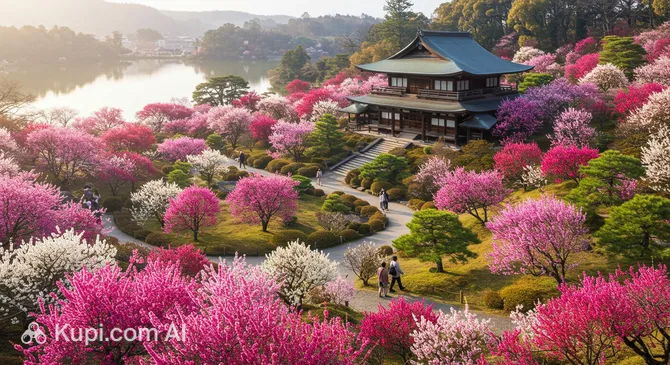
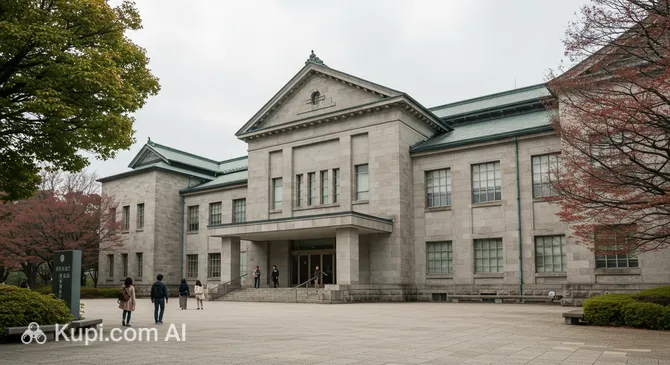
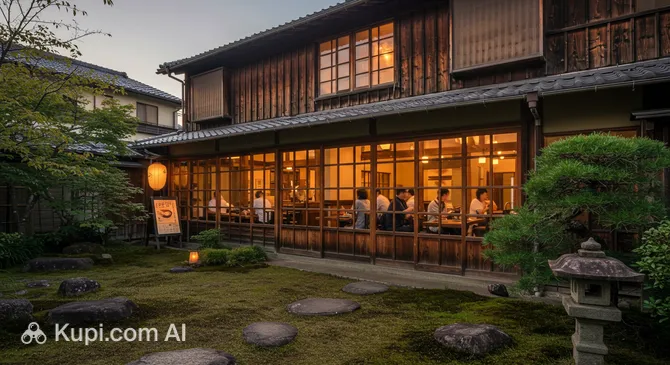
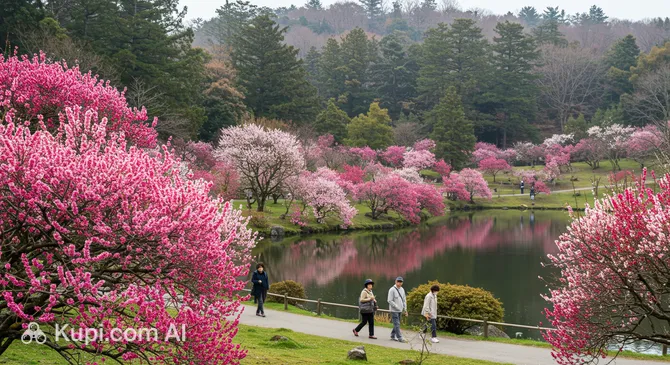
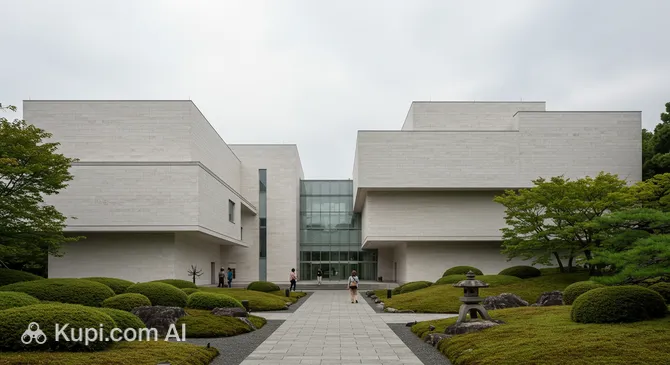
Mito is a surprisingly cozy and green city located in the heart of Ibaraki Prefecture, on the east of Honshu island in Japan. Surrounded by picturesque hills, parks, and rivers, it is also very close to the Pacific coast. Thanks to its strategic position, Mito has historically played an important role as the region's administrative and cultural center. Today, it is home to about 270,000 people, creating a pleasant balance between lively urban life and the peaceful atmosphere of the Japanese countryside.
Mito. Illustration.
Source: Kupi.com AI
Mito is famous not only for its rich historical heritage but also for its harmonious combination of centuries-old traditions and modern dynamics. As the administrative capital of the prefecture, the city is home to government offices, universities, museums, and theaters. However, despite its status, Mito has retained a unique soulfulness: in the evenings, its streets are filled with residents strolling leisurely, and during the plum blossom season, the city attracts thousands of tourists from all over the country.
One of the main gems of Mito, and a reason in itself to visit, is Kairaku-en — one of Japan's three most famous landscape gardens. But the city is capable of surprising you beyond this magnificent park as well. The spirit of the samurai era still lingers here, a close connection with nature is felt, and at local markets, you can taste unique dishes that you won't find anywhere else. Mito is the perfect place for those seeking not just sights, but authentic Japanese hospitality and unforgettable experiences.
You can find more interesting facts on the Mito's history page.
Weather Overview
The weather in Mito is characterized by distinct seasonality. In summer, especially in July and August, the average temperature stays around 25.7–26.9°C, and the maximum can reach about 28–30°C; this is also a period with fairly frequent rain, with July having the highest number of rainy days. Winter, spanning from December to February, brings coolness with average temperatures around 4.4–6.5°C and is the driest time of year with minimal precipitation. Overall, expect a warm summer with periodic rain and cool, drier winters. For more detailed information on weather conditions and monthly forecasts, visit the Mito's climate page.
Average monthly temperature
Average monthly precipitation
Interesting Facts
Beyond its famous gardens and historical heritage, Mito hides many surprising details that not all tourists are aware of. This city, which played an important role in the history of Japan, boasts not only beautiful landscapes but also unique characteristics.
Kairakuen. Illustration.
Source: Kupi.com AI
Traveler photos:
One of Japan's three great gardens, Kairakuen, was not created solely for the nobility. Its founder, Tokugawa Nariaki, made it accessible to the general public in 1841, which was an extremely rare occurrence for that time. The garden's name translates as "a garden for mutual pleasure," emphasizing the idea of sharing the beauty of nature with all layers of society.
Mito is the birthplace of the powerful Mito-Tokugawa clan, one of the three main branches (Gosanke) of the Tokugawa shogunate. Members of this clan had significant influence on the political and intellectual life of the country during the Edo period. Their famous school, Kodokan, was located here and became a center for education and philosophical thought.
Mito is home to the unique Mito Plum Museum, which is dedicated not only to the fruit itself but to the entire culture surrounding its cultivation and significance in Japanese aesthetics. This highlights the city's deep connection with the plum tree, whose blooming is celebrated annually with the famous Ume Matsuri festival at Kairakuen.
The city is unofficially called the "City of Water" due to its abundance of water spaces, including the Naka River, Lake Senba, and numerous canals. These waterways not only create picturesque landscapes but have also historically played an important role in the development of Mito.
How to Get There
Reaching the city of Mito, located in Ibaraki Prefecture, can be done in several ways, with air travel being one of the most common options for international and long-distance travel across Japan. The closest airport to Mito is Ibaraki Airport (IBR), located only about 21 km away. This is a regional airport, and a trip from there to the center of Mito by taxi or bus takes about 50–60 minutes. If your route allows for a flight here, it will be the fastest way to reach the city.
For most international flights, the main points of arrival are Tokyo's major airports. Narita International Airport (NRT) is located approximately 67 km from Mito. As one of the country's main international hubs, it offers many flights. The journey from Narita to Mito by train or bus takes roughly 2–2.5 hours. Another significant metropolitan airport is Haneda Airport (HND), situated about 110 km from Mito. Traveling from here to Mito will require approximately 3–3.5 hours. Both Tokyo airports are well-connected to the transport network, making it easy to reach Mito.
From any of the mentioned airports, you can reach Mito via trains, express buses, or taxis. It is recommended to check schedules and routes in advance, especially if you plan to use public transport. The railway system in Japan is very well-developed and is often a convenient way to travel between cities after arriving at the airport.
For convenience, here is a summary of the airports that can be used for a trip to Mito:
Mito, the capital of Ibaraki Prefecture, offers its guests a rich blend of history, culture, and natural beauty. The city is known for its historical landmarks associated with the powerful Tokugawa clan, as well as modern cultural sites. Here are a few key places to visit in Mito.
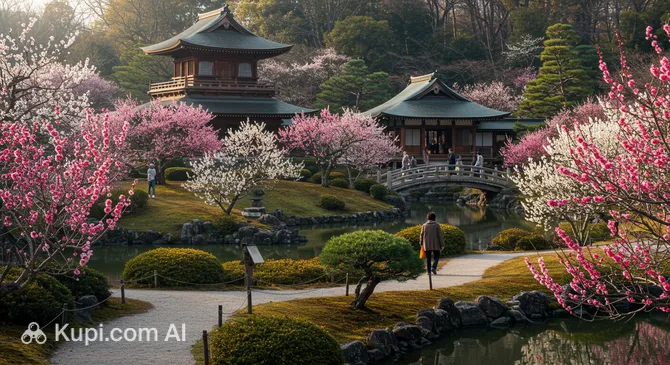
One of the city's main jewels is Kairakuen, which is one of Japan's three most famous landscape gardens. Founded in 1842 by Tokugawa Nariaki, this garden was intended not only for the feudal lord's enjoyment but also for public recreation — hence its name, meaning "a garden for mutual pleasure." Kairakuen is especially beautiful in late February and early March when more than three thousand plum trees of a hundred different varieties bloom. Besides the plum grove, the garden features a bamboo forest, cedar groves, and the traditional Japanese Kobuntei pavilion.
Kairakuen. Illustration.
Source: Kupi.com AI
Traveler photos:
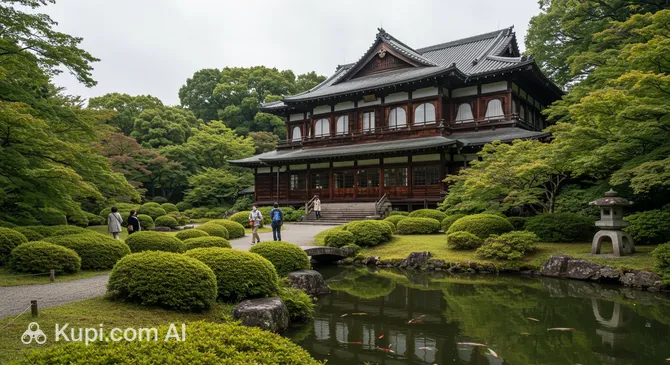
Near Kairakuen is the Kodokan — the largest school of the Edo period, founded by the same Tokugawa Nariaki in 1841. This was an educational institution for the Mito clan's samurai and their children, where they were taught not only martial arts but also literature, history, astronomy, and medicine. Visitors can tour the surviving buildings, including the main hall, and imagine the atmosphere of samurai education.
Kodokan. Illustration.
Source: Kupi.com AI
Traveler photos:
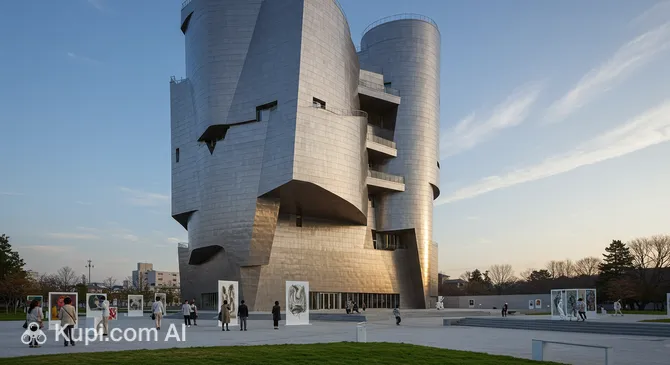
For lovers of modern art and architecture, a visit to the Art Tower Mito is a must. This cultural complex, opened in 1990 to commemorate the city's centenary, includes a concert hall, a theater, and a contemporary art gallery. Its most recognizable feature is the 100-meter tower made of titanium tetrahedrons, symbolizing Mito's spiral development into the past, present, and future. The tower offers a panoramic view of the city.
Art Tower Mito. Illustration.
Source: Kupi.com AI
Traveler photos:
To dive deeper into the region's history, visit the Ibaraki Prefectural History Museum. Located on the former second compound of Mito Castle, the museum offers an extensive exhibition covering the history of Ibaraki Prefecture from prehistoric times to the present. Of particular interest are the reconstructed peasant houses and samurai residences of the Edo period, as well as a collection of items related to the Tokugawa clan.
Ibaraki Prefectural Museum of History. Illustration.
Source: Kupi.com AI
Traveler photos:
Another popular spot for walks and relaxation is Senba Park, situated around the lake of the same name. Here, you can go boating, watch swans and other birds, or simply enjoy nature in the city center. The park also houses the Senba Park Children's Forest, which will be of interest to those traveling with children.
Local Cuisine
Mito's gastronomy is a fascinating journey into the world of unique flavors from Ibaraki Prefecture. The local cuisine is famous for using the freshest seasonal ingredients and respecting traditional recipes, offering tourists a truly authentic experience.
The star of Mito's gastronomy is undoubtedly natto — fermented soybeans. This product, with its characteristic taste and aroma, is considered the city's signature food. Local residents take great pride in their natto, claiming that nowhere else in Japan is it prepared so skillfully. Traditionally, natto is served with rice and finely chopped green onions. For many, this dish becomes a real discovery and a symbol of Mito's culinary heritage.
Another point of pride for the region is plum dishes. Thanks to the fertile lands of Ibaraki, the plums here are particularly juicy and fragrant. They are used to make all sorts of delicacies: from jams, sweets, and refreshing drinks to savory pickled snacks and aromatic plum liqueurs. During the season, local markets abound with fresh plums and plum-based products. You should also try dishes made from the variety of fresh vegetables and fruits grown in the surrounding areas.
Besides natto and plum delicacies, Mito's cuisine will delight you with other interesting dishes. At street markets and cozy eateries, you can find grilled fish from local rivers, delicious vegetable tempura, or onigiri rice balls with various fillings, including local specialties like plum or natto. Locals and tourists can enjoy these dishes in a variety of establishments, ranging from traditional restaurants like Amerikaya to small family cafes and bustling markets where you can feel the city's authentic atmosphere.
Amerikaya. Illustration.
Source: Kupi.com AI
Traveler photos:
As for drinks, in addition to the already mentioned plum liqueurs, green tea is popular in Mito, as it is throughout Japan. It is also worth trying the local varieties of sake, which perfectly complement a meal. The city's gastronomic life comes alive during festivals. The plum festival is particularly noteworthy, often held on the grounds of the famous Kairakuen garden, where you can not only taste seasonal treats but also learn more about local culinary traditions.
Mito's cuisine offers tourists a unique opportunity to get acquainted with the original flavors of Japan, try dishes that are hard to find elsewhere, and feel the region's deep connection with its natural gifts. It is an experience that every gourmet will remember for a long time.
Travel Tips
Welcome to Mito! To ensure your journey to this charming city in Ibaraki Prefecture goes smoothly and leaves you with only pleasant impressions, we have prepared some practical tips. We hope they help you better plan your trip and feel more confident during your stay.
Wardrobe and Useful Items:
Mito has a temperate climate with distinct seasons. In summer (June–August), it can be hot and humid, so choose light, breathable clothing. Winters (December–February) are cool but rarely freezing — a warm jacket, sweater, and hat will come in handy. Spring and autumn are the most comfortable times, perfect for layered outfits. Be sure to bring comfortable walking shoes, as you will be doing a lot of walking. Don't forget a universal adapter (in Japan, type A and B sockets are used, with a voltage of 100V). When visiting temples and shrines, choose modest clothing that covers your shoulders and knees out of respect for local traditions.
Getting Around Mito:
The city's main transport hub is Mito Station, served by JR East lines. It is convenient to move around the city using local buses. There is no metro in Mito. Taxis are available but can be expensive; taxi-hailing apps like JapanTaxi may be useful. Car rental is possible (an international driving permit is required), but public transport is efficient enough for most tourist needs, and parking can be challenging.
Money in Japan:
The local currency is the Japanese yen (JPY, ¥). You can exchange currency at the airport upon arrival, in banks, or at specialized exchange offices. Credit and debit cards (Visa, Mastercard) are accepted in many hotels, large shops, and restaurants; however, it is always useful to carry some cash, especially for smaller establishments, markets, or temples. ATMs that accept international cards can be found in Japan Post Bank branches and at 7-Eleven stores (Seven Bank ATMs). Tipping in Japan is not practiced — good service is considered the standard.
Health and Safety:
Mito, like Japan in general, is a very safe city. Follow usual precautions, especially in crowded places. Pharmacies (look for the sign "薬" - kusuri) are available, but staff may not always speak English. Some large drugstores offer a wide range of products. In emergencies, call 119 (ambulance/fire service). It is highly recommended to take out travel medical insurance before your trip.
Language and Connectivity:
The official language is Japanese. English is common in tourist information centers and major hotels, but overall proficiency among the general population may be low. Learn a few basic phrases: "Konnichiwa" (Hello), "Arigato" (Thank you), "Sumimasen" (Excuse me/I'm sorry). For navigation and communication, consider renting a pocket Wi-Fi router or buying a local SIM card. Free Wi-Fi is available in some public places and cafes.
Local Etiquette and Traditions:
Japanese people are very polite. A greeting is usually accompanied by a bow; for foreigners, a slight nod is often sufficient. In public places, especially on transport, try to be quiet and avoid talking loudly on the phone. It is customary to remove your shoes when entering homes, some temples, and traditional restaurants (leave them on a special shelf or turn them with the toes facing the exit). Avoid eating or drinking while walking down the street.
What to Avoid and What Mito is Famous For:
Avoid sticking your chopsticks vertically into your rice — this is associated with funeral rituals. Also, avoid loud nose-blowing in public. Mito is famous for one of the three great gardens of Japan — Kairakuen, which is especially beautiful during the plum blossom season (February–March). The city is also known for its natto (fermented soybeans) — if you enjoy trying new things, be sure to taste this local delicacy!
We hope these tips help you enjoy every minute of your stay in Mito. We wish you an unforgettable journey and bright discoveries in this corner of Japan!
Entertainment & Nightlife
Mito, while known for its historical landmarks, offers guests a variety of leisure and entertainment options as evening falls. Although the city is not famous for the bustling nightlife of large metropolises, you can find cozy places to enjoy your time after a busy day. The main concentration of evening venues is usually found in the areas adjacent to Mito Station and on the central streets.
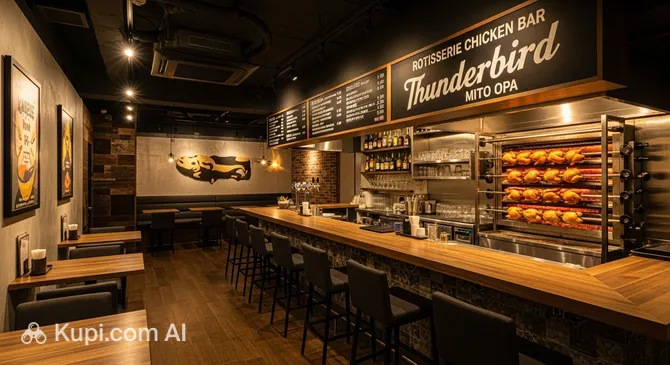
For those looking to relax with a drink, Mito offers several interesting bars. For example, you can stop by the Thunderbird Rotisserie Chicken Bar & Grill, Mito OPA, known for its friendly atmosphere and good selection of food and drinks. Another option is the Ram Indian Restaurant, where you can not only have a delicious dinner but also enjoy themed cocktails. Although there aren't many nightclubs in the European sense, some venues offer music and dancing on weekends. Restaurants such as the Mito Plaza Hotel or Amerikaya can also be excellent choices for an evening meal in a pleasant setting.
Rotisserie Chicken Bar Thunderbird, Mito OPA. Illustration.
Source: Kupi.com AI
Traveler photos:
The atmosphere in Mito's nightlife spots is predominantly calm and conducive to conversation. The crowd is mostly local, but tourists will also feel comfortable. Most bars and restaurants are open until late evening, usually until 11:00 PM or midnight, especially on weekdays. There is generally no specific dress code, but a neat casual style will be appropriate everywhere. Prices for food and drinks vary but generally remain at an average level for Japan.
When planning your evening leisure, it is best to head to the central areas after 7:00–8:00 PM. For getting around the city at night, it is most convenient to use taxis, which can be found at the station or called through special apps. The central part of Mito is considered safe enough for walking after dark, though it is always wise to follow standard safety precautions, especially if you are traveling alone.
During the day, Mito offers a rich cultural program. Be sure to visit the famous Kairakuen garden, one of the three great gardens of Japan, which is especially beautiful during the plum blossom season. You can immerse yourself in the region's history and culture at the Ibaraki Prefectural History Museum or the Museum of Modern Art, Ibaraki. The Art Tower Mito with its observation deck is also of great interest.
Kairakuen. Illustration.
Source: Kupi.com AI
Traveler photos:
Parks & Museums
Mito offers its guests a harmonious blend of lush green spaces for relaxation and a rich cultural heritage reflected in its numerous parks, gardens, museums, and historical monuments. It is a city where you can enjoy natural beauty while immersing yourself in Japan's fascinating history.
One of the city's main gems is undoubtedly Kairakuen. This garden is one of Japan's three most famous landscape gardens and is especially beautiful during the blooming of over 3,000 plum trees of various varieties, which usually occurs from late February to early March. Walking along its well-kept paths, visiting the traditional Kobuntei villa with its garden views, and stopping by the nearby Tokiwa Shrine will leave an unforgettable impression. Kairakuen is a place where you can spend hours enjoying the harmony of nature and traditional Japanese aesthetics.
Kairakuen. Illustration.
Source: Kupi.com AI
Traveler photos:
Another wonderful place for outdoor recreation is Senba Park, spread around the picturesque Lake Senba. Here you can rent a boat, watch graceful swans and other waterfowl, or simply stroll along its shaded alleys. For families with children, the park features the Senba Park Children's Forest, offering playgrounds and entertainment. It is a popular leisure spot for both tourists and locals alike.
Senba Park. Illustration.
Source: Kupi.com AI
Traveler photos:
To learn about the region's history and culture, it is worth visiting the Ibaraki Prefectural History Museum. Its exhibits tell the detailed story of Ibaraki Prefecture from ancient times to the present day, with a particular focus on the legacy of the powerful Mito Tokugawa clan that ruled these lands. The museum offers a deep dive into the region's past and will interest anyone fascinated by Japanese history.
Ibaraki Prefectural Museum of History. Illustration.
Source: Kupi.com AI
Traveler photos:
Art lovers are recommended to visit the Museum of Modern Art, Ibaraki. Its collection features works by both Japanese and foreign masters from the 20th and 21st centuries. The museum regularly hosts temporary exhibitions, introducing visitors to current trends in the art world.
Ibaraki Museum of Modern Art. Illustration.
Source: Kupi.com AI
Traveler photos:
An iconic cultural center in Mito is the Art Tower Mito. This is a modern complex that includes a concert hall, a theater, and a contemporary art gallery. Its unusual spiral tower has become one of the city's symbols and is visible from afar. A visit to Art Tower Mito is a great opportunity to connect with Japan's modern cultural life.
Art Tower Mito. Illustration.
Source: Kupi.com AI
Traveler photos:
Speaking of historical heritage, one cannot fail to mention the Kodokan — one of the largest and most famous samurai schools in Japan, founded in 1841 by Tokugawa Nariaki. Students here were taught not only martial arts but also literature, history, astronomy, and medicine. The Kodokan Main Hall and other historical buildings have been preserved, allowing visitors to feel the spirit of the Edo period. Reminders of past grandeur also include the Mito Castle Main Gate, which is one of the few surviving fragments of the once-mighty fortress.
Kodokan. Illustration.
Source: Kupi.com AI
Traveler photos:
For those seeking a more secluded and authentic experience, we suggest visiting the Howaen Garden. This small but very picturesque garden is less known to the general public than Kairakuen and offers a peaceful atmosphere for contemplation and relaxation away from the main tourist routes.
Getting Around
Getting around Mito is quite convenient thanks to its well-developed public transportation system. The primary modes of transport for both tourists and locals are buses and trains.
Buses comprise an extensive network covering most areas of the city and its surroundings, including access to popular attractions. Trains, mainly lines operated by JR East, connect Mito with other cities in Ibaraki Prefecture and larger transport hubs. Mito's central station serves as the main transfer point for both modes of transport.
For paying fares, the most convenient option is using rechargeable transport IC cards (such as Suica or Pasmo, which are accepted in many regions of Japan). These cards can be used on both trains and buses by simply tapping them against the reader at the entrance and exit. You can also purchase single-ride tickets. For trains, tickets are bought at station vending machines before boarding. On buses, payment is usually made upon entering or exiting (depending on the specific route's system), and it's advisable to have small change ready, though some buses have change machines. One-day bus passes are sometimes available, which can be cost-effective if you plan to make many trips in one day; information about these is best obtained at the station or tourist information centers.
Tourists are encouraged to purchase an IC card upon arrival at one of the major railway stations, as this significantly simplifies travel. Cards are easily topped up at special machines. It's important to remember that public transport in Mito, as in most Japanese cities, runs strictly on schedule. Operating hours are usually from early morning until late evening, but on some routes, the frequency of service may decrease in the evening or on weekends. Current schedules can always be found at stops, stations, or on the transport companies' websites.
Among alternative ways of getting around Mito, taxis are available. They are comfortable but represent a more expensive option. Taxi stands are usually located at stations and major hotels, and cars can also be called by phone. For those wishing to explore the city and its picturesque surroundings independently, car rental is an option. In some areas, particularly near parks and tourist zones, you can find bicycle rentals, which is an excellent way for leisurely exploration.
Accommodation
In Mito, travelers can find a variety of accommodation options to suit different preferences and budgets. The city offers a wide range of lodging, from budget guesthouses and hostels to comfortable mid-range hotels and more prestigious establishments. Apartments are also available for rent, which can be a convenient option for families or those planning a longer stay.
The most convenient areas for tourists to stay are traditionally those located near the Mito central railway station. This provides easy access to public transport for trips around the city and its surroundings, as well as to major attractions. Hotels and guesthouses near the famous Kairakuen garden are also popular, especially during its renowned plum blossom season, as are those near other key cultural sites like the Kodokan or Art Tower Mito.
Kairakuen. Illustration.
Source: Kupi.com AI
Traveler photos:
While the current list of attractions doesn't include specific "hotel" or "resort_hotel" categories, Mito has a sufficient selection of hotels. To find a suitable option, it's worth checking reviews and the location relative to your plans.
Regarding booking, it is strongly recommended to reserve accommodation in advance, especially if your trip coincides with peak tourist seasons. These periods include the plum blossom season (usually late February to March), when Kairakuen draws many visitors, as well as national holidays and weekends. Booking early will help ensure a better choice and more favorable prices.
The price range for accommodation in Mito varies from budget options to mid-range and high-end offers. You can book a room or an apartment through popular international online travel platforms or directly on hotel websites, where available.
Nearby Cities
For those looking to explore the surrounding area, Mito serves as an excellent starting point for day trips to several interesting nearby locations.
Here are some popular options for short trips from Mito:
Hitachinaka: Just a few kilometers from Mito, this city attracts visitors with the famous Hitachi Seaside Park, where you can enjoy magnificent flower fields that change their appearance depending on the season. It's an ideal place for nature lovers and photography enthusiasts.
Ibaraki: Located nearby, this town offers the chance to experience a quieter side of Japanese life. Here you can visit local shrines, stroll through quiet streets, and feel the atmosphere of traditional Japan.
Hitachi: A bit further north, this city is interesting for both its industrial history and its beautiful coastal areas. Kamine Park, which includes a zoo and amusement rides, is a popular choice for families.
For more detailed planning, below is information about some nearby cities, including their distance from Mito and population size:
These nearby destinations allow you to dive deeper into the diverse culture and enjoy the picturesque landscapes of Ibaraki Prefecture, perfectly complementing the experience of visiting Mito itself.
Shopping & Souvenirs
Mito offers pleasant shopping opportunities for tourists, although it is not a major center for fashion or electronics like Tokyo. The city is famous for its local products, especially those related to plums (thanks to the famous Kairakuen Park) and fermented soybeans known as "natto." Here you can find both modern shopping complexes and small shops selling traditional goods.
The main shopping areas in Mito are concentrated around Mito Station and its surrounding streets. Here you will find department stores, clothing and shoe shops, cosmetics, as well as a variety of cafes and restaurants. A walk through these areas will allow you to explore products from both well-known Japanese brands and local producers.
One of the notable shopping spots in the city is the Mito OPA complex, located near the south exit of Mito Station. It features fashion boutiques, accessories, home goods, and restaurants. This modern space is a place where you can spend several hours shopping and relaxing. Inside, you can also find venues like the Thunderbird Rotisserie Chicken Bar & Grill, Mito OPA, highlighting the complex's multi-functionality.
Rotisserie Chicken Bar Thunderbird, Mito OPA. Illustration.
Source: Kupi.com AI
Traveler photos:
While Mito may not have large traditional markets comparable to some other Japanese cities, you can always find fresh local products and delicacies in the food departments of department stores or in specialized shops. Sometimes the city hosts seasonal fairs or festivals where local farmers and artisans present their products.
As souvenirs from Mito, it is worth bringing back products made from local ume plums: umeboshi (pickled plums), plum wine (umeshu), jams, and sweets. Souvenirs related to natto are also popular — while the product itself is unique, you can find snacks or seasonings based on it. Don't forget traditional Japanese crafts: ceramics, textiles, fans, or chopsticks, which can be found in souvenir shops, including those at attractions like Kairakuen or Kodokan.
Most shops in Mito are open from approximately 10:00–11:00 AM to 8:00–9:00 PM. Large shopping centers may stay open slightly longer. Credit cards from international payment systems are accepted almost everywhere, but cash is still widely used, especially in smaller shops and markets if you encounter them.
For foreign tourists in Japan, a tax refund system (Tax Free) is available. Look for shops with the corresponding "Japan Tax-free Shop" logo. Usually, to process a tax refund, you must make a purchase of a certain amount (most often over 5,000 yen excluding tax) in one shop on the same day and present your passport. Conditions may vary slightly, so check directly in the shop.