Support

Oarai

About

Oarai is a true gem on the Pacific coast, nestled in Ibaraki Prefecture, Japan, just a couple of hours' drive from Tokyo. This charming town, with a population of about 15,700, strikes a perfect harmony between picturesque nature and modern infrastructure. Here you will find bustling fishing ports, long white sandy beaches, and a unique seaside resort atmosphere where time seems to slow down, allowing you to enjoy every moment.
Oarai. Illustration.
Source: Kupi.com AI

The main treasure of Oarai is its endless sandy beaches, among which the famous Oarai Sun Beach particularly stands out. It is one of the largest and most popular beaches in the Kanto region, attracting thousands of vacationers in the summer: surfers, swimmers, beach volleyball enthusiasts, and families. The shallow waters, lack of sharp rocks, and convenient infrastructure make it an ideal place for relaxing with children or friends.

In addition to magnificent beaches, Oarai is famous for its ancient shrines, vibrant cultural festivals, and the authentic atmosphere of traditional Japan, which can be felt especially vividly here. Strolling through the town's streets is a true journey into the world of Japanese traditions, fresh sea air, and the sincere hospitality of the locals. Don't miss the chance to try the freshest seafood for which this coastal region is renowned.

If you are looking for a place to take a break from the hustle and bustle of the city, recharge with the energy of the ocean, and touch the unique Japanese culture, Oarai is an excellent choice. Everyone will find something for themselves here: from active water activities to leisurely strolls through historical sites and enjoying exquisite local cuisine. Come to Oarai to discover another amazing facet of the Land of the Rising Sun!

You can find more interesting facts on the history of Oarai page.
Weather Overview

Oarai is dominated by a temperate climate. Summers here are warm and quite humid, with average temperatures in July and August reaching 25-27°C, and a significant number of rainy days. Winters, by contrast, are cool and relatively dry: the average January temperature is about 4.9°C, and precipitation is minimal. Spring and autumn are transitional seasons with comfortable temperatures and moderate rainfall, with October standing out as the rainiest month.

Expect warm summers with occasional rain and cool, drier winters. To plan your trip in the best possible way, we recommend checking out detailed weather information. Find out more about Oarai's climate.

Average monthly temperature

Average monthly precipitation

Interesting Facts

In addition to the well-known tourist routes, Oarai hides many curious details and unique traditions that can surprise even an experienced traveler. Here are just a few interesting facts about this charming town in Japan:

Kamiiso-no-Torii. Illustration.
Source: Kupi.com AI

Traveler photos:

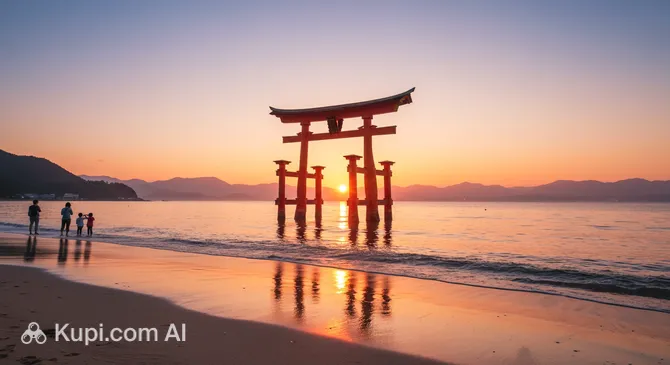
  • Oarai is home to the ancient Oarai Isosaki Shrine, founded back in the 8th century. Its famous Kamiiso-no-Torii gate, standing right in the ocean, is not just photogenic—according to legend, it was here that the gods emerged from the waves to bless these lands.

  • Every year, Oarai comes alive during the Hassaku Festival. This is not just a local holiday, but a large-scale event with colorful processions of mikoshi (portable shrines), folk songs, dances, and the transformation of the shopping street into a pedestrian zone with treats for the whole family.

  • Oarai Sun Beach is more than just a stretch of coast. It periodically transforms into an art space with exhibitions right on the sand, open-air libraries, and even night light installations, demonstrating a unique fusion of traditional recreation and modern creative ideas.

  • The Oarai coast is a real magnet for Japanese surfers thanks to its unique waves suitable for both beginners and experienced athletes. But besides surfing, you can take part in an old local pastime—shellfish gathering (shiohigari), which is popular among both residents and curious tourists.

How to Get There

You can reach Oarai, a cozy town in Ibaraki Prefecture, in several ways; however, the most convenient for international travelers will be a flight to one of the nearest major airports followed by a transfer by land transport.

The closest airport to Oarai is Ibaraki Airport (IATA: IBR), located just 20.5 km away. This is a small regional airport from where you can reach Oarai by taxi or bus in about 50-60 minutes. For a wider selection of international flights, consider Narita International Airport (IATA: NRT) in Tokyo, located about 63 km from Oarai. The trip from there will take about 2 hours by car. Another major transport hub is Haneda Airport (IATA: HND), also in Tokyo, at a distance of about 111 km; the transfer from here can take about 3 hours. Both Tokyo airports offer many options for the onward journey, including trains and buses to stations near Oarai.

For clarity, here is summary information on the main airports through which you can get to Oarai:

AirportPassenger trafficDistance
Ibaraki Airport776 06321 km
Narita International Airport40.8 mln63 km
Fukushima Airport250 000102 km
Haneda Airport85.7 mln111 km
Sendai Airport3.5 mln205 km

In addition to air travel, Oarai is accessible by other modes of transport. The town is well-connected by roads, allowing you to get here by rental car or use intercity bus services, especially if you are traveling from Tokyo or other major cities in the Kanto region. It is also worth considering a train trip to the nearest major railway station, for example, in the city of Mito, from where local buses and taxis regularly run to Oarai, providing a convenient connection to your final destination.

Main Attractions

Oarai, a charming coastal town in Ibaraki Prefecture, offers visitors a variety of attractions, from breathtaking natural views to fascinating cultural sites. Everyone will find something interesting here while planning an unforgettable trip to Japan.

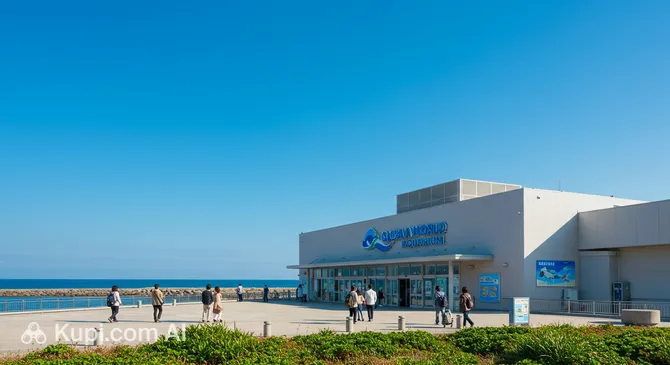
One of the city's main jewels is the Aqua World Ibaraki Aquarium. It is one of the largest aquariums in Japan, known for its impressive collection of sharks—over 50 species live here! In addition to sharks, visitors can see many other marine creatures, including penguins, sea lions, and a variety of fish. The aquarium offers educational programs and interactive exhibits, making it a wonderful place for a family holiday.

Aqua World Ibaraki Aquarium. Illustration.
Source: Kupi.com AI

Traveler photos:

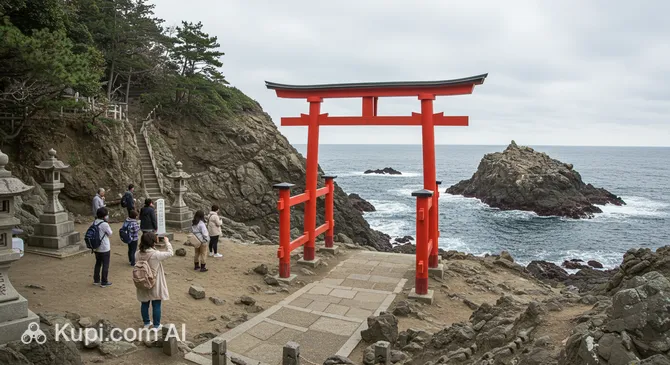
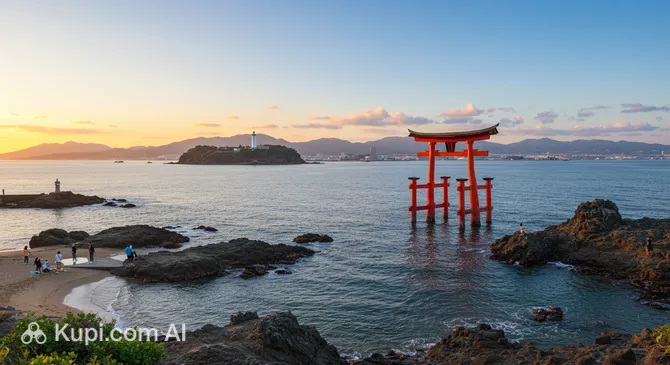
To experience the spiritual side of Japan, head to the Oarai Isosaki Shrine. This ancient Shinto shrine, traditionally founded in 856, is dedicated to deities who grant health and prosperity. One of the most photographed and revered parts of the shrine is the Kamiiso-no-Torii gate, majestically standing on coastal rocks washed by the waves of the Pacific Ocean. The view of this gate, especially at sunrise, is considered one of the most beautiful in Japan and attracts many pilgrims and photographers.

Oarai Isosaki Shrine. Illustration.
Source: Kupi.com AI

Traveler photos:

Kamiiso-no-Torii. Illustration.
Source: Kupi.com AI

Traveler photos:

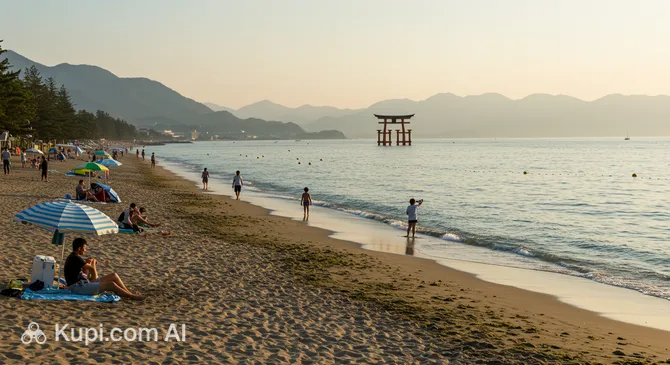
Beach lovers will appreciate Oarai Sun Beach. This wide sandy beach is one of the most popular in the Kanto region and is perfect for swimming, sunbathing, and water sports during the summer months. The beach is well-equipped with showers, toilets, and cafes, making it comfortable for the whole family.

Oarai Sun Beach. Illustration.
Source: Kupi.com AI

Traveler photos:

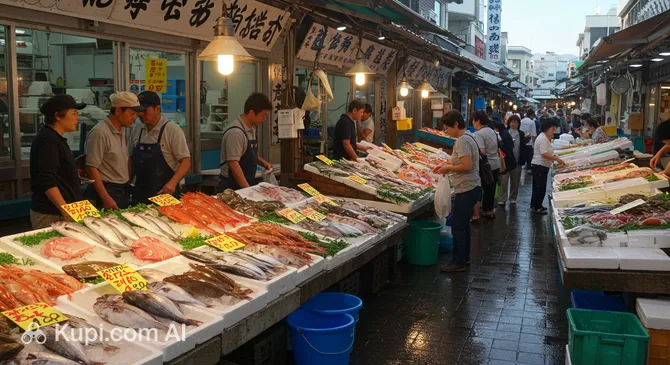
To get a feel for the local flavor and try the freshest seafood, be sure to visit the Nakaminato Fish Market. Here you can not only buy fresh fish and seafood at great prices but also taste them in numerous restaurants and snack bars right at the market. It is an excellent place for gastronomic discoveries and getting to know the wealth of sea gifts for which this region is famous.

Nakaminato Fish Market. Illustration.
Source: Kupi.com AI

Traveler photos:

Local Cuisine

The gastronomic scene of Oarai is a real feast for seafood lovers. The town, located on the coast, is famous for its fresh sea gifts, which form the basis of the local cuisine. One of the main culinary hallmarks is anko, or monkfish. Anko-nabe is especially prized—a hearty and aromatic stew made from this fish, which is perfect for cool evenings and traditionally served with local sake. This dish is considered a delicacy of Ibaraki Prefecture and is a must-try.

In addition to monkfish, you should try various dishes made from freshly caught fish and seafood in Oarai. Numerous coastal restaurants and markets will offer you excellent sushi and sashimi, as well as dishes made from oysters, scallops, and other marine life. To fully experience the atmosphere and freshness of local products, stop by the Nakaminato Fish Market, where you can not only buy the fresh catch but also try it on the spot.

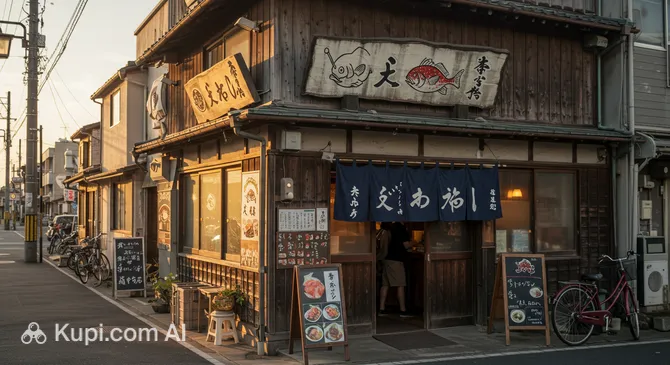
Street food in Oarai also deserves attention. At fairs and during festivals, you can enjoy popular Japanese dishes such as takoyaki (fried dough balls with octopus pieces) and yakisoba (fried noodles with vegetables and seafood). Don't miss the opportunity to try various snacks made from fresh seaweed and shellfish. If you want to sample exquisite seafood dishes in a more formal setting, the Omori Seafood Restaurant offers a wide selection of local specialties.

Omori Seafood Restaurant. Illustration.
Source: Kupi.com AI

Traveler photos:

You can end your meal with local sweets, such as Japanese waffles filled with sweet adzuki red bean paste, which pair perfectly with a cup of aromatic green tea. Among alcoholic beverages, besides the already mentioned sake, it is worth paying attention to local beers. The food culture in Oarai is closely tied to the sea: locals and tourists prefer fresh products that can be found in restaurants, bustling markets, or street stalls. Gastronomic festivals regularly held in the town provide an excellent opportunity to get acquainted with regional cuisine and its features.

Travel Tips

Welcome to Oarai! To make your trip to this charming coastal town in Japan as comfortable and memorable as possible, we have prepared some practical tips. They will help you find your way and enjoy all the delights of Oarai.

  1. Clothing and items for the season:

    Oarai has a maritime climate, so your clothing should match the season. In summer (June-August), bring light clothing, swimwear, sunscreen, and a hat. Spring (March-May) and autumn (September-November) will please you with pleasant weather, but evenings can be cool—bring a sweater or a light jacket. In winter (December-February), warm clothing will be needed, including a hat, gloves, and a scarf. Be sure to bring comfortable shoes for walking along the coast and through the town. Don't forget a universal adapter for electronics (Japan has 100V voltage, type A and B sockets). When visiting shrines like Isosaki-jinja, try to dress respectfully.

  2. Getting around town:

    Oarai is a relatively small town, and many of its parts are pleasant for walking or cycling (rentals can be found on site). For longer trips around the town and the surrounding Ibaraki prefecture, you can use local buses. Taxis are available but can be an expensive treat. If you plan to travel extensively in the region, renting a car might be an option; however, keep in mind that Japan has left-hand traffic. It's convenient to reach Oarai by train from major cities.

  3. Financial matters:

    The local currency is the Japanese Yen (JPY). Credit cards (Visa, Mastercard) are accepted in most hotels, large shops, and restaurants. However, it is always useful to have cash with you for paying in small cafes, local markets, shrines, and for buying public transport tickets. ATMs that accept international cards can be found in post offices (Japan Post Bank) and 7-Eleven convenience stores. An approximate daily budget can vary, but aim for 7,000-15,000 yen per person, excluding accommodation. Tipping in Japan is generally not accepted and can even be perceived as an insult.

  4. Health and safety:

    Japan is one of the safest countries in the world, and Oarai is no exception. Follow standard precautions: watch your belongings, especially in crowded places. Pharmacies (薬, kusuri) are easy to find and offer a wide selection of over-the-counter medications. If you need emergency medical assistance, contact your hotel for help or call 119. It is recommended to have travel insurance. Tap water in Japan is safe to drink.

  5. Communication:

    The official language is Japanese. In Oarai's tourist spots, such as the aquarium or major hotels, staff may speak English, but overall the level of English proficiency among the population is low. Learn a few basic phrases in Japanese: "Konnichiwa" (hello), "Arigato" (thank you), "Sumimasen" (excuse me/sorry). For navigation and communication, we recommend renting a pocket Wi-Fi router or buying a local SIM card (available at airports and major electronics stores). Free Wi-Fi is found in hotels and some public places.

  6. Local etiquette:

    Japanese people are very polite and value respect for traditions. A greeting is usually accompanied by a bow; its depth depends on the status of the person you're speaking with. In public places, especially on transport, try to be quiet and don't talk loudly on the phone. When entering a Japanese home, some shrines, and traditional restaurants (where you sit on tatami), it's customary to take off your shoes. Don't point at people with your finger.

  7. What to avoid:

    Never stick your chopsticks vertically into rice—it is associated with funeral rituals. Also, try not to eat while walking on the street, unless it's in specially designated areas (e.g., food festivals). Don't leave trash anywhere; if you don't see a bin, take it with you.

  8. A special feature of Oarai:

    Oarai is famous for its magnificent "Aqua World Ibaraki Prefectural Oarai Aquarium," one of the largest in Japan, and the picturesque Shinto Isosaki-jinja Shrine, famous for its "Kamiiso-no-Torii" gate standing on rocks in the sea. Be sure to check the tide times for the best photos of the gate. In winter, Oarai is known for its monkfish (anko) dishes—this is a local delicacy that's worth a try!

We hope these tips help you plan an unforgettable trip to Oarai. Enjoy its unique atmosphere, beautiful landscapes, and the hospitality of the locals!

Entertainment & Nightlife

Evening in Oarai offers its guests a rather calm and measured retreat rather than a noisy club scene. This coastal town in Ibaraki Prefecture is better known for its daytime attractions; however, even after dark, you can find pleasant ways to spend time, especially if you appreciate a cozy atmosphere and delicious food.

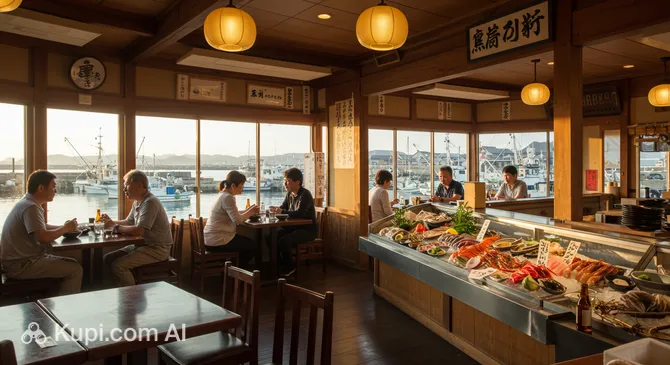
The core of evening entertainment in Oarai consists of restaurants where you can enjoy the freshest seafood and local cuisine. Although there are no designated nightlife districts here, some establishments hospitably welcome visitors until late in the evening. For example, you can try excellent sushi at Sushi Yukyu or enjoy dinner at Omori Seafood Restaurant. The atmosphere in such places is usually relaxed, suitable for slow conversations and culinary discoveries. There is no strict dress code, but neat casual style is appreciated.

Sushi Yukyu. Illustration.
Source: Kupi.com AI

Traveler photos:

In addition to restaurants, you can find small local bars or izakayas in town serving drinks and light snacks. This is a great way to immerse yourself in the local culture and chat with residents. There are no concert venues or large nightclubs in Oarai; the evening life here is more intimate. Some tourists also enjoy evening walks along the coast if the weather permits, admiring the calm sea and the stars.

When planning an evening in Oarai, keep in mind that many establishments, especially smaller ones, may close earlier than in large cities. It is better to arrive for dinner not too late. You can get around the town in the evening on foot if your accommodation is close to your chosen spot, or by taxi. You can call a taxi through your hotel or find one at taxi stands. Average prices in restaurants are moderate but can vary depending on the level of the establishment.

Oarai, like most cities in Japan, is considered a safe place for evening walks. Nevertheless, it is always worth taking standard precautions, especially if you are walking alone late at night. Stick to well-lit streets and be aware of your surroundings.

During the day, Oarai offers many interesting activities. You can visit the famous Aqua World Ibaraki Aquarium, relax at Oarai Sun Beach, or explore Oarai Isosaki Shrine with its picturesque Kamiiso-no-Torii gate standing in the sea. It is also worth stopping by the Nakaminato Fish Market (though it mainly operates in the first half of the day) or taking a stroll through Oarai Seaside Park.

Parks & Museums

Oarai, snugly situated on the coast of Ibaraki Prefecture, offers its guests not only picturesque seascapes but also interesting opportunities to get acquainted with the nature and culture of the region. The town will delight both lovers of relaxing outdoors and those who seek to touch local traditions and explore unique attractions.

Oarai is famous for its coastal areas, ideal for walking and relaxation. One of the most popular spots is Oarai Sun Beach, which attracts tourists with its clean sand and calm waters, especially in the summer season. It is a great place for family holidays and water sports. Nearby lies Oarai Seaside Park, offering beautiful ocean views and well-kept green areas for picnics and leisurely strolls. It is also worth visiting Oarai Prefectural Park, which boasts diverse flora and creates a peaceful atmosphere for connecting with nature.

Oarai Sun Beach. Illustration.
Source: Kupi.com AI

Traveler photos:

While Oarai may not have a large number of traditional museums in the classic sense, its cultural and historical heritage is vividly represented in other forms. The town's main spiritual attraction and an important historical site is Oarai Isosaki Shrine, known for its centuries-old history. The shrine gained particular fame for the legendary torii gate standing on a rock in the sea—Kamiiso-no-Torii. This site not only has deep religious significance but also offers breathtaking views, especially at sunrise, making it a must-visit.

Oarai Isosaki Shrine. Illustration.
Source: Kupi.com AI

Traveler photos:

For families and marine life enthusiasts, a visit to the Aqua World Ibaraki Aquarium is a mandatory part of the itinerary. It is one of the largest aquariums in Japan, showcasing a huge variety of marine life, including sharks, rays, and many fish species. Interactive exhibits and educational programs make it interesting for visitors of all ages and allow them to learn more about the underwater world.

Aqua World Ibaraki Aquarium. Illustration.
Source: Kupi.com AI

Traveler photos:

For a more authentic experience, don't limit yourself only to well-known landmarks. Take a walk through the town's less busy streets, where you can discover small local shops and cozy cafes offering traditional dishes. If you plan to visit Oarai Isosaki Shrine, try to arrive at sunrise—the view of the rising sun over Kamiiso-no-Torii will be one of the most vivid impressions of your trip.

Getting Around

When planning your travels around Oarai, keep in mind that it is a small town, and its transport system corresponds to its size. The main ways to get around here are local trains and buses.

Railway connection: The Kashima Rinkai Tetsudo Oarai Kashima Line runs through Oarai, connecting the town with neighboring settlements, including Mito, where you can transfer to other JR lines. Trains run on a schedule, which is best checked in advance, especially if you plan trips early in the morning or late in the evening. Tickets are purchased at stations from vending machines or ticket offices.

Buses: Local bus routes serve various areas of the town and its surroundings, including popular tourist sites such as Aqua World Oarai and the Isosaki Shrine. Fares are usually paid in cash when entering or exiting the bus. In some regions of Japan, universal IC transport cards (such as Suica or Pasmo) are accepted on buses, but it's worth checking if they can be used on specific routes in Oarai. It's also recommended to check bus schedules in advance, as frequency can be low, especially on weekdays or outside the tourist season.

Payment system and tickets: For trains, tickets are bought for a specific trip. If you plan to travel a lot by train around the region, look into possible rail passes offered by railway companies. For buses, pay-per-ride is generally used. The cost depends on the distance. Keep small change with you for bus fares.

Practical tips:

  • Purchase train tickets at stations before boarding.
  • For buses, check the payment method with the driver or at the stops.
  • Train and bus schedules can be found at stations, stops, or on transport company websites.
  • Note that in small towns, transport runs less frequently than in megacities.

Alternative ways to get around:

  • Taxi: Taxis can be found at the train station or ordered by phone. This is a more expensive but convenient way to reach your destination, especially if you are traveling with luggage or in a group.
  • Bicycle rental: Oarai is a pleasant place for cycling, especially along the coast. Bicycle rental points may be available, particularly during the tourist season. This is a great way to explore the town at your own pace.

Overall, Oarai's transport system is quite simple to understand. By planning your routes in advance and checking the schedules, you can comfortably get around the town and its picturesque surroundings.

Accommodation

In the town of Oarai, travelers will find a variety of accommodation options to suit different preferences and budgets. The typical range includes traditional Japanese inns (ryokans), modern hotels, guesthouses (minshuku), as well as apartments and short-term rental homes. This allows you to choose from budget-friendly options, more comfortable mid-range hotels, or unique offerings.

Many tourists prefer to stay in areas located in close proximity to the coast and main attractions. For example, accommodation near the popular Oarai Sun Beach or the impressive Aqua World Ibaraki Aquarium is in high demand due to easy access to entertainment and beautiful views. You should also consider options near transport hubs if you plan to actively explore the surrounding area.

Sugar Beach Oarai Glamping. Illustration.
Source: Kupi.com AI

Traveler photos:

Among the notable places to stay in Oarai are, for example, Sugar Beach Oarai Glamping, which offers a unique outdoor experience with modern amenities, or the Grandmare Ibaraki Oarai hotel, known for its hospitality and quality service. These and other hotels in the town offer various room categories and services for a comfortable stay.

When planning a trip to Oarai, especially during peak tourist season or local festivals, it is recommended to book accommodation in advance. The price range varies from budget to mid-range and high, depending on the type of accommodation, its location, and the amenities provided. Most options can be easily found and booked through popular international and Japanese online platforms, as well as directly on hotel websites.

Nearby Cities

For those who want to explore the surrounding area, Oarai serves as an excellent starting point for day trips to several interesting nearby locations:

CityPopulationDistance
Hitachinaka154 31110 km
Mito270 44511 km
Ibaraki283 83514 km
Hokota45 91018 km
Naka53 03518 km

These nearby destinations provide insight into the diverse culture and landscapes of the region. Each of these cities offers its own unique attractions, from historical castles and gardens in Mito to modern entertainment and natural parks.

Shopping & Souvenirs

Although Oarai is not a major shopping center like Tokyo, for instance, you can find interesting local goods and souvenirs here, especially those related to the sea and local culture. The town is famous for its fresh seafood, and many shops offer products based on it.

In Oarai, there are no clearly defined major shopping streets like in megacities. Shops are generally located along main roads, near tourist attractions such as the Aqua World Ibaraki Aquarium, or in the port area. Here you can find small souvenir shops, stores with local products, and everyday goods.

There are no large shopping malls in the conventional sense in Oarai, which is typical for small coastal towns. However, you may encounter small shopping complexes or groups of stores offering a variety of goods, from food to clothing and souvenirs.

Markets hold a special place in the shopping scene of Oarai. One of the most famous is the Nakaminato Fish Market, which, strictly speaking, is located in the neighboring city of Hitachinaka, but is very popular with tourists visiting Oarai due to its close proximity. Here you can buy the freshest seafood and try it in numerous restaurants at the market. It's a great place to feel the local color and buy edible souvenirs.

As souvenirs from Oarai, it's worth bringing back various seafood products: dried fish, canned goods, and local delicacies. Sea-themed items, local handicrafts, and souvenirs related to the anime "Girls und Panzer" are also popular, as Oarai is the setting for this famous series. You can also find products with the symbols of the Oarai Isosaki Shrine or other local attractions.

Most shops in Oarai are usually open from 10:00 or 11:00 AM until 6:00 or 7:00 PM. Markets, especially fish markets, can start much earlier. Credit cards are accepted in large stores and tourist spots, but in small shops and at markets, it's preferable to have cash (Japanese Yen) with you.

For foreign tourists in Japan, a Tax-Free system is available. When purchasing goods for a certain amount in participating shops, you can get a consumption tax refund. Usually, you need to present your passport for this. Look for the corresponding "Tax Free" signs at store entrances.

Reached the end of the page?

That means the route is fully explored