Support

Katori

About

Katori is an amazing city nestled in Chiba Prefecture on eastern Honshu, about 70 kilometers from Tokyo. As part of Japan, the city is famous for its unique atmosphere, where modernity harmoniously intertwines with centuries-old traditions. It is located on picturesque plains near the vast Suigo park area and the famous Itako region, renowned for its spring iris blooms.
Katori. Illustration.
Source: Kupi.com AI

With a population of approximately 74,469 people, Katori retains the charm and tranquility of a small Japanese town while possessing a vivid historical identity. The city covers an area of over 260 square kilometers, allowing it to combine spacious rural landscapes with picturesque historic quarters. To the west, Katori is washed by the waters of the Tone River, which has played an important role in the region's life for centuries.

Visitors to Katori feel as if they are plunging into the atmosphere of the ancient Land of the Rising Sun: time flows slowly here, and on the streets, you can see beautifully preserved traditional buildings, ancient temples, and cozy tea houses. Among the key features attracting tourists are the opportunity to enjoy the beauty of nature in the Suigo park area and see the breathtaking bloom of thousands of irises in Itako. Walks along historical canals and quiet temple alleys complete the impressions of this distinctive place.

Katori is an ideal destination for those seeking harmony with nature, wishing to get acquainted with ancient Japanese traditions, and enjoying a leisurely pace of life. This city will undoubtedly leave warm memories and give a sense of touching the true soul of Japan.

You can find more interesting facts on the Katori city history page.
Weather Overview

The weather in Katori is characterized by noticeable seasonal changes. Summer, especially in July and August, is warm here, with average temperatures around 26-28°C, and maximum values can exceed 30°C. Winters are cool: in January, the average temperature is about 5.4°C, with nighttime frosts. Precipitation is distributed throughout the year, but the highest number of rainy days occurs from May to October, although the total volume of precipitation is moderate overall. Expect a warm summer with occasional rain and cool winters with less precipitation.

To learn more about weather conditions, including forecasts for the coming days and detailed monthly information, visit the Katori Climate page.

Average monthly temperature

Average monthly precipitation

Interesting Facts

Beyond its main attractions, the city of Katori hides many amazing stories and little-known details that make it truly special. Here are just a few that might surprise even the seasoned traveler:

Sawara Canal Boat Tour. Illustration.
Source: Kupi.com AI

Traveler photos:

  • Katori Jingu Shrine, one of the city's main sanctuaries, was reportedly founded incredibly long ago — back in 642 BC, during the time of Japan's legendary first Emperor, Jimmu. This makes it one of the country's oldest Shinto shrines.

  • The historic Sawara district, with its perfectly preserved Edo-era architecture, was once nicknamed "Little Edo." Today, you can enjoy a boat ride along the picturesque canals here, feeling the spirit of the past and imagining how life buzzed in this merchant center centuries ago.

  • The city is shrouded in legends: it is believed that the local waters and forests are under the protection of the spirits of ancient warriors, and every ancient cedar on the grounds of Katori Jingu is not just a tree, but a living reminder of the centuries-old history of these places.

  • Katori has long been famous as the birthplace of talented craftsmen and successful merchants. To this day, the city carefully preserves traditions and remains an important center for folk crafts in Chiba Prefecture, where you can find unique handmade products.

How to Get There

When planning a trip to Katori, most travelers arrive via one of the major airports serving Japan's capital region. The most convenient option, due to its proximity, is Narita International Airport (NRT). It is located near Tokyo, just some 17.9 km from Katori. As one of Japan's main international air gateways, Narita receives flights from all over the world. A taxi or bus ride from here to Katori usually takes between 45 and 60 minutes, making it an excellent choice for a quick start to your journey.

Another major international airport is Haneda Airport (HND), also located in the Tokyo area but at a greater distance — approximately 75.6 km from Katori. Despite this, Haneda is famous for its huge passenger traffic and vast network of both international and domestic flights. The journey from Haneda to Katori takes about 2 to 2.5 hours, depending on the chosen transport (car or a combination of public transport).

As an alternative, you can consider Ibaraki Airport (IBR), located in the city of Ibaraki, about 32.3 km from Katori. This regional airport serves mainly domestic and some international low-cost carrier flights. The journey from Ibaraki Airport to Katori by car or bus takes about 1 hour and 10 minutes.

For a more complete picture, below is summary information on the airports that can be used for a trip to Katori:

AirportPassenger trafficDistance
Narita International Airport40.8 mln18 km
Ibaraki Airport776 06332 km
Haneda Airport85.7 mln76 km
Fukushima Airport250 000148 km
Matsumoto Airport112 618234 km

In addition to air travel, Katori can be reached by other means. Japan is famous for its excellent railway system, and you may consider taking a train from Tokyo or other major cities. Intercity buses also offer an economical way to travel around the country. If you prefer more flexibility, renting a car will allow you not only to drive to Katori but also to explore the scenic surroundings of Chiba Prefecture at your own pace.

Main Attractions

Katori, a cozy city in Chiba Prefecture, attracts travelers with its authentic atmosphere and the opportunity to touch the history of Japan. Among its attractions, several places stand out and are definitely worth including in your itinerary to fully experience the charm of this corner of the Land of the Rising Sun.

Sawara Canal Boat Tour. Illustration.
Source: Kupi.com AI

Traveler photos:

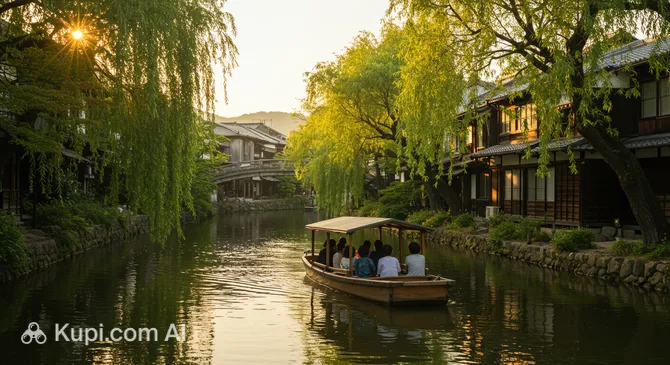
One of the main highlights of Katori is a Boat ride along the Sawara canal. The historic Sawara district, often called "Little Edo," has preserved the charm of an Edo-period merchant town. During a boat ride along the picturesque canals framed by old merchant houses, warehouses, and weeping willows, you can enjoy the peaceful atmosphere and take beautiful photos. It is a great way to see the historic part of the city from an unusual perspective and feel its unique spirit.

Yamada Unagi Restaurant. Illustration.
Source: Kupi.com AI

Traveler photos:

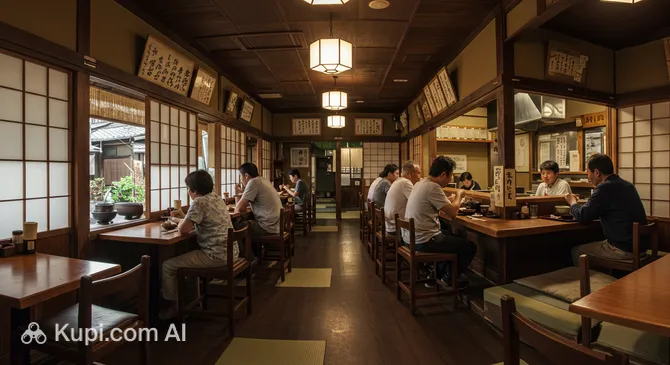
For gourmets and connoisseurs of Japanese cuisine, a visit to the Yamada Unagi restaurant is a must. This well-known establishment specializes in preparing unagi — freshwater eel, which is a delicacy in Japanese cuisine. Here, you can try the freshest eel, masterfully grilled with a special sauce according to traditional recipes passed down through generations. Visiting this restaurant is not just a meal, but a true gastronomic immersion into the region's culture.

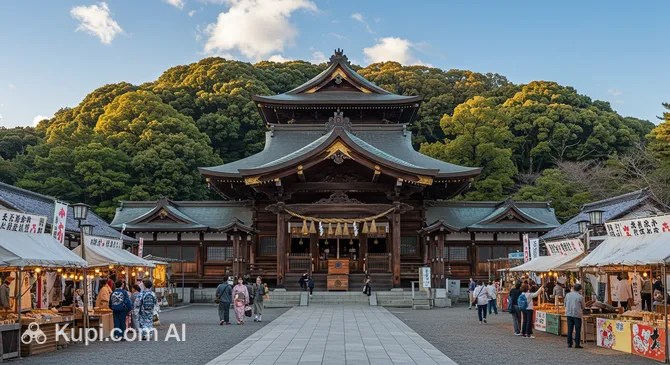
Another significant attraction in the city is the Katori Jingu Shrine. It is one of the oldest and most revered Shinto shrines in the Kanto region, dedicated to the deity of martial arts. Located in a picturesque forested area, the shrine impresses with its majestic architecture, ancient trees, and calm, peaceful atmosphere. Visitors can stroll through its extensive grounds, admire the main and auxiliary structures, and learn more about Shinto traditions. Katori Jingu Shrine is an important spiritual center and attracts both pilgrims and tourists interested in Japanese history and culture.

Local Cuisine

The culinary scene in Katori, located in Chiba Prefecture, will delight foodies with its rich flavors and fresh local ingredients. Many dishes are based on the bounty of nearby rivers and bays, making the local cuisine particularly attractive to lovers of fish and seafood. The city's gastronomic culture combines centuries-old traditions and simplicity, offering travelers an authentic culinary experience.

The main pride and signature dish of Katori is rightfully considered unagi — freshwater eel, grilled and glazed with a special sweetish sauce. This is a must-try dish to experience the true taste of the region. One of the famous places to enjoy this delicacy is the Yamada Unagi Restaurant, which offers eel prepared according to traditional recipes.

Yamada Unagi Restaurant. Illustration.
Source: Kupi.com AI

Traveler photos:

In addition to eel, other traditional dishes in Katori are worth noting. In the historic Sawara district, you will find cozy family restaurants serving fragrant rice, seasonal vegetables, and homemade pickles. Those with a sweet tooth will enjoy local desserts: original Japanese waffles filled with bean paste (anko) and various treats made from rice flour.

Street food in Katori also deserves attention. At markets and during numerous festivals, you can try fried dumplings with vegetable filling and popular onigiri rice balls. Refreshing drinks based on local fruits are common, and among alcoholic beverages, traditional sake or shochu are popular. Locals and tourists often prefer dining in small family establishments with a warm atmosphere or exploring the food stalls at local markets. The city is also known for its gastronomic festivals, where you can get to know the culinary traditions of Katori more deeply.

A gastronomic journey to Katori is an opportunity to discover an amazing combination of fresh ingredients, simple preparation, and deep Japanese culinary traditions. Every dish here tells its own story and provides unforgettable taste experiences.

Travel Tips

Welcome to Katori! To make your journey to this charming corner of Japan as comfortable and memorable as possible, we have prepared some practical tips. We hope they help you plan your trip better and enjoy every moment.

  1. Clothing and Essentials:

    The climate in Katori, and in the Chiba region as a whole, is temperate with distinct seasons. In summer (June-August), it can be hot and humid, so choose light, breathable clothing. Spring and autumn offer comfortable temperatures — layering will come in handy here. Winters are mild, but a warm jacket and sweater won't hurt. Be sure to bring comfortable shoes, as you will be walking a lot, especially if you plan to visit the historic Sawara district or Katori Jingu Shrine. For visiting temples and shrines, choose modest clothing that covers shoulders and knees. Don't forget an adapter for electrical appliances (Japan uses type A and B sockets, 100V voltage).

  2. Getting Around the City:

    Katori is a relatively small city, and you can get around it in several ways. The main railway arteries are the JR Narita and JR Kashima lines, connecting Katori with other cities. Local buses run within the city, but their schedules may not always be convenient for tourists. Taxis are available but can be expensive. Renting a car can be a good option if you plan to explore the surroundings of Chiba Prefecture, but for moving within Katori itself, especially in the historic Sawara district, walking is best. Check the location of your hotel and main attractions to choose the optimal way to get around.

  3. Finances:

    The official currency of Japan is the Japanese Yen (JPY). You can exchange currency at the airport, banks, or post offices. While credit and debit cards are accepted in many hotels, large stores, and restaurants, it is highly recommended to always have cash with you, especially for paying in small establishments, at markets, and when visiting temples. ATMs that accept international cards can be found in 7-Eleven stores and at post offices (Japan Post Bank). Tipping is not customary in Japan and may be perceived as impolite. An approximate daily budget (excluding accommodation) can range from 7,000 to 15,000 yen, depending on your plans.

  4. Health and Safety:

    Japan is one of the safest countries in the world, and Katori is no exception. However, basic precautions never hurt: keep an eye on your belongings in crowded places. Pharmacies (薬, kusuri, or ドラッグストア, drug store) are easy to find, but not all of them are open 24/7, and staff may not speak English. It is recommended to take out travel medical insurance before your trip. If medical assistance is needed, contact local clinics or hospitals; you can use online resources or ask your hotel for help in finding English-speaking doctors.

  5. Communication:

    The official language is Japanese. The level of English proficiency among the local population in Katori, as in most small towns in Japan, may be limited. Learn a few basic phrases in Japanese: "Konnichiwa" (hello), "Arigato" (thank you), "Sumimasen" (excuse me/sorry). For stable internet access, it is best to rent a pocket Wi-Fi router or buy a local SIM card — this can be done at the airport or ordered online in advance. Free Wi-Fi is found in some hotels, cafes, and at stations, but not everywhere.

  6. Local Etiquette:

    Japanese people are very polite and appreciate a respectful attitude towards their traditions. A greeting is usually accompanied by a bow; a slight nod of the head will be sufficient for a foreigner. In public places, especially on transport, try to speak quietly and not disturb others. When entering a Japanese home, some temples, and traditional restaurants (where there are tatami mats), you must remove your shoes. Observe the rules for using chopsticks: do not stick them vertically into rice and do not pass food with chopsticks to another person.

  7. What to Avoid:

    Try not to talk loudly on the phone on public transport — it is considered bad manners. Do not leave tips — it is not accepted. Also, do not forget to remove outdoor shoes where required (for example, before entering a tatami area or a fitting room in some shops).

  8. Special Tip for Katori:

    Be sure to set aside time to visit the famous Katori Jingu Shrine, one of the oldest and most revered Shinto shrines in Japan. Also, don't miss the charming historic Sawara district, often called "Little Edo" for its beautifully preserved merchant houses and canals. If your trip falls in June, try to catch the iris festival (Suigo Sawara Ayame Matsuri) — an unforgettable sight!

We hope these tips make your stay in Katori even more pleasant. Enjoy the unique atmosphere of this city, its history, and the hospitality of the locals!

Entertainment & Nightlife

When the sun sets over the historical city of Katori, its charming streets are transformed, offering guests a cozy and distinctive atmosphere for evening relaxation. The nightlife here differs from Japan's bustling metropolises; it is calmer, focused on traditional pleasures and socializing in a relaxed setting.

The main center of evening life is the historic Sawara district, where numerous restaurants and traditional Japanese drinking establishments — izakayas — are located along the canals and old houses. Here, you can immerse yourself in an authentic atmosphere while enjoying local cuisine and drinks. Evenings in Sawara are perfect for leisurely strolls and dinners in establishments, many of which are open until late. The crowd here is usually mixed — from locals to tourists looking for an authentic experience.

Yamada Unagi Restaurant. Illustration.
Source: Kupi.com AI

Traveler photos:

One of the wonderful places for dinner is the Yamada Unagi Restaurant, famous for its eel dishes. It is a great place to start the evening or spend it entirely enjoying high-quality Japanese cuisine. Although Katori is not famous for loud nightclubs, you can find small bars serving sake and other drinks, offering guests a chance to relax after a busy day.

The atmosphere in evening Katori is more conducive to conversation than to dancing until dawn. Many establishments are family-run restaurants and cozy bars where peace and quality are valued. Opening hours are usually until 10:00 PM or 11:00 PM, although some izakayas may stay open longer, especially on weekends. There is generally no specific dress code; a neat casual style is welcomed.

For evening outings, it is best to head to the Sawara district. Getting around the city at night is most convenient by taxi, although if you stay in the center, many places will be within walking distance. Katori is considered a safe city, but standard precautions, as in any trip, are always a good idea. The average bill in an izakaya or restaurant will depend on the choice of dishes and drinks, but in general, prices are moderate.

Sawara Canal Boat Tour. Illustration.
Source: Kupi.com AI

Traveler photos:

During the day, Katori offers other types of leisure. Guests can explore numerous temples and shrines or visit local museums to dive deeper into the region's history. One of the popular daytime activities is a boat ride along the Sawara canals, which allows you to see the city from a completely different perspective. These daytime impressions perfectly complement the quiet and cozy evenings in Katori.

Parks & Museums

The city of Katori invites travelers to enjoy a harmonious blend of peaceful green spaces and rich cultural heritage. Here you can find both picturesque corners of nature and places that hold the centuries-old history of the region, making it an attractive destination for curious tourists.

While Katori may not have extensive urban parks in the traditional sense, its charm lies in its natural landscapes and historical ensembles. The historic Sawara district, often referred to as "Little Edo," deserves special attention. Its picturesque canals, lined with old merchant houses, create a unique atmosphere. A boat ride along the Sawara canals is a wonderful opportunity to admire the city from the water and feel its calm rhythm. The area around the Katori Jingu Shrine, one of Japan's oldest and most revered Shinto shrines, also offers peaceful greenery and ancient trees, creating an atmosphere of tranquility and spirituality. These places are ideal for leisurely walks and getting to know the nature of the region.

Sawara Canal Boat Tour. Illustration.
Source: Kupi.com AI

Traveler photos:

Cultural life in Katori is closely intertwined with its history. The main cultural and historical site is, of course, the Katori Jingu Shrine. This is not just a religious building, but an entire complex that houses ancient artifacts and traditions. A visit to the shrine allows you to touch the roots of Japanese culture and spirituality. The Sawara district itself can be considered an open-air museum. Many of its historic buildings have been carefully preserved and restored, and some of them now house small museums dedicated to local history, crafts, or Edo-period life. For example, it is worth visiting the Ino Tadataka Museum, dedicated to the famous cartographer born in Sawara, whose maps of Japan were strikingly accurate for their time.

In addition to the Katori Jingu Shrine, the entire Sawara district is an outstanding architectural ensemble. A walk through its streets will allow you to see traditional Japanese machiya houses, old kura warehouses, and bridges spanning the canals. Every corner here breathes history, transporting visitors back to the times when Sawara was a thriving trading center on the waterway. These historical sites are an important part of the city's cultural heritage.

For a deeper immersion into the atmosphere of Katori, turn off the main tourist routes in Sawara and explore the quiet side streets — there you can find cozy tea houses or workshops of local craftsmen. Also, do not miss the opportunity to try local delicacies, such as the eel (unagi) dishes for which this region is famous, which will be a pleasant addition to your cultural program.

Getting Around

Getting around Katori and its surroundings is possible using public transport, which mainly consists of trains and buses. This system is quite convenient for tourists wishing to explore the city and the region.

The core of the transport network is the railway lines, particularly those of the JR (Japan Railways) company. Trains connect Katori with other cities in Chiba Prefecture and larger transport hubs. Within the city and for trips to nearby settlements that do not have railway stations, local buses operate. The bus route network usually covers key points in the city, including stations, tourist sites, and residential areas.

For fare payment, the most convenient method is using reloadable IC transport cards, such as Suica or Pasmo, which are accepted on most railway lines and many buses throughout Japan. You can purchase or top up such a card at vending machines at railway stations. It is also possible to buy single train tickets (at machines or ticket offices at stations) or pay the fare in cash directly to the bus driver upon entering or exiting (depending on the system adopted by the specific bus company — usually payment upon exit for suburban routes).

Tourists are advised to check train and bus schedules in advance, as their frequency can vary, especially in the evening and on weekends. Schedule information can be found at stations or on the websites of transport companies. Validation of IC cards occurs by tapping the card on the reader at station turnstiles (upon entry and exit) or on the bus (upon entry and/or exit). Single train tickets are checked at turnstiles or by conductors. Public transport usually operates from early morning until late evening, but night routes are generally few or non-existent.

As an alternative to public transport in Katori, you can always use taxi services. Taxi stands are usually located near railway stations and major sites. For more independent travel, especially if you plan to explore the countryside around the city, you might consider renting a car. In some areas, bicycle rental may be available, which is a great way for leisurely sightseeing over short distances.

Accommodation

In the city of Katori, travelers can find a variety of accommodation options to suit different budgets and preferences. Choices include traditional Japanese ryokan inns, offering a unique cultural experience with tatami mats and futons, as well as more familiar Western-style hotels. Guest houses (minshuku) are also available, often providing a more home-like atmosphere and a chance to get a closer look at local life.

The historic Sawara district is particularly popular with tourists, known for its picturesque canals and well-preserved Edo-period merchant houses. Staying in this area puts you right in the heart of the old town, close to attractions like the boat rides on the Sawara canals. Additionally, consider options near major transport hubs for convenience in getting around the city and its surroundings.

Sawara Canal Boat Tour. Illustration.
Source: Kupi.com AI

Traveler photos:

While Katori may not have a large number of major international hotel chains, you can find comfortable local hotels and ryokans offering high-quality service. Some ryokans may include traditional Japanese breakfasts and dinners (kaiseki ryori) in the room rate, which is an essential part of the cultural experience.

Booking Tip: To ensure the best selection and prices, especially if your trip coincides with popular tourist seasons (such as cherry blossom season or autumn foliage) or local festivals, it is recommended to book your accommodation well in advance. This is also true for unique or small ryokans, which can be booked up quickly.

The price range for accommodation in Katori varies from relatively budget guest houses to more expensive and luxurious ryokans. You can book accommodation through popular international and Japanese online booking platforms, or in some cases, directly through hotel websites or by contacting them by phone.

Nearby Cities

For those who want to explore the surrounding area, Katori serves as an excellent starting point for day trips to several interesting nearby locations:

CityPopulationDistance
Itako27 3737 km
Namegata31 82810 km
Kamisu95 47115 km
Kashima67 00115 km
Tako13 80418 km

These nearby destinations offer a glimpse into the diverse culture and landscapes of the Japan region. Each of these cities offers its own unique attractions, whether it be historic temples, scenic parks, or modern entertainment centers, making them a great choice for a short trip from Katori.

Shopping & Souvenirs

Shopping in Katori is more of an immersion into local culture and a search for authentic goods than a hunt for global brands. The city is famous for its traditional crafts and products, so here you can find unique souvenirs and delicacies reflecting the spirit of old Japan.

The main place to look for interesting purchases is the historic Sawara district. Here, strolling along the picturesque canals where the boat ride along the Sawara canal is popular, you will find many small shops and stalls. They offer local handmade items, ceramics, textiles, and traditional sweets. It is the perfect place to feel the atmosphere of the city and find something special to remember.

In Katori, you are unlikely to find large modern shopping malls typical of metropolises. Shopping here is mainly concentrated in small family shops and specialized stalls, which gives it a special charm and allows you to communicate directly with craftsmen or sellers who know the history of every item.

While there may not be large organized markets in Katori in the European sense, you can sometimes stumble upon small local fairs or sales of fresh farm produce and seasonal goods, especially during festivals. Keep an eye out for local announcements — you might be lucky enough to witness such an event.

As souvenirs from Katori, it is worth bringing back local sake or soy sauce, for which the Chiba region is famous. Ceramics, traditional Japanese sweets (wagashi), small handmade interior items, and amulets from local temples are also popular. Beautiful fabrics and products made from them can be found in the Sawara district.

Most shops in Katori are usually open from 10:00 AM or 11:00 AM until 6:00 PM or 7:00 PM. Small family-run shops may have more flexible schedules. As for payment, although credit cards are accepted in many places, especially those geared towards tourists, cash is still widely used, especially in small shops and markets. It is recommended to carry some cash with you.

For foreign tourists in Japan, a Tax-Free system is available. Look for shops with the corresponding "Tax-Free Shopping" sign. When purchasing a certain amount, you can apply for a consumer tax refund by presenting your passport. This can usually be done right in the store when paying for the goods.

Reached the end of the page?

That means the route is fully explored