Support

Narita

About

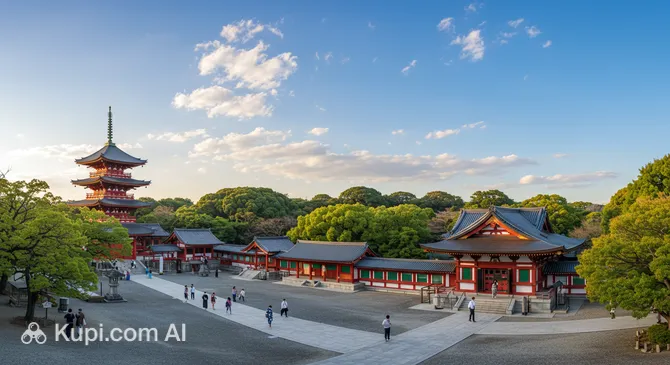
Narita is more than just a city with one of Japan's largest international airports; it is a true gateway to the country, preserving an amazing atmosphere and a rich history of its own. For many travelers, their introduction to the Land of the Rising Sun begins right here, and Narita welcomes them warmly, offering a first, very authentic immersion into Japanese culture.

Narita. Illustration.
Source: Kupi.com AI

Located in Chiba Prefecture, east of Tokyo, Narita offers a unique blend of modernity—driven by its proximity to the international airport—and deeply rooted traditions. The city is best known for its magnificent Naritasan Shinsho-ji temple complex. This is one of the most revered Buddhist temples in the country, attracting millions of pilgrims and tourists every year. Equally famous is Omotesando Street, which leads to the temple. This charming shopping street is lined with traditional shops, restaurants where you can try the famous local eel (unagi), and souvenir stalls offering items made by local artisans.

Beyond its spiritual and cultural significance, Narita offers other interesting spots, such as the expansive Naritasan Park surrounding the temple, with its picturesque gardens, ponds, and calligraphy museum. This city is a wonderful place to spend a day or two before a flight or immediately after arrival, allowing you to experience the tranquility and charm of traditional Japan, which contrasts so pleasantly with the hustle and bustle of nearby metropolises. Don't miss the chance to get to know Narita better—it could be one of the most unexpected and delightful discoveries of your Japanese adventure!

You can find more interesting facts on the Narita history page.

Weather Overview

The weather in Narita is characterized by distinct seasonal changes. The average annual temperature ranges from a cool 5.2°C in January to a warm 28.0°C in August. Winters tend to be fairly mild, with minimum temperatures just above freezing, while summers are hot and humid. Precipitation is spread throughout the year, with some increase in the summer and autumn months, especially in June, July, and October.

Expect warm summers with occasional rain and relatively cold, dry winters. Spring and autumn offer pleasant moderate temperatures, making these seasons particularly comfortable for a visit. To get a more detailed view of the weather conditions by month, you can check out the detailed information about the Narita climate.

Average monthly temperature

Average monthly precipitation

Interesting Facts

Beyond the world-famous airport and the majestic Naritasan Temple, the city of Narita hides many curious details and traditions that not all tourists are aware of. Here are just a few interesting facts that will help you see this city in a new way:

  • A Temple with a History of Suppressing Rebellion: Few know that the famous Naritasan Shinsho-ji Temple, the city's main shrine, was founded back in 940 AD not just as a spiritual center, but to commemorate the victory of imperial forces over the rebel samurai Taira-no Masakado. Sacred relics were specifically brought here to quell the uprising.

  • Eel Capital: Narita is rightfully considered one of the "capitals" of Japanese eel (unagi). Omotesando Street, leading to the temple, is literally filled with the aroma of cooking eel. Many local restaurants have specialized in this dish for over a hundred years, passing down cooking secrets from generation to generation.

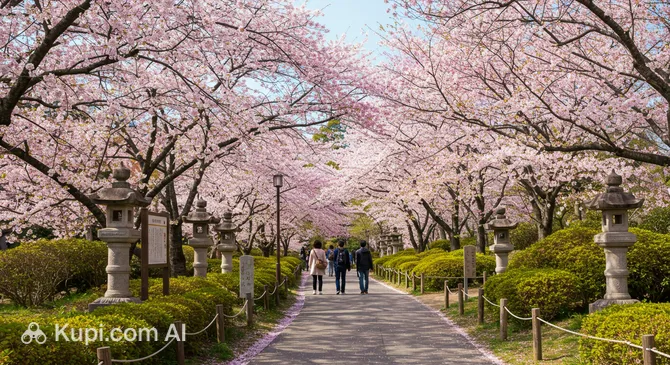
  • Best Views of Planes (and Sakura!): In the immediate vicinity of Narita International Airport's runways lies Sakuranoyama Park. This is not just a scenic spot for admiring cherry blossoms in the spring, but a true paradise for aviation enthusiasts, offering breathtaking views of planes taking off and landing.

  • Flights in Dreams and Reality: Located near the airport is the Museum of Aeronautical Sciences. This is not just a collection of exhibits; here you can feel like a pilot by trying out flight simulators or get a close-up look at real planes and helicopters. It's a unique opportunity to peek behind the scenes of the aviation world!

Sakuranoyama Park. Illustration.
Source: Kupi.com AI

Traveler photos:

How to Get There

The most convenient way to reach the city of Narita, which for many travelers serves as the first gateway to Japan, is by air. The city and its surroundings are served by several airports, the main one being the international airport of the same name.

The primary and most convenient option is Narita International Airport (NRT). Although some sources associate it with Tokyo, it is located just 6.3 km from Narita city center and is effectively its main air gateway. It is a major international hub receiving flights from all over the world. A trip from the airport to central Narita by taxi, bus, or train usually takes about 20–30 minutes.

Another significant option is Haneda Airport (HND), also known as Tokyo International Airport. It is located in Tokyo, approximately 54.8 km from Narita. Haneda is one of the busiest airports in the world, serving a huge number of both international and domestic flights. A journey from Haneda to Narita will take longer, about 1 hour 45 minutes by car or using a combination of train and bus transport.

For some travelers, Ibaraki Airport (IBR) might be convenient, located in Ibaraki Prefecture, about 45.7 km north of Narita. This airport is smaller and serves mainly domestic flights and some international routes by budget airlines. The road from Ibaraki Airport to Narita can take about 1 hour 30 minutes.

For your convenience, here is a summary of the main airports used to reach Narita:

AirportPassenger trafficDistance
Narita International Airport40.8 mln6 km
Ibaraki Airport776 06346 km
Haneda Airport85.7 mln55 km
Fukushima Airport250 000161 km
Matsumoto Airport112 618220 km

While the primary way to get to Narita is by flight, the city is also accessible by road. To move around the city itself and its surroundings, as well as for trips to Tokyo and other neighboring cities, it is convenient to use the well-developed railway network and local buses.

Main Attractions

In addition to the famous Naritasan Shinsho-ji Temple and the lively Omotesando Street, the city of Narita and its surroundings offer many other interesting places that can enrich your journey through Japan. Here are a few attractions that deserve your attention:

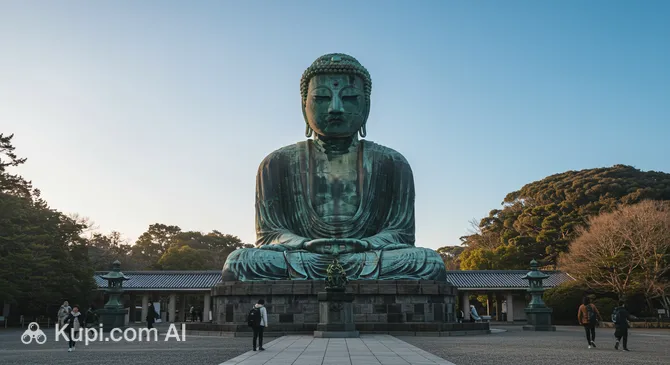
One of the most impressive sights accessible from Narita is the Ushiku Daibutsu. This giant bronze statue of Amitabha Buddha, standing 120 meters tall, is one of the tallest Buddha statues in the world. Visitors can go up to an observation deck located at the Buddha's chest level, offering panoramic views of the surrounding area. Inside the statue, there is also a museum about Buddhism. This site is striking in its scale and leaves a lasting impression.

Ushiku Daibutsu. Illustration.
Source: Kupi.com AI

Traveler photos:

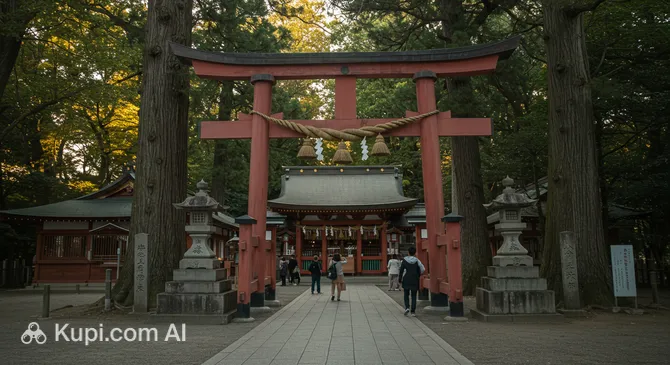
For those interested in Japan's history and spiritual culture, a visit to the Katori Shrine (Katori Jingu) is a must. This is one of the oldest and most revered Shinto shrines in the Kanto region, founded, according to legend, over 2,600 years ago. The shrine is dedicated to the deity Futsunushi-no-kami, the patron of martial arts. The complex is nestled in a picturesque forest, creating an atmosphere of peace and tranquility. Here you can see ancient buildings, beautiful torii gates, and participate in traditional rituals.

Katori Shrine. Illustration.
Source: Kupi.com AI

Traveler photos:

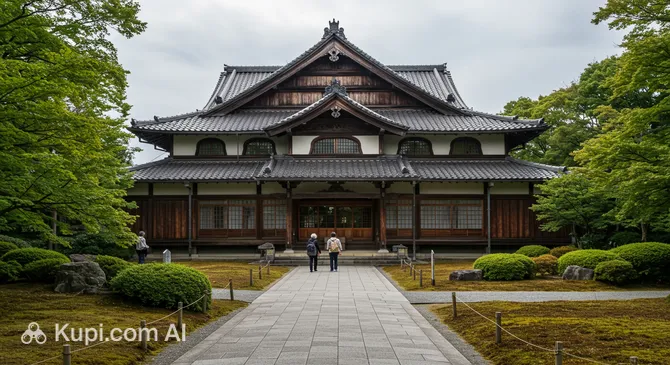
History and cartography enthusiasts will enjoy the Ino Tadataka Memorial Museum. Ino Tadataka was a famous Japanese surveyor and cartographer of the late 18th and early 19th centuries who was the first to create a detailed map of all Japan. The museum is located in the town of Sawara (now part of Katori City), known for its well-preserved historical Edo-period architecture. The museum's exhibits detail Ino Tadataka's life and titanic labor, displaying his maps, measuring instruments, and personal belongings. It is a wonderful opportunity to learn more about a remarkable figure in Japanese history.

Inō Tadataka Memorial Museum. Illustration.
Source: Kupi.com AI

Traveler photos:

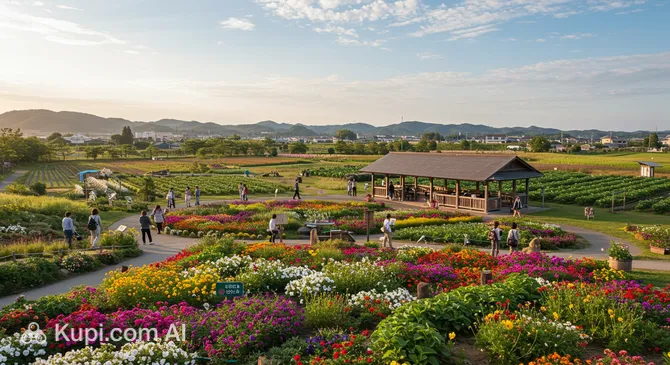
If you want to enjoy nature and colorful landscapes, visit Akebonoyama Agricultural Park. This expansive park is especially beautiful in spring during the tulip bloom and in autumn when the cosmos flowers open. Here you can see a traditional Japanese windmill, stroll through manicured gardens, have a picnic, and simply relax away from the city noise. The park offers various seasonal events and is an excellent place for a family holiday.

Akebonoyama Agricultural Park. Illustration.
Source: Kupi.com AI

Traveler photos:

Local Cuisine

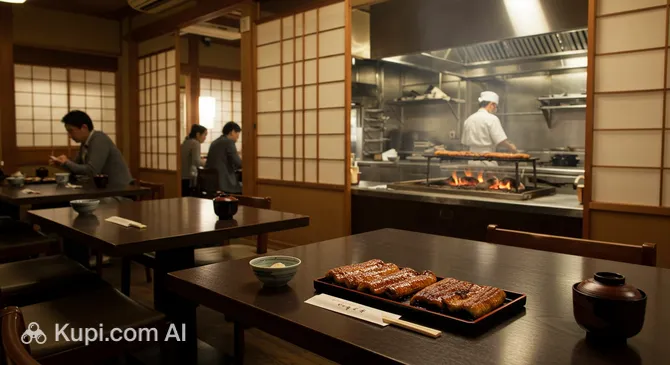
The Narita gastronomic scene is a delightful immersion into Japanese culinary traditions, where everyone will find a dish to their liking. The city is especially famous for its culinary delights, and a visit would not be complete without tasting local specialties. The main gastronomic star of Narita is undoubtedly unagi—freshwater eel grilled and glazed with a special sweet and savory sauce. The aroma of cooking eel literally wafts through the air on Omotesando Street, leading to Naritasan Shinsho-ji Temple, where many restaurants specializing in this delicacy are concentrated.

Besides the famous eel, you should try other classic Japanese dishes in Narita. Look out for tempura—seafood and vegetables fried in a light batter—as well as various types of noodles, such as soba (buckwheat) and udon (wheat), served both hot and cold. Thanks to its proximity to a major international transport hub, you can also find the freshest sushi and sashimi in the city's restaurants, even though the city itself is not located directly on the coast.

A meal in Narita is perfectly complemented by a choice of traditional Japanese drinks. Among alcoholic beverages, you should try sake—rice wine, which can be local or brought from other regions of Japan—as well as shochu, a strong distilled spirit. Among non-alcoholic drinks, green tea in all its variety remains consistently popular—from rich matcha to refreshing sencha. Various lemonades and juices are also available.

Kawatoyo Narita. Illustration.
Source: Kupi.com AI

Traveler photos:

Food culture in Narita is centered around numerous restaurants, especially those located along the lively Omotesando Street. Here you can find establishments with a long history, passing down recipes from generation to generation, as well as more modern cafes. One such famous place where you can enjoy the authentic taste of eel is the Kawatoyo Narita restaurant. Although street food is not as common here as in some other Asian cities, the focus is on quality dishes and hospitable service in a cozy restaurant atmosphere. Immersing yourself in Narita's gastronomic world will leave you with the warmest and most delicious memories of Japan.

Travel Tips

Welcome to Narita! To make your stay in this charming Japanese city—which for many serves as the gateway to Japan—as comfortable and pleasant as possible, we have prepared a few practical tips.

  1. Clothing and Essentials: The climate in Narita, like most of Japan, is temperate with four distinct seasons. In summer (June–August), it is hot and humid—choose light, breathable clothing. In winter (December–February), it can be cool, sometimes with snow—don't forget a warm jacket, hat, and gloves. Spring and autumn are the most comfortable seasons with pleasant temperatures. Be sure to bring comfortable shoes, as you will be doing a lot of walking, especially if you plan to visit Naritasan Shinsho-ji Temple and its surroundings. For electronics, you will need a Type A adapter (two flat parallel pins); the grid voltage is 100 Volts. When visiting temples like Naritasan Shinsho-ji, dress modestly; it is advisable to have shoulders and knees covered. Also, remember to remove your shoes before entering temple buildings and some traditional restaurants or homes.
  2. Getting Around Town: Narita is a relatively small city, and many of its central attractions, including Naritasan Shinsho-ji Temple and Omotesando Street, are within walking distance of the train stations. The main public transport options are trains (JR and Keisei lines) and local buses. These are convenient for moving between the airport, the city center, and the surrounding areas. Taxis are available but can be quite expensive, especially for long distances. Taxi-hailing apps like JapanTaxi or Go can be useful. Car rental is usually not necessary for exploring the city itself but can be an option if you plan to explore Chiba Prefecture. Remember to drive on the left and that an international driving permit is required.
  3. Finances: The local currency is the Japanese yen (JPY, ¥). You can exchange currency at Narita Airport, banks, or specialized exchange offices; the rate at the airport may be less favorable. Credit and debit cards (Visa, Mastercard) are accepted in many hotels, large shops, and restaurants. However, small establishments, temples, and markets may prefer cash. Check in advance. The use of international cards at ATMs may be limited; look for ATMs in post offices (Japan Post Bank) or 7-Eleven stores (Seven Bank ATM), as they usually accept foreign cards. An approximate daily budget (excluding accommodation) is 5,000–10,000 yen per person. In Japan, tipping is not practiced and may even be perceived as impolite.
  4. Health and Safety: Pharmacies (薬局 - yakkyoku) can be found throughout the city. Some medications may only be sold with a prescription; if you need specific medicine, it is best to bring it with you along with a doctor's prescription. There are few 24-hour pharmacies. For medical assistance, tourists are best advised to go to major hospitals or use travel insurance. Narita, like Japan in general, is a very safe city. However, as elsewhere, keep an eye on your belongings. Police stations (koban, 交番) are easily recognizable and serve as a place to go for help.
  5. Communication: The main language is Japanese. In tourist areas, staff often speak English, but overall the level of English proficiency may be low. Learn a few useful phrases: "Konnichiwa" (Hello/Good day), "Arigato" (Thank you), "Sumimasen" (Excuse me/I'm sorry). A tourist SIM card or a portable Wi-Fi router can be purchased or rented at Narita Airport. Free Wi-Fi is available in many hotels, cafes, and at stations. Useful apps: Google Maps, HyperDia or Jorudan (for train schedules), Google Translate.
  6. Local Etiquette: When greeting, Japanese people usually bow; for foreigners, a slight nod is sufficient. In public places, especially on transport, try not to talk loudly on the phone. Behave respectfully when visiting temples. Remove your shoes before entering Japanese homes, some temples, and traditional restaurants (where you sit on tatami).
  7. What to Avoid: Do not eat or drink while walking on the street, especially in crowded areas. Find a place to sit and have a snack. Do not stick your chopsticks vertically into your rice—this is associated with funeral rituals. Place your chopsticks on a special stand (hashioki) or across your plate.
  8. Bonus Tip: Explore the Airport Surroundings! Many tourists view Narita solely as the location of the international airport. However, the city offers much more! Set aside time for a stroll along the charming Omotesando Street leading to Naritasan Shinsho-ji Temple, try the local dish—unagi (grilled eel), and enjoy the peaceful atmosphere of traditional Japan.

We hope these tips help you better prepare for your trip and get the most out of your stay in Narita. This city is a wonderful place for a first encounter with Japanese culture or for a relaxing break before your flight.

Entertainment & Nightlife

Although Narita is primarily a transit point for many travelers due to its international airport, the city also offers opportunities for a pleasant time, including evening and night entertainment. After a busy day or while waiting for your next flight, you can find cozy spots to relax and soak in the local atmosphere.

The main concentration of nightlife in Narita is found in the areas adjacent to the JR Narita and Keisei Narita railway stations, as well as along Omotesando Street, which leads to the Naritasan Shinsho-ji Temple by day and transforms in the evening to offer guests a variety of restaurants and bars. The atmosphere here is usually calm and welcoming, attracting both locals and tourists, including airline crew members. The dress code in most establishments is casual.

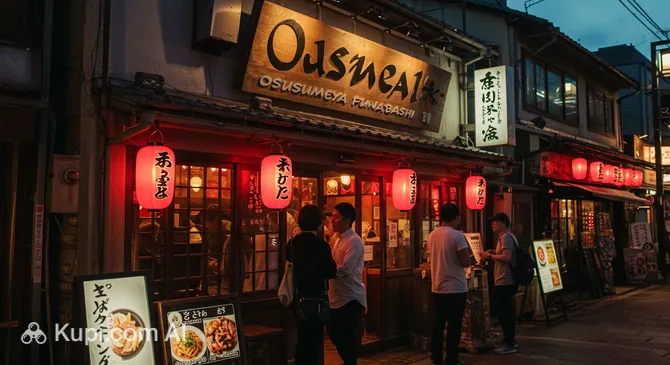
Popular evening options include traditional Japanese izakaya pubs, where you can try local dishes and drinks in an informal setting. There are also several bars in the city with a more modern concept. For example, you can stop by Osusumeya Funabashi to enjoy drinks in pleasant company or visit Paripari in Kashiwa. For those looking for a club atmosphere, Sakura Lounge might be of interest.

Sakura Lounge. Illustration.
Source: Kupi.com AI

Traveler photos:

Practical tips for nighttime entertainment:

  • Time: Most bars and izakayas are open until late evening, with some staying open after midnight. It is best to head out after 7:00–8:00 PM.
  • Prices: The cost of food and drinks varies, but overall Narita offers more affordable prices compared to Tokyo.
  • Transport: Public transport, including trains, stops running late at night. The main way to get around at this time is by taxi. They can be found at stations or called via phone or app.
  • Safety: Narita, like most cities in Japan, is considered a very safe place. However, you should always take basic precautions, especially at night.
Osusumeya Funabashi. Illustration.
Source: Kupi.com AI

Traveler photos:

Regarding daytime entertainment, Narita also has several interesting options. Aviation lovers will appreciate the Museum of Aeronautical Sciences, located near the airport. For family outings, Sylvanian Park is a great choice. Additionally, the city and its surroundings feature several historical temples and picturesque parks, such as Sakuranoyama Park, which offers views of the airport runways.

Thus, Narita is not just a gateway to Japan, but a city where you can find entertainment to suit your taste both day and night, enjoying a unique combination of traditional culture and modern life.

Parks & Museums

Narita is not just a convenient aviation hub, but also a city with a rich cultural heritage and cozy green corners where you can relax and learn something new. There are interesting places for nature lovers, history buffs, and art connoisseurs wanting to get a closer look at Japan.

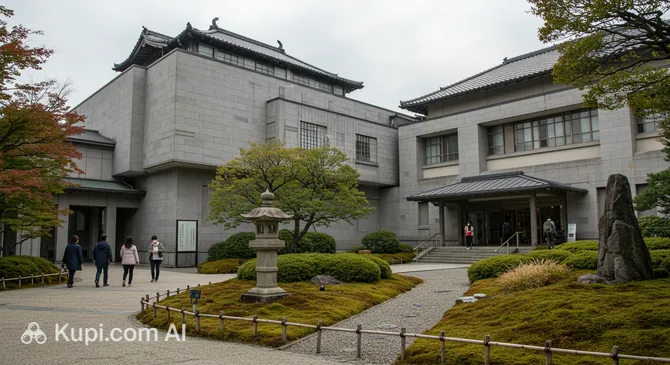
Among the city's green oases, Naritasan Park holds a special place, stretching out behind the famous Naritasan Shinsho-ji Temple. This vast and picturesque space is perfect for leisurely walks among ancient trees, along ponds with koi carp, and traditional Japanese garden compositions. In spring, the park is bathed in plum and cherry blossoms, and in autumn, it delights with the bright colors of maple leaves, creating a truly peaceful atmosphere.

For unique impressions and unusual photos, head to Sakuranoyama Park. Its main highlight is its immediate proximity to Narita Airport, allowing you to watch planes taking off and landing. In spring, when the cherry blossoms bloom, this sight becomes particularly spectacular. The park is a popular spot for picnics and outdoor recreation.

Sakuranoyama Park. Illustration.
Source: Kupi.com AI

Traveler photos:

If you want to experience the rural side of Japanese life, visit Akebonoyama Agricultural Park. Here you can admire seasonal flower fields, see a traditional windmill, and even participate in various agricultural-themed events. The park is especially beautiful during the tulip bloom in spring and sunflower bloom in summer, offering guests vibrant and memorable landscapes.

Akebonoyama Agricultural Park. Illustration.
Source: Kupi.com AI

Traveler photos:

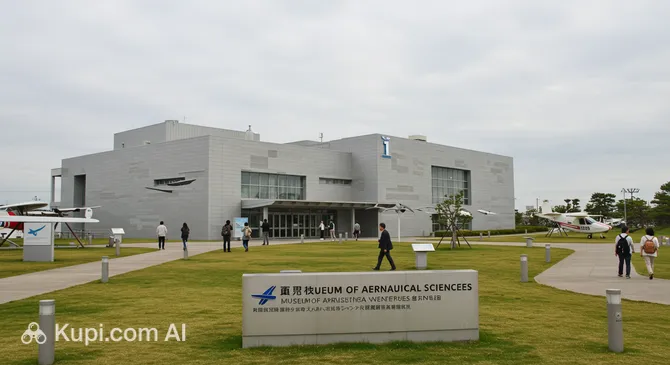
Narita's cultural program is equally rich. Given its proximity to one of the largest international airports, it's no surprise that it houses the excellent Museum of Aeronautical Sciences. This place is interesting for visitors of all ages: it features real planes and helicopters, interactive exhibits, cockpits to explore, and even flight simulators. The museum's observation deck offers a great view of the airport runways.

Museum of Aeronautical Sciences. Illustration.
Source: Kupi.com AI

Traveler photos:

For those interested in Japan's history and prominent figures, the Ino Tadataka Memorial Museum is a must-visit. Ino Tadataka was a famous Japanese surveyor and cartographer living at the turn of the 18th and 19th centuries who devoted many years to creating the first detailed map of all Japan. The museum tells the story of his incredible journey, methods, and legacy, allowing visitors to appreciate the scale of his work.

A deeper and more moving dive into history is offered by the Yokaren Peace Memorial Museum. The exhibition is dedicated to young cadet pilots ("yokaren") who underwent training during the World War II era. The museum tells of their daily lives, dreams, and often tragic fates, serving as a reminder of the value of peace and the fragility of human life.

Yokaren Peace Memorial Museum. Illustration.
Source: Kupi.com AI

Traveler photos:

A tip for the curious: in addition to the major museums, you can sometimes find small calligraphy or traditional craft exhibitions in Narita's cultural centers. Also, while exploring Naritasan Park, turn off the main paths—you might discover a quiet corner by a turtle pond or a secluded gazebo, perfect for meditation and rest from the city's hustle and bustle.

Getting Around

Getting around Narita and its surroundings is quite convenient thanks to a well-developed public transport system, which is not surprising given the presence of a major international airport. The main types of transport for tourists here are trains and buses.

Trains are perhaps the most efficient way to get from Narita Airport to the city center, as well as for trips to Tokyo and other regions. The two main railway companies serving Narita are JR (Japan Railways) and Keisei Electric Railway. Their stations (JR Narita Station and Keisei-Narita Station) are located close to each other and to the city's main attractions, such as Naritasan Shinsho-ji Temple. There is no subway or tram system in the traditional sense, as the railway network effectively covers the main routes.

Buses complement the rail network, providing links to areas not reached by trains, and run between airport terminals, hotels, and some tourist sites. Routes and schedules are usually posted at stops, but they may be in Japanese, although in tourist areas the information is duplicated in English.

The payment system in Japanese public transport is very convenient. The most popular method is using rechargeable IC cards, such as Suica or Pasmo. These cards can be purchased at machines at stations or at the airport and topped up as needed. They are accepted on trains, buses, and even for purchases in some shops. When entering and exiting transport (at stations or on a bus), simply tap the card against the reader. You can also buy single tickets for a specific trip at station machines. The fare depends on the distance. Route planning apps like HyperDia or Jorudan will help you calculate the cost and find the best route.

Practical tips for tourists:

  • Purchase train tickets and IC cards at station machines (many have an English interface) or at ticket offices.
  • To validate your ticket, simply tap your IC card on the turnstile when entering and exiting the station. Paper tickets are inserted into a special slot in the turnstile and collected from the other side (don't forget to take it when entering, you'll need it to exit!).
  • Public transport in Narita, and in Japan as a whole, runs very punctually. Operating hours are usually from early morning to late evening (approximately 5:00–6:00 AM to 11:00 PM–12:00 AM), but can vary depending on the line and day of the week.
  • It is customary to keep quiet on trains and buses and to avoid talking loudly on the phone.

Alternative ways to get around in Narita include taxis. They are available at stations, the airport, and major hotels, but are a more expensive option, especially for long-distance trips. This is a good choice for nighttime travel when public transport is no longer running, or if you have a lot of luggage. Taxi apps can also be useful. Renting a car can be considered if you plan to actively explore Chiba Prefecture, but for moving around Narita itself, it is generally not required as the center is compact and well-served by public transport. Bicycle rental is less common as a primary tourist transport but can be interesting for leisurely rides through certain areas.

Accommodation

Finding a suitable place to stay in Narita is easy, as the city offers a variety of accommodation options to meet the needs and budgets of all kinds of travelers. Given its proximity to a major international airport, there are both hotels for transit passengers and cozy options for those who want to get to know the city better.

In Narita, you will find a wide range of housing: from budget hostels and guest houses, ideal for thrifty tourists, to comfortable mid-range hotels and more luxurious hotels offering a full range of services. Apartment rental options are also available, which can be convenient for families or long stays. Many hotels offer a free shuttle service to and from Narita Airport, which is a big plus.

The most popular areas for tourists to stay are near the JR Narita and Keisei Narita train stations, as well as the areas surrounding Narita Airport (NRT) itself. Staying here provides easy access to transportation for trips to Tokyo or other cities, as well as to Narita's main attractions, such as Naritasan Shinsho-ji Temple and the Omotesando shopping street. Hotels near the airport are particularly convenient for those with early departures or late arrivals.

As for the price range, it varies from affordable to premium. It is recommended to book accommodation in advance, especially if your trip coincides with peak tourist seasons (such as the cherry blossom season in spring or autumn holidays). The most common booking methods are popular international online platforms (Booking.com, Agoda, Expedia, etc.), as well as direct booking through official hotel websites. Some small guesthouses or ryokans (traditional Japanese inns) may be available for booking through local tourism sites or by phone.

Nearby Cities

For those looking to explore the surrounding area, Narita serves as an excellent starting point for day trips to several interesting nearby locations:

CityPopulationDistance
Tomisato49 4706 km
Shisui20 2787 km
Sakura169 05910 km
Yachimata66 43012 km
Tako13 80414 km

These nearby destinations offer insight into the diverse culture and landscapes of Chiba Prefecture. For example, Chiba City, the prefectural capital, offers modern shopping centers, parks, and museums. The city of Sakura is known for its historical castle and samurai residences, immersing visitors in the atmosphere of feudal Japan. Yachiyo and Inzai offer a calmer pace of life and the opportunity to see everyday Japan outside major tourist centers. A trip to any of these cities is easily accomplished by train and takes little time, making them ideal for day excursions from Narita.

Shopping & Souvenirs

Shopping in Narita offers a pleasant mix of traditional Japanese goods and modern conveniences, especially for those looking for souvenirs or making last-minute purchases before a flight. Although Narita is not a major center for fashion or electronics like Tokyo, the city charms with its authentic shops and the opportunity to purchase unique local items.

The main shopping artery of the city is undoubtedly Omotesando Street, leading to the famous Naritasan Shinsho-ji Temple. This picturesque street, about 800 meters long, is filled with numerous shops offering traditional crafts, local delicacies, sweets, tea, and souvenirs. Here you can find everything from ceramics and textiles to chopsticks and amulets. The atmosphere here is very colorful, and a walk along Omotesando is a pleasure in itself. Around the JR Narita and Keisei Narita train stations, there is also a concentration of shops, including pharmacies, convenience stores, and small boutiques.

While there are no giant shopping complexes in the very center of Narita characteristic of megacities, there are several large options nearby for more extensive shopping. One of the best known is AEON Mall Narita, located a few kilometers from the city center and the airport (easily reached by bus). This mall offers a wide range of goods: clothing, electronics, home goods, cosmetics, as well as a large supermarket and food court. Another popular spot is Shisui Premium Outlets, located between Narita and Tokyo, which can also be reached by bus from the airport or Narita Station. Many international and Japanese brands are presented here at reduced prices. And, of course, one cannot forget the Duty Free shops at Narita International Airport (NRT), which offer a huge selection of perfumes, cosmetics, alcohol, tobacco products, electronics, and Japanese souvenirs immediately before departure.

There are no large traditional markets in Narita, such as fish or farmers' markets, in the classic sense. However, Omotesando Street, with its many stalls and tents, resembles a lively market where you can chat with vendors and find interesting local goods. Occasionally, seasonal fairs or festivals may be held in the city or its surroundings, where you can also purchase products from local artisans and farmers.

You can bring back many interesting and authentic souvenirs from Narita. Popular choices include:

  • Traditional Japanese items: ceramics (e.g., Banko-yaki style), lacquerware boxes, fans, Daruma dolls, kimono and yukata, chopsticks (hashi).
  • Items related to Naritasan Shinsho-ji Temple: omamori (luck and protection amulets), incense, calligraphy.
  • Local delicacies: the famous unagi (eel) in various forms (including canned for transport), senbei rice crackers, rakkasei-mono peanut sweets (Chiba Prefecture is famous for peanuts), local sake, and umeshu plum wine.
  • Japanese cosmetics and health products: these can be found in drugstores.
  • Aviation-themed souvenirs can be found in airport shops or, for example, at the Museum of Aeronautical Sciences.

Most shops on Omotesando Street and in the city center are typically open from 10:00 AM to 5:00 PM or 6:00 PM; some small stalls may close earlier. Shops in malls like AEON Mall Narita and Duty Free shops at the airport stay open longer, usually until 8:00–9:00 PM or even later. As for payment, credit cards (Visa, Mastercard, JCB, American Express) are widely accepted in most shops, especially in large retail outlets and at the airport. However, small traditional shops and souvenir stalls on Omotesando may prefer Japanese yen (JPY) cash. Therefore, it is always useful to have some cash on hand.

For foreign tourists in Japan, a Tax Free refund system is available. Look for shops with the "Japan Tax-free Shop" logo. When purchasing goods (except for certain categories like food and cosmetics, which are packed in special bags and must not be opened before leaving the country) for an amount over 5,000 yen (excluding tax) in one shop in one day, you can get a refund of the consumption tax (currently 10%). To do this, you must present a passport with a valid tourist visa. The procedure usually takes place directly in the shop at a special Tax Free counter.
Reached the end of the page?

That means the route is fully explored