Support

Kashiwa

About

Kashiwa is a dynamic and cozy city located in the southeast of Japan, in Chiba Prefecture, just a few dozen kilometers from the bustling metropolis of Tokyo. Thanks to its favorable location, Kashiwa has become an attractive place to live and visit, where urban rhythm and suburban tranquility blend harmoniously. The city covers an area of about 115 square kilometers and has a population of over 430,000, making it a major regional center that still retains an atmosphere of comfort and safety.
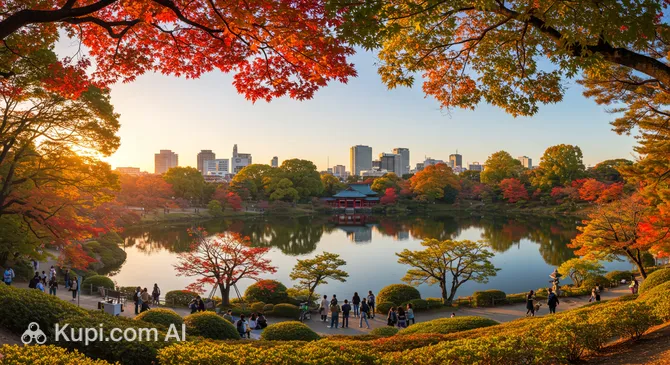
Kashiwa. Illustration.
Source: Kupi.com AI

Kashiwa plays an important role in the region, serving not only as a significant transport hub but also as a cultural, educational, and economic center in its own right. Here, you will find modern residential areas, several universities, large shopping complexes, and numerous green parks that provide excellent conditions for relaxation. The city offers a unique opportunity to immerse yourself in modern Japanese life without the overwhelming hustle of a megacity, while remaining in close proximity to the country's main attractions.

One of Kashiwa's key features is its friendly atmosphere. It’s easy to feel at home here while strolling along shaded alleys, exploring local shops, and visiting cozy cafes. The city attracts those looking to experience authentic Japanese culture away from the main tourist trails. Visitors can enjoy local cuisine, discover unique traditions, and simply take in the hospitality of the local residents.

Kashiwa is the perfect destination for those seeking something more than a standard tourist experience. This city invites you to slow down, feel the local pace, and discover Japan from a new, unexpected perspective. Visit Kashiwa to enjoy its unique charm and hospitality!

You can find more interesting facts on the history of Kashiwa page.
Weather Overview

The weather in Kashiwa is characterized by distinct seasons. Overall, you can expect warm and humid summers, as well as cool and drier winters. Summer months, especially July and August, bring average temperatures around 27-28°C, with highs often exceeding 30°C. This period also sees a significant amount of rainfall, with the highest number of rainy days. In winter, from December to February, average temperatures drop to 4-6°C, and nighttime temperatures can approach freezing. Rainfall is less frequent in winter.

Spring and autumn offer more moderate temperatures, making these seasons comfortable for visiting. For example, in April, the average temperature is about 14.8°C, and in October, it is around 18.1°C. To get a more detailed idea of the monthly weather conditions, you can check the detailed information about Kashiwa's climate.

Average monthly temperature

Average monthly precipitation

Interesting Facts

In addition to its well-known attractions and lively atmosphere, Kashiwa holds many curious details and stories that make this city truly special. Here are just a few interesting facts that will help you see Kashiwa from a new perspective:

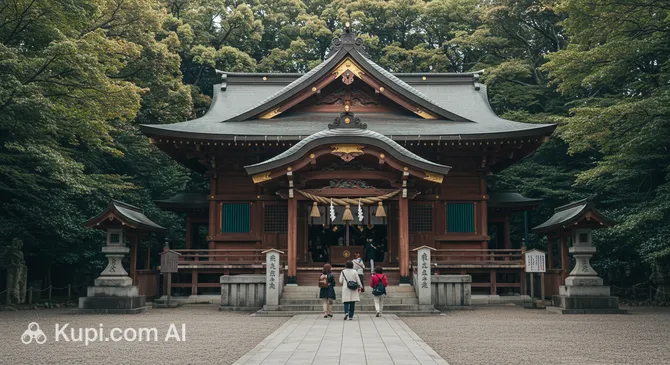
Kashiwa Shrine. Illustration.
Source: Kupi.com AI

Traveler photos:

  • Kashiwa rightfully bears the title of "City of Sports." It is home to one of Japan's most popular football clubs — Kashiwa Reysol. Their matches at the Hitachi Kashiwa Soccer Stadium draw thousands of loyal fans. Football has become an integral part of the city's culture, turning match days into real celebrations.

  • The city is actively developing as a significant center for science and education. Kashiwa hosts one of the campuses of the prestigious University of Tokyo, which specializes in cutting-edge research in technology, urban studies, and medicine, attracting students and scientists from across the country and abroad.

  • Kashiwa is famous for its vibrant city festivals. The Kashiwa Matsuri is particularly well-known; during this time, the city streets come alive with colorful parades, energetic dances, and an abundance of street food. Locals take great pride in sharing their traditions with visitors.

  • There is a local legend connecting the city's name to the kashiwa oak tree. This tree symbolizes strength and longevity, and its leaves were traditionally used in Japanese culture to prepare special festive dishes. It is believed that the kashiwa oak is still a mascot of the city, and its spirit can be felt when visiting places like Kashiwa Shrine.

How to Get There

The most convenient way to reach Kashiwa, located in Chiba Prefecture, is through the major international airports serving Japan's capital region. Regional airports can also be considered depending on your itinerary and point of departure.

The main gateways for travelers heading to Kashiwa are Tokyo's two largest airports: Narita International Airport (NRT) and Haneda Airport (HND). Both of these giant transport hubs are located in the Tokyo area. Narita Airport is approximately 38.8 km from the center of Kashiwa, while Haneda Airport is about 39.2 km away. A trip by car, taxi, or express bus from either of these airports to Kashiwa takes roughly 1 hour and 20 minutes, depending on traffic. These airports handle the vast majority of international and a significant portion of domestic flights, offering travelers many flight options.

Another option is Ibaraki Airport (IBR), located in Ibaraki city, about 52.7 km from Kashiwa. This is a more compact regional airport. Reaching Kashiwa from there by car or public transport takes about 1 hour and 40 minutes. This airport can be convenient for certain domestic flights or specific low-cost airlines.

For your convenience, here is a summary of the main airports through which you can reach Kashiwa:

AirportPassenger trafficDistance
Narita International Airport40.8 mln39 km
Haneda Airport85.7 mln39 km
Ibaraki Airport776 06353 km
Fukushima Airport250 000156 km
Matsumoto Airport112 618188 km

In addition to air travel, Kashiwa is easily accessible by rail. The city is well-integrated into Japan's extensive railway network, especially regarding connections to Tokyo and other major cities in the Kanto region. Many tourists, after arriving at Narita or Haneda, continue their journey to Kashiwa by train, which is often a fast and efficient way to travel. We recommend checking the schedules and routes of Japan Railways (e.g., JR East) or private railway lines serving the area in advance to plan a convenient transfer.

Main Attractions

Kashiwa, a city in Chiba Prefecture, offers its guests a variety of attractions that combine natural beauty, cultural heritage, and modern entertainment. Here, everyone will find something of interest when planning their route through this corner of Japan.

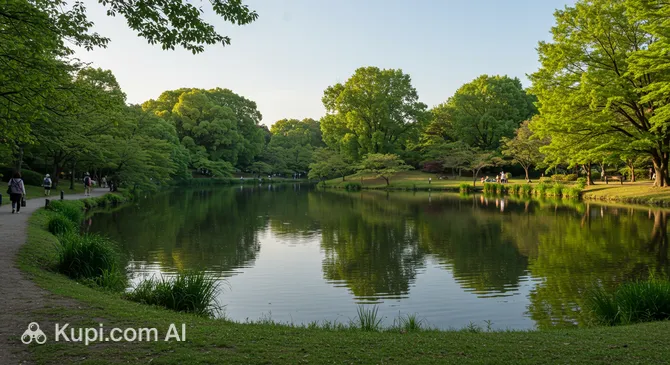
One of Kashiwa's main natural treasures is Teganuma Park. This vast green area stretches around the picturesque Lake Teganuma, offering wonderful opportunities for leisurely walks, cycling, birdwatching, and simply relaxing in the fresh air. The park is especially popular among locals and tourists seeking peace and a connection with nature, and it also serves as a venue for various seasonal events.

Teganuma Park. Illustration.
Source: Kupi.com AI

Traveler photos:

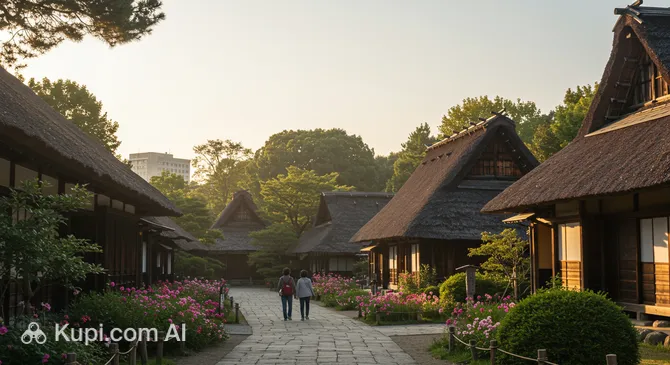
To get acquainted with the spiritual side of the city and its history, it is worth visiting Kashiwa Shrine. This important Shinto shrine, which has deep roots in the local culture, attracts visitors with its traditional Japanese architecture, well-kept grounds, and a calm, almost meditative atmosphere. Here, you can not only admire the beauty of the structures but also learn more about local beliefs and cultural traditions.

Kashiwa Shrine. Illustration.
Source: Kupi.com AI

Traveler photos:

Another wonderful place for outdoor recreation and family time is Kashiwa Furusato Park. This park often becomes the center for various community events, festivals, and fairs, offering entertainment for visitors of all ages. Its well-maintained paths, playgrounds, and seasonal floral arrangements make it an ideal spot for leisurely relaxation and picnics.

Kashiwa Furusato Park. Illustration.
Source: Kupi.com AI

Traveler photos:

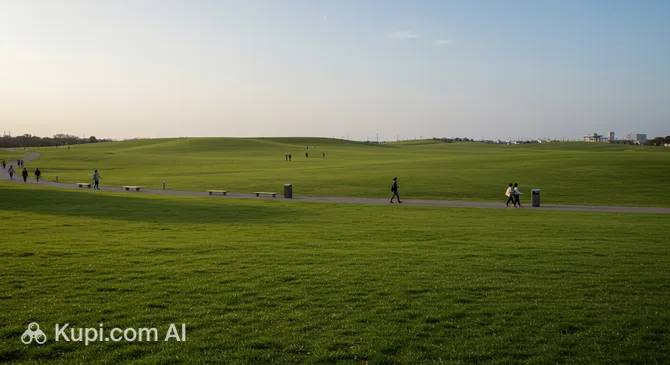
For sports fans and active lifestyle enthusiasts, as well as those who want to feel the modern pulse of the city, Hitachidai Park will be of interest. Although it is best known for the Sankyo Frontier Kashiwa Stadium located on its grounds—the home arena of the Kashiwa Reysol football club—the park itself also offers pleasant green areas for walking, jogging, and relaxing. It is a place where you can enjoy nature while experiencing the city's sporting spirit.

Hitachidai Park. Illustration.
Source: Kupi.com AI

Traveler photos:

Local Cuisine

The gastronomic scene in Kashiwa is an exciting blend of traditional Chiba Prefecture flavors and modern Japanese culinary trends. The city offers a variety of dishes that can satisfy both connoisseurs of authentic cuisine and fans of culinary experimentation.

One of the hallmarks of the local cuisine is kashiwa-mochi—delicious sweet rice cakes carefully wrapped in oak leaves. This treat is especially popular during spring holidays and is traditionally served with tea, symbolizing renewal and joy.

Due to its proximity to the coast, Kashiwa is famous for its fresh seafood. In numerous restaurants and city markets, you can enjoy excellent sushi and sashimi prepared from fish caught in Tokyo Bay. Eel dishes and various shellfish deserve special attention, as they are considered true regional delicacies.

Street food in Kashiwa is a real gastronomic adventure. On busy streets, at festivals, and in markets, be sure to try popular dishes like takoyaki (savory batter balls with pieces of octopus), yakisoba (flavorful fried noodles), and crispy fried chicken wings. These treats offer a quick and delicious way to get to know the local culinary traditions.

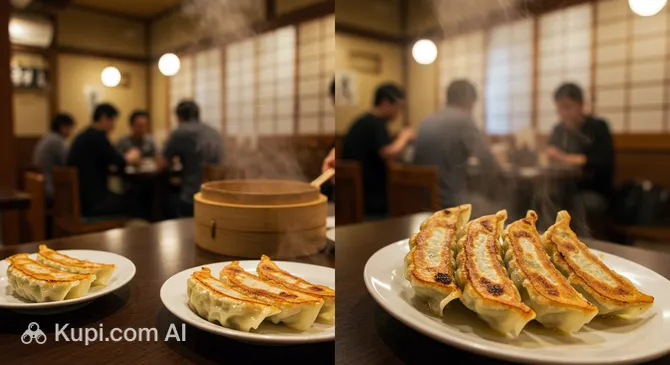
The dining culture in Kashiwa is diverse: locals and tourists alike enjoy visiting traditional restaurants as well as cozy cafes serving homemade Japanese breakfasts and creative desserts. The city is also known for its lively food markets and regular food festivals, turning the streets into a true feast of flavor with tastings and culinary workshops. If you want to try something characteristic, stop by a Gyoza restaurant, for instance, to appreciate the art of making Japanese dumplings.

Gyoza Restaurant. Illustration.
Source: Kupi.com AI

Traveler photos:

As for drinks, Kashiwa, like the rest of Japan, offers a wide variety. Traditional alcoholic drinks like sake and shochu are popular. Among non-alcoholic options, you can always find various types of green tea, refreshing ramune lemonade, and, of course, quality coffee in numerous coffee shops.

Kashiwa's food scene attracts tourists with its diversity and its mix of tradition and modernity. Whether it's exquisite seafood, sweet kashiwa-mochi, or vibrant street food, everyone will find something to their taste, discovering new facets of Japanese cuisine.

Travel Tips

Welcome to Kashiwa! This lively city in Chiba Prefecture offers a unique blend of modern urban life and traditional Japanese culture. To ensure your trip goes smoothly and leaves you with only pleasant impressions, we have prepared some practical tips.

  1. Japan: Clothing and useful items. The climate in Kashiwa, as in the rest of Japan, has distinct seasonality. In summer (June-August), it is hot and humid—choose light, breathable clothing. In winter (December-February), it can be chilly, sometimes with snow, so warm clothes, a coat, hat, and gloves will be useful. Spring and autumn are the most comfortable times with moderate temperatures. Comfortable shoes are essential, as you will be doing a lot of walking. Don't forget an adapter for electrical appliances (Japan uses Type A sockets, 100V voltage). When visiting temples, such as Kashiwa Fudoson Temple, dress modestly, covering your shoulders and knees; be prepared to remove your shoes when entering certain areas.
  2. Transport: How to get around Kashiwa. The city's transport system is well-developed. The main modes of transport are trains (JR East, Tobu Railway lines) and buses. Although there is no metro in Kashiwa, the railway lines effectively connect different parts of the city and provide easy access to Tokyo. Taxis are available but are more expensive than public transport; you can use apps to call them, such as JapanTaxi or Go. Car rental is possible with an international driving permit, but keep in mind left-hand traffic, potential parking difficulties, and the language barrier. For most tourists, public transport will be the optimal choice.
  3. Finances: Currency, cards, and tipping. The local currency is the Japanese yen (JPY, ¥). It's best to exchange money at the airport, banks, or the post office (Japan Post Bank). Credit and debit cards (Visa, Mastercard) are accepted in many large stores, hotels, and restaurants. However, cash is still very important, especially in smaller establishments, temples, and markets. International cards usually work at Japan Post Bank and Seven Bank ATMs (inside 7-Eleven stores). An approximate daily budget (excluding accommodation) could be 7,000-15,000 JPY. Important to remember: in Japan, tipping is not practiced and may be perceived as a misunderstanding.
  4. Health and Safety: Peace of mind. Pharmacies ("kusuri" 薬) are easy to find. Some may be open 24/7. It is recommended to bring a basic first-aid kit. Kashiwa, and Japan in general, is considered a very safe city with a low crime rate. Observe standard precautions, especially in crowded places. Tap water is safe to drink. Having travel insurance that covers medical expenses is always a good idea.
  5. Communication: Language and connectivity. The official language is Japanese. English is common in tourist areas, hotels, and at major stations, but in general, the level of English proficiency among the population may be low. Learn a few basic phrases: "Konnichiwa" (Hello), "Arigato" (Thank you), "Sumimasen" (Excuse me). For convenience, you can purchase a tourist SIM card or rent a pocket Wi-Fi router. Free Wi-Fi is often available in cafes, stations, and shopping centers. Useful apps: Google Maps, HyperDia (for train schedules), Google Translate.
  6. Local Etiquette: Respect traditions. Greetings are usually accompanied by a slight bow. In public places, especially on transport, try to be quiet and avoid talking loudly on the phone. It is not customary to eat or drink on the go in the street (except in designated areas or at festivals). Remove your shoes when entering homes, certain temples, and traditional restaurants. Japanese people value politeness and tact.
  7. What to avoid. Do not stick your chopsticks vertically into a bowl of rice—this is associated with funeral rituals. Also, avoid blowing your nose loudly in public; it's better to step away to a private area. Do not point your finger at people—it is considered impolite.
  8. Special tip for Kashiwa: Akebonoyama Park. Be sure to visit Akebonoyama Park. It is famous for its magnificent seasonal flowers, especially tulips in spring and cosmos in autumn. It's a wonderful place for leisurely walks, relaxing in nature, and taking beautiful photos, allowing you to feel the city's atmosphere more deeply.

We hope these tips help you better prepare for your trip and get the most out of your stay in Kashiwa. This city is ready to surprise and charm you, so enjoy every moment of your Japanese adventure!

Entertainment & Nightlife

As evening falls, Kashiwa transforms, offering its guests and residents a variety of options for leisure and entertainment. While the city's nightlife may not match the scale of Tokyo's, there is certainly plenty to do after sunset, whether you're looking for a cozy atmosphere or energetic rhythms.

The main concentration of evening and night venues is found around Kashiwa Railway Station. Here, you will find many bars, traditional Japanese pubs (izakayas), late-night restaurants, and a few nightclubs. The atmosphere ranges from quiet and relaxed in small bars to lively and boisterous in popular clubs and izakayas. The crowd is a mix of local students and office workers unwinding after a day's work.

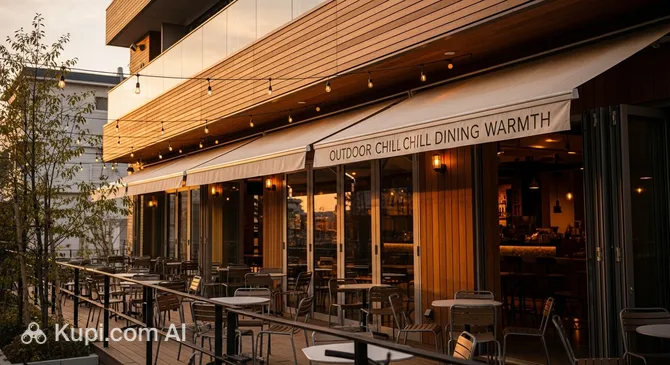
For those who enjoy spending the evening in a bar, Kashiwa offers some interesting choices. For example, you can stop by Outdoor Chill Dining Warmth to relax in a pleasant setting, or visit Kasi Bar, known for its unique vibe. Many bars offer a wide selection of drinks, including local beer and sake, as well as light snacks. The dress code is usually casual, unless it is a more exclusive establishment.

Outdoor Chill Dining Warmth. Illustration.
Source: Kupi.com AI

Traveler photos:

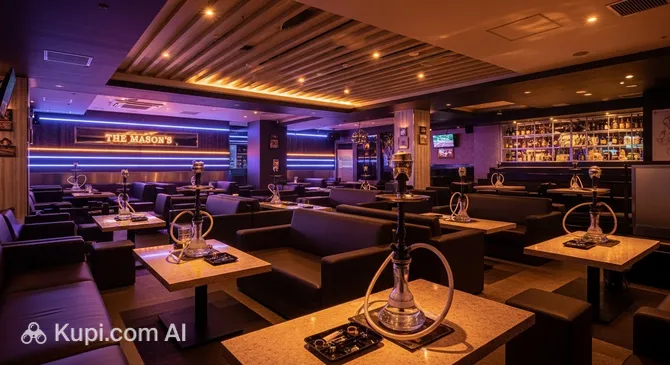
If you're in the mood for dancing and music, check out the local nightclubs. One such place is The Mason's Shisha Lounge, which offers guests music along with a chance to relax with a hookah. Clubs usually start to come alive closer to midnight and stay open until the early morning, especially on weekends. Some venues may charge an entrance fee, particularly if DJs are performing or themed parties are being held.

The Mason's Shisha Lounge. Illustration.
Source: Kupi.com AI

Traveler photos:

When planning your nighttime activities, keep in mind that public transport, including trains, usually stops running around midnight. After that, taxis become the primary mode of transport, which can be quite expensive. Most bars and restaurants stay open until late evening, while clubs run until 3:00–5:00 AM. The average bill depends on the venue, but generally, prices are comparable to other Japanese cities outside of the major tourist centers.

Kashiwa is considered a fairly safe city, and nighttime walks in busy areas usually don't cause concern. Nevertheless, standard precautions should always be taken. Taxis can be called by phone, through an app, or found at designated stands, especially near the station. Police boxes (koban) are also common and always ready to help.

During the day, there is also plenty to do in Kashiwa. The city offers opportunities for cultural leisure and outdoor walks. You can visit one of the city parks, such as Teganuma Park, to enjoy nature or explore local shrines. While Kashiwa is not famous for large world-class museums or theaters, you can find local cultural centers and galleries that introduce the art and history of the region.

Parks & Museums

The city of Kashiwa offers its guests wonderful opportunities for outdoor relaxation in well-maintained parks, as well as a chance to discover cultural heritage through historical sites. Here, you can find pockets of tranquility and touch upon local traditions.

Among Kashiwa's green spaces, Teganuma Park stands out. Located around the picturesque Teganuma Pond, this park is a popular spot for walking, jogging, and birdwatching. It offers a peaceful atmosphere and beautiful views, especially at sunset. Another great place for relaxation is Kashiwa Furusato Park. This park often attracts families with children due to its playgrounds and open spaces, perfect for a picnic or simply enjoying nature. Also worth mentioning is Hitachidai Park, known for its sports facilities and spacious lawns, ideal for active recreation.

While Kashiwa may not boast large, world-famous museums, its cultural and historical heritage is vividly represented in local shrines. One of the key sites is Kashiwa Shrine, which plays an important role in the spiritual life of the city. Visitors can appreciate the traditional architecture and the serene atmosphere of the grounds. Other significant shrines, such as Suva Shrine and Hirohata Hachimangu Shrine, also offer a glimpse into the region's history and religious traditions.

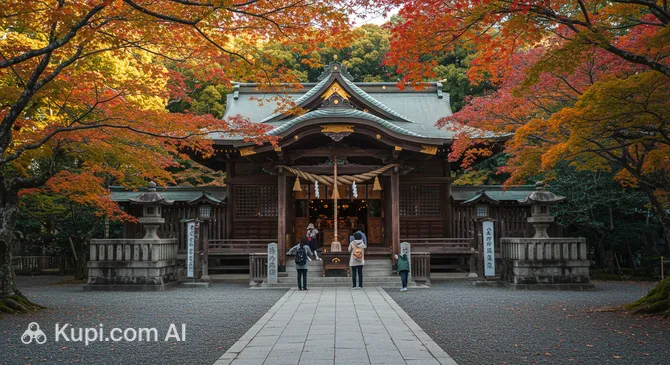
Suwa Shrine. Illustration.
Source: Kupi.com AI

Traveler photos:

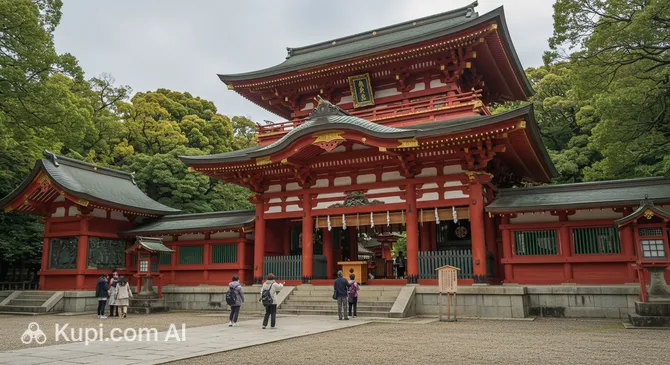
Hirohata Hachimangu Shrine. Illustration.
Source: Kupi.com AI

Traveler photos:

For more authentic experiences, take a stroll through Kashiwa's residential areas, where you might discover small local temples or unique shops not mentioned in tourist guides. Sometimes, it is precisely these finds that leave the most vivid memories of a trip.

Getting Around

Getting around Kashiwa is quite convenient thanks to its well-developed public transport system. The network is based on trains and buses that provide connections both within the city and to neighboring areas. Rail service is provided by several operators, including JR East and private companies like Tobu Railway. Kashiwa Station is a major transport hub. The modern Tsukuba Express line also passes through the city, linking it with Tokyo and Tsukuba.

For paying fares in Kashiwa, the most convenient option is using reloadable smart cards, such as Suica or Pasmo, which are widely accepted on trains and buses throughout the Kanto region. These cards can be purchased and topped up at machines in railway stations. In addition to IC cards, single-trip tickets can always be purchased. For trains, tickets are bought at machines before boarding, while on buses, payment is usually made upon boarding or exiting; sometimes the exact change is required if paying in cash. Fares depend on the distance traveled.

Tourists are recommended to purchase an IC card immediately upon arrival for maximum convenience. When using such a card, you simply tap it against the reader at the station turnstiles (upon entry and exit) or on the bus. Public transport in Kashiwa generally operates from early morning (around 5:00–6:00 AM) until late evening (around midnight). However, it's best to check the schedule for the last services in advance, especially for buses, if you plan to return late. Timetable information is available at stations and online.

In addition to public transport, other ways of getting around are available in Kashiwa. Taxis can be found at railway stations and major shopping centers, or called by phone; this is a comfortable but more expensive option. For short trips and exploring the city at a leisurely pace, you might consider renting a bicycle—this is a very popular way to get around in some districts. Car-sharing services may also be available but require prior registration and often a local driver's license.

Accommodation

In the city of Kashiwa, travelers will find a variety of accommodation options to suit different preferences and budgets. The primary choice consists of hotels catering to both business travelers and tourists. You can find standard mid-range hotels offering comfortable stays and a good range of services, as well as more budget-friendly options. Small guest houses or apartment rentals are also available, though they may be less common than traditional hotels.

For tourists, the most convenient areas to stay are traditionally those near Kashiwa Station. This is a major transport hub, making it easy to reach other parts of the city and its surroundings, including Tokyo. Furthermore, many shopping centers, restaurants, and entertainment venues are concentrated around the station, making it particularly attractive for those who want to be in the center of the action. Proximity to attractions like Teganuma Park or Kashiwa Shrine can also be a factor when choosing a hotel, though reaching them may require additional transport.

The price range for accommodation in Kashiwa varies from relatively budget-friendly to mid-level. Luxury premium-class hotels are less common here than in major metropolises. It is most convenient to book accommodation through popular online booking platforms, which offer a wide selection of options and the ability to compare prices. Some hotels also offer direct booking through their own websites.

To ensure the availability of a suitable option at an optimal price, especially during peak periods such as national holidays or major local events, it is recommended to book your stay in advance. This will allow you to choose the best hotel that fits your plans and preferences during your visit to Kashiwa.

Nearby Cities

For those looking to explore the surrounding area, Kashiwa serves as an excellent starting point for day trips to several interesting nearby locations:

CityPopulationDistance
Abiko130 2905 km
Nagareyama200 2987 km
Toride103 9088 km
Moriya68 9929 km
Kamagaya109 37010 km

These nearby destinations offer a glimpse into the diverse culture and landscapes of the region. Each of these cities provides its own unique attractions, from historical temples and parks to modern shopping centers and local cuisine, making them wonderful choices for a short trip from Kashiwa.

Shopping & Souvenirs

Kashiwa offers tourists a variety of shopping opportunities, serving as one of the lively commercial centers of Chiba Prefecture. The city might not be famous for world-renowned exclusive goods, but you will find a wide range of items here: from fashionable clothing and electronics to traditional Japanese souvenirs and local delicacies. Most shopping activity is concentrated around Kashiwa Station, which is home to large department stores, specialized shops, and small boutiques.

The main shopping district of Kashiwa is undoubtedly the area adjacent to Kashiwa Station. This is where the main flow of shoppers converges. You will find several large department stores offering clothing, cosmetics, household goods, and food. Additionally, the streets surrounding the station are lined with many small shops, cafes, and restaurants where you can find both chain brands and unique local goods.

Among the shopping centers, Kashiwa Takashimaya Station Mall stands out, as it is integrated directly with Kashiwa Station. It is a large complex that includes the Takashimaya department store and many other shops offering a wide selection of goods—from luxury brands to everyday essentials. Another significant shopping center, located a bit further from the central station but easily accessible by public transport, is LaLaport KASHIWANOHA, which offers a huge choice of shops, restaurants, and entertainment for the whole family.

While Kashiwa might not be as well-known for traditional markets as some other Japanese cities, you can find local food stalls offering fresh vegetables, fruit, and seafood. Occasionally, seasonal fairs or farmers' markets may be held in the city, where you can buy products from local farms. To find authentic Japanese goods and food, look at the basement floors of large department stores (depachika), which traditionally house gourmet sections with an enormous selection of food and delicacies.

As souvenirs from Kashiwa and Chiba Prefecture, you can bring back local sweets (for example, products made with peanuts, which Chiba is famous for), traditional Japanese ceramics, textiles, fans, or chopsticks. In electronics stores, you can find interesting gadgets, and in cosmetics departments, popular Japanese beauty products. Don't forget to visit "100-yen" shops (like Daiso), where you can find many cute and useful trinkets at an affordable price.

Most large shops and shopping centers in Kashiwa typically operate from 10:00 or 11:00 AM to 7:00 or 8:00 PM. Small private shops may have their own schedules. Regarding payment, cash (Japanese yen) is still widely used, especially in small shops and some restaurants. However, major department stores, shopping centers, and many chain stores accept major international credit cards (Visa, Mastercard, American Express) without issue. Contactless payments using IC cards (such as Suica or Pasmo) are also popular.

For foreign tourists in Japan, a tax refund system (Tax-Free Shopping) is available. Many large stores in Kashiwa, especially department stores and electronics shops, participate in this program. Look for the "Tax Free" sign at the entrance or near the cash registers. Usually, to qualify for a tax refund, you must make a purchase of a certain amount (most often from 5,000 yen excluding tax) in one store within a single day and present your passport at a special Tax-Free counter. The refund may be processed immediately at the time of purchase or by refunding the amount to your card.

Reached the end of the page?

That means the route is fully explored