Support

Noda

About

Noda is a charming city nestled in Chiba Prefecture, east of Tokyo, in the heart of the Kanto region. Situated on the banks of the picturesque Edo River, this city attracts visitors with its tranquil atmosphere and serves as a wonderful destination for those looking to escape the hustle and bustle of the metropolis while remaining conveniently close to it.

With a population of approximately 152,000, Noda is a fairly large yet incredibly welcoming city. It is known as an important industrial and cultural center of the prefecture, and its history is inextricably linked to the development of Japan's famous soy sauce industry. The city is part of Japan, a country with a rich culture and traditions, and offers a unique opportunity to experience authentic life in the Japanese countryside.
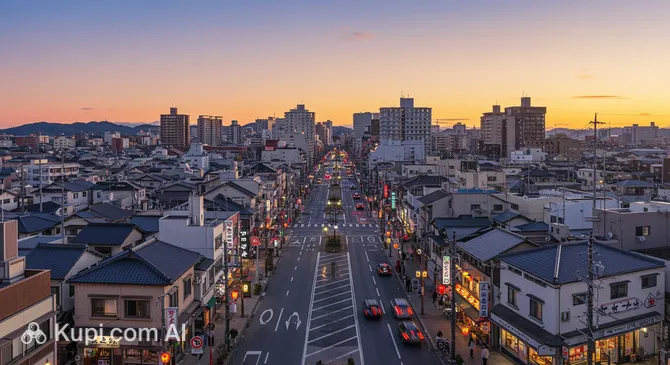
Noda. Illustration.
Source: Kupi.com AI

Noda is famous for several key features that make it attractive to tourists. First and foremost is its heritage in soy sauce production—here, you can learn many interesting facts about this traditional product. Secondly, the city offers excellent opportunities for leisurely strolls through traditional streets, along scenic canals, and visits to ancient temples, immersing you in the atmosphere of old Japan. It is also worth noting the city's green parks, where you can enjoy nature and tranquility.

If you are looking for a place where you can feel the true spirit of Japan without excessive tourist crowds, get acquainted with local traditions, and enjoy hospitality, Noda will be a pleasant discovery for you. This city is ideal for those who wish to dive deeper into Japanese culture and enjoy its unique charm.

You can find more interesting facts on the Noda city history page.

Weather Overview

The climate in Noda is characterized by warm, humid summers and cool, relatively dry winters. In summer, especially in July and August, the average air temperature stays around 26-28°C, with maximum values potentially exceeding 30°C. This period sees a significant amount of precipitation, with the number of rainy days ranging from 15 to 17 per month. The winter months, from December to February, are cooler, with an average temperature of about 4-6°C, sometimes dropping below zero. Precipitation in winter is less abundant, and the number of rainy days decreases to 5-7 per month.

Spring and autumn in Noda are transitional seasons with moderate temperatures and changeable weather. In spring, the temperature gradually rises, reaching an average of 19°C in May, while in autumn, it gradually decreases. The amount of precipitation during these periods is also moderate. To learn more about the climatic conditions and current forecast, you can see more about the weather in Noda.

Average monthly temperature

Average monthly precipitation

Interesting Facts

Beyond its picturesque landscapes and welcoming atmosphere, Noda hides many curious details that not every traveler knows. Ready to discover some surprising facts about this corner of Japan?

  • Did you know that Noda proudly holds the title of the "Soy Sauce Capital" of Japan? This is where the headquarters of the world-famous Kikkoman company is located. For true connoisseurs, there is a unique museum where you can not only trace the entire creation process of this essential ingredient but also taste the freshest sauce straight from the production line.

  • During the Edo period, Noda played a key role in trade as an important transshipment point on the Edo River. To this day, old merchant houses and warehouses can be found in the city, seemingly transporting you back several centuries and reminding you of the city's past economic significance.

  • While cherry blossom festivals are a hallmark of Japan, this event takes on a special charm in Noda. In spring, the banks of the Edo River turn into a veritable "sea of pink," and as dusk falls, hundreds of traditional paper lanterns create a truly magical atmosphere.

  • The city of Noda is the birthplace and workplace of many prominent Japanese entrepreneurs and master craftsmen. Their contributions, especially to the food industry, have significantly influenced the development of not only the region but the entire country, while local artists drew inspiration from the city's scenic surroundings.

How to Get There

There are several ways to reach the city of Noda, the most convenient being a flight to one of the nearby major airports. While Noda itself does not have its own airport, its transport accessibility is ensured by the air hubs of neighboring cities.

The primary option for most international travelers heading to Noda is Haneda Airport (HND). It is located in Tokyo, approximately 45.5 km from Noda. Haneda is one of the world's largest and busiest airports, offering a huge number of international and domestic flights. A trip from Haneda Airport to Noda by taxi or a combination of train and bus usually takes between 1 hour 30 minutes to 2 hours, depending on traffic conditions and the chosen route.

Another major international hub is Narita International Airport (NRT), also located in the metropolitan region, about 50.9 km from Noda. Narita Airport serves many international destinations and is an important transportation hub. Travel time to Noda from here is comparable to the trip from Haneda, taking approximately 1 hour 40 minutes to 2 hours 15 minutes.

It is also worth considering Ibaraki Airport (IBR), located in Ibaraki city, about 54.8 km from Noda. This airport is smaller and primarily focused on regional flights and some budget international airlines. The journey to Noda from here can take about 1 hour 45 minutes to 2 hours 20 minutes.

For your convenience, here is a summary of the main airports used to reach Noda:

AirportPassenger trafficDistance
Haneda Airport85.7 mln46 km
Narita International Airport40.8 mln51 km
Ibaraki Airport776 06355 km
Fukushima Airport250 000150 km
Matsumoto Airport112 618177 km

Although specific details about railway stations directly in Noda are not included in this overview, Japan is famous for its excellently developed railway network. Upon arrival at one of the mentioned airports or in nearby major cities like Tokyo, you can easily find trains heading toward Noda or its nearest stations. It is recommended to use online route planners or information desks at stations to clarify the best transfer options and schedules. Public transport in Japan is highly efficient and punctual, making travel across the country comfortable.

Main Attractions

The city of Noda, located in Chiba Prefecture, offers its guests several interesting places to visit, combining industrial heritage with natural beauty and cultural sites. Everyone will find something to their liking here, whether it's learning about traditional production or relaxing in nature.

One of the most famous attractions in Noda is the Kikkoman Soy Sauce Museum. Visitors can immerse themselves in the history and manufacturing process of this world-famous product. The museum features exhibits detailing centuries-old traditions of soy sauce production, where you can see historical equipment and learn about modern technologies. Tastings are often held, and the gift shop offers exclusive types of sauce and themed merchandise. It is an educational and engaging place for the whole family.

For nature lovers and outdoor enthusiasts, Shimizu Park is an excellent choice. This vast park is famous for its picturesque landscapes, which are particularly stunning during the cherry blossom season in spring and when the azaleas are in bloom. The park grounds feature various areas for relaxation and entertainment: an open-air athletic obstacle course that is one of the largest in Japan, barbecue zones, ponds where you can go boating, and even a small petting zoo with ponies. Shimizu Park is a great place for family picnics, walks, and sports.

The Sekiyado Castle Museum holds significant historical and cultural value. Located on the banks of the Edogawa River, this reconstructed castle allows visitors not only to admire traditional Japanese architecture but also to learn more about the region's history. The museum's exhibits are dedicated to the history of the Tone River, its impact on the lives of local residents, and the culture and lifestyle of the Edo period. The upper floors of the castle offer a magnificent panoramic view of the surrounding area, making the visit particularly memorable.

Local Cuisine

Noda's gastronomic scene is inextricably linked to its greatest asset—soy sauce. This ingredient is not just a condiment here; it is the foundation of many culinary masterpieces, giving dishes a unique local flair. Travelers visiting Noda discover a wonderful world of flavors where traditional Japanese recipes take on new notes thanks to the masterful use of soy sauce.

Be sure to try the city's signature dishes. One of the most unusual and memorable delicacies is "soy sauce ice cream"—a creamy treat with a light salty undertone that has become a true gastronomic symbol of Noda. Meat lovers should taste the local version of yakiniku, where the meat is marinated in a unique soy sauce that gives it special juiciness and aroma. Of course, you cannot miss the incredibly fresh sushi and sashimi, served here with exclusive sauces crafted from local soy sauce. Many restaurants offer tasting sets that allow you to appreciate the full variety of flavors of this famous product.

Street food in Noda will also delight foodies. In lively markets and during city festivals, you can find fragrant grilled rice balls (onigiri) with various fillings, generously seasoned with soy sauce, as well as all sorts of traditional rice and bean-based sweets. As for drinks, as throughout Japan, green tea and sake are popular here and perfectly complement any meal.

The food culture in Noda is diverse: locals and tourists enjoy meals in cozy restaurants specializing in traditional Japanese cuisine using local soy sauce, as well as trying street delicacies. The city is also known for its gastronomic festivals, where you can not only taste dishes but also participate in workshops on their preparation, including the art of creating authentic soy sauce.

Travel Tips

Welcome to Noda! To make your trip to this interesting corner of Japan as comfortable and fulfilling as possible, we have prepared some practical tips. They will help you navigate the area better and avoid common mistakes.

  1. Clothing and Essentials:

    The climate in Noda, as in the rest of Chiba Prefecture, is characterized by four distinct seasons. In summer (June-August), it is hot and humid, so choose light, breathable clothing. Spring (March-May) and autumn (September-November) offer moderate temperatures—ideal for layered clothing. In winter (December-February), it can be chilly, sometimes with light frosts, so warm clothes will come in handy. Be sure to bring comfortable shoes, as you will be doing a lot of walking. Don't forget an adapter for your electronics (Japan uses type A and B sockets, 100V). When visiting temples or shrines, choose modest clothing that covers your shoulders and knees; be prepared to remove your shoes when entering some of them.

  2. Transport in the City:

    The most convenient way to get around Noda and its surroundings is by public transport. Japan has an excellently developed railway network, and Noda is no exception—the city is served by trains. Buses are also available. For ease of payment, consider purchasing an IC card (such as Suica or Pasmo), which can be topped up and used on various modes of transport. Taxis are available but can be expensive; there are Japanese apps for calling a taxi. Car rental is possible with an international driving permit, but keep in mind left-hand traffic, narrow streets, and parking challenges; for most tourists, public transport will be a more practical choice.

  3. Finance:

    The official currency of Japan is the Japanese Yen (JPY). You can exchange currency at airports, banks, and specialized exchange offices. While credit and debit cards are increasingly accepted, especially in large shops and hotels, Japan still remains a country where cash plays an important role, especially in smaller establishments and local markets. Always carry some cash with you. ATMs that accept international cards can be easily found in post offices (Japan Post Bank) and 7-Eleven convenience stores (Seven Bank). As for a daily budget, in Noda, as in Japan in general, you can estimate the following (excluding accommodation): a budget option is around 5,000 - 8,000 JPY per day per person (meals in inexpensive cafes or shops, local transport, free or low-cost attractions). For a more comfortable trip with a medium budget, expect to spend 10,000 - 15,000 JPY per day, which will allow for dining in restaurants, more frequent use of transport, and paid entertainment. These amounts are approximate and may vary depending on your preferences. Tipping in Japan is not customary and may even be perceived as strange, as a high level of service is already included in the price.

  4. Health and Safety:

    Japan is one of the safest countries in the world, and Noda is no exception. The crime rate here is very low. Nonetheless, always take basic precautions: watch your belongings in crowded places. Pharmacies (look for the sign "薬" - kusuri) are everywhere, but pharmacists may not always speak English. It is recommended to have a basic first-aid kit with you. Medical care in Japan is of a high standard but can be expensive, so having travel insurance is highly recommended.

  5. Communication:

    The official language is Japanese. English proficiency among the local population may be limited, especially outside tourist centers. However, Japanese people are very helpful and will try to assist you even if they don't speak English. Learn a few basic phrases: "Konnichiwa" (Hello), "Arigato gozaimasu" (Thank you very much), "Sumimasen" (Excuse me). For connectivity, you can purchase a local SIM card or rent a pocket Wi-Fi router—this is very popular and convenient. Free Wi-Fi is often available in hotels, cafes, stations, and shops. Apps like Google Maps and Google Translate will be useful.

  6. Local Etiquette:

    Japanese people highly value politeness and respect for tradition. When greeting someone, a slight bow is more appropriate than a handshake (unless the Japanese person initiates it). In public places, especially on transport, try to speak quietly and not disturb others. It is not customary to eat or drink while walking. Be prepared to remove your shoes when entering homes, some temples, traditional restaurants, and ryokan guesthouses. Show patience and respect for local customs.

  7. What to Avoid:

    Never stick your chopsticks vertically into a bowl of rice—this is associated with funeral rituals and is considered bad manners. Also, try not to blow your nose loudly in public; if necessary, it's better to go to a restroom. Avoid pointing your finger at people—this is considered impolite.

  8. Specialty of Noda:

    The city of Noda is known throughout Japan and beyond as a center for soy sauce production; notably, it hosts the headquarters and main plants of the Kikkoman company. If you have the chance, try to visit the Kikkoman Soy Sauce Museum or learn more about its manufacturing traditions. It can be a unique and educational experience during your trip.

We hope these tips help you plan an unforgettable trip to Noda. We wish you pleasant discoveries and vivid impressions in this unique Japanese city!

Entertainment & Nightlife

Nightlife in Noda differs from the bustling megapolises like Tokyo. You won't find massive dance floors or neon districts open until dawn here. Instead, Japan reveals its most authentic side: cozy izakayas (Japanese pubs), karaoke bars, and small local restaurants. It's the perfect place to immerse yourself in the calm atmosphere of a Japanese suburb and chat with the local population.

Most evening activity is centered around the train stations, especially in the areas of Atago Station and Noda-shi Station. It is here, in the labyrinth of narrow streets, that red lanterns light up, inviting you in for dinner and a glass of sake or beer. The crowd consists mainly of "salarymen" (office workers) relaxing after work and groups of friends. There is no dress code, and the atmosphere is maximally democratic and relaxed.

If you are looking for specific places to start your evening, be sure to check out the legendary White Gyoza (Head Office). Noda is the birthplace of this famous chain, and trying their signature fried dumplings is a must. This establishment is perfect for a hearty dinner before heading out to the bars. To continue the night, you can drop into chain karaoke spots like Karaoke Manekineko, which often operate 24/7 and allow you to rent a private room for your group.

Practical tips for tourists:

  • Opening Hours: Most bars and restaurants close earlier than in Tokyo, usually around 11:00 PM or midnight. Keep an eye on the train schedule if you plan to return to another city.
  • Prices: Noda is significantly cheaper than the capital. An average bill for dinner with drinks will be around 3,000–4,000 yen.
  • Safety: The city is very safe for night walks. However, as with everywhere, stay alert. If you stay out late, taxis are always stationed near the stations. You can call a car via an app or ask the staff at the venue to help.

In addition to evening entertainment, Noda offers an interesting daytime program. The city is known as the center of soy sauce production, so it’s worth visiting the Kikkoman Soy Sauce Museum to learn the history of Japan’s main ingredient. Outdoor enthusiasts will love Shimizu Park—one of Japan's largest parks featuring obstacle courses and beautiful gardens, which are lovely at any time of year.

Parks & Museums

The city of Noda, located in Chiba Prefecture, offers its guests a pleasant combination of peaceful green spaces for outdoor relaxation and interesting cultural sites that allow for a deeper understanding of the region's history and traditions. Here, you can find both expansive parks for active pursuits and educational museums revealing the city's unique heritage.

One of the most significant and beloved leisure spots in Noda is Shimizu Park (Shimizu Koen). This vast park is a true oasis offering entertainment for all tastes. Here, you can enjoy the beauty of nature, especially during the cherry blossom or azalea seasons, stroll along picturesque paths, visit an athletics field, or even a water park. For families with children, there are special play areas and the opportunity for pony rides. Shimizu Park is perfectly suited for both quiet walks and active outdoor recreation.

In addition to Shimizu Park, Noda and its surroundings feature other more intimate parks and squares where it is pleasant to spend time in silence, enjoying the well-kept landscapes and seasonal flowers characteristic of Japan. These green corners are ideal for leisurely rest and nature contemplation.

Speaking of Noda's cultural heritage, it is impossible not to mention the Kikkoman Soy Sauce Museum (Monoshiri Shoyu Kan). Noda is historically one of the centers of soy sauce production in Japan, and this museum offers a fascinating immersion into the history and creation process of this famous product. Visitors can learn about traditional fermentation methods, see vintage equipment, and even taste different types of sauce. It is a unique opportunity to touch an important part of Japanese gastronomic culture.

For those interested in local history, the Noda City Museum is worth a visit. The museum's exhibits tell the history of the region from ancient times to the present day, highlighting the city's development, the lifestyle of its residents, and key events. It is an excellent place to better understand the context and cultural characteristics of Noda.

Another interesting site is the Sekiyado Castle Museum, which, while dedicated to the history of a specific castle and the management of the Tone River waterways, also sheds light on the past of this part of Chiba Prefecture. The museum is located in a reconstructed castle and offers beautiful views of the surrounding area, as well as an introduction to the history of the samurai era.

For a more authentic experience, try visiting the local small temples or shrines scattered throughout the city, where you can feel a peaceful atmosphere and see traditional architecture. Also, when planning a visit to Shimizu Park, check the blooming calendar—seasonal flower festivals make this place especially charming and photogenic.

Getting Around

The city of Noda offers a convenient public transportation system, primarily based on railway lines and bus routes. Trains are the main mode of travel for longer distances within the city and for trips to neighboring towns. Buses complement the railway network perfectly, providing access to areas further from the stations.

To pay for travel in Noda, as in many cities in Japan, reloadable IC cards such as Suica or PASMO are widely used. These cards are very convenient as they can be used not only on trains and buses but also in some shops and vending machines. Alternatively, you can always purchase single tickets from machines at stations or, in the case of buses, sometimes from the driver. Fares usually depend on the distance traveled. There may not be specific tourist passes exclusively for Noda, but universal IC cards cover most traveler needs.

You can obtain an IC card or buy a single train ticket at machines located in railway stations. When entering the platform (for trains) or boarding a bus, you must tap your IC card against the reader. For single train tickets, pass them through the turnstile. Upon exiting the train, repeat the procedure with the IC card or ticket to ensure the correct amount is deducted. Public transport usually starts early in the morning, around 5-6 AM, and finishes close to midnight. It is recommended to check the schedule for specific routes in advance, especially if you plan to travel late.

In addition to public transport, you can use taxi services in Noda. Taxi stands are usually found near railway stations and major sites. This is a more expensive but comfortable way to get around, especially if you have luggage or are traveling late at night. For fans of active recreation and short city trips, bicycle rentals may be available—a great way to explore local streets and parks at your own pace, especially in good weather.

There are no unique modes of transport in Noda, such as a historic metro or an extensive tram network, but the existing system of railway and bus connections is efficient and well-organized for comfortable travel around the city and its surroundings.

Accommodation

When planning a trip to Noda, you will find various accommodation options to suit different preferences and budgets. The city offers a choice from standard hotels to perhaps more authentic Japanese guesthouses, although large luxury resorts are less common here compared to major metropolises.

For convenience in getting around and accessing the city's main attractions, travelers are generally recommended to choose accommodation in central districts or near major transport hubs. This will allow for easy exploration of Noda and its surroundings. While specific hotel examples are not currently included in the data, you can find up-to-date offers on popular online booking platforms. In the future, if data on recommended hotels in Noda becomes available, this information will be supplemented with appropriate links.

Regarding the price range, in Noda, as in most Japanese cities, you can find both budget options and mid-range hotels. Prices may vary depending on the season, location, and level of comfort. It is recommended to book accommodation in advance, especially if your trip coincides with holidays or popular local festivals in Japan. The most common booking methods are international and Japanese online platforms, as well as direct booking through hotel websites.

When choosing accommodation, pay attention to the room type and offered amenities. Some hotels may offer both Western-style rooms and traditional Japanese rooms with tatami mats. Careful planning will help make your stay in Noda as comfortable as possible.

Nearby Cities

For those looking to explore the surrounding area, Noda serves as an excellent starting point for day trips to several interesting nearby locations:

CityPopulationDistance
Matsubushi28 4946 km
Yoshikawa72 1397 km
Moriya68 9929 km
Bando51 51110 km
Koshigaya346 76810 km

These nearby destinations provide insight into the region's diverse culture and landscapes, offering exciting options for short trips from Noda. For example, Kashiwa attracts visitors with its lively shopping streets and the large Kashiwanoha Park, ideal for relaxation and walks. A trip to Matsudo allows you to get acquainted with the region's history by visiting the historic Tojo-tei residence and its eponymous temple. Koshigaya is known for hosting one of Japan's largest shopping centers, Koshigaya Laketown, as well as picturesque spots along the Motoara River. Soka offers an immersion into the atmosphere of old Japan thanks to the famous Soka Matsubara pine alley, mentioned by Matsuo Basho. Finally, Kasukabe is famous as the home of the popular anime character Shin-chan and for the beautiful wisteria blooms in Ushijima-no-Fuji Park.

Shopping & Souvenirs

Shopping in Noda offers tourists the chance to get acquainted with local trade and find unique Japanese goods. The city, known for its historical connection to soy sauce production, can offer not only a standard set of shops but also authentic local products. While Noda is not a major metropolis with massive shopping districts, you can find everything you need along with interesting souvenirs.

The main shopping spots in Noda are likely to be concentrated around the central streets and possibly near the train station. Here, you can find a variety of shops: from small family-run stalls selling traditional goods to modern supermarkets and clothing stores. Strolling through these areas allows you to experience the local flavor and find something interesting.

Regarding large shopping centers, in a city the size of Noda, these may be represented by local complexes offering a good selection of everyday goods, clothing, and electronics. If you are looking for massive malls with international brands, you might consider a trip to larger cities in Chiba Prefecture or Tokyo. However, Noda also has shopping outlets where you can conveniently make comprehensive purchases.

Markets in Japanese cities often offer fresh local produce, seafood, and flowers. While information on major tourist markets in Noda may be limited, it is worth looking out for smaller local markets or fairs if any are being held. This is a great opportunity to buy fresh seasonal products and see the daily life of the citizens.

For souvenirs from Noda and Japan in general, look for items related to local culture and production. Given Noda's history, soy sauce-based products or related accessories can make a unique gift. Traditional Japanese crafts are also popular: ceramics, textiles, fans, chopsticks, local sweets (such as wagashi or sembei), green tea, and cosmetics.

Shops in Noda typically operate from 10:00 or 11:00 AM until 7:00 or 8:00 PM. Large supermarkets may have longer opening hours. Cash (Japanese Yen) is widely accepted as a form of payment, as are credit cards in most shops and shopping centers. Contactless payments and payments using IC cards (such as Suica or Pasmo) are also common.

For foreign tourists in Japan, a Tax-Free system is available. In participating shops (usually marked with a "Tax-Free Shop" sign), you can claim a consumer tax refund when purchasing goods over 5,000 yen (excluding tax). You will need to present your passport to do this. It is recommended to clarify the tax refund terms directly at the shop.

Reached the end of the page?

That means the route is fully explored