Support

Kasukabe

About

Kasukabe is a charming and cozy city located in Saitama Prefecture, just 30 kilometers north of Tokyo, the bustling capital of Japan. Thanks to this convenient location, Kasukabe is an excellent choice for travelers who want to enjoy a more relaxed pace of Japanese life without losing easy access to the metropolis.

The city stretches across flat terrain, making it perfect for leisurely walks and cycling. Kasukabe has a population of 228,975 people. It is a modern and dynamically developing center that has nevertheless managed to preserve the features of a traditional Japanese town, creating a unique blend of the old and the new.
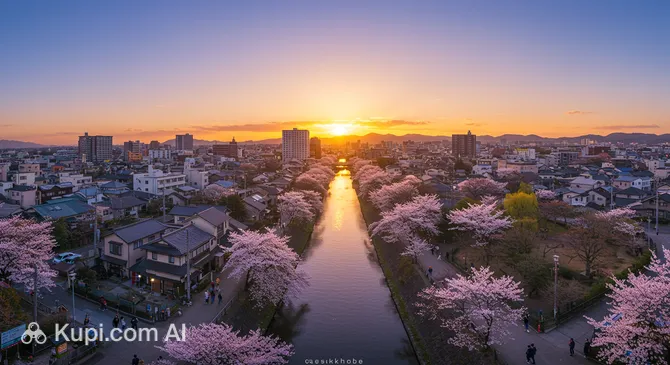
Kasukabe. Illustration.
Source: Kupi.com AI

One of the key features of Kasukabe is the harmonious coexistence of history and modernity: here you will find contemporary shopping centers alongside quiet, peaceful temples and picturesque parks. The city is also famous for its friendly atmosphere and is well-suited for family trips, offering numerous parks, entertainment complexes, and museums, as well as cozy cafes and restaurants to suit every taste.

The atmosphere of Kasukabe is a rare combination of tranquility and hidden energy. The city lives at its own steady rhythm but is always ready to surprise its guests with interesting events, local festivals, and cultural discoveries. By visiting Kasukabe, you will certainly feel its hospitality and find many reasons for joyful impressions and pleasant memories.

You can find more interesting facts on the Kasukabe city history page.
Weather Overview

The weather in Kasukabe is characterized by noticeable seasonal changes. Summer, especially in July and August, is usually warm and humid, with average temperatures reaching 28°C and highs exceeding 30°C. This period also sees the highest number of rainy days. Winters, by contrast, are cool and relatively dry, with average temperatures in January around 4.4°C, sometimes dropping below freezing. Spring and autumn offer more moderate temperatures and are transitional seasons with changeable weather.

In general, expect a warm and sometimes hot summer with periodic rain, and cool, relatively dry winters. For a more detailed look at weather conditions by month, you can explore the Kasukabe climate.

Average monthly temperature

Average monthly precipitation

Interesting Facts

In addition to its well-known attractions, Kasukabe hides many surprising details and stories that make it truly unique. Here are just a few interesting facts that will help you see this city from a new perspective:

Hachiman Shrine. Illustration.
Source: Kupi.com AI

Traveler photos:

  • Kasukabe is a true "anime Mecca" for fans of the cult animated series "Crayon Shin-chan." The adventures of the main character, the mischievous Shinnosuke Nohara, take place right here, and the city takes pride in this, offering tourists character monuments and themed routes.

  • During the Edo period, Kasukabe played an important role as one of the key points on the ancient Nikko Kaido trade route. The atmosphere of those times can still be felt on some of the city's streets, where old buildings have been preserved.

  • One of the city's hallmarks is the "Kasukabe Danjiri Matsuri" festival. This colorful event featuring traditional floats decorated with lanterns and flowers attracts many spectators and immerses them in the authentic atmosphere of Japanese celebrations.

  • The city is famous for its masters of traditional crafts, especially the production of high-quality tatami. These traditional Japanese mats from Kasukabe are known throughout Japan for their unsurpassed quality.

How to Get There

The most convenient way to reach the city of Kasukabe, located in Saitama Prefecture, is through the major international airports serving Tokyo and the surrounding regions. Although Kasukabe does not have its own airport, several of Japan's key air gateways are within a reasonable distance, providing good transport links.

The primary choice for most international travelers is Haneda Airport (HND), officially known as Tokyo International Airport. It is located in Tokyo, approximately 47 km south of Kasukabe. As one of the busiest airports in the world, Haneda offers many domestic and international flights. A trip from Haneda to Kasukabe by taxi or a combination of train and taxi usually takes about 1.5 hours, depending on traffic conditions and the chosen route.

Another major international hub is Narita International Airport (NRT). It is located in Chiba Prefecture, east of Tokyo, at a distance of about 62 km from Kasukabe. Narita handles a large number of international flights from all over the world. Travel time from Narita to Kasukabe by car or public transport (for example, a train with transfers and a taxi) is approximately 1 hour 50 minutes to 2 hours.

Alternatively, especially for some budget airlines or regional flights, you might consider Ibaraki Airport (IBR). This smaller airport is located in Ibaraki City, about 64 km northeast of Kasukabe. The journey from here to Kasukabe will take about 2 hours by car.

From these airports, Kasukabe can be reached in various ways: by train (often requiring one or more transfers), express buses (if they run to the major stations closest to Kasukabe), or taxi. To save money, it is recommended to research public transport routes in advance, such as the Tobu Skytree Line, which passes through Kasukabe. Public transport may take longer than a taxi but will be significantly cheaper.

For clarity, here is summary information on the main airports through which you can reach Kasukabe:

AirportPassenger trafficDistance
Haneda Airport85.7 mln47 km
Narita International Airport40.8 mln62 km
Ibaraki Airport776 06364 km
Fukushima Airport250 000152 km
Matsumoto Airport112 618166 km

Main Attractions

Kasukabe, a city in Saitama Prefecture, offers travelers the opportunity to explore various aspects of Japanese culture and daily life. While it may not be as widely known as Japan's major metropolises, it has its own cozy corners and interesting spots that deserve attention.

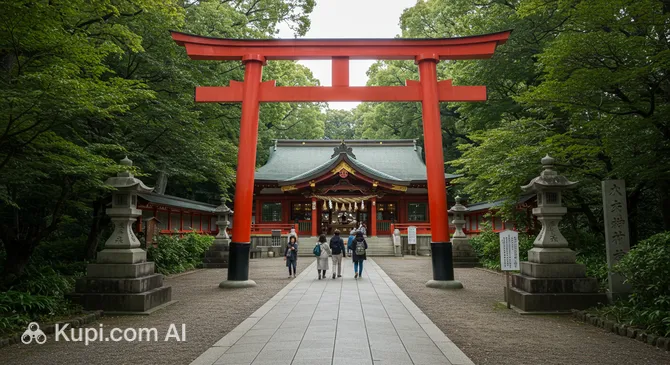
One significant site is the Hachiman Shrine. This is a traditional Shinto shrine dedicated to the deity Hachiman, who is revered in Japan as a protector, including as a patron of warriors. A visit to the shrine provides a chance to connect with the country's spiritual side, admire the temple architecture, and experience an atmosphere of peace and serenity. It is an important site of the city's cultural heritage.

Hachiman Shrine. Illustration.
Source: Kupi.com AI

Traveler photos:

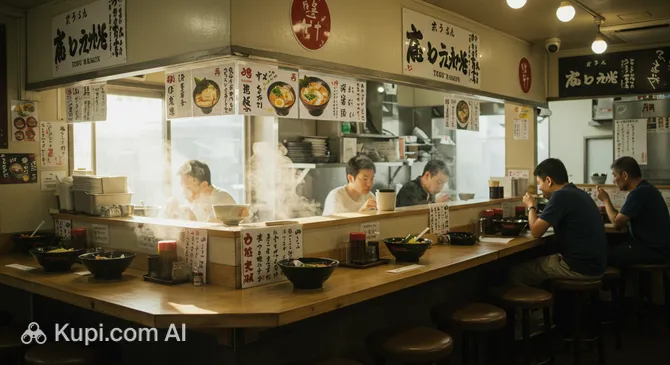
For those who want to try authentic Japanese cuisine, a visit to Tobu Ramen can be an interesting experience. Ramen is one of Japan's most beloved dishes, and each ramen shop often has its own unique recipes for rich broth and delicious noodles. Here, you can enjoy a hearty portion of ramen in a typical Japanese setting, gaining both gastronomic pleasure and insight into the local culinary culture.

Tobu Ramen. Illustration.
Source: Kupi.com AI

Traveler photos:

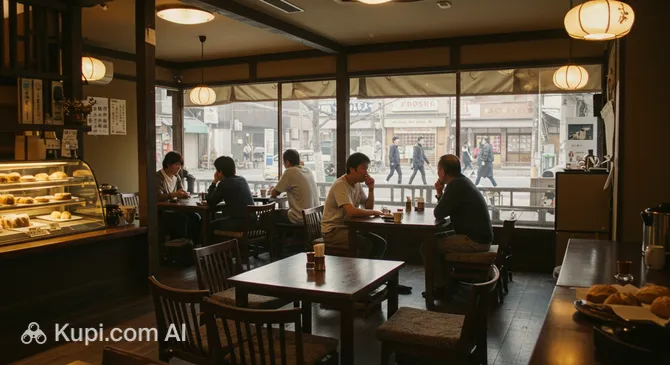
If you are looking for a place to relax over a cup of aromatic coffee, consider Musashino Mori Coffee Kasukabe. This cafe offers a cozy atmosphere where you can unwind after strolling through the city, enjoy high-quality coffee, and perhaps some desserts. It is an excellent place to catch your breath, observe the slow pace of local life, or simply plan your next route.

Musashino Mori Coffee Kasukabe. Illustration.
Source: Kupi.com AI

Traveler photos:

Kasukabe offers its guests both traditional and modern places to visit, allowing for a diverse and interesting itinerary in this corner of Japan.

Local Cuisine

The gastronomic world of Kasukabe will pleasantly surprise both connoisseurs of traditional Japanese cuisine and seekers of new taste sensations. The city offers a rich variety of dishes, from exquisite delicacies to mouth-watering street food, reflecting the locals' love for high-quality products and culinary traditions.

One of the main gastronomic gems of Kasukabe is unagi—eel dishes prepared according to ancient recipes. Tender fillets, charcoal-grilled and glazed with an aromatic sauce, are a true delicacy that you should definitely try. The city is also famous for dishes made from the freshest vegetables grown on local farms. Be sure to visit the farmers' markets, where you can taste seasonal products like sweet potatoes or pickled vegetables and experience the authentic taste of the region.

For those who prefer to get to know the city through its street food, Kasukabe is a true paradise. At every turn, you'll find stalls offering popular Japanese snacks: takoyaki (appetizing batter balls with octopus pieces), yakisoba (hearty fried noodles), and various traditional sweets. Special attention should be paid to local variations of mochi—rice cakes with wonderful fillings.

The food culture in Kasukabe is diverse: locals and tourists enjoy food in cozy restaurants as well as buying it from busy street stalls or farmers' markets. The city regularly hosts gastronomic festivals, especially in spring and autumn, turning into a large festive venue. If you want to try authentic ramen, stop by Tobu Ramen, a popular spot among lovers of this dish.

A meal in Kasukabe is perfectly complemented by both traditional Japanese drinks and modern options. Among alcoholic beverages, it's worth noting sake and shochu. Among non-alcoholic ones, refreshing green tea is popular, as are various lemonades, including the famous Japanese ramune. In cafes like Musashino Mori Coffee Kasukabe, you can enjoy a cup of aromatic coffee and relax in a pleasant atmosphere.

Travel Tips

Planning a trip to Kasukabe? Wonderful! To make your introduction to this cozy city in Japan go smoothly and leave only pleasant impressions, use our proven tips. They will help you feel more confident and get the most out of your journey.

  1. Clothing and items by season:

    The climate in Kasukabe is typical of Japan, with distinct seasons. In summer (June-August), expect heat and humidity—bring light, breathable fabrics. Spring (March-May) and autumn (September-November) offer comfortable temperatures, ideal for layered clothing. In winter (December-February), a warm jacket, hat, and gloves are essential. A key wardrobe item is comfortable shoes for long walks. Don't forget a power adapter (type A and B, 100V). When visiting temples, be prepared to remove your shoes and choose clothing that covers your shoulders and knees.

  2. Getting around the city:

    The main way to travel around Kasukabe is by efficient public transport. Railway lines, such as the Tobu Skytree Line and Tobu Urban Park Line, connect the city well with its surroundings and Tokyo. Local buses are also available. Taxis are an option but more expensive; consider apps like JapanTaxi or DiDi. Car rental is possible with an international license, but keep in mind that parking and traffic can be difficult, so trains and buses are often preferred.

  3. Money and expenses:

    The currency of Japan is the Japanese yen (JPY). You can exchange money at the airport, banks, or the post office. Visa and Mastercard are accepted in hotels, large stores, and restaurants, but cash remains king in small shops and markets. ATMs in 7-Eleven stores (Seven Bank) and post offices (Japan Post Bank) usually accept international cards. Keep a supply of cash with you. An approximate daily budget (excluding accommodation) is 7,000-15,000 JPY. Important: tipping is not practiced in Japan and may cause confusion.

  4. Health and safety:

    Kasukabe is a very safe city, as is all of Japan. Pharmacies (look for the character 薬 "kusuri") are common, but staff may not always speak English—have the names of medications or a translator app ready. Travel insurance for medical assistance is mandatory. Standard precautions (watching your belongings) apply. Emergency numbers: police – 110, ambulance/fire – 119.

  5. Language and connectivity:

    The official language is Japanese. English is not widely spoken, especially away from tourist centers, but Japanese people are very helpful. Basic phrases like "Konnichiwa" (Hello), "Arigato" (Thank you), and "Sumimasen" (Excuse me) will be very helpful. For connectivity, buy a local SIM card, rent a pocket Wi-Fi, or use free Wi-Fi in hotels and cafes. Map apps (like Google Maps) and translators will be your best assistants.

  6. Etiquette:

    Politeness is highly valued in Japan. The greeting is a bow (a slight nod is sufficient for tourists). Speak quietly in transport and public places. Try not to eat or drink while walking on the street. Shoes are removed before entering homes, some temples, and traditional restaurants—there is always a special place for them. Queuing is common; treat it calmly.

  7. Taboos and warnings:

    To avoid awkwardness: never stick your chopsticks vertically into your rice (this is associated with funeral rites). Do not point at people with your finger—use an open palm. Loud phone conversations on public transport are also discouraged.

  8. The Kasukabe Highlight:

    Kasukabe is the birthplace of the famous anime character Shin-chan ("Crayon Shin-chan")! Fans can visit the themed "Buriburi Cinema Studio" in the Lala Garden Kasukabe mall or just look for souvenirs of this mischievous hero. This adds a unique charm and playful mood to the city.

We hope these simple tips help you plan the perfect trip to Kasukabe. We wish you unforgettable impressions of hospitable Japan and the unique atmosphere of this lovely city!

Entertainment & Nightlife

Kasukabe, known to many as the hometown of a popular anime character, offers its guests not only daytime activities but also plenty of options for a pleasant evening. While the nightlife here may not be as large-scale as in Tokyo, you will certainly find places to relax after a busy day.

The foundation of evening entertainment in Kasukabe consists of cozy bars, traditional Japanese drinking establishments called izakayas, and, of course, karaoke bars, which are popular throughout Japan. You can find them near railway stations, such as Kasukabe Station. The atmosphere in these places is usually friendly and conducive to socializing. One place where you can grab a drink is Tobu Ramen, which offers drinks as well as a popular Japanese dish.

If you prefer a quiet dinner, the city has restaurants that stay open late. For example, Musashino Mori Coffee Kasukabe can be a good choice for an evening meal in a pleasant setting. Many establishments offer both Japanese and international cuisine. Classic nightclubs are less common here; the emphasis is more on intimate types of relaxation.

Most bars and izakayas open in the evening, around 5:00 PM - 6:00 PM, and operate until midnight or slightly later, especially on weekends. The dress code is usually casual unless you have chosen a premium establishment. The crowd is mostly local, allowing you to dive deeper into the city's atmosphere. Prices in Kasukabe's bars and restaurants are generally moderate, especially compared to the capital.

For getting around the city at night, it is most convenient to use a taxi, as public transport may run less frequently. You can order a taxi at stations or ask the staff at your hotel or establishment. Kasukabe is considered a fairly safe city, though standard precautions, especially when walking alone at night, are always appropriate.

During the day, Kasukabe offers other types of leisure. The city is famous for its connection to the manga and anime "Crayon Shin-chan," and fans can find themed locations. Additionally, you can visit local parks for walks or explore historical sites such as the Hachiman Shrine to learn about the region's culture. Although the city doesn't have large theaters or world-class museums, its charm lies in its authentic Japanese provincial atmosphere.

Overall, evening in Kasukabe is an opportunity to relax quietly, enjoy delicious food and drinks in the company of friends or locals, and experience the hospitality of this cozy city in Saitama Prefecture.

Parks & Museums

Kasukabe, nestled in Saitama Prefecture, offers its guests not only an introduction to modern Japanese life but also the opportunity to enjoy green oases and connect with the region's cultural heritage. There are interesting spots here for nature lovers as well as for those who appreciate history and unique attractions.

Among Kasukabe's green zones, the Ushijima Wisteria Garden (Ushijima no Fuji) stands out. This place is famous for its ancient wisterias, which are hundreds of years old. In the spring, during the blooming period, the garden transforms into a truly magical place with cascading purple flowers, attracting photographers and nature enthusiasts. Another popular spot for relaxation is Kasukabe Sogo Park (Kasukabe Sōgō Kōen). This is a large multi-purpose park where you can find playgrounds for children, sports facilities, and spacious lawns for picnics and quiet walks.

Speaking of cultural sites, one cannot fail to mention a unique engineering feat—the Metropolitan Area Outer Underground Discharge Channel, also known as G-Cans. This is a giant system of underground tunnels and reservoirs built to prevent flooding. Tours of this "underground shrine" leave a lasting impression due to its scale and futuristic atmosphere, serving as a museum of sorts for modern engineering.

Kasukabe is also known as the "hometown" of the popular anime character Crayon Shin-chan. Although there might not be a large dedicated museum for him, the spirit of this mischievous boy is felt throughout the city. Fans can find themed merchandise, visit locations related to the anime, or stop by the LaLaGarden Kasukabe shopping center, which sometimes hosts Crayon Shin-chan events, adding a special flair to the city's cultural life.

To learn about the city's history and spiritual life, you should visit the Hachiman Shrine. This local Shinto shrine is an important cultural and historical site where you can observe traditional rituals and enjoy a peaceful atmosphere. A visit to the shrine provides an opportunity to better understand the religious traditions of Japan.

To truly feel the atmosphere of Kasukabe, turn off the busy streets and stroll through the quiet residential neighborhoods. Here, you can discover small local temples, cozy family-run restaurants, and feel the slow pace of Japanese provincial life. Also, keep an eye out for local festivals if your trip coincides with one—it's an excellent way to experience the culture from the inside.

Getting Around

Getting around Kasukabe and its surroundings is quite convenient thanks to its well-developed public transport system. The core of the city's transport network consists of railway lines, primarily those of the Tobu Railway (Isesaki and Noda/Urban Park Lines). Trains run frequently and on schedule, connecting various districts of Kasukabe and providing fast links to Tokyo and other major cities in the Kanto region. This is the most popular and efficient way to travel medium and long distances.

Local bus routes complement the railway service. Buses connect railway stations with residential neighborhoods, public institutions, and attractions that may not be convenient to reach on foot from the stations. The route network is quite extensive, though for a tourist, trains remain the primary point of reference.

The fare payment system in Kasukabe is integrated with the rest of Japan. The most convenient way is using rechargeable smart cards, such as Suica or Pasmo. These cards can be used for trains and buses not only in Kasukabe but also in many other cities across Japan. You can purchase and top them up at machines in railway stations. Single tickets, bought at machines before travel, are also available; their price depends on the distance. Using IC cards is often slightly cheaper and saves a lot of time by eliminating the need to buy a ticket for every trip.

For tourists, there are several practical points to know. Train tickets and IC cards are purchased at railway stations in special machines or ticket offices. When entering and exiting the platform, you must tap your IC card on the turnstile or insert your paper ticket. In buses, payment is usually made upon boarding or exiting, also using an IC card or cash to the driver (it is advisable to have the exact amount). Public transport operates approximately from 5-6 AM until midnight, but it is best to check the exact schedule in advance, especially for the last trips.

In addition to public transport, alternative ways of moving around are available in Kasukabe. Taxis can be found at stands near railway stations or called by phone, though this is a more expensive option. For leisurely exploration of the city and its surroundings, you might consider renting a bicycle—a popular way to travel in Japanese cities, allowing you to explore areas far from stations at your own pace.

Accommodation

When planning a trip to Kasukabe, you will find a variety of accommodation options to suit different preferences and budgets. The city offers small guesthouses and budget hotels as well as more comfortable mid-range hotels, including business hotels popular with business travelers and tourists. For those seeking home comfort and more space, apartment rentals are also available.

When choosing a place to stay in Kasukabe, it is worth focusing on proximity to transport hubs like railway stations, which will ensure easy movement around the city and its surroundings. Many hotels are located so that guests can easily reach main shops, restaurants, and local attractions, such as the Hachiman Shrine.

The price range for accommodation in Kasukabe varies: you can find both budget options and mid-range offers. Booking accommodation is convenient through popular online platforms, which feature a wide selection of hotels and apartments. Direct booking on hotel websites is also an option.

To ensure the best conditions and prices, especially if your trip coincides with national holidays or popular local events, it is recommended to book accommodation well in advance. Early planning will allow you to choose the best option and make your stay in Kasukabe as comfortable as possible.

Nearby Cities

For those who want to explore the surrounding area, Kasukabe serves as an excellent starting point for day trips to several interesting nearby locations:

CityPopulationDistance
Sugito43 7556 km
Matsubushi28 4948 km
Hasuda61 4738 km
Shiraoka52 1038 km
Koshigaya346 76810 km

These nearby destinations offer insight into the region's diverse culture and landscapes. Each of these cities offers its own unique attractions, from historical temples and parks in Saitama to modern shopping centers and cultural sites, making them a great choice for a short trip from Kasukabe.

Shopping & Souvenirs

Shopping in Kasukabe is an opportunity to find both daily necessities and unique souvenirs, especially for fans of the famous anime. The city might not be a major world-class fashion center, but it offers a pleasant shopping experience that combines modern stores and local shops.

The main shopping spots are generally concentrated around Kasukabe Station. Here you can find department stores offering clothing, cosmetics, and home goods, as well as smaller specialized stores and chain retailers. Strolling through the adjacent streets can also lead to interesting finds in small boutiques or shops selling local goods.

While Kasukabe might not have the giant shopping malls found in Tokyo, shopping complexes or department store floors are often located near major transport hubs like Kasukabe Station, where you can find a variety of goods under one roof. Look for signs for popular Japanese chains or local department stores.

There may be few specialized tourist markets in Kasukabe, but it's always worth keeping an eye out for small local food markets where you can buy fresh produce and local delicacies. Occasionally, temporary fairs with souvenirs and handicrafts may be organized at temples or during city festivals.

The main souvenir from Kasukabe is undoubtedly merchandise related to the popular anime series "Crayon Shin-chan", which is set in this very city. You will find many figurines, toys, stationery, and other items featuring the main character and his family. Additionally, look for traditional Japanese souvenirs such as ceramics, textiles, local sweets (like senbei or manju), and perhaps items made from paulownia wood (kiri), as the Saitama region is known for this craft.

Most shops in Kasukabe, as in Japan as a whole, are open from about 10:00 AM or 11:00 AM to 7:00 PM or 8:00 PM. Larger department stores may stay open a bit longer. Credit cards are widely accepted in most shops, especially larger ones. However, it is always useful to have some cash on hand, especially for purchases in small shops or at markets.

For foreign tourists in Japan, there is a Tax-free system. Look for stores with the "Japan Tax-free Shop" logo. Usually, to process a tax refund, you need to make a purchase of a certain amount (most often over 5,000 yen excluding tax) in one store within one day and present your passport at the checkout or a special Tax-free counter.

Reached the end of the page?

That means the route is fully explored