Support

Tsukuba

About

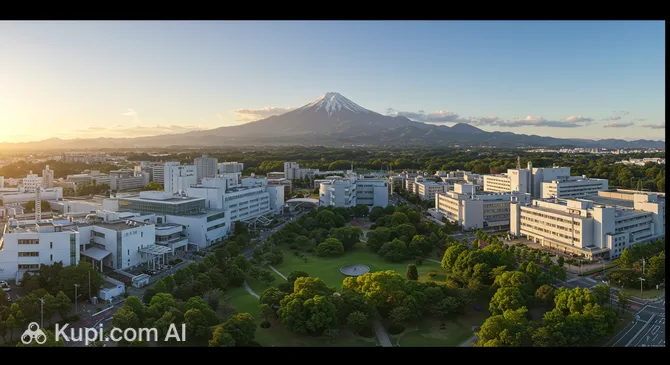
Tsukuba is a fascinating city that harmoniously combines cutting-edge scientific achievements with picturesque nature. Located just 50 kilometers northeast of Tokyo in Ibaraki Prefecture, it is nestled at the foot of the famous Mount Tsukuba. With a population of about 246,000, this city rightfully holds the title of Japan's science capital and offers a unique atmosphere where innovation exists side-by-side with centuries-old traditions.
Tsukuba. Illustration.
Source: Kupi.com AI

Tsukuba's main pride is its scientific potential. It is home to over 300 research institutes, laboratories, and universities, including the renowned University of Tsukuba and the headquarters of the Japan Aerospace Exploration Agency (JAXA). This attracts specialists from all over the world, creating a truly international environment. However, despite its status as a technological hub, Tsukuba remains an incredibly green city. Numerous parks, botanical gardens, and blooming alleys, connected by a network of pedestrian and bicycle paths, create ideal conditions for relaxation and walks.

Among the key attractions that make Tsukuba appealing to tourists is, of course, Mount Tsukuba itself, which can be ascended by cable car to enjoy breathtaking views of the Kanto Plain. It is also worth visiting the interactive science museums, which are interesting for both adults and children, and taking a stroll through one of the many parks, such as the scenic Doho Park. The city offers a unique opportunity to combine a look into the future of Japanese science with an immersion into the tranquility of traditional temples and natural beauty.

Tsukuba is a place where the future meets the past, offering travelers a chance to discover Japan from an unexpected perspective. If you are looking for a city that will surprise you with its contrast of high technology and natural harmony, Tsukuba awaits you.

You can find more interesting facts on the history of Tsukuba page.
Weather Overview

The weather in Tsukuba is characterized by distinct seasons. Summer, especially in July and August, is warm and humid here, with average temperatures around 26-28°C, and maximum values can reach 30-31°C. These months also see the highest number of rainy days. Winters, from December to February, are quite cool, with average temperatures around 4-6°C and night frosts when the thermometer can drop below zero. Precipitation is significantly lower in winter. Spring and autumn offer moderate temperatures and changeable weather. Overall, expect a warm summer with periodic rain and cool, drier winters. To learn more, see details about the weather in Tsukuba.

Average monthly temperature

Average monthly precipitation

Interesting Facts

In addition to its famous scientific achievements, Tsukuba hides many interesting stories and features that make this city truly unique. Here are just a few curious facts about this Japanese science city:

Expo '85 Memorial Park. Illustration.
Source: Kupi.com AI

Traveler photos:

  • Tsukuba is one of Japan's youngest cities. It was officially founded in 1963 as an experimental "science city," where the government deliberately relocated research institutes from overcrowded Tokyo. By 1980, about 40 scientific institutions were operating here, and in 1985, the city hosted the World Expo, which brought it international fame and left a legacy such as Expo '85 Memorial Park.

  • Tsukuba is home to the headquarters of JAXA—the Japan Aerospace Exploration Agency. Many of the country's ambitious space missions are coordinated from here. In the local space center, you can see real satellites and learn how robots are created to study the Moon and Mars.

  • Tsukuba has an unusually high number of foreign residents for a Japanese city—over 7,000 people from 90 countries and about 2,000 international students from 100 countries. Thanks to this, international festivals, cultural exchanges, and language clubs are frequently held here, and you can hear dozens of world languages on the streets.

  • The symbol of the city is Mount Tsukuba with its characteristic double peak, which the Japanese call "male" (Nantai-san) and "female" (Nyotai-san). Legend has it that this mountain was always hospitable to travelers, unlike Mount Fuji, which reportedly refused lodging to a goddess. Therefore, Mount Tsukuba is still considered a place where wishes come true, and rare varieties of plums and cherry blossoms bloom at its foot every spring.

How to Get There

When planning a trip to Tsukuba, most international travelers arrive via the major airports serving the Tokyo metropolitan region. There is also a closer regional airport that may be convenient for some routes. From the airports, you can reach Tsukuba by express buses, trains (often with a transfer from the airport to nearby rail hubs), or taxis.

One of the primary options is Narita International Airport (NRT). It is located in Tokyo (actually in Narita, Chiba Prefecture), approximately 45.1 km east of Tsukuba. This is a major international hub, from which you can reach Tsukuba in about 1 hour to 1 hour 30 minutes by bus or car. Direct bus routes link Narita with Tsukuba.

Another major metropolitan airport is Haneda Airport (HND), officially known as Tokyo International Airport. It is located in Tokyo (in the Ota special ward), about 64.8 km from Tsukuba. The journey from Haneda to Tsukuba takes about 1.5 to 2 hours, depending on the chosen transport (bus or train with transfers) and traffic conditions. Haneda Airport handles a vast number of both international and domestic flights.

The closest air hub to Tsukuba is Ibaraki Airport (IBR), located in Ibaraki (Omitama city), just 32.4 km away. This small airport mainly serves domestic and some international flights, primarily by budget airlines. A trip to Tsukuba from here takes about 50 minutes to 1 hour by bus or taxi.

For convenience, here is summary information for the airports used to reach Tsukuba:

AirportPassenger trafficDistance
Ibaraki Airport776 06332 km
Narita International Airport40.8 mln45 km
Haneda Airport85.7 mln65 km
Fukushima Airport250 000131 km
Matsumoto Airport112 618194 km

Main Attractions

Tsukuba, known as Japan's science city, offers visitors a unique blend of modern research centers and pleasant recreational spots. Everyone will find something of interest here, from futuristic exhibitions to quiet parks reflecting the harmony of technology and nature.

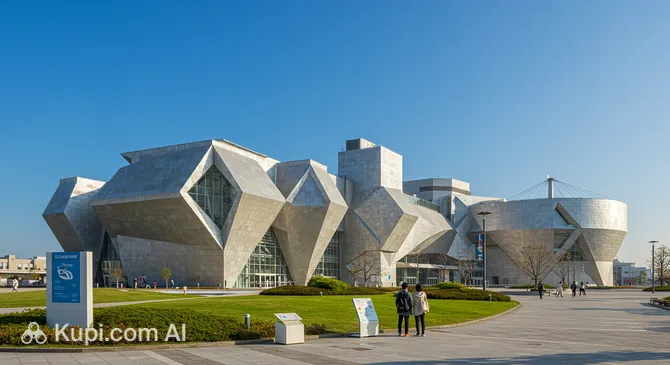
One of the city's main landmarks is the Tsukuba Expo Center. This science and entertainment complex, a legacy of the 1985 World Expo, attracts visitors with its massive planetarium—one of the largest in the world—and interactive exhibits dedicated to space and scientific achievements. It is an excellent place for educational leisure for both adults and children wishing to touch the mysteries of the universe.

Tsukuba Expo Center. Illustration.
Source: Kupi.com AI

Traveler photos:

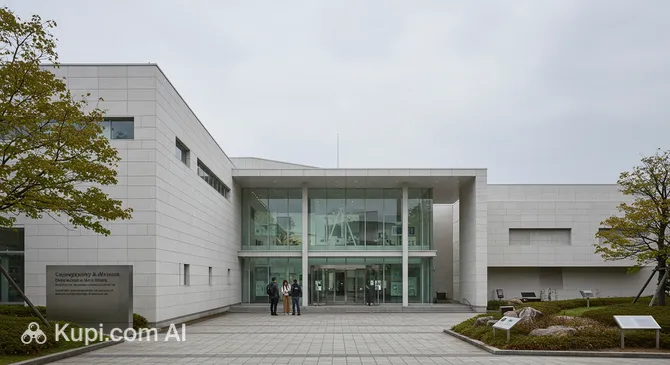
For those interested in geography and the history of cartography, the Science Museum of Maps and Surveying is a must-visit. It features an extensive collection of ancient and modern maps, geodetic instruments, and materials telling the story of the study and measurement of the Earth. The museum offers a fascinating immersion into the world of planetary science and its representation.

Science Museum of Map and Survey. Illustration.
Source: Kupi.com AI

Traveler photos:

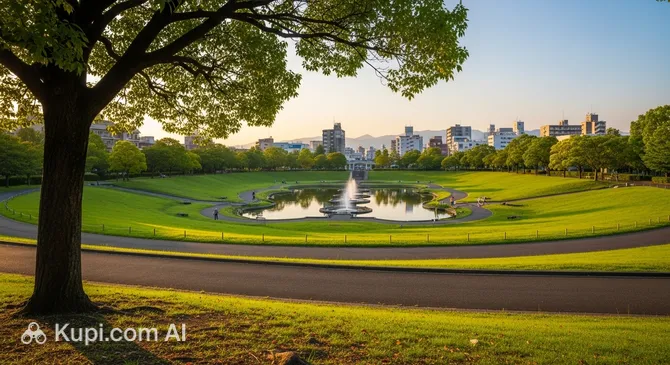
You can escape the city bustle and touch history at Expo '85 Memorial Park. This spacious park was built on the site of the exhibition and has preserved some of its elements and sculptures. Today, it is a popular spot for walking, picnics, and sports, where you can enjoy beautiful landscapes and a peaceful atmosphere while remembering the landmark event.

Expo '85 Memorial Park. Illustration.
Source: Kupi.com AI

Traveler photos:

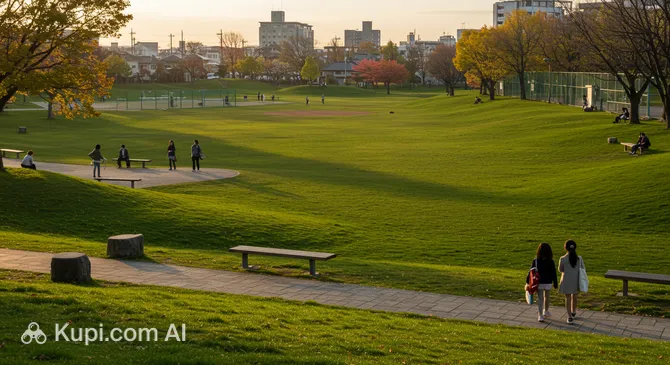
Another wonderful place for relaxation is Tsukuba Central Park. Located in the heart of the city, it offers well-kept lawns, a picturesque pond, and shady alleys. It is the perfect place for a leisurely walk, a morning jog, or simply sitting on a bench to enjoy nature within the urban environment.

Tsukuba Central Park. Illustration.
Source: Kupi.com AI

Traveler photos:

And if you want to combine leisure with shopping, it's worth checking out iias Tsukuba. This large shopping and entertainment complex features many shops, restaurants, cafes, and a cinema. You can have a great time here shopping, trying local and international cuisine, or simply observing the lively city life.

iias Tsukuba. Illustration.
Source: Kupi.com AI

Traveler photos:

Local Cuisine

Tsukuba, known for its scientific achievements, will pleasantly surprise you with its gastronomic side as well. The local cuisine is diverse, largely thanks to the fertile lands of Ibaraki Prefecture surrounding the city. Fresh vegetables, rice, and fruits form the basis of many dishes, promising authentic taste experiences.

Be sure to try the famous "Tsukuba udon"—hearty noodles made from local wheat, often served with seasonal vegetables and a flavorful sauce. Another pride of the region is dishes made from local sweet potato (sataimo), prepared in various ways: fried, baked, or turned into delicate cakes. Fish lovers should look for eel (unagi) delicacies and fresh river fish. Don't miss the chance to taste juicy steaks or aromatic yakiniku skewers made from beef and pork raised on local farms.

Among drinks in Tsukuba, as in all of Japan, tea is highly valued. You can conclude a meal or simply take a pleasant break with a cup of freshly brewed green tea, perfectly complemented by traditional Japanese wagashi sweets prepared according to ancient recipes. If you're looking for alcoholic beverages, local establishments offer classic sake or shochu.

TonQ. Illustration.
Source: Kupi.com AI

Traveler photos:

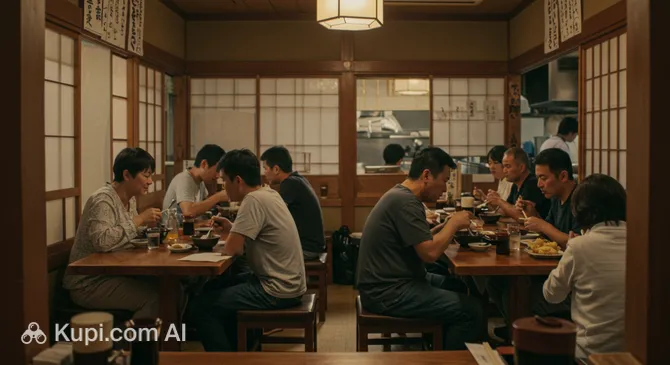
The food culture in Tsukuba is diverse. Locals and tourists can enjoy a meal in numerous restaurants offering both traditional and modern dishes. For instance, you can visit the Tonkyu restaurant to explore local culinary offerings. A true paradise for gourmets are the city's farmer's markets, selling the freshest produce, local cheeses, and pickled vegetables. Street food is also popular: food trucks offer takoyaki (octopus dough balls), yakisoba (fried noodles), and seasonal desserts. The city is also known for its gastronomic festivals where you can discover new flavors and even participate in culinary workshops.

Travel Tips

Welcome to Tsukuba! Known as "Japan's Science Capital," this city offers a unique blend of cutting-edge technology and traditional Japanese culture. To ensure your trip goes smoothly and leaves you with only pleasant impressions, we have prepared some practical tips.

  1. Clothing and Essentials: Be Prepared for the Japanese Climate

    The climate in Tsukuba is temperate, with four distinct seasons. Summers (June-August) are hot and humid, so bring light, breathable clothing. Winters (December-February) are cool, occasionally with snow—you'll need a warm jacket, sweater, and a hat. Spring and autumn are the most comfortable times to visit. Be sure to bring comfortable shoes, as you will be doing a lot of walking, especially if you plan to visit numerous science centers or climb Mount Tsukuba. Don't forget a universal electronics adapter: Japan uses Type A and B sockets (100V). When visiting temples or shrines (if any are on your itinerary), choose modest clothing that covers your shoulders and knees.

  2. Transport: Moving Around the "Science City"

    The main form of public transport in Tsukuba is the bus system, which connects various city districts, campuses, and research institutions. The Tsukuba Express (TX) high-speed train is also very convenient, taking you from Tokyo (Akihabara Station) to Tsukuba in about 45 minutes. Taxis are available but can be quite expensive. Renting a car is not necessary for getting around the city but can be useful if you plan to explore the surrounding Ibaraki Prefecture; remember to drive on the left and ensure you have an international driving permit. Tsukuba is also very cyclist-friendly, and renting a bike can be a great way to see the city.

  3. Finances: Japanese Yen and Payments

    The local currency is the Japanese Yen (JPY, ¥). It is recommended to exchange some cash in advance or upon arrival at the airport. In the city, this can be done at banks. Credit and debit cards are accepted in many hotels, large stores, and restaurants; however, cash is still very important, especially in smaller establishments, for bus fares, or buying souvenirs at markets. International cards may not be accepted everywhere. ATMs that work with international cards can be found at post offices (Japan Post Bank) and 7-Eleven convenience stores (Seven Bank ATM). An estimated daily budget (excluding accommodation) is 7,000-15,000 JPY. Tipping is not practiced in Japan and may be seen as a misunderstanding; good service is already included in the price.

  4. Health and Safety: Peace of Mind in a Tech Hub

    Japan is overall one of the safest countries in the world, and Tsukuba is no exception. The crime rate here is very low. Nonetheless, you should always take standard precautions. Pharmacies (look for the sign 薬 - kusuri) are easy to find, but many medications require a prescription, and staff may not always speak English. There are few 24-hour pharmacies. If medical assistance is needed, Tsukuba has modern clinics; ensure you have travel insurance. Information on English-speaking doctors can be obtained at your hotel or a tourist information center.

  5. Communication: Staying Connected in Japan

    The official language is Japanese. In tourist areas, hotels, and scientific centers in Tsukuba, staff may speak English, but overall proficiency levels are not very high. Learn a few basic Japanese phrases: "Konnichiwa" (Hello), "Arigato" (Thank you), "Sumimasen" (Excuse me/I'm sorry)—locals will appreciate it. For constant internet access, consider buying a tourist SIM card (usually data-only) or renting a pocket Wi-Fi router—a very popular option. Free Wi-Fi is available in some hotels, cafes, and public spots. Useful apps include Google Maps, HyperDia (for train schedules), and Google Translate.

  6. Local Etiquette: Respecting Japanese Traditions

    A light bow (o-jigi) is the standard form of greeting. Handshakes are less common but acceptable when interacting with foreigners. In public places, especially on transport, try to be quiet and avoid talking loudly on the phone. It is not common to eat or drink while walking, except in designated areas. It is important to remove your shoes when entering Japanese homes, some temples, traditional restaurants, and ryokans. Pay attention to waste sorting rules—this is taken very seriously in Japan; there may be few trash cans on the streets, so be prepared to carry small pieces of trash with you until you find a suitable container.

  7. What to Avoid: Staying Out of Awkward Situations

    When using chopsticks (hashi), never stick them vertically into rice—this is associated with funeral rituals. Also, do not pass food from chopsticks to chopsticks with another person. It is considered impolite to point at people or objects with a finger; use an open palm instead. Smoking on the streets is allowed only in specially designated areas; violations may result in fines.

  8. Extra Tip: The Magic of Science and Nature

    Since Tsukuba is the "Science City," be sure to plan a visit to at least a few of the many research institutes and museums, such as the Tsukuba Expo Center or JAXA Tsukuba Space Center. Check opening hours and whether advance booking is required. Additionally, don't miss the chance to visit nearby Mount Tsukuba. It is a popular hiking spot offering magnificent views, and it's a wonderful way to combine scientific discovery with the beauty of Japanese nature.

We hope these tips help you better prepare for your trip to Tsukuba and get the most enjoyment out of discovering this unique Japanese city, where science harmoniously coexists with tradition and picturesque nature. Have a great journey!

Entertainment & Nightlife

Tsukuba, known as the science city of Japan, offers its guests a calm but diverse evening life. While it doesn't have the abundance of loud nightclubs found in Tokyo, you will find many cozy places to spend a pleasant evening after a busy day.

Most evening activity is concentrated around the Tsukuba Center area and near the University of Tsukuba campuses. Here, you'll find numerous restaurants, traditional Japanese pubs (izakaya), and small bars. The atmosphere in most establishments is quite democratic and relaxed, and a special dress code is usually not required. Many places are open until midnight, and some bars stay open even later, especially on weekends.

Although Tsukuba might not have many classic nightclubs or large concert venues, the city offers excellent options for dinner and evening relaxation. For example, you can visit the Tonkyu restaurant, famous for its tonkatsu dishes, or drop by Idoji to enjoy traditional Japanese cuisine. In the restaurant districts, you can also find bars offering a wide selection of drinks and light snacks, perfect for socializing in a casual setting.

TonQ. Illustration.
Source: Kupi.com AI

Traveler photos:

Idouji. Illustration.
Source: Kupi.com AI

Traveler photos:

Regarding practical tips, the best time to visit most establishments is after 8:00 PM. Prices in Tsukuba's restaurants and bars are generally moderate. To get back to your hotel at night, it is most convenient to take a taxi, which can be found at designated stands or called by phone. It's also wise to check the schedule of the last buses and trains if you plan to use public transport. Tsukuba is a very safe city, so night walks along well-lit central streets are usually comfortable and secure.

During the day, Tsukuba offers a rich program for curious tourists. You can immerse yourself in the world of science by visiting the Tsukuba Expo Center or the Science Museum of Maps and Surveying. For nature lovers and outdoor enthusiasts, parks such as Expo '85 Memorial Park, Matsumi Park, or Tsukuba Central Park are open. Shopping enthusiasts can spend time at the iias Tsukuba shopping mall.

Parks & Museums

Tsukuba, known as Japan's science city, offers its guests not only an immersion into the world of high technology but also wonderful opportunities for outdoor relaxation and exploring unique cultural sites. Modern scientific centers and well-kept green zones harmoniously blend here, creating a special atmosphere for discovery and relaxation.

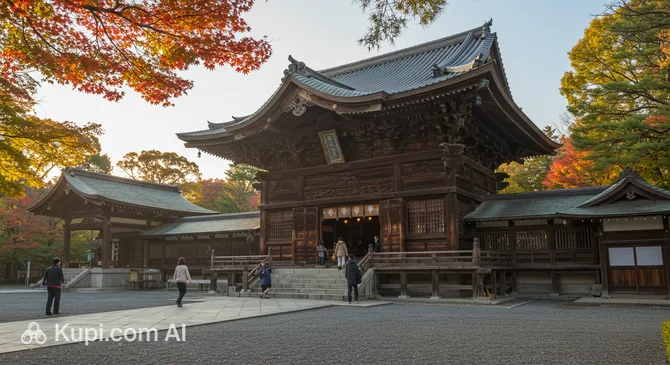
One of the iconic places for a walk is Expo '85 Memorial Park. This vast park was created on the site of the 1985 World Expo and still preserves the atmosphere of that grand event. Here you can find spacious lawns, picturesque ponds, as well as some pavilions and installations left from the exhibition. It is a great place for family vacations, picnics, and leisurely strolls.

Expo '85 Memorial Park. Illustration.
Source: Kupi.com AI

Traveler photos:

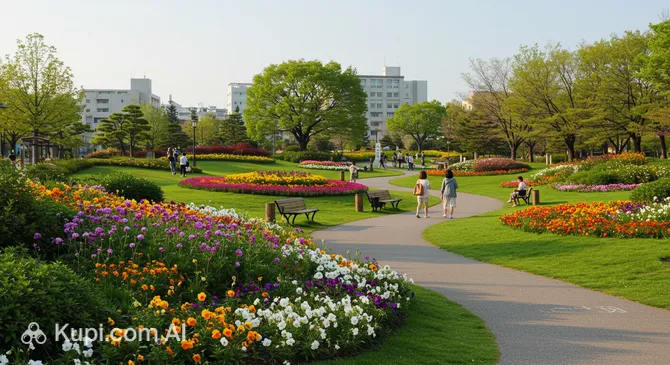
In the very heart of the city lies Tsukuba Central Park—a true green oasis. It is popular with both locals and tourists thanks to its well-kept alleys, beautiful flower beds, and peaceful atmosphere. The park is ideal for a morning run, relaxing with a book, or simply enjoying nature within the city limits.

Tsukuba Central Park. Illustration.
Source: Kupi.com AI

Traveler photos:

Speaking of cultural heritage and scientific achievements, one cannot fail to mention the Tsukuba Expo Center. This is an interactive science museum that will interest visitors of all ages. Here you can learn a lot about space, robotics, and other cutting-edge technologies through engaging exhibits and demonstrations. One of the center's main attractions is one of the largest planetariums in the world.

Tsukuba Expo Center. Illustration.
Source: Kupi.com AI

Traveler photos:

Another unique spot is the Science Museum of Maps and Surveying. This museum offers a fascinating immersion into the history and science of cartography and surveying. Visitors can see ancient maps of Japan and the world, geodetic instruments, and learn how Earth measurement methods evolved. This place will especially appeal to those interested in geography, history, and technology.

Science Museum of Map and Survey. Illustration.
Source: Kupi.com AI

Traveler photos:

For those seeking more secluded spots, Matsumi Park is worth noting, famous for its beautiful landscapes and koi pond, particularly charming during the cherry blossom season. Additionally, the very atmosphere of Tsukuba as a "Science City" invites walks through the campuses of numerous research institutes, where you can see interesting examples of modern architecture.

Matsumi Park. Illustration.
Source: Kupi.com AI

Traveler photos:

Getting Around

Navigating Tsukuba is quite convenient thanks to a well-organized public transport system. The primary ways to move around the city and its surroundings are the Tsukuba Express (TX) railway line and an extensive network of bus routes. There are no subways, trams, or trolleybuses in Tsukuba.

The Tsukuba Express (TX) line is a high-speed railway connecting Tsukuba with Tokyo (Akihabara Station) and passing through several stations within the city itself. It is a fast and efficient way to reach key locations. Buses serve most areas of the city, taking passengers where the train does not go. Bus routes are operated by several companies, including Kanto Tetsudo (Kantetsu Bus) and JR Bus Kanto.

The fare payment system in Tsukuba is fairly standard for Japan. The most convenient method is using rechargeable smart cards like Suica or Pasmo. These cards can be used on the TX line and most buses. You can purchase and top them up at machines at Tsukuba Express stations or in some convenience stores. Cash payment is also possible on buses (it is advisable to have small change, as drivers may not provide change for large bills) and when buying single train tickets at station machines. Fares usually depend on the distance traveled.

For a bus trip, if you don't have an IC card, you should take a paper ticket with a zone number when entering through the back (or middle) door (if the route uses this system) or just enter. Payment is made when exiting through the front door, next to the driver. The fare is displayed on an electronic board above the driver, corresponding to your zone number. When using an IC card, you must tap it on the reader upon both entry and exit. On the TX line, tickets are bought at machines before entering the platform, or you can use an IC card at the turnstiles for entry and exit. Public transport usually operates from early morning to late evening, but frequency decreases in the evening and on weekends. Schedules are available at stops and online.

In addition to public transport, other ways to get around are popular in Tsukuba. Cycling is an excellent option, as the city is designed with cycling in mind, featuring many bike paths and flat areas. Bicycle rental points can be found, especially around the central station. Taxis are available and can be called by phone or found at designated stands at stations and major sites, but this is a more expensive way to travel. Car-sharing services are also emerging, but for a short-term tourist visit, they may be less convenient due to registration requirements and the need for a Japanese or international driver's license.

Accommodation

In Tsukuba, you will find a variety of accommodation options suitable for both business trips and tourist visits. The city offers a selection ranging from modern mid-range and business hotels, convenient for conference participants and researchers, to more budget-friendly guesthouses and apartments for long-term stays. Although specific famous hotels are not listed here, rest assured that the city has plenty of options for every taste and budget.

For tourists, the most convenient areas to stay are around Tsukuba Center. The main transport hubs are concentrated here, providing easy access to different parts of the city and its scientific institutions. Also in this area, you will find shopping centers like iias Tsukuba and numerous restaurants. Staying near university campuses or research institutes can also be convenient if your trip is related to visiting these sites.

The price range for accommodation in Tsukuba varies: you can find both quite budget options and higher-class hotels with an expanded range of services. It is recommended to book accommodation in advance, especially if your trip coincides with major scientific conferences or exhibitions for which the city is known. The most common booking methods are popular international online platforms, as well as the option of direct booking via hotel websites.

Nearby Cities

For those who want to explore the surrounding area, Tsukuba serves as an excellent starting point for day trips to several interesting nearby locations. For example, you can visit Tsuchiura, located just 12 kilometers away, known for its scenic Lake Kasumigaura and the annual All-Japan Fireworks Competition. Another interesting option is Kashiwa (26 km), a lively commercial center with many shops and restaurants, offering great shopping opportunities. For lovers of tradition, Noda (23 km) is ideal—a historic soy sauce production center where you can visit a museum and learn more about this essential Japanese product.

For more detailed planning, below is a table with some nearby cities that could be excellent choices for a day trip:

CityPopulationDistance
Joso59 22310 km
Tsuchiura137 82512 km
Ushiku84 50513 km
Tsukubamirai51 13414 km
Shimotsuma41 49915 km

These nearby destinations offer insight into the diverse culture and landscapes of the region, complementing the experience of visiting Tsukuba.

Shopping & Souvenirs

Shopping in Tsukuba offers a pleasant mix of modern retail opportunities and the chance to find unique local goods. Although the city is best known as the science hub of Japan, it has everything you need for comfortable shopping, from large malls to small specialized stores. You can find products from famous global and Japanese brands as well as locally made items.

Main shopping activity is concentrated around Tsukuba Station and in the Tsukuba Center area. Here, you'll find many shops, department stores, boutiques, as well as cafes and restaurants, creating a lively atmosphere for walking and shopping. These areas are pedestrian-friendly and offer a good selection of various types of goods.

One of the city's premier shopping destinations is iias Tsukuba. This large shopping and entertainment complex offers a wide choice of stores for clothing, shoes, accessories, electronics, home goods, and cosmetics, along with a supermarket, many restaurants, cafes, and a cinema. You can spend an entire day here, combining shopping with relaxation and entertainment.

While Tsukuba is not as famous for traditional markets as some older Japanese cities, you can find small local shops offering fresh farm produce, seasonal vegetables, and fruits from Ibaraki Prefecture. Sometimes weekend fairs are held in the city or its outskirts, where local artisans and farmers sell their products. This is a great opportunity to buy something authentic and support local producers.

From Tsukuba, it's worth bringing back souvenirs that reflect its status as a "science city." These can be various gadgets, popular science games, or souvenirs with space and robotics themes. Traditional Japanese gifts are also popular: high-quality green tea, sweets (such as wagashi), ceramics, or textiles. Look out for local delicacies from Ibaraki Prefecture, such as chestnut products or ume plum items.

Most shops in Tsukuba are open daily, usually from 10:00 AM or 11:00 AM until 8:00 PM or 9:00 PM. Large shopping centers like iias Tsukuba may stay open later. As for payment, credit cards (Visa, MasterCard, JCB, American Express) are widely accepted in most stores, especially larger retailers. However, it is always useful to carry some cash in Japanese yen, particularly for purchases in small shops or at markets.

For international tourists in Japan, a Value Added Tax (VAT) refund system called "Tax Free" is available. Look for stores with the "Japan Tax-free Shop" logo. Typically, to qualify for a tax refund, you must make a purchase of a certain amount (usually over 5,000 yen) in one store on a single day and present your passport at the checkout or a special Tax Free counter. Conditions may vary slightly, so it is recommended to clarify details directly at the store.

Reached the end of the page?

That means the route is fully explored