Support

Tsuchiura

About

Tsuchiura is a charming city nestled on the scenic shores of Lake Kasumigaura, the second-largest freshwater lake in Japan. This unique location gives the city a special atmosphere, where the water's surface harmoniously blends with green parks and urban landscapes. Located in Ibaraki Prefecture, approximately 60 kilometers northeast of Tokyo, Tsuchiura serves as a convenient starting point for exploring the Kanto region.
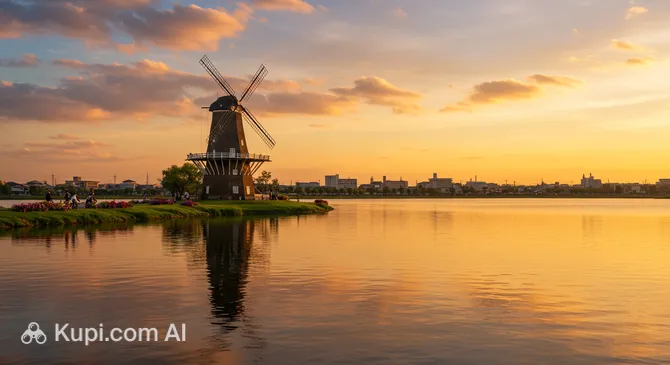
Tsuchiura. Illustration.
Source: Kupi.com AI

With a population of about 137,825 people, Tsuchiura is a mid-sized city that has preserved the tranquility of the Japanese countryside while boasting modern infrastructure. The city is famous for its hospitality, and its leisurely pace is perfect for walking and enjoying natural beauty. The climate here is temperate with distinct seasons, making it a pleasant destination to visit at any time of year.

Tsuchiura's main appeal lies in its wonderful combination of historical heritage, natural landscapes, and modern entertainment. Tourists are drawn to its ancient castles, cozy streets that preserve the spirit of the past, and numerous festivals that bring the city to life throughout the year. The opportunity to enjoy views of Lake Kasumigaura and sample local delicacies is particularly noteworthy.

If you are looking for a place to take a break from the hustle and bustle of megacities, immerse yourself in Japanese culture, and enjoy picturesque nature, Tsuchiura is an excellent choice. This city offers a unique experience for every traveler.

You can find more interesting facts on the Tsuchiura city history page.

Weather Overview

The weather in Tsuchiura is characterized by noticeable seasonal changes. Summer, especially in July and August, is quite warm, with average temperatures around 26-28°C and peak values reaching 31°C. Winters are cool, with an average temperature in January of about 4.3°C, sometimes dropping below freezing. Rainfall is moderate throughout the year, with a slight increase in the summer and autumn months; for example, June, July, and October see about 6 mm of precipitation, while December and January are the driest months with 1-2 mm.

Overall, expect warm summers with occasional rain and cool, drier winters in Tsuchiura. The highest number of rainy days occurs in the summer months (up to 18 days in July), and the lowest in December (about 6 days).

For a more detailed forecast and information by month, you can check the Tsuchiura climate page.

Average monthly temperature

Average monthly precipitation

Interesting Facts

Beyond its main attractions, Tsuchiura holds many fascinating secrets and little-known facts. Here are just a few that can surprise even the most seasoned traveler:

  • The famous Tsuchiura Castle was not nicknamed the "Turtle Castle" by accident. Locals gave it this name because of its unusual shape, which resembles a turtle. It is one of the few flatland castles in Japan; built in the 16th century and perfectly preserved to this day, it once served as the residence of influential samurai clans.

  • Every autumn, the sky over Tsuchiura blooms with dozens of bright colors thanks to a grand balloon festival. This spectacular sight attracts ballooning enthusiasts and tourists not only from all over Japan but also from other countries, turning the city into a center of attraction for aerostat lovers.

  • Tsuchiura played a key role in the development of the region's transport network. The city was one of the first in Ibaraki Prefecture to have a railway station built, which provided a massive boost to its economic growth in the 20th century and made it easily accessible for travelers, including those on popular day trips from Tokyo.

How to Get There

The city of Tsuchiura, located in Ibaraki Prefecture, is accessible to travelers in several ways. The primary method of getting here, especially for international tourists, is by flying into one of the nearby international airports and then using ground transport.

One of the main international hubs serving the region is Narita International Airport (NRT). It is located near Tokyo, approximately 38.5 km from Tsuchiura. This is one of Japan's largest airports, receiving many international flights. The trip from Narita Airport to Tsuchiura by taxi or bus takes approximately 1 hour and 20 minutes.

The closest airport to Tsuchiura is Ibaraki Airport (IBR), located in the city of Omitama, Ibaraki, just 22.2 km from Tsuchiura. This regional airport serves both domestic and some international destinations. The journey from Ibaraki Airport to central Tsuchiura by car or bus usually takes about 50-60 minutes.

Another significant international hub is Haneda Airport (HND), also located in Tokyo. The distance from Haneda to Tsuchiura is about 69.9 km, and the travel time by ground transport can be approximately 2 hours. Haneda Airport is one of the busiest in the world and offers an extensive network of both domestic and international flights.

After arriving at any of these airports, you can continue your journey to Tsuchiura by train, bus, or taxi. Japan is known for its advanced railway network, which is often the most convenient way to travel between cities, especially from major transport hubs like Tokyo.

For your convenience, here is a summary of the main airports you can use to reach Tsuchiura:

AirportPassenger trafficDistance
Ibaraki Airport776 06322 km
Narita International Airport40.8 mln38 km
Haneda Airport85.7 mln70 km
Fukushima Airport250 000129 km
Matsumoto Airport112 618206 km

Main Attractions

The city of Tsuchiura offers its guests a variety of opportunities for an interesting stay, combining natural beauty, historical heritage, and modern entertainment. Here are several key attractions to include in your itinerary:

Lake Kasumigaura is Japan's second-largest freshwater gem and undoubtedly Tsuchiura's main natural attraction. The lake offers magnificent scenery, opportunities for boat trips on sailboats and motorboats, fishing, and bird watching. Picturesque trails run along the shores, ideal for walking and cycling, especially along the famous "Tsukuba-Kasumigaura Ring Ring Road." It is a wonderful place to relax in nature and enjoy the tranquility.

Kijo Park (Tsuchiura Castle Ruins) is the historical heart of the city. Tsuchiura Castle once stood on this site, and today Kijo Park preserves the memory of the past. Here you can see the remains of the fortress walls and moats, as well as the restored Yaguramon gate. The park is especially popular in the spring during the cherry blossom season and in the autumn when the maples turn crimson. It is a great place for a leisurely stroll and to learn about the region's history.

Tsuchiura City Museum is a wonderful place for those who want to dive deeper into the history and culture of the region. The museum's exhibits cover various periods, ranging from ancient archaeological finds to more modern artifacts that tell the story of the city's development, its traditions, and famous residents. A visit to the museum will help you better understand Tsuchiura's uniqueness.

Outdoor enthusiasts should check out the Tsukuba-Kasumigaura Ring Ring Road. This is one of Japan's most famous and well-equipped cycling routes, stretching approximately 180 km. It circles Lake Kasumigaura and offers stunning views of the water and surrounding landscapes, including Mount Tsukuba. The route is suitable for cyclists of all skill levels and is a great way to explore the region's natural beauty.

Local Cuisine

The gastronomy of Tsuchiura is inextricably linked to the rich waters of Lake Kasumigaura, which provides the city with its main culinary treasures. Freshwater fish dishes are considered the culinary pride of Tsuchiura. Be sure to try unagi (eel) prepared according to ancient recipes – it is grilled over charcoal and served with rice under a sweet and savory sauce. Another local specialty is carp, which is skillfully prepared here in miso soup or fried in a crispy breading. These dishes are the hallmarks of the local cuisine and consistently attract gourmets.

In addition to fish delicacies, Tsuchiura is famous for its fresh vegetables and fruits grown on the fertile lands around the lake. In spring and summer, local markets are full of sweet strawberries, juicy melons, and special varieties of potatoes. Street food in Tsuchiura is a gastronomic adventure in itself! At festivals and fairs, you can find delicious yakisoba (fried noodles with vegetables and meat), takoyaki (octopus balls), and sweet taiyaki fish-shaped pastries with various fillings. Many street vendors pass their recipes down from generation to generation, preserving the authentic taste.

The food culture in Tsuchiura offers various options for both locals and tourists. You will find many restaurants specializing in traditional lake fish dishes. Don't miss the chance to visit local markets, where you can not only buy fresh produce but also try ready-made snacks. Throughout the year, the city hosts culinary festivals dedicated to harvesting or fishing, where you can taste seasonal dishes prepared right before your eyes, often on the lakeshore.

As for drinks, restaurants and cafes in Tsuchiura offer a wide selection of both traditional Japanese drinks, such as sake, shochu, and various types of green tea, and more familiar non-alcoholic options. This allows you to find the perfect accompaniment to any local dish and fully immerse yourself in the city's gastronomic atmosphere.

Travel Tips

Planning a trip to the charming city of Tsuchiura? To ensure your journey goes smoothly and leaves only pleasant impressions, we have prepared some practical tips to help you better navigate on-site.

  1. Clothing and Essentials:

    The climate in Tsuchiura, like most of Japan, involves seasonal changes. Summers (June-August) are hot and humid, so choose light, breathable clothing. Winters (December-February) are cool but rarely severe, so a warm sweater and jacket will come in handy. Spring and autumn are the most comfortable times with moderate temperatures. Be sure to bring comfortable shoes, as you will be walking a lot. Don't forget an umbrella, especially if you are traveling during the rainy season (June-July). For electronics, you will need an adapter (voltage in Japan is 100V, plugs are types A and B). When visiting temples and shrines, dress modestly; be prepared to remove your shoes before entering some rooms.

  2. Getting Around the City:

    The main way to travel between cities in Japan, including the way to Tsuchiura (for example, from Tokyo), is by train – the JR network is well-developed. In the city itself, you can use local buses. Taxis are available, but they are a fairly expensive mode of transport. Taxi-hailing apps like JapanTaxi or DiDi can be useful. Car rental is possible if you have an international driving permit, but it's not always the most convenient option for moving around the city due to parking specifics and narrow streets. A bicycle can be a great alternative for exploring the surroundings, especially Lake Kasumigaura.

  3. Financial Matters:

    The local currency is the Japanese Yen (JPY). You can exchange currency at airports, banks, or specialized exchange offices. Credit and debit cards are accepted in many hotels, large shops, and restaurants, however, cash is still very important, especially in small establishments, temples, and for paying fares on local transport. International cards usually work at 7-Eleven ATMs and post offices (Japan Post Bank). Tipping in Japan is not practiced and may be perceived as a misunderstanding or even an insult.

  4. Health and Safety:

    Japan is one of the safest countries in the world, and Tsuchiura is no exception. Nevertheless, standard precautions are always appropriate. Pharmacies (look for the sign "薬" - kusuri) are easy to find, but staff may not always speak English, so have a list of necessary medications ready or use a translator. It is recommended to take out travel medical insurance before your trip. If needed, English-speaking staff can be found in major hospitals.

  5. Communication and Internet:

    The official language is Japanese. The level of English proficiency among the local population may be limited, especially outside of tourist areas. However, Japanese people are very helpful and will try to assist even if they don't speak English. Learn a few basic phrases: "Konnichiwa" (Hello), "Arigato" (Thank you), "Sumimasen" (Excuse me/Sorry). For connectivity, we recommend purchasing a tourist SIM card or renting a portable Wi-Fi router (pocket Wi-Fi) – this is very popular and convenient. Free Wi-Fi is available in many hotels, some cafes, and tourist information centers. Apps like Google Maps and HyperDia (for train schedules) will be indispensable helpers.

  6. Local Etiquette and Traditions:

    Japanese people greatly value politeness and respect for tradition. Greetings are usually accompanied by a slight bow. In public places, especially on transport, try to be quiet and not talk loudly on the phone. Remove your shoes when entering Japanese homes, some temples, traditional restaurants, and ryokans (Japanese-style inns). It is not customary to eat while walking on the street (except in designated areas at festivals). Be mindful of trash sorting rules.

  7. What to Avoid:

    To avoid offending locals and to steer clear of awkward situations, try not to stick your chopsticks vertically into your rice (this is associated with funeral rituals). It is also not customary to blow your nose loudly in public – it's better to step away to a restroom. Avoid pointing your finger at people; instead, use an open palm.

  8. Tsuchiura's Special Event:

    If your trip falls on the first Saturday of October, you are incredibly lucky! This is when the All Japan Fireworks Competition takes place in Tsuchiura – one of the three largest and most prestigious fireworks shows in the country. It is a truly spectacular sight that attracts hundreds of thousands of spectators. Plan such a trip in advance, as accommodation and transport will be in high demand. Also, Lake Kasumigaura, the second largest in Japan, is near the city – a great place for walking, cycling, and bird watching.

We hope these tips help you better prepare for your trip to Tsuchiura and enjoy every moment in this interesting corner of Japan. We wish you an unforgettable journey!

Entertainment & Nightlife

Tsuchiura offers its guests various options for evening and night-time relaxation, albeit in a calmer and more local style than Japan's major metropolises. Nightlife here is mainly centered around cozy bars, traditional Japanese izakaya pubs, and, of course, popular karaoke clubs.

The main centers of evening activity are usually located around the JR Tsuchiura railway station and its adjacent streets, such as the Sakuramachi district. Here you can find many small establishments, each with its own atmosphere. The crowd is mostly local, allowing for a deeper dive into the daily life of a Japanese city. The style of the venues varies from traditional izakaya with paper lanterns to more modern small bars. The dress code is generally casual and informal.

While Tsuchiura may not be famous for big-name nightclubs or bars that appear on top tourist lists, the city offers an authentic experience. If our list of city attractions included specific bars or nightclubs with relevant categories, we would certainly mention them here and provide links. In the absence of such data, we recommend exploring local izakaya, where you can try a variety of snacks and drinks, as well as karaoke bars – a popular form of entertainment for groups. Many establishments stay open until late at night, especially on Fridays and Saturdays.

When planning your evening leisure, keep in mind that the best time to visit bars and clubs is Friday and Saturday nights. Prices in Tsuchiura's establishments are generally moderate, especially compared to Tokyo. You can get back to your hotel at night by taxi, which are usually available at the station or can be called by phone. Consider the schedule of the last trains if you plan to travel by public transport.

Regarding safety, Tsuchiura, like most cities in Japan, is considered a fairly safe place for nighttime walks. Nevertheless, it is always worth following standard precautions, especially if you are in an unfamiliar area. You can call a taxi at the station, ask for one at a venue, or use specific apps if they are available.

During the day, there is also plenty to do in Tsuchiura. Guests can visit local museums to learn about the history and culture of the region or stroll through picturesque parks, enjoying nature. For example, you can spend time in the parks by Lake Kasumigaura if the weather permits. For more active recreation, you can look for entertainment centers or sports complexes.

Parks & Museums

Tsuchiura offers its guests both pleasant green spaces for outdoor relaxation and interesting cultural sites that provide a deeper look into the history and traditions of this Japanese city. Everyone will find something to their liking here, whether it's peaceful walks in the parks or immersing themselves in a rich cultural heritage.

One of the main places for walking and enjoying nature in Tsuchiura is Kasumigaura Park, picturesquely situated on the shores of the lake of the same name, the second largest in Japan. The park attracts visitors not only with its magnificent water views but also with well-maintained picnic areas, playgrounds, and a famous Dutch-style windmill that has become one of the symbols of the location. Another popular spot for relaxing by the water is Suigo Tsuchiura Riverside Park, offering beautiful views and opportunities for leisurely walks along the shore.

To learn more about the city's history, it is worth visiting the Tsuchiura City Museum. Its exhibits tell in detail about the archaeological finds in the region, the stages of the city's development, and the traditional lifestyle of local residents throughout the centuries. It is a great place to understand the historical context of Tsuchiura. Given that the city is famous throughout the country for its grand annual fireworks festival, the Tsuchiura All Japan Fireworks Competition Memorial Museum is of special interest to many tourists. Here you can learn about the history of this exciting art, the technology behind creating pyrotechnic masterpieces, and see impressive exhibits related to the famous festival.

While walking through the historical part of Tsuchiura, take note of the remains of Tsuchiura Castle. Although little of the original defensive structure remains, restored elements such as the Taikomon-yagura (East Tower) and Nishi-yagura (West Tower), as well as part of the moat, provide an idea of the site's former grandeur and serve as a reminder of the city's samurai past. The area around the castle is now a pleasant park.

For a more authentic experience and to get to know the spiritual side of the city's life, stop by one of the small local temples, such as Josho-ji Temple or Toko-ji Temple, where you can feel an atmosphere of calm and tranquility. Also, if you are interested in local crafts, look for small traditional shops where you can find unique handmade souvenirs reflecting the region's culture.

Getting Around

Public transport in Tsuchiura is mainly represented by buses and railway services, which allow for fairly comfortable movement both within the city itself and beyond its borders. There are no subways, trams, or trolleybuses in Tsuchiura, which is typical for cities of this size in Japan.

The core of the urban transport network consists of buses. Local bus routes connect Tsuchiura railway station with various districts of the city, including residential quarters, shopping centers, and attractions such as Lake Kasumigaura. Buses usually run on a schedule, which can be found at stops or on the websites of transport companies (e.g., Kanto Railway (Kantetsu)). Fares on buses are most often paid upon exiting; you can use cash (it is advisable to have small change, as the driver may not have change for large bills) or transport IC cards.

Railway transport plays a key role for intercity travel. The city's main station, JR Tsuchiura Station, is served by the JR Joban Line, which provides direct connections to Tokyo (Ueno Station) and other cities in Ibaraki Prefecture and neighboring regions. Trains run regularly, and it is a convenient way to get to Tsuchiura or travel further.

The payment system for travel in Japan is fairly unified. The most convenient method is using rechargeable transport IC cards, such as Suica or Pasmo. These cards can be purchased and topped up at machines at railway stations or in some convenience stores. They are accepted for payment on both trains and most buses. Simply tap the card against the reader when entering (and sometimes when exiting, depending on the fare system). You can also buy single tickets for the train at machines at stations by selecting your destination. The fare depends on the distance.

Practical tips for tourists: It is best to buy train tickets at stations from machines or ticket offices. For buses, if you don't have an IC card, prepare coins to pay the driver. IC card validation occurs by touching the terminal. Public transport usually operates from early morning until late evening, but the frequency of trips may decrease in the evening hours and on weekends. It is important to check schedules in advance, especially if you plan to travel to less popular areas or at later times.

Among alternative ways of moving around in Tsuchiura, taxis can be noted, which are easily found at the railway station and other busy places. This is a more expensive but comfortable option. Given the city's location by Lake Kasumigaura and the popularity of cycling in the region (the famous Tsukuba-Kasumigaura Ring Ring Road cycling route passes nearby), bicycle rentals are also an excellent option for exploring the surroundings, especially in good weather. Bicycle rental points can be found, for example, near Tsuchiura Station. Car sharing is less common in Tsuchiura compared to major megacities.

Accommodation

In the city of Tsuchiura, travelers will find a variety of accommodation options to suit different preferences and budgets. These include budget-friendly options such as guesthouses and hostels, as well as mid-range hotels offering comfortable stays with all necessary amenities. You can also find apartments for short-term rent, which is particularly convenient for families or those who prefer more independence.

When choosing a place to stay, it is worth looking at areas near major transport hubs, such as Tsuchiura Station, which will provide easy access to the city's attractions and surrounding areas. Hotels located near Lake Kasumigaura, offering picturesque views, are also popular.

Accommodation prices vary depending on the season and the level of comfort. Overall, you can find both budget options and rooms in mid-range hotels. It is recommended to book accommodation in advance, especially if your trip coincides with the peak tourist season or during major events, such as the famous fireworks festival. The most common booking methods are popular online platforms and direct inquiries to hotels.

Nearby Cities

For those who want to explore the surroundings, Tsuchiura serves as an excellent starting point. Several nearby cities offer interesting opportunities for day trips. For example, Tsukuba, located just 12 km away, is known as Japan's science city and attracts visitors with its namesake mountain, which offers picturesque views and hiking trails. Nearby is Ushiku (also about 12 km away), whose main attraction is one of the tallest Buddha statues in the world – the Ushiku Daibutsu, which is impressive in its size.

In addition to these prominent examples, the region offers other options for short trips. Here is a more complete list of nearby cities that can be visited from Tsuchiura:

CityPopulationDistance
Ushiku84 50512 km
Miho14 35512 km
Kasumigaura39 99312 km
Tsukuba246 64712 km
Ishioka71 85115 km

These and other nearby destinations allow for a deeper acquaintance with the diverse culture, history, and natural beauty of Ibaraki Prefecture and neighboring regions, enriching your journey through Japan.

Shopping & Souvenirs

Shopping in the city of Tsuchiura is a wonderful opportunity to combine buying necessary items with an immersion into the local flavor. Although this city in Ibaraki Prefecture is not a world fashion capital, you can find high-quality Japanese goods, unique regional products, and everything you need for a comfortable trip around the country. Japan is famous for its attention to detail, and local shops are no exception: from large shopping complexes to small stalls selling local delicacies.

The city's main shopping life is concentrated around the Tsuchiura railway station. The station building and its adjacent streets have undergone major renovations and now offer tourists convenient shopping areas. The Play Atré Tsuchiura complex is located here, which is particularly interesting for cycling enthusiasts, as Tsuchiura is a popular hub for cyclists. In this area, you can find shops for sporting goods, cosmetics, as well as souvenir shops with regional products.

For large-scale shopping, it is best to head to the major shopping centers. The most popular spot among locals and tourists is AEON Mall Tsuchiura. This is a huge mall that can be reached by bus from the station. It features clothing stores of famous Japanese and international brands, electronics stores, home goods, and a large supermarket. It is the perfect place to buy everything in one spot, have a snack at the food court, and just relax.

If you are looking for authentic products, pay attention to local farmers' markets and small stalls scattered throughout the city. Tsuchiura is famous for its agriculture, and you can often find points selling fresh vegetables and fruits. While there aren't any huge famous markets like in Tokyo, morning sales of fresh produce allow you to experience the true taste of the region.

When choosing souvenirs, be sure to look for products related to the city's main symbol — lotus root (renkon). Tsuchiura is the largest producer of lotus in Japan, so you can buy not only fresh root but also many products made from it: noodles, chips, sweets, and even tea. Another popular gastronomic souvenir is Tsuchiura curry (often with added lotus root), which is sold in convenient packaging. Local sake, produced at the region's old breweries, is also highly valued.

Most shops in the city are open from 10:00 to 20:00 or 21:00, although supermarkets may stay open longer. In large shopping centers and station shops, major credit cards (Visa, MasterCard) and contactless transport cards (Suica, Pasmo) are accepted. However, in small private stalls or at markets, you will most likely need Japanese yen in cash, so it is recommended to always have some banknotes and coins with you.

The Tax Free system (consumption tax refund) is available in large stores like AEON Mall and in some specialized electronics or cosmetics stores if the purchase amount exceeds 5,000 or 5,500 yen (depending on the type of product). Look for a "Tax Free" sticker at the entrance or checkout and remember to bring your passport to complete the procedure.

Reached the end of the page?

That means the route is fully explored