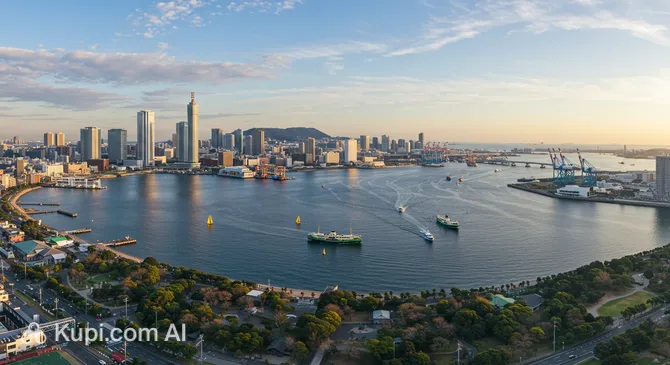
Chiba is a dynamic metropolis and the capital of the eponymous prefecture in Japan. Located on the eastern coast of Tokyo Bay, the city is a major administrative, port, and transportation hub for the Kanto region. Despite its status as a large industrial center with a population of over 980,000, Chiba maintains a harmonious balance between modern urbanism and coastal tranquility, offering travelers a more relaxed pace of life compared to neighboring Tokyo.
The city's geographical location defines its unique character: here, seascapes coexist with futuristic office buildings and cozy residential neighborhoods. Exploring the historical heritage of this place reveals its transformation from a small settlement into a powerful industrial center. For tourists, the city often serves as a convenient gateway to the prefecture, providing access to picturesque beaches and famous temple complexes.
Chiba. Illustration.
Source: Kupi.com AI
Chiba attracts visitors with its unique features, such as the world's longest suspended monorail system and extensive park areas. While the city is often perceived as a business hub, its waterfronts and cultural venues create a special atmosphere as the "sea gate" of the Japanese capital. Visiting this city is an excellent opportunity to see modern Japan off the beaten tourist path.
Weather Overview
The climate in Chiba can be described as mild and humid, largely due to the influence of Tokyo Bay. The sea breeze tempers temperature fluctuations, making the weather in Chiba comfortable enough for visiting during most of the year. Expect hot summers with high humidity and relatively mild, dry winters.
The warmest month is August, when the average maximum reaches 30.7°C, creating the subtropical atmosphere typical of the Kanto region. In winter, during January and February, temperatures rarely drop below freezing, averaging in the range of 2°C to 10°C. Precipitation is unevenly distributed across seasons: the peak of rainy days occurs in June and September-October, when the region can be under the influence of typhoons.
For walks along the waterfronts and through parks, the spring months (April-May) and the second half of autumn (November) are best. During this time, the weather is moderately warm, and humidity drops to comfortable levels. Proximity to the sea makes the city's climate less continental than further inland on Honshu Island, providing a pleasant freshness even on sunny days.
Average monthly temperature
Average monthly precipitation
Interesting Facts
Chiba is officially recognized as the city with the world's longest suspended monorail system—its total length is over 15 kilometers, as recorded in the Guinness World Records.
Although Tokyo Disneyland is associated with the capital, it and the DisneySea resort zone are actually located in Chiba Prefecture, in the city of Urayasu.
The city is the country's largest seaport by cargo volume, making it a key economic hub in East Asia.
The city's population is approaching the one-million mark, yet Chiba maintains a reputation for being more spacious and green than the densely built-up central districts of Tokyo.
The prefecture, of which Chiba is the administrative center, is home to the country's main international airport—Narita.
How to Get There
Due to its location in close proximity to the capital, Chiba boasts excellent transport accessibility. The city is integrated into the Kanto region's powerful transport network, making travel here quick and comfortable. You can find more details on how to get to the city by checking the express train schedules and bus routes.
The main aviation hub is Narita International Airport (NRT). It is located in the same prefecture, making Chiba an ideal base for transit or your first introduction to Japan. From Narita, the city center can be reached by JR trains or airport limousine buses in about 30–40 minutes. Haneda International Airport (HND) is also an option, with the journey taking about an hour.
Rail service is the most popular way to reach the city. From Tokyo's main station, JR Keiyo and JR Sobu line trains depart regularly. Travel time to Chiba Station typically ranges from 40 to 60 minutes. Chiba Railway Station itself is a major shopping and service hub.
Main Attractions
Although Chiba is often seen as a business center, it hides true gems that can surprise even the most seasoned traveler. Here, modern technology intertwines with ancient traditions, creating a unique landscape for exploration and discovery. The city is perfect for those seeking a balance between urban entertainment and peaceful nature contemplation.
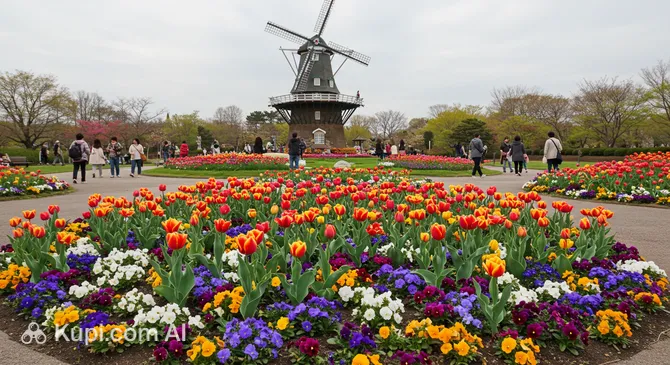
One of the most inspiring places is the Shunkaen Bonsai Museum. This space is filled with the silence and aesthetics of the ancient art of growing miniature trees, some of which are hundreds of years old. For family holidays and bright impressions, the H.C. Andersen Park in Funabashi is ideal, recreating the atmosphere of the great Danish writer's fairy tales amidst flowers and themed zones.
Funabashi Andersen Park. Illustration.
Source: Kupi.com AI
Traveler photos:
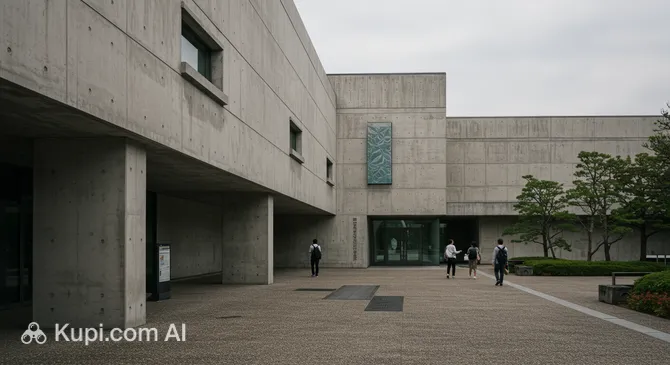
Those interested in a deep cultural dive should visit the National Museum of Japanese History. Its exhibits cover a vast period from ancient times to the present, offering a new perspective on the country's development. Chiba is a city that reveals itself gradually, offering guests not only exciting attractions but also deep cultural insights.
National Museum of Japanese History. Illustration.
Source: Kupi.com AI
Traveler photos:
Local Cuisine
The gastronomic scene in Chiba reflects its coastal status. The main wealth of the local table is the freshest seafood from Tokyo Bay and the Pacific Ocean. Here, you should try dishes made from tuna, sardines, and shellfish, served in both exquisite restaurants and cozy eateries near the harbor piers.
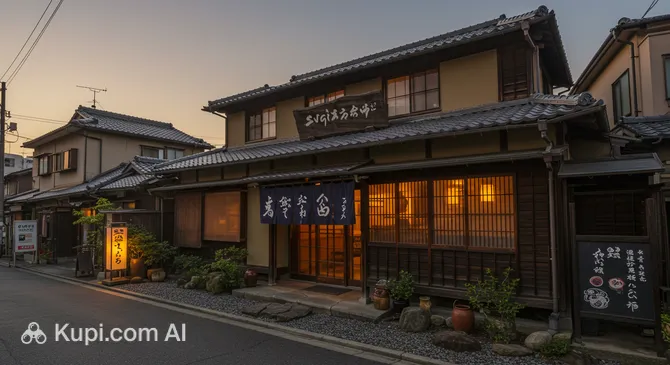
Fans of classic Japanese cuisine should definitely visit Sugitaya, which is famous for its attention to detail and traditional flavors. If you are missing a Western format but with a Japanese twist, visit Kona's Coffee Makuhari, which serves excellent breakfasts and coffee in a cozy setting.
Sugitaya. Illustration.
Source: Kupi.com AI
Traveler photos:
The city's food culture is diverse: from bustling izakayas where locals relax after work to modern food courts in shopping centers. For drinks, be sure to try the local green tea or Japanese sake produced in the prefecture's small breweries. Seasonal food festivals have a special charm, where you can taste street snacks like takoyaki or yakisoba prepared right in front of you.
Travel Tips
A trip to Chiba promises to be comfortable and full of discoveries if you consider a few practical nuances of Japanese life in advance. Here are some useful tips to help you feel confident in this modern coastal metropolis.
Clothing and essentials: Choose clothing according to the season: summers in the Kanto region are very hot and humid, while winters are windy. Be sure to bring comfortable shoes, as you will be walking a lot. Don't forget a universal power adapter (Type A, 100 volts).
Transport: The most convenient way to travel is by rail. Get a Suica or Pasmo card immediately upon arrival—this will save you from having to buy paper tickets every time.
Finances: Although cards are accepted in many places, always have cash yen with you. Small shops, temples, and some restaurants may not accept plastic. There is no tipping culture in Japan—attempting to leave money may be seen as a mistake.
Health and Safety: The city is absolutely safe. Pharmacies (Drugstores) are easy to find by the "薬" sign. Tap water is potable, and beverage vending machines are located throughout the city.
Communication: English is common in hotels and at stations, but it's helpful to know basic phrases: "Sumimasen" (Excuse me) and "Arigato" (Thank you). For internet access, it's better to rent a Pocket Wi-Fi in advance or buy a tourist SIM card.
Local Etiquette: You must remove your shoes when entering some establishments or private homes. Maintain silence on public transport—talking on the phone in a train carriage is considered poor manners.
What to avoid: Do not eat on the go in crowded places and never stick chopsticks vertically into rice—this is associated with funeral rituals.
Extra tip: Be sure to take a ride on the suspended monorail—it is a unique experience and the best way to see Chiba's architecture from an unusual perspective.
By following these simple rules, you can fully immerse yourself in the city's atmosphere and get only the most positive emotions from your trip!
Entertainment & Nightlife
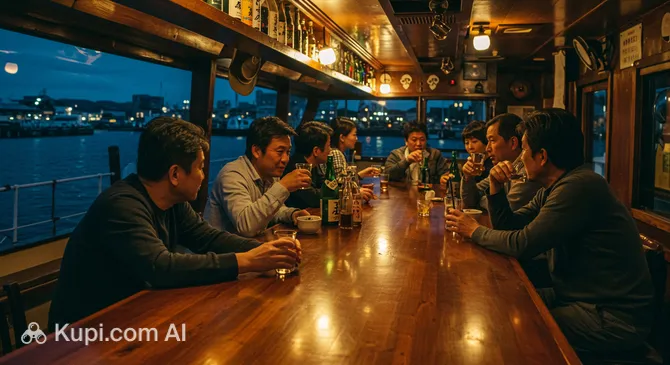
The entertainment scene in Chiba reflects the rhythm of a major modern satellite city. Evening activity is mainly concentrated around the large railway stations and the Tokyo Bay waterfront. This area is ideal for those who prefer cozy dinners at an izakaya or evening shopping in brightly lit galleries, where life continues late into the night.
If you're looking for a place with great food and a relaxed atmosphere, check out T's Texas BBQ, which serves authentic grilled dishes. For a more intimate setting, Shiomi Skippers bar offers an interesting selection of drinks and a chance to chat with locals. The atmosphere in these venues is usually friendly, and strict dress codes are rare.
Shiomi Skippers. Illustration.
Source: Kupi.com AI
Traveler photos:
Daytime entertainment in the city is equally diverse. You can take a stroll through the World Bazaar area to feel the festive atmosphere and find interesting goods. While many prefer to travel to Tokyo for bustling nationwide nightclubs, Chiba offers plenty of bars, cinemas, and game centers for an eventful evening. The city's high level of safety makes even late-night walks comfortable and pleasant.
Parks & Museums
Chiba and its surroundings offer a rich selection of cultural and natural sites that provide an escape from urban noise. The prefecture is famous for its spacious green zones and theme parks, and the city itself is an important link on the region's cultural map.
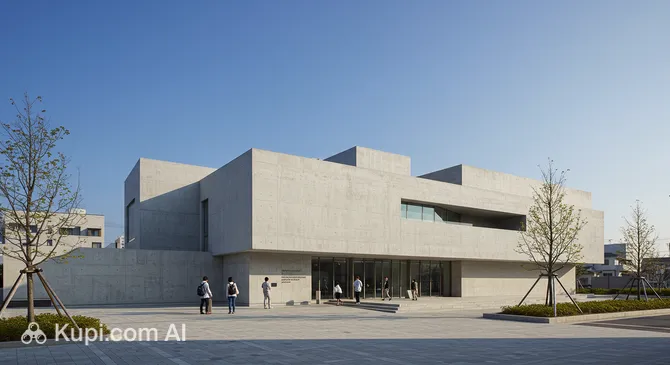
Of particular interest is the Hoki Museum—Japan's first gallery entirely dedicated to realistic painting. The museum building itself is a masterpiece of modern architecture. If you are interested in ethnography, stop by the Urayasu City Folk Museum, which recreates the life of an old fishing village with its houses and crafts.
Hoki Museum. Illustration.
Source: Kupi.com AI
Traveler photos:
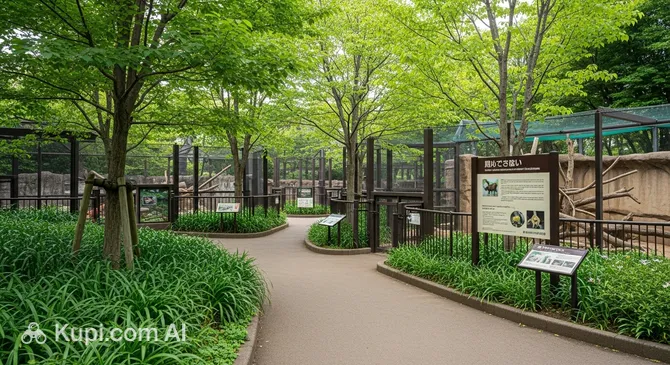
For families with children and animal lovers, the Sodegaura Fureai Zoo is a must-visit, where you can interact with many inhabitants in a friendly environment. Chiba's natural areas harmoniously combine the seacoast and well-kept gardens, providing excellent opportunities for leisurely walks and photo sessions.
Sodegaura Fureai Zoo. Illustration.
Source: Kupi.com AI
Traveler photos:
Getting Around
The transport system in Chiba is characterized by exceptional punctuality and efficiency, typical of the entire Greater Tokyo Area. The main means of travel between districts are JR trains and private railway lines. A special source of pride for the city is the Chiba Urban Monorail, which allows you not only to reach your destination quickly but also to enjoy futuristic views of the city from above.
Fare payment is simplified as much as possible through the use of contactless cards such as Suica or Pasmo. These cards are valid on all types of public transport, including buses, and can also be used to pay at vending machines and konbini convenience stores. You can top up your balance at terminals at any station. The average cost of a trip around the city is quite affordable, and the navigation system at stations is duplicated in English.
The city's bus network complements the railway routes, covering even remote coastal areas. For short trips within a neighborhood, buses can be very convenient, although their schedule is not as frequent as the trains. If you prefer alternative options, Chiba has well-developed taxi services that can be called via apps (such as Uber or JapanTaxi), and a network of bicycle rentals in park areas is also actively developing.
Accommodation
Accommodation options in Chiba cater to a wide range of travelers—from business tourists to families planning a visit to the theme parks. The city is dominated by modern business hotels and mid-range chain hotels located near major transport hubs. This makes moving around the region extremely convenient and saves travel time.
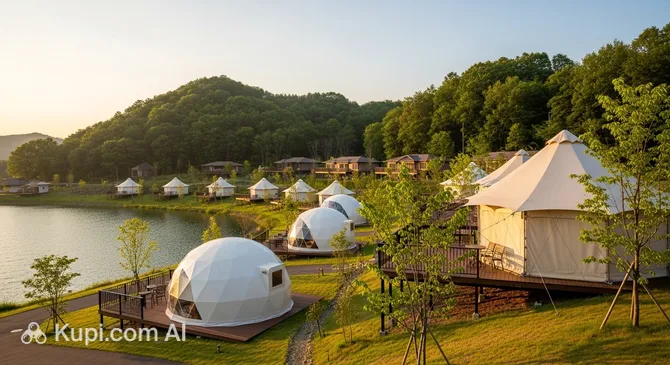
For those looking for a unique outdoor experience, the Glamping Resort on Lake Takadaki is an excellent choice, combining hotel comfort with picturesque views. If you are traveling with pets, consider the specialized Doggy's Island Resort & Villa, which offers all the facilities for a holiday with domestic animals.
Takataki Lake Glamping Resort. Illustration.
Source: Kupi.com AI
Traveler photos:
When choosing an area to stay, it is best to focus on proximity to JR stations—this provides direct access to Tokyo and Narita Airport. The price range here is usually more attractive than in the center of the capital, while the level of service remains consistently high. It is recommended to book accommodation in advance, especially during the cherry blossom season and national holidays.
Nearby Cities
Chiba serves as an excellent starting point for exploring the surrounding Kanto region, offering travelers many interesting destinations within an hour's drive. Thanks to the developed railway network, planning day trips from the city is very simple and convenient.
Just a few kilometers away is Yotsukaido, a small city that attracts visitors with its peaceful atmosphere. Another nearby destination is Narashino, known for its parks and waterfronts. Also worth noting is Ichihara, where you can find interesting natural locations and zoos suitable for family holidays.
For those seeking historical attractions, a trip to Sakura city, famous for its samurai houses and museums, is an excellent choice. Exploring nearby cities will allow you to see a more authentic, non-tourist side of Japan, hidden behind the glitz of modern megacities.
Shopping & Souvenirs
Shopping in Chiba is an enjoyable activity focused on comfort and variety. The city is famous for its massive shopping complexes, where global brands, Japanese designers, and cozy cafes are all gathered under one roof. Most major stores are concentrated around the central station, making shopping very convenient for tourists.
One of the most vibrant places for shopping and strolling is Ikspiari—a unique shopping town with a festive atmosphere located in the Disneyland resort area. Also worth a visit is the Narita Shopping Center, which offers a huge selection of goods, from electronics to cosmetics, at very attractive prices.
Ikspiari. Illustration.
Source: Kupi.com AI
Traveler photos:
Popular souvenirs from Chiba often include products made from local peanuts (the prefecture is a leader in their production), traditional Japanese wagashi sweets, and folk crafts. Shops usually operate from 10:00 to 20:00 or 21:00, and cards are accepted everywhere. Don't forget to bring your passport—many large department stores offer a Tax Free system for on-the-spot tax refunds.