Support

Sodegaura

About

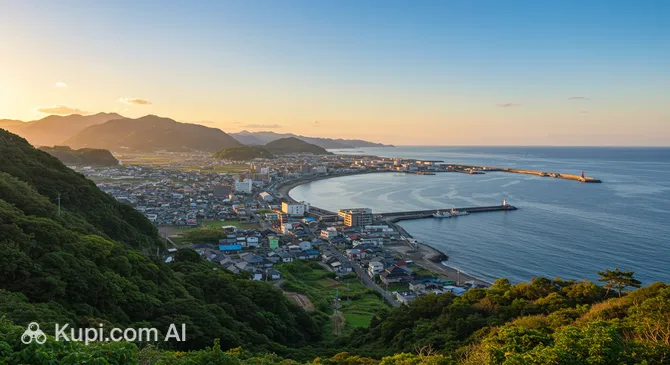
Sodegaura is a cozy city stretching along the eastern coast of Tokyo Bay in Chiba Prefecture. Its advantageous geographical position makes it an excellent starting point for exploring both the coastline and the entire vast Kanto region, including the capital of Japan — Tokyo. The city literally breathes sea air, offering a harmonious blend of water meadows, modern industrial zones, and picturesque parks.

Sodegaura. Illustration.
Source: Kupi.com AI

With a population of about 64,000, Sodegaura retains the charm of a small Japanese city, where every corner is filled with tranquility and a measured pace. This place is not yet overloaded with tourist crowds, allowing guests to immerse themselves in an authentic atmosphere of the country and enjoy the daily life of the Japanese people without the hustle and bustle of megacities, yet with all the comforts of civilization. Unique features of the city include the opportunity for leisurely strolls along the shore, observing picturesque sunsets over the bay, and getting to know the local culture.

Nature lovers will appreciate the local parks, while fans of modern architecture will find the industrial landscapes interesting, especially when they are impressively lit up at night. Sodegaura is an ideal destination for those seeking to discover the non-touristy side of Japan, try genuine local cuisine, learn more about traditions, and recharge with the soothing energy of a coastal city. It is a wonderful choice for travelers looking for a unique experience and a peaceful holiday.

You can find more interesting facts on the Sodegaura city history page.

Weather Overview

The weather in Sodegaura is characterized by clearly defined seasons. Summer here is warm, especially in July and August, when the average temperature hovers around 26–28°C. Winters are cool; January is the coldest month with an average temperature of about 6°C. Precipitation is distributed throughout the year, with June, September, and October potentially being rainier. In general, expect a warm summer with occasional rain and cool, relatively dry winters. You can find more detailed information about climatic conditions on the Sodegaura climate page.

Average monthly temperature

Average monthly precipitation

Interesting Facts

In addition to its modern achievements, Sodegaura carefully preserves the heritage of the past and surprises with unexpected contrasts. Here are some curious facts that will help you look at this city from a new perspective:

  • Historically, Sodegaura was part of an ancient provincial route that connected the capital with eastern lands. Even today, you can find corners of the city that recall the samurai era — old temples and small Shinto shrines tucked away cozily among the greenery of the parks.

  • The city is known for its massive industrial complex stretching along the coast. At night, these factories turn into a literal "city of lights." This futuristic industrial landscape of Sodegaura inspires photographers and artists, and night tours of these sites are popular among lovers of unusual views.

  • One of the city's main natural attractions is Sodegaura City Park. Every spring, it is transformed when thousands of cherry trees bloom. During this time, locals and guests gather for traditional hanami picnics to enjoy the beauty of flowering nature.

  • Sodegaura is home to the unique Tokyo German Village theme park, which offers visitors a chance to experience a German atmosphere without leaving Japan. Here you can try traditional German dishes, enjoy various rides, and in winter, the park is famous for its grand illumination that attracts thousands of guests.

How to Get There

When planning a trip to Sodegaura, you have several convenient options for reaching this city in Chiba Prefecture. The main way for international travelers is to arrive at one of Tokyo's major airports and then travel to Sodegaura by ground transport.

The nearest and most convenient large airport is Haneda Airport (IATA: HND), officially known as Tokyo International Airport. It is located in Tokyo, approximately 21 km from the center of Sodegaura. A trip by car, taxi, or bus from Haneda to Sodegaura usually takes about 50–60 minutes, depending on traffic. Haneda Airport handles a huge number of domestic and international flights and is one of the busiest in the world.

Another significant international airport is Narita International Airport (IATA: NRT), also located near Tokyo but slightly further away — about 54 km from Sodegaura. The journey from Narita to Sodegaura by car or bus will take approximately 1 hour 40 minutes to 2 hours. Narita is the main international hub for Japan and receives most long-haul flights.

For clarity, here is a summary of the main airports through which you can reach Sodegaura:

AirportPassenger trafficDistance
Haneda Airport85.7 mln21 km
Narita International Airport40.8 mln54 km
Ibaraki Airport776 06393 km
Shizuoka Airport691 274177 km
Matsumoto Airport112 618201 km

Japan is famous for its excellent and extensive railway network. After arriving at the airport or if you are traveling from another city in Japan, the train can be an excellent way to get to Sodegaura. The city is served by local railway lines, such as the JR Uchibo Line. We recommend checking current schedules and routes on the websites of railway operators like JR East to plan the most convenient transfer.

Traveling by car is another convenient way to reach Sodegaura and explore Chiba Prefecture and its surroundings at your own pace. Japan has excellent road infrastructure, including expressways. If you plan to rent a car, remember that traffic is on the left and that some roads may be toll roads. Navigation systems are usually available in English and will help you orient yourself easily.

Main Attractions

Sodegaura, a cozy city in Chiba Prefecture, offers its guests several interesting places to spend time pleasantly and get acquainted with local culture and nature. These include both large theme parks and spots for quiet relaxation.

One of the most vibrant and popular attractions is the Tokyo German Village. Despite its name, this extensive theme park is located right in Sodegaura and attracts visitors year-round. Here you will find magnificent flower fields that change their appearance depending on the season — from rapeseed and moss phlox to sunflowers and kochia. The park offers entertainment for the whole family: rides, a petting zoo, a mini-golf course, and spacious lawns for relaxation. The Tokyo German Village is especially famous for its grand winter illuminations, considered among the best in the Kanto region.

For those who prefer a more tranquil outdoor experience, Sodegaura Park is an excellent choice. This large public park is particularly picturesque in spring during the plum and cherry blossom seasons, and in early summer when thousands of irises bloom in the Shobu-numa pond. The park features convenient walking paths, playgrounds, and an observation tower that offers views of Tokyo Bay on clear days. It is a great place for leisurely walks, picnics, and admiring seasonal flowers.

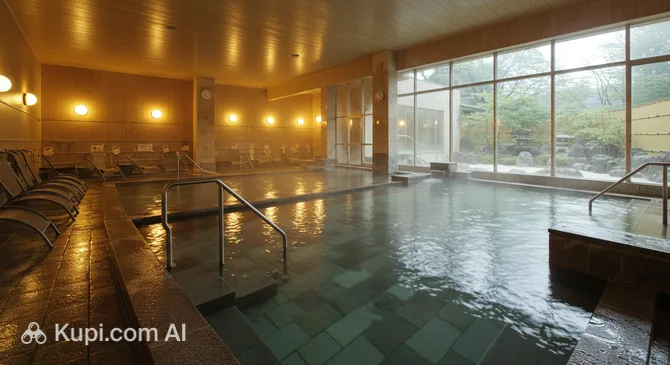
To experience the healing power of Japanese hot springs and relax, visit the Yubune Sodegaura Natural Onsen. This complex invites guests to immerse themselves in traditional Japanese bathing culture. The natural hot springs help relieve fatigue and restore strength. A visit to an onsen is a wonderful opportunity to relax your body and soul, especially after a busy day full of impressions. Frequently, such establishments also serve local cuisine.

Yubune Natural Hot Spring Sodegaura. Illustration.
Source: Kupi.com AI

Traveler photos:

Local Cuisine

The gastronomy of Sodegaura is a true immersion into the world of the freshest seafood and unique local recipes. The main pride of the city is undoubtedly the seafood from Tokyo Bay. In numerous restaurants and lively markets, you can enjoy the taste of fresh clams, oysters, sea urchins, and various fish dishes. Be sure to try "asari-meshi" — a traditional rice dish with clams prepared according to old recipes that conveys the true spirit of the local cuisine.

Among other culinary specialties not to be missed is "hamayuki." These are delicate pastries filled with shrimp and vegetables, often sold in street cafes and at fairs, offering an authentic taste of the city. For those with a sweet tooth, Sodegaura has prepared "an-mitsu" — a light and refreshing dessert made of jelly, juicy fruits, and sweet adzuki bean paste. Regarding drinks, besides traditional Japanese tea and sake, the city surprises with its own version of Oktoberfest at the Tokyo German Village, where you can enjoy German beer and sausages.

The food culture in Sodegaura is closely linked to the sea and farming. Locals and tourists often choose restaurants specializing in seafood to appreciate its freshness. One such place where you can sample local cuisine is the Yubune Sodegaura Natural Onsen. Additionally, the city has active farmers' markets where you can purchase fresh seasonal vegetables, fruits, and especially the famous local strawberries. Don't miss the gastronomic festivals: seafood fairs are held here in spring and autumn, offering unique dishes and a chance to get to know the region's culinary traditions. Sodegaura is a place where every gourmet will find something to their liking, discovering Japan through its tastes and aromas.

Travel Tips

Planning a trip to the charming city of Sodegaura? Wonderful! To ensure your journey to this corner of Japan is as comfortable as possible and leaves only the warmest memories, we have prepared some practical tips for you.

  1. Clothing and Essentials: The climate in Sodegaura is temperate, with distinct seasons. In summer (June–August), it is quite hot and humid, so bring light, breathable clothing. Spring and autumn offer comfortable temperatures ideal for walking — layered outfits are best. Winter can be chilly, so don't forget a warm jacket, sweater, and hat. A key point is comfortable footwear, as exploring the city and its surroundings is best done on foot. Don't forget an adapter for your electronics (Type A and B outlets are used in Japan). When visiting temples and shrines, there is usually no strict dress code, but modest clothing is appropriate.
  2. Transport: You can get around Sodegaura using local buses and trains that connect the city with other towns in Chiba Prefecture. Taxis are also available but can be more expensive. If you plan to actively explore the surroundings, you might consider renting a car, but note that an international driving permit is required and traffic in Japan is on the left. For short trips around the city, a bicycle can be a great alternative.
  3. Finance: The national currency is the Japanese Yen (JPY). Although credit cards are becoming more common, cash is still very important, especially in small shops, cafes, and when visiting temples. You can exchange currency at the airport or banks. You can withdraw cash from international cards at ATMs in 7-Eleven, Family Mart, or post offices (Japan Post Bank). Tipping in Japan is not practiced — good service is already included in the bill.
  4. Health and Safety: Sodegaura, and Japan as a whole, is considered a very safe place for tourists. Pharmacies (薬, kusuri) are easy to find, but not all are open 24/7, and pharmacists may not always speak English. It is recommended to carry a basic set of medicines. Medical care for tourists is available but can be expensive, so be sure to get travel insurance before your trip.
  5. Communication: The official language is Japanese. In tourist centers and large hotels, staff may speak English, but overall, the level of English proficiency in smaller cities like Sodegaura may be low. Learn a few basic Japanese phrases (e.g., "konnichiwa" — hello, "arigato" — thank you, "sumimasen" — excuse me/sorry). For convenience, purchase a local SIM card or rent a pocket Wi-Fi router to stay connected. Free Wi-Fi is available in some public places and cafes.
  6. Local Etiquette: The Japanese are very polite and value respect for traditions. Greetings are usually accompanied by a bow. In public places, especially on transport, try to be quiet and don't talk loudly on the phone. It is customary to remove your shoes when entering some homes, temples, and traditional restaurants. Attentiveness to local customs will be highly appreciated.
  7. What to Avoid: Try not to eat or drink while walking on the street; it is not commonly done. Also, never stick your chopsticks vertically into a bowl of rice — this is associated with funeral rituals. Do not point at people with your finger; it is better to use an open palm.
  8. Additional Tip: Sodegaura is in Chiba Prefecture, known for its natural beauty and coastline. Don't miss the chance to try local delicacies, especially fresh seafood if you're near the coast. Also, being a relatively small city, Sodegaura offers a more peaceful and authentic experience compared to megacities, so enjoy the local atmosphere and leisurely walks.

We hope these tips help you better prepare for your trip and get the most enjoyment out of your stay in Sodegaura. We wish you unforgettable impressions and bright discoveries in this corner of Japan!

Entertainment & Nightlife

Sodegaura, comfortably located in Chiba Prefecture, offers its guests the chance to immerse themselves in the calmer and more authentic evening atmosphere of Japan, which differs from the noise of major metropolises. Nightlife here does not roar with crowded clubs until dawn, but it has its own charm centered around traditional Japanese pleasures and local flavor.

Evening entertainment in Sodegaura is mainly represented by cozy restaurants, izakayas (Japanese pubs), and karaoke bars. Most activity is usually concentrated in the areas adjacent to the city's main railway hub — Sodegaura Station — as well as the surrounding shopping streets. The atmosphere in such establishments is generally very welcoming and relaxed, encouraging conversation. The dress code in most places is casual, although an elegant style might be appreciated in some higher-end restaurants. Most establishments operate until late evening, typically until midnight or 1:00 AM. Regarding prices, the average bill in an izakaya can be 3,000–5,000 yen per person, the cost of a standard drink in a bar is about 500–800 yen, and an hour in a karaoke box will cost around 500–1,000 yen per person, depending on the time and day of the week. For moving around after dark, taxis are the most convenient option, as public transport schedules may be limited.

One notable place to spend an evening is the Yubune Sodegaura Natural Onsen. While it is primarily a hot spring complex, it also includes a restaurant where you can enjoy a delicious dinner in a peaceful setting after relaxing treatments. This is a great way to combine gastronomic pleasure with traditional Japanese relaxation.

As for loud nightclubs with dance floors and DJs, the selection in Sodegaura is small, as the city is more oriented toward quiet rest. However, near Sodegaura Station, you can find small local bars, perhaps with live music or themed nights, where the local crowd gathers. If you are looking for a more active and diverse club life, consider a trip to larger cities in Chiba Prefecture or nearby Tokyo.

Sodegaura, like most cities in Japan, is characterized by a high level of safety, so evening walks along lit streets usually cause no concern. Nevertheless, it is always wise to follow standard precautions. You can call a taxi by asking the staff at your hotel or restaurant, or find a taxi stand near the stations.

During the day, Sodegaura also offers visitors various leisure options. You can explore local parks, such as Sodegaura Park, or visit coastal areas. Cultural programs can include visiting local temples and shrines. For family vacations, it is worth looking for information about nearby entertainment centers or theme parks in the region.

Parks & Museums

Sodegaura, cozily situated in Chiba Prefecture, offers its guests pleasant green corners for outdoor relaxation as well as opportunities to learn about local culture and history. The city carefully preserves its heritage, offering travelers both peaceful parks and places to immerse themselves in the region's past.

One of the main outdoor recreation spots in Sodegaura is Sodegaura Seaside Park (Sodegaura Kaihin Park). This spacious park, stretching along the coast of Tokyo Bay, is ideal for walking, picnics, and enjoying sea views. Families with children and outdoor enthusiasts are often seen here. Another popular green zone is Sodegaura Park, known for its seasonal blooms, especially cherry blossoms in spring, making it a wonderful place for hanami (flower viewing) and quiet walks.

For those interested in the region's history and culture, a key place to visit is the Sodegaura City Local Museum (袖ケ浦市郷土博物館). The museum's exhibition is dedicated to the history of the area, starting from ancient times. Here you can see archaeological finds, household items from past eras, materials about the development of agriculture and fishing in the region, and local folklore. This is a great opportunity to gain a deeper understanding of the uniqueness of Sodegaura and its connection to Chiba Prefecture. While the city may not have world-class major art galleries, it is these local museums that often offer the most authentic and memorable experiences.

In addition to the local history museum, while walking through Sodegaura, you can discover small but significant temples and shrines. These quiet corners often hold centuries of history and are an integral part of the Japanese cultural landscape, offering a peaceful atmosphere for reflection and getting to know the spiritual side of Japan.

After a busy day of exploration, a perfect way to relax and touch Japanese culture is to visit a traditional bath. For example, the Yubune Sodegaura Natural Onsen offers the opportunity to enjoy hot springs, which is an important part of Japanese daily life and leisure. It is not just a place to wash, but an entire ritual that promotes recovery and mental balance.

Yubune Natural Hot Spring Sodegaura. Illustration.
Source: Kupi.com AI

Traveler photos:

For a more authentic experience of Sodegaura, don't limit yourself to just the well-known points. Try looking into local markets, if any are being held, or just stroll through residential neighborhoods to observe the daily life of the citizens. Sometimes the most interesting discoveries and warm memories wait where you least expect them.

Getting Around

Public transport in Sodegaura is primarily represented by railway services and bus routes, which provide convenient movement both within the city and to neighboring towns. Railway lines, including those of JR East, are key for longer journeys, while buses cover local routes and deliver passengers to stations and major city sites.

For paying fares on Sodegaura's public transport, rechargeable smart cards like Suica or PASMO are widely used. These cards are very convenient, as they can be used not only on trains and buses in many regions of Japan but also at some shops and vending machines. You can purchase or top up such a card at railway stations. Single tickets are also available, which can be bought at station vending machines or directly from the bus driver (it's advisable to have small change for the bus).

Using public transport in Sodegaura is fairly simple. When boarding and exiting a train or bus, if you are using an IC card, you must touch it to a special reader (validator). Single train tickets are usually checked at ticket gates when entering and exiting a station. Buses typically have validators at the entrance and/or exit. Transport runs on a schedule, which can be found at stops and stations. Major routes operate from early morning until late evening, but you should check the time of the last service in advance, especially if you plan late-evening travel.

In addition to public transport, you can use taxi services in Sodegaura. Taxi stands are usually located at railway stations and major public areas. For short trips around the city or exploring the surroundings, bicycle rentals can be convenient if available. It's best to check for rental points on-site, for example, at tourist information centers or your hotel.

Accommodation

When planning a trip to Sodegaura, you can choose from a variety of accommodation options that cater to different preferences and budgets. The city offers a wide range of lodging: from budget hostels and functional business hotels, convenient for business travelers, to comfortable mid-range hotels with a good set of services. For those seeking a more authentic Japanese experience, it is worth looking for traditional inns — ryokans — if they are available in the city or its surroundings. Additionally, apartments or short-term rentals may be available for families or travelers planning a longer stay.

When choosing a place to stay in Sodegaura, it is recommended to focus on the convenience of the location. Most tourists prefer to stay in hotels with good access to major transport hubs, such as railway stations, which makes moving around the city and region easier. You should also consider the proximity to the attractions you plan to visit or business centers if your trip is work-related.

As for the price range, in Sodegaura, as in many Japanese cities, you can find options for any budget — from economical to more expensive. It is highly recommended to book accommodation in advance, especially if your trip coincides with the peak tourist season, national holidays, or major local events, as the best options are taken quickly. To search for and book hotels, it is convenient to use popular international and Japanese online platforms, and in some cases, contact the chosen hotel directly.

Nearby Cities

For those who want to explore the surroundings, Sodegaura serves as an excellent starting point for day trips to several interesting nearby places:

CityPopulationDistance
Kisarazu136 1186 km
Kimitsu81 35512 km
Ichihara268 03816 km
Futtsu42 28017 km
Chiba981 73824 km

These nearby destinations provide an insight into the diverse culture and landscapes of the region. A trip to any of these cities promises new impressions and interesting discoveries. For example, Yokohama, Japan's second-largest city, will amaze you with its famous Minato Mirai 21 "port of the future," Chinatown, and beautiful gardens. Kawasaki offers both industrial landscapes and cultural sites, including temples and museums. The administrative center of the prefecture, Chiba City, boasts an urban monorail that is one of the longest in the world, as well as parks and historical sites. Each of these cities has its own unique charm and is worth a traveler's attention.

Shopping & Souvenirs

Sodegaura, a cozy city in Chiba Prefecture, offers its guests a more relaxed and local shopping experience rather than the hustle and bustle of major shopping capitals. Here you won't find huge department stores of global brands at every step, but you can purchase daily necessities, fresh local products, and some traditional Japanese souvenirs. Shopping in Sodegaura is an opportunity to immerse yourself in the steady pace of the Japanese province.

Major shopping points in Sodegaura are generally concentrated near railway stations, such as Sodegaura Station, as well as along the city's main streets. These can be small family-run shops offering unique items, as well as chain supermarkets where you can find everything you need, from food to household trifles.

If you prefer more concentrated shopping, you can visit a local shopping complex in Sodegaura, such as the Yurimachi Sodegaura Ekimae Mall. Here, various clothing stores, household goods shops, as well as cafes and restaurants are gathered under one roof. For those looking for larger-scale shopping with a wide selection of international and Japanese brands at reduced prices, consider a trip to the nearby Mitsui Outlet Park Kisarazu. This is one of the largest outlet malls in the Kanto region, located just a few minutes' drive from Sodegaura and offering a vast assortment of goods.

While Sodegaura may not have large tourist markets, it's worth asking locals or the tourist information center about small morning markets (asaichi). At such markets, farmers and fishermen often sell the freshest seasonal produce: vegetables, fruits, and seafood for which Chiba Prefecture is famous. This is a great opportunity not only to buy quality products but also to feel the local flavor.

As souvenirs from Sodegaura and Chiba Prefecture, you can bring home various local delicacies. Look for traditional Japanese sweets like manju (buns with adzuki bean paste) or senbei (rice crackers) with original local flavors. Chiba Prefecture is also known for its peanuts and peanut products, as well as fresh seafood. In souvenir shops, you can find products by local craftsmen, ceramics, or textiles, as well as items with the city or region's symbols.

Most shops in Sodegaura are usually open from 10:00 or 11:00 AM to 7:00 or 8:00 PM. Supermarkets and some stores in shopping malls may stay open longer. As for payment methods, cash (Japanese yen) is still widely used, especially in small private shops and markets. However, credit cards (Visa, MasterCard, JCB) are increasingly accepted, especially in shopping centers, chain stores, and tourist spots. Contactless payments using Japanese IC cards (like Suica or Pasmo) are also common if you plan to use them.

For foreign tourists in Japan, a consumption tax refund system (Tax Free Shopping) is available. To take advantage of this, look for stores with the "Japan Tax-free Shop" logo. Typically, to qualify for a tax refund, you must make a purchase of over 5,000 yen (excluding tax) in one store on one day and present your passport at the checkout or a special Tax Free counter. It is recommended to check the terms and procedures directly in the store.
Reached the end of the page?

That means the route is fully explored