Support

Futtsu

About

Futtsu is a true corner of peace and harmony, nestled on the coast of Tokyo Bay, just an hour's drive from the bustling capital of Japan. This charming city on the Boso Peninsula, washed by the waters of the Pacific Ocean, gives its guests a unique maritime atmosphere and is an ideal destination for those dreaming of escaping the city hustle and enjoying a fresh sea breeze.
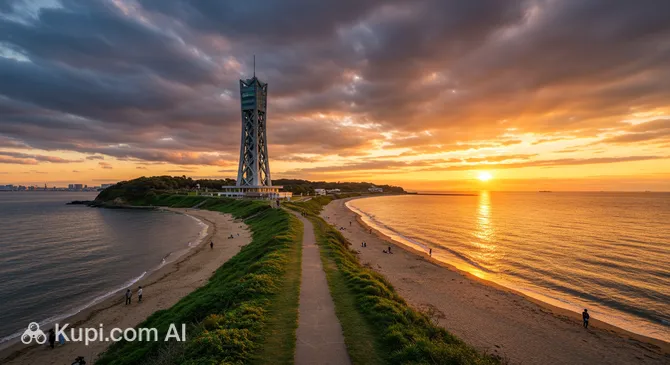
Futtsu. Illustration.
Source: Kupi.com AI

With a population of about 42,000, Futtsu retains the authenticity and measured pace of life of a small coastal town. Here you won't find tall skyscrapers, but you can enjoy spacious beaches, picturesque coastal parks, and colorful fishing villages where time seems to flow slower.

Futtsu's greatest wealth is its nature. Green hills, ancient pine groves, long sandy beaches, and, of course, breathtaking views of the bay and the majestic Mount Fuji on a clear day. The city is famous for its opportunities for leisurely walks along the embankment, sea excursions, and sunset watching. Additionally, Futtsu offers a chance to get acquainted with local culture and taste dishes made from the freshest seafood, which the locals are so proud of.

If you are looking for a place where Japanese traditions harmoniously blend with natural beauty and wish to discover a different, unhurried side of the Land of the Rising Sun, Futtsu will be a true discovery for you and will provide unforgettable impressions.

You can find more interesting facts on the Futtsu city history page
Weather Overview

The weather in Futtsu is typically characterized by warm and humid summers, with average temperatures in July-August hovering around 26-27°C, and mild winters with average temperatures around 6-9°C and less precipitation. Spring and autumn bring moderate weather, but be prepared for rain, especially in June and October—these are the months with the highest precipitation and number of rainy days.

For more detailed planning of your trip, you can study detailed information about the Futtsu Climate.

Average monthly temperature

Average monthly precipitation

Interesting Facts

In addition to its picturesque landscapes and hospitable atmosphere, Futtsu hides many interesting details and stories that not all travelers know. Here are just a few curious facts about this charming city:

  • Futtsu is considered one of the best places on the eastern coast of Tokyo Bay for observing Mount Fuji. On a clear day, truly breathtaking views of Japan's main symbol open up from here, especially at sunrise and sunset, attracting photographers from all over the country.

  • The city territory includes Cape Kanaya, known not only for its unique rock formations but also for its ancient quarries. This is exactly where the famous Nihon-ji temple is located, where you can see one of the largest Buddha statues in Japan, carved directly into the rock.

  • Futtsu is famous for its colorful festivals, especially those held in the summer. One of the most mesmerizing is the sea lantern festival, when thousands of lights decorate the coast, creating a magical and unforgettable atmosphere.

  • The city is closely linked to the names of famous Japanese artists and woodcarvers, whose skillful works decorate local temples and museums. Furthermore, Futtsu carefully preserves unique fishing traditions passed down from generation to generation.

How to Get There

When planning a trip to Futtsu, located in Chiba Prefecture, the primary way to reach the city for most international tourists will be a flight to one of the major airports serving Tokyo and its surroundings. Futtsu itself does not have its own airport, but convenient transport links make it easy to reach from nearby air hubs.

The most convenient option is Haneda Airport (HND), which is located in Tokyo, at a distance of about 28.4 km from the center of Futtsu. It is one of the largest and busiest international airports in Japan. A trip from Haneda Airport to Futtsu by car or taxi usually takes about 1 hour. Another significant international airport is Narita International Airport (NRT), also located in the metropolitan region, approximately 70.1 km from Futtsu. Traveling from Narita to Futtsu will take roughly 2 – 2.5 hours by car or express bus. Both airports offer a wide selection of flights and are well-integrated into the transport system.

For clarity, here is a summary of the main airports through which you can reach Futtsu:

AirportPassenger trafficDistance
Haneda Airport85.7 mln28 km
Narita International Airport40.8 mln70 km
Ibaraki Airport776 063110 km
Shizuoka Airport691 274163 km
Matsumoto Airport112 618199 km

After arriving at the airport, there are several ways to get to Futtsu. The most direct option may be a taxi or car rental. It is also worth considering public transport: trains and buses from Tokyo and other major cities in the region travel toward Futtsu and its surroundings. Japan is known for its excellent railway network, so after arriving at the airport, you will likely be able to take trains (possibly with transfers) to the station nearest to Futtsu, and from there continue by local bus or taxi. It is recommended to check current routes and schedules on the official websites of transport companies in advance.

Main Attractions

Futtsu, comfortably located in Chiba Prefecture, offers its guests an amazing combination of natural beauty, cultural sites, and culinary delights. This city by Tokyo Bay is capable of charming every traveler, and here are just a few places worth including in your itinerary.

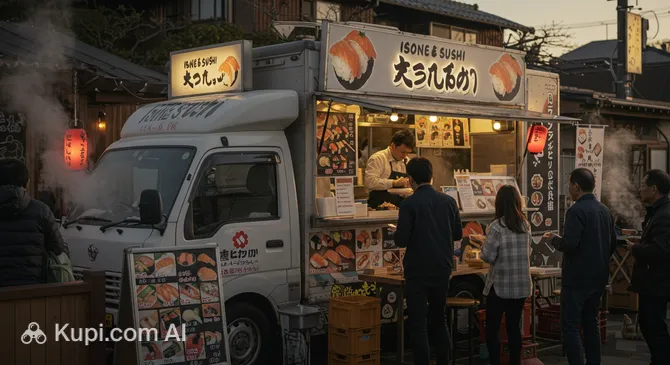
For connoisseurs of Japanese cuisine, a visit to the restaurant Isone Sushi should be a mandatory part of the program. Given Futtsu's coastal location, you can expect the freshest seafood, masterfully prepared by local chefs. This is a great opportunity to try authentic sushi and sashimi while experiencing the taste of true Japanese hospitality.

Isone Sushi. Illustration.
Source: Kupi.com AI

Traveler photos:

One of the most impressive natural and spiritual landmarks near Futtsu is Mount Nokogiri (Nokogiriyama). Famous for its giant stone-carved Nihon-ji Daibutsu Buddha statue and breathtaking views of Tokyo Bay, the mountain attracts both pilgrims and hiking enthusiasts. The ascent to the summit, which is also possible via ropeway, is rewarded with panoramic views and the chance to visit the ancient Nihon-ji temple complex.

For family vacations and animal lovers, Mother Farm (マザー牧場) is a perfect fit. It is an extensive entertainment complex sprawling across the hills where you can interact with alpacas, sheep, and other animals, admire seasonal flower fields (such as rapeseed or salvia), taste fresh dairy products, and enjoy various attractions. The farm offers many outdoor activities and is a popular spot for a full-day outing.

One cannot overlook Cape Futtsu (Futtsu Misaki), which extends in a thin strip into Tokyo Bay. This picturesque spot is ideal for walks, picnics, and admiring the seascapes. Located on the cape is the recognizable five-tiered observation tower—the Meiji Centennial Observation Tower—which resembles a pagoda and offers magnificent views of the bay, Yokosuka city on the opposite shore, and, on clear days, majestic Mount Fuji. There is also a park and a beach area popular among locals and tourists for relaxation and fishing.

Local Cuisine

The cuisine of Futtsu is a true hymn to the fresh gifts of the sea, which take center stage in the region's gastronomic culture. If you are a seafood connoisseur, Futtsu will be a real discovery for you. The main pride of local chefs is, undoubtedly, the freshest sashimi made from fish caught in the bay just a few hours ago, as well as exquisite dishes made from shellfish and shrimp.

Be sure to try anago—sea eel, which is masterfully grilled here with a delicious caramelized sauce. This dish is considered Futtsu's signature. Also popular are onigiri filled with local fish, fried squid, and aromatic soups on a rich fish broth, which can be found in both restaurants and street stalls.

Locals and tourists often visit cozy restaurants to enjoy authentic flavors. One such place where you can taste excellent sushi and other seafood dishes is Isone Sushi. Additionally, we highly recommend stopping by the Futtsu Farmer's Market. Here you will find not only a rich selection of marine delicacies but also fresh vegetables, fruits, and traditional homemade pickles. Street food is also widely represented and offers a quick and tasty way to get acquainted with local culinary traditions.

Among the drinks that will perfectly complement your meal, it's worth highlighting local sake and the sweetish plum wine umeshu. They pair perfectly with seafood dishes, highlighting their delicate flavor. You can complete your lunch or dinner with traditional Japanese rice-based desserts and sweet bean paste, usually served with a cup of aromatic green tea. Also, keep an eye out for seasonal food festival announcements—festivals dedicated to the seaweed and sea urchin harvests take place here in spring and autumn, during which restaurants offer special tasting menus.

Travel Tips

Planning a trip to the charming city of Futtsu? To ensure your journey goes smoothly and leaves only pleasant impressions, we have prepared some practical tips. These recommendations will help you better navigate on-site and enjoy every moment of your stay in Japan.

  1. Clothing and Accessories: The weather in Futtsu, as in all of Japan, depends on the season. In summer, it is hot and humid, so choose light, breathable clothing. Spring and autumn will delight you with comfortable temperatures, ideal for layered outfits. In winter, it can be cool, especially by the coast, so warm clothes will come in handy. Don't forget comfortable shoes for long walks and an adapter for electronics (Japan uses type A and B sockets). When visiting temples and shrines, it is customary to dress modestly, covering shoulders and knees.
  2. Getting Around: The main public transport in Futtsu is likely local buses and trains connecting the city with other parts of Chiba Prefecture. Taxis are available but can be quite expensive. If you plan to explore the surroundings more widely, you can consider renting a car (this will require an international driving permit). However, for Futtsu itself, walking or cycling is often enough to enjoy its atmosphere.
  3. Money and Expenses: The official currency of Japan is the Japanese Yen (JPY). You can exchange money at airports, major banks, or some post offices. Credit cards are accepted in many establishments, but it is highly recommended to always carry some cash, especially for payments in small shops, at local markets, or when visiting some temples. ATMs that work with international cards are usually located in 7-Eleven convenience stores and at the post office (Yucho Bank). It is important to remember that tipping in Japan is not practiced and can be perceived as impolite.
  4. Health and Safety: Japan in general is a very safe country, and Futtsu is no exception. Pharmacies ("kusuriya" 薬屋) are common, but the staff does not always speak English. In case of an emergency medical need, call 119. Having travel medical insurance is always a plus. Observe standard precautions: keep an eye on your belongings and avoid leaving valuables unattended.
  5. Language and Connectivity: The official language is Japanese. The level of English proficiency among the local population varies; in tourist zones, staff are more likely to understand you. Learning a few basic Japanese phrases, such as "konnichiwa" (hello), "arigato" (thank you), and "sumimasen" (excuse me/sorry), will significantly ease your communication. SIM cards for mobile internet can be purchased at the airport or in electronics stores. Free Wi-Fi is available in many hotels, cafes, and some public places.
  6. Local Etiquette: Bowing is the standard form of greeting. In public transport and other quiet public places, try not to make noise. It is important to remove your shoes before entering private homes, some temples, and traditional restaurants. Do not stick your chopsticks vertically into a bowl of rice—this is considered bad manners. It is also not customary to eat on the go (exceptions are specially designated areas with street food).
  7. What to Avoid: Try not to talk loudly on your mobile phone in public places, especially on transport. Categorically avoid attempts to leave a tip—this contradicts local customs and may cause confusion.
  8. Futtsu Specialty: The city of Futtsu is known for its picturesque Cape Futtsu (Futtsu-misaki). This long sandy spit is a popular spot for clam digging ("shiohigari"), and on clear days, it offers magnificent views of Tokyo Bay and Mount Fuji. Be sure to try the fresh local seafood—it is one of the main gastronomic highlights of the region!

We hope these tips help you plan an unforgettable trip to Futtsu and enjoy every moment of your stay in this corner of Japan!

Entertainment & Nightlife

In the evening, Futtsu offers travelers the opportunity to immerse themselves in a calmer and more authentic atmosphere of Japanese life, distinct from the hustle of megacities. While the city is not famous for noisy nightlife districts with many clubs, you can have a pleasant evening here enjoying local cuisine and hospitality.

The core of evening entertainment in Futtsu consists of restaurants and traditional Japanese drinking establishments—izakayas. Here you can try the fresh seafood the region is famous for and other local dishes. One such place to enjoy quality food in the evening is the restaurant Isone Sushi. The atmosphere in such establishments is usually cozy and conducive to a leisurely dinner. Many restaurants stay open until late evening, but it's worth checking operating hours in advance, especially on weekdays.

Isone Sushi. Illustration.
Source: Kupi.com AI

Traveler photos:

As for bars, in Futtsu you are more likely to find small local establishments than large chain bars or noisy nightclubs. These places often offer a good selection of sake, shochu, and Japanese beer. The crowd here is predominantly local, which adds authenticity to your experience. There is usually no special dress code; a neat casual style is welcomed.

Practical Tips: When planning your evening leisure, keep in mind that public transport may run less frequently late at night. It's better to think about a taxi in advance if your accommodation is far from the center or your chosen venue. Prices in Futtsu's restaurants and bars are generally moderate, especially compared to Japan's major tourist centers. The best time to visit restaurants is early evening to enjoy dinner without rushing.

Safety: Futtsu, like most cities in Japan, is considered a very safe place. Night walks through lit streets usually cause no concern. Nevertheless, it's always worth taking basic precautions. You can call a taxi by asking the restaurant or hotel staff, or by using special apps if they are available in the region.

During the day, Futtsu also offers leisure options. While there may not be large world-class museums or theaters, you can enjoy walking around the city, visiting local parks, or exploring the coastal zone. The city's calm atmosphere is perfect for relaxed rest and getting to know the everyday life of the Japanese province.

Parks & Museums

Futtsu, snugly located in Chiba Prefecture, offers its guests a harmonious combination of picturesque natural landscapes and opportunities to get acquainted with the original local culture. This city and its surroundings can charm both lovers of active recreation in the heart of nature and those who strive to better understand the history and traditions of the region.

One of Futtsu's main green jewels is undoubtedly Futtsu Park (富津公園), spread across the namesake cape reaching into Tokyo Bay. It is an ideal place for leisurely walks, family picnics, and, of course, admiring the breathtaking sea panoramas from the observation platforms. Nature lovers and those seeking impressive views should also pay attention to Mount Nokogiri (鋸山), located nearby. The climb is rewarded not only by stunning landscapes but also by the opportunity to visit ancient temples and see the famous giant Buddha statue. Furthermore, the Futtsu coastline itself is a beautiful natural area offering relaxation by the water and fresh sea air.

While Futtsu may not possess an extensive collection of traditional world-class museums, the city offers unique places for cultural enrichment. One such popular spot, especially for family vacations, is Mother Farm (マザー牧場). This vast theme farm-park allows visitors to interact with animals, enjoy the beauty of flower fields, and learn more about Japanese agriculture—a kind of interactive open-air museum. Another iconic cultural and architectural landmark is the Tokyo Bay Kannon (東京湾観音)—a majestic statue of the Goddess of Mercy, which serves not only as an important religious symbol but also offers visitors an ascent to an observation deck for a view of the surroundings.

The historical past of the region has also left its mark. On Cape Futtsu, you can find the remains of old coastal fortifications, reminding us of the strategic importance of this place in bygone times. The Nihon-ji temple complex on Mount Nokogiri, with its centuries-old history, ancient structures, and images carved into the rocks, is an important site of cultural and historical heritage attracting pilgrims and tourists.

For a deeper immersion into the atmosphere of Futtsu, stroll through its quiet streets, find small local shrines, or visit one of the colorful fishing ports. This will allow you to see the everyday life of the townspeople. And to try real local delicacies, stop by one of the cozy little restaurants, for example, Isone Sushi, where the freshest gifts of the sea are served.

Isone Sushi. Illustration.
Source: Kupi.com AI

Traveler photos:

Getting Around

Moving around Futtsu and its surroundings is possible with public transport, which is mainly represented by local trains and buses. These modes of transport connect key areas of the city and provide access to nearby settlements and attractions.

The primary fare payment system in the region, including Futtsu, is rechargeable IC cards (such as Suica or Pasmo), which are very convenient for tourists. These cards can be used on both trains and buses. You can purchase and top them up at machines at railway stations or in some shops. Additionally, there is always the option to pay the fare in cash. On buses, payment is usually made upon entry or exit, while at railway stations, tickets are bought at machines before boarding the train. The fare depends on the distance.

Tourists are recommended to purchase an IC card upon arrival for convenience. When entering a railway station or a bus, simply tap the card against the reader, and do the same when exiting—the system will automatically deduct the required amount. If you use a paper train ticket, it needs to be inserted into the turnstile at the entrance and taken back, and then inserted into the turnstile again at the exit (it often keeps it). Buses and trains usually run on a schedule, which can be found at stops and stations. Please note that the frequency of movement may decrease in the evening and on weekends, so it is always useful to plan your route in advance.

As an alternative to public transport in Futtsu, you can use taxi services. They are easily available, especially near stations, but are a more expensive option. For short trips and getting to know the city at a more relaxed pace, you can consider renting a bicycle if such a service is available. This is a great way to explore local streets and enjoy the scenery, especially in good weather.

Accommodation

When planning a trip to Futtsu, you can choose a suitable accommodation option according to your preferences and budget. The city offers various types of housing to satisfy the needs of diverse travelers.

In Futtsu, you can find options ranging from more budget guesthouses or small hotels to comfortable middle-class hotels. While luxury resorts may be less common, there is always a chance to find cozy and well-equipped places to stay. You should also consider renting apartments if you prefer more independence and a home-like setting.

When choosing a place to stay in Futtsu, pay attention to areas located near the attractions you are interested in or those with convenient access to transport hubs. This will allow you to move around the city and its surroundings more easily. Central areas or those closer to the coast are often popular with tourists.

Although the provided data does not include information about specific famous hotels in Futtsu, the city offers a sufficient choice of places to stop. We recommend checking reviews and ratings on popular travel portals to find a hotel that meets your expectations.

Booking Tip: To guarantee yourself the best selection and prices, especially if your trip falls during the peak tourist season or the time of local festivals, it is recommended to book your accommodation in advance. This will also give you more time to plan other aspects of your trip.

The price range for housing in Futtsu varies: you can find both quite affordable options and mid-price segment offers. Booking can be conveniently done through well-known international online booking platforms or, in some cases, directly through hotel websites.

Nearby Cities

For those who want to explore the surrounding area, Futtsu serves as an excellent starting point for day trips to several interesting nearby places:

CityPopulationDistance
Kimitsu81 3555 km
Kisarazu136 11811 km
Yokosuka390 27517 km
Sodegaura63 97517 km
Torihama9 64321 km

These nearby destinations provide insight into the diverse culture and landscapes of the region. A trip to any of these cities will enrich your journey through Japan with new impressions and discoveries.

Shopping & Souvenirs

Shopping in Futtsu is likely to offer you a more relaxed and local experience than in the major megacities of Japan. The city is not famous for huge shopping centers or designer boutiques, but here you can find authentic goods and souvenirs reflecting the local flavor of Chiba Prefecture. The main focus should be on small shops, stalls, and perhaps local markets.

In Futtsu, as in many small Japanese towns, the main retail points may be concentrated along the central streets or near the railway station. Here you will likely find shops with everyday goods, small souvenir stalls, and specialized little shops offering locally produced goods. Take a walk along the main streets to form your own impression.

You shouldn't expect large world-class shopping centers in Futtsu. However, there may be small local department stores or supermarkets where, in addition to food, they sell clothing, household goods, and some souvenirs. Such places are convenient for one-stop shopping.

If you're lucky, you may come across local markets, especially if they specialize in fresh seafood (given Futtsu's coastal location) or Chiba Prefecture's agricultural products. These markets are a great place to feel the local atmosphere and purchase fresh delicacies or unique seasonal items.

As souvenirs from Futtsu and Chiba Prefecture, you can bring back local sweets, handmade items, ceramics, or textiles with traditional patterns. Also, pay attention to sea-related products, such as dried seaweed, fish delicacies, or marine-themed souvenirs. Don't forget about classic Japanese souvenirs: tea, sake, fans, or chopsticks.

Most shops in Japan, including Futtsu, are usually open from 10:00 or 11:00 AM until 7:00 or 8:00 PM. Small private shops may have their own schedules. Cash (Japanese yen) is accepted everywhere, and most shops and retail points accept credit cards. However, in small markets or little family-run stores, preference may be given to cash.

Tourists in Japan can take advantage of the Tax-Free system (consumption tax refund). This is usually possible in shops that have the appropriate license when purchasing for a certain amount. Check the conditions directly at the points of purchase—look for the "Tax-Free Shop" sign and don't forget your passport for processing.

Reached the end of the page?

That means the route is fully explored