Support

MinamiBoso

About

Minamiboso is a charming city located at the very southern tip of the Boso Peninsula in Chiba Prefecture, Japan. Its geographical position is truly unique: the city is bordered by the Pacific Ocean on one side and Tokyo Bay on the other, making it a true paradise for lovers of seascapes and a mild climate. Here, the fresh sea breeze mingles with the scent of blooming gardens, while endless beaches sit alongside picturesque hills and green fields, creating a unique atmosphere of peace.
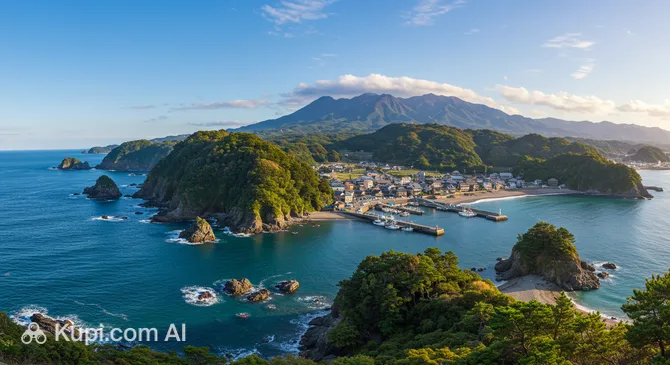
Minamiboso. Illustration.
Source: Kupi.com AI

With a population of about 35,000 people, Minamiboso retains the charm and tranquility of a small Japanese town. Despite its modest size, it plays an important role in the Kanto region and is known as the gateway to the natural and cultural treasures of southern Chiba Prefecture. A special mood reigns in Minamiboso: time seems to slow down here, inviting you to take a break from the hustle and bustle of the city.

This city is the perfect place for those who want to enjoy nature, explore ancient lighthouses, taste the freshest seafood, and immerse themselves in traditional Japanese life. Key attractions include scenic coastlines like Nemoto Beach and Cape Nojimazaki with its famous lighthouse. Minamiboso attracts families, outdoor enthusiasts, and culinary explorers alike. If you are looking for a peaceful holiday in the heart of nature with Japanese flair, Minamiboso will welcome you warmly.

You can find more interesting facts on the history of Minamiboso page.
Weather Overview

Planning a trip to Minamiboso? The city welcomes guests with a warm and humid climate. In summer, especially in August, the average air temperature reaches a comfortable 26.9°C, while July and June are also warm, at about 25.3°C and 21.7°C respectively. Winters here are mild but cool, with an average January temperature of around 7.6°C. In general, expect a warm summer with occasional rain—the highest rainfall and most rainy days occur in June, July, September, and October. Winters are cooler and noticeably drier, especially December and January, when there is only about 2 mm of precipitation. To better plan your trip based on the weather conditions, we recommend checking the detailed information on the weather in Minamiboso page.

Average monthly temperature

Average monthly precipitation

Interesting Facts

In addition to its picturesque beaches and warm climate, Minamiboso holds many fascinating secrets and little-known details that make it even more attractive to curious travelers. Here are just a few of them:

  • Nojimazaki Lighthouse is one of Minamiboso's signature landmarks. Notably, it is one of the few lighthouses in all of Japan where visitors are allowed to climb to the top. Built in 1866, it not only serves as an important navigational aid but also offers stunning panoramas of the Pacific Ocean from its observation deck.

  • At the southernmost tip of the Tateyama peninsula, where Minamiboso is located, lies another notable site—the Yume Misaki Lighthouse. This place is literally shrouded in legends of sea travelers and possesses a special romantic aura, attracting those seeking inspiration and solitude by the sea.

  • In Minamiboso, you can visit the rather unusual Sato Rakuno Museum (Chiba Prefectural Dairy Farming Museum). It is entirely dedicated to the history of dairy farming in the region. Visitors can not only learn a lot about the traditions of local farmers but also sample fresh dairy delicacies.

  • The modern city of Minamiboso is the result of a large-scale administrative merger. It was officially founded only in 2006 through the merger of several pre-existing towns and villages. This event was one of the largest transformations of its kind in the recent history of Chiba Prefecture.

How to Get There

There are several ways to reach the charming city of Minamiboso on the Boso Peninsula in Chiba Prefecture. However, the most convenient option for most international tourists is to fly into one of Tokyo's major airports. From there, you can continue your journey by rental car, taxi, or public transport such as buses or trains (usually requiring transfers).

The main air gateways for traveling to Minamiboso are Japan's two largest international airports: Haneda Airport (HND) and Narita International Airport (NRT). Haneda Airport, one of the busiest in the world, is located in Tokyo, approximately 57 km from Minamiboso. A trip by car or taxi from here to the center of Minamiboso will take approximately 1.5–2 hours, depending on traffic. Narita International Airport, also located near Tokyo and serving a vast number of international flights, is about 94 km from Minamiboso. The drive from Narita to Minamiboso can take approximately 2.5–3 hours. Both airports offer various onward transfer options, including car rentals and bus services.

For convenience, here is a summary of the main airports through which you can reach Minamiboso:

AirportPassenger trafficDistance
Haneda Airport85.7 mln57 km
Narita International Airport40.8 mln94 km
Ibaraki Airport776 063137 km
Shizuoka Airport691 274154 km
Matsumoto Airport112 618214 km

After arriving at one of the airports, you can take a taxi, rent a car—which is particularly convenient for exploring the scenic Boso region—or consider bus options to get to Minamiboso. Train travel in Japan is generally very comfortable, but reaching Minamiboso from the major airports may require several transfers, so it is worth researching the route and schedule in advance.

Main Attractions

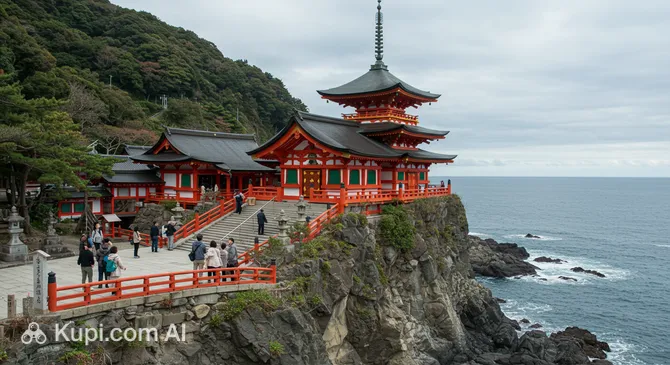
One of the most impressive landmarks in Minamiboso is Daifuku-ji Temple, also known as Gake Kannon. This ancient Buddhist temple is literally carved into a cliff overlooking the sea, creating a breathtaking sight. Visitors are drawn not only by its unique location and stunning ocean views but also by its peaceful atmosphere and the opportunity to connect with the region's spiritual history. The temple is dedicated to Kannon, the Goddess of Mercy, and pilgrims come here seeking blessings and peace of mind.

Daifukuji Temple (Gake Kannon). Illustration.
Source: Kupi.com AI

Traveler photos:

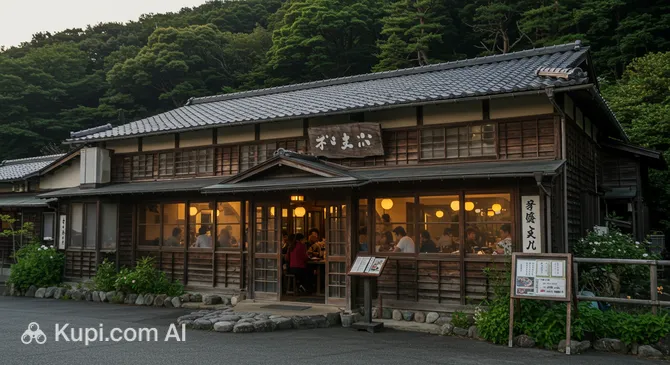
For lovers of Japanese cuisine and the freshest seafood, a visit to the Osakana Club restaurant is a must. The name, which translates to "Fish Club," speaks for itself. Here you can enjoy a variety of dishes made from fish and other seafood caught in the coastal waters of Minamiboso. It is an excellent place to get to know local gastronomic traditions and taste truly fresh delicacies in an authentic setting.

Osakana Club. Illustration.
Source: Kupi.com AI

Traveler photos:

Local Cuisine

The gastronomic world of Minamiboso is a true discovery for foodies, where the freshest seafood takes center stage. The foundation of local cuisine is undoubtedly seafood, which reaches restaurant tables and markets straight from the morning catch. Be sure to try sashimi made from local tuna, tender sea urchins, and sweet shrimp. Dishes made from various types of kelp and seaweed are also a hallmark of the region, revealing the unique flavors of the ocean.

Beyond the wide selection of seafood, Minamiboso surprises with other culinary delights. Thanks to the developed dairy farming in the vicinity, you can enjoy excellent yogurts, cheeses, and fresh cream produced according to traditional recipes. Don't miss the chance to try "name-miso"—a special paste made from fermented seafood and vegetables often served with rice. Traditional Japanese breakfasts, including rice, fragrant miso soup, and seasonal fish, will provide energy for the entire day.

The food culture in Minamiboso is diverse and offers something for every taste. Locals and tourists enjoy fresh catches in numerous restaurants, such as the Osakana Club, where you can taste the gifts of the sea in their purest form. Farmers' markets attract with their freshness, while street stalls tempt with the aromas of grilled squid on skewers, juicy fruits, and traditional rice sweets. The city is also famous for its food festivals, where you can not only try seasonal dishes but also participate in workshops, such as sushi making, while immersing yourself in the friendly holiday atmosphere.

As for drinks, a meal in Minamiboso is perfectly complemented by both traditional Japanese teas and local sake. Restaurants and cafes offer a wide selection of both alcoholic and non-alcoholic beverages that highlight the flavors of this coastal city's exquisite dishes.

Travel Tips

Planning a trip to the charming coastal city of Minamiboso? Wonderful! To ensure your journey goes smoothly and leaves only pleasant impressions, we have prepared some practical tips.

  1. Clothing and useful items: The climate in Minamiboso is temperate, with warm, humid summers and mild winters. In summer, bring light clothing, a hat, and sunscreen. During the shoulder seasons and winter, layered clothing and a light jacket will come in handy. Since Minamiboso is a coastal city, don't forget your swimwear if you plan to visit the beaches. Be sure to bring comfortable shoes for walking. For electrical appliances, you will need an adapter (Type A and B sockets are used in Japan, voltage is 100V).

  2. Getting around the city: In Minamiboso and its surroundings, it is most convenient to move around in a rental car, especially if you want to explore the scenic coast of the Boso Peninsula. An International Driving Permit is mandatory. Local buses and JR trains that connect the main areas are also available. Taxis are an option, but they are a more expensive one. Apps like JapanTravel or HyperDia can be useful for planning routes on public transport.

  3. Finances: The local currency is the Japanese Yen (JPY). Credit cards are accepted in many hotels, large shops, and restaurants, but always carry some cash with you, especially for small establishments, markets, or when visiting temples. You can exchange currency at the airport or banks. ATMs that accept international cards are most often found in post offices (Japan Post Bank) and convenience stores (7-Eleven, Family Mart). Tipping is not customary in Japan.

  4. Health and Safety: Minamiboso, like Japan in general, is a very safe place. Pharmacies (薬, kusuri) are easy to find, but not all pharmacists speak English, so having a translation app is helpful. For serious cases, it is recommended to have travel insurance. Standard precautions, such as keeping an eye on your belongings, are always relevant.

  5. Communication: The official language is Japanese. In tourist areas, staff may speak basic English, but knowing a few simple phrases in Japanese (e.g., "Konnichiwa" — Hello, "Arigato" — Thank you, "Sumimasen" — Excuse me) will be very useful and appreciated by the locals. For constant internet access, you can rent a pocket Wi-Fi router or buy a local SIM card. Free Wi-Fi is available in some hotels, cafes, and tourist spots.

  6. Local Etiquette: Japanese people are very polite. Greetings are usually accompanied by a bow. Avoid loud conversations in public places, especially on transport. When visiting temples and some traditional restaurants or homes, you may be required to remove your shoes. It is not common to eat or drink while walking on the street (except in special festival areas).

  7. What to avoid: Never stick your chopsticks vertically into your rice—this is associated with funeral rituals. Also, try not to point at people with your finger; if you need to indicate a direction, do so with your whole palm.

  8. Local Highlight: Minamiboso is famous for its beaches, fresh seafood, and flower parks, especially in the spring. Don't miss the chance to try local delicacies in one of the coastal restaurants and enjoy the beautiful views. Check in advance for local festivals—they can be a colorful addition to your trip.

We hope these tips help you better prepare for your journey to Minamiboso and enjoy every moment of your stay in this beautiful corner of Japan!

Entertainment & Nightlife

In the evenings, Minamiboso offers its guests an atmosphere of tranquility and comfort that differs from the bustling nightlife of large metropolises. You won't find noisy districts with neon club signs here, but you can enjoy a pleasant dinner, conversation in a relaxed setting, and immersion in the local flavor.

The foundation of evening entertainment in Minamiboso consists of restaurants and traditional Japanese drinking establishments. One popular place to spend an evening over a delicious dinner is the Osakana Club. Such establishments usually offer local cuisine, fresh seafood, and a variety of drinks, staying open until late. The atmosphere is generally welcoming, and the dress code is casual.

Osakana Club. Illustration.
Source: Kupi.com AI

Traveler photos:

While there may not be many nightclubs in the conventional sense in Minamiboso, you can certainly find izakayas—traditional Japanese pubs. These are great places to try sake, shochu, or local beer paired with various snacks. Izakayas often become the hub of evening life for locals and offer an authentic experience. Opening hours are usually until midnight or slightly later. While a small town might not have specific streets dedicated exclusively to nightlife, such establishments are often located near stations or in central areas.

Taxis are the most convenient option for getting around the city in the evening. It is recommended to have your hotel address or destination written in Japanese to make communication with the driver easier. Generally, Minamiboso, like most cities in Japan, is considered a very safe place for evening walks, though standard precautions should always be observed.

Regarding daytime entertainment, Minamiboso also offers interesting leisure options. The city and its surroundings are rich in natural beauty and cultural sites. For example, one significant attraction to visit during the day is Daifuku-ji Temple (Gake Kannon), known for its unique architecture and history.

Daifukuji Temple (Gake Kannon). Illustration.
Source: Kupi.com AI

Traveler photos:

In addition to visiting temples, you can enjoy walks along the coast, explore local parks, or visit small markets to buy fresh produce and souvenirs. Opportunities to visit major theaters or museums may be limited, which is typical for cities of this size, but the chance to experience local culture and nature more than compensates for this.

Parks & Museums

The city of Minamiboso offers its guests not only picturesque coastal landscapes but also opportunities to immerse themselves in local culture and history. Here you can find peaceful natural corners as well as interesting sites telling the story of the region's heritage.

While Minamiboso may not have large formal city parks in the traditional sense, nature itself has generously gifted this area. The coastline of the Boso Peninsula, where the city is located, is abundant with beautiful beaches and cozy coves that serve as natural recreational zones. They are ideal for walking, relaxing by the water, and enjoying the fresh sea air. Hiking trails along the shoreline are also popular, offering panoramic views of the Pacific Ocean and allowing you to fully appreciate the natural splendor of these places.

As for cultural enrichment, Minamiboso and its surroundings offer several interesting museums and exhibition spaces. One notable site is the Sato Rakuno Museum (Chiba Prefectural Dairy Farming Museum). Here, visitors can learn about the history of the dairy industry in the region, see themed exhibits, and perhaps even sample local products. This museum will be of particular interest to families with children and those who want to learn about the agricultural side of life on the Boso Peninsula. Additionally, small private galleries or museums dedicated to local history and crafts can be found in and around the city, such as those telling the story of rich fishing traditions or unique art forms characteristic of the Boso Peninsula. Visiting such places allows for a deeper understanding of the culture and daily life of this charming corner.

Among the significant cultural and historical sites is Daifuku-ji Temple (Gake Kannon). This unique temple, part of which is carved directly into the rock, is not only an important pilgrimage site but also an impressive architectural structure. Visitors are attracted by its unusual location, spiritual atmosphere, and the views of the surrounding landscape from its grounds. This site allows you to touch the spiritual traditions of Japan and enjoy the beauty of nature.

For an authentic experience, we suggest exploring beyond the well-known sights. Visit local markets to see the variety of fresh seafood the region is famous for, or choose one of the less crowded coastal paths for a peaceful walk, enjoying the silence and beauty of Japanese nature.

Getting Around

Public transport in Minamiboso is primarily represented by buses and local railway lines. These modes of transport provide connections between various districts of the city and link Minamiboso with neighboring settlements, making them a convenient choice for tourists wishing to explore the region.

The main method of paying for fares is with Japanese IC cards, such as Suica or Pasmo. These rechargeable cards can be used on trains as well as on most buses. IC cards can usually be purchased and topped up at major railway stations. In buses, it is also generally possible to pay in cash directly to the driver upon boarding or exiting—it is recommended to carry small change, as providing change for large banknotes can be difficult. Fares usually depend on the distance traveled.

To use the trains, tickets can be bought from vending machines at stations or at ticket offices. When using an IC card, it must be tapped against the reader at the ticket gate when entering and exiting the station. On buses, IC card payment is made by tapping the card reader, while cash is paid into a special machine or to the driver. It is worth checking public transport schedules in Minamiboso in advance, especially if you plan to travel early in the morning or late in the evening, as well as on routes to more remote areas. Transport usually begins operating early in the morning and ends before midnight.

As an alternative to public transport in Minamiboso, you can always use taxi services. Taxi stands are usually located near railway stations and major tourist sites, or a car can be called by phone. For those who prefer more independence in their movements and plan to actively explore the surroundings, including the scenic Boso Peninsula, renting a car can be a good option. Given the coastal location and natural beauty of the region, bicycle rentals may also be available and popular for leisurely rides and getting to know the area.

Accommodation

When planning a trip to Minamiboso, you will find a variety of accommodation options to suit different preferences and budgets. The city offers traditional Japanese inns as well as more modern hotels, guesthouses, and self-catering options.

In Minamiboso, tourists can choose from a wide range of housing: from cozy minshuku (family-run guesthouses) and traditional ryokans, where you can immerse yourself in Japanese culture, to standard hotels and apartments for rent. The choice depends on your preferences—whether you want an authentic experience or familiar comfort. Many accommodations offer beautiful views of the ocean or mountains, making your stay particularly memorable.

Areas popular with tourists are often located along the coast, offering easy access to beaches and marine activities. Locations near major transport hubs or attractions, such as Daifuku-ji Temple (Gake Kannon), can also be convenient, although the accommodation itself will be situated in the respective residential or resort zones. When choosing a place, consider your holiday plans: whether it's beach relaxation, surfing, or exploring the natural beauty of the Boso Peninsula.

Price ranges vary from budget options to more expensive offerings. For searching and booking accommodation, it is convenient to use popular online platforms that allow you to compare prices and read reviews. Direct booking via hotel or ryokan websites is also possible. It is recommended to book your accommodation in advance, especially if your trip coincides with the peak tourist season or public holidays, to ensure the best choice and prices.

Nearby Cities

For those who want to explore the surrounding area, Minamiboso serves as an excellent starting point for day trips to several interesting nearby locations.

Among them, several stand out: Yokosuka, located just 31 km from Minamiboso, attracts visitors with its rich maritime history and attractions like Mikasa Park. A bit further away, at 46 km, is Fujisawa, a popular spot for beach lovers and surfers, as well as a convenient gateway to the scenic Enoshima Island. For those looking for a big-city atmosphere, Yokohama (48 km), Japan's second-largest city, offers a wealth of entertainment: from the famous Chinatown and the beautiful Sankeien Garden to the futuristic Minato Mirai district.

CityPopulationDistance
Miura41 80723 km
Futtsu42 28029 km
Yokosuka390 27531 km
Kimitsu81 35532 km
Hayama31 54634 km

These nearby destinations provide a glimpse into the region's diverse culture and landscapes.

Shopping & Souvenirs

Shopping in Minamiboso offers tourists the chance to discover local products and unique souvenirs characteristic of Japan's coastal regions. The city is not a major center for fashion boutiques or huge shopping complexes, but here you can find authentic goods and fresh gifts from the sea and land.

The main shopping spots in Minamiboso are likely to be concentrated along the city's main streets or near stations. Instead of large shopping districts, small local shops, family-run stores, and specialized retail points prevail here. It is in such places that you can find something truly unique and feel the local flavor.

Large modern shopping malls are not typical for Minamiboso. Shopping here is more focused on small shops and markets where you can buy locally produced goods. If you are looking for a wide selection of branded goods, you might want to consider trips to larger cities in Chiba Prefecture or Tokyo.

Special attention should be paid to local markets, if available. In a coastal city like Minamiboso, there is always a chance to find markets with the freshest seafood—fresh fish, shellfish, and other gifts of the ocean. Farmers' markets offering seasonal vegetables, fruits, and other products from local producers may also be found. Although the provided list does not include specialized markets, places like the Osakana Club, which is a restaurant, highlight the importance of fresh seafood in the region, which may also be available for purchase at specialized shops or fish markets.

For souvenirs from Minamiboso, consider local delicacies and crafts. Products made from fish and seafood (dried, smoked, canned), nori seaweed, and local fruits like biwa (loquat) and products made from them (jams, jellies, sweets) are popular. You may also find items made by local craftsmen that reflect the culture and nature of the Boso Peninsula.

Shops in Minamiboso typically operate from 10:00 or 11:00 AM to 6:00 or 7:00 PM. Small private shops may have their own schedules. Regarding payment, credit cards are accepted in most places, but cash (Japanese yen) is always useful, especially at small markets or in tiny shops.

In Japan, there is a Tax-Free system for foreign tourists, allowing for a refund of consumption tax (currently 10%) on purchases over a certain amount (usually over 5,000 yen) at participating stores. Look for "Tax-Free Shop" or "Japan Tax-Free" signs and remember to present your passport when making a purchase to process the tax refund.

Reached the end of the page?

That means the route is fully explored