Support

Kimitsu

About

Kimitsu is a charming city nestled on the east coast of Honshu island, in Chiba Prefecture, just an hour's drive from bustling Tokyo. This city in Japan offers a unique combination of a peaceful provincial atmosphere and convenient access to modern amenities, making it attractive for those seeking an authentic Japanese experience away from the noise of major metropolises.
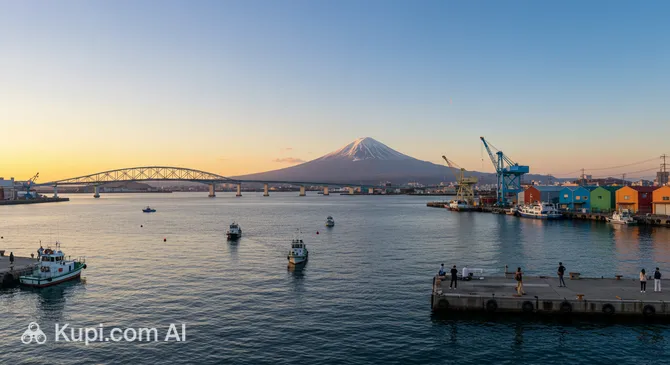
Kimitsu. Illustration.
Source: Kupi.com AI

With a population of about 81,000 people, Kimitsu retains the spirit of a welcoming Japanese town where life flows at a measured pace. The city covers an area of more than 318 square kilometers, allowing it to harmoniously combine urban development with picturesque natural landscapes. Here, traditions exist side-by-side with modernity: well-kept parks invite you for walks, ancient temples hold centuries-old secrets, and colorful festivals fill the streets with bright colors and music.

Kimitsu attracts travelers with the opportunity to enjoy true Japanese culture without the hustle and bustle of big cities. Among its features are beautiful natural spots, perfect for relaxation and contemplation, as well as local culinary delights that will please gourmets. This is a wonderful place for those who value tranquility, natural beauty, and want to touch the authentic life of the Land of the Rising Sun.

If you dream of a harmonious vacation where you can enjoy both natural beauty and cultural heritage, be sure to consider Kimitsu for your next trip. This city will give you unforgettable impressions and allow you to feel like a part of the real Japan.

You can find more interesting facts on the Kimitsu city history page.

Weather Overview

The weather in Kimitsu is characterized by noticeable seasonal changes. Summer, especially in July and August, is warm here, with average temperatures around 26-27°C and maximums reaching nearly 30°C. Winters, particularly January and December, are quite cool, with average temperatures around 6-9°C and minimums dropping to 3-6°C. Precipitation is distributed throughout the year, with the highest number of rainy days in June and October (about 16 days) and the lowest in January and December (about 7 days). Overall, expect a warm summer with occasional rain and cool, relatively dry winters. For more detailed information, please see the detailed weather forecast: Kimitsu Climate.

Average monthly temperature

Average monthly precipitation

Interesting Facts

In addition to its well-known attractions and industrial heritage, Kimitsu hides many surprising details and lesser-known stories that make it a truly special place to explore.

  • Although the city of Kimitsu was officially founded only in 1971, the lands on which it stands have a rich history dating back centuries. Important trade routes passed through this territory, and its proximity to Tokyo Bay has always made it strategically significant for the Kanto region.

  • One of the city's most photographed yet secluded gems is the Nomizo Waterfall (Nomizo no Taki). It is especially beautiful at dawn, when the sun's rays breaking through the dense foliage create an almost mystical "portal to another world" effect, attracting photographers and nature lovers.

  • The city has its official natural symbols: the Kimitsu flower is the rhododendron (Rhododendron dilatatum), and the official tree is the Japanese yew. Every spring, when the city is bathed in rhododendron blooms, locals celebrate with colorful festivals.

  • Kimitsu is known for its traditional crafts, especially bamboo and wood products. In many workshops, the secrets of the craft are passed down from generation to generation, and visitors can not only watch the artisans at work but also participate in workshops to create a unique handmade souvenir.

How to Get There

The most convenient way to reach Kimitsu in Chiba Prefecture is through the major international airports serving Tokyo. From there, you can continue your journey via local transport or car.

The main and closest option is Haneda Airport (HND), located in Tokyo. The distance from there to the center of Kimitsu is only about 27 km. A trip by taxi or car usually takes about 45-60 minutes, depending on traffic. Haneda is a major international and domestic hub offering a vast number of flights.

Another significant international airport is Narita International Airport (NRT), which is also in Tokyo but further from Kimitsu—approximately 65 km. Travel time from Narita to Kimitsu by car is about 1.5 to 2 hours. Narita serves many international destinations and is a key transport hub.

From both airports, Kimitsu can be reached by train or bus, though it is recommended to check current routes and schedules in advance. Taxi services and car rentals are also available, which can be a convenient option for traveling directly to your destination.

For your convenience, here is a summary of the main airports you can use to reach Kimitsu:

AirportPassenger trafficDistance
Haneda Airport85.7 mln27 km
Narita International Airport40.8 mln65 km
Ibaraki Airport776 063105 km
Shizuoka Airport691 274168 km
Matsumoto Airport112 618202 km

Main Attractions

Kimitsu, located in Chiba Prefecture, offers visitors a unique blend of natural beauty and entertainment for the whole family. The city and its surroundings are rich in places where you can enjoy scenic landscapes, get acquainted with local culture, and simply have a good time.

One of the main gems of the region is Mother Farm. This is a huge entertainment complex spread across the hills where visitors can interact with animals, admire seasonal flower fields (the rapeseed fields and petunias are particularly famous), and watch exciting shows like sheep shearing or a duck parade. The farm offers many activities for children and adults, including fruit picking, amusement rides, and restaurants serving dishes made from local products. it is an ideal place for a full day of family fun.

For lovers of nature and panoramic views, Mount Kano is a must-see. It is one of the highest points in Chiba Prefecture and offers magnificent views of the surrounding landscapes, and on clear days, even Tokyo Bay and Mount Fuji. Ancient temples like Jufuku-ji are also located on Mount Kano, adding cultural and historical value to the site. Hiking trails of varying difficulty make it attractive for outdoor enthusiasts.

An incredibly picturesque spot that has become popular thanks to social media is the Nomizo Waterfall and Kameiwa Cave in Shimizu Keiryu Hiroba Park. This place looks especially impressive early in the morning during certain seasons, when sunlight penetrating through a hole in the rock creates a mystical glow and reflects in the water, forming a heart shape. It is a true paradise for photographers and those seeking peace in the heart of nature.

Another wonderful place for relaxation is Lake Kameyama, the largest reservoir in Chiba Prefecture. It is surrounded by lush greenery and is especially beautiful in autumn when the hillsides are painted in vibrant colors. Here you can rent a boat, go fishing, or simply stroll along the shore, enjoying the peace and quiet. The lake is also a popular spot for birdwatching.

Local Cuisine

The culinary scene in Kimitsu is a true reflection of the bounty of Tokyo Bay and the fertile lands of Chiba Prefecture. Freshness and tradition are highly valued here, resulting in dishes that will delight any foodie. The foundation of local cuisine is undoubtedly seafood. Be sure to try the freshest sashimi and sushi, as well as various grilled seafood, such as squid or oysters. Depending on the season, you might be offered delicacies like anko (monkfish) or ayu (sweetfish), prepared according to traditional recipes.

Rice grown in the surrounding fields plays an equally important role in Kimitsu's cuisine. Dishes featuring freshly steamed rice combined with seafood are considered a hallmark of the region. At local farmers' markets, you can always find fresh seasonal vegetables, fruits, and delicious homemade pickles, which perfectly complement any meal. For those looking for a quick and tasty snack, especially during city festivals and fairs, street food is worth exploring. Popular choices include yakisoba (fried noodles with vegetables and meat) and takoyaki (savory batter balls with pieces of octopus).

When it comes to drinks, in Kimitsu, as throughout Japan, you will find a wide variety. Among alcoholic beverages, it's worth trying the local sake or shochu, as well as Japanese beer. For non-alcoholic options, green tea in all its varieties is popular, and in hot weather, mugicha (barley tea) is perfectly refreshing.

The food culture in Kimitsu is diverse. Locals and tourists alike can enjoy exquisite dishes in restaurants specializing in seafood and seasonal delicacies. Farmers' markets offer the chance not only to buy the freshest products but also to taste something authentic. City festivals are often accompanied by food fairs where you can soak up the festive atmosphere, sample traditional dishes, participate in tastings, and even take workshops from local chefs.

Travel Tips

Planning a trip to cozy Kimitsu? Wonderful! To ensure your journey through this Japanese city goes smoothly and leaves only pleasant impressions, we have prepared some practical tips. They will help you navigate the local area better and avoid common mistakes.

  1. Clothing and Essentials: The climate in Kimitsu, as in all of Chiba Prefecture, is temperate with four distinct seasons. In summer (June-August), it is hot and humid, so choose light, breathable clothing. In spring (March-May) and autumn (September-November), the weather is pleasant, but evenings can be cool—bring a sweater or light jacket. In winter (December-February), it can be chilly, sometimes with snow, so warm clothing and layering will be useful. Be sure to bring comfortable walking shoes. Don't forget an adapter for your electronics—Japan uses type A outlets (two flat parallel pins) and 100V voltage. When visiting temples and shrines, dress modestly (shoulders and knees covered) and be prepared to remove your shoes.

  2. Transport in the City: Your primary way of getting around Kimitsu and its surroundings will likely be local buses and trains (JR lines). To plan train routes, it's convenient to use the HyperDia app or Google Maps. Taxis are available, but they are a rather expensive way to travel. If you plan to travel extensively around Chiba Prefecture, you might consider renting a car (an international driving permit is required, and driving is on the left), but note that parking in cities can be paid and limited.

  3. Finances: The national currency is the Japanese yen (JPY, ¥). It's best to exchange currency at the airport upon arrival, at banks, or at the post office. In Kimitsu, the number of exchange points may be limited. Credit cards (Visa, Mastercard) are accepted in most hotels, large shops, and restaurants, but cash is still very important, especially in small establishments, temples, and markets. ATMs that accept international cards are usually found in 7-Eleven stores (7-Bank) and at post offices (Japan Post Bank). Tipping is not practiced in Japan and may be seen as a misunderstanding.

  4. Health and Safety: Japan is one of the safest countries in the world, and Kimitsu is no exception. The crime rate here is low. Nevertheless, always follow basic precautions. Pharmacies (薬 "kusuri" or "drugstore") are available in the city, but the range of medications may differ. It's best to bring a basic first-aid kit with you. Be sure to take out medical insurance before your trip.

  5. Communication: The official language is Japanese. The level of English proficiency among the local population in Kimitsu may be low, especially compared to Tokyo. Learn a few basic phrases: "Konnichiwa" (Hello), "Arigato" (Thank you), "Sumimasen" (Excuse me/I'm sorry). For connectivity, we recommend purchasing a tourist SIM card or renting a pocket Wi-Fi router at the airport. Free Wi-Fi is often available in hotels and some public places.

  6. Local Etiquette: Japanese people are very polite and value respect for their culture. Greetings are usually accompanied by a slight bow. In public places, especially on transport, try to keep noise levels down and avoid talking loudly on the phone. Remove your shoes before entering homes, some temples, and traditional restaurants (there is usually a special place at the entrance for this). It is not common to eat or drink while walking on the street (except in designated areas at festivals).

  7. What to Avoid: Never stick your chopsticks vertically into a bowl of rice—this is associated with funeral rituals. Also, try not to point your finger at people or objects; use an open palm instead. Blowing your nose loudly in public is considered impolite—it's better to go to a restroom.

  8. Additional Tip: Kimitsu is located in Chiba Prefecture, which is rich in natural beauty. If you have time, explore the surroundings—there may be scenic parks, mountains (like Mount Kano), or interesting spots along the Tokyo Bay coast nearby. Check if any local festivals (matsuri) are taking place during your visit—they are a great way to experience Japanese culture.

We hope these tips make your stay in Kimitsu as comfortable and memorable as possible. Have a wonderful trip and enjoy your discoveries in this corner of Japan!

Entertainment & Nightlife

Kimitsu, nestled in Chiba Prefecture, offers its guests a quiet but authentic Japanese experience, even after the sun sets. The nightlife here may not be as extensive as in Tokyo, but it has its own charm and centers around traditional Japanese entertainment and cozy venues.

The main centers of evening activity are usually the areas around Kimitsu railway station. Here you can find various izakayas—traditional Japanese pubs that serve drinks and snacks. The atmosphere in such places is usually very friendly and conducive to socializing. Many izakayas offer local varieties of sake and shochu, as well as seasonal dishes. They generally stay open until late evening or midnight. The dress code in most establishments is casual.

In addition to izakayas, karaoke bars are popular in Kimitsu—an integral part of Japanese entertainment culture. This is a great place to have fun with friends. Restaurants offering dinner also stay open late, allowing you to enjoy local cuisine in a calm setting. As for classic nightclubs, there may be few in a city of this size, or they might be oriented towards the local crowd. We recommend checking current signs and advertisements on-site or looking for information on local Japanese resources before heading out.

For evening strolls and entertainment, head toward the city's central streets. Prices in Kimitsu venues are likely to be moderate, especially compared to large metropolises. You can get back to your hotel at night by taxi; they can be found at stands near the station or called by phone. Japan is generally a very safe country, and Kimitsu is no exception, though you should always follow standard precautions.

While the focus of your query is on nightlife, Kimitsu also offers daytime leisure options. You can visit local parks for peaceful walks or explore small temples and shrines that reflect the region's culture. If the city has local museums, they can tell you about the history and traditions of Chiba Prefecture. For more active entertainment, check for theaters or concert venues with daytime performances.

Parks & Museums

Kimitsu, located in Chiba Prefecture, offers its guests a pleasant combination of natural beauty and opportunities for cultural enrichment. The city and its surroundings are ideal for a relaxing holiday in nature and getting to know the local history.

Among the green spaces that stand out is Roman Forest Republic (Roman no Mori Kyowakoku). This is an extensive leisure complex where you can enjoy nature, walk through the forest, find entertainment for the whole family, and even stay overnight. It is perfect for those who want to spend a day outdoors enjoying seasonal flowers and activities. Another significant natural and cultural spot is the area around Mount Kano. It offers picturesque views, hiking trails, and the well-known Jinya-ji Temple, making it attractive for both nature lovers and those interested in history.

For those wishing to gain a deeper understanding of the region's history and culture, the main place to visit is the Kimitsu City Museum of History and Folklore. The museum's exhibits tell the story of the city's development, the traditional lifestyle, and the crafts of its residents. It is a wonderful opportunity to learn more about Kimitsu's past and its significance within Chiba Prefecture. While there may not be world-class major art galleries in Kimitsu, you can often find small exhibitions by local artists or craftsmen that reflect the city's spirit.

Regarding historical sites, Jinya-ji Temple on Mount Kano is a must-mention. This is an ancient Buddhist temple with a rich history, attracting pilgrims and tourists with its architecture and peaceful atmosphere. A walk through its grounds allows you to experience Japan's spiritual traditions.

For more authentic experiences, try strolling along the banks of the Koito River, which flows through the city, offering quiet corners for relaxation. It is also worth paying attention to local seasonal festivals if your trip coincides with them—this is a great way to experience the living culture of Kimitsu and its hospitable residents.

Getting Around

Navigating Kimitsu for tourists is quite simple thanks to an organized public transport system. The main ways to get around the city and its surroundings are local trains and buses.

Trains: Railway lines, specifically JR East lines, play a key role in the transport system, connecting different areas of Kimitsu and linking it to other cities in Chiba Prefecture and Tokyo. Stations are usually well-marked, and schedules are available at the stations themselves and online. Buses: The city bus network complements the rail service, providing access to areas where trains do not run. Routes and schedules can be found at bus stops and sometimes on the websites of local transport companies.

Payment System: The most convenient way to pay for travel on trains and buses across Japan, including Kimitsu, is with rechargeable smart cards such as Suica or PASMO. These cards can be purchased and topped up at machines in railway stations. You pay by simply tapping the card against the reader at station ticket gates or when entering/exiting a bus. Single train tickets can also be purchased from machines at stations (cash or card). On buses, you can usually pay the fare in cash to the driver upon exiting; it is recommended to have small change, as change may be limited. The fare depends on the distance.

Practical Tips: Buy train tickets before boarding at station machines. IC smart cards must be tapped at the validator when entering and exiting the station. On buses, tap the card when entering and/or exiting depending on the system (often at the entrance for flat fares, or both when the fare is distance-based). Public transport in Kimitsu usually runs from early morning until late evening, but frequency may decrease during off-peak hours and on weekends. It's always best to check exact schedules in advance.

Alternatives: If you need a more direct or 24-hour way to get around, taxis are available in Kimitsu. They can be found at stands near stations or called by phone. Bicycles can also be a convenient way to explore the city, especially its central and park zones; rental points can sometimes be found.

Accommodation

In Kimitsu, travelers can find various accommodation options to suit different budgets and preferences. The city offers a choice ranging from traditional Japanese inns (ryokans), where you can immerse yourself in local culture, to modern hotels with a standard range of services. Guesthouses and possibly short-term rental apartments are also available, though the selection may be more limited compared to major tourist centers.

When choosing a place to stay in Kimitsu, pay attention to areas with good transport accessibility, especially if you plan to travel actively around the city and its surroundings. Some hotels may be located near railway stations or main attractions, making them a convenient base for exploring the region. While specific hotel names are not provided in the data, you can expect to find both budget and mid-range hotels.

It is recommended to book accommodation in advance, especially if your trip coincides with peak tourist season, national holidays, or local festivals. This will help ensure a better choice and more favorable prices. The main booking methods are popular online platforms and, in some cases, contacting the hotel directly. The price range varies: you can find both economical options and mid-level comfort offers.

Nearby Cities

For those who want to explore the surrounding area, Kimitsu serves as an excellent starting point for day trips to several interesting nearby locations:

CityPopulationDistance
Futtsu42 2805 km
Kisarazu136 1186 km
Sodegaura63 97512 km
Yokosuka390 27522 km
Torihama9 64324 km

These nearby destinations provide insight into the diverse culture and landscapes of the region. A trip to cities like vibrant Yokohama, with its famous port and Chinatown, or historical Yokosuka, known for its naval base and parks, will provide plenty of impressions. Each of these cities offers unique attractions and atmosphere, making them a wonderful addition to your journey through Japan.

Shopping & Souvenirs

Shopping in Kimitsu offers more of a look into local trade rather than a hunt for global brands. The city is not a major shopping center in Japan, but you can find everything you need and purchase authentic goods here. The main focus is on shops serving the daily needs of residents, as well as small stalls with local products.

The main shopping areas in Kimitsu are typically concentrated around railway stations, such as Kimitsu Station, and along the city's main streets. Here you will find supermarkets, small specialized shops, pharmacies, and convenience stores. Walking through these areas will allow you to immerse yourself in the relaxed atmosphere of a Japanese provincial town.

While Kimitsu may not have the giant shopping complexes characteristic of metropolises, you can find mid-sized department stores or shopping centers catering to locals, such as chains like Aeon or Beisia, which offer a wide range of goods—from food and clothing to household appliances and home goods. These centers are often located on the outskirts of the city and are more convenient to reach by car.

As for markets, in Kimitsu, as in many Japanese cities, you can find small local markets where farmers sell fresh vegetables, fruits, and other products. Occasionally, fairs or seasonal sales are held where you can buy local delicacies and handmade items. It is best to check for information about such events on-site.

As souvenirs from Kimitsu and Chiba Prefecture, look for local products. Chiba is famous for its peanuts (rakkasei) and peanut-based products, such as peanut paste or sweets. Local varieties of sake and soy sauce are also popular. You might look for ceramics or textiles created by local artisans, though this may require some searching in specialized shops or souvenir stalls.

Shops in Kimitsu are usually open from 10:00 or 11:00 AM to 7:00 or 8:00 PM. Large supermarkets and shopping centers may stay open later. Credit cards are widely accepted, especially in chain stores and department stores. However, in small shops and at markets, it is preferable to have cash on hand.

For foreign tourists in Japan, a Tax Free system is available. When purchasing goods for a certain amount (usually over 5,000 yen) at shops participating in this program (look for the "Japan Tax-free Shop" logo), you can receive a consumption tax refund. To do this, you must present your passport at the checkout or a special Tax Free counter.

Reached the end of the page?

That means the route is fully explored