Support

Miura

About

Miura is a charming coastal city nestled on the southwestern tip of the Miura Peninsula in Kanagawa Prefecture. Its shores are washed by the waters of the Pacific Ocean, while picturesque bays and rocky cliffs create a unique atmosphere of tranquility. Thanks to its proximity to Tokyo, which is about an hour and a half away, Miura has become a favorite getaway for those seeking to escape the urban bustle by the sea without spending much time on the road.
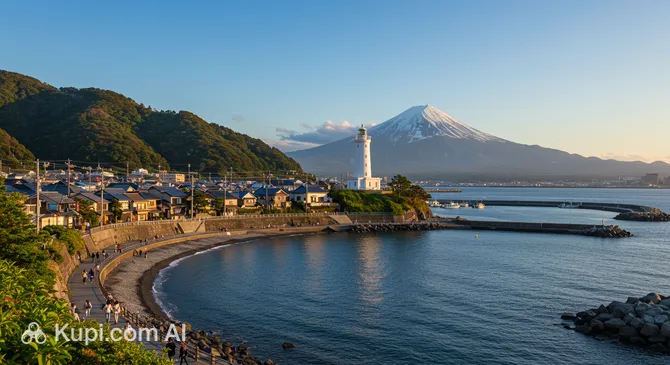
Miura. Illustration.
Source: Kupi.com AI

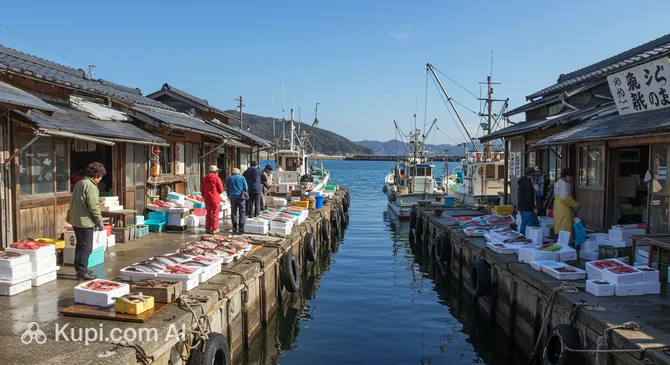
The population of Miura is about 42,000 people. The city is administratively part of Kanagawa Prefecture and is famous, above all, for its Misaki port — one of the most well-known fishing ports in Japan. A relaxed maritime atmosphere prevails here, the air is filled with the scent of salt and freshly caught fish, and the streets are filled with the slow-paced life of fishermen and tourists who come for seafood delicacies and magnificent landscapes.

The main treasure of Miura is its amazing nature. Spacious beaches, rocky cliffs, dense forests, and islands such as Jogashima invite visitors for walks and picnics. On a clear day, breathtaking views of Mount Fuji open up from here, and sunsets paint the sea in incredible golden-pink hues. Here you can feel true harmony with nature and the traditional Japanese way of life.

Miura is an ideal place for outdoor enthusiasts. Cycling routes, hiking along coastal trails, diving, and, of course, fishing are popular here. This city is perfect for a leisurely holiday, getting to know the local culture, and making gastronomic discoveries. Visit Miura to enjoy its peace, beauty, and hospitality – everyone will find something to their liking here, from secluded beaches to bustling fish markets.

You can find more interesting facts on the history of Miura page.
Weather Overview

The climate in Miura is characterized by distinct seasons, which is important to consider when planning your trip. In general, expect warm summers in Miura with average temperatures around 21-27°C (June–August) and regular precipitation, as well as cool, drier winters, when temperatures range around 7-10°C (December–February). For example, the hottest month is August, with an average temperature of 26.8°C and maximums reaching 28.3°C. The coldest month is January, with an average temperature of 7.4°C and minimums around 4.9°C. The highest number of rainy days usually occurs in September and October (16 days each), although June and October also stand out for their rainfall (8 mm each). To find more details about the weather for planning your trip, visit the Miura Climate page.

Average monthly temperature

Average monthly precipitation

Interesting Facts

In addition to its picturesque landscapes and hospitable atmosphere, Miura holds many amazing stories and unique features. This coastal city is ready to share its secrets with curious travelers.

Misaki Fishing Port. Illustration.
Source: Kupi.com AI

Traveler photos:

  • Miura proudly bears the unofficial title of "Tuna Town" (Maguro-no-machi). The local Misaki Fish Port is considered one of Japan's main tuna fishing hubs, where huge catches of tuna are delivered daily. Here you can see traditional fishing methods and even attend the famous tuna auctions.

  • Located off the coast of Miura, Joga Island is shrouded in legends—it is said that pirates once found refuge here. Today, it is a popular spot for walks, birdwatching, and picnics, and the territory of the picturesque Jogashima Park offers breathtaking ocean views.

  • Miura is famous for its vibrant festivals. Among them, the Miura Coast Noryo Festival Fireworks stands out—an impressive fireworks display on the coast. Also popular is the traditional Misaki Asaichi fish market, where you can not only buy the freshest fish but also watch the fishermen at work and sample local delicacies.

  • Miura is home to the unique Koajiro Forest, a true oasis of wild nature. Here you can find rare species of plants and animals, making it an ideal place for eco-tours and peaceful walks among evergreen trees and along babbling brooks.

How to Get There

There are several ways to reach the picturesque city of Miura, located on the eponymous peninsula in Kanagawa Prefecture, mainly through the major transport hubs of the Kanto region. Thanks to Japan's advanced transport system, the journey to Miura will be comfortable and relatively fast.

The majority of international tourists arrive in Japan via Tokyo's two main airports, from where they can continue their journey to Miura. Miura itself does not have its own airport, but nearby major aviation hubs provide convenient access.

The closest and largest is Haneda Airport (IATA: HND), located in Tokyo, approximately 47.5 km from the center of Miura. It is one of the world's busiest airports, serving many international and domestic flights. A trip from Haneda to Miura by car or taxi will take roughly 1.5 to 2 hours, depending on traffic. Train and bus options are also available, often with a transfer in Yokohama or other major hubs.

Another major international hub is Narita International Airport (IATA: NRT), also located in the capital region, but further from Miura—about 97.8 km away. Narita handles a huge volume of international flights from around the world. The journey from Narita to Miura by car can take between 2.5 and 3.5 hours. Express trains (such as the Narita Express) run to major stations in Tokyo or Yokohama, where you can transfer to local lines to Miura.

For convenience, here is a summary of the main airports used to reach Miura:

AirportPassenger trafficDistance
Haneda Airport85.7 mln48 km
Narita International Airport40.8 mln98 km
Ibaraki Airport776 063136 km
Shizuoka Airport691 274137 km
Matsumoto Airport112 618191 km

Regarding rail connections, although Miura may not have large stations for Shinkansen high-speed trains, it is well integrated into the regional rail network. Travelers arriving by long-distance trains usually reach major transport hubs like Yokohama, Ofuna, or Shinagawa (Tokyo), and then transfer to local JR lines (such as the Yokosuka Line) or the private Keikyu Line, which go directly to the Miura Peninsula. A trip by local train from Yokohama to stations on the Miura Peninsula takes about 30–60 minutes.

Upon arrival in Miura or at the nearest station, you can use local buses, taxis, or rent a bicycle to get around the city and its surroundings, which is especially pleasant for exploring the coastal areas.

Main Attractions

The city of Miura, located on a picturesque peninsula, offers tourists many interesting places to visit, combining natural beauty and cultural heritage. Here, everyone will find something to their liking, from secluded parks to lively markets.

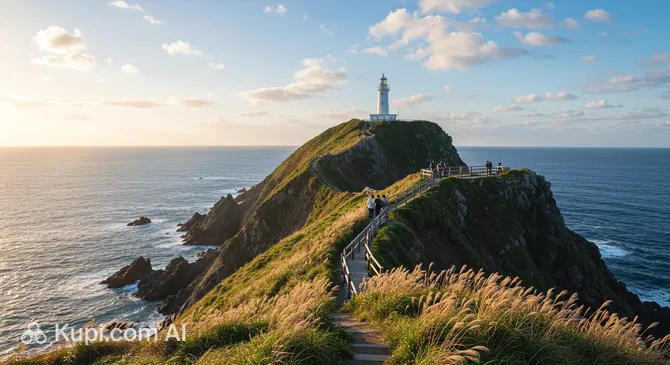
One of the main gems is Jogashima Park. This vast park, spread across the island of the same name and connected to the mainland by a bridge, attracts visitors with its breathtaking coastal landscapes, rocky cliffs, and well-maintained walking trails. It is an ideal place for nature lovers who want to enjoy fresh sea air and panoramic ocean views.

Jogashima Park. Illustration.
Source: Kupi.com AI

Traveler photos:

No less attractive is the famous Misaki Fish Port. This is one of the largest tuna markets in Japan, where you can not only watch the morning auctions (if you are lucky enough to arrive at the right time) but also try the freshest seafood in numerous nearby restaurants. The port offers a unique opportunity to immerse yourself in the authentic atmosphere of Japanese fishing and gastronomy.

Misaki Fishing Port. Illustration.
Source: Kupi.com AI

Traveler photos:

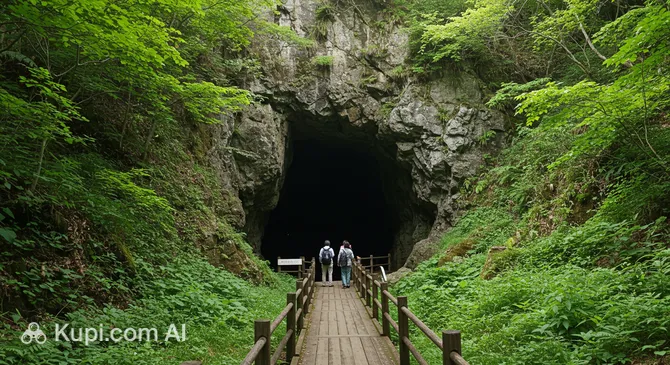
For those looking for natural wonders, Umanose Cave is a must-see. This picturesque sea cave, known for its unusual shape resembling a horse's back (hence the name), impresses with its natural beauty and the play of light on the rock formations. Visiting the cave, especially during low tide, will provide unforgettable impressions and beautiful photos.

Umanose Cave. Illustration.
Source: Kupi.com AI

Traveler photos:

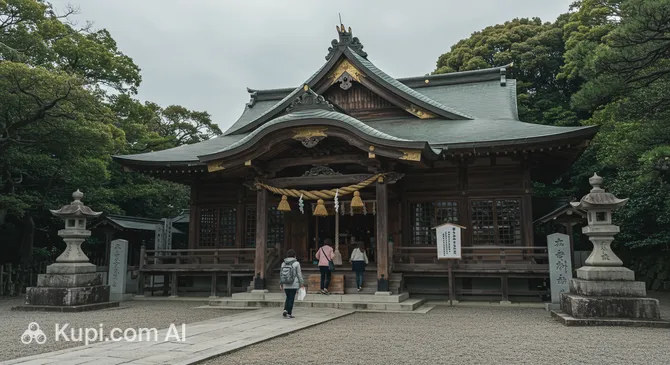
History buffs and fans of traditional Japanese culture should visit Kainan Shrine. This ancient Shinto shrine, located in a secluded spot, offers a peaceful atmosphere for reflection and getting to know local beliefs. Its beautiful architecture and well-kept grounds make it a wonderful place for a tranquil break.

Kainan Shrine. Illustration.
Source: Kupi.com AI

Traveler photos:

Local Cuisine

The culinary scene in Miura is a true feast for lovers of the freshest seafood, and at the heart of this gastronomic abundance is undoubtedly the famous maguro (tuna). It is the city's main culinary pride, prepared here in every possible variation, attracting gourmets from all over Japan and abroad. A trip to Miura would not be complete without tasting this marine delicacy.

Be sure to try maguro-don—a generous portion of rice topped with slices of the freshest tuna. Classic maguro sashimi and sushi are equally popular, allowing the flavor of the fish to be fully revealed. For those who prefer cooked dishes, options like grilled tuna or even an original tuna burger are available. Besides tuna, the menus of local establishments always feature other treasures of the sea: fresh oysters, sea urchins, squid, and crabs.

To fully experience the atmosphere of this fishing town, it is worth visiting the Misaki Fish Port. This is not just a market, but the true heart of Miura's gastronomic life. Here you can not only buy the freshest catch but also try it on the spot, while observing the skill of local fishermen and chefs. Many of the city's restaurants also source their ingredients here, guaranteeing the highest quality. Additionally, Miura is home to popular farmers' markets selling seasonal vegetables and fruits that perfectly complement the seafood delicacies.

For a quick snack, look out for street food: grilled seafood, tuna rice balls (onigiri), and various traditional Japanese sweets. Sake or refreshing green tea pairs perfectly with seafood dishes. Locals often prefer dining in small family restaurants where dishes are served according to traditional recipes passed down through generations.

The gastronomic experience in Miura is, above all, about incredible freshness and the cult of tuna. The chance to try dozens of maguro dishes, from classics to modern interpretations, and to immerse yourself in the lively atmosphere of the fish port makes this city an attractive destination for culinary tourism. If you're lucky enough to be here during one of the food festivals, you can discover even more unique flavors and ancient recipes.

Travel Tips

Planning a trip to the charming coastal city of Miura? To ensure your journey through this corner of Japan goes smoothly and leaves only pleasant impressions, we've prepared some practical tips to help you better navigate the area.

  1. Wardrobe and useful items: The climate in Miura is temperate, with warm, humid summers and mild winters. In summer, choose light, breathable clothing, and in winter, layered warm clothes. Don't forget comfortable shoes for coastal walks, a power adapter (Japan uses 100V, Type A/B sockets), sunscreen and a hat for summer, and an umbrella or raincoat, especially during the rainy season (June–July). Dress modestly when visiting shrines.
  2. Getting around town: The main modes of transport in Miura are trains (such as the Keikyu lines) and local buses. The city is quite compact, so many places are accessible on foot or by rented bicycle. Taxis are available but are a more expensive option; you can use apps like JapanTaxi or Go. Car rental is possible with an international driving permit (driving is on the left), but it is not always practical for getting around the city itself due to potential parking difficulties.
  3. Money and payments: The national currency is the Japanese Yen (JPY, ¥). You can exchange currency at airports and banks. Credit cards (Visa, Mastercard) are accepted in hotels and large shops, but small establishments and markets often prefer cash. Look for ATMs that accept international cards in post offices (Japan Post Bank) and 7-Eleven stores. Tipping is not practiced in Japan—high-quality service is considered the norm.
  4. Health and safety: Pharmacies (look for the "薬" sign) are easy to find in Miura, but not all are open 24/7, and staff may not always speak English. We recommend bringing a basic first-aid kit. Miura, and Japan in general, is a very safe place with a low crime rate. Nevertheless, always follow basic precautions. In emergencies, call 119 (fire/ambulance).
  5. Language and connectivity: The official language is Japanese. English is common in tourist areas but not everywhere. Learn a few basic phrases: "Konnichiwa" (Hello), "Arigato" (Thank you), "Sumimasen" (Excuse me). For connectivity, you can purchase a tourist SIM card or rent a pocket Wi-Fi router. Useful apps: Google Maps, HyperDia (for trains), Google Translate.
  6. Etiquette: Japanese people value politeness highly. Greet people with a slight bow. In public places, especially on transport, try to speak quietly and not disturb others. Do not eat while walking. Remove your shoes when entering homes, some shrines, and traditional restaurants. Keep the area clean.
  7. Important "Don'ts": To avoid offending locals and awkward situations, do not blow your nose loudly in public (it's better to go to a restroom) and do not stick your chopsticks vertically into rice, as this is associated with funeral rituals. It is also not customary to pass food from chopsticks to chopsticks to another person.
  8. The Highlight of Miura: The city of Miura is famous for its tuna (maguro)! Be sure to visit the local Misaki fish market and try the freshest tuna dishes at one of the many restaurants. The peninsula is also known for its picturesque coastal scenery and beaches—the perfect place for leisurely walks and enjoying nature.

We hope these tips help you better prepare for your trip to Miura and enjoy every moment of your stay in this picturesque Japanese city. We wish you an unforgettable experience!

Entertainment & Nightlife

Evening Miura offers its guests a calm and authentic atmosphere, quite different from the noisy nightlife of megacities. Here you won't find large nightclubs or districts dedicated entirely to partying until dawn. Instead, the city charms with the coziness of local restaurants and the opportunity to enjoy the freshest seafood in a relaxed setting.

The main center of evening life can be considered the Misaki Fish Port area. As evening falls, numerous restaurants and traditional Japanese drinking establishments—izakayas—open here, where you can try dishes made from freshly caught fish and seafood. The atmosphere is very welcoming, popular with both locals and tourists who appreciate quality food. The best time to visit is early evening to enjoy dinner and local flavor.

Misaki Fishing Port. Illustration.
Source: Kupi.com AI

Traveler photos:

Although there are no specialized nightclubs or bars in the provided list of attractions, this doesn't mean there is nothing to do in the evening. Nightlife in Miura is more focused around the culture of dining and socializing in small, cozy venues. The dress code is usually casual, and prices in restaurants and izakayas vary but generally remain moderate. The city quietens down late at night, so it's better to plan active entertainment for earlier hours.

In terms of safety, Miura, like most cities in Japan, is a fairly safe place for evening walks. However, it's always wise to follow standard precautions. For traveling at night, especially if your accommodation is far from the center or the port, it is most convenient to use a taxi. Public transport may run less frequently in the late hours.

During the day, Miura offers many interesting places to visit. You can explore the picturesque Jogashima Park, enjoy nature and views, visit the mysterious Umanose Cave, or learn about local culture at Kainan Shrine. Of course, the Misaki Fish Port itself is a popular daytime attraction where you can see lively trade and taste fresh catches.

Parks & Museums

Miura, a charming coastal city, offers its guests not only picturesque views but also the opportunity to connect with nature and local culture through parks, shrines, and unique attractions. Here, everyone will find something for themselves, whether it's a quiet retreat in nature or learning about local traditions.

One of the city's main green gems is Jogashima Park. This coastal park, located on the island of the same name and connected to the mainland by a bridge, is famous for its rocky cliffs, scenic walking trails, and lighthouse. It's a wonderful place for sunset watching, picnics, and enjoying the fresh sea air. The island offers magnificent panoramic views of Sagami Bay.

For lovers of natural wonders, Umanose Cave (Horseback Cave) is an interesting site. This impressive rock formation, carved by the waves, offers unique views and a chance to feel the power of nature. A walk to the cave and its surroundings will provide unforgettable impressions and photos.

While Miura may not boast many traditional museums, its cultural heritage is vividly represented in other forms. One such iconic spot is Kainan Shrine. This ancient Shinto shrine, shrouded in an atmosphere of peace and tranquility, attracts both pilgrims and tourists interested in Japanese culture and history. Its architecture and surrounding nature create a special, meditative mood.

To deeper immerse yourself in the authentic atmosphere of the city, be sure to visit Misaki Fish Port. It's not just a port, but a real hub of local life, known for its lively fish market where you can see a variety of fresh seafood, especially the tuna for which Misaki is famous. Numerous restaurants serving dishes from the fresh catch are located here. It's a great place to try local delicacies and observe the daily life of a fishing town.

For a complete experience, we suggest walking along the lesser-known coastal trails or stopping by small local shops where you can find unique souvenirs. It's these small discoveries that often make a trip truly memorable.

Getting Around

Public transport in Miura consists mainly of rail services and bus routes, which is typical for cities of this size in Japan. This allows for fairly convenient travel both within the city itself and to neighboring towns and tourist attractions on the peninsula.

The primary mode of transport connecting with other cities such as Yokosuka and Tokyo is by train. The Keikyu railway line plays a key role, with stations serving different areas of Miura. Within the city and for access to places far from the train stations, buses are actively used. The route network is quite developed and covers most areas, including popular tourist spots like Misaki Port or the coast.

For fare payment, the most convenient method is using rechargeable IC Cards, such as Suica or Pasmo. These can be purchased and topped up at machines in railway stations or in some convenience stores. These cards are universal and accepted on both trains and buses throughout the country, including Miura. Simply touch the card to the reader when entering and exiting. You can also buy single train tickets from machines at stations (cost depends on distance) or pay for the bus fare in cash when entering or exiting (it's recommended to have small change, as drivers may not always be able to provide change for large bills). Bus fares are usually flat within one zone or based on distance.

Practical tips for tourists: Purchase train tickets and IC cards at railway stations. On buses, the IC card should be touched to the validator upon boarding (and sometimes when exiting if the fare is distance-based—follow the signs or the example of other passengers). Single bus tickets are usually paid to the driver. Public transport in Miura, as in most Japanese cities, runs strictly to schedule, which can be found at stops and stations. Usually, services start early in the morning (around 5–6 AM) and end close to midnight, but on less popular routes, the last service may be earlier.

Among alternative ways to get around Miura, you might consider a taxi. Taxi stands are usually located near railway stations. This is a more expensive option but convenient for traveling with luggage or to places where public transport doesn't go. Given the coastal location and scenic views, bicycle rental can be an excellent option for exploring the surroundings, especially in good weather. Bike rental points can be found in tourist areas or near stations.

Accommodation

In Miura, tourists can find a variety of accommodation options catering to different preferences and budgets. The city offers a choice ranging from traditional Japanese inns (ryokans), where you can immerse yourself in local culture, to modern hotels of various categories. Cozy guest houses (minshuku) and apartments are also available for those who prefer more independence and space, especially when traveling with family or a group.

When choosing a place to stay in Miura, it's worth paying attention to areas located near the picturesque coast or major tourist routes. This will provide not only beautiful views but also convenient access to interesting sites and transport hubs. Many accommodation options in Miura offer peaceful views of the ocean or the surrounding nature, making your stay even more pleasant.

It is recommended to book accommodation in Miura well in advance, especially if your trip coincides with peak tourist season, national holidays, or weekends, as popular options can sell out quickly. The price range varies: you can find both budget options and mid-range hotels or more luxurious offerings. Booking is conveniently done through well-known international and Japanese online platforms, as well as, in some cases, directly through hotel websites.

Nearby Cities

For those looking to explore the surrounding area, Miura serves as an excellent starting point for day trips to several interesting nearby locations:

CityPopulationDistance
Hayama31 54615 km
Yokosuka390 27516 km
Zushi56 99617 km
Kamakurayama172 92921 km
Minamiboso35 45423 km

These nearby destinations offer a glimpse into the diverse culture and landscapes of the region. For example, Yokohama, one of Japan's largest port cities, offers a lively atmosphere, modern attractions, and its famous Chinatown. Yokosuka is interesting for its naval history and picturesque coastal views. A trip to Fujisawa allows you to enjoy the beaches and the proximity to the popular Enoshima Island. These and other cities are easily accessible from Miura and will be a wonderful addition to your journey through Japan.

Shopping & Souvenirs

Miura, being a charming port city in Japan, offers tourists an experience that is less about large-scale shopping in the usual sense and more about the opportunity to purchase unique local products and souvenirs closely tied to the sea and the region's agriculture. You won't find giant malls here, but you can enjoy the shopping process in a more authentic and calm atmosphere, discovering Kanagawa Prefecture specialties.

The main commercial activity and the most interesting shopping spots in Miura are concentrated around the Misaki Fish Port and its adjacent streets. This is where you can find many small shops and stalls selling the freshest seafood, local delicacies, and everyday goods. A walk through this area is a pleasure in itself, allowing you to immerse yourself in the life of a real Japanese port town.

Large modern shopping centers are not a characteristic feature of Miura. Instead, small family-run shops, specialty boutiques, and direct sales from producers prevail, giving shopping a special local flavor. It is in such places that you can find truly unique items.

The main place for gastronomic shopping is undoubtedly the famous Misaki Fish Port. It is not just a port, but an entire complex including a fish market where you can see impressive catches of tuna—the pride of Miura. Near the market, you'll often find the "Urari Marche" shopping rows, which sell fresh seafood, processed fish products, local vegetables and fruits, and ready-to-eat dishes. It's a great place to taste and buy treasures from the sea.

As souvenirs from Miura, it's worth bringing back things that reflect its maritime and agricultural character. First and foremost is, of course, tuna products (maguro): ranging from fresh and frozen to canned, dried, or in the form of various snacks. Other seafood delicacies, dried seaweed, and fish pâtés are also popular. Don't forget the famous Miura daikon radish—if not the vegetable itself, then products based on it. Occasionally, you can also find small handicraft items with a marine theme.

Most shops in Miura are typically open from 10:00–11:00 AM until 6:00–7:00 PM. Markets, especially fish markets, start significantly earlier, often at dawn, and may close by lunchtime. Regarding payment, most stores and restaurants accept credit cards, however, at markets and in small family shops, it is preferable to have cash Japanese Yen (JPY). ATMs can be found at post offices and some convenience stores.

For international tourists in Japan, a Tax-Free system is available. When making purchases over a certain amount (usually over 5,000 yen excluding VAT) in stores with the appropriate license and "Japan Tax-free Shop" sign, you can apply for a consumption tax refund. You will need your passport for this. Check conditions directly in Miura shops, as not all retail outlets may provide this service, especially smaller ones.

Reached the end of the page?

That means the route is fully explored